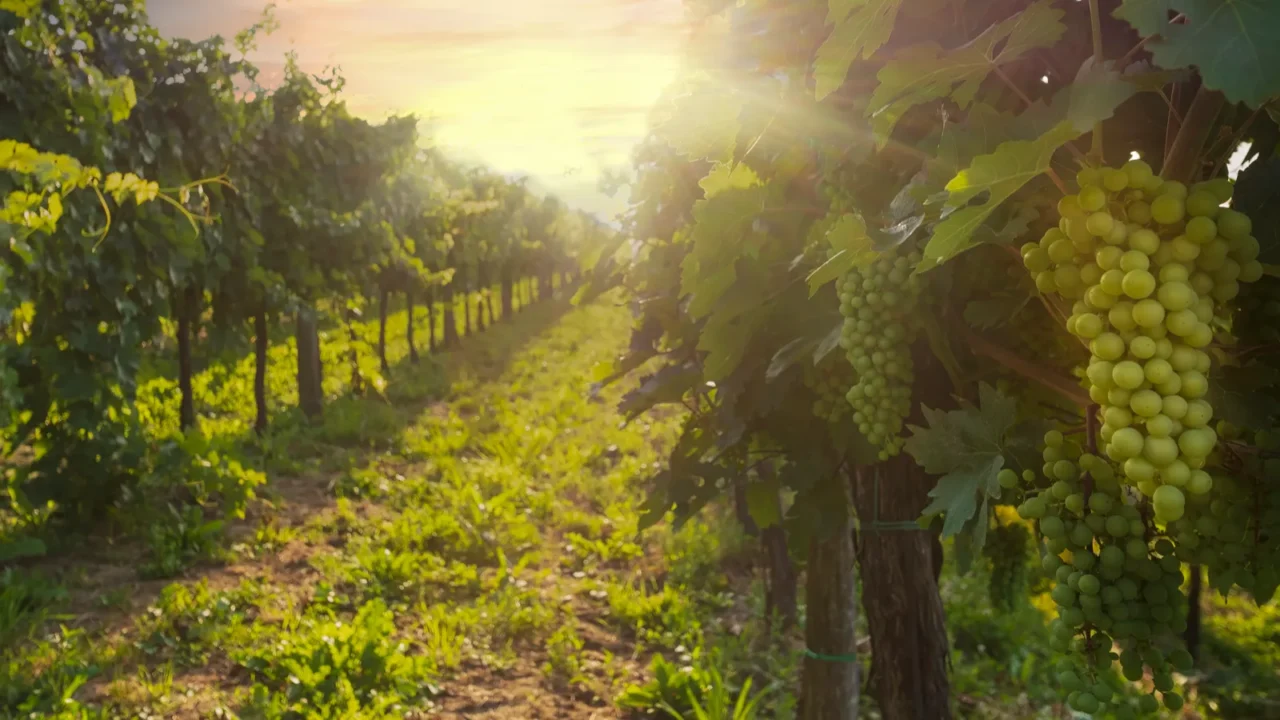
A fresh way to tour vineyards
Imagine strolling through a lush, green vineyard, but instead of open sky overhead, a transparent dome or canopy is protecting the vines. In recent years, some boutique vineyards began using domes, greenhouses, or high-tech enclosures to control temperature and humidity so grapes can grow in more stable conditions.
This transforms a seasonal vineyard into a year-round destination for travelers and wine-lovers curious about how grapes thrive under controlled conditions. Let’s get to it!
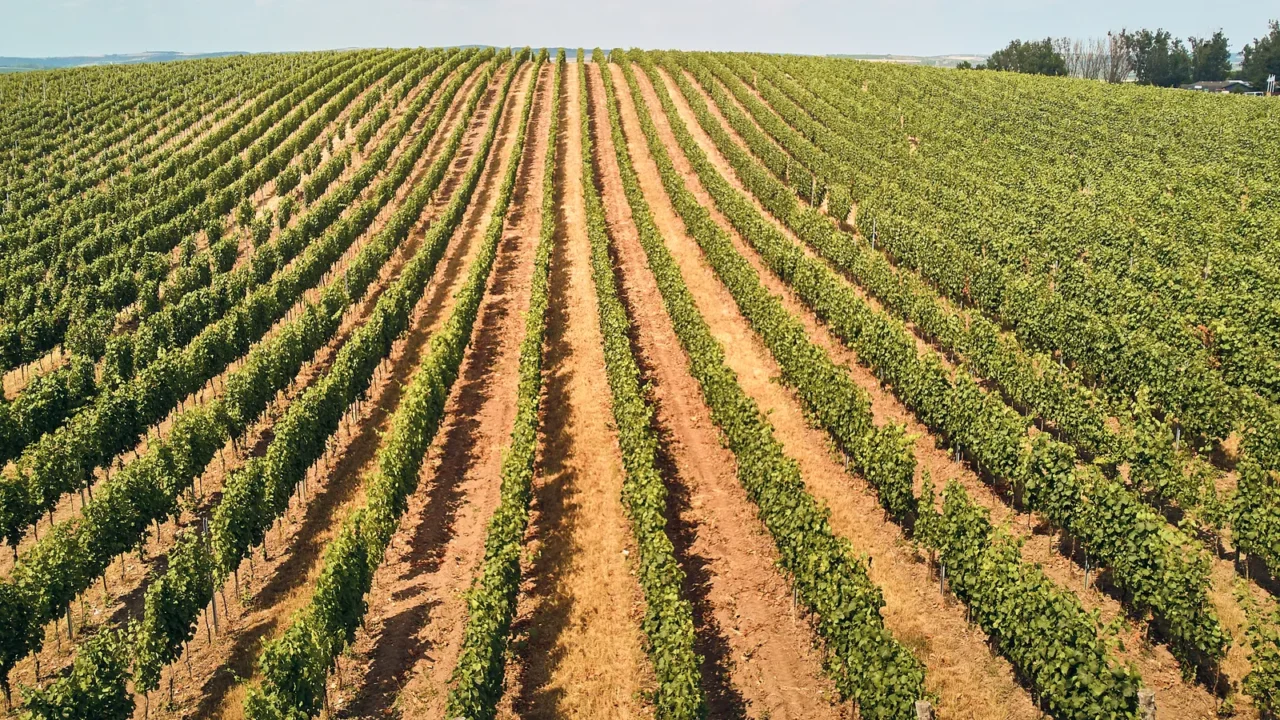
Why vineyards need protection
Global warming and unpredictable weather make traditional grape growing harder than ever. Excessive heat or unexpected frost can ruin grape quality or yield. By creating a climate-controlled environment, vineyards can protect vines from extreme temperature swings and weather threats while still producing high-quality grapes.
This kind of protected viticulture also helps stabilize grape quality across seasons. It offers more predictable conditions for growth, no matter how wild the external weather gets.
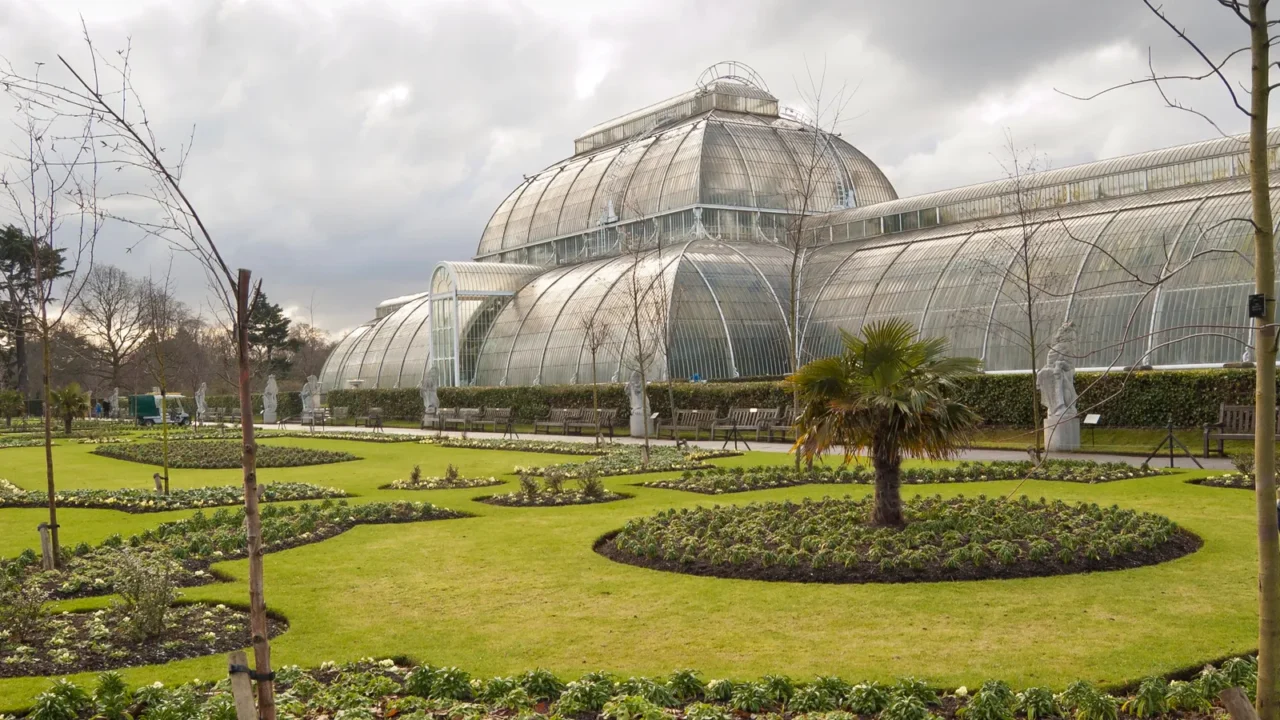
How greenhouses and covers work
Growing grapes inside glasshouses or domes allows growers to regulate temperature, humidity, and light. This method has been shown to be effective, especially for delicate grapes that require stable conditions to thrive.
When vines are kept in controlled environments, growers can avoid damage from heat stress or unpredictable rainfall. This makes grape production feasible even in regions with challenging climates.
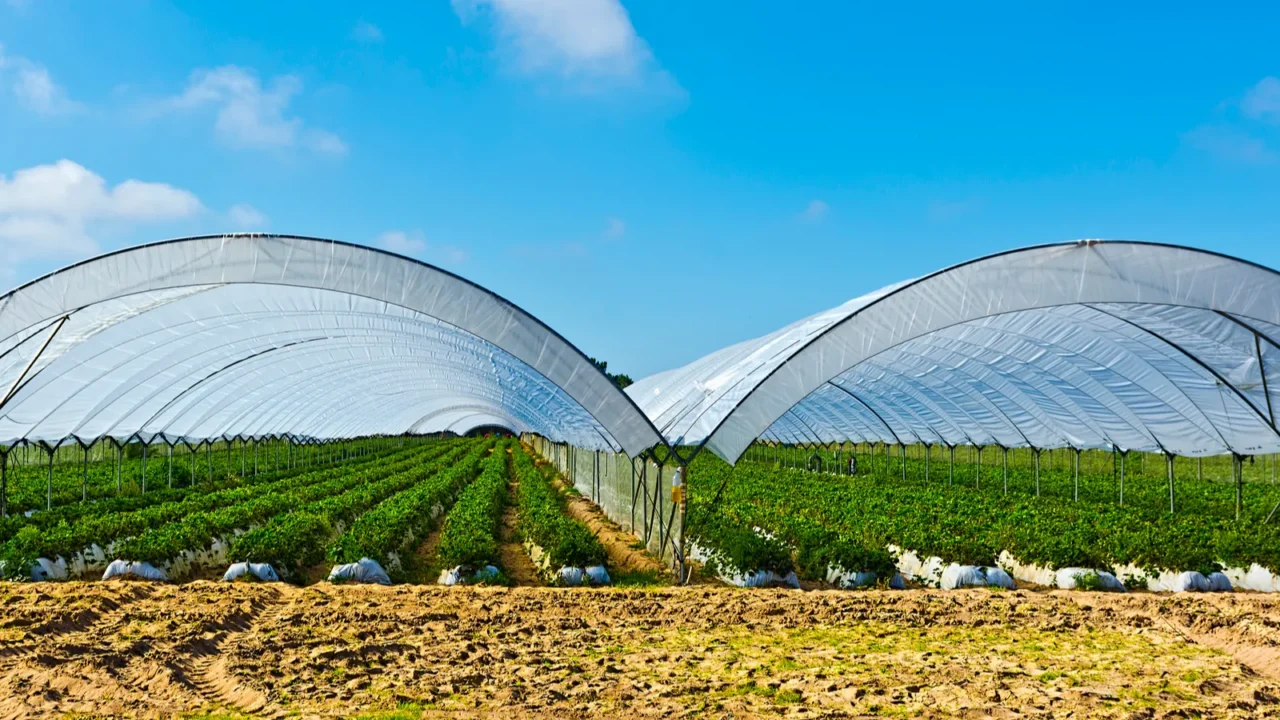
Real world vines under covers
A good example comes from a vineyard in Australia’s Treasury Wine Estates (TWE), which recently installed a fully enclosed nylon canopy over its 14-hectare vineyard at Koonunga Hill. The enclosure protects luxury grapes from extreme heat, hail, pests, and other climate risks.
This canopy system is part of a broader effort to adapt viticulture to changing climate conditions and ensure consistent, premium-quality grapes even in hot or unpredictable seasons.
Benefits for grape quality and yield
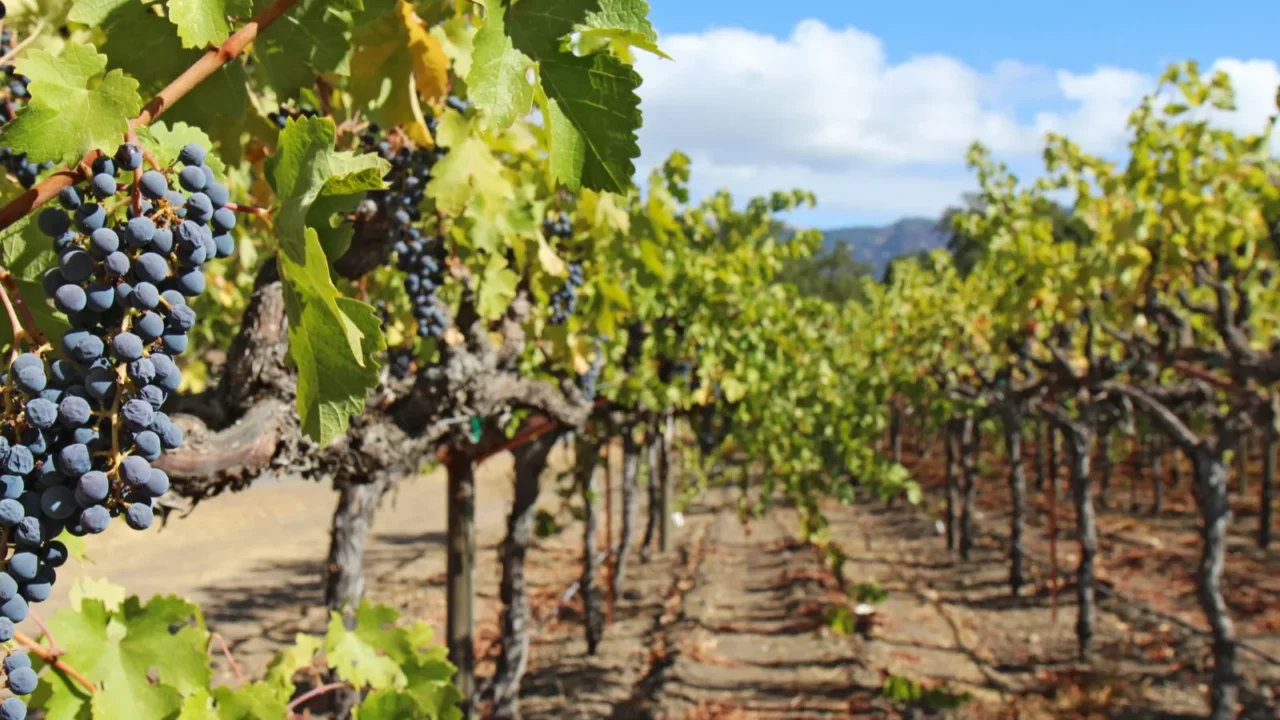
Protected cultivation helps maintain a stable microclimate for vines, which can reduce stress on plants and improve grape development. Studies show that shading or controlled conditions can influence sugar content, acidity, and phenolic composition of grapes, often leading to better balance and quality.
This stability can lead to more reliable harvests and higher-quality grapes year after year, regardless of outdoor climate swings.
Making vineyard tours possible year-round
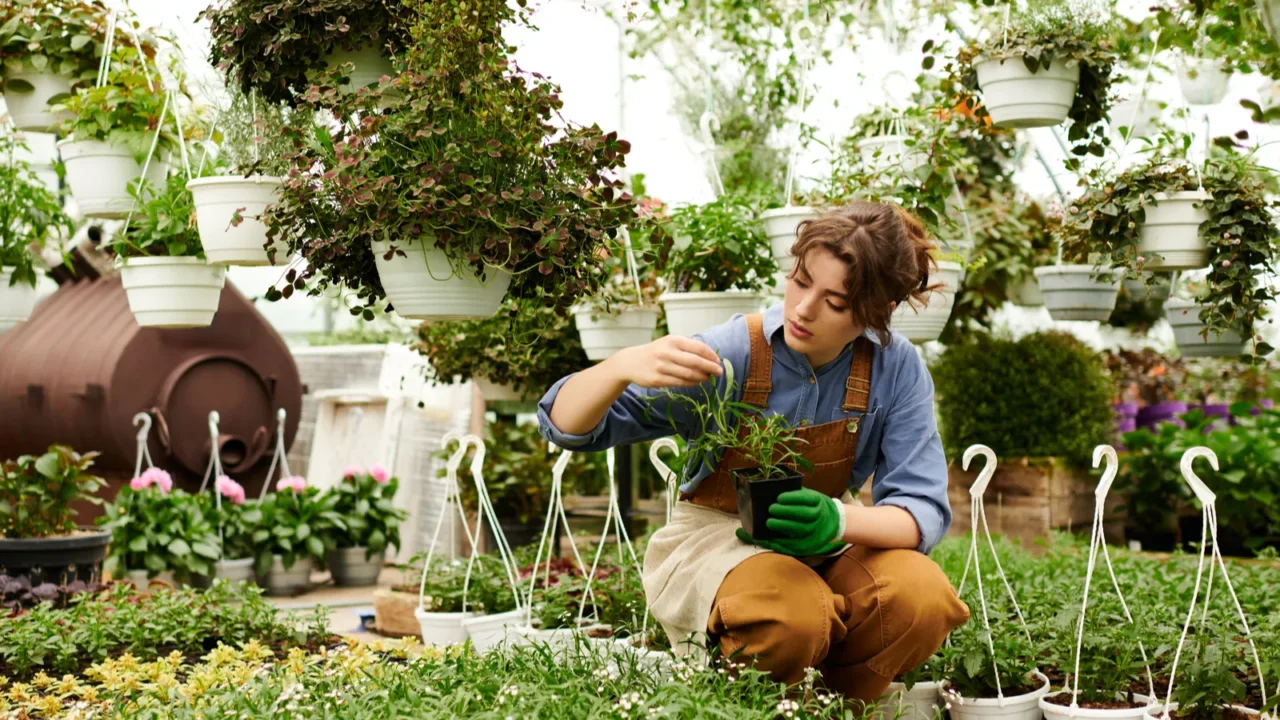
Using domes or greenhouses means vineyards can stay lush regardless of the season. This opens the door for year-round grape tours, even when outdoor conditions wouldn’t normally support a visit. For travelers and wine lovers, this adds flexibility and a unique experience.
Instead of limiting vineyard visits to harvest season or mild weather months, people can explore vine rows in a controlled, comfortable environment at almost any time.
Tourism meets agriculture innovation
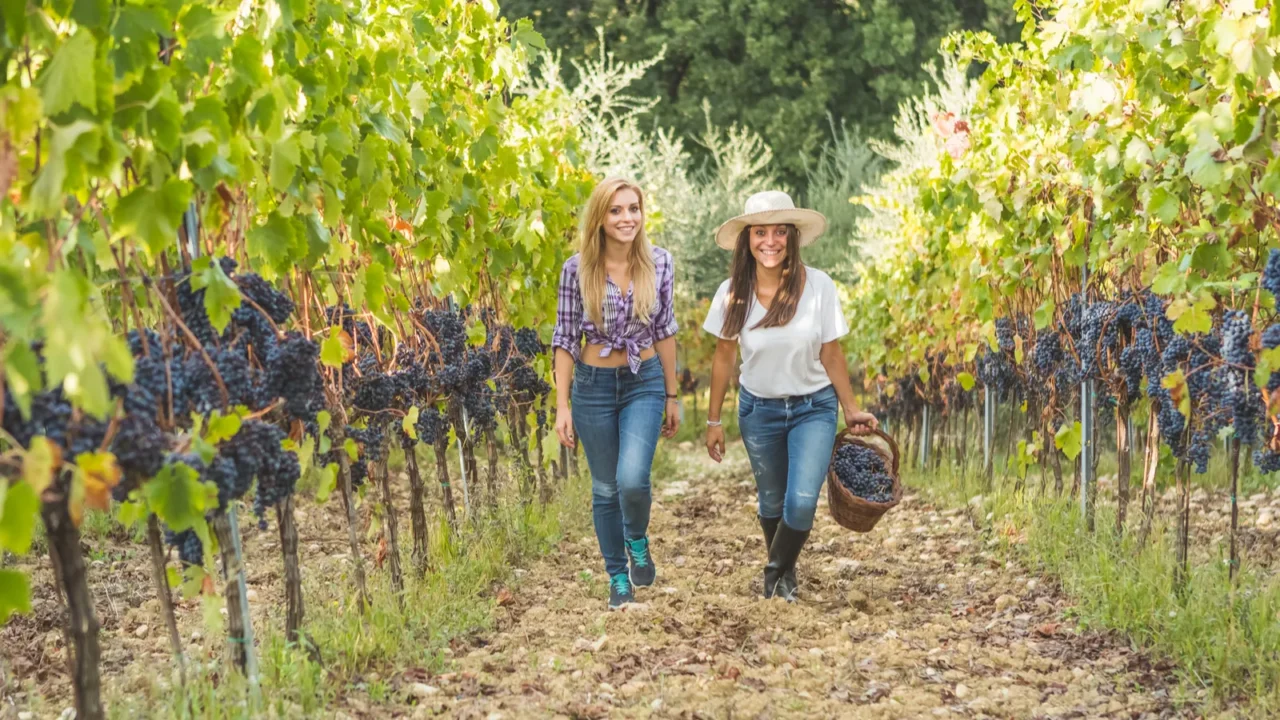
Boutique wineries are combining viticulture with tourism by offering tours inside climate-controlled vineyards. These tours let visitors see behind the scenes how grapes grow under glass, how environmental conditions are managed, and how wine potential develops.
This kind of immersive experience appeals to travelers who want more than a tasting; they want a walk through the vines, learn about modern grape growing, and enjoy a unique wine country vibe indoors or under protective domes.
Sustainability and climate resilience
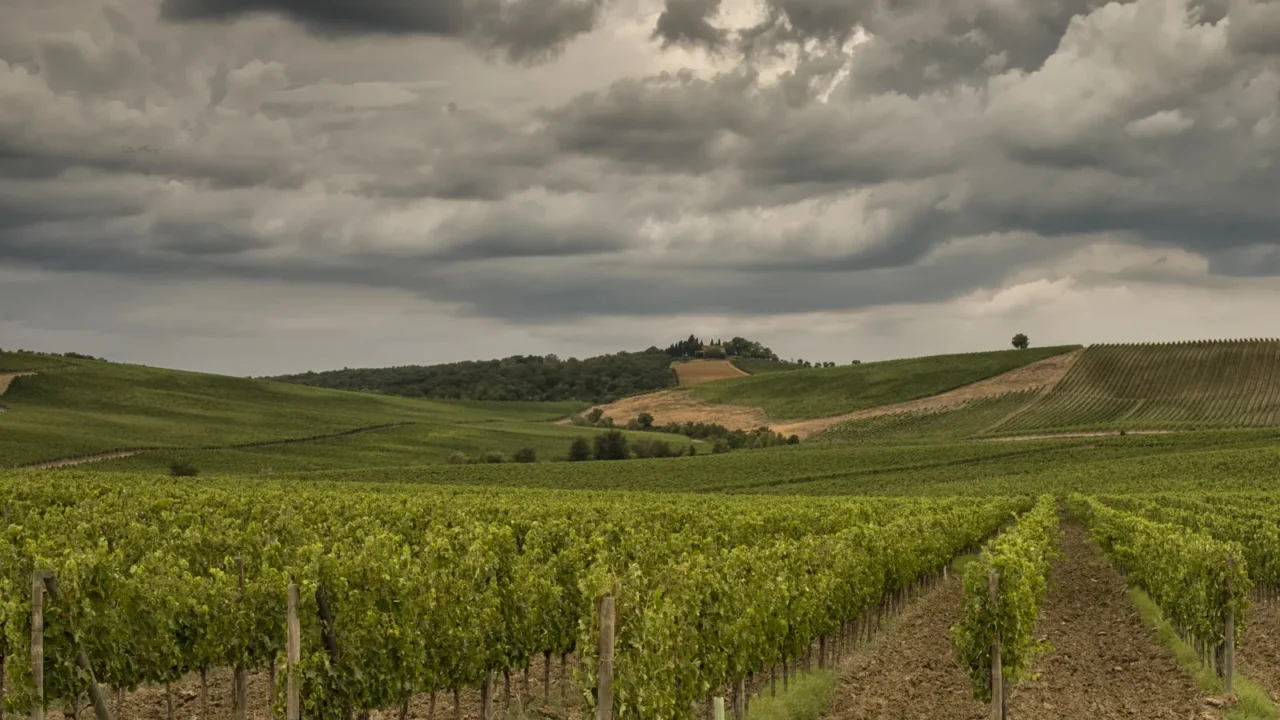
Vineyards face growing environmental pressure, including higher temperatures, variable rainfall, and more extreme weather. Protected agriculture offers a tool to adapt to these changes while keeping yields stable.
Beyond yield stability, these systems can reduce water use, minimize crop losses, and help vineyards survive changing conditions. That makes them a smart long-term investment for boutique wine producers.
Challenges and trade-offs
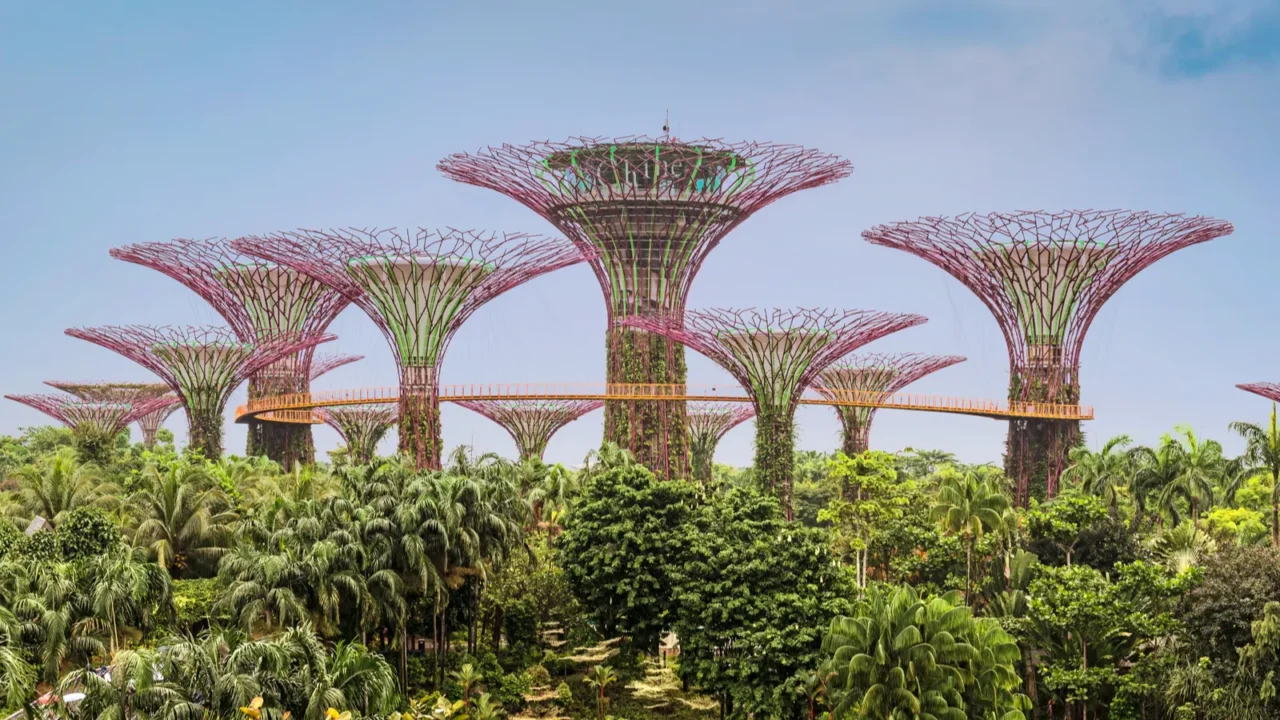
Building domes, greenhouses, or canopies is expensive and requires expertise. It’s not a simple upgrade; it demands careful planning, infrastructure, and ongoing maintenance. Also, enclosed vineyards may need good ventilation and humidity control to prevent issues like fungal growth, especially in humid climates.
So while protected vineyards offer many advantages, they also come with costs and technical demands that must be managed carefully.
What’s happening globally now
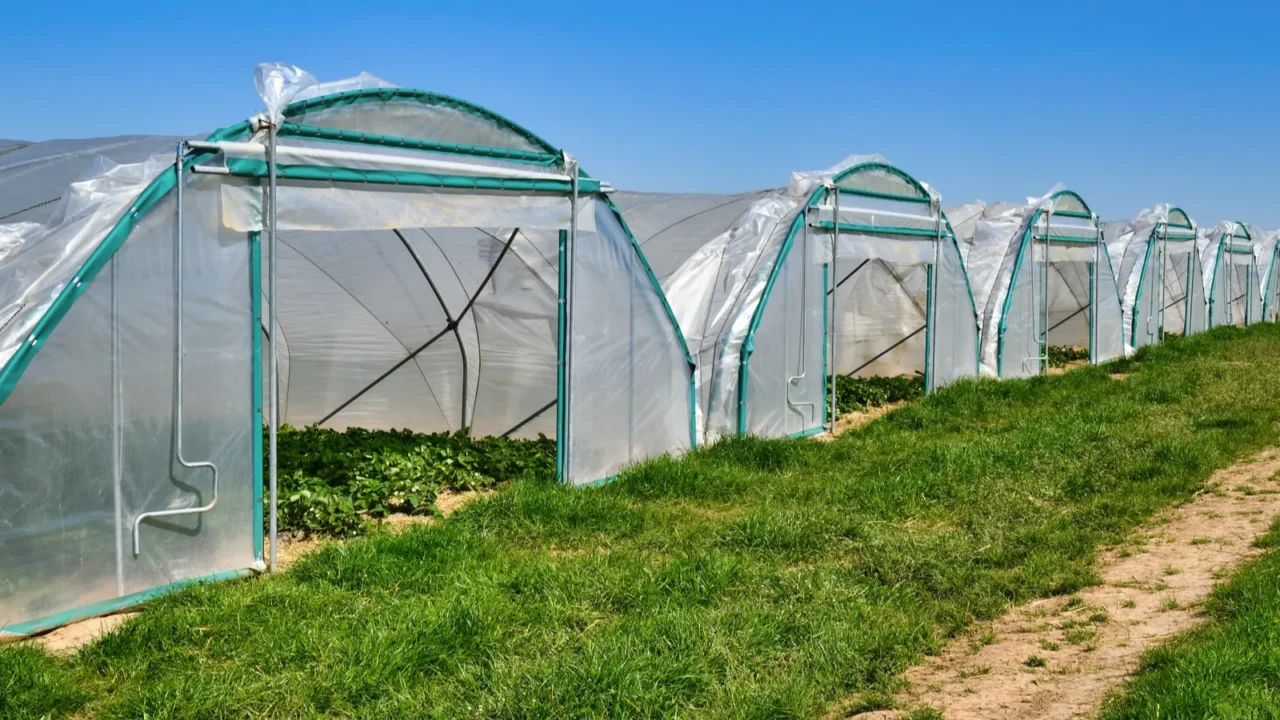
Vineyard owners around the world are experimenting with shading nets, canopy covers, and greenhouse cultivation to adapt to climate change and protect vine health.
Interest in boutique, controlled-environment vineyards is growing, especially in regions facing heat stress, unpredictable seasons, or water shortages.
These efforts reflect a shift in viticulture, from depending solely on natural seasons to using human ingenuity to stabilize and improve grape growing.
What visitors can expect on these tours
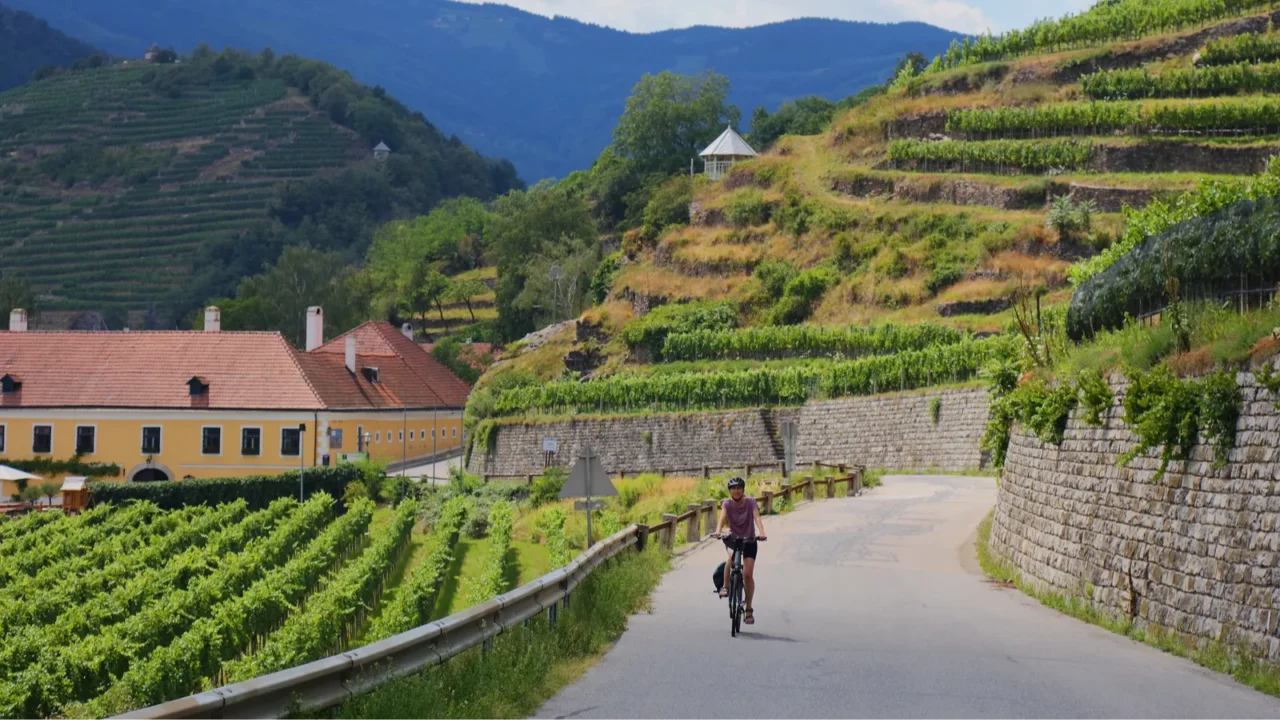
On a climate-controlled vineyard tour, travelers might walk through vine rows under glass or beneath a protective canopy. They may see modern irrigation, shading systems, and perhaps learn how grape quality is managed year-round.
Tours can offer a mix of education and enjoyment, understanding viticulture science while enjoying the calm, green vineyard atmosphere, regardless of outside weather.
Who benefits from this model
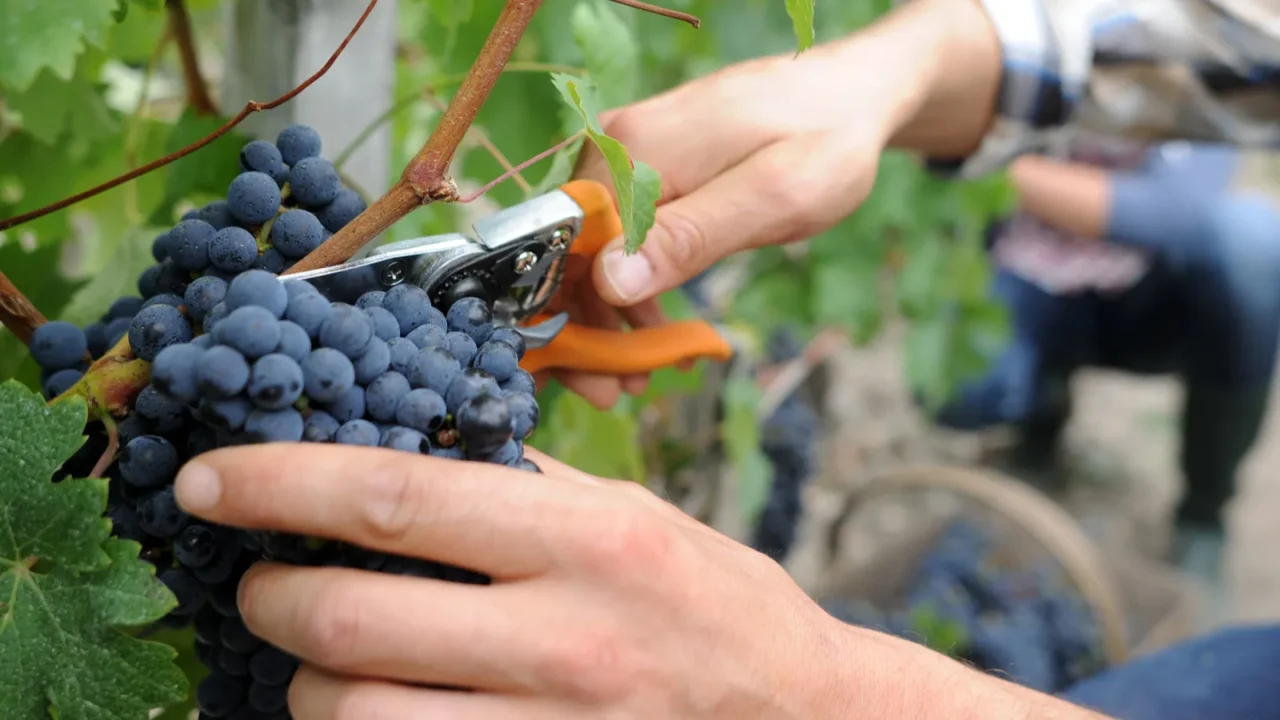
Boutique wineries gain resilience against climate change, protecting grapes and ensuring stable output. Wine lovers and tourists enjoy more flexible, year-round access to vineyards and a unique, behind-the-scenes experience.
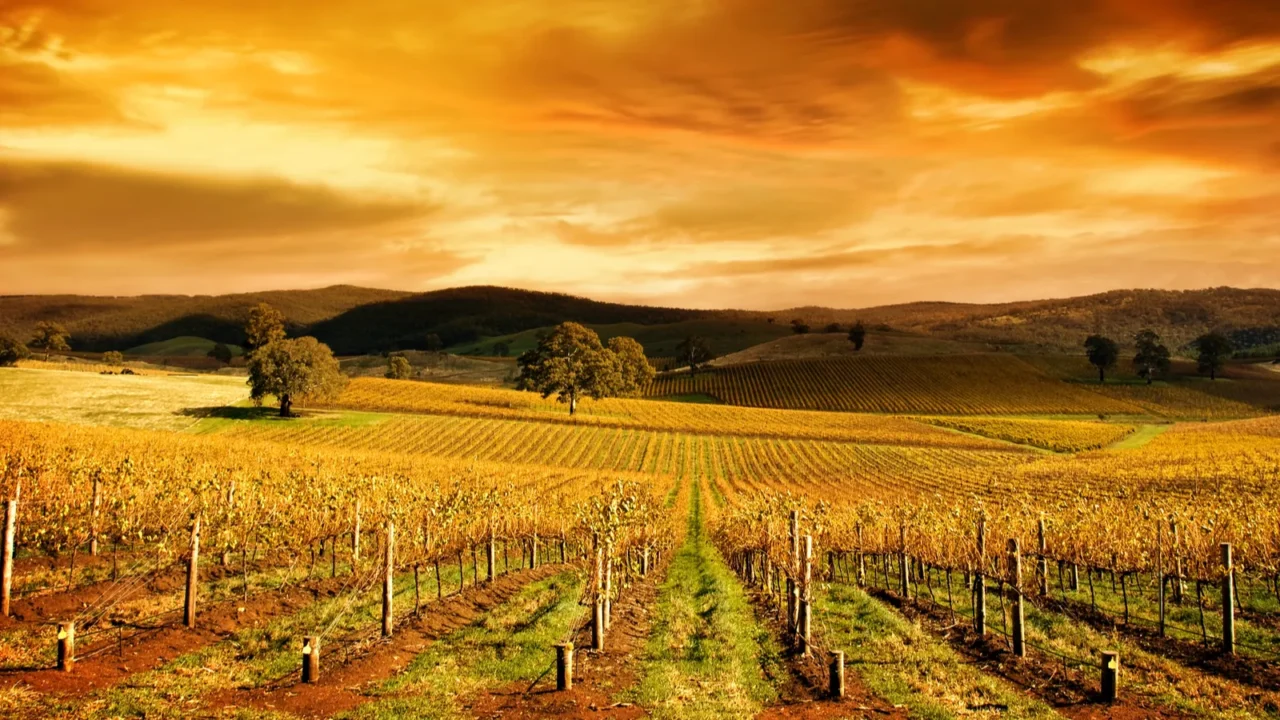
Communities near such vineyards may benefit from tourism income and more sustainable agriculture practices. This model bridges wine production, innovation, and tourism in a way that could appeal to many different stakeholders, and it even explains why celebrity weddings are increasingly moving to Tuscany’s misty fall vineyards, where the atmosphere, scenery, and off-season privacy create a perfect backdrop.
Could this reshape vineyard travel?
Climate-controlled domes and greenhouse-style vineyards might just be the future of boutique wine tourism and sustainable grape cultivation. They offer a way to adapt to climate change while giving visitors a whole new kind of vineyard experience.
Do any of these vineyard-dome ideas spark excitement in travelers or wine-lovers? Share thoughts below, maybe this is the future of vineyard tours for adventurous visitors.
This slideshow was made with AI assistance and human editing.
Don’t forget to follow us for more exclusive content right here on MSN.
Read More From This Brand:
