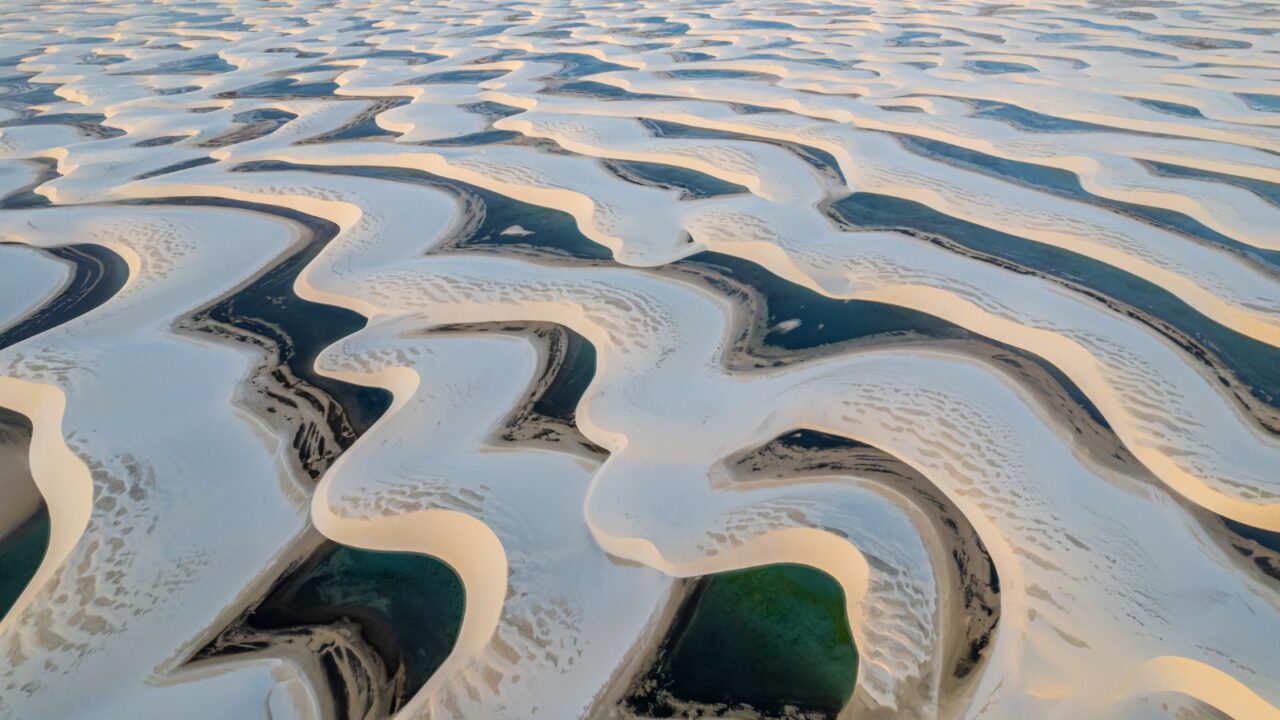
A desert that breaks all the rules
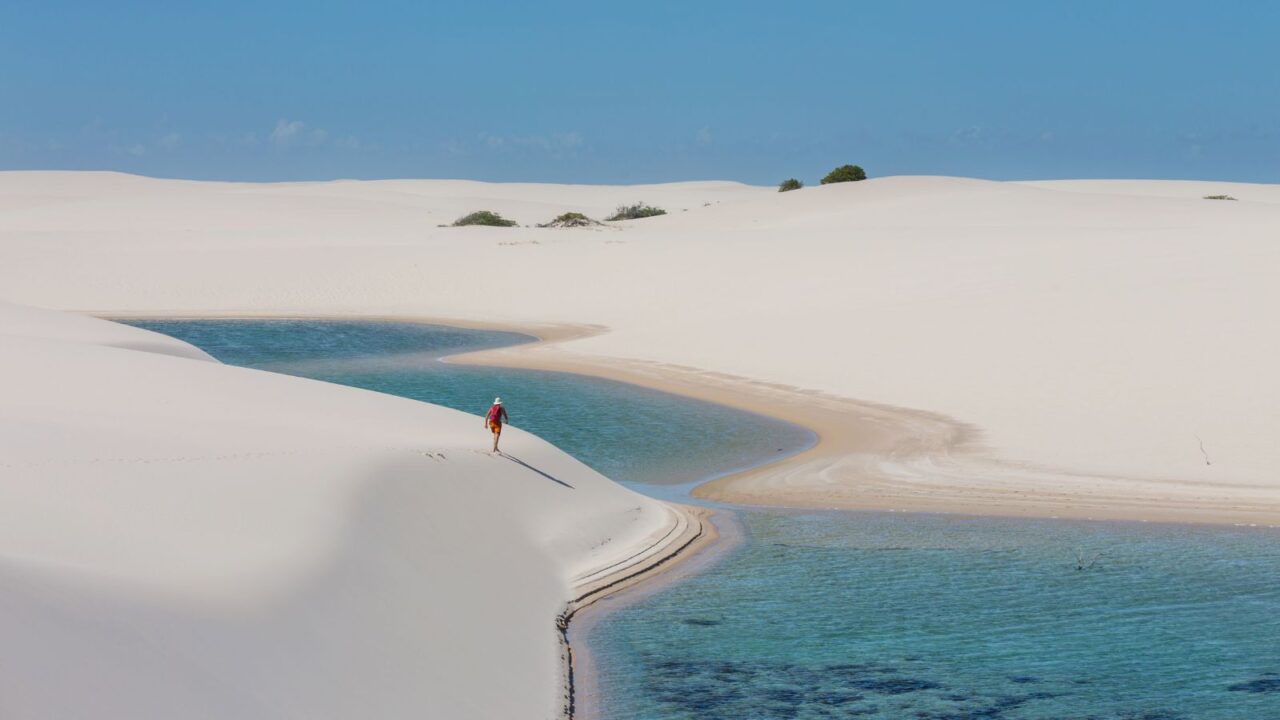
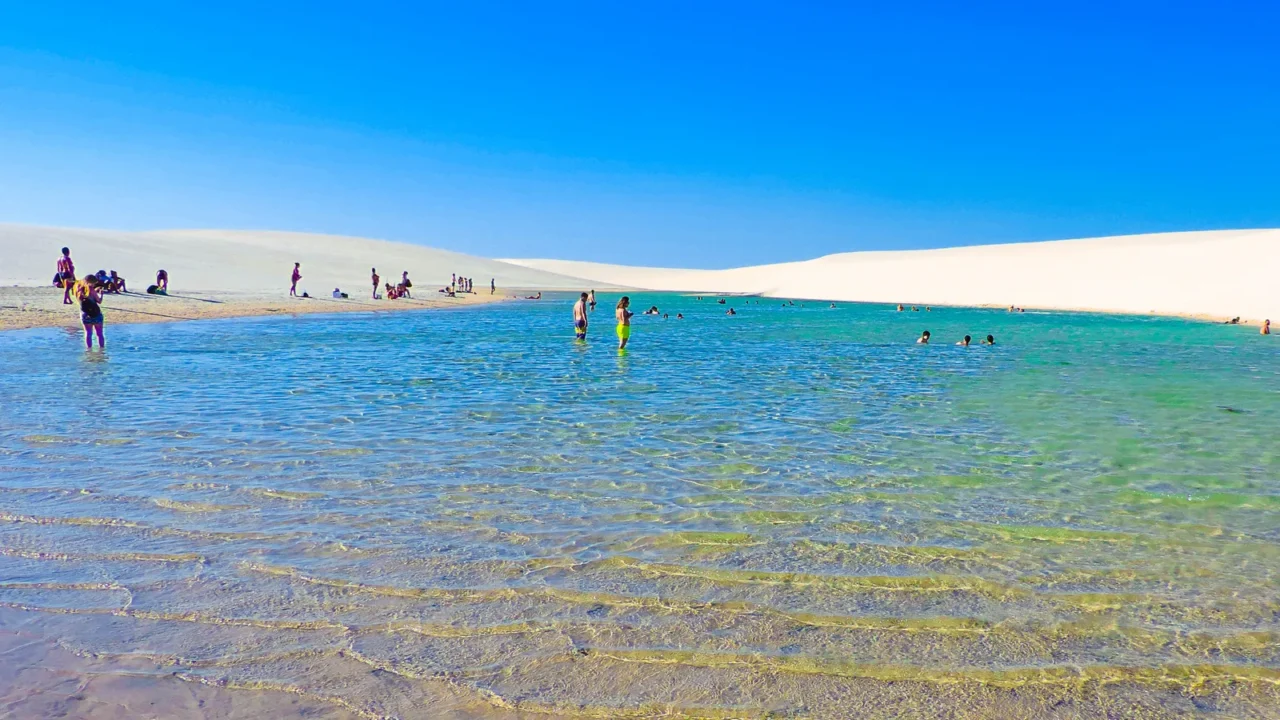
At first glance, this place looks like a classic desert. Endless white dunes stretch in every direction, with no trees or roads to guide you. But then you notice something that feels impossible. Bright blue lagoons sit between the dunes, sparkling under the sun like scattered glass.
This is Lençóis Maranhenses National Park, and it quietly challenges what most of us think a desert should be. Americans used to places like Death Valley or the Arizona dunes might need a second look. Here, sand and water live side by side, constantly reshaping the land.
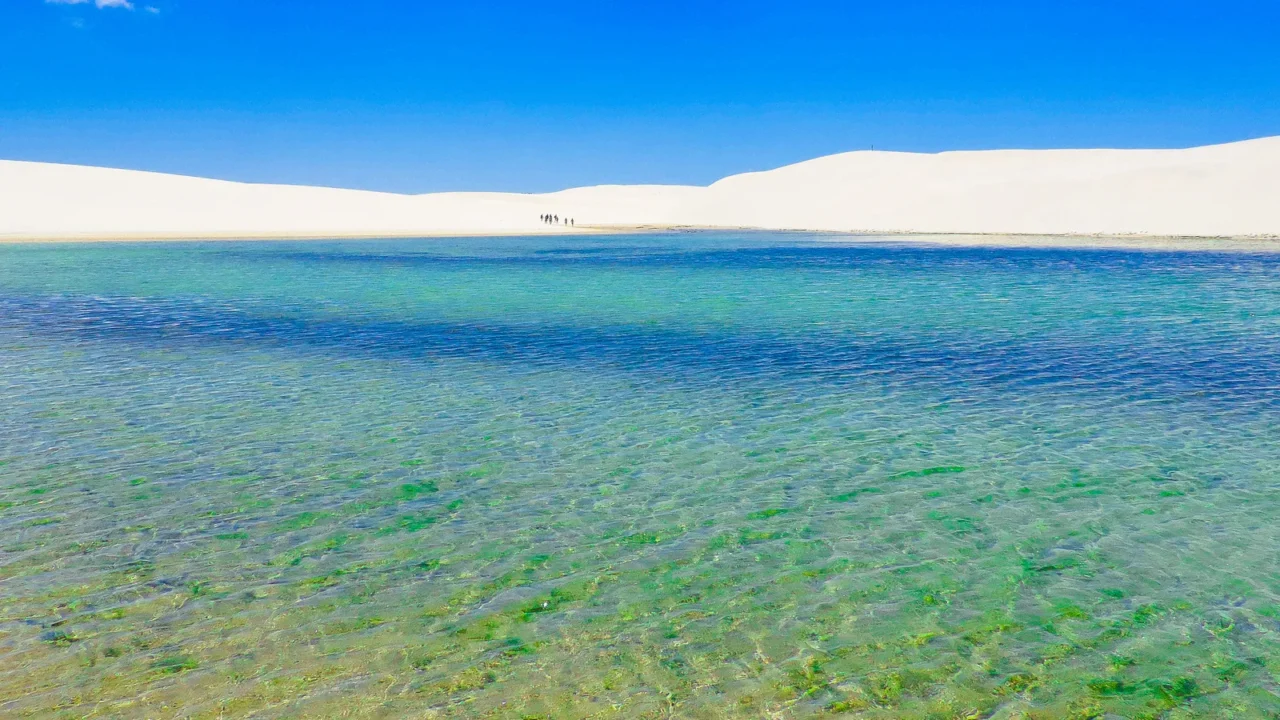
Where rain creates a miracle
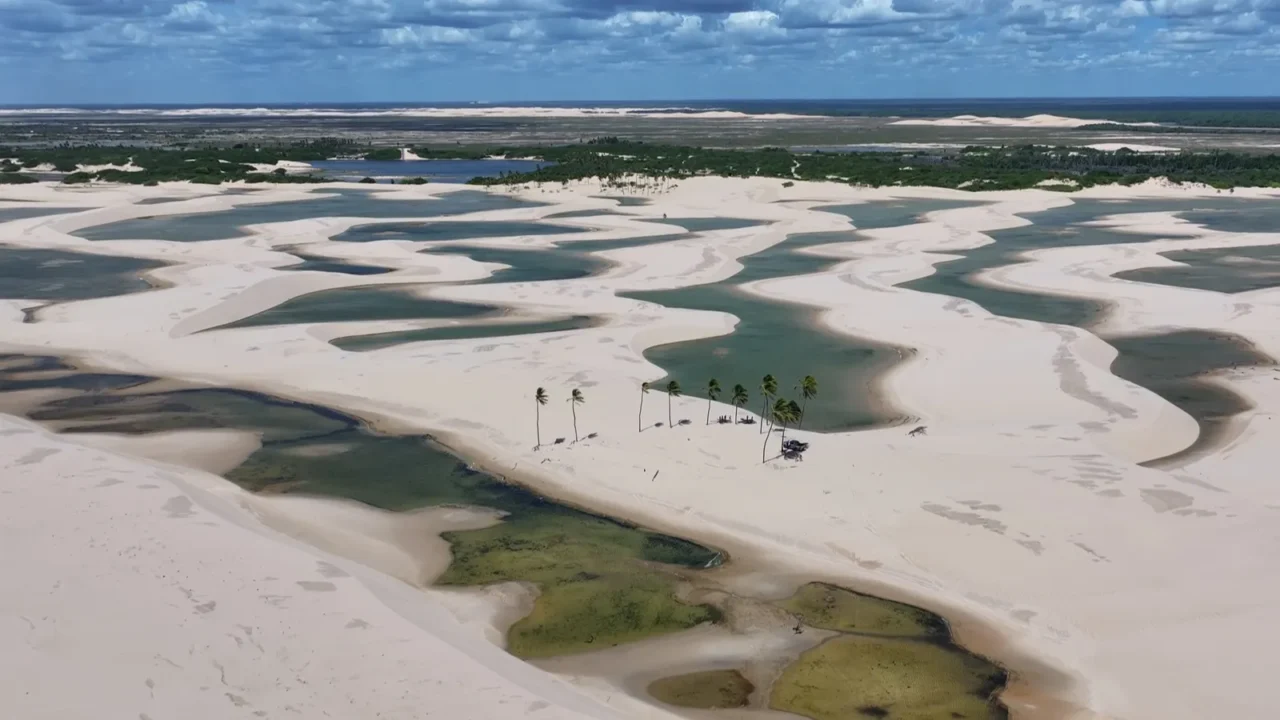
Unlike true deserts, this region receives heavy rain for part of the year. From January through June, tropical downpours fill natural basins between the dunes. A hidden underground layer of clay traps the water, stopping it from draining away.
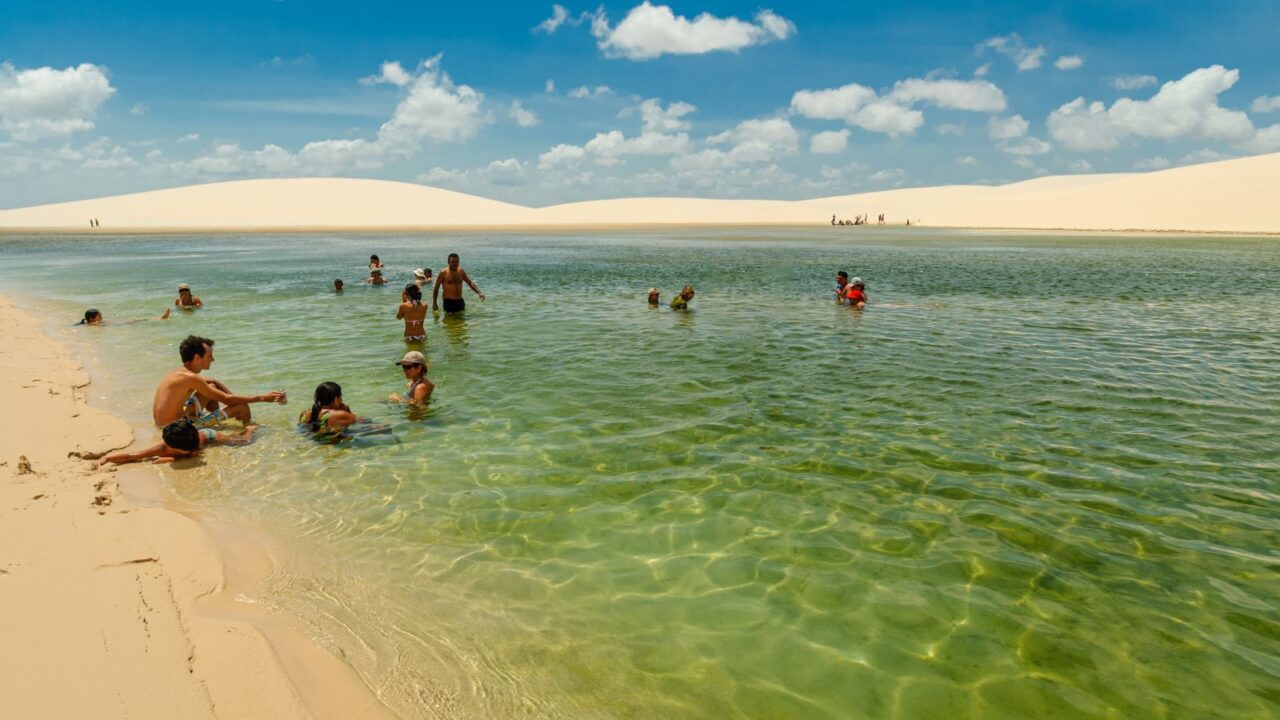
By early summer, hundreds of freshwater lagoons appear. Some are shallow and calm, others deep enough for swimming. For U.S. travelers used to pools and lakes needing pipes or dams, this feels almost magical. Nature does all the work, then quietly resets the scene every year.
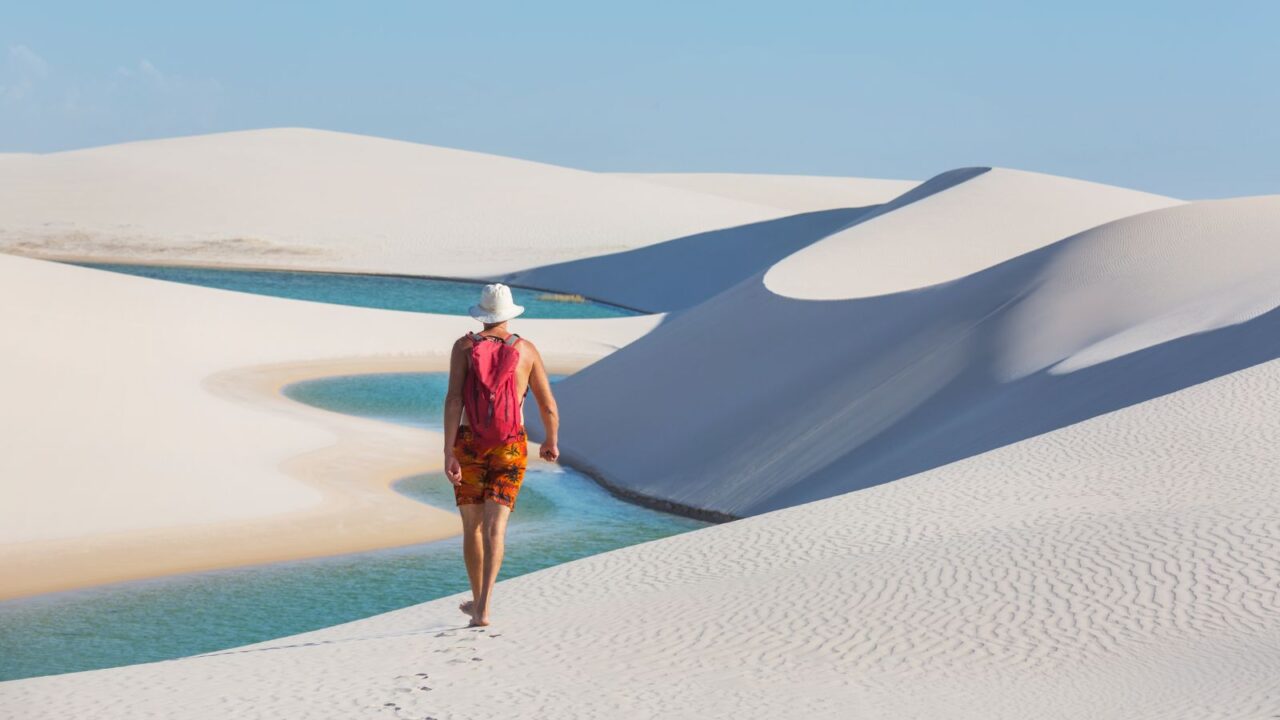
Why visitors walk barefoot here
Shoes sound helpful until you take your first steps on the dunes. Soft sand sinks under your feet, while sun-baked slopes turn firm and hot. Many hikers quickly realize bare feet offer better balance and grip than sandals or sneakers.
Walking barefoot also creates a deeper connection to the land. You feel temperature shifts, grain texture, and slope changes instantly. It slows you down in a good way. For Americans used to paved trails and hiking boots, this experience feels raw, simple, and surprisingly grounding.
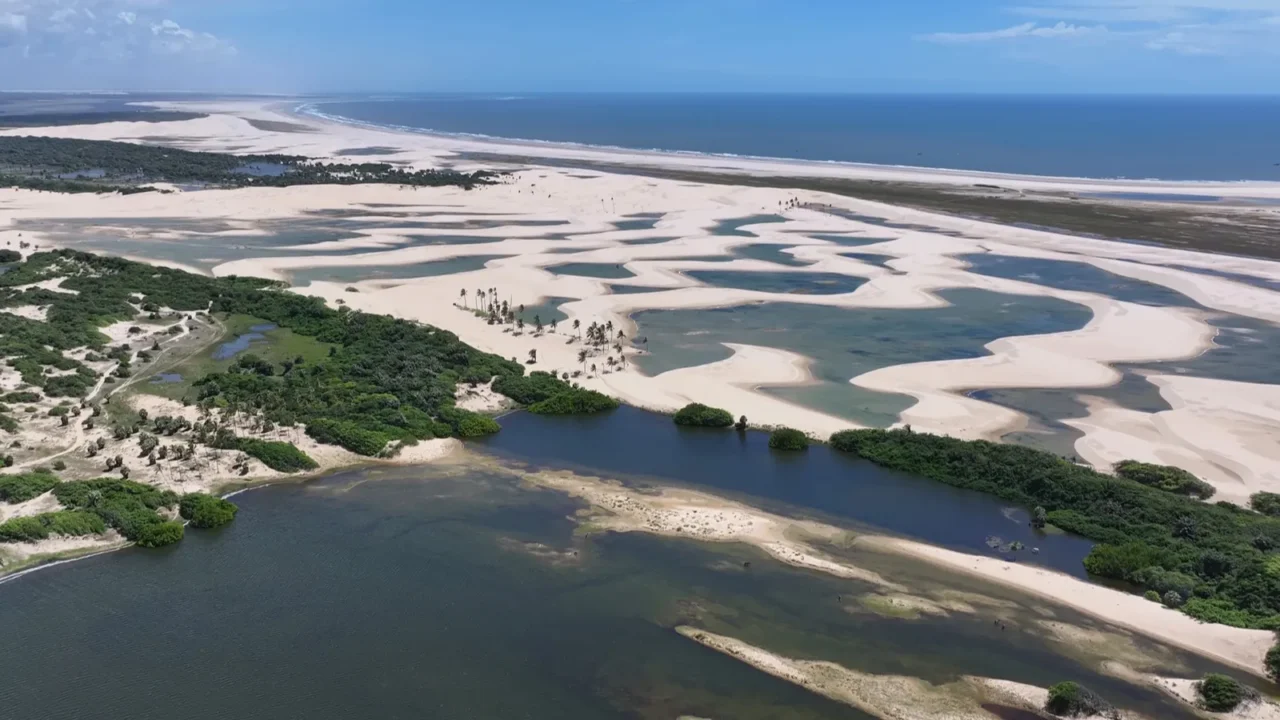
A landscape that never stays still
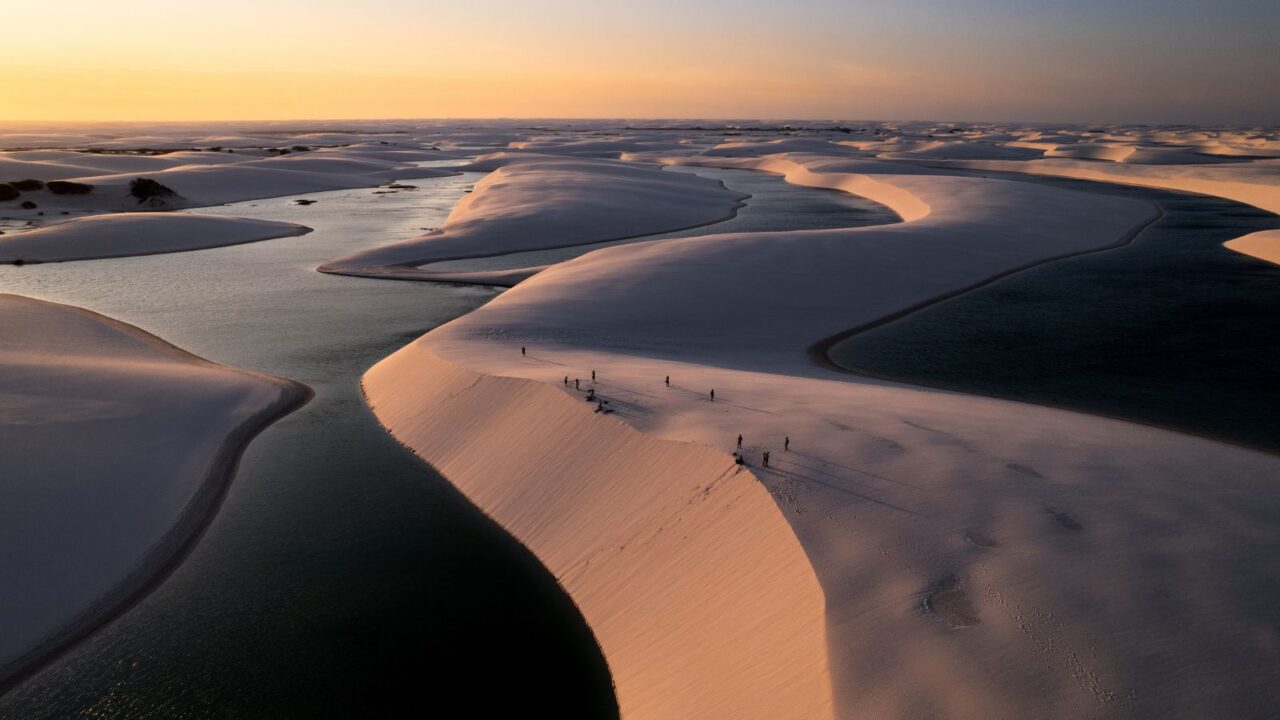
Strong Atlantic winds push sand inland every day. Dunes move, rise, and collapse without warning. Paths disappear overnight. Even experienced hikers rely on guides who read wind patterns and sunlight instead of signs.
This constant motion means no two visits are ever the same. The lagoon you swim in today may vanish next month. That sense of impermanence makes the park unforgettable. It also reminds visitors how small humans are in a place shaped entirely by weather and time.
A record-breaking tourism surge
Global attention surged after the park earned UNESCO World Heritage status in 2024. Visitor numbers followed quickly. In 2024 alone, over 552,000 people explored the park, setting a new record.
By late 2025, that number had already been surpassed. For comparison, that rivals annual visitors to some major U.S. national parks. The sudden popularity brings opportunity, but also pressure. More people means more responsibility to protect what makes this place special.
Not empty land, but living villages
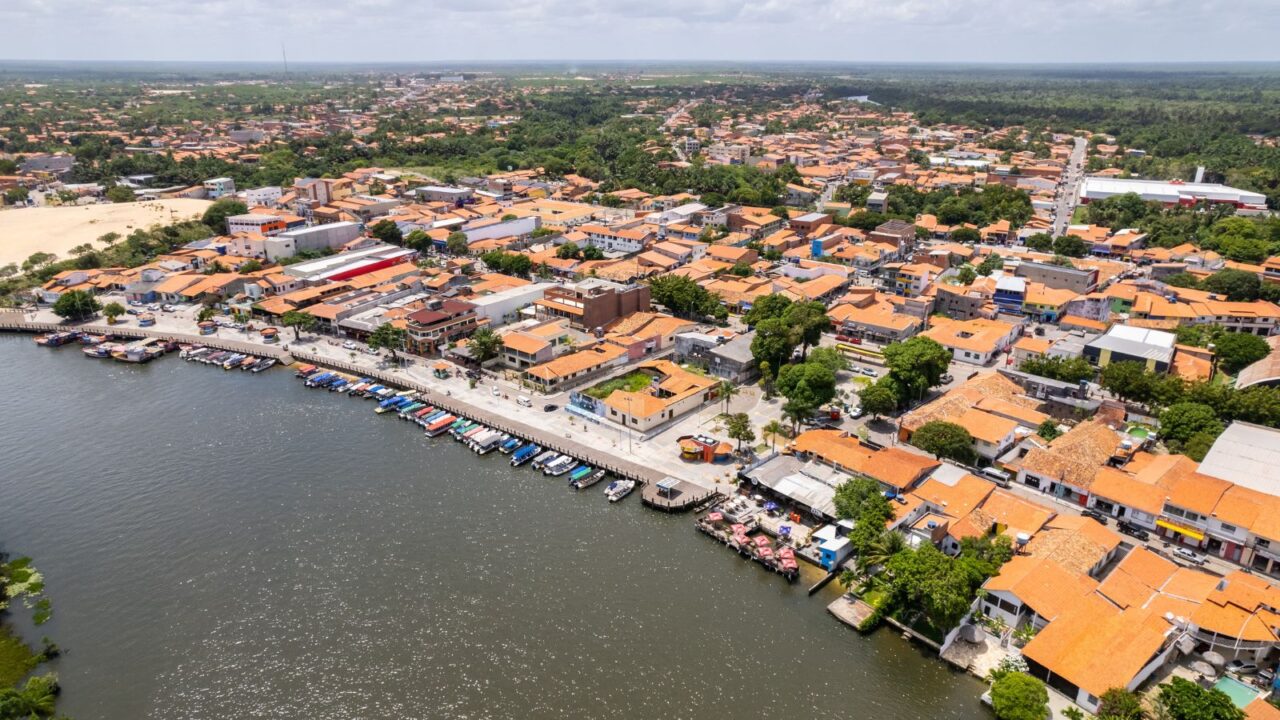
More than 1,000 families live inside the park, scattered across small oasis communities. These villages rely on fishing, small farms, and now tourism. Many hikers stay overnight in simple homes run by local families.
For American travelers, it feels closer to visiting a rural town than a resort. Meals are homemade. Electricity is limited. Conversations happen face-to-face. These human moments often become the most memorable part of the journey.
Why walking beats vehicles here
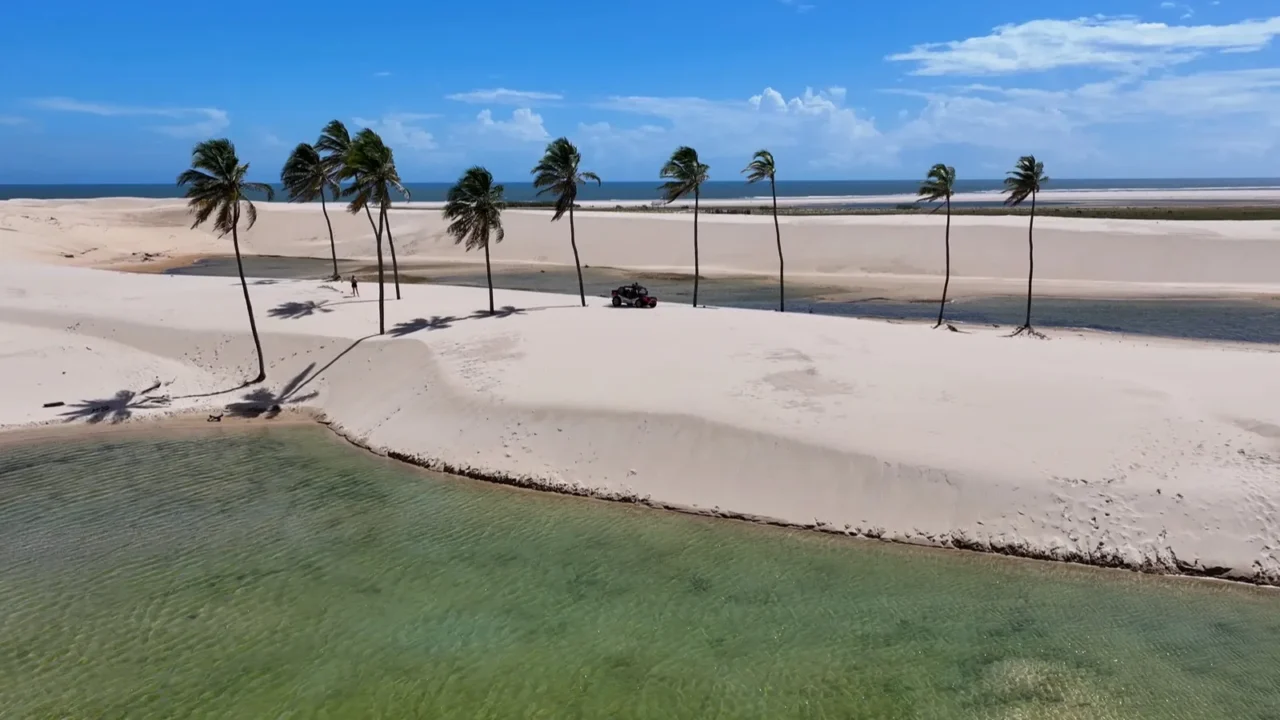
Cars are restricted in much of the park for good reason. Tires damage fragile dunes and disturb water flow. Walking keeps the environment intact and spreads visitors more evenly.
On foot, hikers notice bird tracks, wind patterns, and subtle sand color changes. Guides say walking helps visitors understand the land instead of just passing through it. For a generation raised on road trips and shortcuts, slowing down feels refreshing and meaningful.
The best time to see the lagoons
Timing matters more here than almost anywhere else. The lagoons are fullest from June through September. July and August offer peak conditions but also higher crowds.
Outside that window, many lagoons dry up completely. The dunes remain stunning, but swimming disappears. U.S. travelers planning summer vacations should note this carefully. Visiting at the right moment transforms the park from beautiful to unforgettable.
How guides navigate without maps
Local guides grow up learning this landscape. They memorize dune shapes, wind behavior, and sun angles. Some can walk at night using memory alone.
This skill is passed down through generations, not learned from GPS. Americans used to trail markers and phone apps often find this astonishing. It’s navigation as instinct, not technology, and it still works better than anything digital out here.
A fragile balance under pressure
Tourism brings income, but also risk. Illegal vehicle access, waste management issues, and real estate speculation threaten the park’s edges. Officials now monitor visitor flow and village capacity more closely.
New trekking routes help distribute crowds across communities instead of overwhelming one area. It’s an approach similar to U.S. park conservation strategies. Protecting nature while supporting locals remains the park’s biggest challenge.
A trek that tests your body
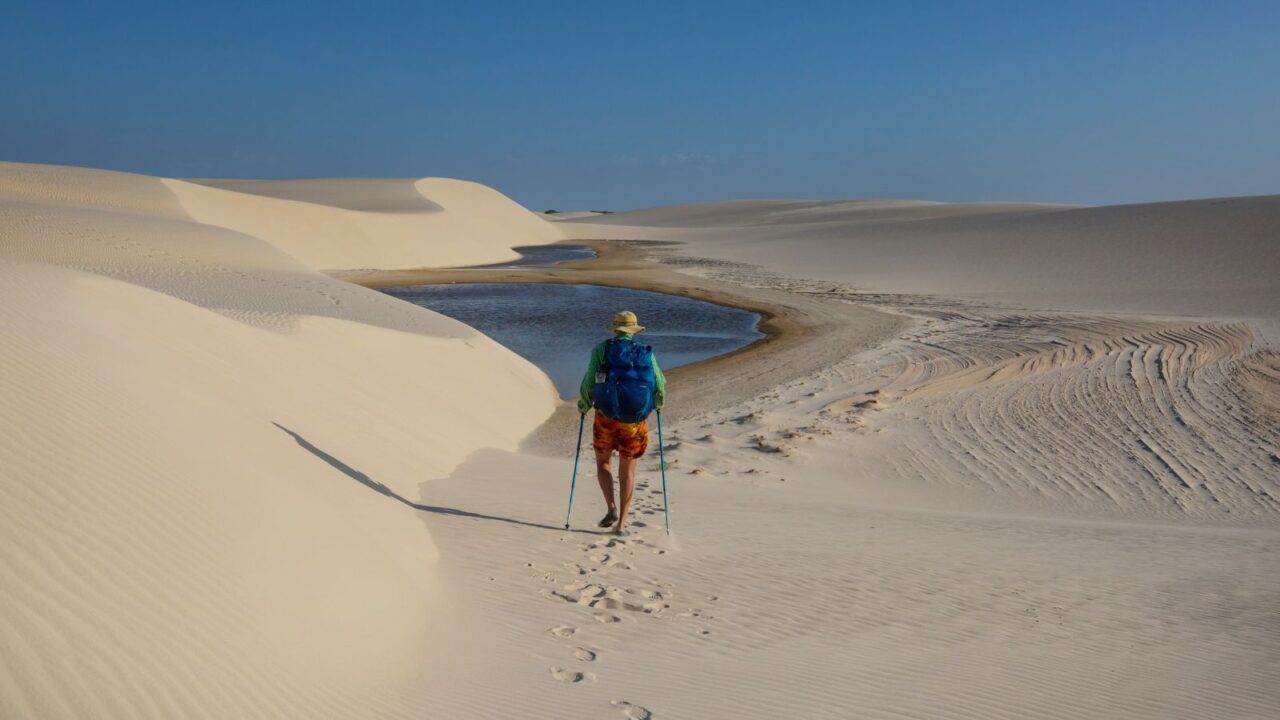
A typical multi-day hike covers about 22 miles of soft sand. Each step sinks slightly, forcing muscles to work harder. Even experienced hikers feel it in their feet and calves.
But the pace is steady, not extreme. Frequent lagoon stops offer relief. For Americans used to gym workouts or paved trails, this kind of endurance feels different. It’s tiring, but deeply satisfying by the end.
Simple nights under open skies
Evenings end early in oasis villages. Hammocks replace beds. Meals are shared at long tables. Power often cuts out after dark.
Instead of screens, there’s conversation, music, and stars. For visitors from busy U.S. cities, this simplicity feels rare. Many say it resets their sense of time and comfort more than luxury ever could.
Explore next how desert observatories turn stargazing into a luxury experience.
Ending at the ocean’s edge
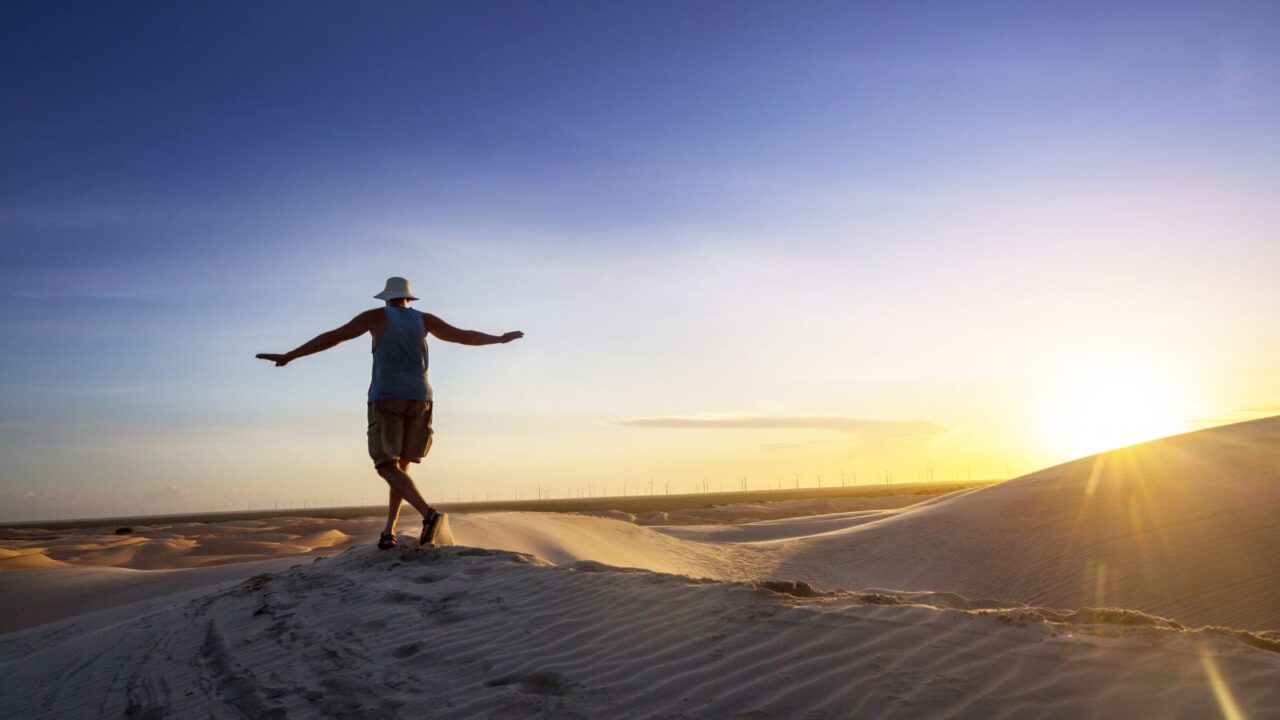
Many treks finish in Atins, a coastal town where dunes meet the Atlantic. After days of walking, reaching the sea feels symbolic.
Cold drinks, ocean breezes, and soft beds mark a return to comfort. Yet most hikers turn back for one last look. The dunes already show no trace of their footsteps, as if they were never there at all.
This place offers what many U.S. travelers crave right now. It’s physical, unplugged, and real. There are no rides, no crowds yelling, no souvenir traps.
Internet is also talking about the Colombian river that turns five different colors during its short blooming season.
Would you hike barefoot through a desert filled with lagoons? Share your thoughts in the comments.
This slideshow was made with AI assistance and human editing.
Don’t forget to follow us for more exclusive content right here on MSN.
Read More From This Brand:
