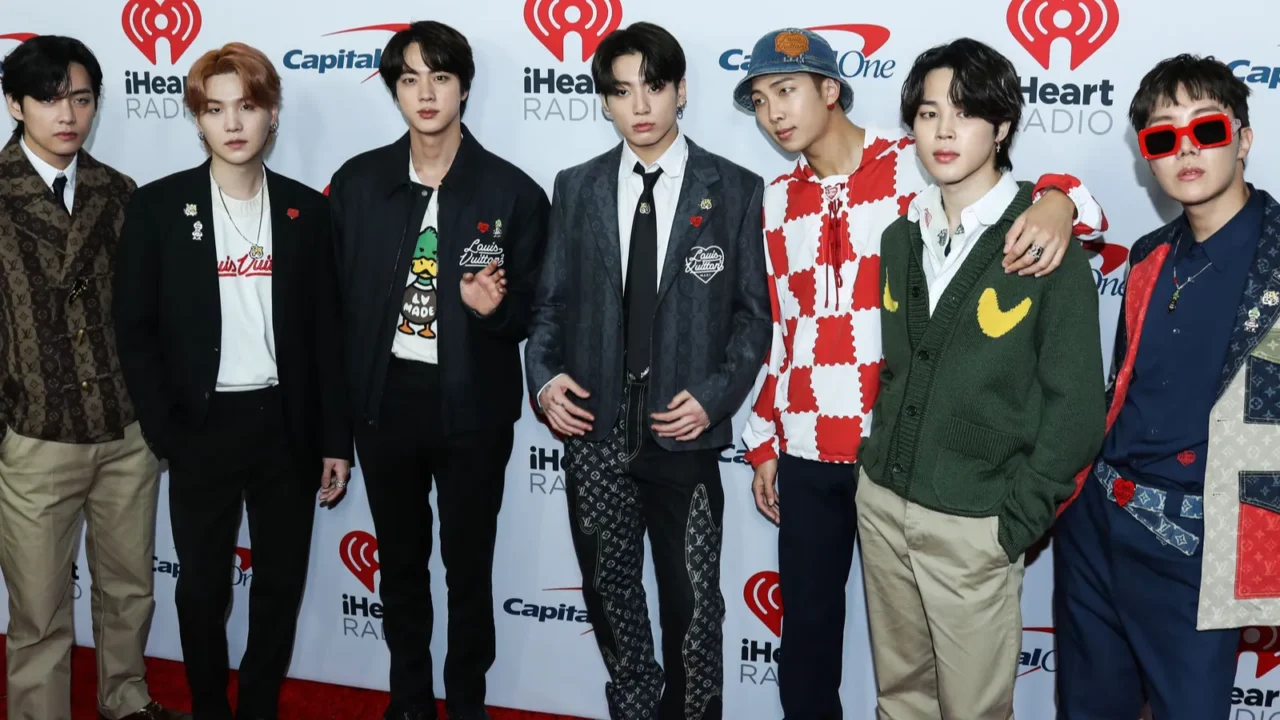
The comeback that feels like an event
If you thought the biggest tour era ended with Taylor Swift, BTS just reopened the conversation. A full-group return after military service hits different, even if you are not a superfan. And yes, the “Eras-level” comparisons are already everywhere.
This time, it is not only music hype. It is flights, hotels, resale drama, and entire cities gearing up for visitor waves. That bigger ripple is why “BTS-nomics” is trending again.

An album drop that starts the dominoes
BTS’s new album Arirang is set for March 20, 2026, according to BigHit’s official notice. It is their first major full-group release in years, after the long pause for service. That timing is what sets the whole comeback calendar in motion.
The marketing is built like a launch, not a normal release week. You will see city takeovers, streaming events, and nonstop travel chatter around the dates. Even casual listeners end up pulled into the moment.

A stadium tour built for scale
BigHit has framed this as the biggest world tour ever by a K-pop act, and the numbers are huge. Public reporting lists the itinerary between 79 and 82 shows across roughly 34 cities (official tour listings and major outlets vary by a few announced dates), so use the promoter’s tour page for the latest count.
For U.S. readers, this is not a “maybe they will come near me” tour. The official tour page lists major stops, and the North America and Europe legs moved fast in sales. That kind of demand is the whole story.
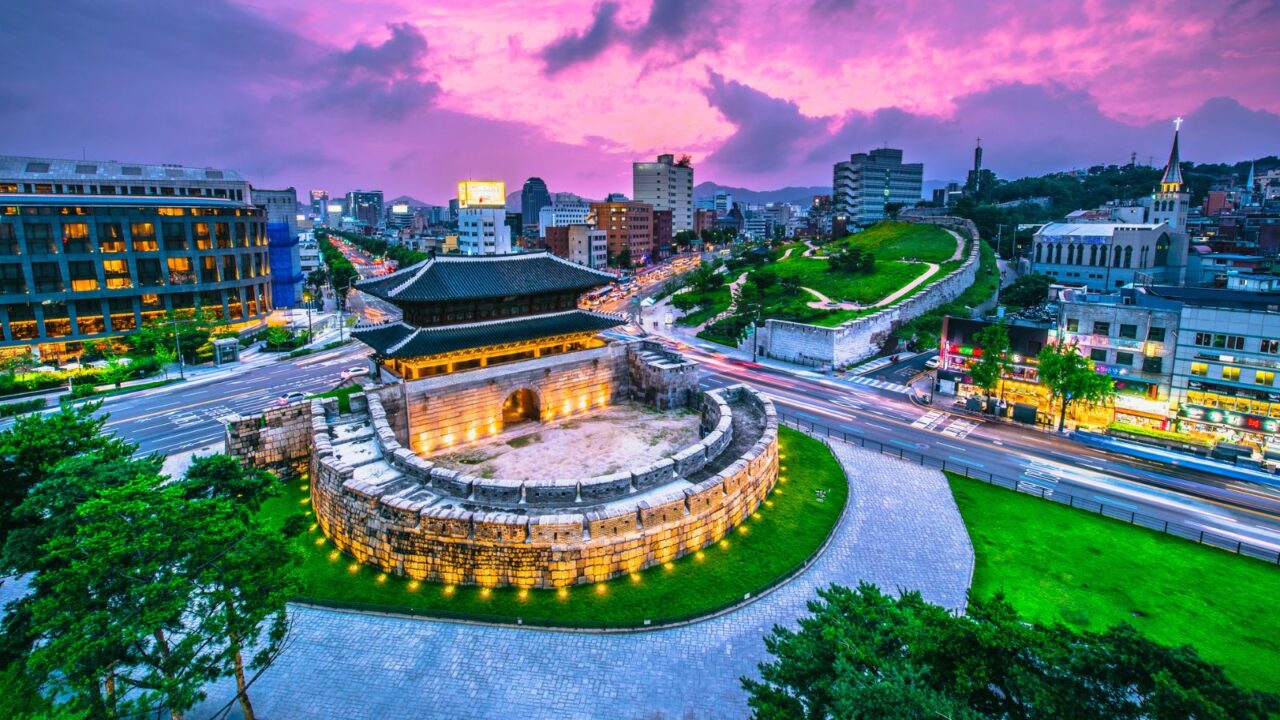
The travel spike that says it all
Hotels.com reported a sharp jump in searches—roughly +155% for Seoul and +2,375% for Busan in one 48-hour sample after the announcement; other datasets show somewhat different magnitudes, but all indicate large, tourism-driven interest.
This is the part U.S. cities care about too. When a tour triggers trip planning immediately, it starts filling planes, hotels, and restaurants before the first stage is even built. It is basically a moving holiday weekend.

Ticket chaos is part of the economy
When tickets turn into a global competition, spending spreads beyond the arena. Reuters described fans traveling for better odds during ticketing, which sounds wild until you remember how big these moments are now. Concert-going has become a travel category.
Mexico’s demand even jumped into politics. Mexico’s president publicly shared a letter exchange tied to requests for more shows. That is not “normal tour news,” and it hints at the scale of pressure in big markets.
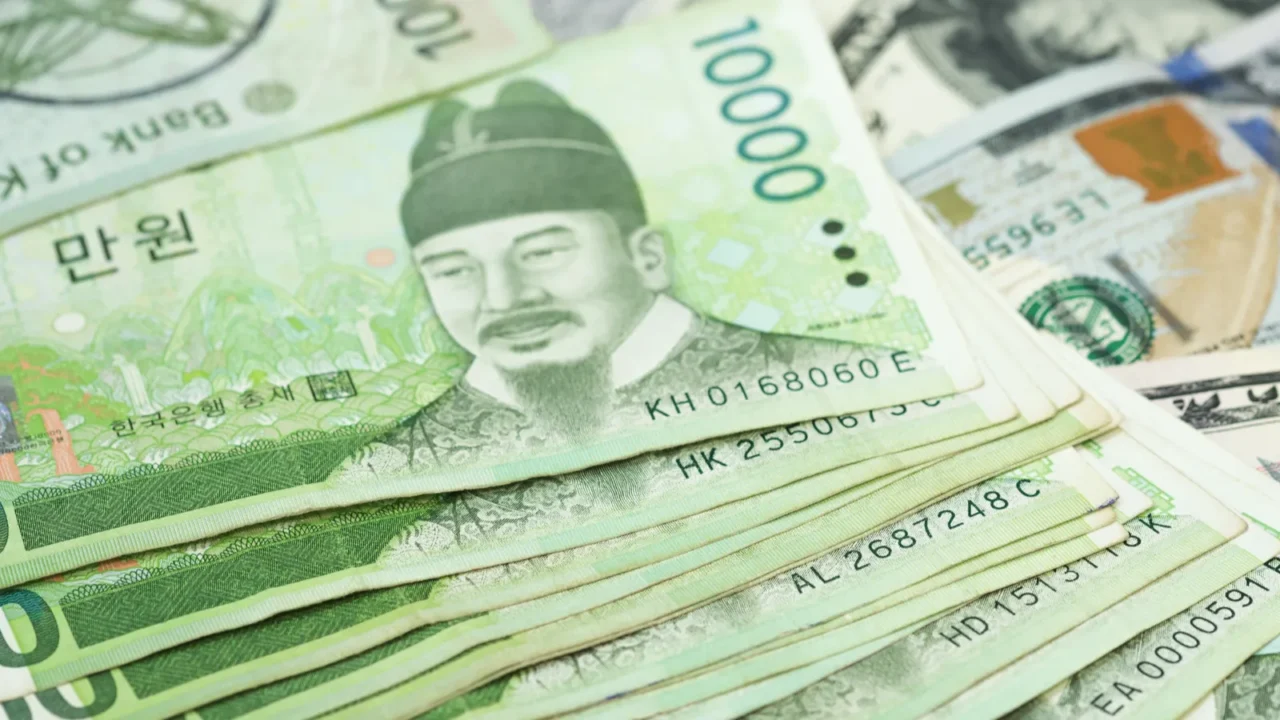
The 5 million and 2 trillion won talk
Analyst and securities-firm forecasts vary, but some models place attendance in the ~4.5–5.2 million range and project roughly w1.9–2.1 trillion in gross tour revenue. A detailed English-language finance piece lays out assumptions like ticket prices, merch, and sponsorship. These are forecasts, but they show why markets are watching.
Think of it like early “opening weekend” estimates for a blockbuster. The final totals depend on added dates and how pricing and demand settle. But the fact that analysts publish numbers this big tells you the industry is treating it like a mega-event.
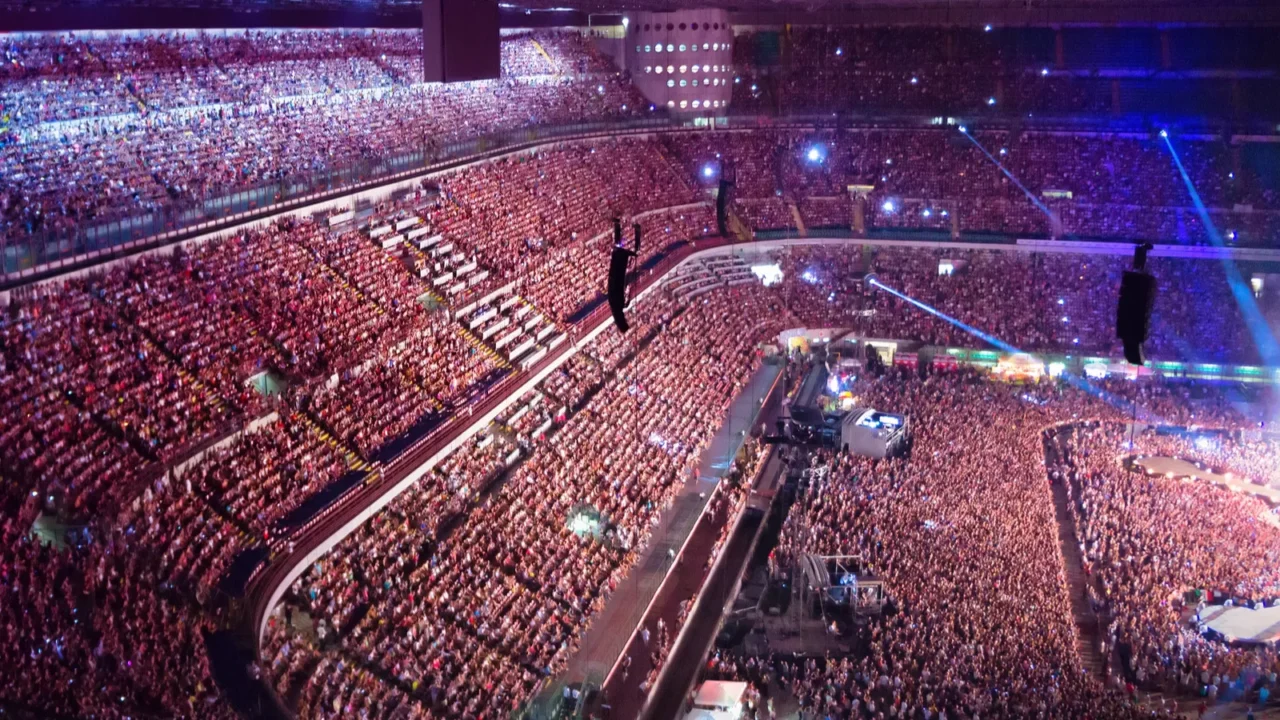
Why cities love stadium weekends
A stadium concert is not just a few hours of music. It is hotel nights, rideshares, airport meals, late-night convenience runs, and souvenir shopping. When tens of thousands arrive at once, the local cash register sound gets loud.
That is why you see economic headlines around tours now. Officials and businesses track these weekends the way they track sports championships. Even if you never buy a ticket, your city can still feel the impact.
Swift-nomics set the template
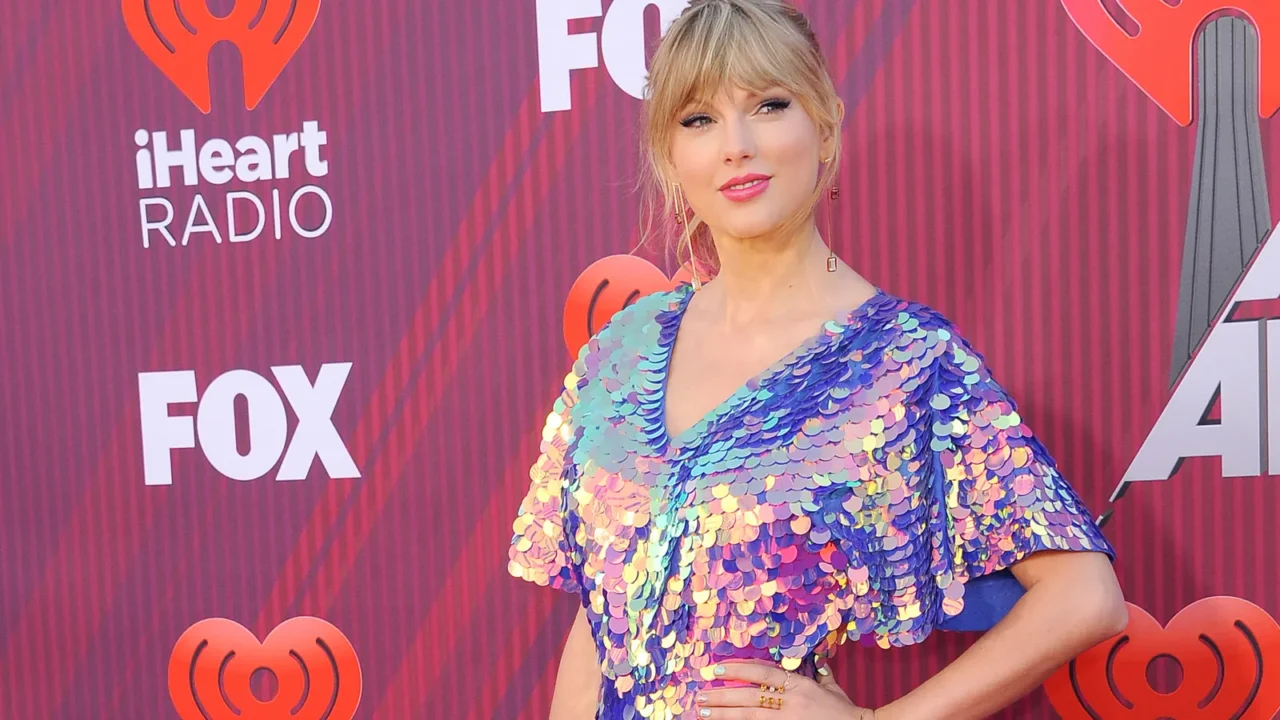
Taylor Swift’s Eras Tour became the first tour to pass $2 billion in ticket sales, with about 10 million fans reported. That milestone helped turn “tour impact” into mainstream conversation. It also set the measuring stick BTS keeps getting compared to.
The U.S. Federal Reserve even mentioned Swift concerts boosting Philadelphia hotel revenue in its Beige Book. That is an unusual place for pop culture to show up. It is basically the definition of “this is bigger than music.”
Little-known fact: In the AAA + Bread Financial study, younger travelers were specifically asked about events more than 50 miles from home, not “any travel at all.”
Why the U.S. comparison keeps landing
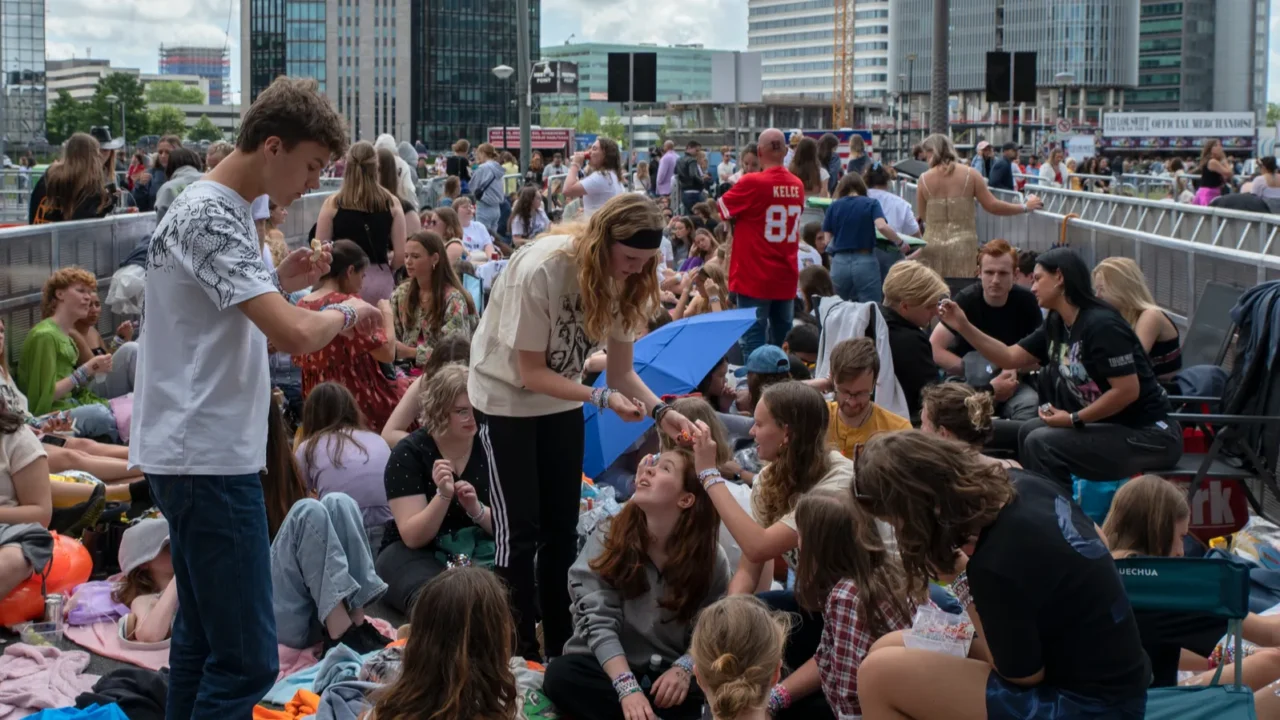
If you lived through the Eras hotel prices in places like Los Angeles or New York-area weekends, you already get it. These tours compress travel demand into short bursts, and cities scramble to staff up. The BTS schedule includes major U.S. stadium markets, so the conditions are similar.
The fanbase behavior matters too. A Bread Financial and AAA study found 65% of Gen Z and 58% of Millennials have traveled or plan to travel 50+ miles for live events. That is a lot of people willing to move for a night out.
Little-known fact: BigHit posts a public tour schedule page that updates by city and date, so you can track changes without relying on fan reposts.
The stage design that changes the math
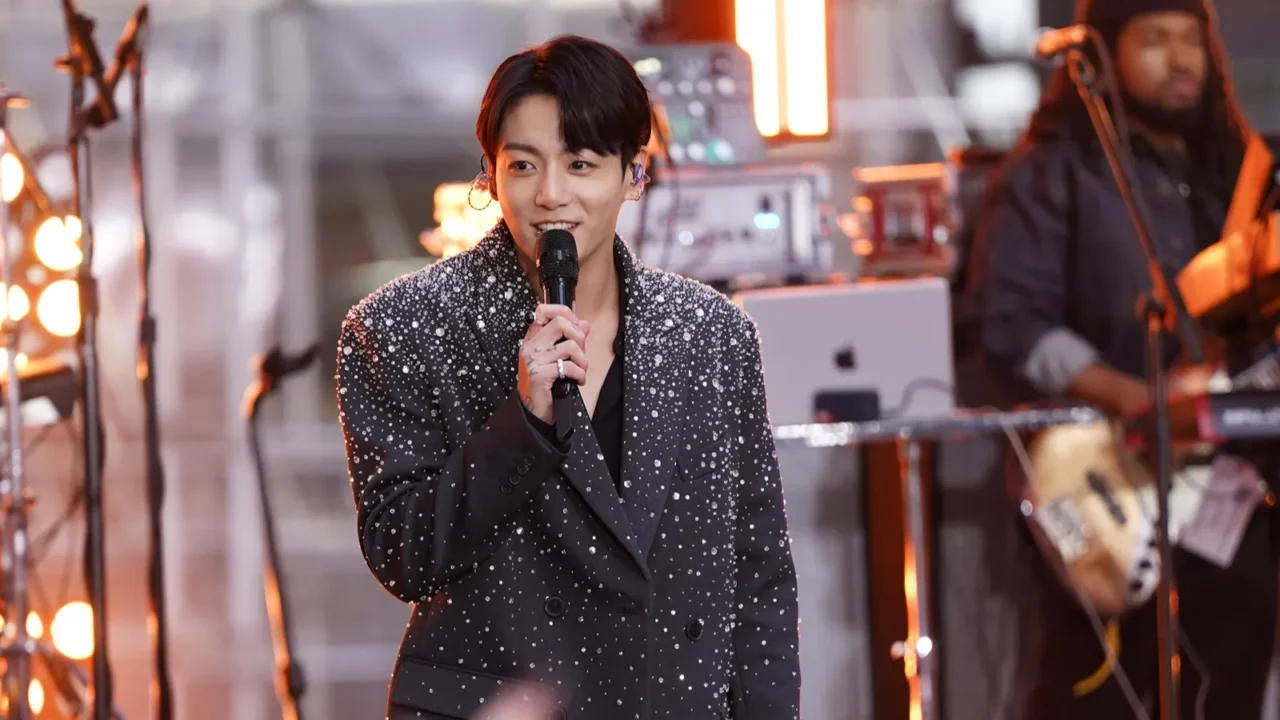
One reason projections run high is the planned “in-the-round” style stage that increases usable seating. More seats can mean more tickets sold per stadium night, depending on the venue. It is a design choice that directly affects capacity.
This is the quiet difference between a big tour and a record tour. Stadium layouts are usually the limit, not demand. If production can safely open more viewing angles, the tour can scale faster without adding new cities.

Streaming makes it feel even bigger
The comeback is not only about being in the building. BTS also announced a major live comeback concert tied to Arirang that will stream on Netflix, according to Pitchfork. That pushes the moment into living rooms, not just stadium seats.
This matters for “Eras-level” comparisons because Swift’s concert film helped widen the audience too. When tours become watchable events, they pull in people who never planned to travel. That extra attention feeds the whole cycle.
Brands follow the fan travel trail
When travel searches jump overnight, brands pay attention. Hotels.com got pulled into the story because demand spikes were measurable almost immediately after the announcement. That kind of data becomes marketing fuel.
Expect more partnerships to pop up around tour stops. Think special travel bundles, merch tie-ins, and city “fan zones” that make it easy to spend money nearby. It is not shady, it is just how big events get packaged now.
Want to see where K-pop stars slip away when they need total privacy? Check out inside the private luxury hideaways K-pop idols choose for paparazzi-free escapes.
The fan budget reality check
If you are thinking of going, plan like it is a mini vacation. Ticket cost is only one piece, and hotels can jump fast when dates sell out. The best savings usually come from booking early and staying a bit outside the center.
Also, protect yourself from sketchy resale links. Use official ticket platforms and verified resale options, even if the price stings. With tours this big, scams scale up right along with the hype.
Curious why one of the world’s biggest markets isn’t on the list? Check out why China is missing from BTS’s tour map.
Is this the next “Eras-level” tour moment, or is it in its own lane? Share your thoughts and your view in the comments.
This slideshow was made with AI assistance and human editing.
Don’t forget to follow us for more exclusive content right here on MSN.
Read More From This Brand:
