
California gas prices explained clearly
The State of California faces some of the highest gasoline prices in the United States. Prices reflect a mix of taxes, environmental regulations, and supply constraints. These factors shape how fuel is produced and delivered across the state.
California continues to see higher pump prices compared to national averages. Data from the U.S. Energy Information Administration shows consistent price gaps over time. Travelers driving through Los Angeles and San Francisco often notice this difference immediately.
State taxes influence pricing
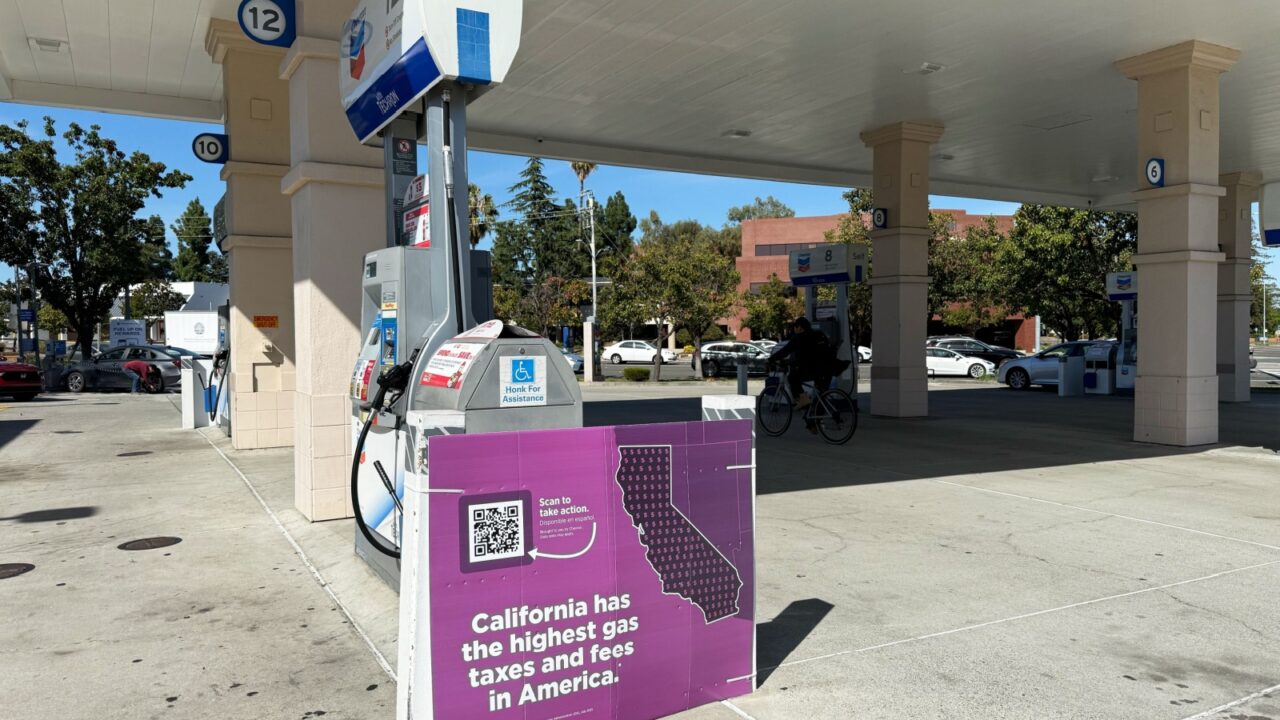
California applies one of the highest state fuel tax structures in the country. These taxes fund road maintenance and transportation projects across major metro areas. The structure directly impacts retail gasoline pricing at the pump.
California has one of the highest state gasoline tax and fee burdens in the country, which contributes to higher pump prices. This affects drivers in cities like San Diego and Sacramento. AAA data consistently shows higher statewide averages compared to national levels.

Environmental rules add costs
California maintains strict fuel standards aimed at reducing emissions. These rules affect how refineries blend and distribute gasoline. Compliance costs are often passed through to consumers.
The California Air Resources Board oversees programs like the Low Carbon Fuel Standard. This policy shapes fuel production requirements across the state. Drivers traveling between Los Angeles and Las Vegas often see price differences at the border.
Refinery limits impact supply
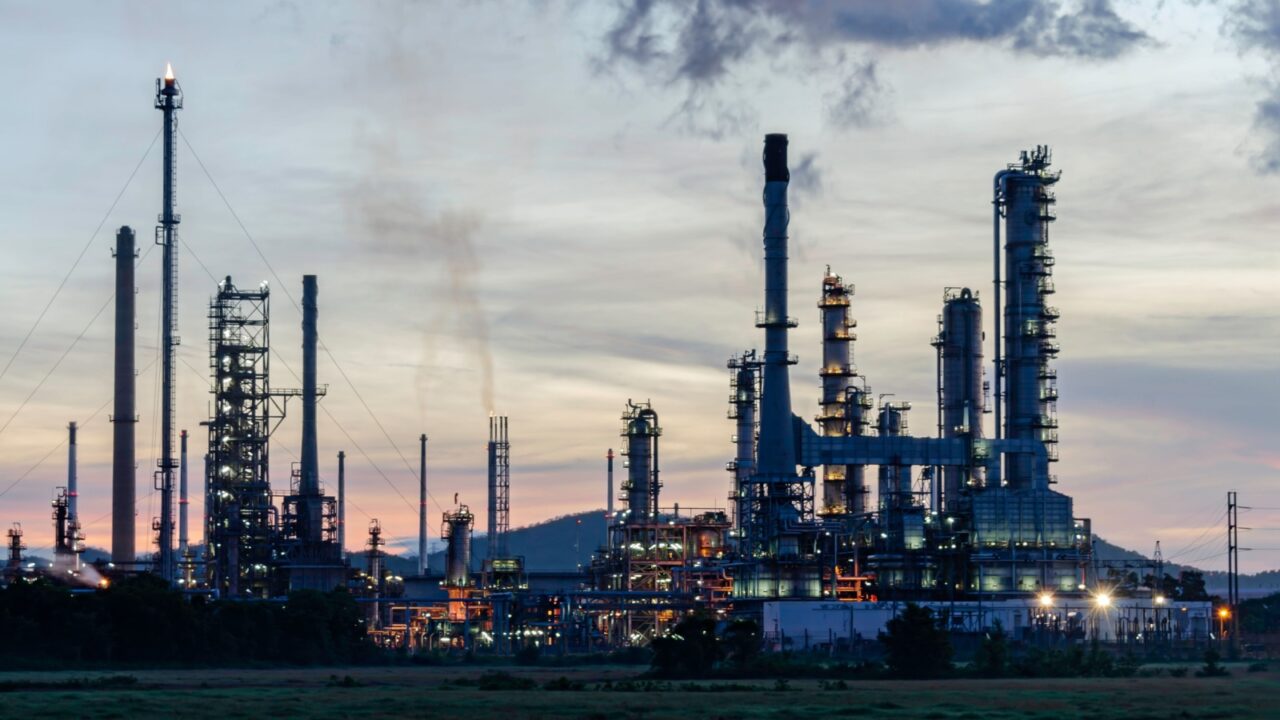
California relies on a limited number of in-state refineries, so maintenance outages or disruptions can tighten supply and push prices higher. This creates tighter supply conditions during maintenance or disruptions. Limited capacity can increase price volatility.
Refinery closures, maintenance events, and concentrated production capacity can amplify supply pressure in California’s gasoline market. Supply concentration in the Los Angeles basin affects regional fuel distribution. AAA data reflects these recurring supply pressure patterns.
West coast pricing gap
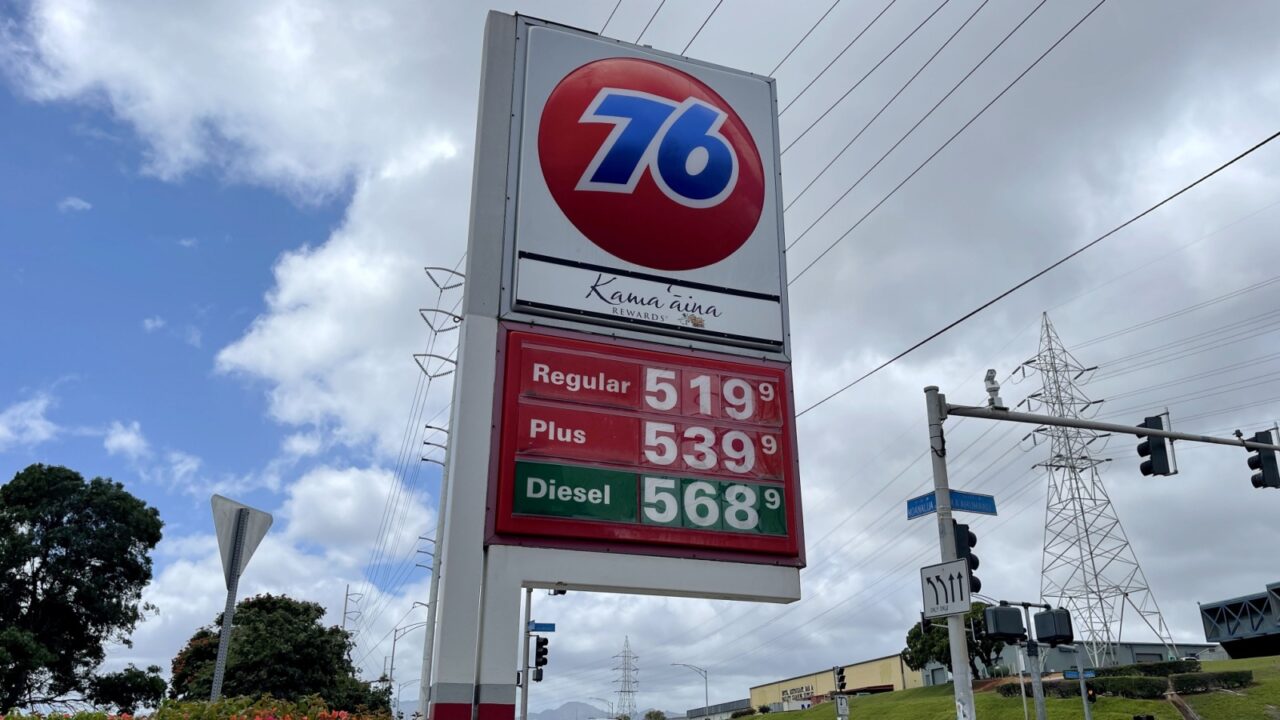
California gasoline prices often remain above the US national average. The gap is driven by regional fuel standards and transportation costs. This difference is most visible during peak travel seasons.
The U.S. Energy Information Administration confirms persistent West Coast pricing premiums. Drivers heading into neighboring states often notice the price difference soon after crossing the border. Road trips to Nevada show immediate cost shifts.
Market volatility patterns emerge
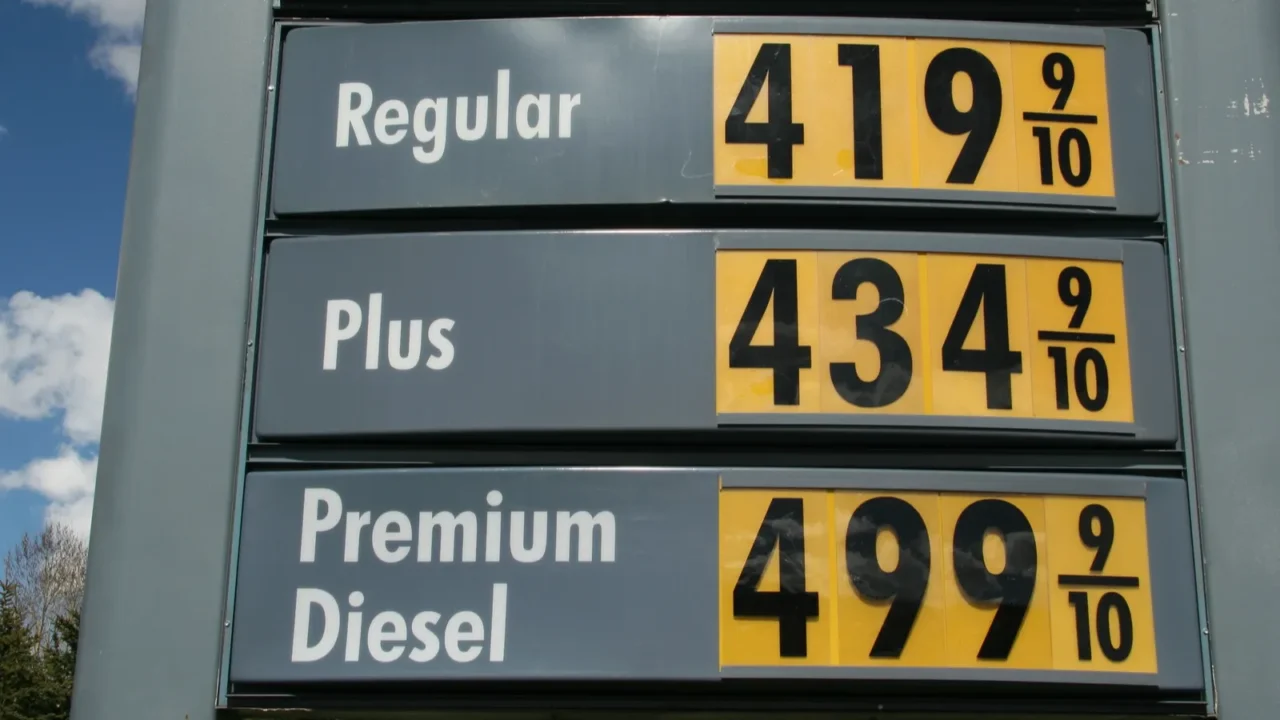
Gas prices in California can shift quickly due to supply chain changes. Seasonal demand and refinery maintenance cycles also play a role. These movements affect commuters and long-distance travelers.
Fact: AAA 2025 data shows California frequently ranks as the most expensive state for gasoline in the US. The difference can exceed one dollar per gallon compared to the national average. This trend is tracked through daily AAA fuel reports.
Travel costs feel higher
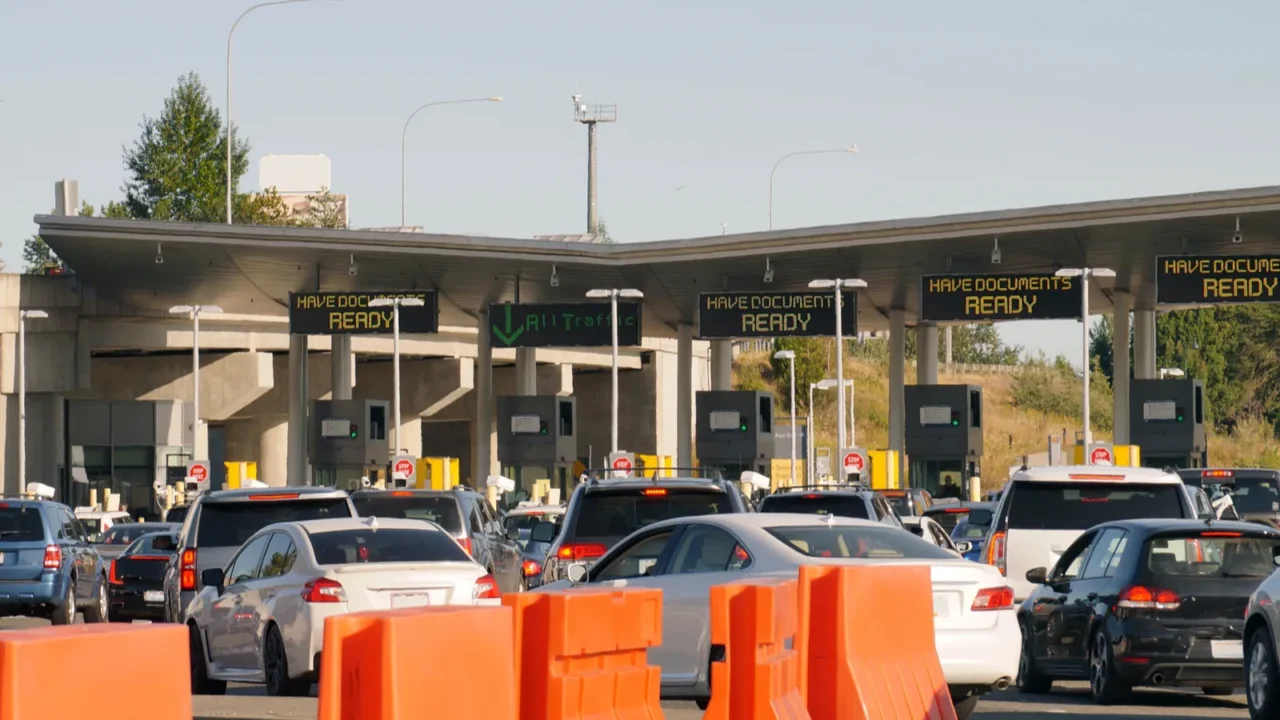
Higher fuel prices directly affect road travel across California. Trips between cities like Los Angeles, San Diego, and San Jose become more expensive. Rental car costs also reflect regional fuel pricing.
Tourism corridors leading to destinations like Yosemite National Park see higher travel expenses. Visitors often adjust travel plans based on fuel budgets. These patterns are consistent across peak holiday seasons.
Border price contrasts visible
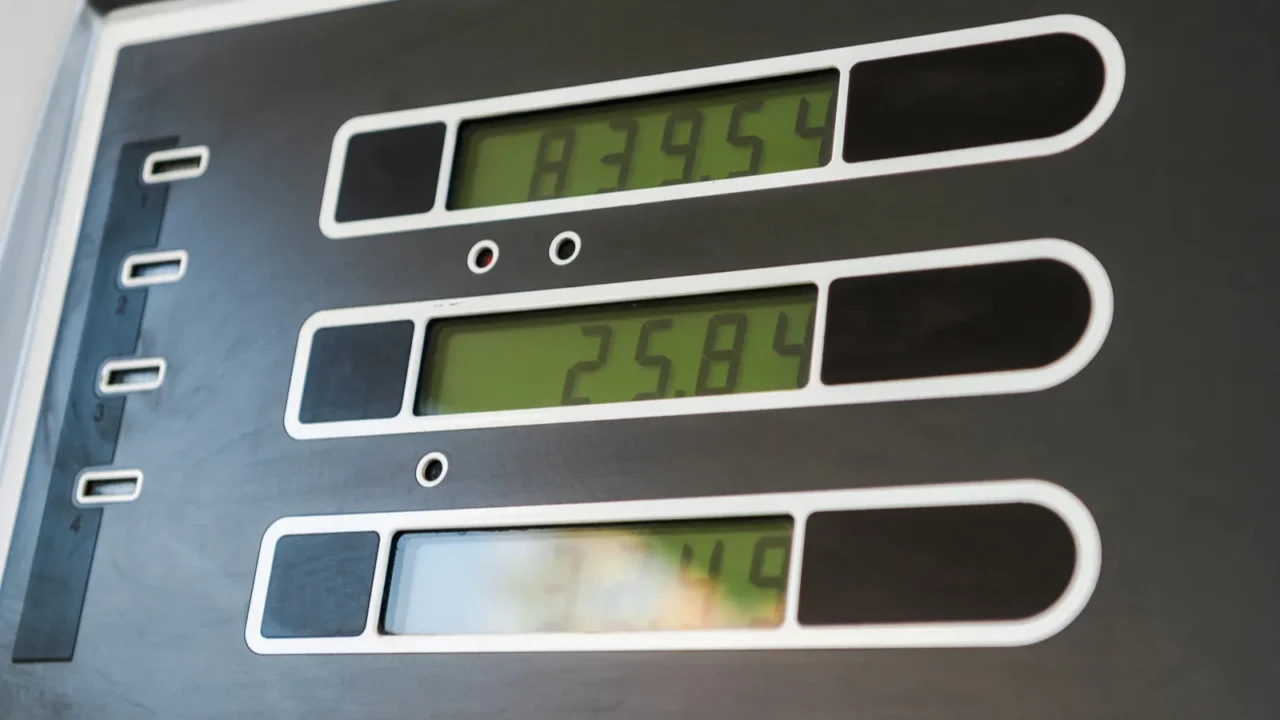
Fuel prices often drop significantly once drivers leave California. Neighboring states like Nevada and Arizona consistently report lower averages. This gap is most noticeable along major travel corridors.
Fact: California gas prices remained well above the US national average in 2024, and the gap at times approached or exceeded 1 dollar per gallon. This pricing gap is tracked daily across state averages and remains one of the largest in the country. The difference is especially visible for travelers driving between Los Angeles and Las Vegas.
Transportation policy effects
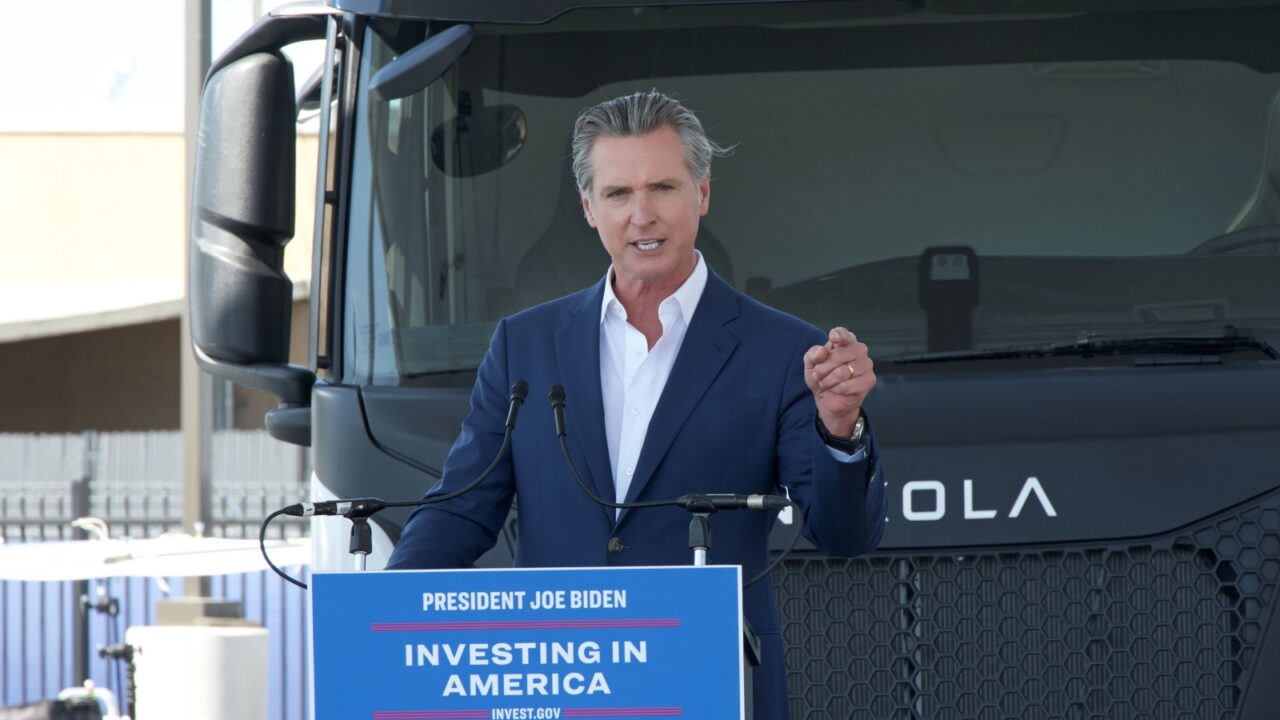
California transportation policy emphasizes emissions reduction and fuel efficiency. These goals influence long-term fuel pricing structures. Policy decisions are integrated across multiple state agencies.
The California Air Resources Board continues to expand clean fuel initiatives. These programs impact refining and distribution systems statewide. Commuters in Sacramento and Fresno are directly affected by these policies.
Consumer pressure grows
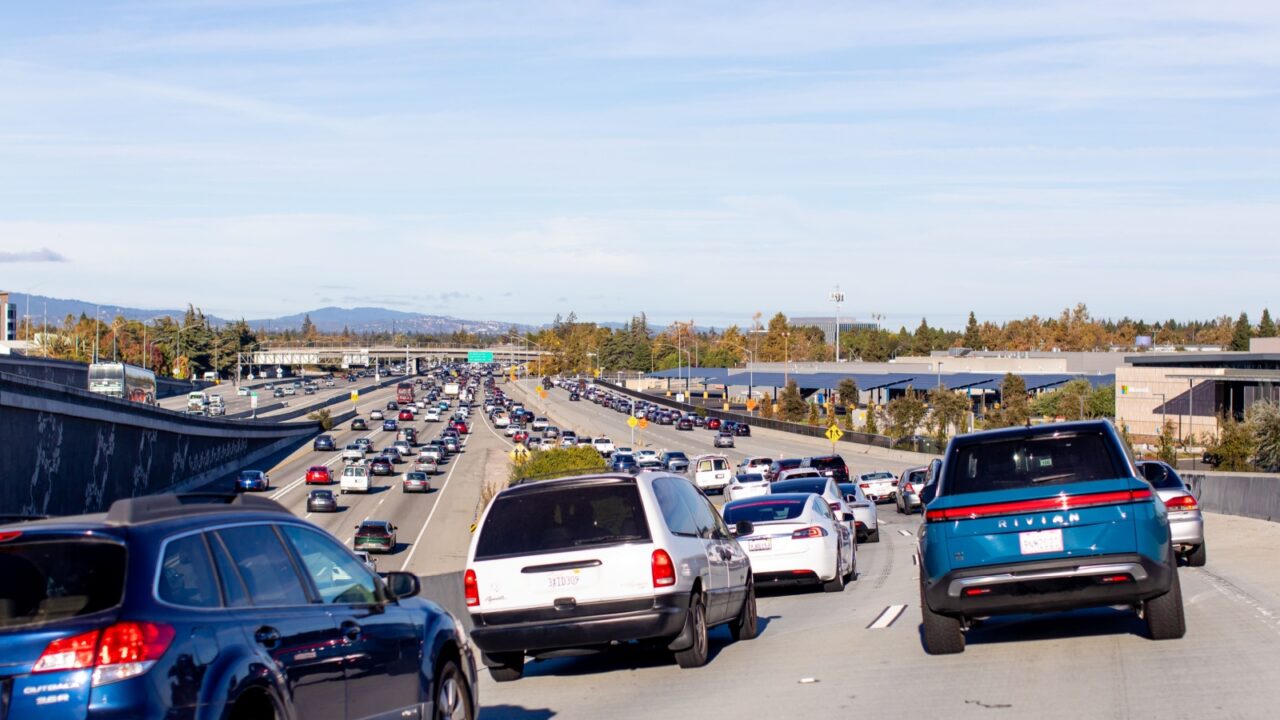
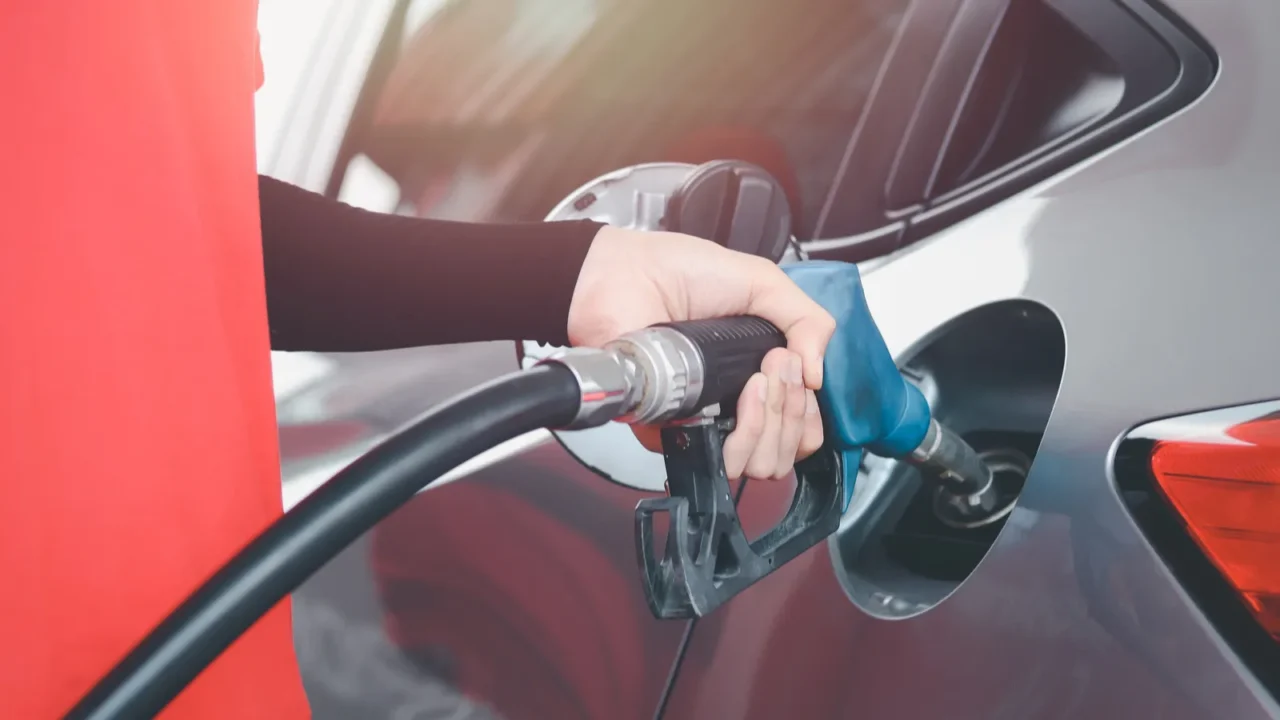
High fuel costs have become a recurring concern for California drivers. Commuters in urban areas face daily transportation expenses tied to gasoline prices. Public debate continues around affordability and policy balance.
AAA data shows California consistently ranks among the top US states for fuel costs. This affects both residents and visiting travelers. The pattern remains stable across multiple reporting cycles.
Economic ripple effects expand
Higher gas prices influence broader economic activity in California. Transportation costs affect goods movement and delivery pricing. This extends into the retail and tourism sectors.
Cities like San Francisco and Los Angeles experience indirect cost pressures. Airlines and rental car companies also adjust regional pricing models. These effects shape overall travel affordability in the state.

Travel behavior shifts gradually
Higher fuel prices influence how people travel across California. Some choose shorter trips or alternative transportation options. Others adjust timing to reduce travel costs.
Road routes through destinations like Santa Barbara and Lake Tahoe remain popular despite costs. Visitors often plan more efficiently around fuel expenses. In Florida, police reported suspects used magnets to steal fuel as oil prices continued to rise. Travel patterns continue evolving with changing fuel conditions.
Policy and pricing debate continues
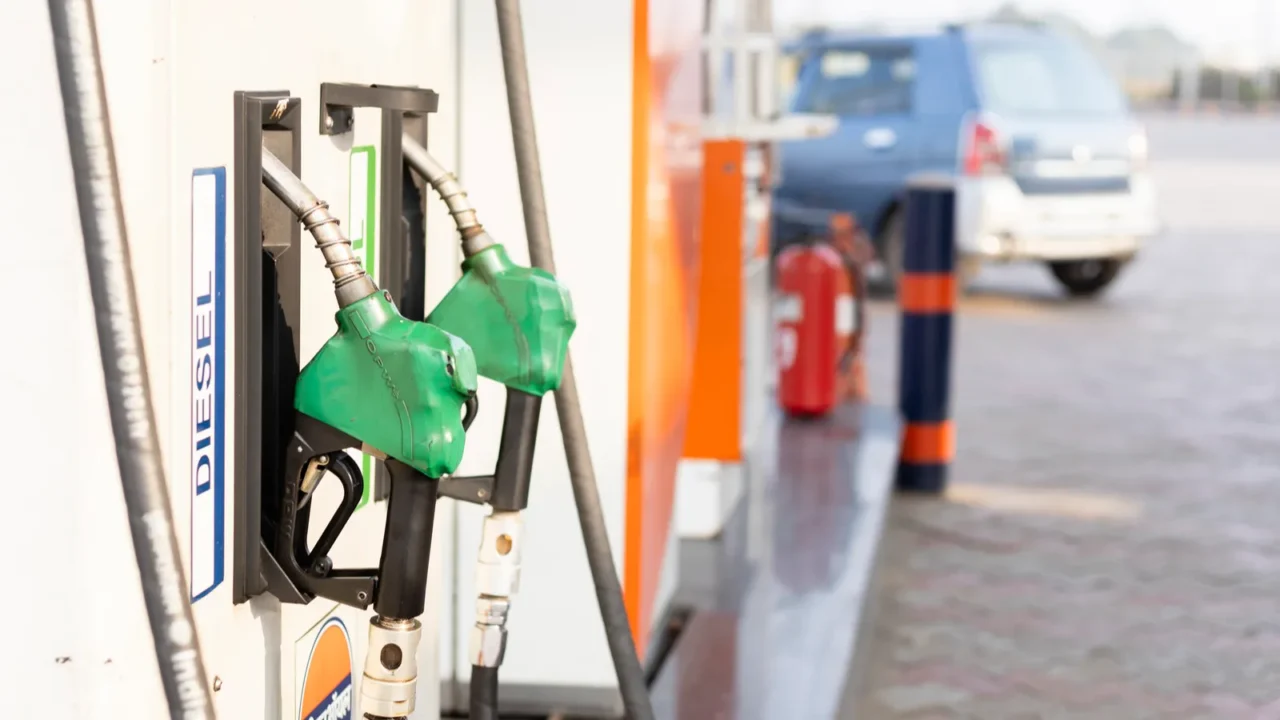
California fuel pricing remains a complex mix of policy, supply, and market forces. The debate continues among policymakers, industry leaders, and consumers. No single factor explains the full price structure.
The best travel experiences often balance cost awareness with destination choice.
Which travel routes across California feel most practical for road travelers right now? Share thoughts below.
This slideshow was made with AI assistance and human editing.
Don’t forget to follow us for more exclusive content right here on MSN.
Disclaimer: The images used are for illustrative purposes only and do not depict the actual locations mentioned.
Read More From This Brand:
