
Costs keep climbing fast
Coachella Valley Music and Arts Festival has become one of the most recognizable live music events in the United States. The festival takes place each April in Indio, California, and draws hundreds of thousands of fans across two weekends. Ticket prices, lodging costs, and travel expenses have all risen in recent years, which has made planning feel far more complicated for many travelers.
Industry trackers and major travel outlets now regularly point to rising demand and limited supply in the desert region. Those pressures affect hotels, short-term rentals, and even basic transportation options during festival weeks. The good news is that strong alternatives exist across the country with lower total trip costs. Let’s get to it.
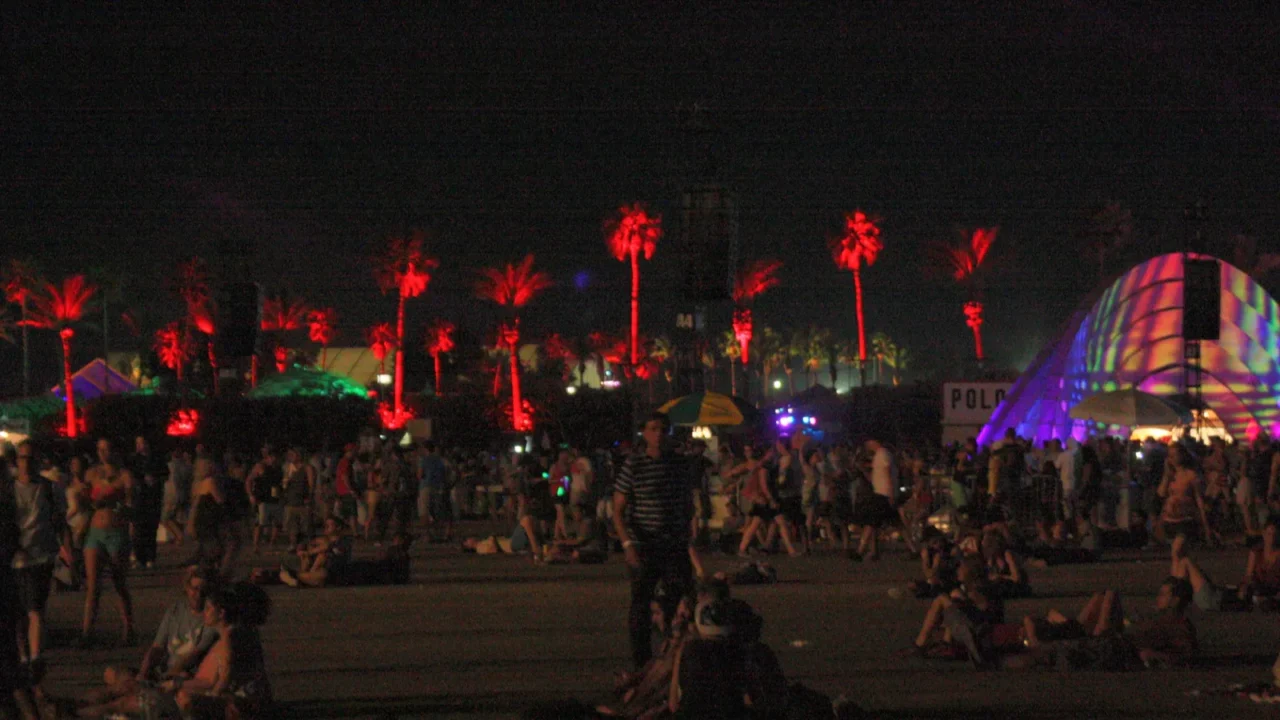
Why Coachella feels pricey
Coachella remains a cultural benchmark, but the numbers explain the sticker shock that many fans mention each spring. General admission tickets often sell out quickly, and nearby hotels respond with peak season pricing that stays elevated for weeks. Flights into Southern California also spike because multiple regional events compete for limited seats.
Travel analysts note that Indio sits far from major urban hotel corridors, which adds pressure to nearby markets. Ride shares, parking passes, and food spending further stretch a weekend budget. When all of that stacks up, even careful planners can see costs climb well beyond initial expectations. That reality is pushing travelers to explore smarter routes.
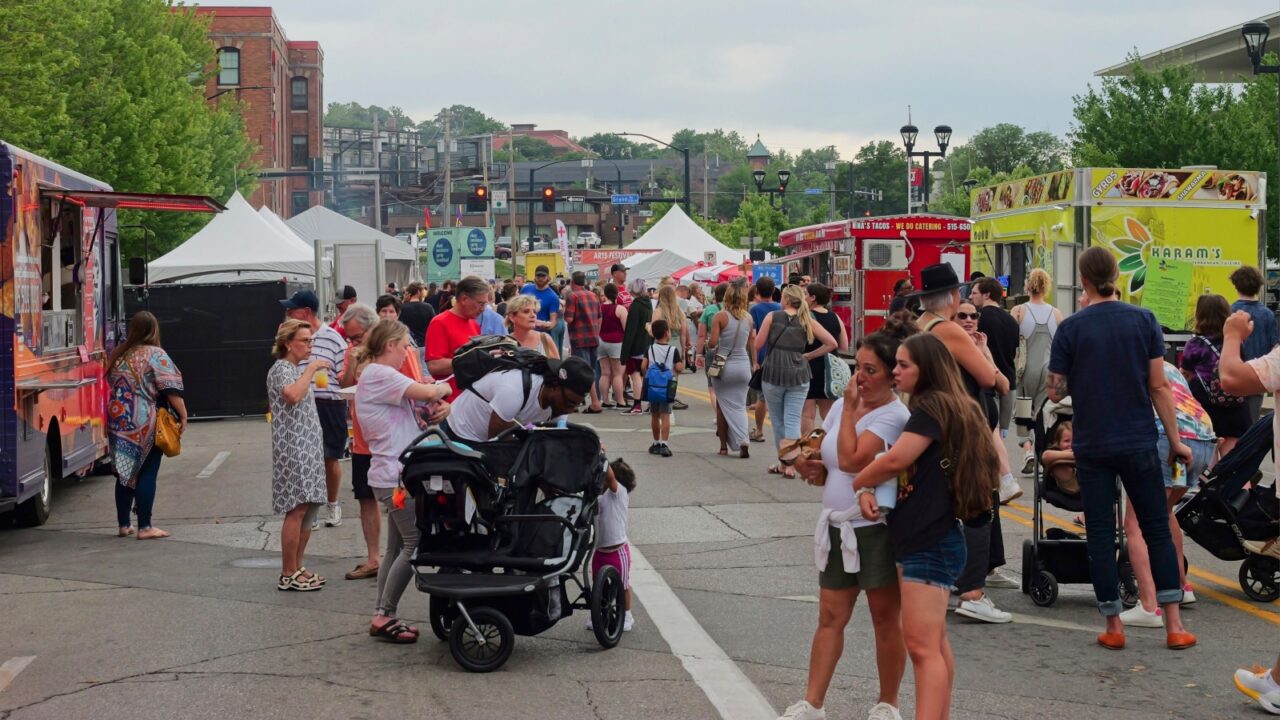
Shorter trips help budgets
Coachella still sets the conversation, but shorter trips can keep spending under control without cutting the fun. Many travelers now favor festivals in large cities where transit, hotels, and food choices stay competitive year-round. That simple shift often trims hundreds of dollars from a three-day plan.
Major metro areas also bring more flight options, which usually means better chances for sales or reward seats. A dense hotel market makes last-minute deals more realistic than in resort towns. The result is a trip that feels spontaneous rather than stressful. Those savings can go toward better seats, extra shows, or another weekend away.
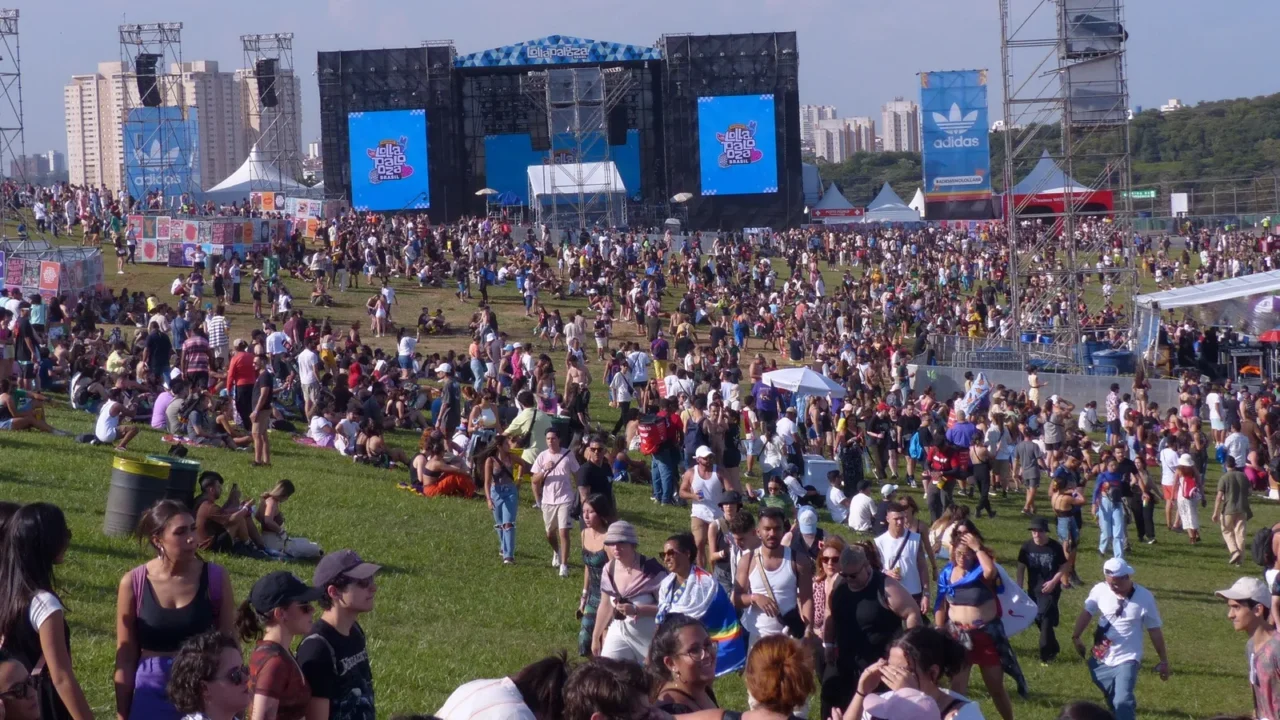
Chicago offers big value
Lollapalooza anchors one of the easiest budget-friendly festival trips in the country. The event takes over Grant Park each summer and sits right in the heart of downtown Chicago. That location means travelers can use public transit, choose from hundreds of hotels, and find meals at every price point.
Chicago also stays competitive on flights because it is a major hub for several airlines. Fans can build a trip around museums, lakefront walks, and neighborhood dining without adding long drives. Multi-day passes still cost money, but the surrounding logistics stay far more manageable. That balance keeps total spending in check.
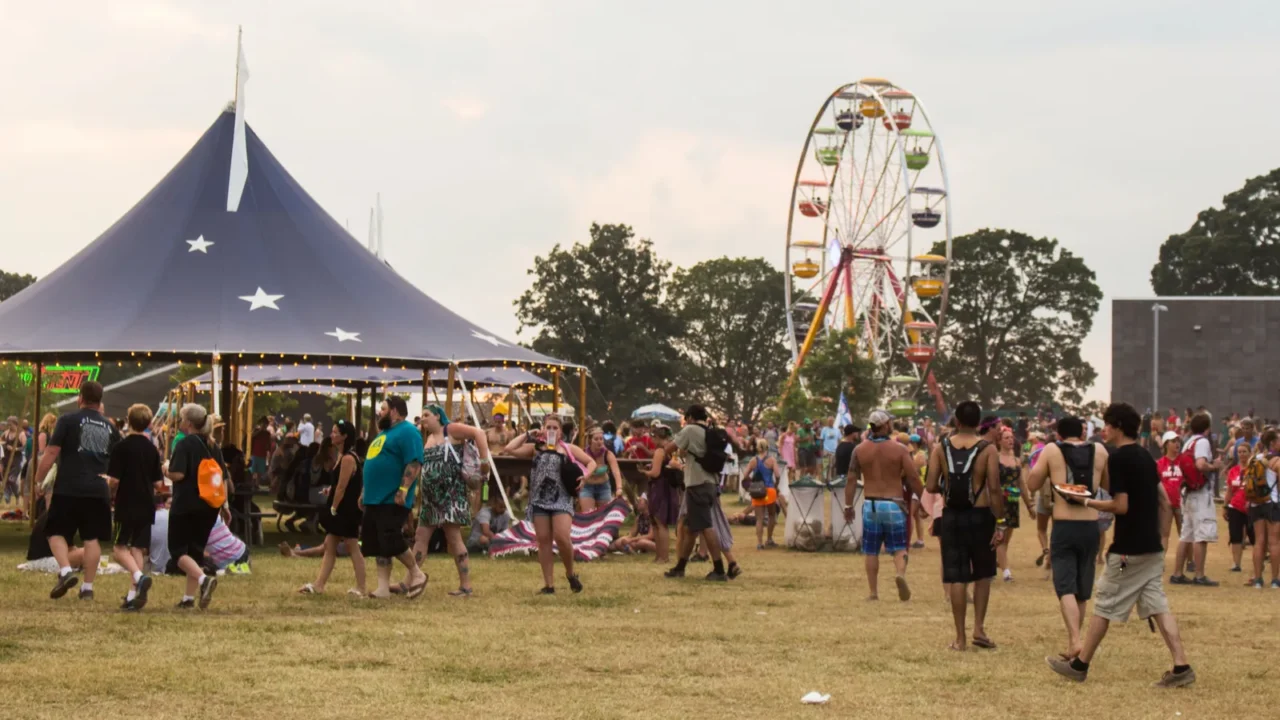
Tennessee keeps things simple
Bonnaroo Music and Arts Festival delivers a huge lineup with a very different cost structure. The festival sits in rural Tennessee, but nearby cities like Nashville keep lodging and flights competitive. Many attendees also choose camping, which can dramatically cut the price of a four-day stay.
Food and merchandise prices remain similar to other major events, yet transportation costs often come out lower. Regional airports regularly post deals during early summer travel windows. The atmosphere also leans relaxed, which helps visitors plan without premium add-ons. For many fans, that mix feels like a smarter splurge.
Texas blends music cheaply
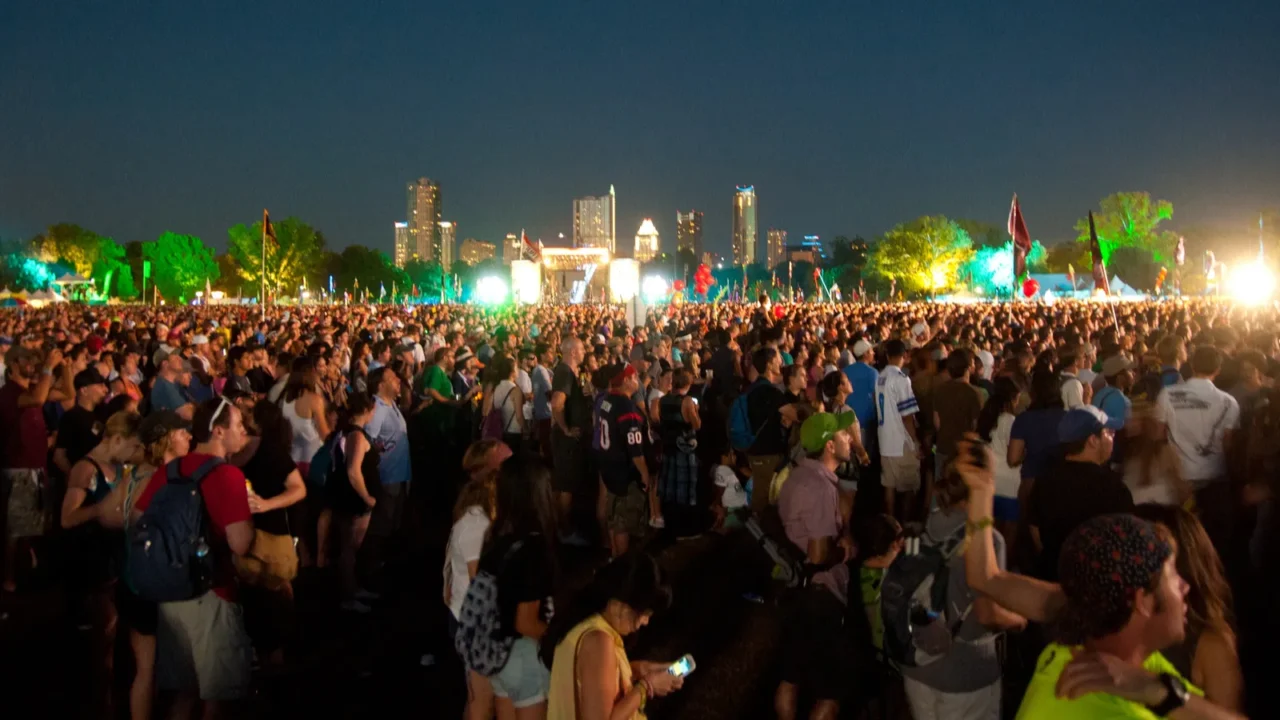
Austin City Limits Music Festival proves that big names do not always require luxury budgets. The festival runs in Austin each fall and uses Zilker Park, which sits close to many neighborhoods and transit lines. That layout keeps rides short and opens up a wide range of hotel and rental choices.
Austin also benefits from a deep restaurant scene where prices stay competitive. Travelers can mix festival days with free live shows around the city, which adds value without extra tickets. Flight deals to Texas tend to appear often, especially from other large cities. All of that keeps total costs predictable.
San Francisco stays accessible
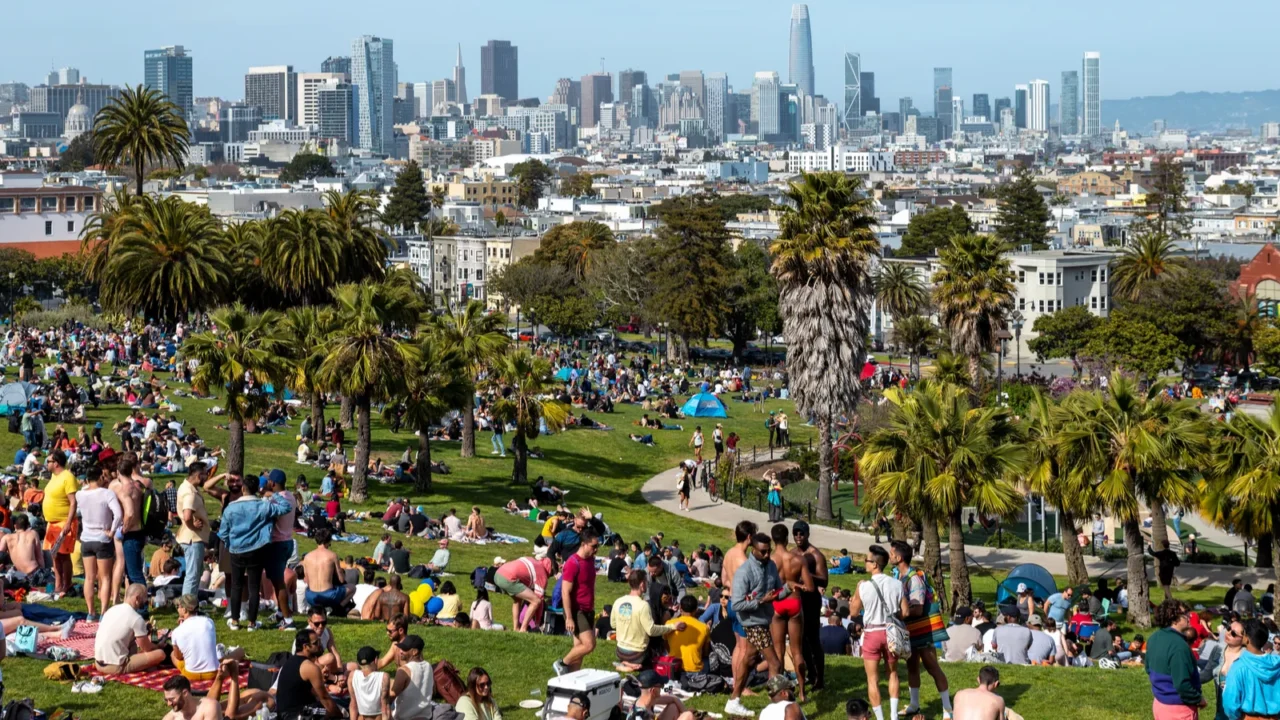
Outside Lands Music and Arts Festival brings a coastal backdrop and a broad lineup each summer. The event takes place in Golden Gate Park, which is well served by buses and trains across the city. That access helps visitors avoid rental cars and expensive parking passes.
Hotel prices in San Francisco can run high, but competition across neighborhoods creates options. Many travelers also stay across the bay and use transit to reach the park. Food choices range from casual counters to established restaurants, which helps daily spending stay flexible. The trip can feel premium without premium planning.
New York delivers choices
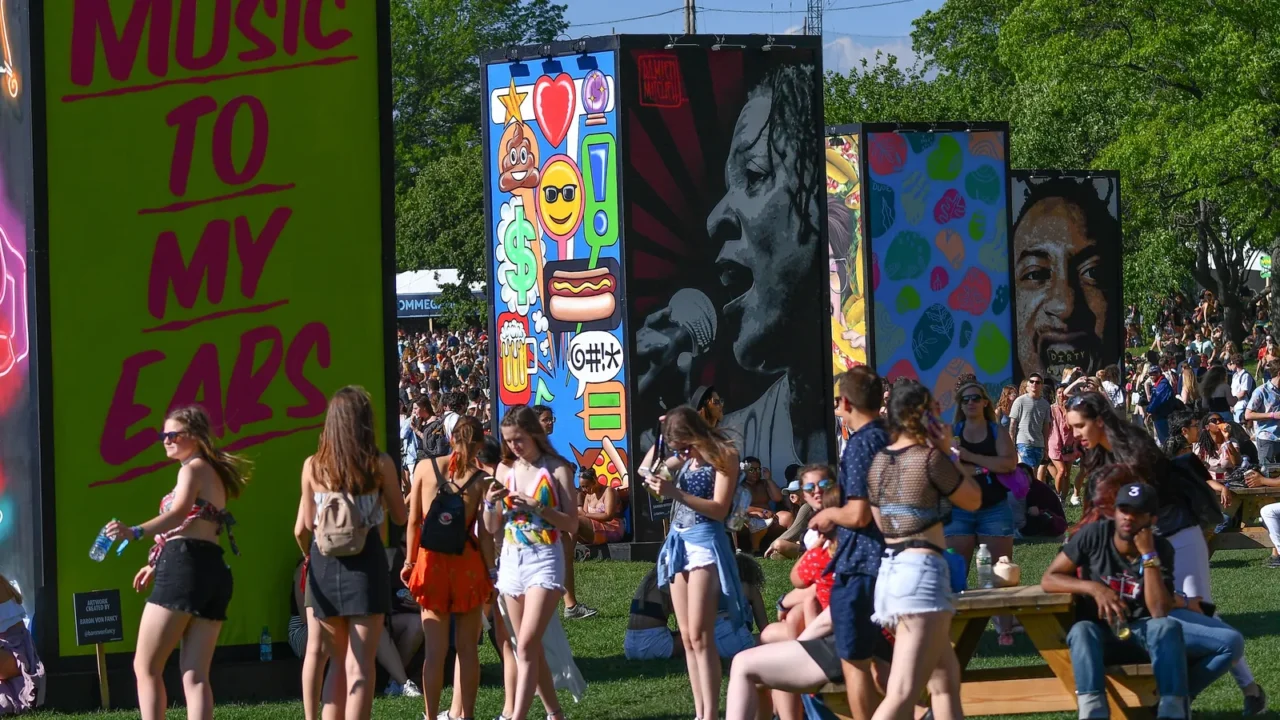
Governors Ball Music Festival shows how a dense city can work in favor of budgets. Governors Ball is now staged at Flushing Meadows–Corona Park in Queens, and that fixed location (with nearby transit) keeps transit access a core advantage for budget-minded travelers. Visitors can stay in multiple boroughs and still reach the grounds without long rides.
Flight competition into New York keeps fares in constant motion, which often benefits flexible planners. Lodging prices vary widely, yet the sheer volume of rooms creates real chances for deals. The surrounding food scene also makes it easy to eat well without overspending. That flexibility helps control the full trip cost.
Smaller festivals save more
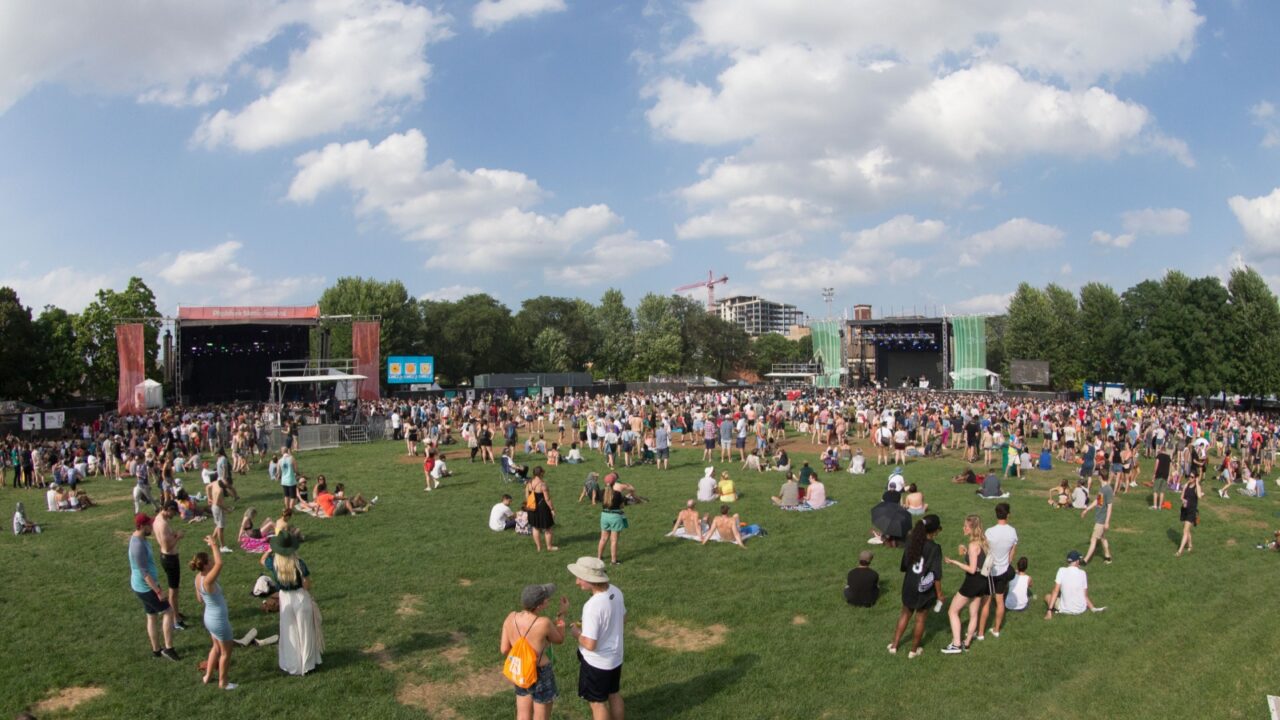
Smaller city festivals often cost less—look to compact events such as Shaky Knees in Atlanta or Forecastle in Louisville, which focus on shorter schedules and smaller lineups that naturally reduce lodging and ticket needs.
Shorter trips also limit spending on transportation and time off work. Cities that host these events usually have plenty of affordable hotels and transit options. The experience feels focused, not rushed, and that keeps stress low. For travelers watching every dollar, this approach often works best.
Heritage festivals cost less
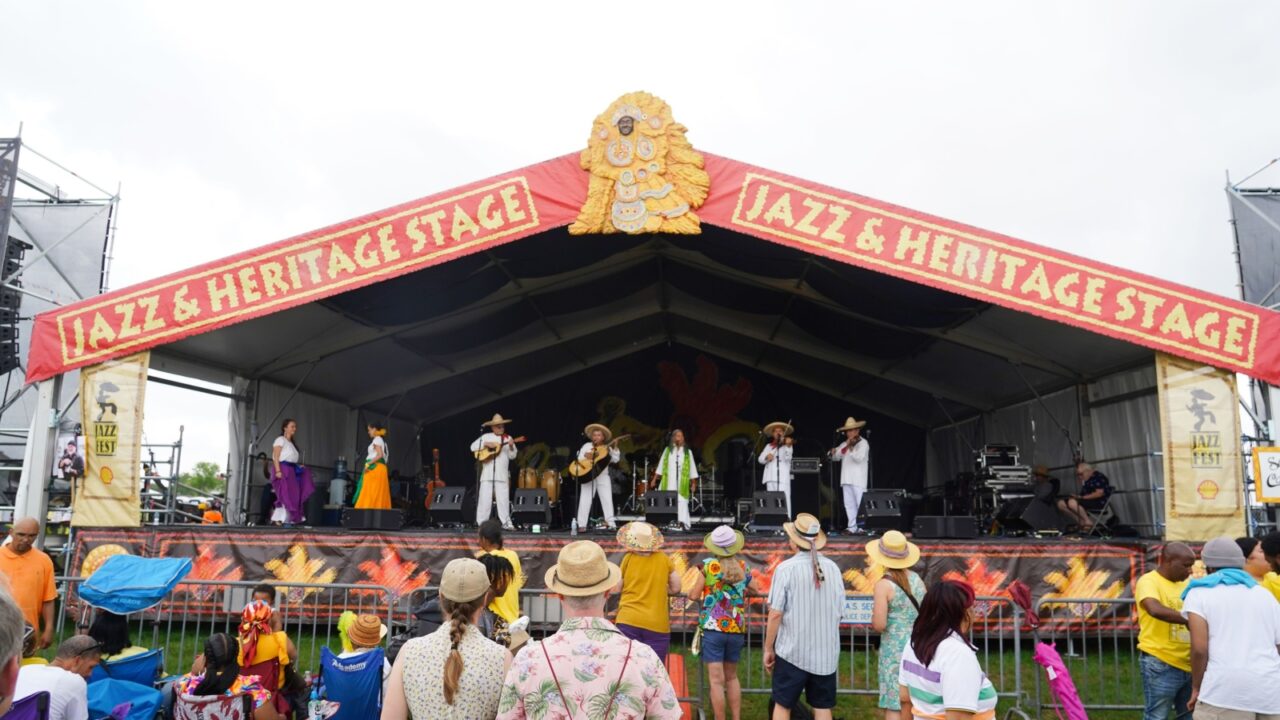
New Orleans Jazz and Heritage Festival mixes music, food, and culture in a way that stays approachable for many budgets. The event runs over multiple weekends, which spreads demand and helps keep hotel prices steadier. New Orleans also has a large inventory of rooms across different neighborhoods.
Flights into the city remain competitive during spring travel seasons. Visitors can balance festival days with free or low-cost sightseeing in historic areas. Local food options range from simple markets to classic restaurants, which keeps daily costs flexible. The result is a rich trip that rarely feels overpriced.
Beach festivals surprise travelers
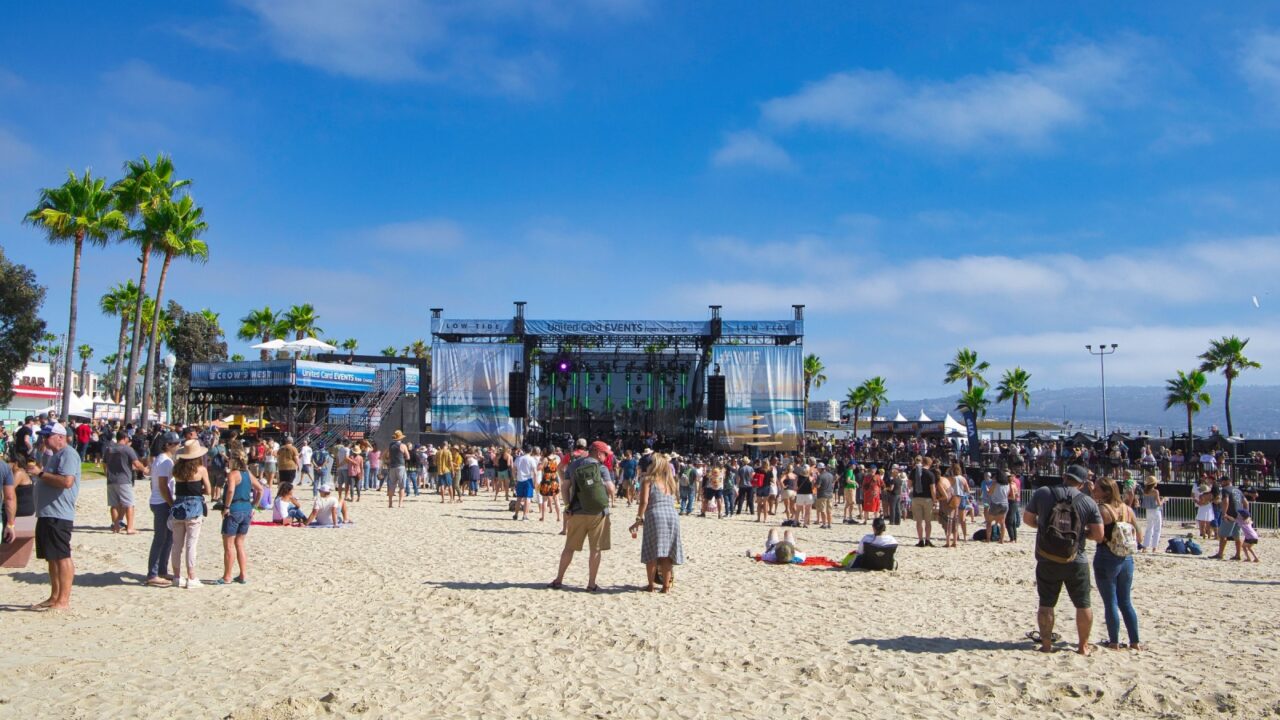
Hangout Music Festival adds ocean views without the typical resort price tag. The Alabama coast still offers a wide range of condo rentals and hotels that compete for spring bookings. That competition often keeps rates lower than famous desert or mountain destinations.
Travelers can drive from many Southern cities, which cuts airfare entirely. Food costs also stay reasonable because the area serves families year-round, not only festival crowds. The setting feels like a vacation, yet the math stays friendly. That combination keeps this option on many shortlists.
Dance events can work
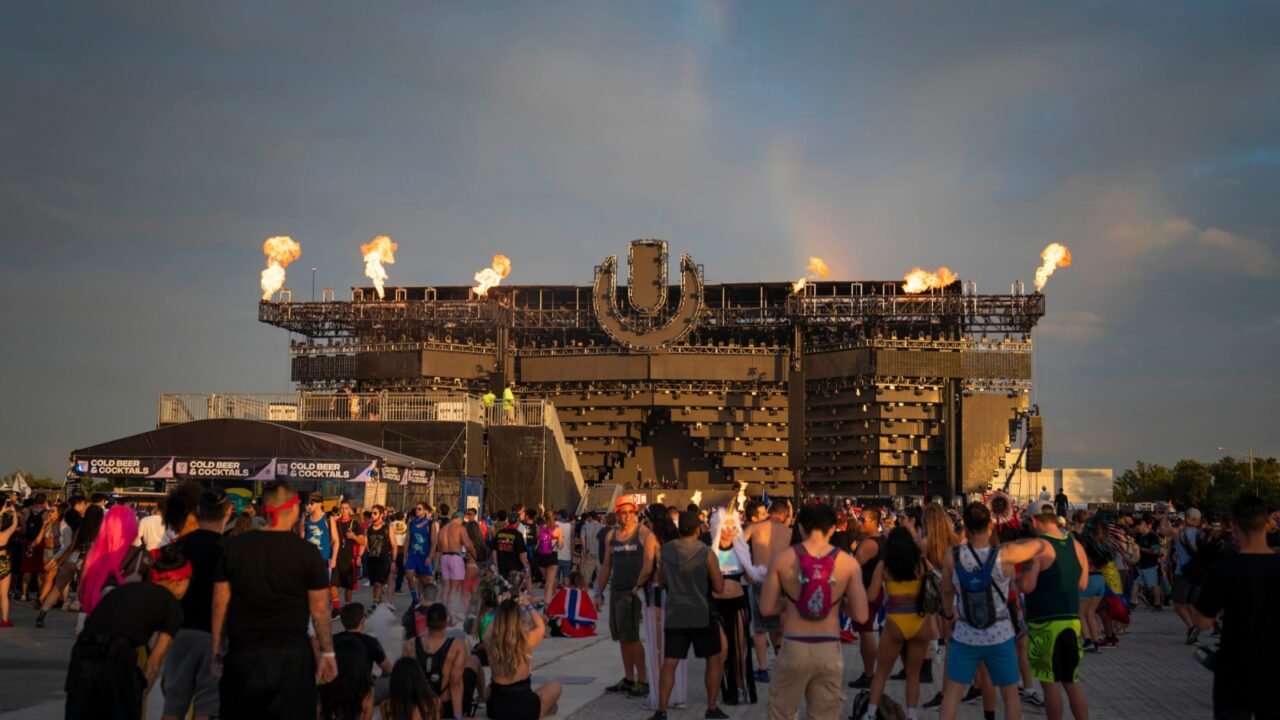
Ultra Music Festival shows that even major electronic events can fit smarter plans. The festival takes place in downtown Miami, close to transit lines and a huge hotel market. That density creates real price competition, especially outside peak beach weeks, letting visitors experience the heartbeat of a culture through these festivals.
Flights to South Florida run frequently, which helps deal hunters find workable fares. Visitors can choose shorter stays and still catch full festival days, which limits lodging costs. Food and entertainment options range widely, so daily spending stays adjustable. With planning, the trip feels energetic without feeling extravagant.

Planning keeps costs down
Coachella will always sit at the top of many wish lists, but alternatives now cover every style and budget. Booking early, choosing central locations, and keeping trips shorter all make a visible difference in final totals. Large cities and established festivals usually offer the best mix of access and competition.
Travelers also benefit from comparing dates, since shoulder weekends often cost less than peak openings. A flexible mindset opens doors to events that deliver just as much energy and music. The best trips are the ones that balance comfort and discovery.
Which festival destination feels like the smartest escape right now? Share your thoughts below.
This slideshow was made with AI assistance and human editing.
Don’t forget to follow us for more exclusive content right here on MSN.
Read More From This Brand:
