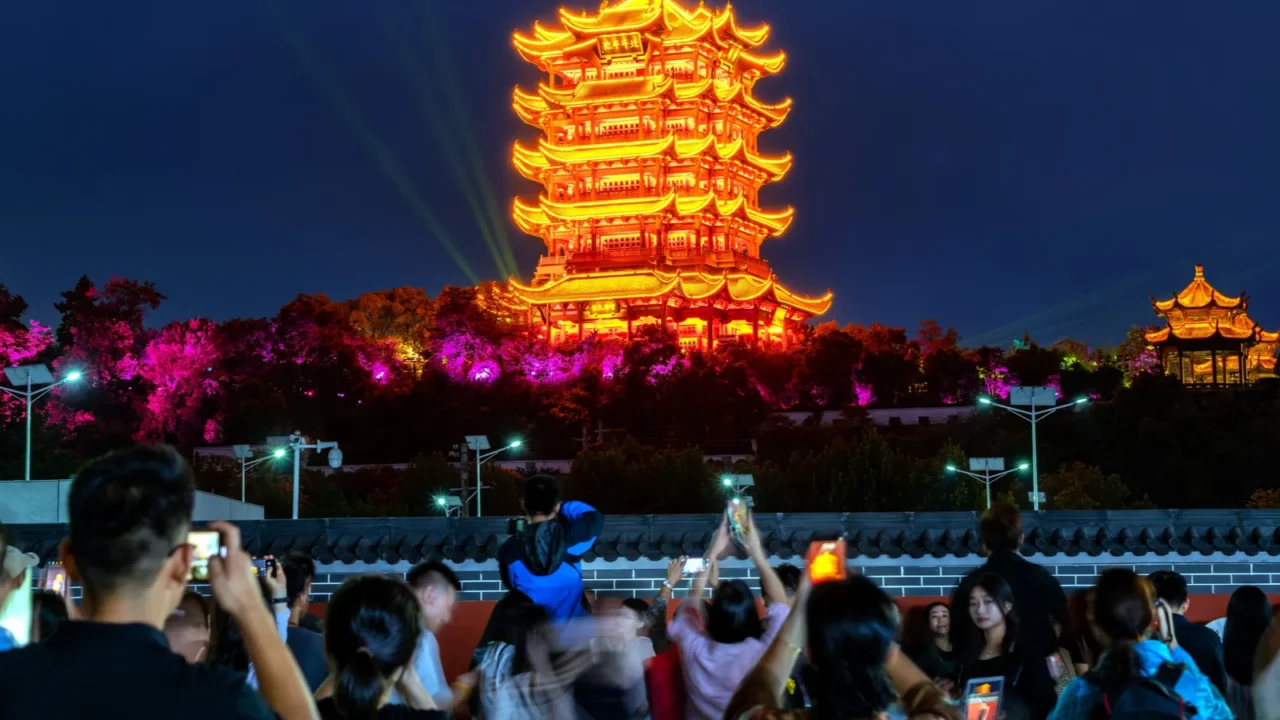
China’s official Spring Festival rush
The People’s Republic of China’s 2026 Spring Festival travel rush, also known as the Lunar New Year travel period, has kicked off amid expectations of a record 9.5 billion passenger trips during the 40-day window from early February through March 13. The extended nine-day Lunar New Year holiday runs from February 15 to February 23 and is part of Beijing’s broader push to boost domestic consumption and reconnect families across the country.
This massive annual movement of holidaymakers is widely regarded as the largest human migration on Earth, and it’s already reshaping travel capacity and prices on global routes. Let’s dive in!
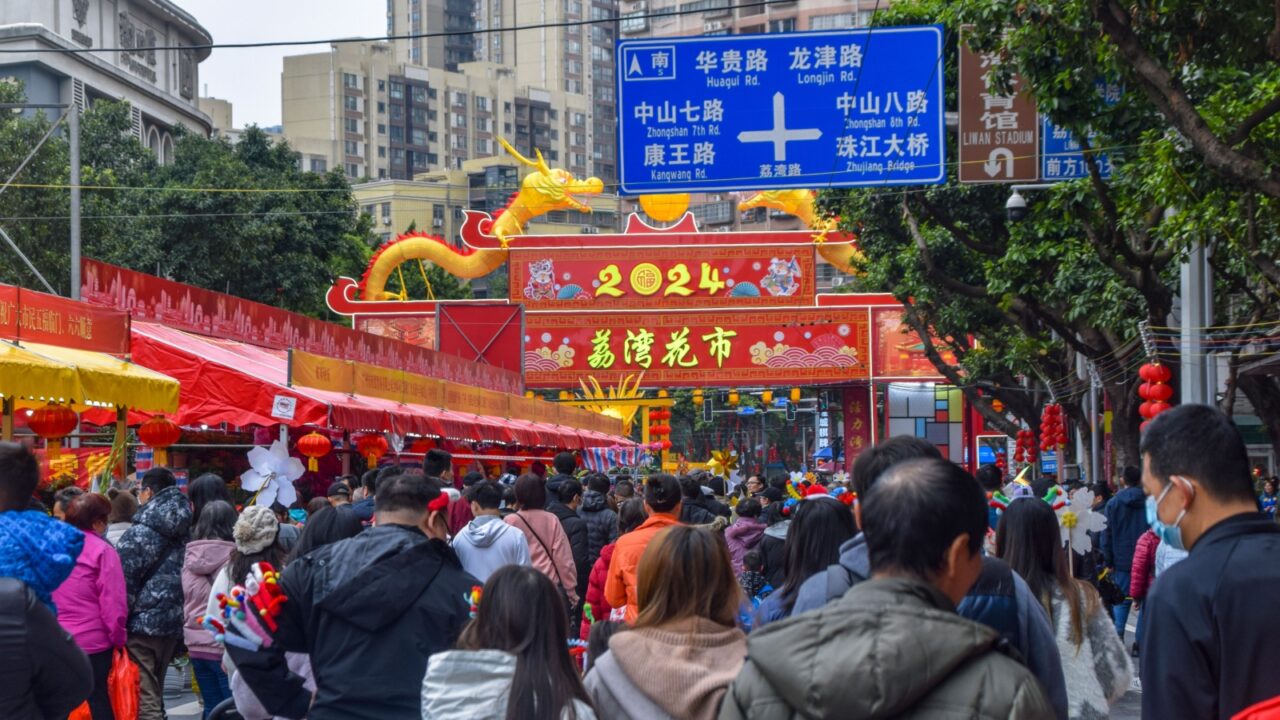
Short name Spring Festival trends
Spring Festival, China’s biggest travel period of the year, is driving massive passenger flows across airports, railways, highways, and waterways as people return home for family reunions or take leisure trips. Early booking data show domestic flight reservations up more than 20 percent compared with last year, indicating intense demand on busy routes between major hubs such as Beijing, Guangzhou, Chengdu, and Shanghai.
Travelers are reporting rapid sell-outs of popular train and air services, especially for peak departure and return dates around the official holiday window.
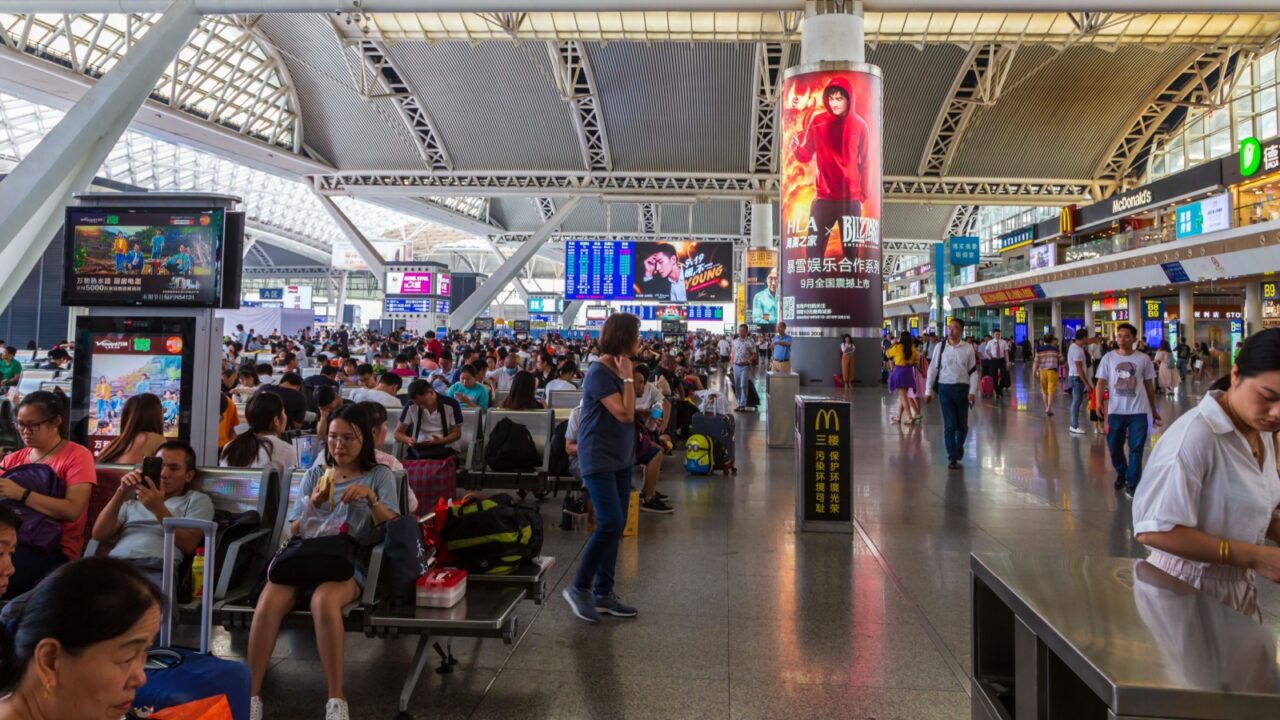
Short name and ticket demand
Spring Festival has already prompted massive demand spikes on China’s official 12306 train booking platform, with millions of tickets sold within hours for travel on the first day of the official holiday. Railways alone are expected to handle well over 500 million journeys during the period, with some key stations like Guangzhou South and Nanjing South packed with holidaymakers.
Domestic flight booking figures also show airlines adding extra frequencies to support departures to warm winter destinations and cultural heritage cities.
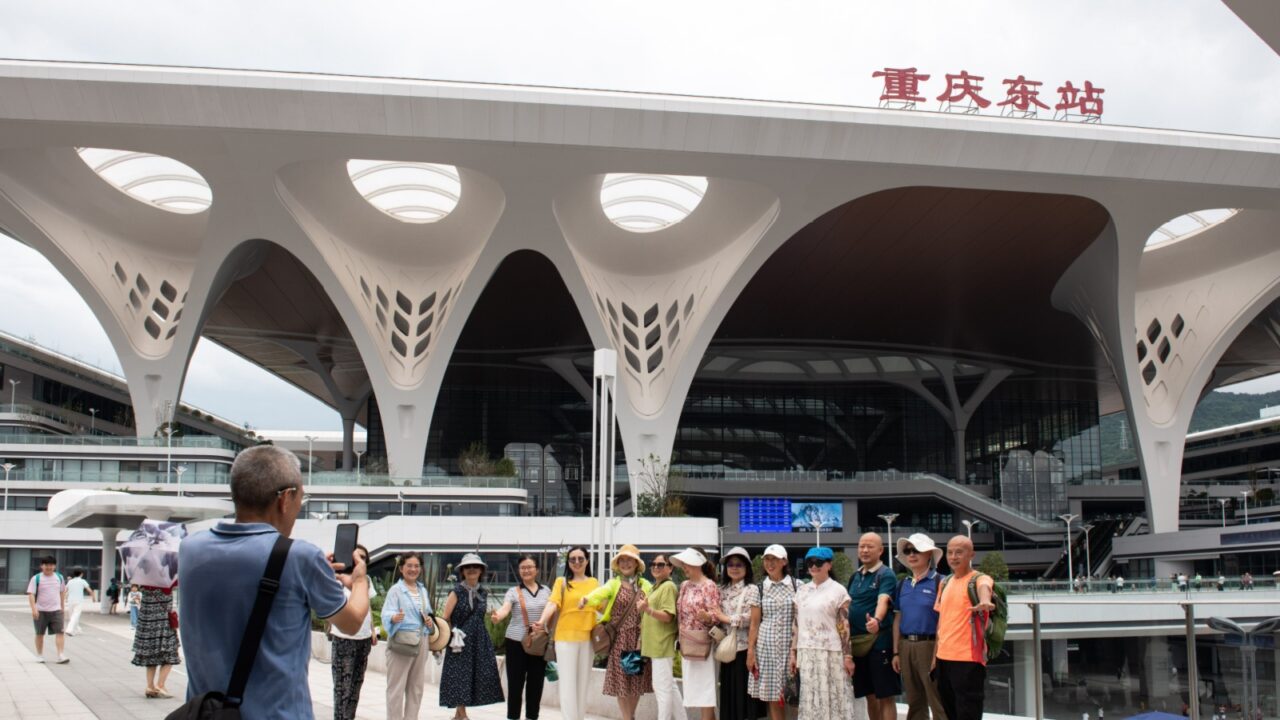
Record national trip forecasts
Chinese transportation authorities are forecasting an unprecedented 9.5 billion cross-regional passenger trips across all modes of transport, eclipsing the 9.02 billion journeys recorded last year. Road travel is expected to remain dominant, accounting for roughly 80 percent of trips, with rail and air travel also setting new highs for the period.
These figures underline the sheer scale of internal movement in China and the logistical challenge of coordinating services across the nation’s vast transportation network.
Airlines add capacity globally
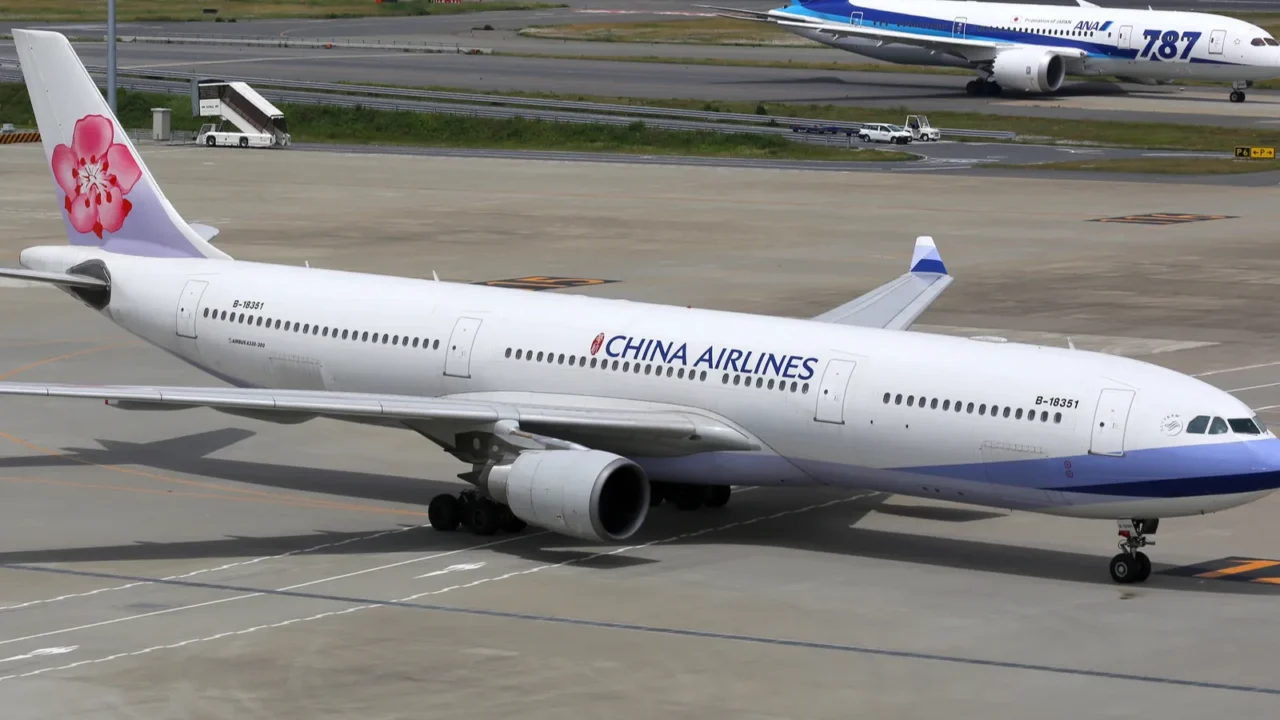
Major Chinese carriers have responded to the surge by expanding flight schedules significantly, with flag-carrier Air China planning more than 70,000 flights during the Spring Festival period, which is up around 10 percent compared to last year’s holiday rush.
This includes boosting wide-body aircraft on international routes to hubs like Sydney, Frankfurt, and Vancouver to meet overseas travel demand. Additional flight frequencies are also being deployed on domestic trunk corridors linking economic centers and tourism hotspots.

First day airline volumes
On the first day of the Lunar New Year travel rush, Chinese airlines transported more than 2 million passengers across more than 19,000 flights, according to industry data. Passenger loads were particularly high on routes from Shanghai to snowy destinations in the north, as well as resort cities like Sanya in Hainan Province.
Airlines are adding flights or deploying larger aircraft where needed as travel demand continues to climb.
Railways under pressure
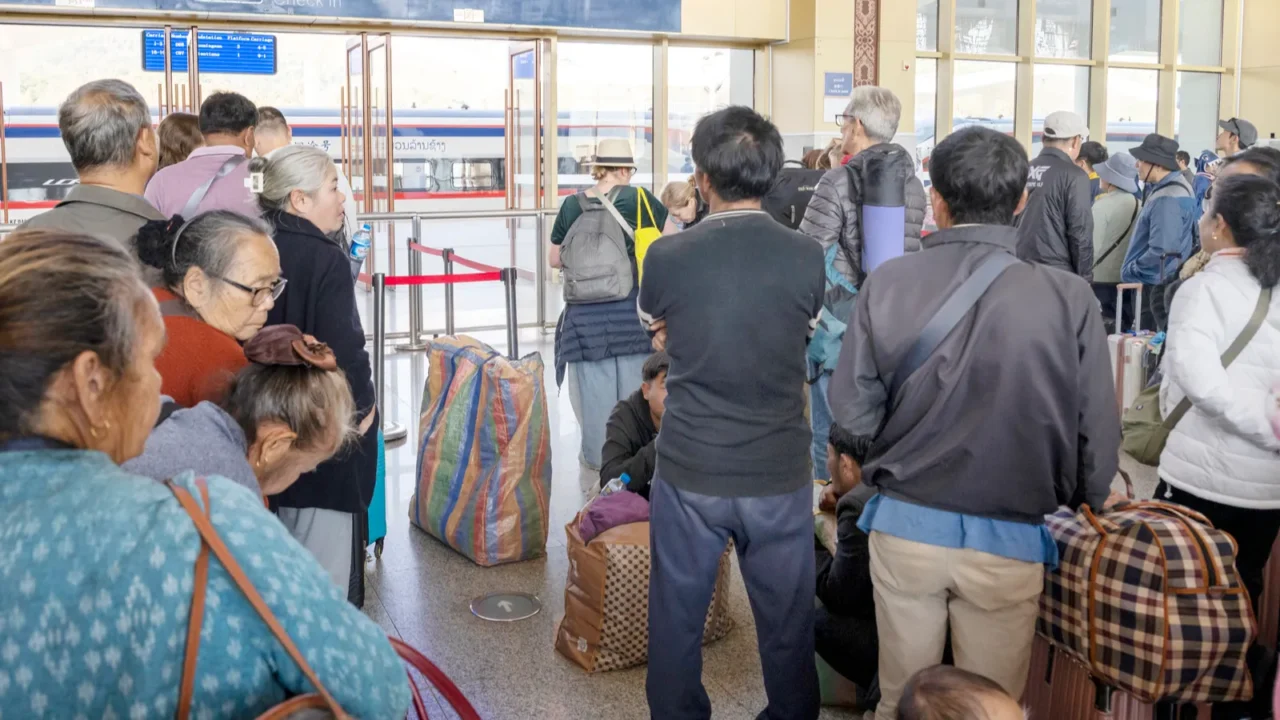
Chinese railways experienced intense demand at the start of the travel rush, handling nearly 12.24 million passenger trips on just the first official day of the period. To cope with demand, the China State Railway Group arranged hundreds of additional trains and continues to push capacity on major intercity corridors.
High-speed rail remains a top choice for travelers connecting urban clusters across the Yangtze River Delta and Pearl River Delta regions.
Ticket price behavior
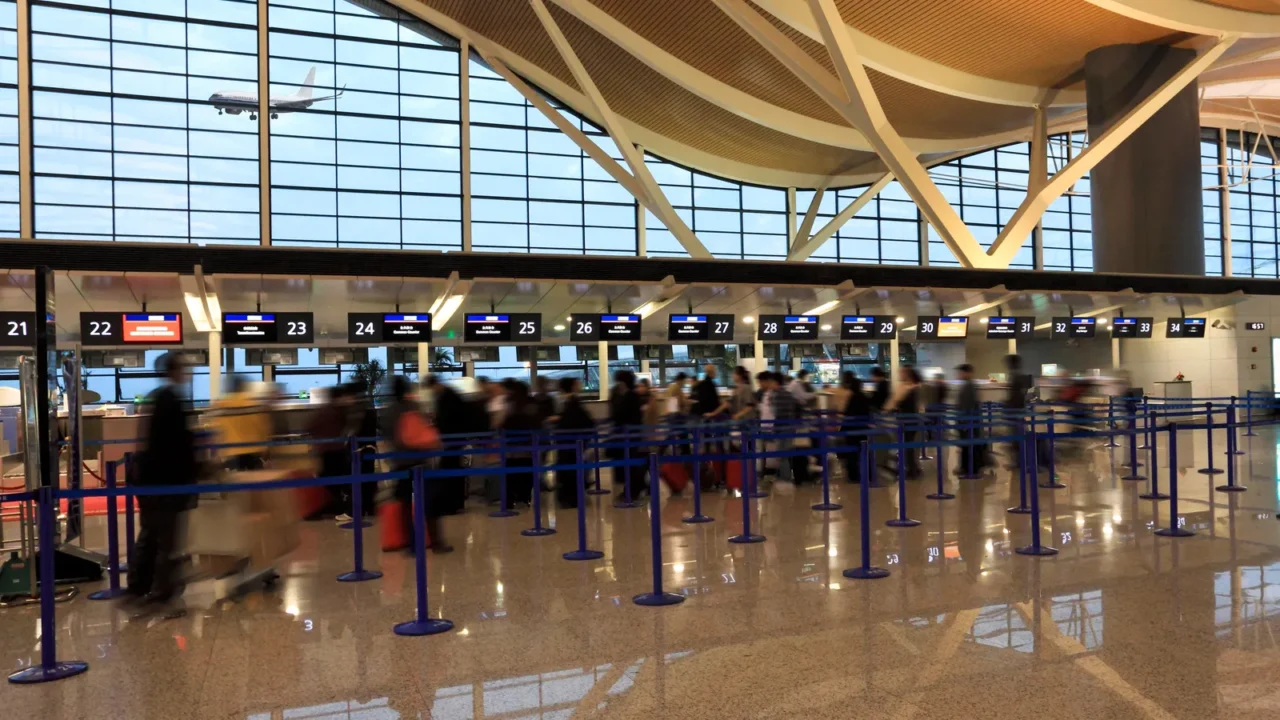
Data from travel platforms show that average domestic airfares during the Spring Festival travel rush are slightly higher than last year, with popular routes seeing prices above peak thresholds. International ticket prices also vary, with some outbound fares elevated but in some cases lower for selected destinations due to competitive capacity from carriers.
Travel agencies note that more people flying multiple segments during the period are pushing up price pressure on certain return routes.

International route shifts
Outbound travel patterns during Spring Festival show Southeast Asia, especially Thailand and Vietnam, and select European cities seeing strong booking growth versus previous years.
New services like Spring Airlines’ non-stop Guangzhou to Kuala Lumpur flights are examples of carriers chasing rising demand along key Asia routes. Meanwhile, traditional Japan routes have experienced mixed trends due to shifting diplomatic and booking dynamics in the region.

Impact on global prices
The surge in Chinese travelers has real effects on global airfare and hotel pricing, with some international destinations reporting lower hotel rates even as flight bookings double or triple.
Major travel platforms report that bookings for outbound travel from China have expanded to include dozens of new city pairs across 90-plus countries. That trend is prompting competitive pricing from hotels and carriers seeking to capture holiday traffic.
Regional tourism growth
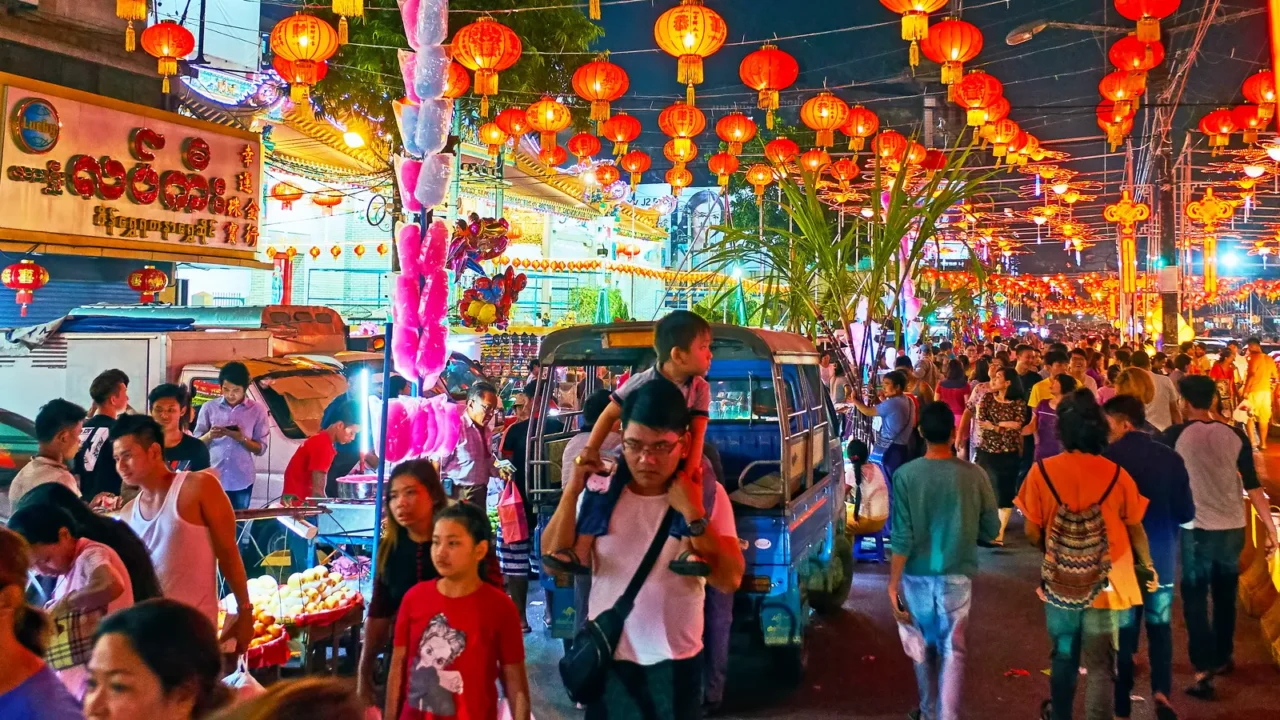
Tourism agencies in popular destinations throughout Southeast Asia, Europe, and the Middle East are highlighting growth in arrivals from China as Spring Festival approaches. Data indicate that outbound travel expands Chinese footprints into more than 1,300 cities globally, supporting hotel stays and local transport demand.
These international flows help diversify holiday patterns beyond China’s domestic hotspots.

Economic and infrastructure effects
China’s Spring Festival rush functions as a real-time stress test for the country’s transport infrastructure. It is seen by policymakers as a key barometer of consumer confidence and economic activity.
The extended holiday was introduced to stimulate consumption and support sectors like hospitality, retail, and urban tourism, at a time when China is increasingly reorienting its travel flows, ditching the U.S. and joining Europe in boosting tourism. Early travel figures suggest meaningful momentum for services-led economic growth.
What it means everywhere
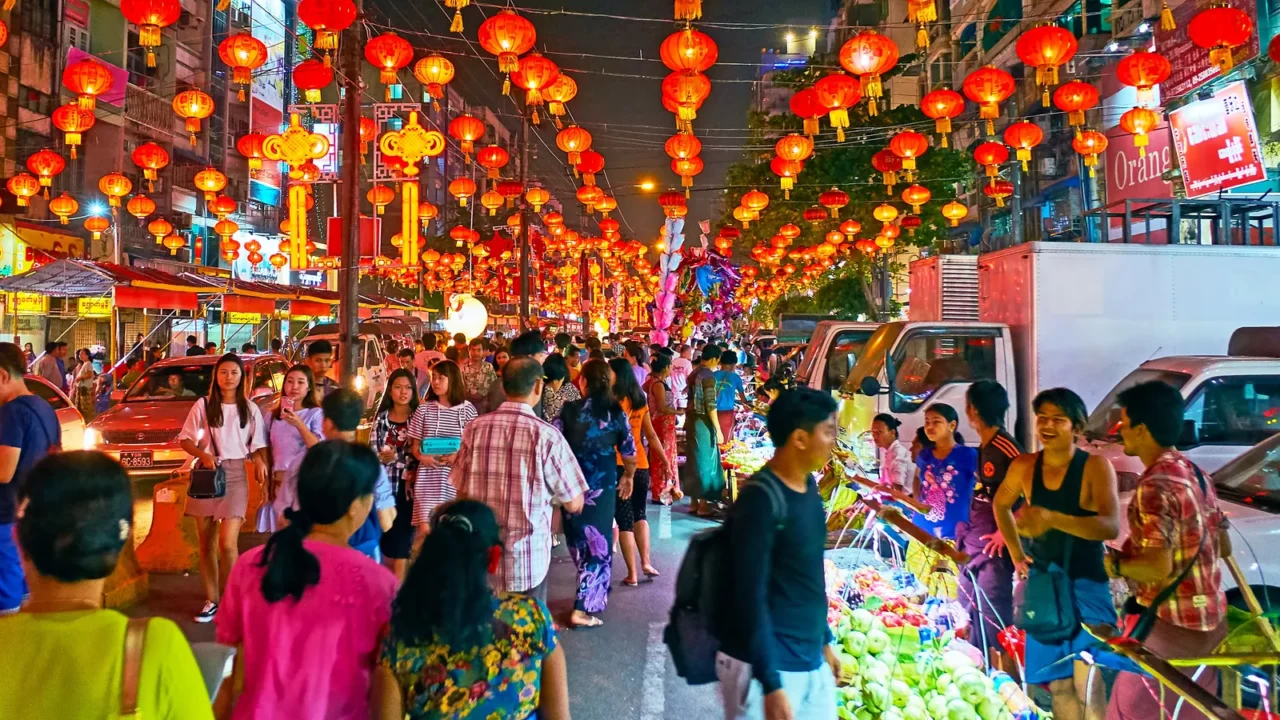
China’s record Lunar New Year travel rush is influencing global travel patterns, with airlines and tourism markets adjusting capacity and pricing to match shifting demand. Destinations from Bangkok to Barcelona are seeing both opportunities and challenges as holidaymakers from China book flights and hotel rooms in larger numbers than in recent years.
This travel spike underscores how China’s mobility trends now resonate well beyond its borders, shaping routes and prices worldwide.
If you found this interesting, give us a like and share your thoughts in the comments.
This slideshow was made with AI assistance and human editing.
Don’t forget to follow us for more exclusive content right here on MSN.
Read More From This Brand:
