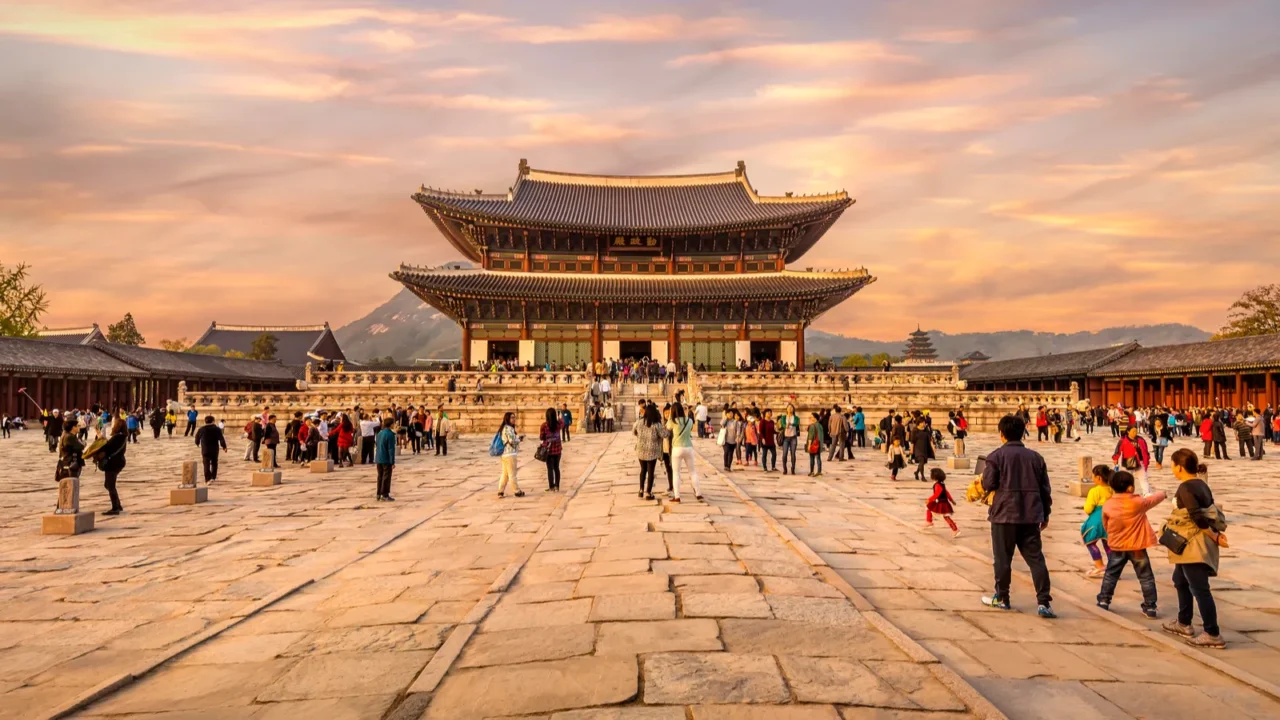
Lunar New Year plans just flipped
If you assumed Chinese tourists would pick Japan again, 2026 is throwing a curveball. New booking and flight data suggest South Korea will beat Japan as the top overseas choice for the Lunar New Year break. For travelers, this is a rare “big switch” moment, not a small wobble.
The holiday starts Feb. 15 and runs nine days, so the timing is prime for shopping and city breaks. Analysts say a mix of politics, visas, and value is pushing people toward Korea. Japan is still popular, but it is suddenly not the default.
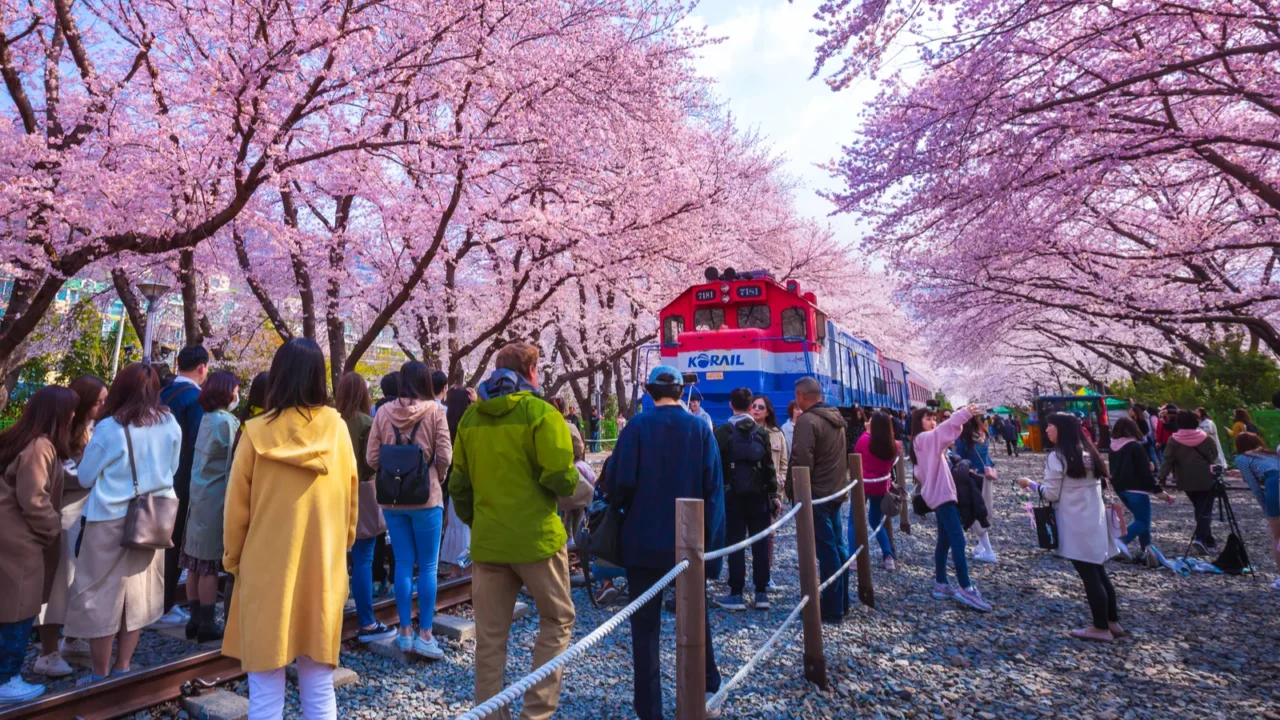
The head-to-head numbers are sharp
Travel analytics firm China Trading Desk estimates 230,000 to 250,000 mainland Chinese visitors will go to South Korea for the holiday. That is up as much as 52% from last year’s Lunar New Year period. A jump like that is not subtle, especially for hotels and retail.
Meanwhile, arrivals from China to Japan are forecast to drop by as much as 60% for the same window. That is the kind of decline that can change staffing, tour schedules, and store revenue in real time. It also explains why airlines are reshuffling capacity fast.
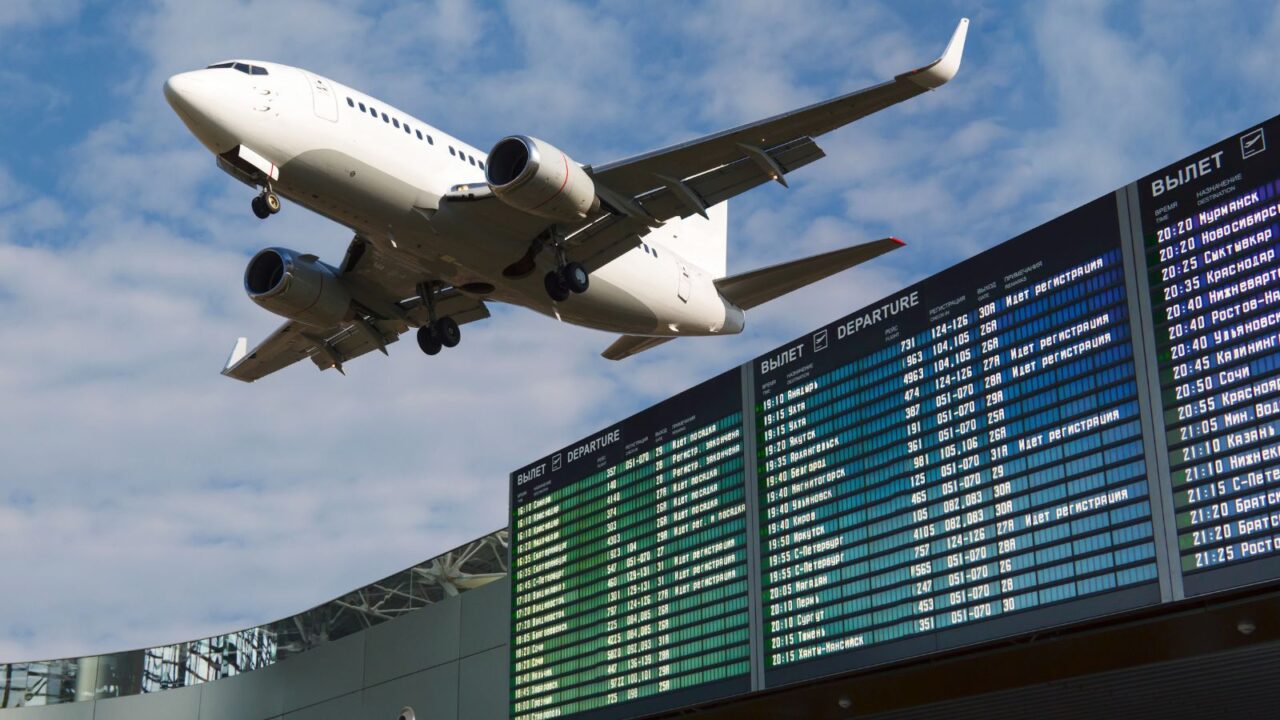
Flights show where demand is going
Flight schedules are basically travel intent in spreadsheet form, and the gap is big this year. Cirium data cited in reporting shows flights between mainland China and South Korea up nearly 25% to more than 1,330. That extra lift usually appears only when demand is already locked in.
Flights from China to Japan, by contrast, are down 48% to just over 800. That is not a small seasonal adjustment, it is a reroute. If you are booking late, fewer flights can also mean fewer good deals.

Money follows the crowd
This shift is not just about where Chinese visitors take photos, it is about where they spend. China Trading Desk estimates mainland visitor spending in South Korea will top $330 million for the holiday week alone, pumping shopping districts, duty-free, and busy food streets.
Japan’s estimate for the same period is about $250 million to $300 million, depending on the scenario. Even the high-end estimate still trails Korea this year, and for local businesses that gap can feel like an extra weekend of peak sales.
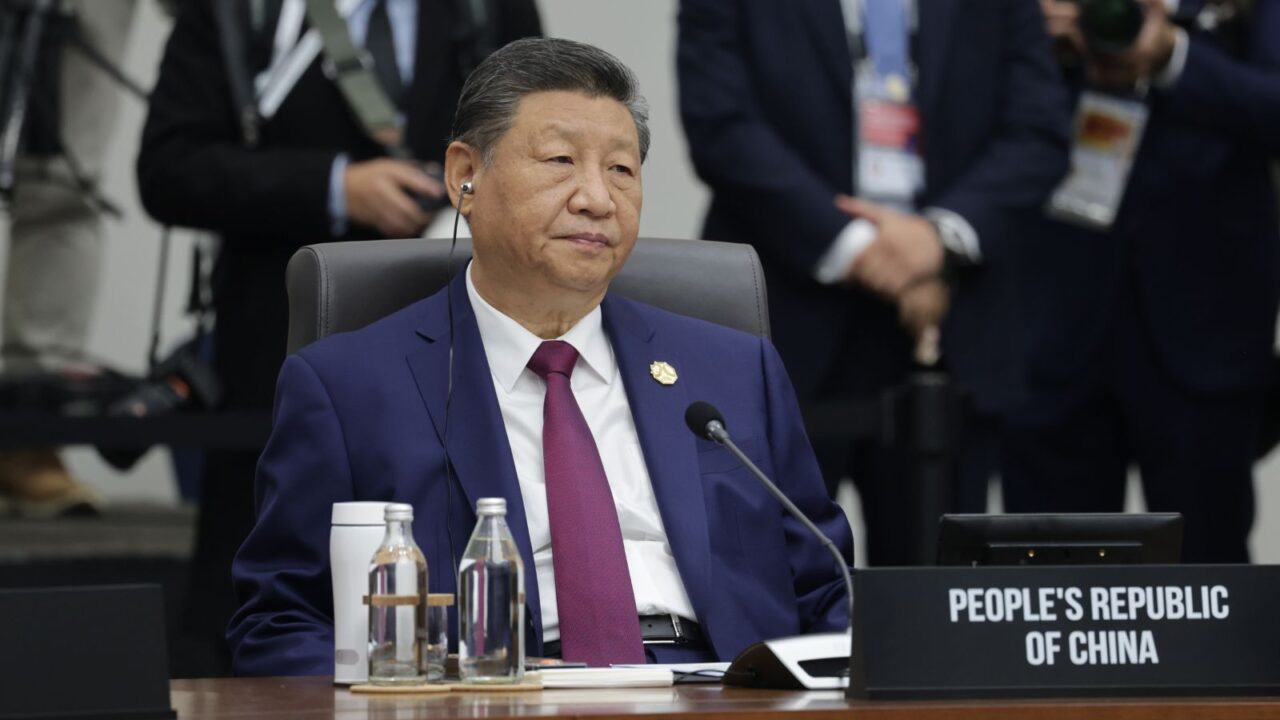
Politics is changing travel choices
One driver is diplomatic friction, and it is showing up in official messaging. Reuters reported China warned citizens against traveling to Japan during the Lunar New Year period, citing “severe” safety risks. When a warning like that hits, families often pick the “simpler” destination.
This also follows tension linked to comments by Japanese Prime Minister Sanae Takaichi around Taiwan, which drew backlash in China. You do not need to be a politics expert to feel the ripple. In tourism, perception can move faster than facts.

Seoul made visas easier on purpose
South Korea did not just “get lucky” here; it made travel easier. An official South Korean foreign ministry notice lays out a visa-free entry scheme for eligible Chinese group tourists running from Sept. 29, 2025, to June 30, 2026. If you can skip visa hassles, a trip feels cheaper and faster to plan.
That policy matters during peak holidays, when people book later and move in groups. It also gives tour operators a cleaner pitch: fewer steps, less paperwork, more certainty. Japan cannot match that with one quick policy tweak. Convenience wins more bookings than people admit.
The won is doing travelers a favor
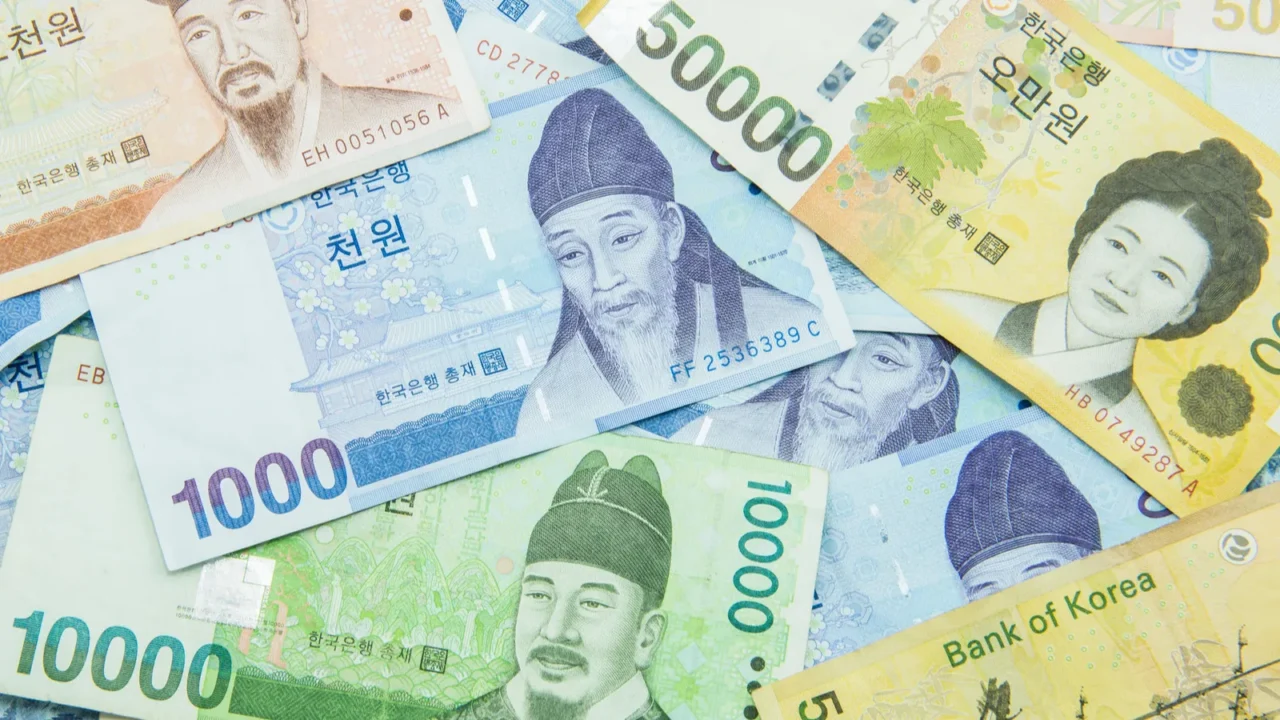
The value story is another reason Korea is winning right now. Reporting tied to this shift highlights a favorable yuan-to-won exchange rate that makes shopping and dining feel like a better deal in Korea. When you are buying skincare, sneakers, or gifts, a good rate really shows.
Japan’s weak yen helped it for a while, but politics is complicating the bargain narrative. People do not choose only with calculators; they choose with comfort levels, too. Korea is offering both value and fewer warning headlines. That combination is hard to beat for a holiday trip.

K-culture keeps pulling people in
K-culture is not a side note; it is a travel engine. The same reporting points to ongoing pull from K-pop, beauty, and TV series, especially for younger travelers. If you grew up with Korean brands on your feed, Seoul feels familiar before you arrive.
For American readers, it is similar to how a big concert or TikTok food trend can shape a weekend trip. People plan around vibes now, not just landmarks. Korea is packaged for that style of travel, with shopping streets, cafes, and pop-culture stops built into the itinerary. Japan still has huge appeal, but Korea is the hotter “right now” pick.
Seoul stays the main magnet
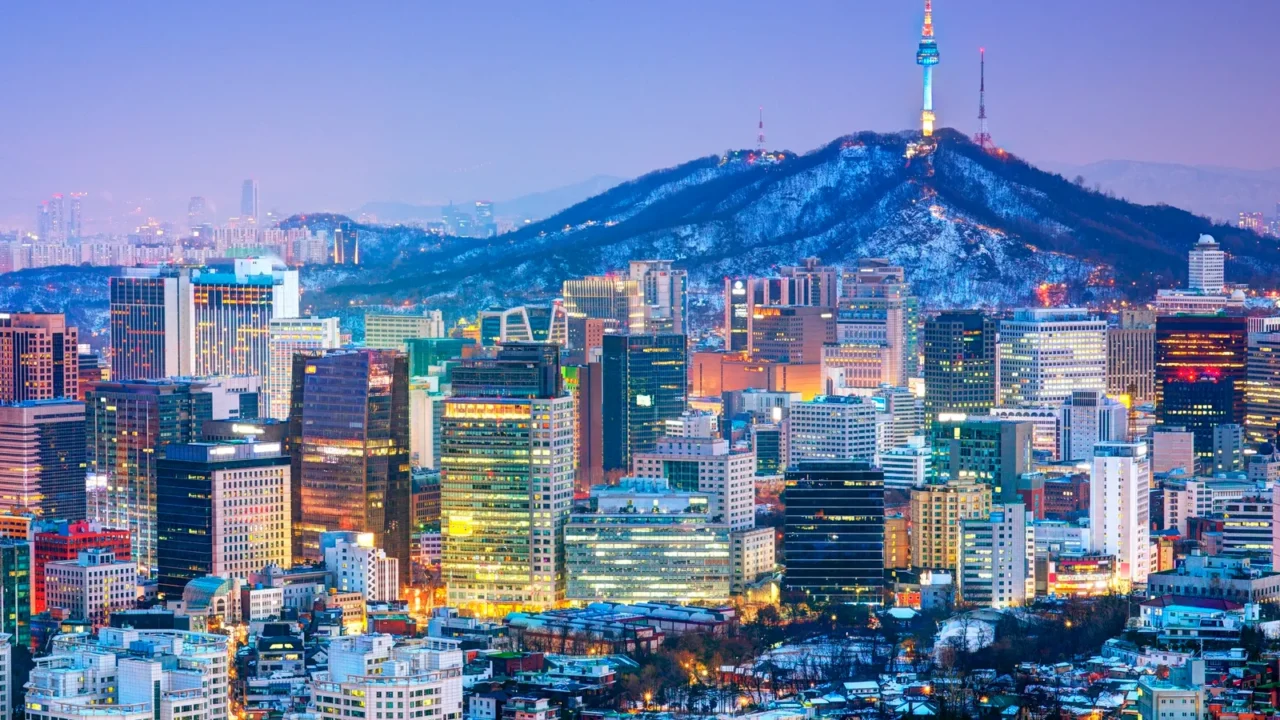
Seoul is still the default hub, especially for first-timers. It is dense, easy to navigate by transit, and packed with shopping districts that visitors already recognize from social media. That makes it a low-risk choice for a short holiday.
Beauty and medical tourism is also riding the wave. One Seoul-based consultant told reporters he received several hundred inquiries from mainland Chinese clients in recent weeks, compared with only a handful last year. That kind of spike signals more than curiosity; it signals bookings. When demand jumps, appointment slots and hotel prices can tighten fast.

Busan and Jeju benefit too
Busan is getting love as a food-and-coast alternative to Seoul. The reporting flags it as one of the top destinations in the current surge. Busan offers ocean views, renowned seafood, and a more relaxed pace than Seoul.
Jeju Island remains a favorite for nature and leisure, and it has its own travel appeal separate from big-city shopping. Jeju can also feel like the “treat yourself” add-on when travelers have more than a few days. When tour itineraries shift, secondary destinations often get the surprise bump. Korea’s tourism economy likes that spread.
Japan feels the loss in real time
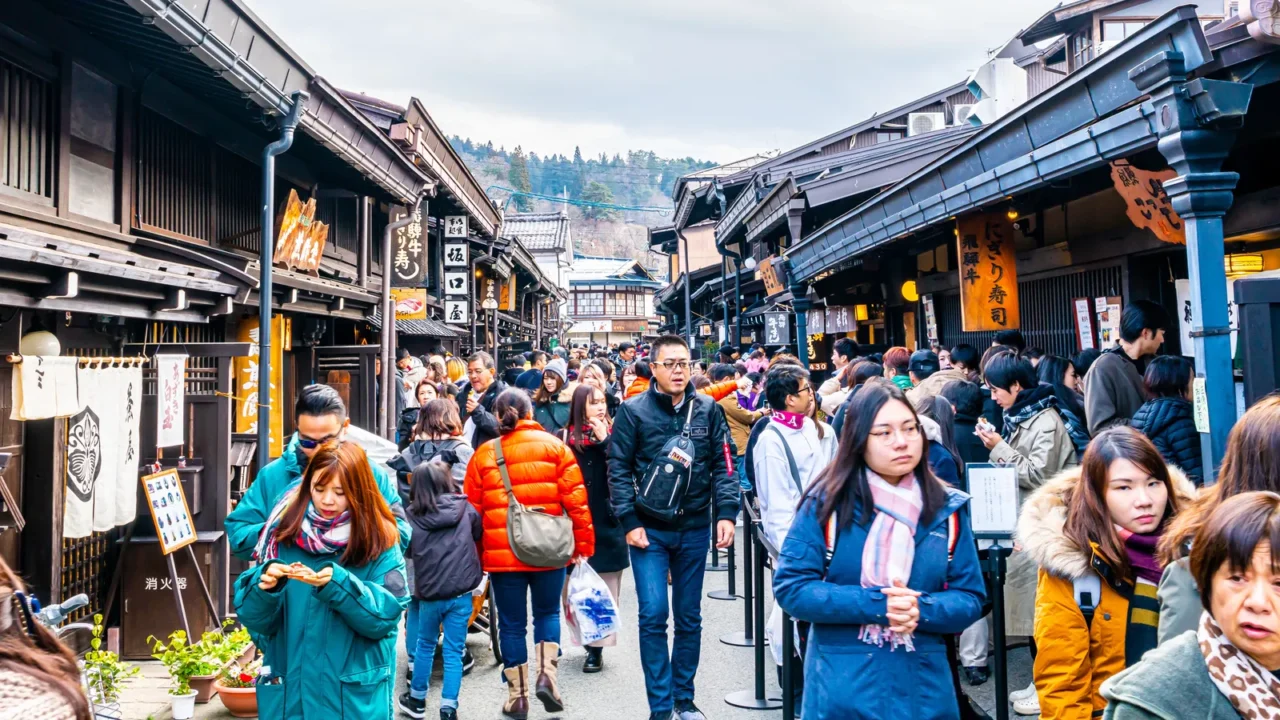
Japan has relied heavily on Chinese visitor spending, so a sharp dip hits fast. Analysts cited in coverage say weak China demand could stay soft through the first quarter. That can ripple into hotel pricing, retail staffing, and tour availability.
There is also a longer-range warning sign. Leading travel agency JTB forecasts Japan’s foreign tourist arrivals could fall 2.8% in 2026 to 41.4 million, which would be its first decline since the pandemic. One holiday does not decide a year, but it can set the tone.
Airlines are reacting like it matters
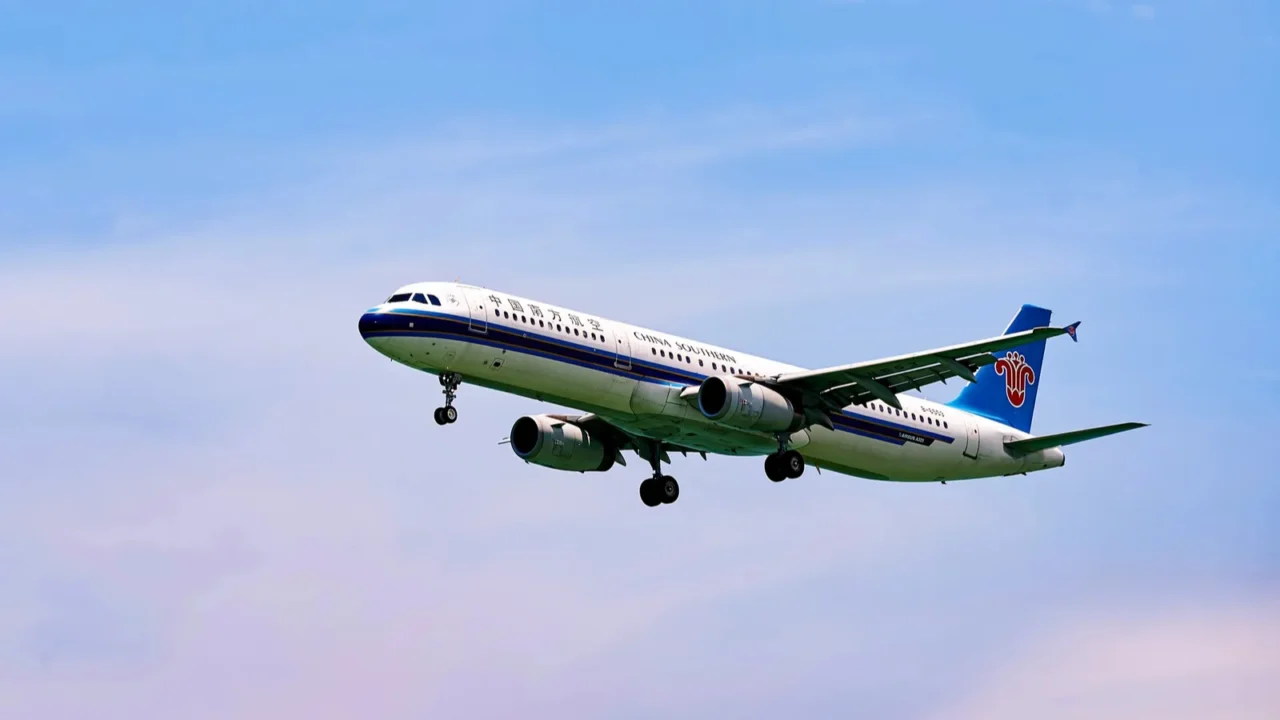
Airlines are not sentimental; they follow bookings. Reporting notes, major Chinese airlines extended waived cancellation fees for Japan flights as demand cooled. That is usually a sign that carriers are trying to reduce customer anger while they rebalance routes.
At the same time, capacity toward Korea is rising to catch the surge. That can create a feedback loop: more seats make trips easier, which pulls in even more travelers. It also helps tour operators sell packages without worrying about flight shortages. If you are a traveler, this is why “flight count” is worth watching.
Chinese travelers are picking South Korea over Japan this season, and that kind of shift usually follows the flights. Check out the new airline routes everyone’s booking this season.
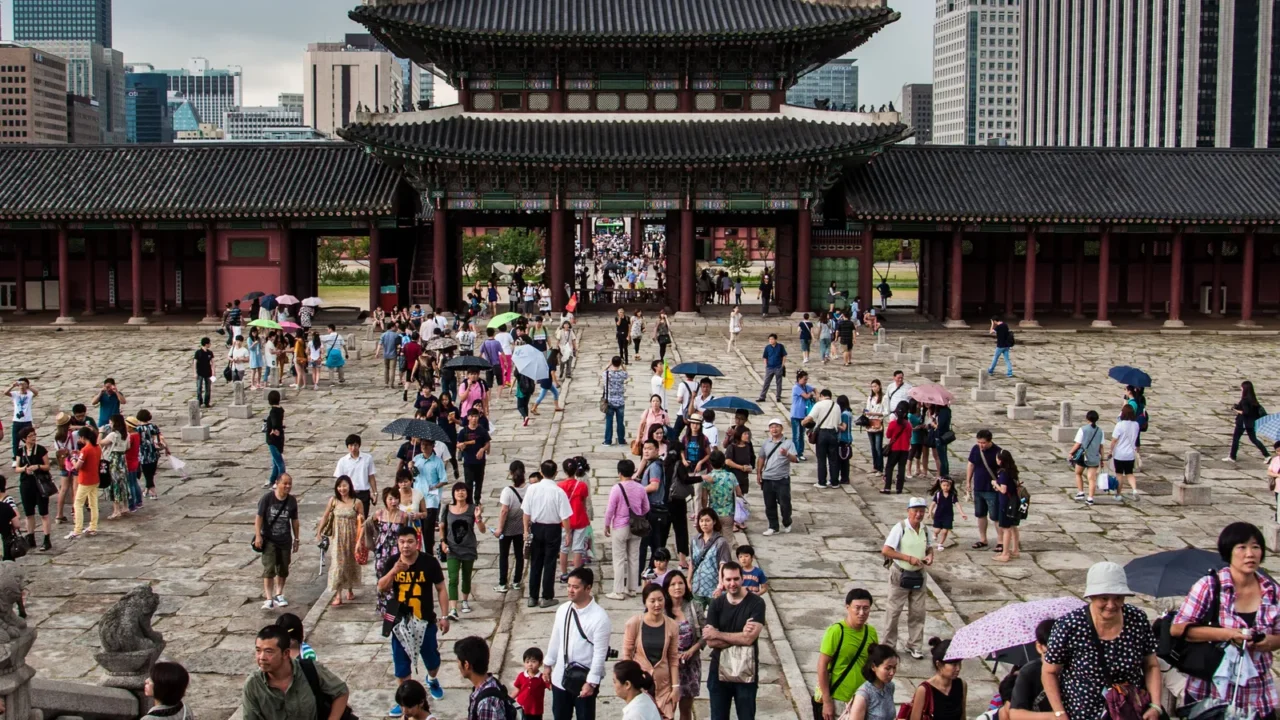
Not everyone in Korea is cheering
A surge is great for sales, but it can create local tension too. Some local media and social chatter have linked rising crime to the visitor increase, though the government has dismissed those claims as unsubstantiated. This is a common tourism storyline worldwide, from Hawaii to Venice.
A petition calling for parliament to scrap the visa-free policy reportedly gathered about 60,000 signatures. That does not mean policy will change overnight, but it shows the mood is mixed. Korea wants the spending, but residents also want daily life to stay livable. That balancing act is now part of the story.
Is China’s travel pivot bigger than just a Japan vs. Korea story? Not just Japan, China is also ditching the U.S. and joining Europe in boosting tourism.
Do you think this is a one-holiday blip or the start of a longer shift? Share your thoughts and your view in the comments.
This slideshow was made with AI assistance and human editing.
Don’t forget to follow us for more exclusive content right here on MSN.
Read More From This Brand:
