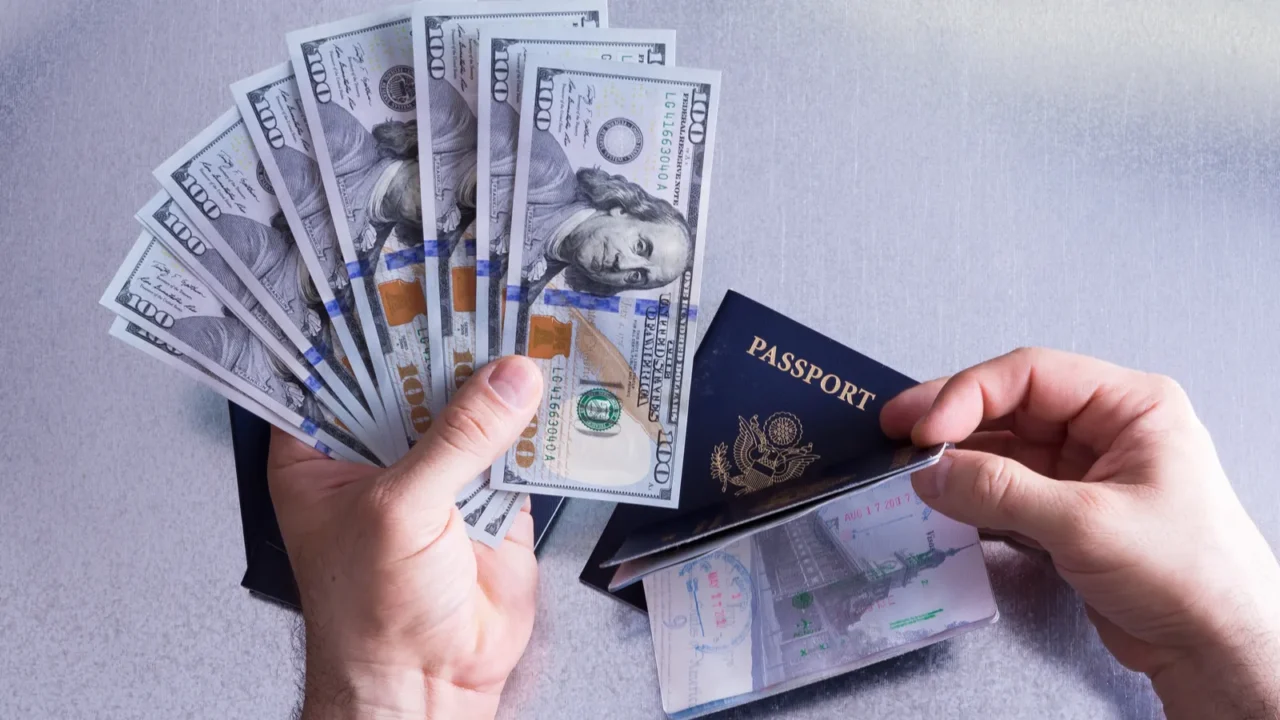
Travel costs are rising
Travel plans in 2026 will look a bit different as more countries introduce new tourist taxes. These changes aren’t random fees, but deliberate moves to help fund infrastructure, manage over-tourism, and protect local life. Visitor budgets now must account for extra levies in some of the world’s most popular destinations, so let’s get into it!
Governments say the fees will improve experiences for everyone long term. Travelers may notice the changes at airports, hotels, or when entering cities. Planning helps make these costs feel less surprising.
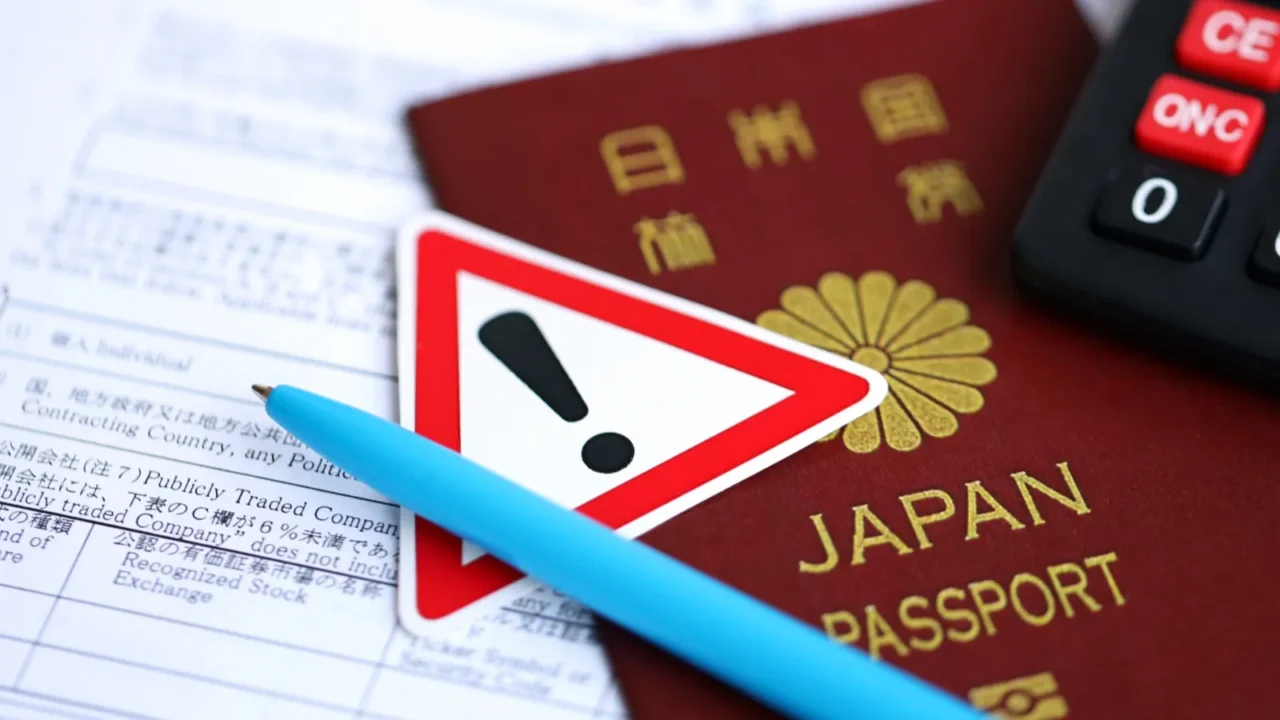
Japan’s departure tax triples
Japan is making one of the most talked-about changes in 2026 by tripling its international departure tax. Starting July 2026, all travelers leaving Japan by air or sea will pay ¥3,000 instead of the current ¥1,000. That extra cost will show up automatically on airline or ferry tickets without a separate checkout step.
Officials plan to use the additional revenue to ease pressure from overtourism, improve transport, and support sustainable tourism. Even Japanese citizens will feel the change, as the tax applies to all departures. While it’s not a huge fee compared with total trip costs, it does make planning a Japanese getaway more expensive.
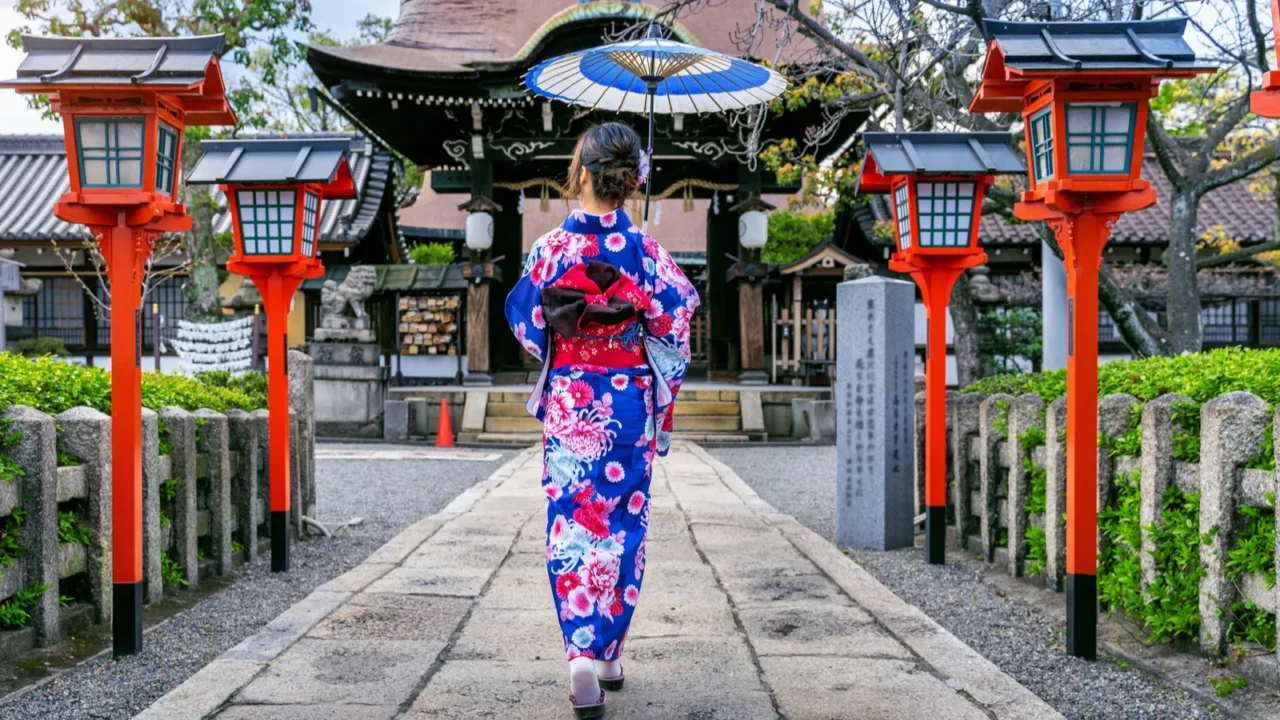
Kyoto’s tiered accommodation tax
In the heart of Japan’s cultural tourism, Kyoto will introduce a new tiered accommodation tax from March 2026. The fee varies by hotel price, ranging from approximately ¥200 per night for budget stays to ¥10,000 per night for luxury rooms. This reflects a push to fund heritage preservation while managing city center crowds.
Budget-conscious visitors will notice minor impacts, while high-end stays will incur notable additional charges. Accommodation tax revenue aims to protect history and maintain public services. Local officials hope this approach supports sustainable tourism without deterring every traveler.
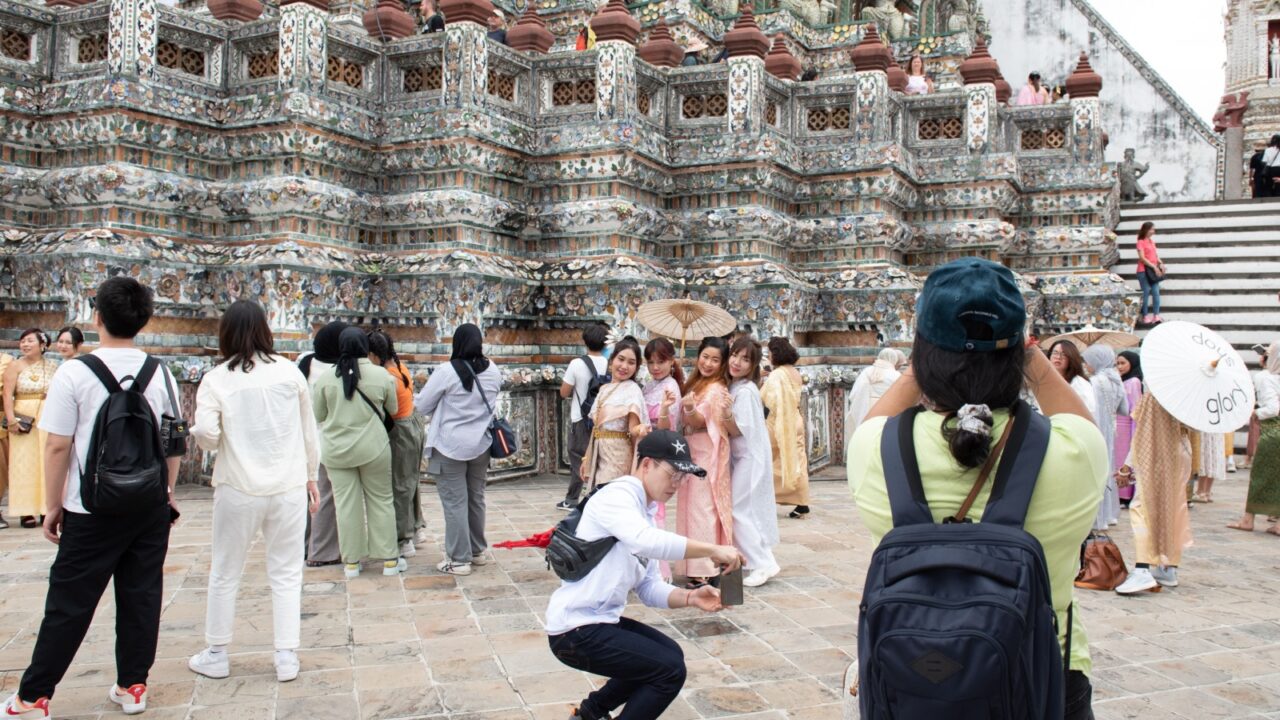
Thailand’s entry fee arrives
Thailand is introducing a 300-baht tourist entry fee starting February 2026 for visitors arriving by air, land, or sea. Of that amount, about 70 baht covers medical or accident insurance, while the rest funds tourism infrastructure and safety improvements. The new entry tax aims to ensure that tourism growth supports local services and communities.
Airlines and border checkpoints collect the fee when visitors arrive. Thailand’s beaches, temples, and markets remain open and welcoming, but this extra cost now factors into trip budgets. The government says it’s part of a broader roadmap to make travel more sustainable.
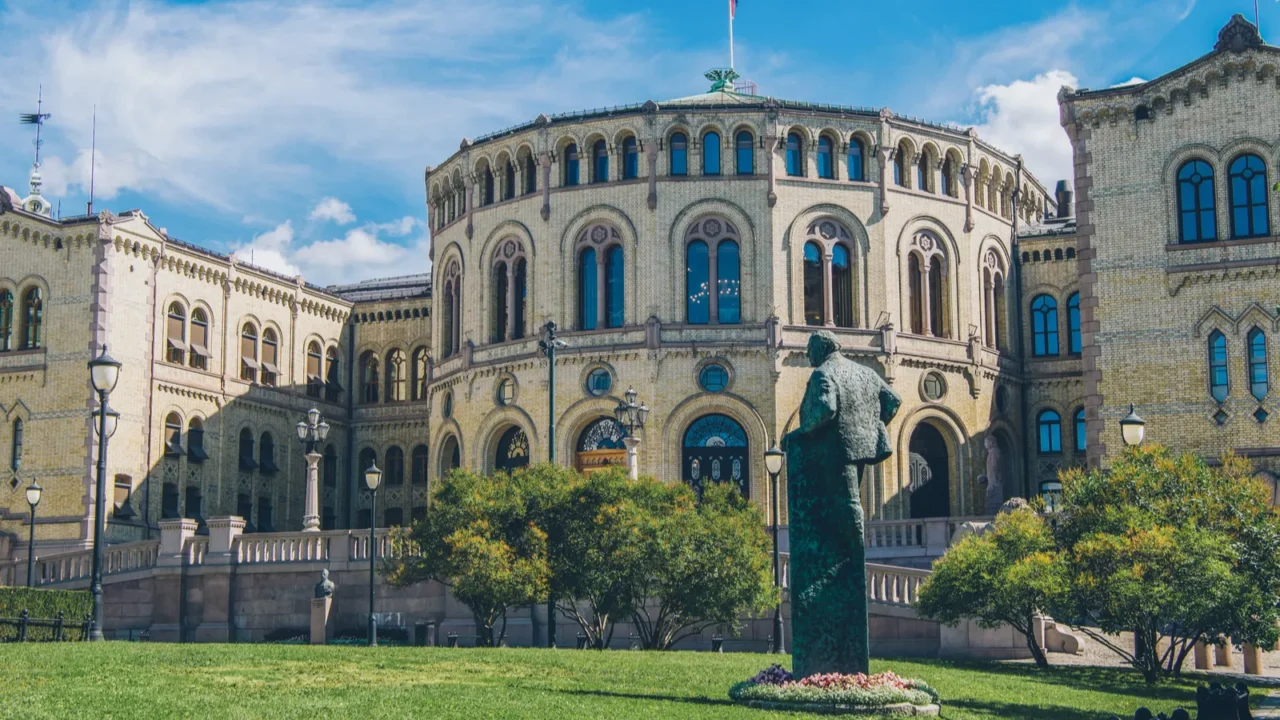
Norway’s municipal levy system
In Norway, new municipal tourism taxes will take effect in summer 2026, letting cities decide whether to apply a levy on overnight stays or cruise visits. Popular regions like Bergen, Geirangerfjord, and Tromsø are expected to adopt the tax first, charging roughly 3 percent on accommodation or port stays. The money will support hiking trails, restrooms, and other local infrastructure.
This approach helps protect fragile natural landscapes like fjords and Arctic ecosystems. Travelers who love Norway’s outdoors may see small per-night charges added to hotel bills. The overall goal is to keep scenic beauty pristine for future visitors.
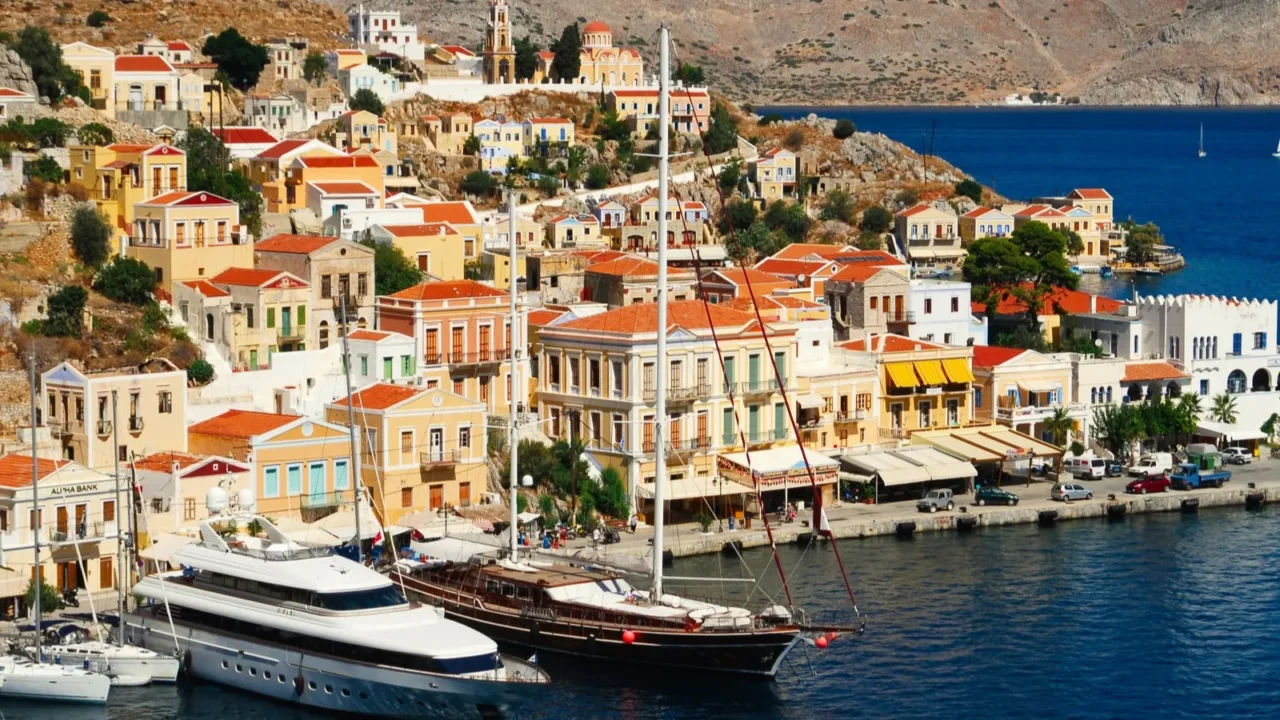
Greece’s island cruise fees
Greece will standardize a cruise disembarkation fee across its major islands in 2026 to manage high visitor volumes. Passengers may pay between about €3 and €20 depending on the port and season. This levy will fund port upgrades, island services, and crowd management during peak summer months.
Popular destinations like Santorini and Mykonos will see more organized infrastructure and visitor flow. The fee is modest but adds transparency to travel costs. Greek islands hope this helps preserve both community life and visitor experience.
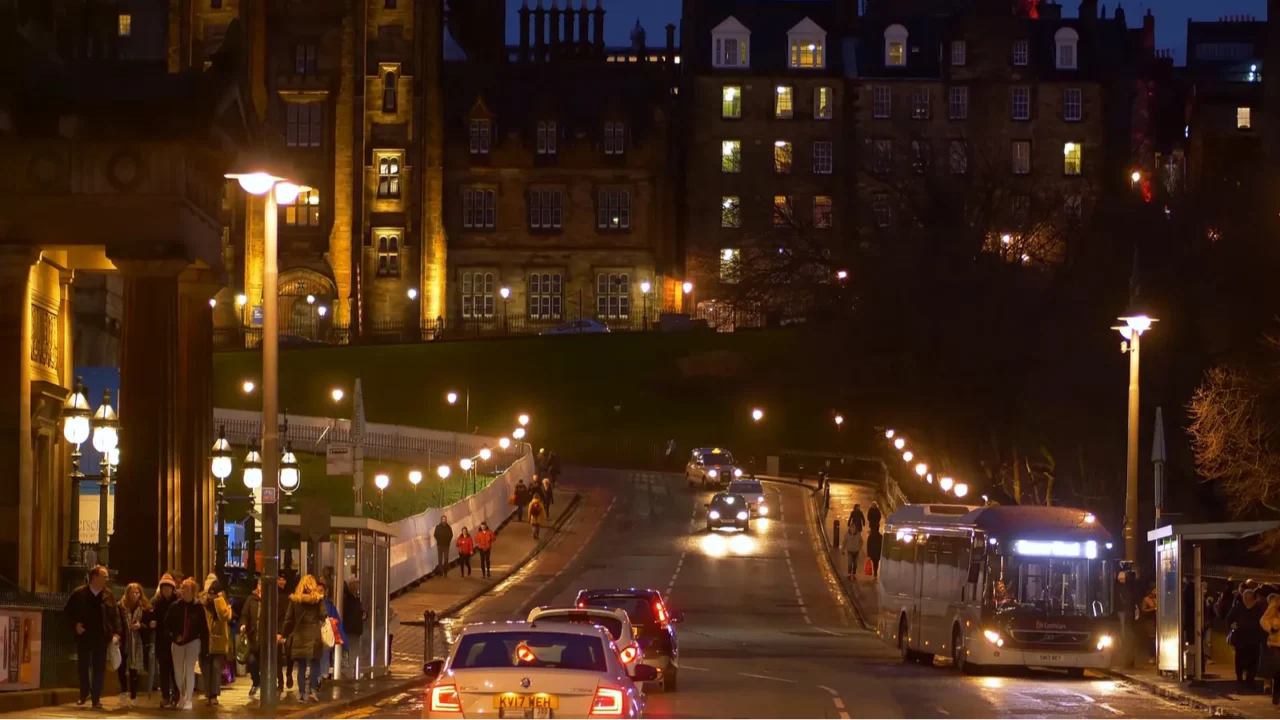
Edinburgh’s overnight tax starts
Edinburgh will become the first city in the United Kingdom to introduce a formal tourist tax on overnight accommodation starting in July 2026. Visitors staying in paid rooms will pay an additional five percent of their room rate for up to five nights. The city plans to use this revenue for cultural programs, infrastructure, and public spaces.
This mirrors moves in other parts of Europe where local authorities gain control over tourism policy. Travelers to Scotland’s capital should factor this into budgeting for stays near the castle, Old Town, and festival districts. It reflects a broader trend of cities deciding how tourism contributes to the local quality of life.
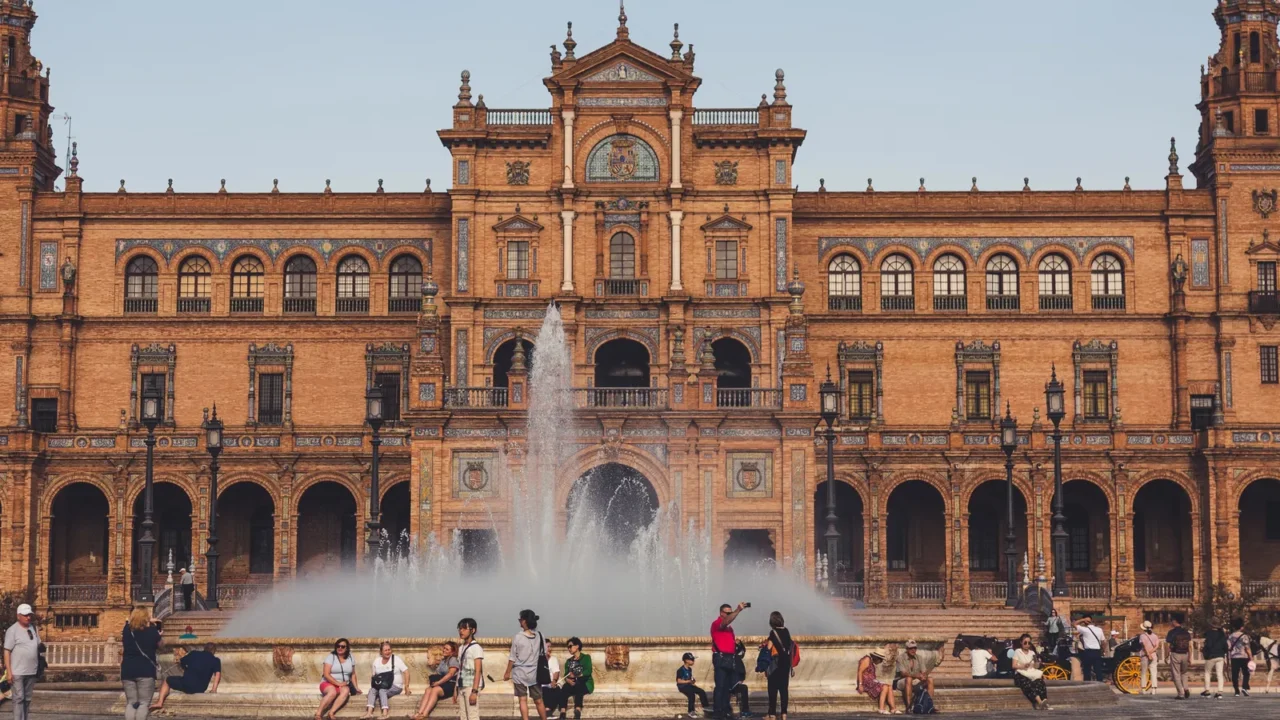
Spain’s growing city charges
Across Spain, regional and city governments are expanding tourism taxes in 2026 and beyond. Catalonia plans to increase its accommodation levy for hotel stays, and the Balearic Islands see similar movements to support conservation and services. In some areas, fees that were around €4 per night may rise incrementally over the coming years.
These charges help fund infrastructure and environmental programs tied to busy coastal towns and heritage destinations. Cities like Barcelona and Palma use the revenue to maintain public spaces while hosting millions of visitors annually. Travelers should expect slightly higher per-night costs in the years ahead.
Italy’s Venice day-trip fee
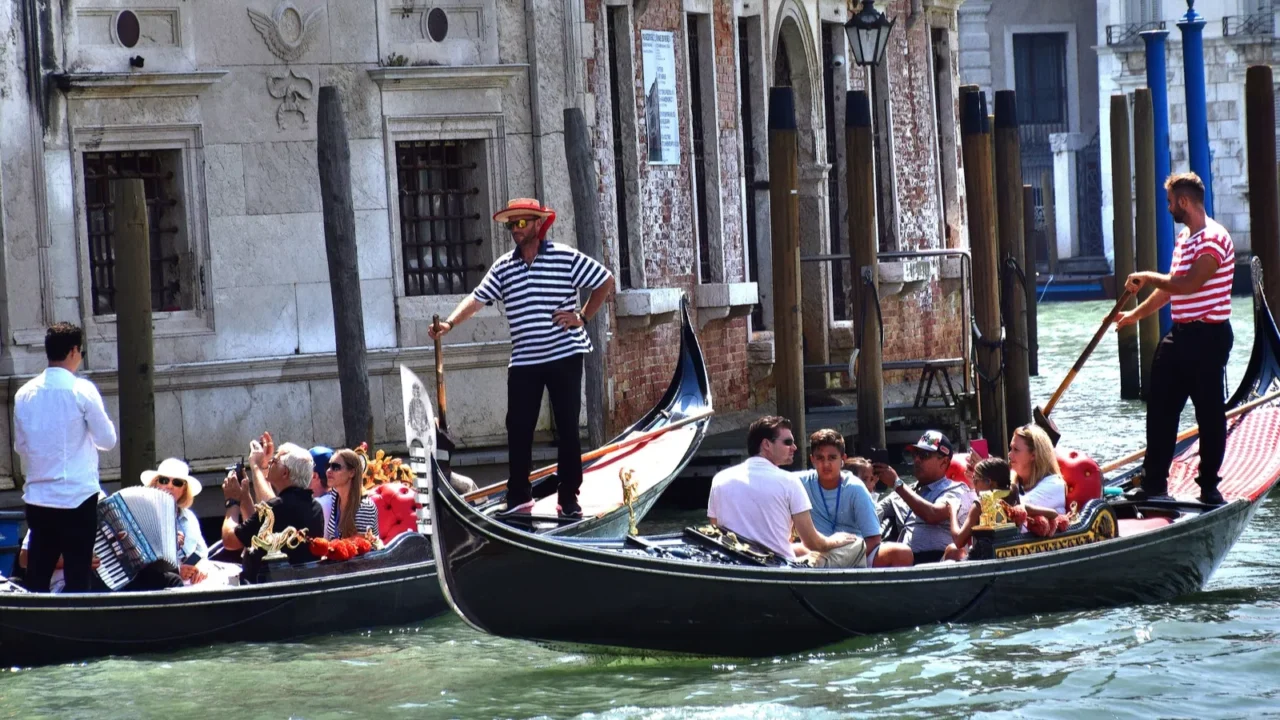
Venice is extending its day-trip entry fee in 2026 to help control overcrowding in the lagoon city. Visitors entering on high traffic days pay about €10 instead of the previous €5, but overnight guests remain exempt. This fee helps preserve fragile architecture and the delicate environment that makes Venice unique.
The system relies on online registration and QR code access for peak dates from April through July. If travelers plan short Florence to Venice getaways, they might see this charge on their itinerary. Venice hopes the fee smooths visitor flow without cutting off tourism.

Bucharest’s nightly fee
Romania’s capital, Bucharest, has introduced a new tourist tax for visitors staying overnight in 2026. The city council approved a charge of approximately 10 Romanian lei, which is roughly 2 euros, per person per night. The revenue is intended to help promote the city as a destination and enhance tourism services.
Unlike larger national taxes, this is a local accommodation levy visible directly on hotel bills. City officials maintain it supports marketing and visitor amenities. Travelers to Bucharest will notice this small charge while exploring Romania’s historic streets.
Portugal’s tourist tax reset
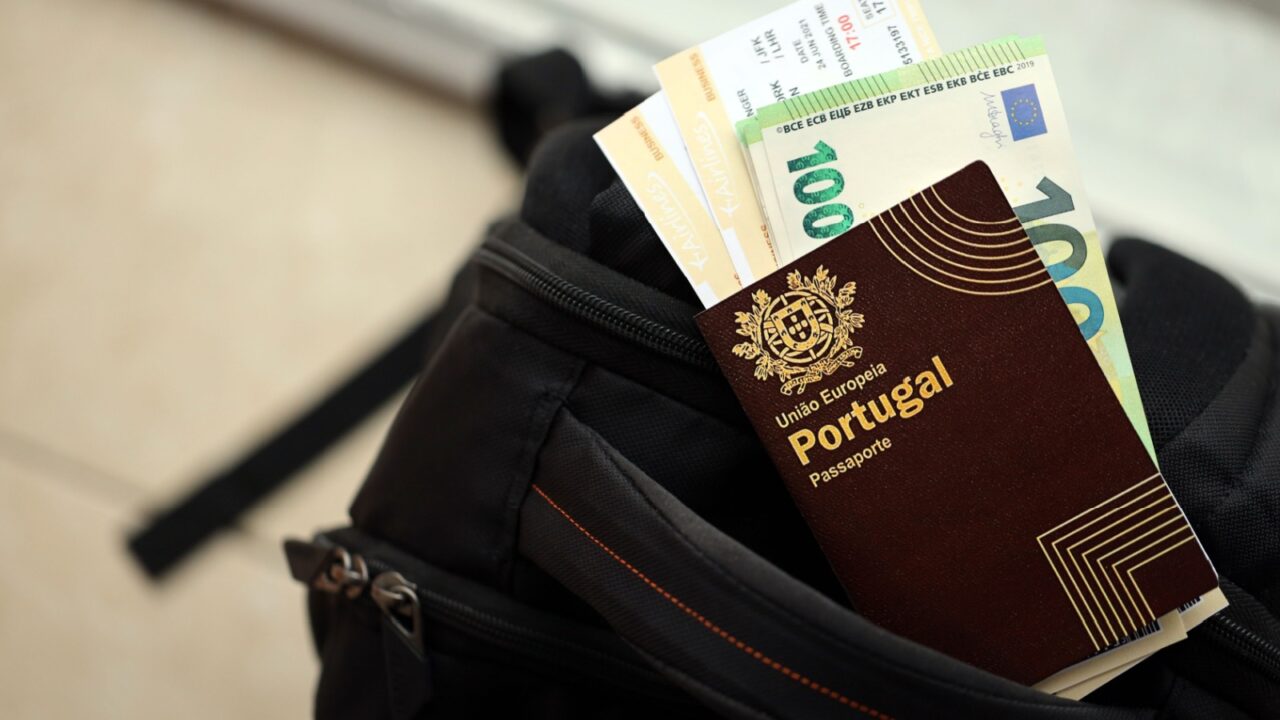
While Portugal introduced overnight taxes earlier, 2026 sees continued enforcement and tightening of tourist levies in Lisbon, Porto, the Azores, and Madeira. Municipalities fine-tune their rates to support housing and local infrastructure. These measures add to the cost of stays but channel funding directly back into community services.
Both travelers and locals benefit from improved mobility, public spaces, and cultural initiatives. Portugal’s tax landscape reflects a careful balance between tourism growth and quality of life. Tax revenue is now a key piece of travel planning in the region.
Why these taxes matter
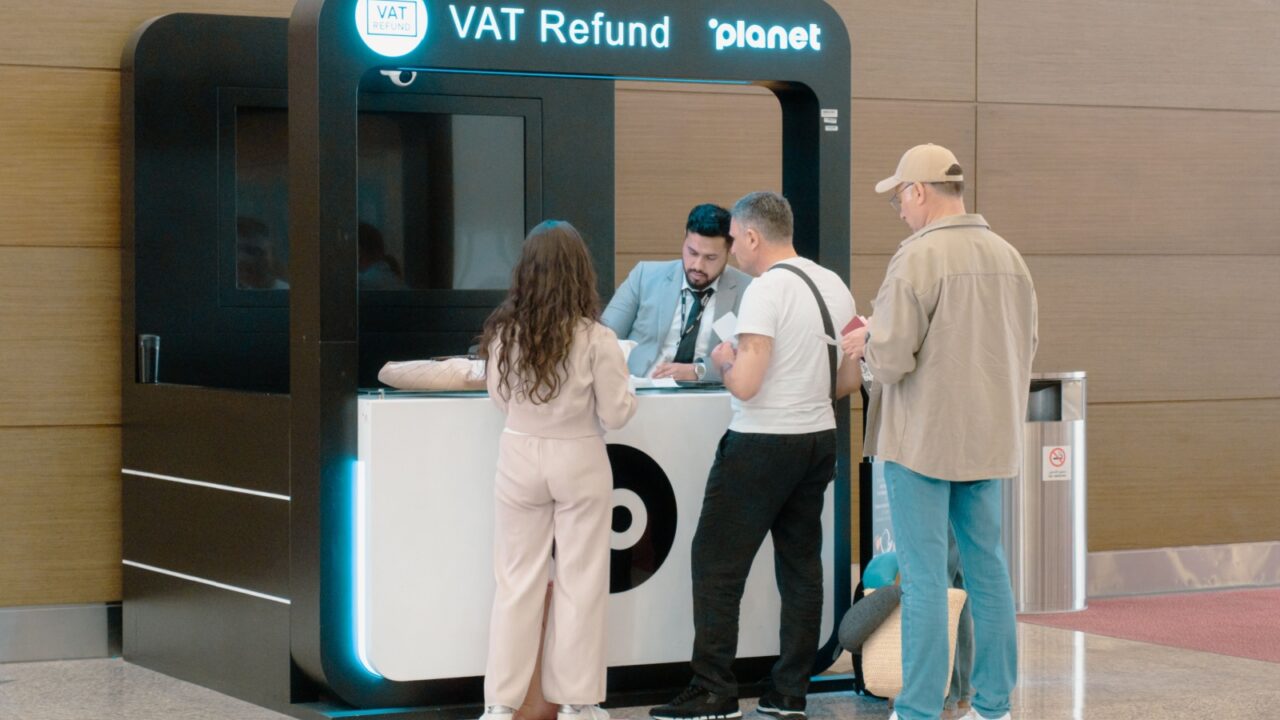
New tourist taxes in 2026 are partly about managing overtourism and partly about investing in future travel experiences. Funds typically go to infrastructure, heritage preservation, and environmental protection, while rising luxury taxes may drive Europe’s elite to commercial flights, reshaping how premium travel looks across the region. By making travelers contribute directly, countries hope to spread responsibility while also normalizing shared investment in destinations.
These taxes are usually modest per person but add up to meaningful support for host communities. Visitors still enjoy world-famous destinations, just with clearer expectations. Travel budgets now include both flights and contributions.

A balanced travel future
Tourist taxes in 2026 reflect a shift toward responsible travel planning and funding what destinations really need. From Japan to Scotland, Greece to Spain, these fees help maintain places travelers love. Many leaders stress that sustainability and visitor experience go hand in hand.
The result may feel like higher costs, but it also means better preservation and services. Which destination’s new tourist fee feels most surprising or worth it? Share thoughts below.
This slideshow was made with AI assistance and human editing.
Don’t forget to follow us for more exclusive content right here on MSN.
Read More From This Brand:
