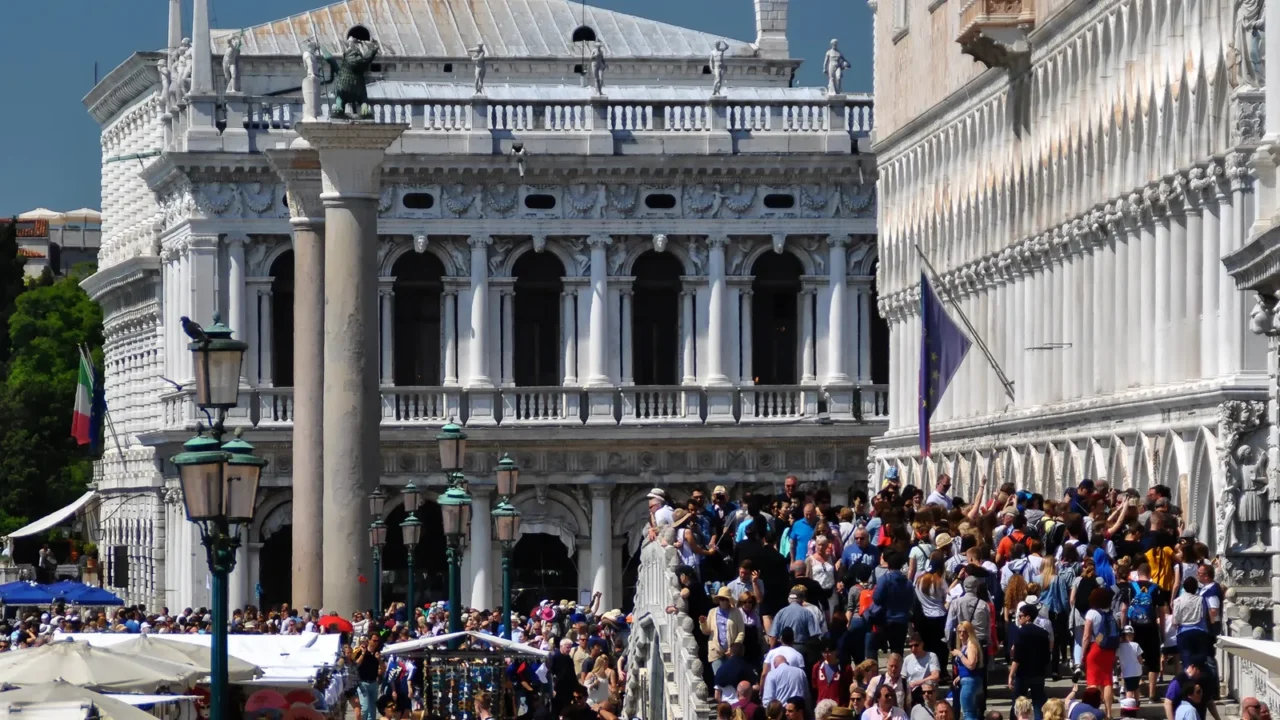
When access has a price
Global travel is entering a new phase where freedom of movement is quietly being redefined. From ancient cities to fragile islands, governments are testing entry fees aimed solely at day visitors who arrive, consume space, and leave without making significant economic contributions.
These policies are not about stopping travel. They are about managing pressure, protecting culture, and rebalancing tourism that has tipped too far. For travelers, it signals a shift where spontaneity now comes with a cost.
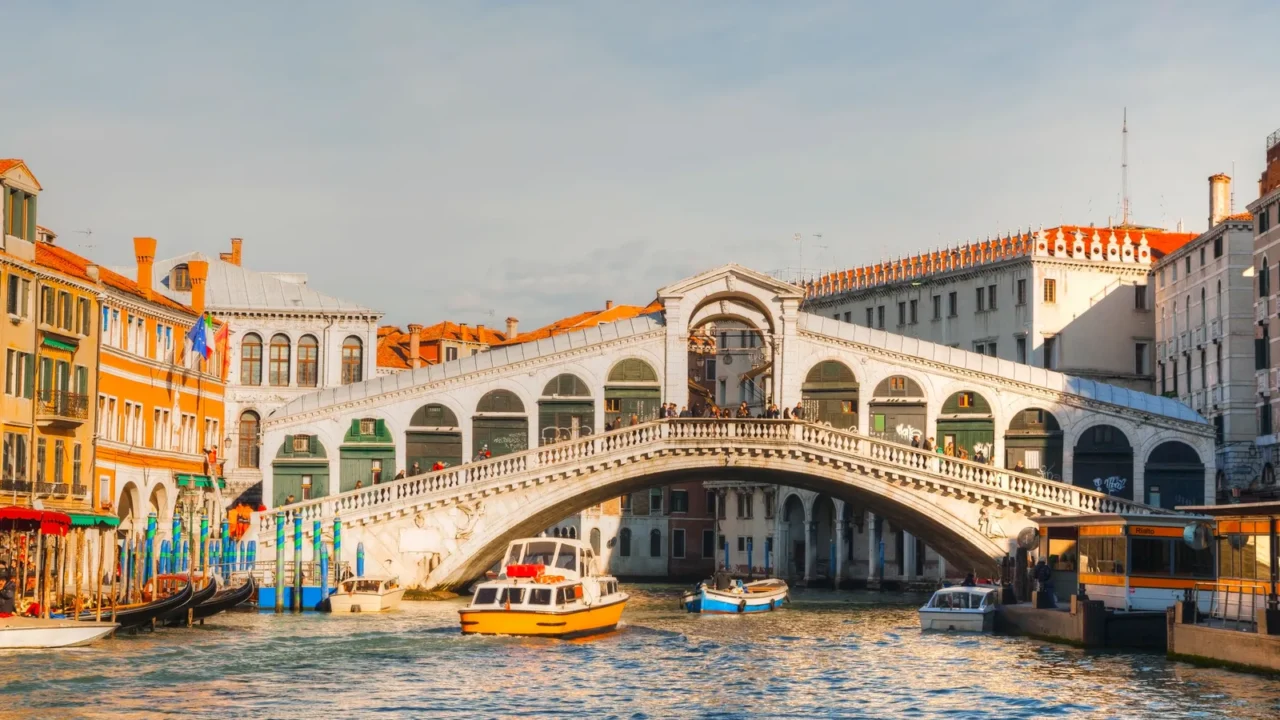
Italy tests Venice limits
Italy is leading the conversation through Venice, where a day visitor fee has moved from concept to real-world trial. The city now charges certain day tourists during peak periods, especially those arriving without hotel bookings.
The goal is simple but bold. Reduce crowd surges while encouraging longer stays that support local businesses. Venice is not closing its doors, but it is clearly asking travelers to think twice about quick visits.

Japan advances Kyoto measures
Japan is responding to overtourism in Kyoto through targeted financial controls rather than broad entry bans. The city has expanded its lodging tax system, with higher tiered rates planned from March 2026 that rise significantly for luxury accommodations, aiming to encourage responsible travel patterns.
At the same time, select cultural sites such as Kiyomizu Temple have begun testing higher entry prices for foreign day visitors. These measures focus on easing crowd pressure in temples and historic districts while funding long-term preservation.

Indonesia experiments beyond Bali
Indonesia made headlines with Bali’s tourist levy, but the bigger story lies in what comes next. Officials are now studying targeted fees for high-traffic day visitors at specific heritage and nature sites across the country.
Places like Komodo National Park and Borobudur are shaping policies that distinguish between meaningful visits and quick photo-driven stops. The aim is conservation first, with fees acting as a filter rather than a barrier.
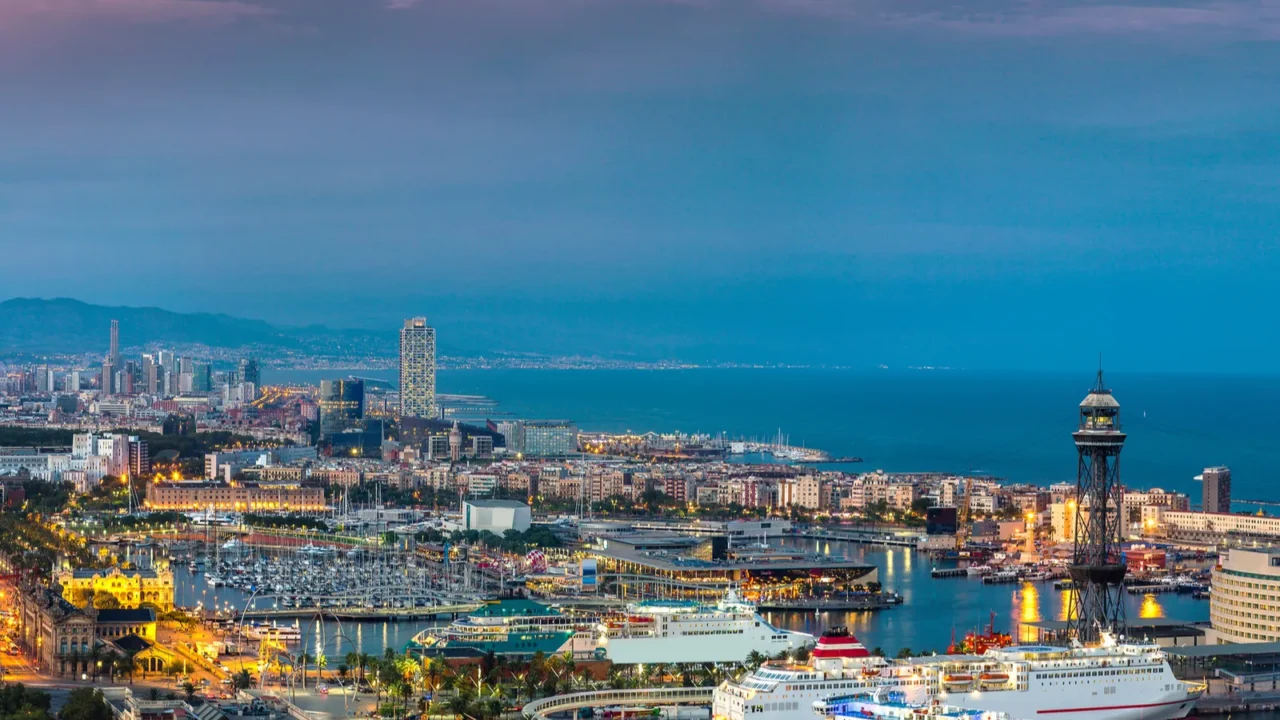
Spain rethinks cruise crowds
Spain faces intense pressure from cruise based tourism, particularly in Barcelona and island ports. While overnight tourist taxes already exist, national and regional authorities are testing higher fees aimed specifically at same day arrivals.
These discussions focus on cruise passengers who flood historic centers for hours without staying overnight. Entry fees are being framed as a way to recover infrastructure costs while nudging travelers toward slower, more immersive visits.
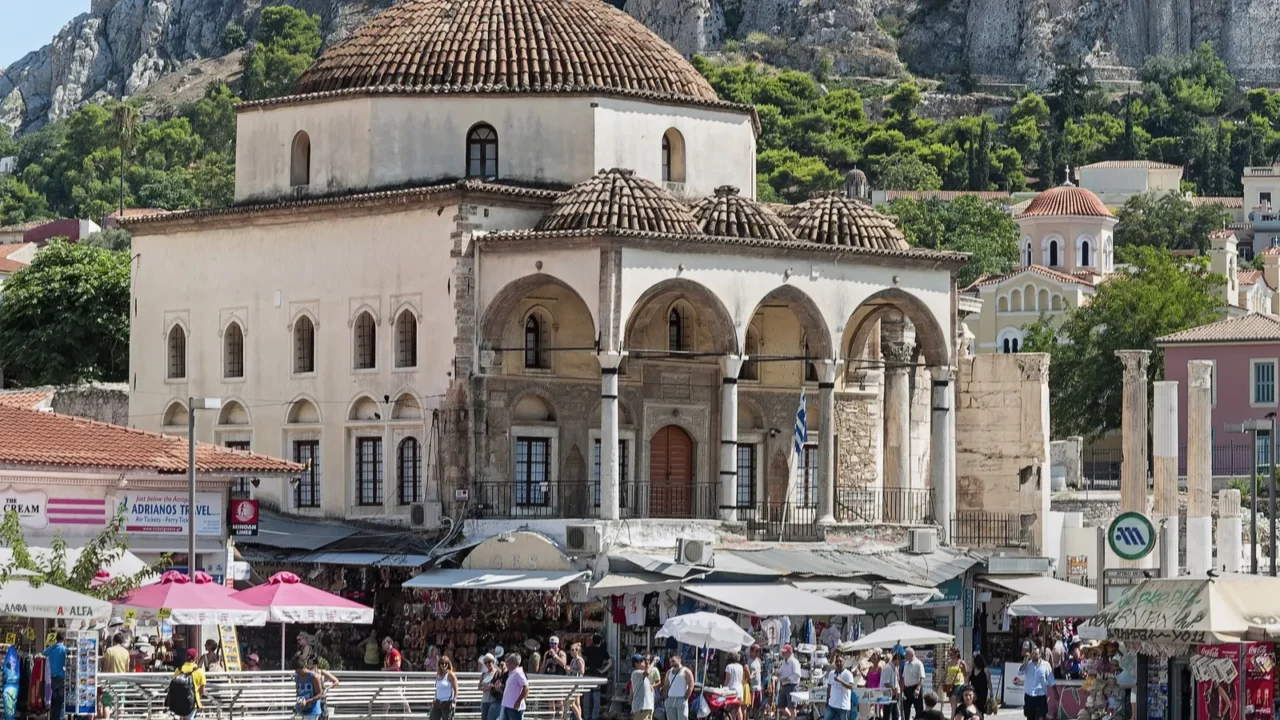
Greece protects ancient icons
Greece is shifting from open access to managed access at its most famous sites. Timed entry pricing and higher fees for short visits are now in place at landmarks like the Acropolis, with broader day visitor controls under review.
The country is responding to record breaking visitor numbers that strain fragile ruins. Entry fees help fund restoration while limiting overcrowding that threatens both safety and the experience itself.

France manages island pressures
France is addressing day visitor congestion at iconic locations like Mont Saint Michel through practical controls rather than direct entry fees. Parking charges, shuttle systems, and timed access windows are already shaping how visitors move through the site during peak seasons.
In Corsica, lodging taxes remain the primary tool while regional discussions continue around ecosystem protection and traffic flow. The national approach emphasizes preserving local life while keeping access open through careful management.

Netherlands tackles short visits
The Netherlands has become a case study in overtourism, especially in Amsterdam. While hotel taxes already exist, national authorities are examining additional charges aimed at day trippers arriving by bus or cruise.
The strategy targets visitors who contribute to congestion without supporting local economies. By raising the cost of quick visits, the country hopes to redirect tourism toward lesser-known regions and longer stays.
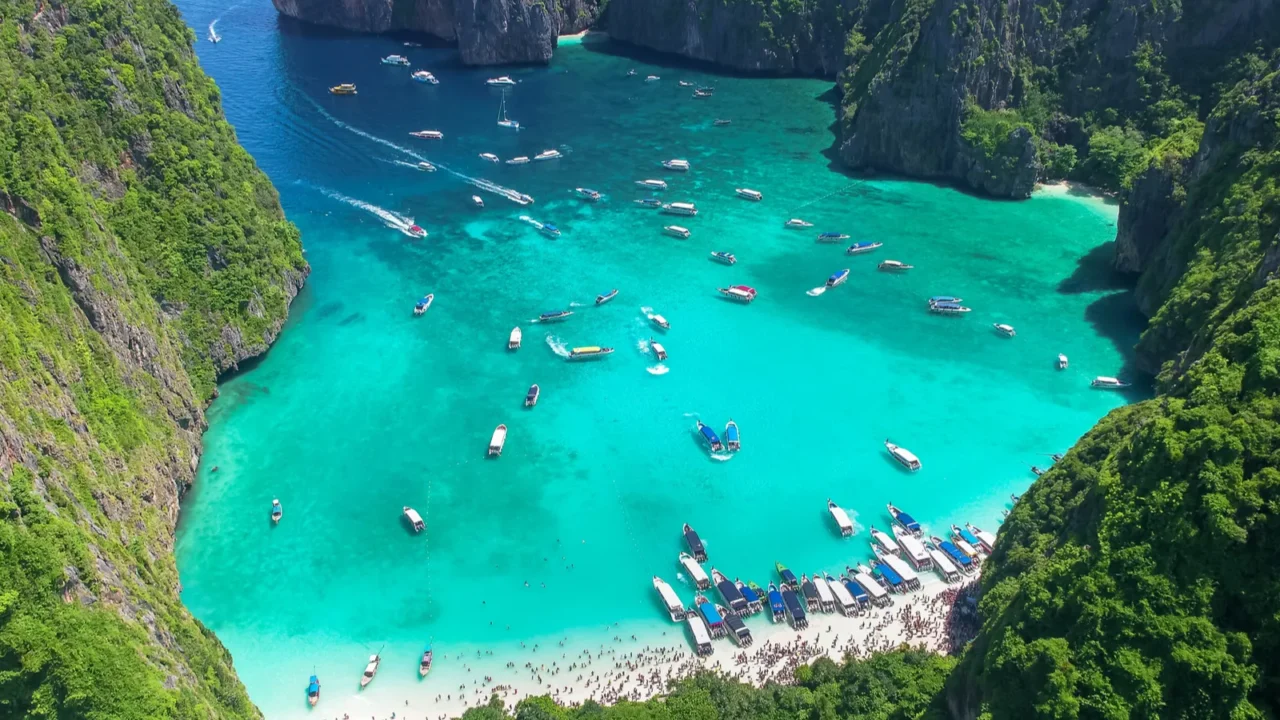
Thailand weighs selective fees
Thailand has debated tourist entry fees for years, but recent discussions focus on selective day access charges at fragile destinations. Maya Bay and Phi Phi islands are leading examples.
Rather than blanket fees, Thailand is testing controlled entry pricing that limits daily numbers while funding marine conservation. These policies reflect lessons learned from past closures that proved protection sometimes requires tough choices.

New Zeeland sets the tone
New Zealand already charges international visitors through its tourism levy, but officials are now exploring additional day based fees at ultra sensitive locations. Milford Sound is often cited as a potential test case.
The country’s approach emphasizes stewardship over volume. Day entry pricing would help manage congestion while reinforcing the idea that access to extraordinary landscapes comes with responsibility.
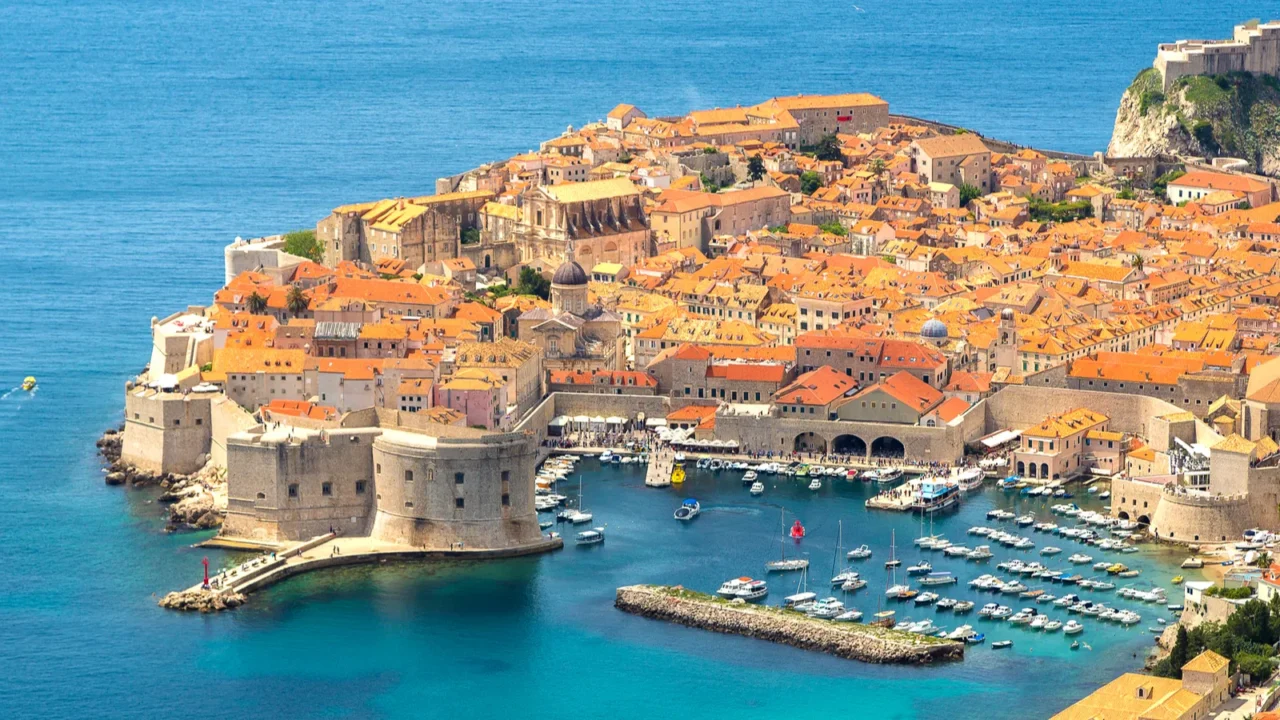
Croatia guards old towns
Croatia has taken visible steps to control day tourism, especially in Dubrovnik. While not a national fee yet, the country is supporting city-led entry controls that could evolve into formal charges.
Cruise arrivals are tightly managed, and future policies may include day visitor payments to preserve historic streets. Croatia’s message is clear. Cultural heritage cannot survive unlimited access.

What travelers must understand
Day entry fees are not punishments for curiosity. They are signals that the era of frictionless tourism is ending in some of the world’s most loved places.
For travelers, this means planning, budgeting thoughtfully, and considering longer stays that benefit communities. The future favors intentional journeys over hurried checklists, where value replaces volume, and before your next trip, take a moment to rethink what you pack, because smart packing hacks can save time, reduce stress, and make navigating destinations with new entry rules far easier.
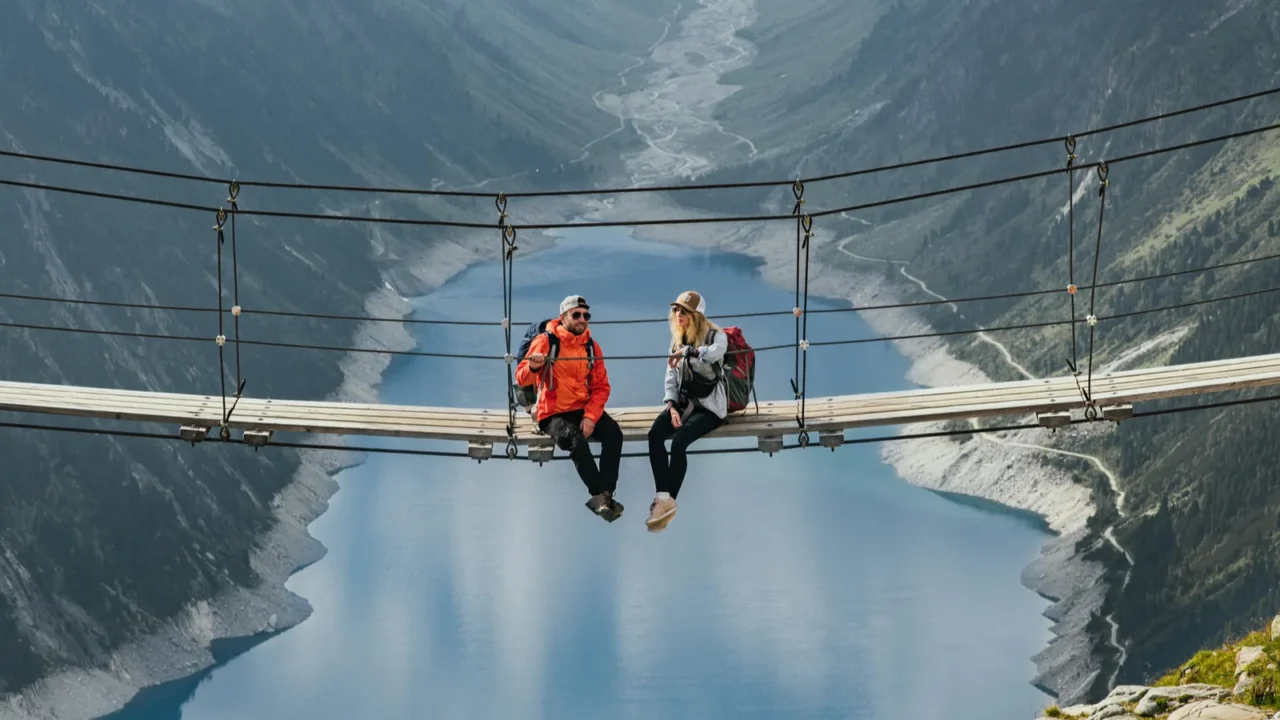
The new cost of wonder
As more countries test day tourist fees, travel is becoming more conscious by design. These policies ask visitors to pause and reflect on their impact before stepping into fragile spaces.
Wanderlust is not disappearing. It is evolving. The most meaningful journeys ahead may be the ones that cost a little more but give far more in return, and as travel rules evolve, a practical travel safety guide can help you stay informed, avoid costly mistakes, and explore confidently wherever your journey takes you.
Which destination introducing new day tourist fees would make you rethink how you plan your next trip? Share your thoughts in the comments.
This slideshow was made with AI assistance and human editing.
Don’t forget to follow us for more exclusive content right here on MSN.
Read More From This Brand:
