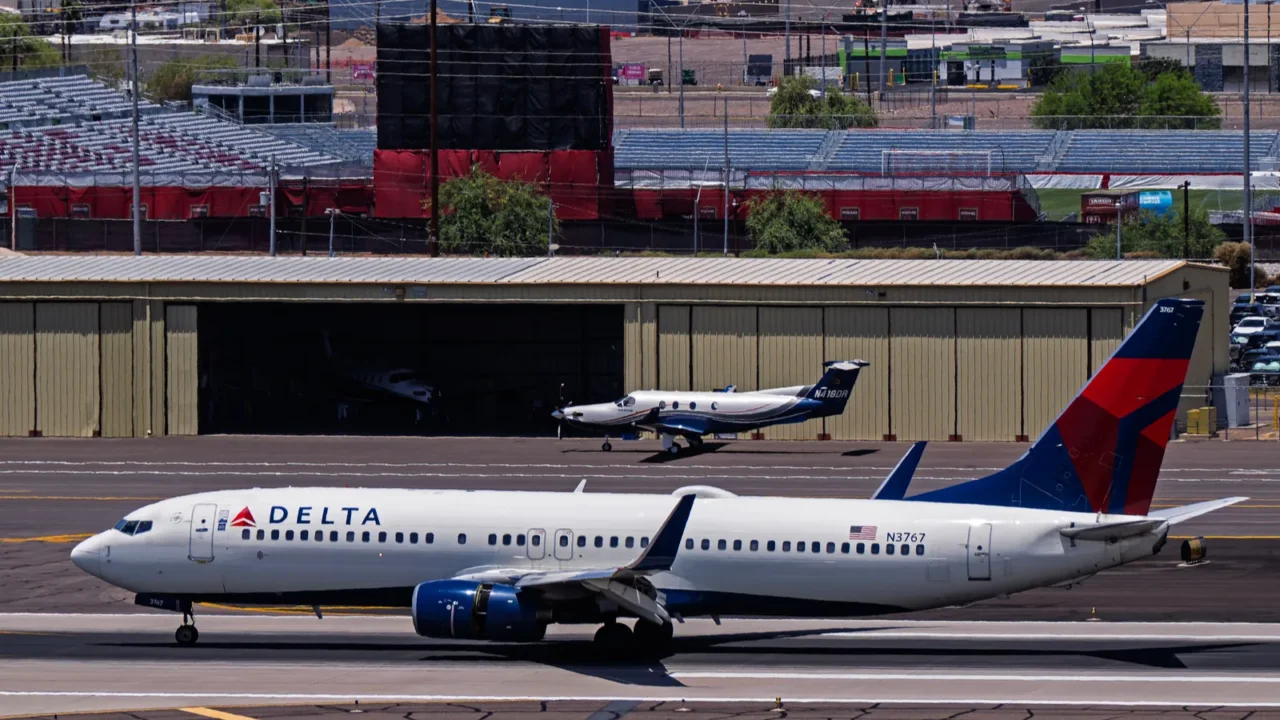
Delta One takes off
Delta Air Lines just made a bold move in premium travel by expanding its elite Delta One service on a major domestic route in the United States.
Traditionally reserved for international travel, Delta One brings lie-flat seats, elevated dining, and refined service to select flights between Atlanta and Los Angeles beginning March 2026. This expansion reflects Delta’s strategy to redefine luxury on routes where demand for comfort and exclusivity continues to rise among frequent domestic travelers.

Atlanta to Los Angeles redefined
The Atlanta to Los Angeles route ranks among the busiest and most competitive air corridors in the country, linking a global business hub with the center of entertainment and media.
Delta’s decision to introduce Delta One here reflects changing expectations for domestic travel. Flyers increasingly seek comfort and privacy on longer routes, pushing airlines to rethink what premium service should look like within the United States.
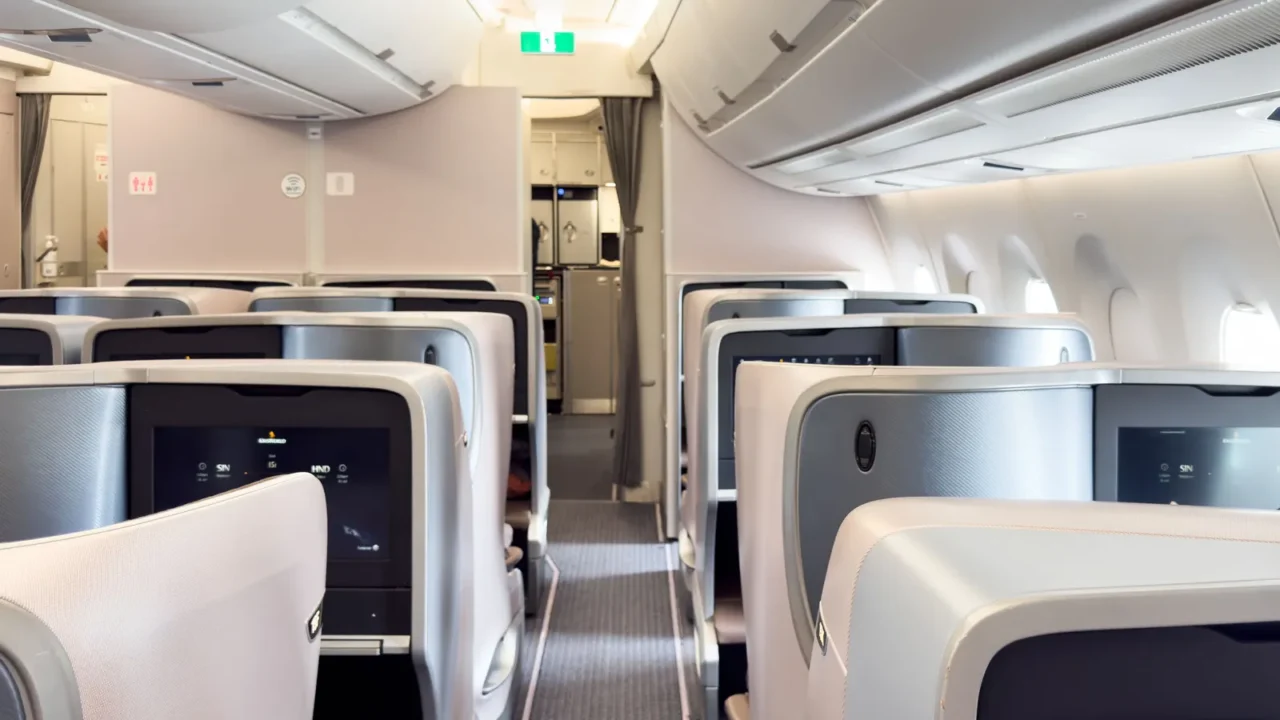
What Delta One represents
Delta One is the airline’s highest cabin class, known for lie-flat seating, chef-inspired meals, and personalized service. Passengers benefit from priority airport access, premium dining, and thoughtfully designed cabins that support rest and productivity.
Previously limited to international long-haul flights, Delta One now brings a global level of comfort to select domestic routes with high demand and longer flight times.
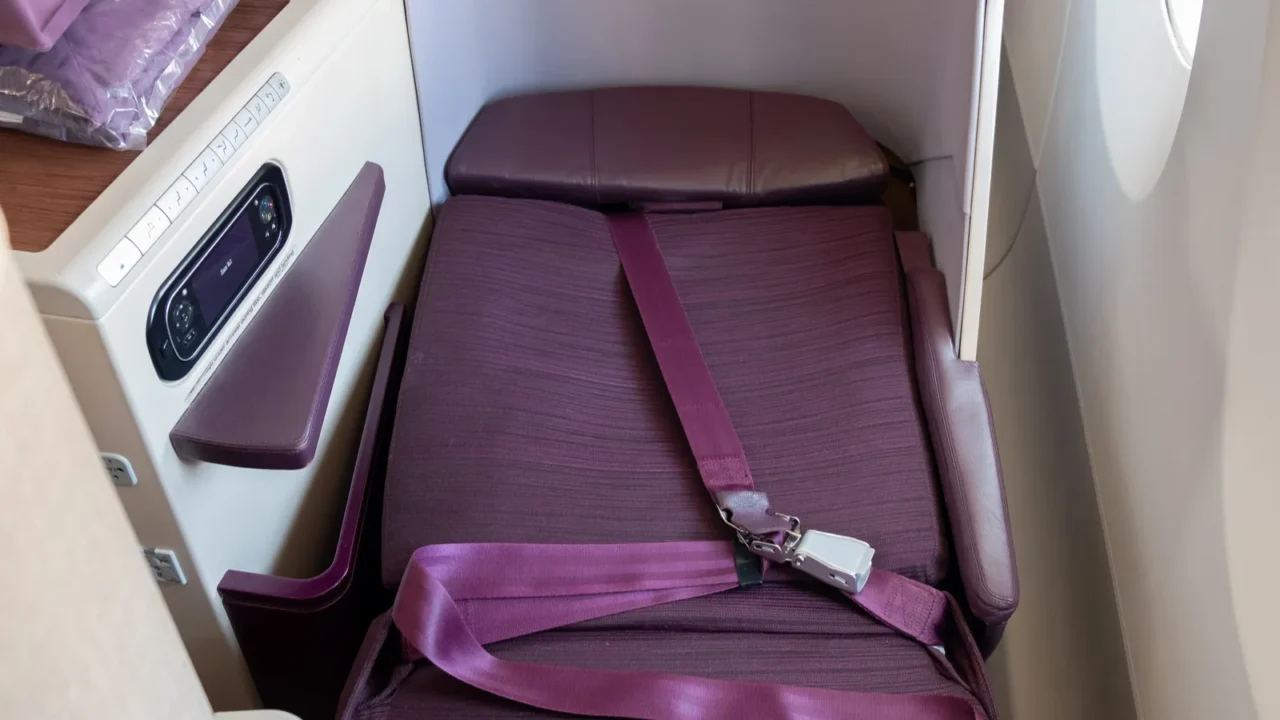
A lie flat comfort
The defining feature of Delta One is its lie-flat seating, designed to turn long flights into restful experiences. Each seat offers direct aisle access, added privacy, and generous personal space.
On a route like Atlanta to Los Angeles, this upgrade transforms the journey from endurance to ease. For travelers crossing the country, comfort becomes just as important as speed and scheduling flexibility.

A smoother airport experience
Delta One service extends beyond the aircraft itself. Travelers receive priority check-in, expedited security access where available, and early boarding.
These advantages reduce friction at busy airports and allow passengers to settle in earlier. The experience is designed to feel seamless from curb to cabin, reinforcing Delta’s focus on premium service consistency across every stage of travel.

Lounge access matters
Access to premium lounges is a key part of the Delta One journey. These spaces provide quiet seating, quality food, and work friendly environments before departure.
For travelers on a long domestic flight, the lounge becomes an extension of the onboard experience. It offers time to recharge or focus, setting the tone for a more relaxed and efficient journey.

Why this expansion matters
Delta’s move highlights a broader shift in domestic aviation. As flight times stretch across the continent, travelers increasingly expect international-level comfort at home.
Adding Delta One to a major U.S. route signals that premium service is no longer limited by borders. Airlines are responding to changing passenger priorities where experience and comfort influence booking decisions more than ever.
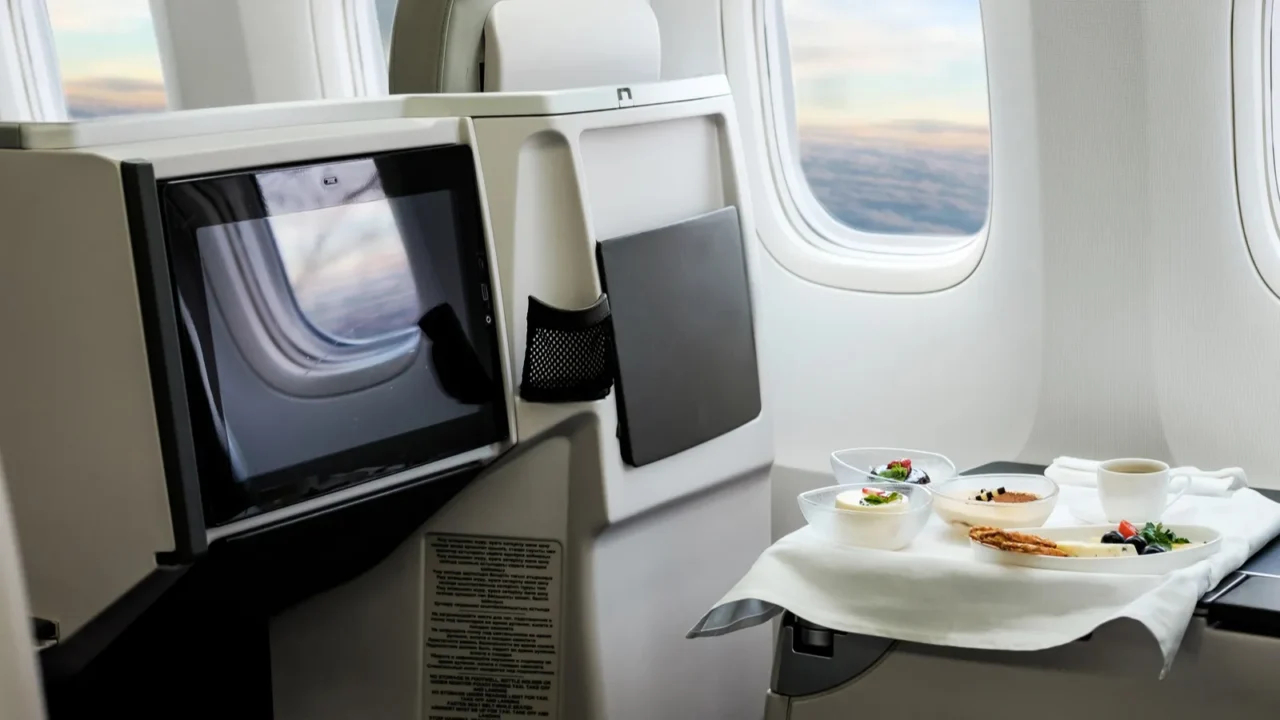
Business and leisure converge
Atlanta to Los Angeles serves a wide mix of travelers, from executives and creatives to vacationers and families. Business travelers value productivity and rest, while leisure travelers appreciate comfort and service.
Delta One caters to both, offering a refined environment that supports work or relaxation. The route’s diverse audience makes it an ideal candidate for elevated domestic service.
Aircraft built for premium
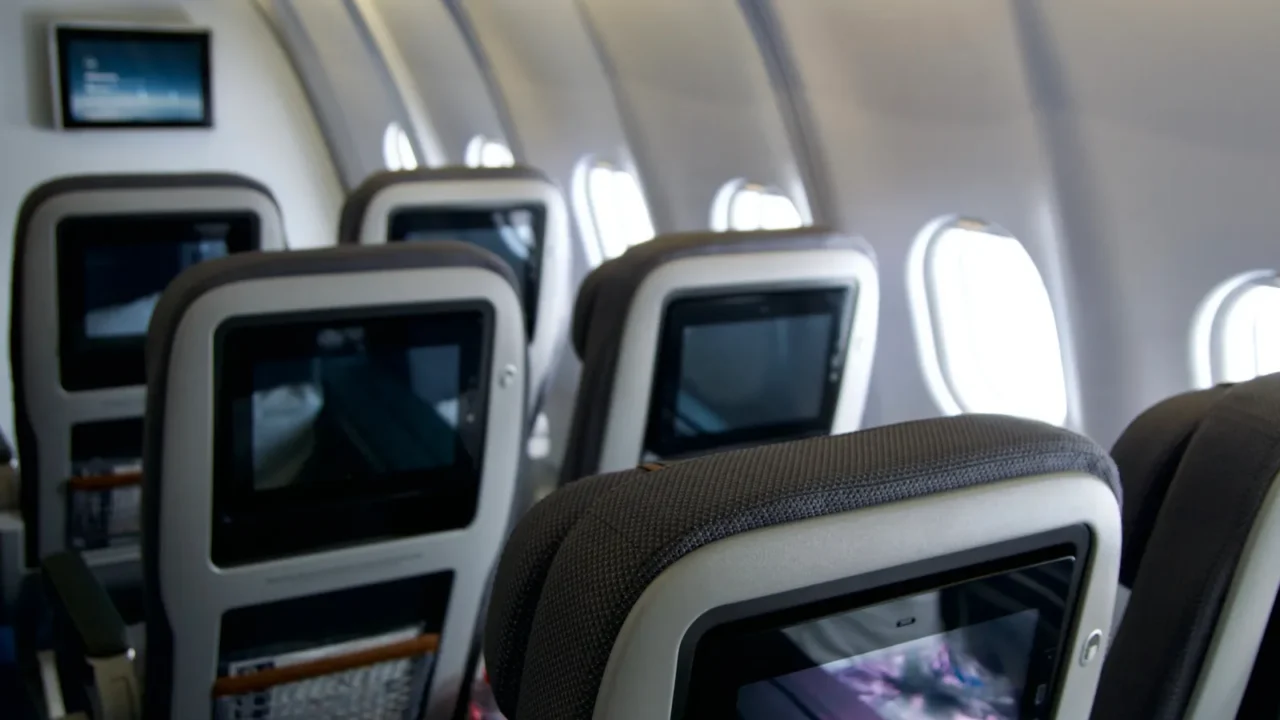
Delta plans to operate Delta One on wide-body aircraft already assigned to the Atlanta to Los Angeles route. These aircraft feature premium cabins designed for long-haul comfort, allowing Delta to enhance service without changing its fleet strategy.
By using existing aircraft capabilities, the airline efficiently raises the standard of domestic travel while maintaining operational flexibility.

Traveler demand for premium
Demand for premium comfort is strongest on long domestic routes where time and productivity matter. Frequent flyers choosing Atlanta to Los Angeles prioritize space, privacy, and reliable service over standard first class. Delta One responds with lie-flat seating, elevated dining, lounge access, and smoother airport handling.
These features reflect industry trends showing that travelers are willing to pay more for comfort on five-hour flights across competitive transcontinental U.S. routes.
Delta’s bigger strategy
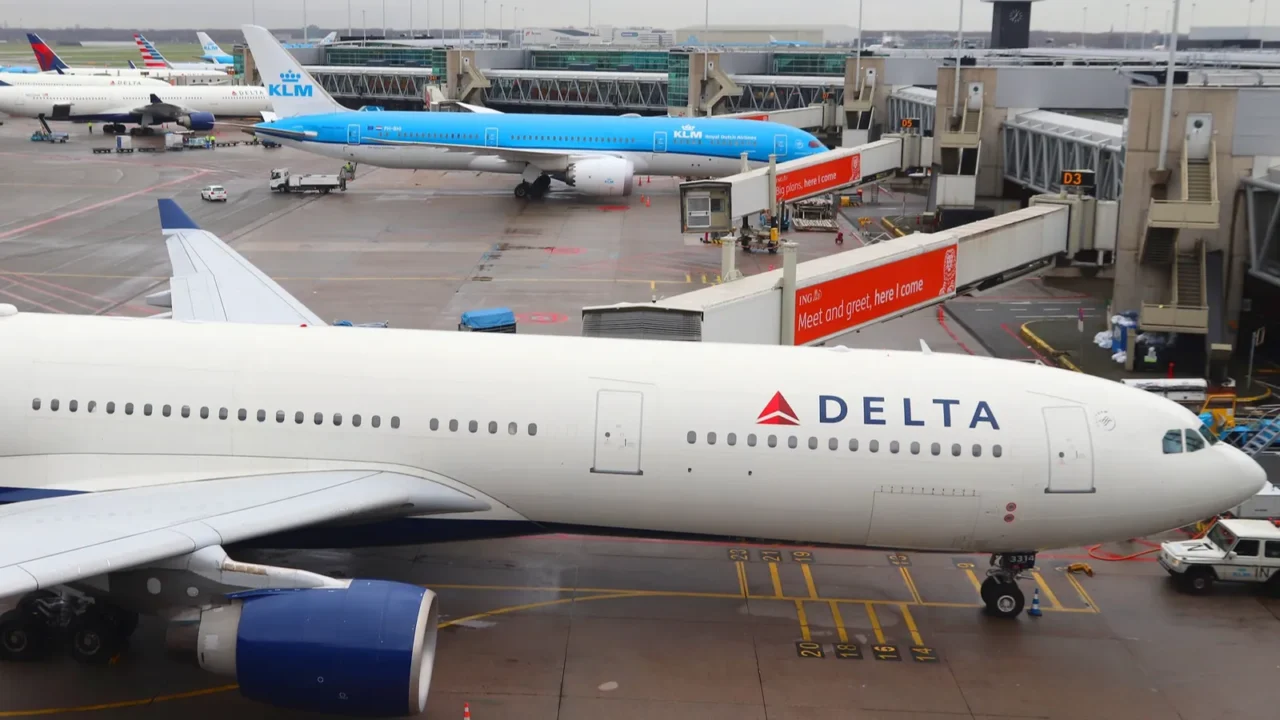
The Atlanta to Los Angeles upgrade fits into Delta’s wider focus on premium growth. Alongside new international routes and expanded lounge investments, the airline continues refining its high-end offerings.
Delta’s strategy emphasizes quality, consistency, and customer loyalty. By strengthening premium experiences across its network, Delta positions itself as a leader for travelers who value service as much as destination.
Future premium potential
Delta Air Lines is signaling openness to expanding premium cabins on other high-demand domestic routes as traveler expectations shift. Industry analysts note that longer flights between major business centers increasingly favor comfort-driven choices.
While no routes are confirmed, Delta One could expand to additional coast-to-coast markets, complemented by continued investments in lounges, onboard dining, and service consistency, as competition intensifies and premium revenue becomes a central strategy for future domestic network planning nationwide across the airline. Hawaiian Airlines drops several low-demand routes demonstrates how airlines are adjusting their schedules and networks to match shifting travel demand and changing passenger behavior.
A new domestic standard
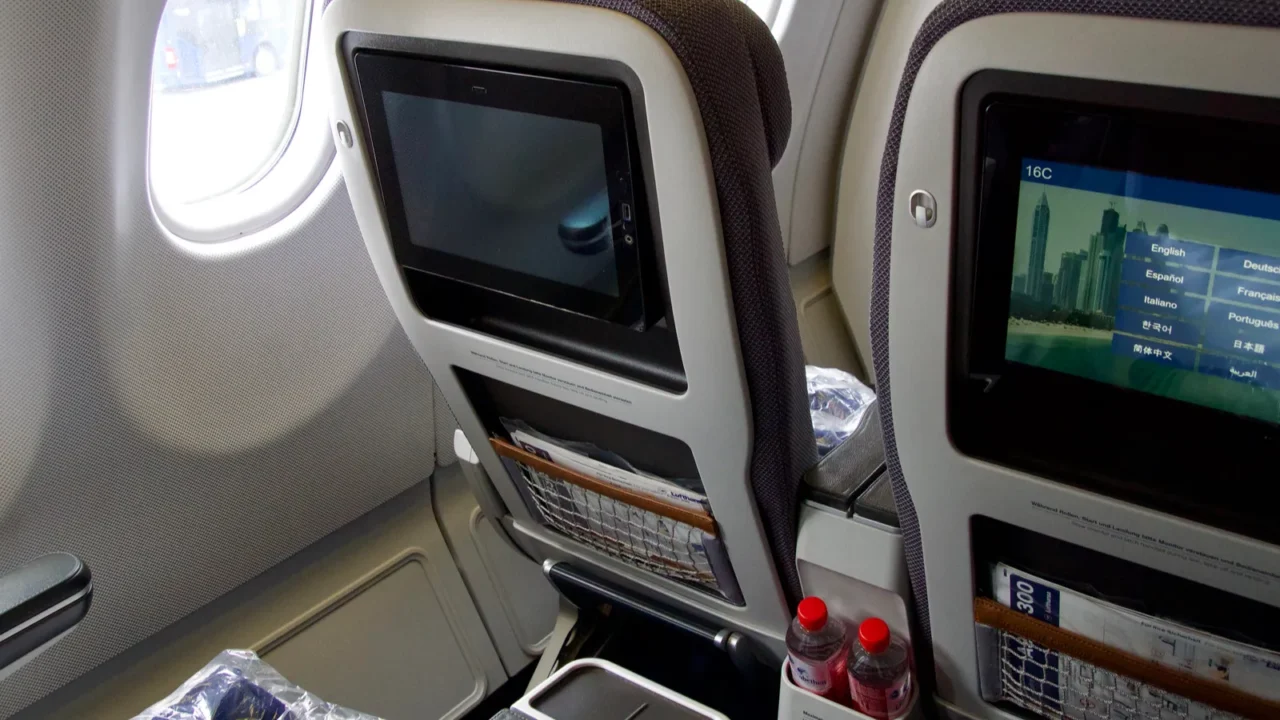
Delta One’s arrival on a major U.S. route marks a turning point for domestic air travel. It shows how premium experiences once reserved for international flights are becoming part of everyday journeys.
For travelers flying coast to coast, the focus shifts from simply getting there to traveling well. Delta’s expansion sets expectations that comfort, service, and quality belong in domestic skies, too. Why don’t any US airlines fly to Fiji? highlights the challenges of distance, demand, and operating costs that continue to shape which destinations U.S. airlines choose to serve.
With airlines cutting routes, expanding premium service, and leaving some destinations off the map, which change would matter most when planning your next trip?
This slideshow was made with AI assistance and human editing.
Don’t forget to follow us for more exclusive content right here on MSN.
Read More From This Brand:
