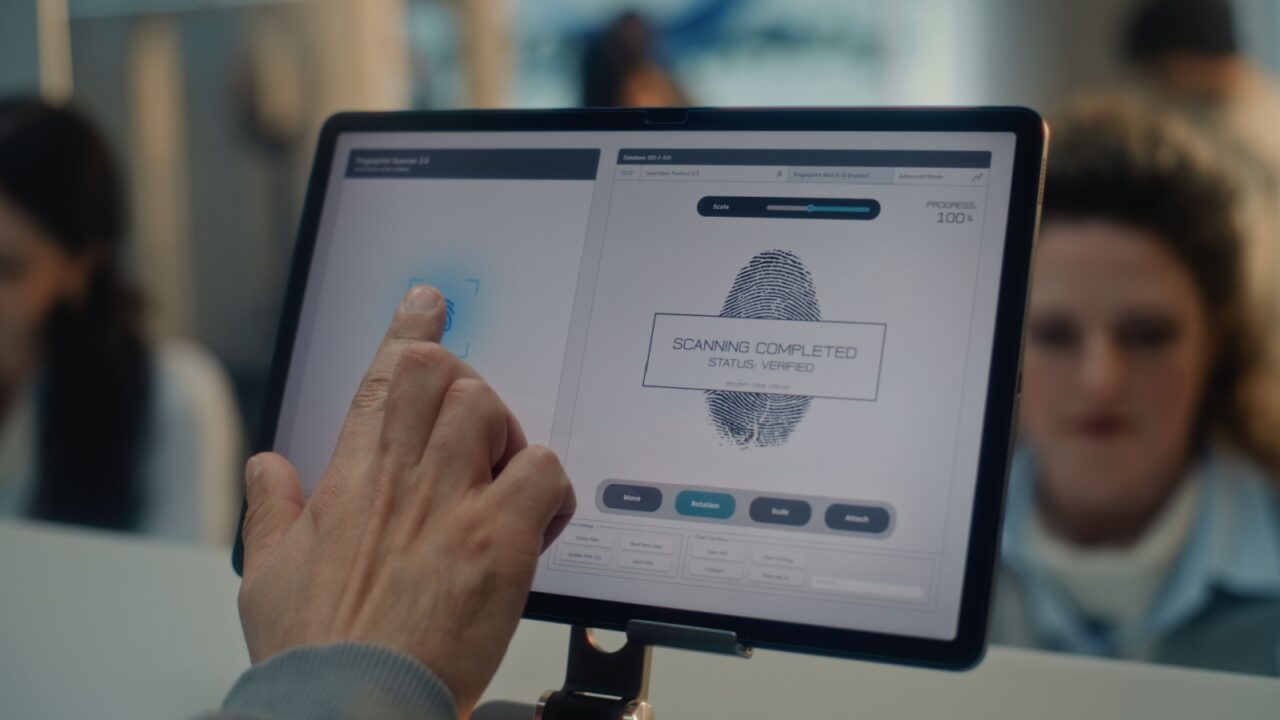
Travel goes digital
Travel is no longer just about passports and paper tickets. Cities and countries are quietly introducing digital tourist IDs and smart systems to manage crowds, access, and safety. What once felt futuristic is now rolling out in real destinations.
These systems promise smoother movement and less friction at popular sites. They also change how destinations interact with visitors on the ground. A new era of travel infrastructure is taking shape, so let’s dive in!

Why destinations needed change
Overtourism strained cities that lacked real-time visitor control. Long queues, overcrowded landmarks, and uneven visitor flow became daily problems. Traditional ticketing systems could not keep up.
Digital tourist IDs offer data-driven solutions. They help manage access without physical barriers. Destinations gain visibility while travelers gain efficiency.
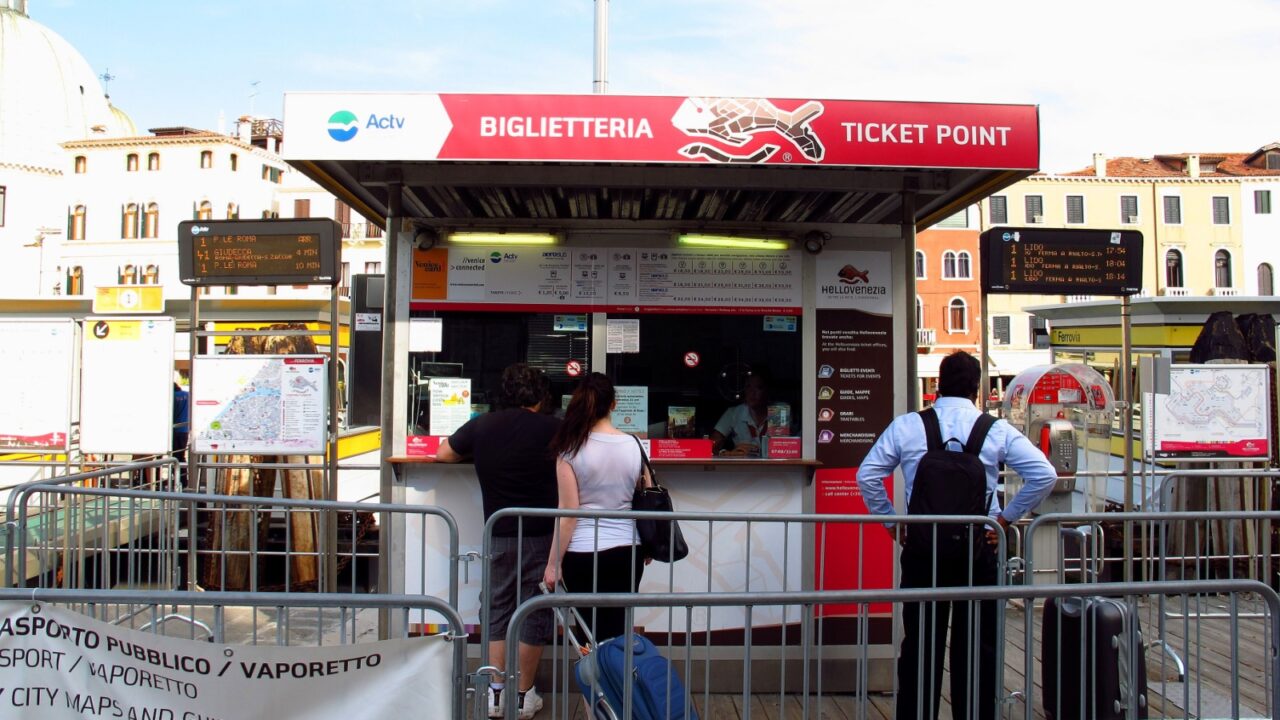
Venice tests digital access
Venice introduced a digital registration system for day visitors entering the historic center. Travelers scan a QR-based permit during peak periods. This helps the city monitor daily visitor numbers.
The system supports Venice’s fragile infrastructure. It also encourages longer stays over quick visits. Digital access becomes a preservation tool.
Barcelona’s smart tourism tools
Barcelona uses digital visitor passes tied to transport and attractions. These systems track congestion in real time. Authorities adjust access when hotspots fill up.
Visitors move more evenly across districts. Lesser-known neighborhoods benefit from exposure. Technology supports smarter exploration.
Singapore’s seamless systems
Singapore integrates digital IDs with immigration, transport, and attractions. Visitors clear checkpoints faster using biometric verification. Paper documents play a smaller role.
Smart systems improve security without slowing movement. Attractions sync with arrival data. Travel feels effortless and controlled.
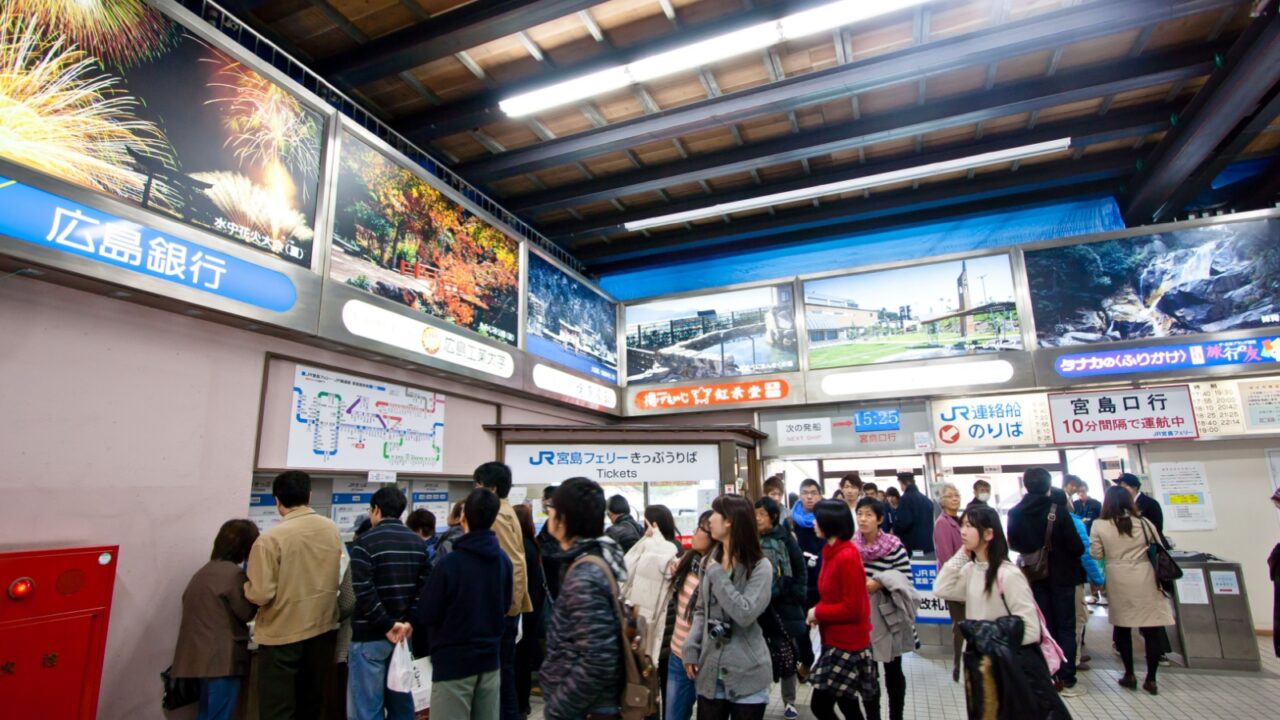
Japan’s digital travel push
Japan expanded its digital travel platforms, linking them to rail passes and regional tourism apps. Visitors access routes, tickets, and alerts through a single system. This reduces confusion in busy transport hubs.
Smart systems guide travelers beyond major cities. Regional tourism grows steadily. Technology supports balanced travel.
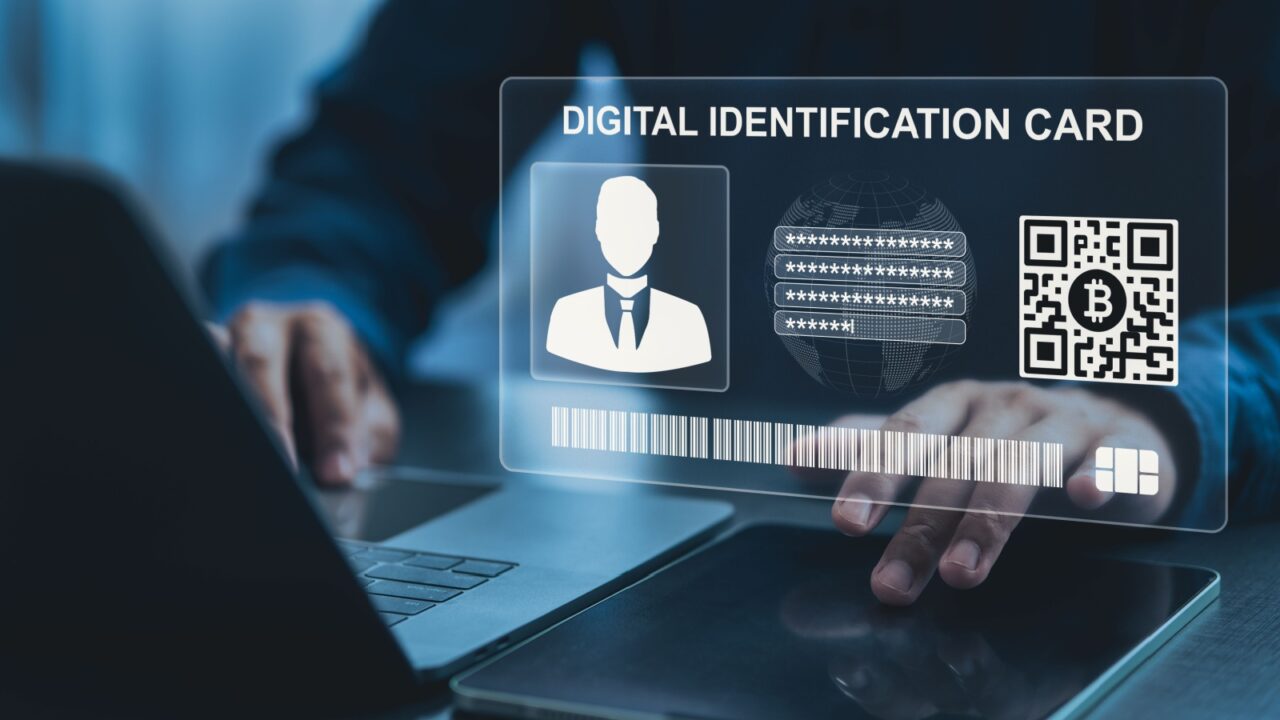
Dubai’s smart visitor ID
Dubai introduced a unified digital ID across airports, hotels, and attractions. Visitors access services through secure mobile platforms. Physical check-ins are reduced significantly.
This improves speed and convenience. Data helps manage visitor flow at major sites. Dubai leans fully into smart tourism.

Museum access gets smarter
Cities like Paris and Rome use timed digital entry systems for major museums. IDs link tickets to specific time slots. Crowd surges are minimized.
Visitors enjoy calmer experiences. Staff manage flow more easily. Cultural access becomes more predictable.

Privacy concerns addressed
Destinations face questions about data use and transparency. Most systems store limited, temporary information. Regulations follow local privacy laws closely.
Clear opt-in processes are emphasized. Trust remains essential for adoption. Tech-enabled tourism relies on transparent and responsible data practices to maintain traveler trust.
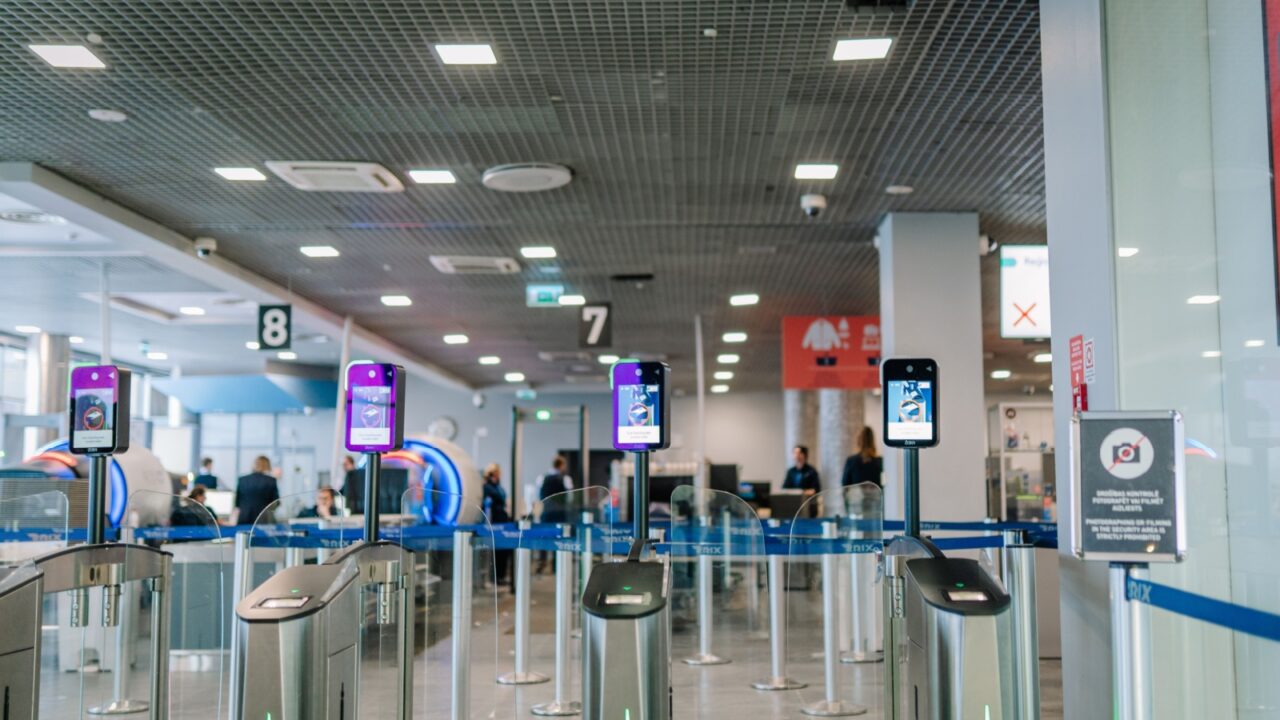
Economic planning improves
Digital IDs help cities understand visitor behavior patterns. Spending zones and peak hours become visible. This supports better urban planning.
Local businesses benefit from smoother demand. Tourism spreads across time and space. Smart systems strengthen economic resilience.
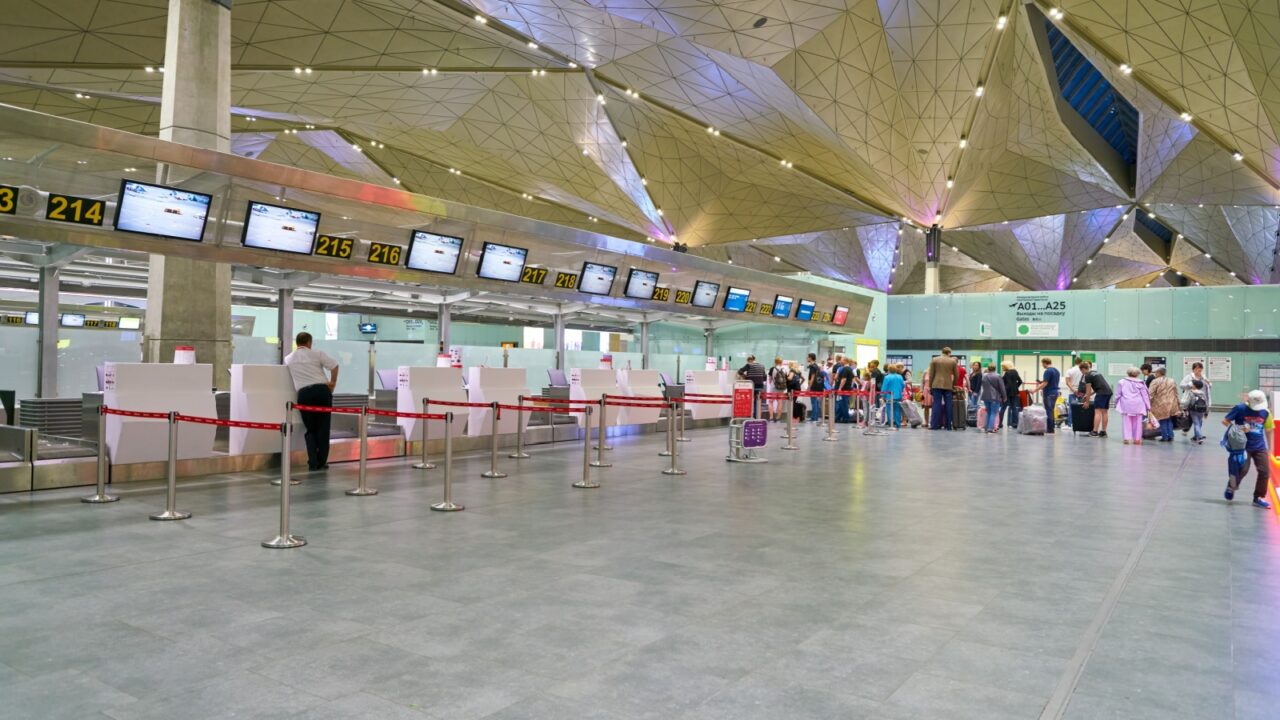
Fewer queues, better flow
Smart systems reduce waiting at attractions and transport hubs. Entry becomes staggered and controlled. Stress levels drop noticeably.
Travelers spend more time exploring rather than standing in lines. Destinations feel less chaotic and more intentional in their pacing. This shift contrasts interestingly with how celebs are embracing digital blackout vacations in Bhutan, showing two very different paths toward calmer travel experiences.

The future checks in
Digital tourist IDs redefine how destinations manage movement and experience. Travel becomes smoother without losing spontaneity. Technology works quietly in the background.
The smartest destinations balance access with protection. Digital systems shape calmer, more intentional journeys. Which city’s smart travel approach feels most promising for future trips? Share your thoughts below!
This slideshow was made with AI assistance and human editing.
Don’t forget to follow us for more exclusive content right here on MSN.
Disclaimer: The images used are for illustrative purposes only and do not depict the actual locations mentioned.
Read More From This Brand:
