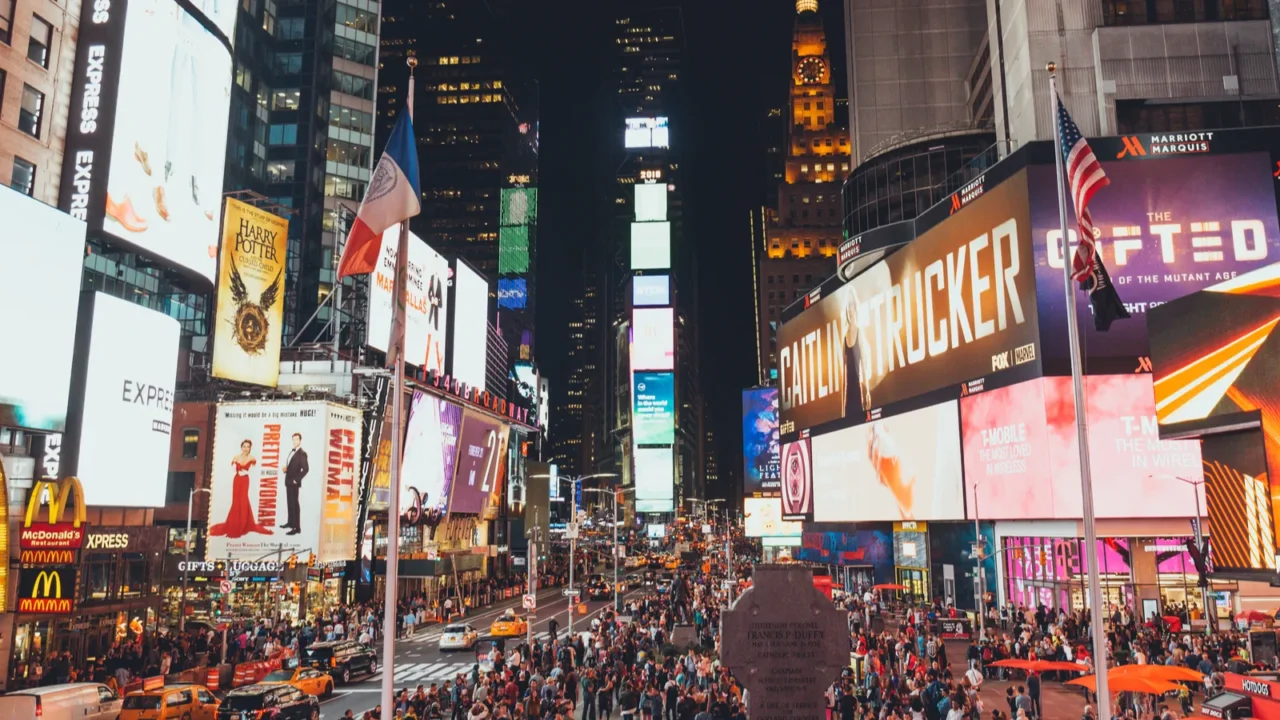
The art of loving less
Overtourism is a phenomenon in which the number of visitors to a destination exceeds its environmental, cultural, and infrastructural capacity. The term gained widespread policy and media attention in the mid-2010s, as destinations across Europe began publicly addressing the strain of record tourism levels.
Several destinations across Europe, Asia, and the Americas have begun enforcing visitor caps, entry fees, and seasonal restrictions to protect what makes them extraordinary in the first place.
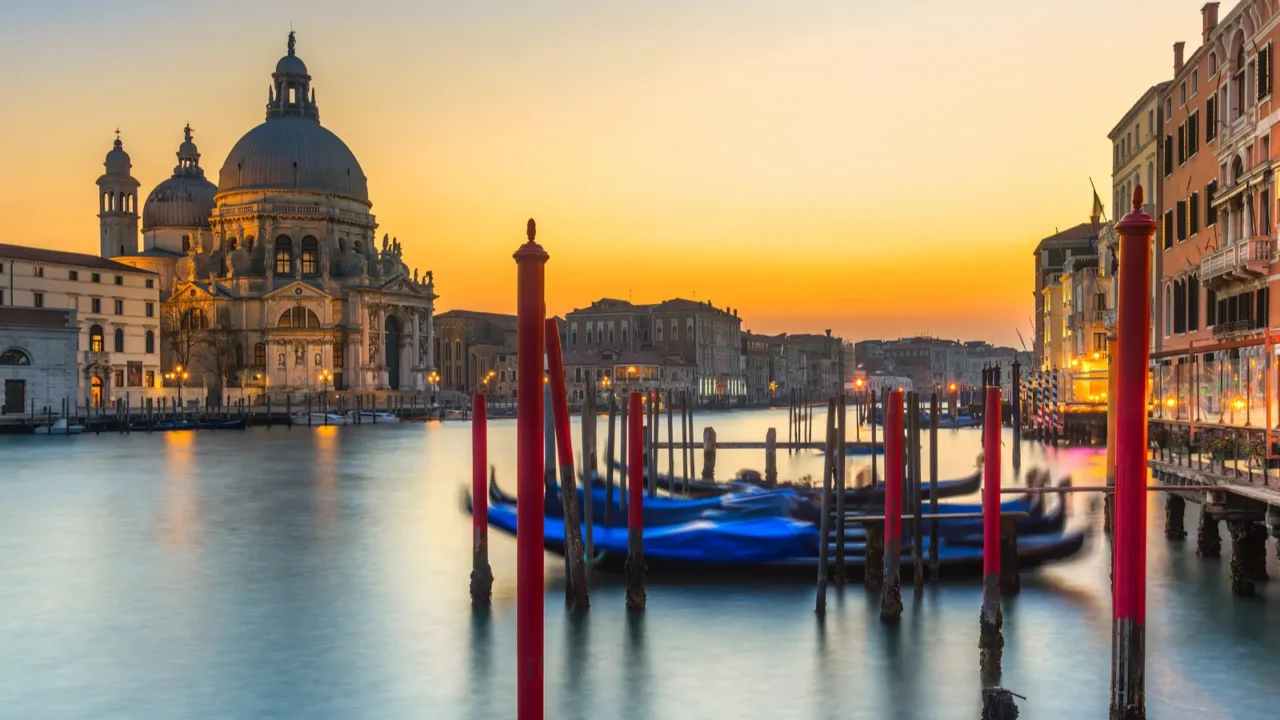
Venice
Venice has been quietly drowning for decades, and the crowds are not helping. The city now charges a day entry fee to visitors during peak season, a move that made global headlines and sparked fierce debate about who really owns a place this old.
Beneath the Instagram posts and gondola selfies, residents are leaving at an alarming rate. A city that once held 174,000 people now houses fewer than 50,000 permanent residents.
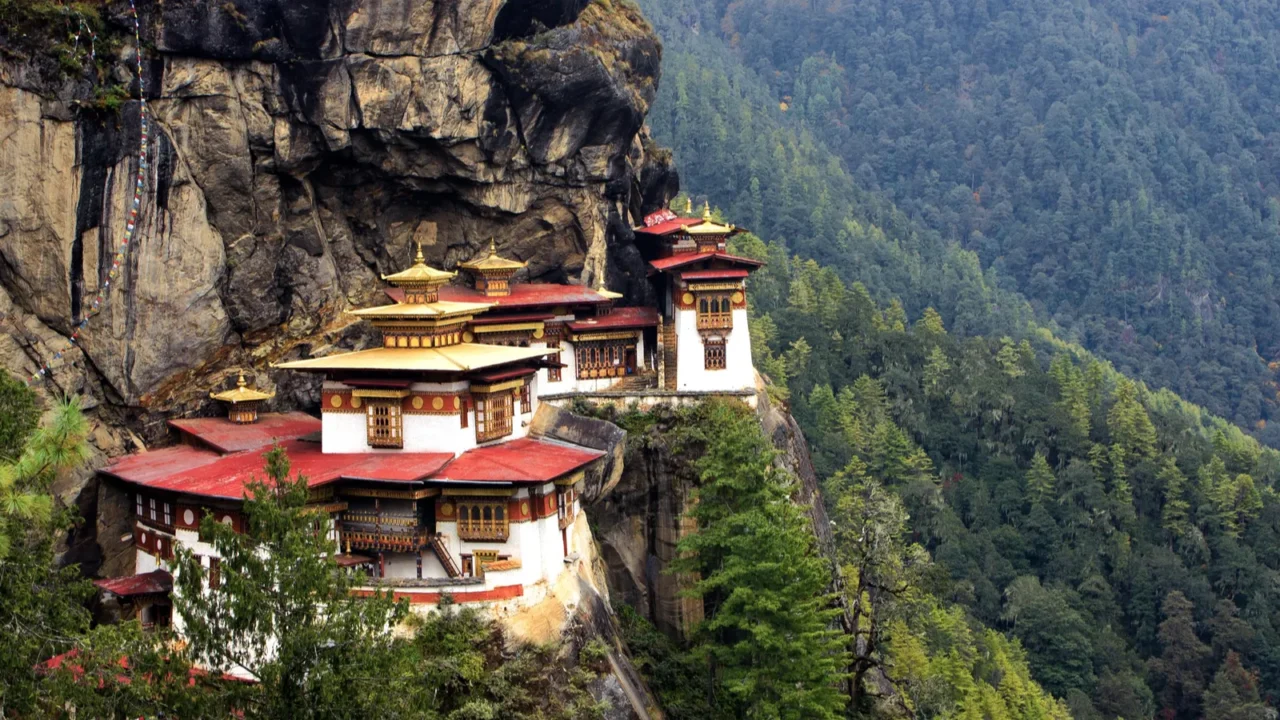
Bhutan
Bhutan does not want your budget travel energy. The Himalayan kingdom charges a daily Sustainable Development Fee of 100 dollars per person, a policy designed to attract what officials call high value, low-impact visitors.
This is not gatekeeping for the sake of exclusivity. Its constitution mandates that at least 60 percent of the country’s land remain forested permanently.
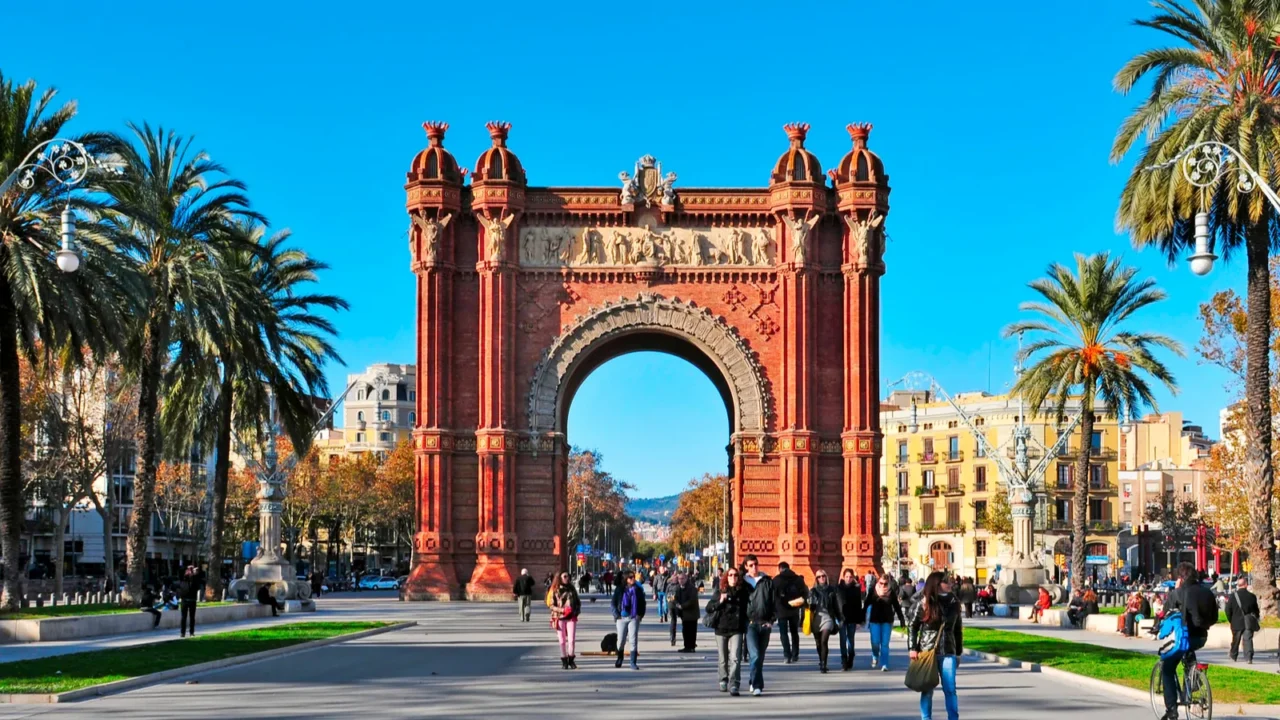
Barcelona
Barcelona first placed a moratorium on new tourist apartment licenses in 2014 and later announced plans to phase out many short-term rental licenses by 2028, a decision that sent shockwaves through the short-term rental industry. Mayor Jaume Collboni called it a direct response to housing displacement affecting working-class neighborhoods.
Fun fact: Barcelona’s La Boqueria market, once a beloved local food hub, now receives an estimated more than 20 million visits per year, according to tourism reports, leading some residents to argue that the market has become increasingly difficult for locals to navigate for everyday shopping.
Kyoto
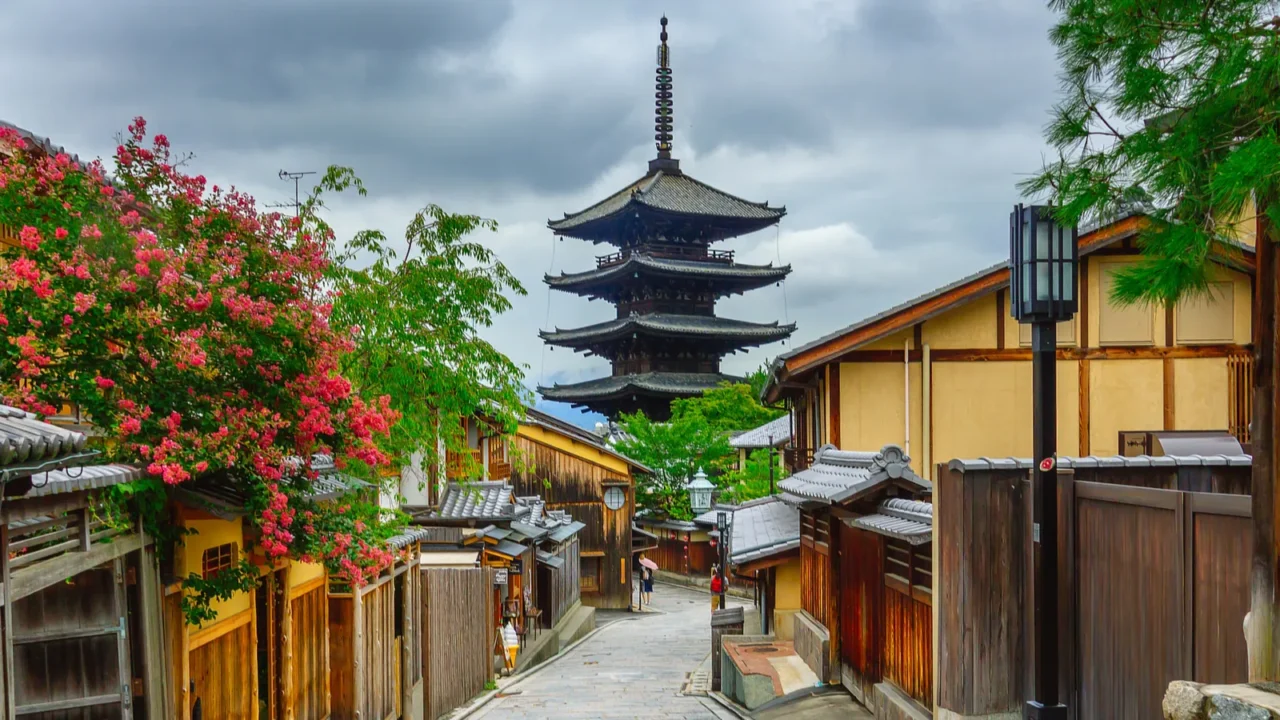
Kyoto’s Gion district officially banned tourists from entering private alleys in 2024 after years of visitors harassing geiko and maiko on their way to work. Signs went up, fines were announced, and enforcement began almost immediately.
The city has also introduced surge pricing on public transit during peak cherry blossom season, a subtle but effective way of redirecting foot traffic and making visitors feel the true cost of showing up everywhere at once.
Dubrovnik
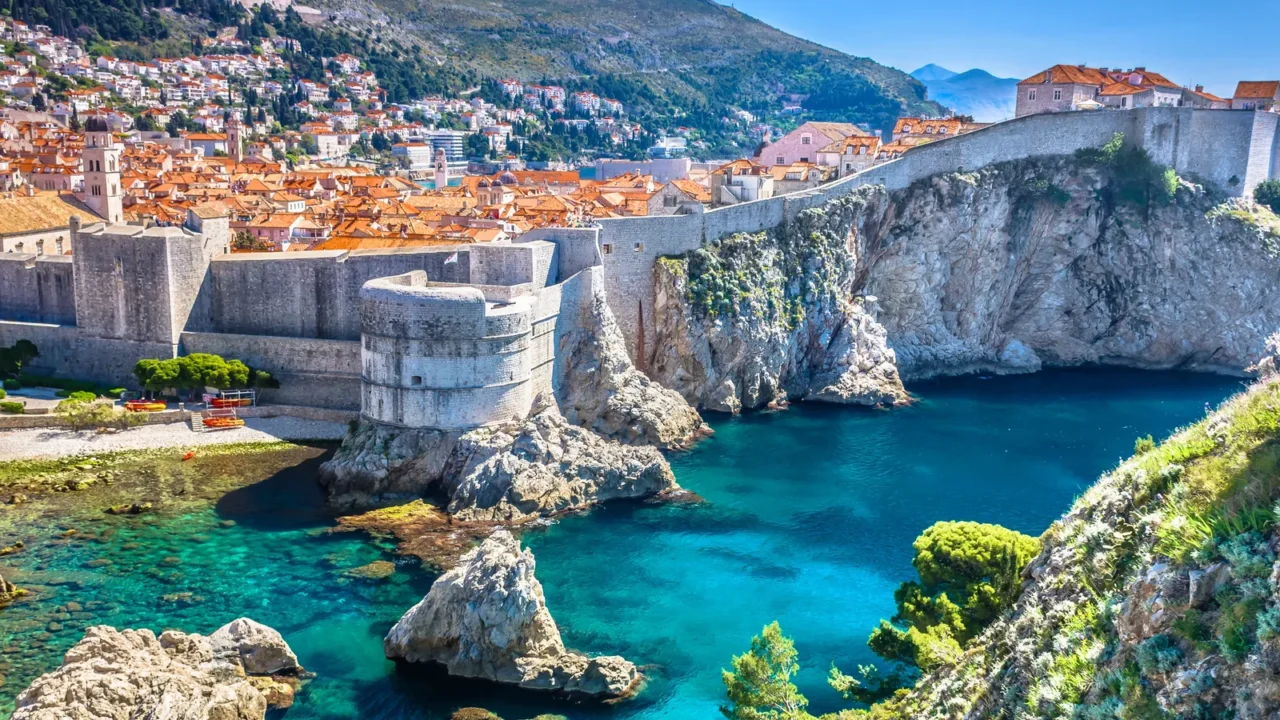
Dubrovnik now limits the number of cruise ships that can dock daily and caps the total visitors inside its Old Town walls at 8,000 people at any given time. The city installed real-time crowd sensors to enforce this with data rather than guesswork.
Fun fact: After Game of Thrones filmed in Dubrovnik, the city saw record tourism when over 1.2 million tourists descended on a town of just 42,000 locals, a situation so severe that prompting UNESCO to raise concerns about preserving the Old Town’s cultural heritage amid surging visitor numbers.
Machu Picchu
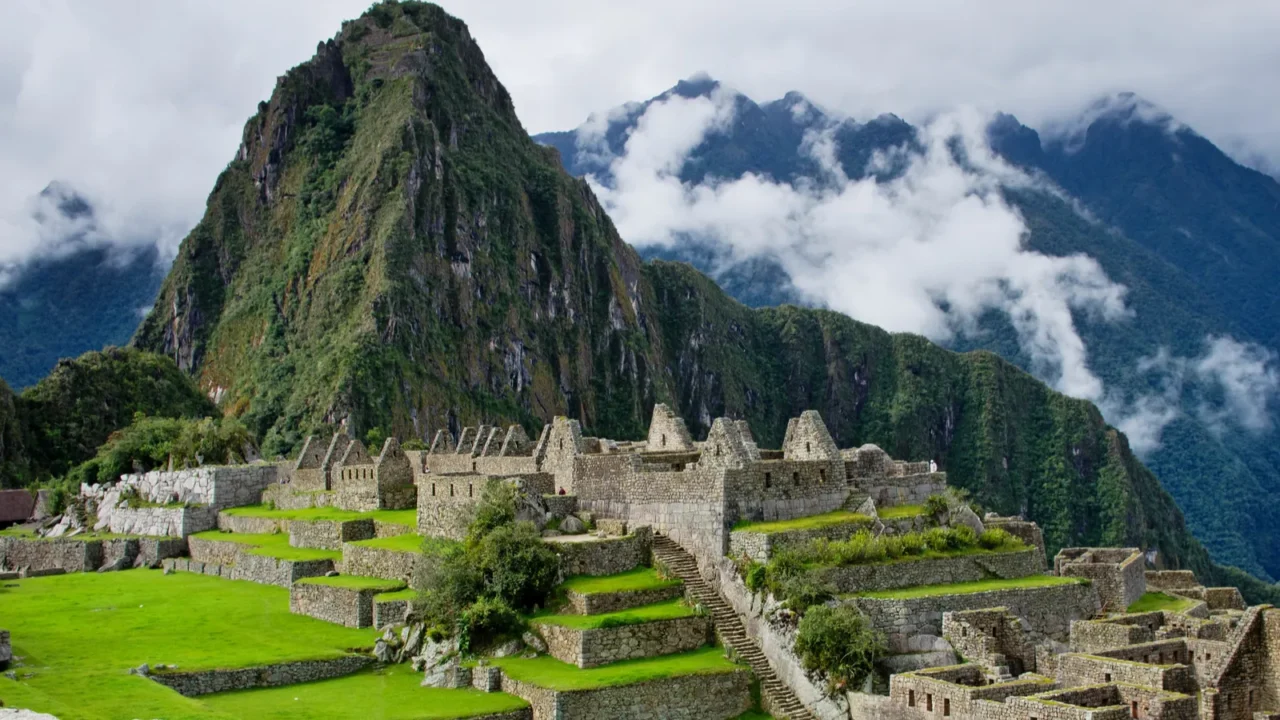
Peru restructured access to Machu Picchu entirely. Visitors must now book timed entry slots weeks in advance, follow one-way foot traffic circuits, and exit before certain hours. The site had been experiencing severe erosion from foot traffic concentrated in the same spots daily.
Authorities have also closed the classic Inca Trail for portions of the year to allow the path to physically recover, a concept that was once unthinkable for one of the world’s most visited landmarks.
Amsterdam
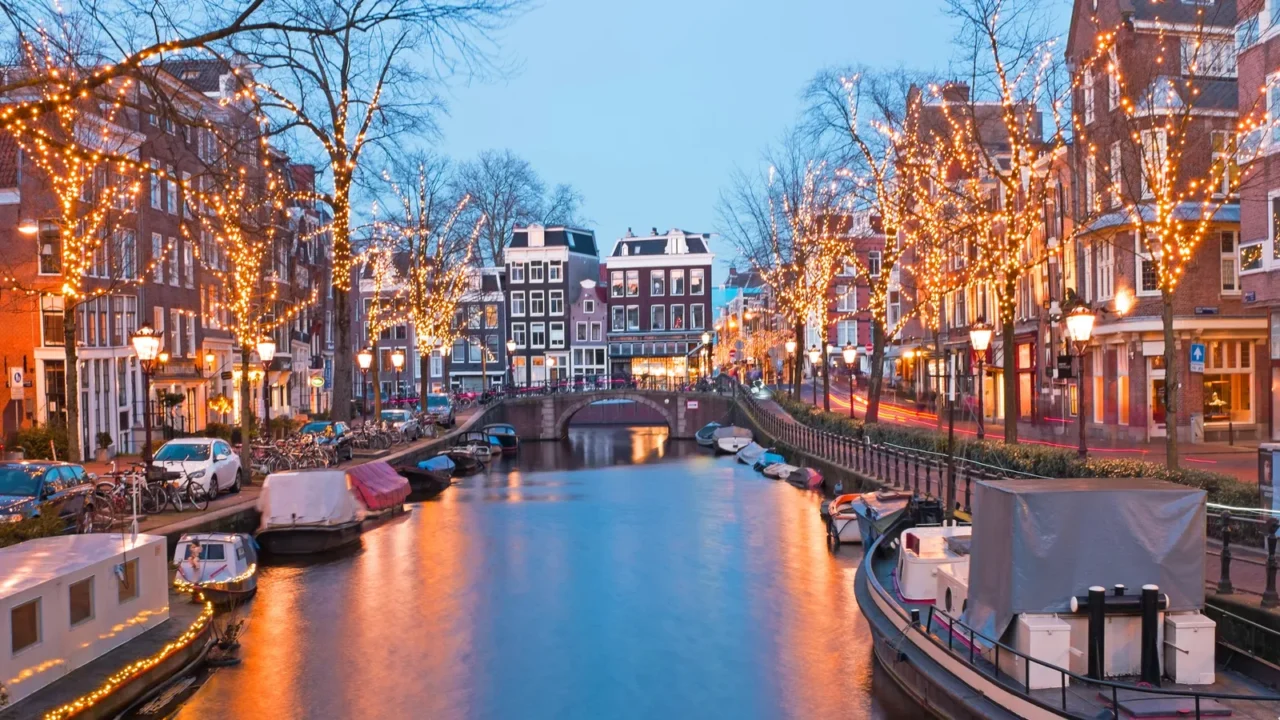
Amsterdam launched an official campaign in 2023, literally telling rowdy tourists not to come. The city targeted young British men specifically, running paid ads warning that disruptive behavior would result in fines and arrests, not a fun weekend abroad.
The red-light district sees roughly 20 million city visitors annually, a number local officials have openly called unsustainable as the city works to rezone and reroute that flow before the neighborhood loses its last remaining residents entirely.
Santorini
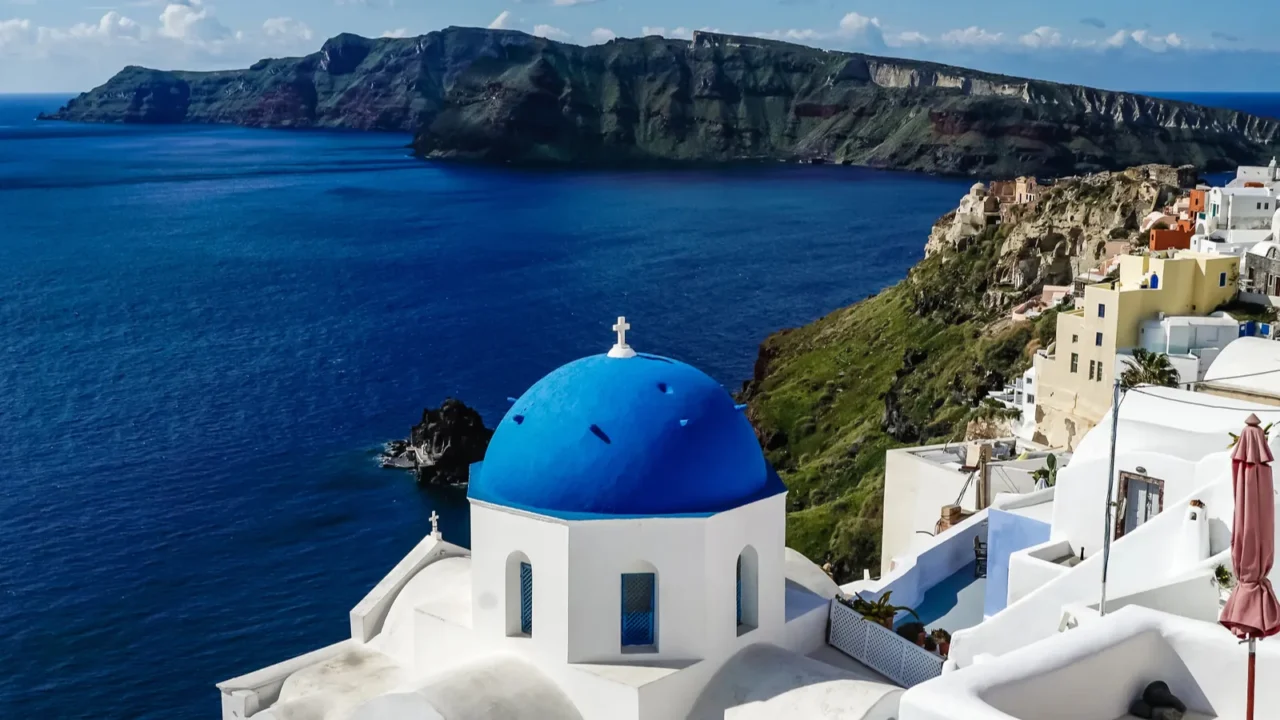
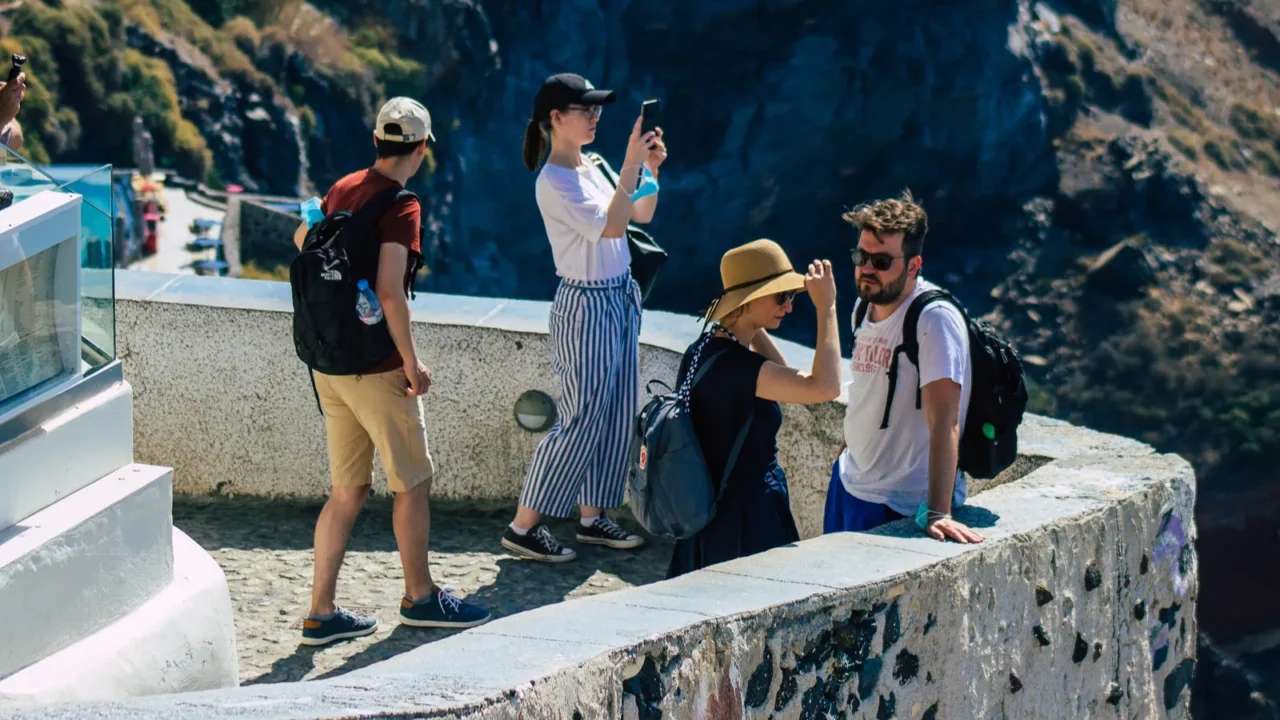
Santorini made international news not just for its sunsets but for the welfare of its donkeys, which were being overworked carrying tourists up the island’s steep caldera steps. New regulations now limit the weight donkeys can carry and restrict their working hours significantly.
The island has also discussed capping daily cruise ship arrivals, which can bring thousands of additional cruise passengers to an island with roughly 15,000 permanent residents during peak summer afternoons.
Galápagos
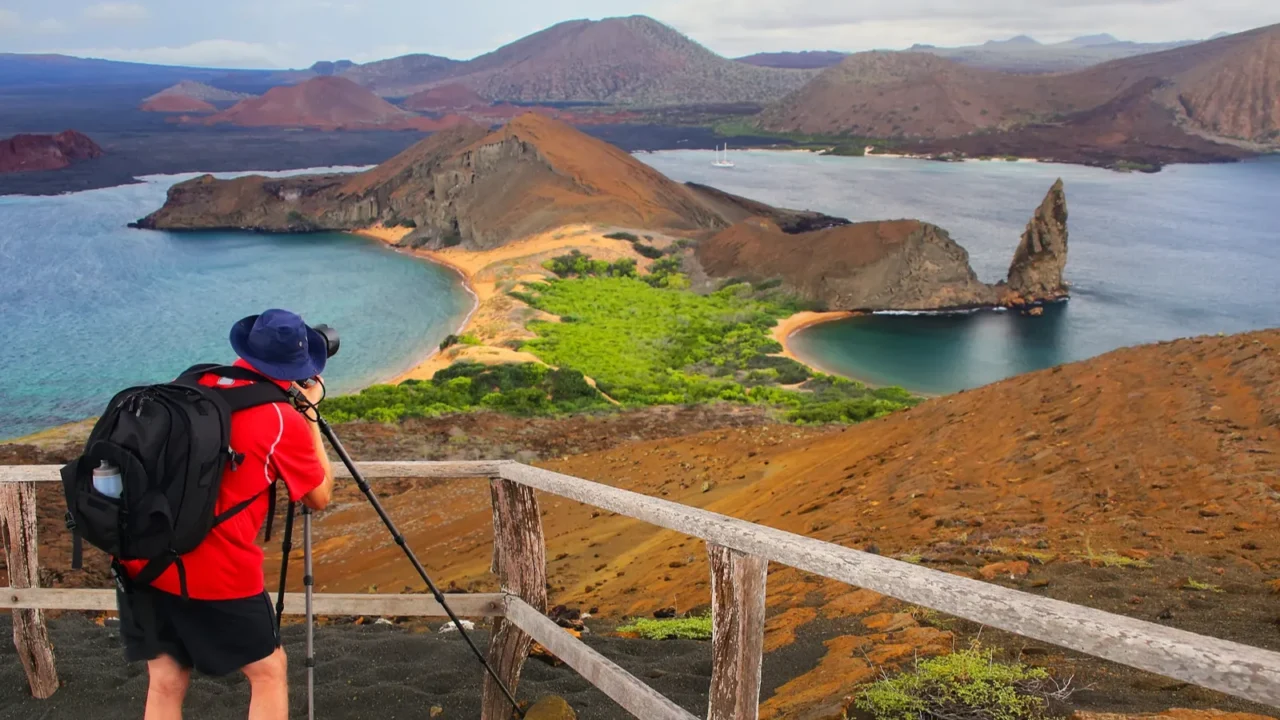
The Galápagos Islands require all visitors to pay a national park entrance fee, stay on designated paths, and travel exclusively with licensed guides. These rules are not suggestions. Rangers actively remove visitors who stray, and repeat offenders are banned from returning.
Ecuador controls the number of flights into the islands and limits how long tourists can stay, recognizing that this ecosystem evolved in isolation and has no natural defenses against the chaos humans routinely bring.
Iceland
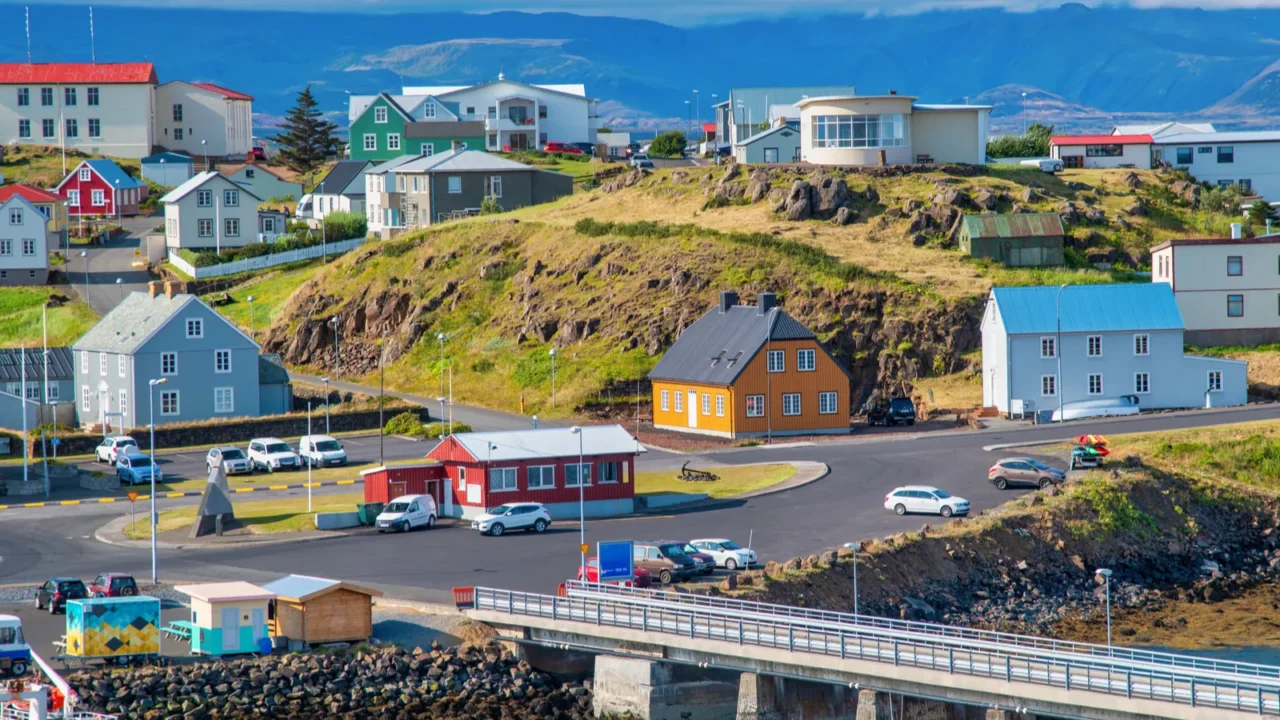
Iceland’s tourism boom after its 2008 financial crisis was extraordinary but damaging. Fjaðrárgljúfur Canyon, a geological wonder millions of years in the making, was temporarily closed after Justin Bieber filmed a music video there and foot traffic multiplied overnight.
The Icelandic government has since invested heavily in infrastructure to redistribute visitors away from the Golden Circle, a single route that absorbs the majority of tourists while vast stretches of the country remain almost entirely unseen.
Palawan
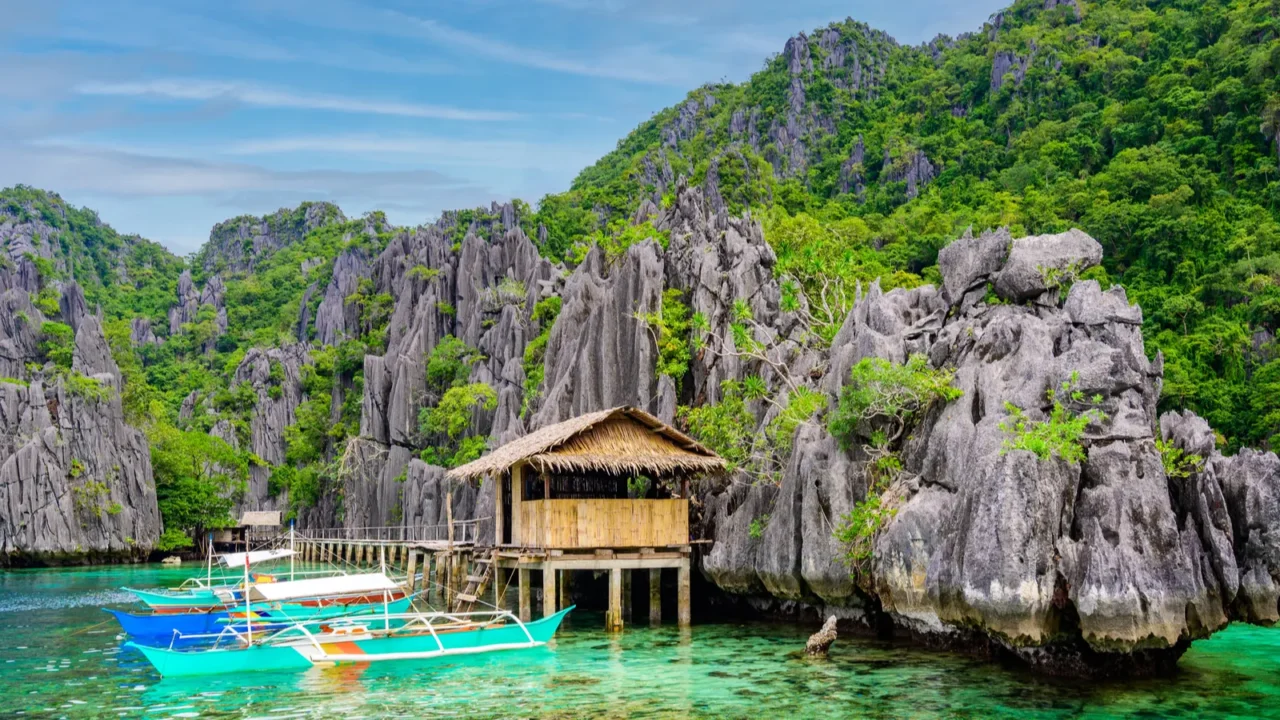
Palawan, consistently ranked among the world’s most beautiful islands, introduced strict daily visitor caps on El Nido and Coron, its two most popular areas. Boats are counted, permits are required, and enforcement has visibly improved water clarity in areas that were once clouded by sunscreen runoff.
The Philippine government has shown willingness to close sites entirely when needed, having shut Boracay for six months in 2018 for full rehabilitation after officials declared the beach environmentally unfit for continued tourism, and if you think that level of control only happens on islands, explore how other tourist zones around the world are drawing the same hard lines.
Travel smarter, not more
The destinations pulling back from mass tourism are not rejecting travelers. They are rejecting the version of travel that treats places like theme parks and people like scenery. The shift happening globally is an invitation to rethink what it actually means to go somewhere.
Choosing destinations that want you thoughtfully, traveling in the shoulder season, staying longer and moving less, these are not sacrifices. They are how travel becomes something that lasts, for the place and for you, and if that changes how you see your next trip, tourism authorities in these destinations would say that is exactly the point.
If the most beautiful places on earth are quietly closing their doors, where exactly are you planning to go next? Let us know in the comments.
This slideshow was made with AI assistance and human editing.
Don’t forget to follow us for more exclusive content right here on MSN.
Read More From This Brand:
