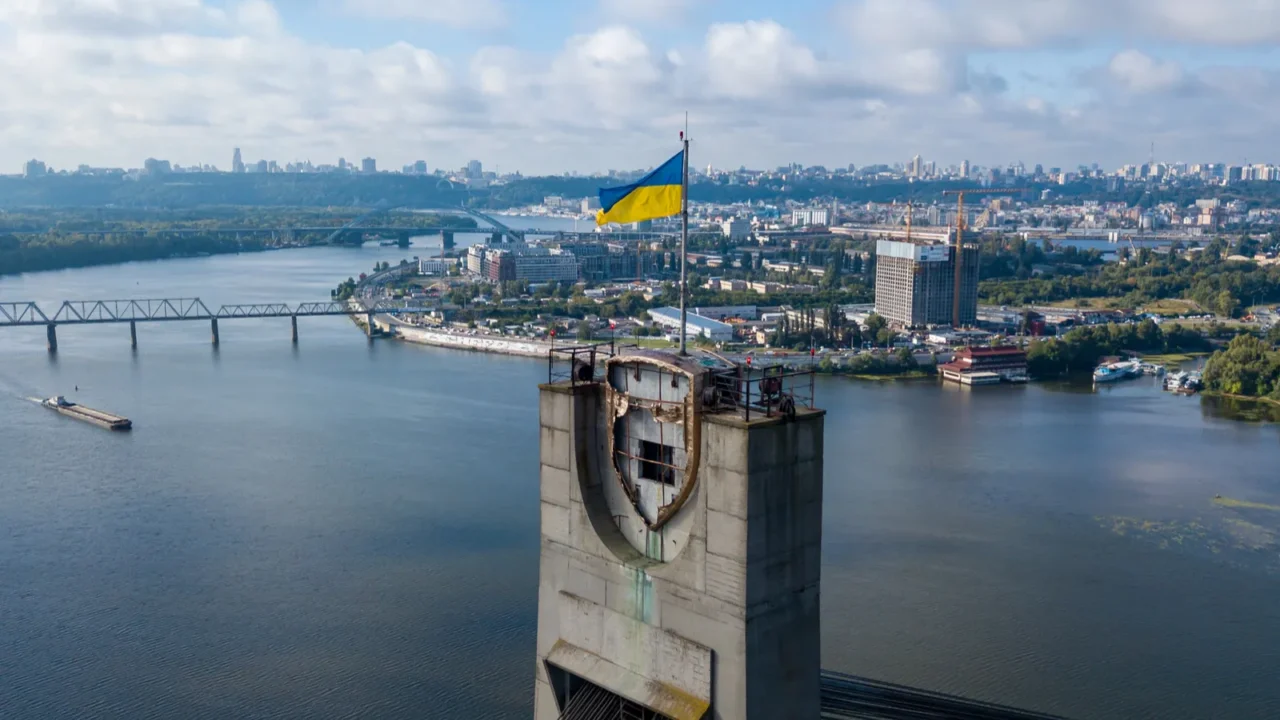
Iran war meets Ukraine conflict
Russia’s war on Ukraine entered a new phase in 2026 as the conflict between Iran and the United States and Israel escalated. These overlapping wars raise questions about strategy and global security.
Analysts weigh whether the Iran war distracts Western powers from Ukraine or presents Moscow with a geopolitical opportunity. This breakdown examines the military, diplomatic, and economic dimensions of these intertwined conflicts.
Russia’s strategic landscape shift
Russia’s strategic landscape now spans from Eastern Europe to the Middle East. The Iran war draws U.S. and European attention away from Ukraine while offering Moscow leverage in diplomatic negotiations.
Russia has capitalized on this divided focus, shaping narratives that emphasize a broader contest against Western influence. These dynamics alter how global powers allocate military and diplomatic resources.
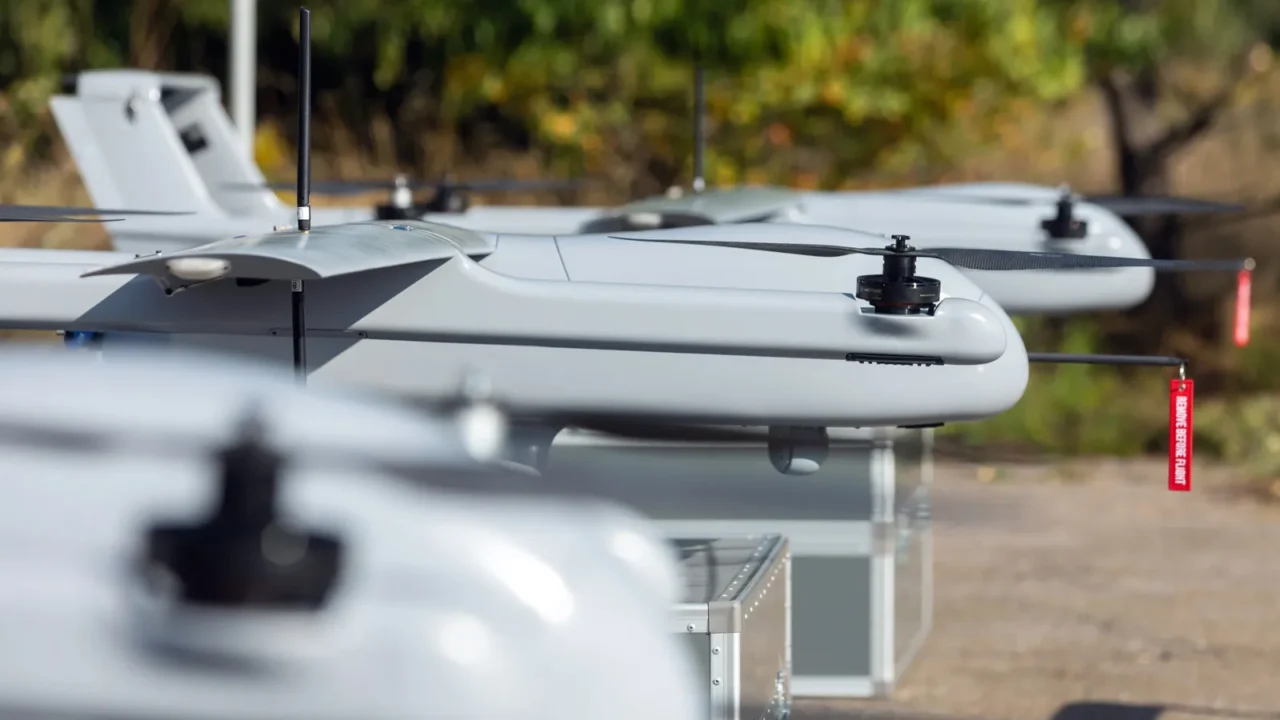
Drone influence across wars
Iran’s military drones have been a defining factor in modern conflict. Tehran shared drone technology with Russia, enabling Moscow to integrate and reproduce systems similar to Iran’s Shahed series in Ukraine. This technological exchange tightened military ties and shaped battlefield tactics, linking the two wars through shared unmanned aerial systems and evolving operational practices.
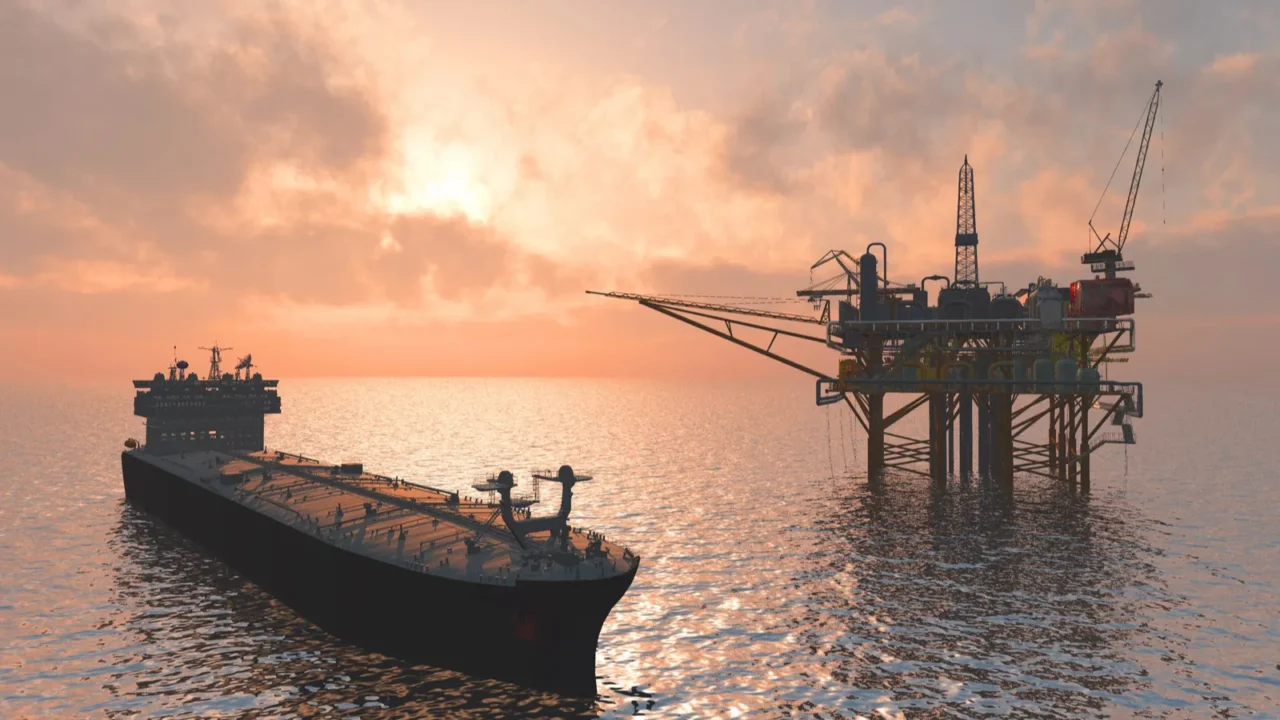
Economic forces at play
Global energy markets have felt the impact of simultaneous wars. Disruptions near the Strait of Hormuz have pushed oil prices upward, indirectly aiding Russia’s wartime revenues. Higher export income gives Moscow crucial fiscal room to sustain military operations in Ukraine.
At the same time, inflationary pressures complicate Western economic policy and defense funding decisions in Europe and North America.
Fact: Ukraine criticizes Russia’s drone support as Tehran‑linked missile technology reaches battlefields.

Western attention diverted
The United States and its allies now face competing priorities. Support for Ukraine risks being overshadowed by urgent decisions about defense commitments in the Middle East. European capitals have expressed concern over stretched diplomatic focus, including air defense allocations.
This diversion could delay weapons deliveries to Kyiv and slow sanctions enforcement against Moscow’s war economy.

Diplomatic dynamics evolve
Diplomacy surrounding these conflicts remains fluid. Russia and Iran have strengthened ties, though not without friction. Moscow’s engagement in the Middle East has complicated Western efforts to maintain a unified response across both crises. Reuters reported that European diplomats raised Russian support for Iran as a concern during discussions connected to G7 diplomacy.
These diplomatic shifts influence alliances, negotiations over ceasefires, and international perceptions of Russian strategy in Ukraine and beyond.
Russia’s calculated gains
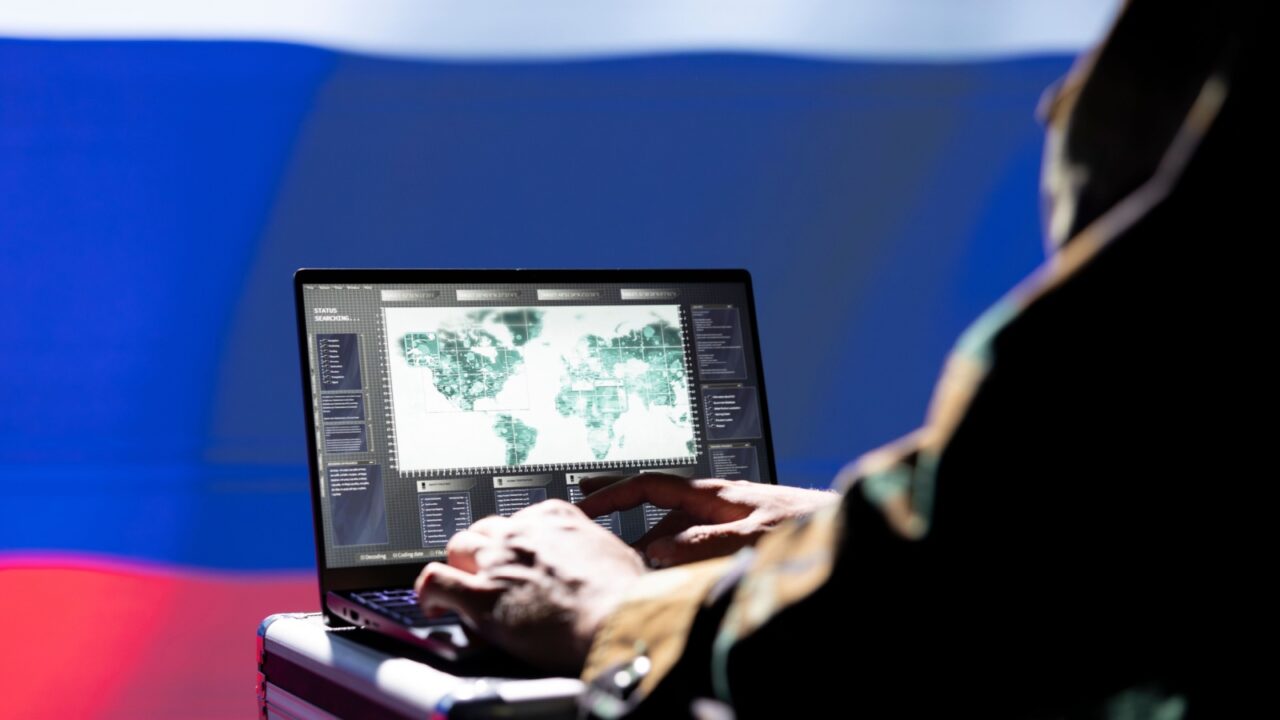
Moscow views the Iran war as more than a distraction; it is a calculated geopolitical variable. Russia’s leaders aim to exploit Western preoccupation, recalibrate defense priorities, and safeguard strategic partnerships.
However, these gains do not erase structural challenges such as sanctions, rising military costs, and Ukraine’s persistent resistance backed by NATO support.
Iran’s strategic limits
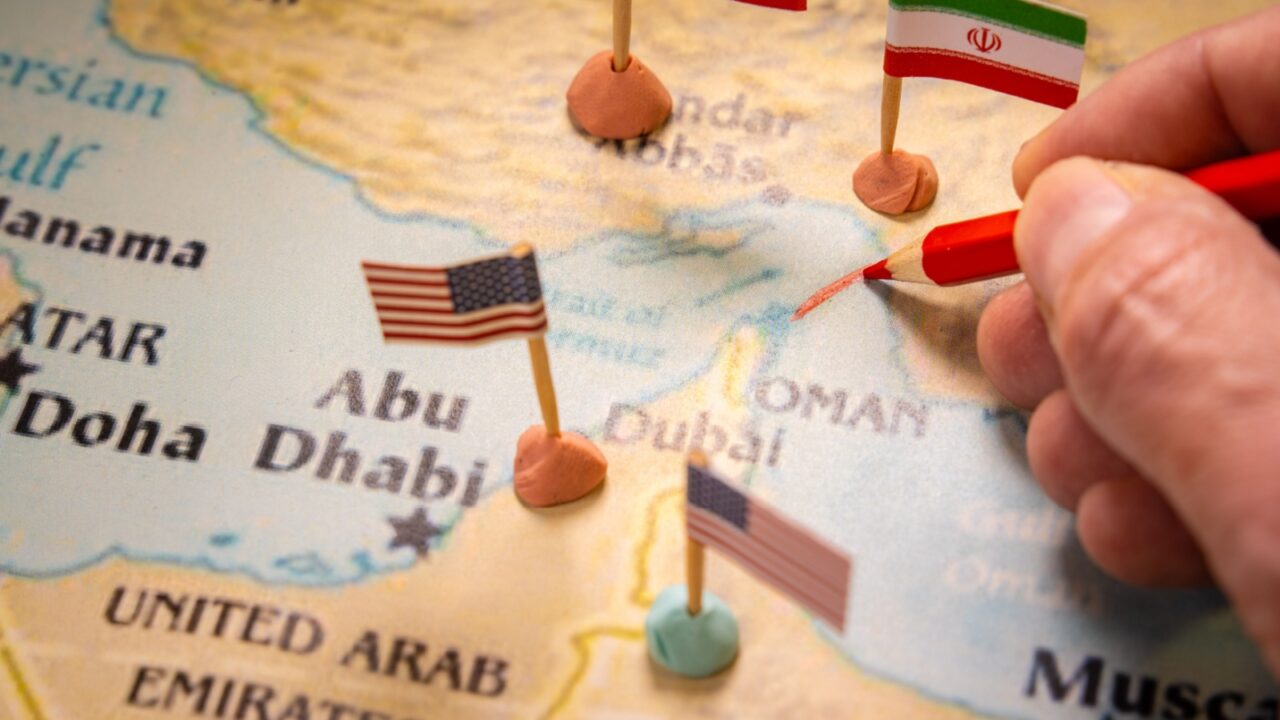
Iran’s conflict imposes its own constraints on global alliances, including with Russia. Tehran’s resources are stretched across multiple theaters, making sustained support to Moscow uncertain. While tactical cooperation remains, Iran must balance its regional interests, domestic security, and economic pressures. This balancing act shapes the depth and duration of Iranian involvement with Russia.
Fact: European intelligence reported drone cooperation between Russia and Iran as a concern at G7 talks.
Air defense competition
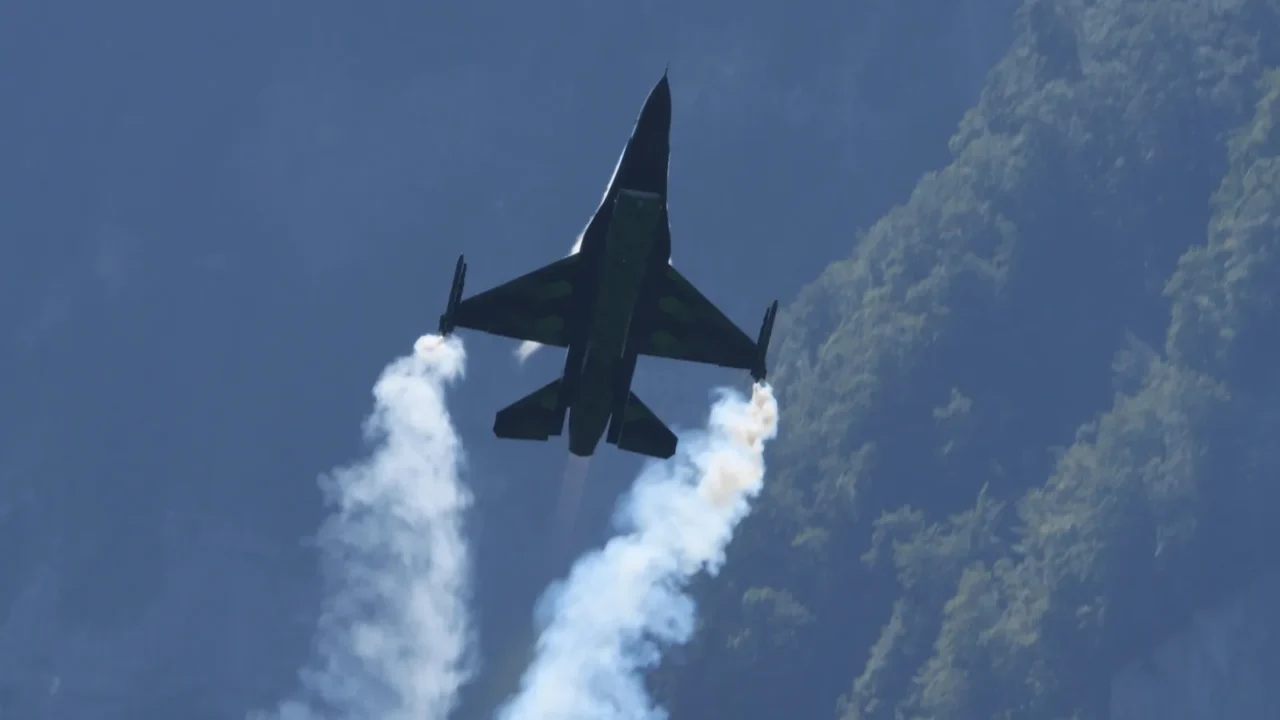
Competing demand for air defense systems illustrates strategic tension. Patriot and similar systems must defend NATO allies, Ukraine, and Middle East forces against missile and drone attacks.
This demand strains inventories and forces political leaders to prioritize defense commitments. Decisions made in Paris, Washington, and Brussels may shape battlefield outcomes in both Ukraine and the Gulf region.
Global narrative battles
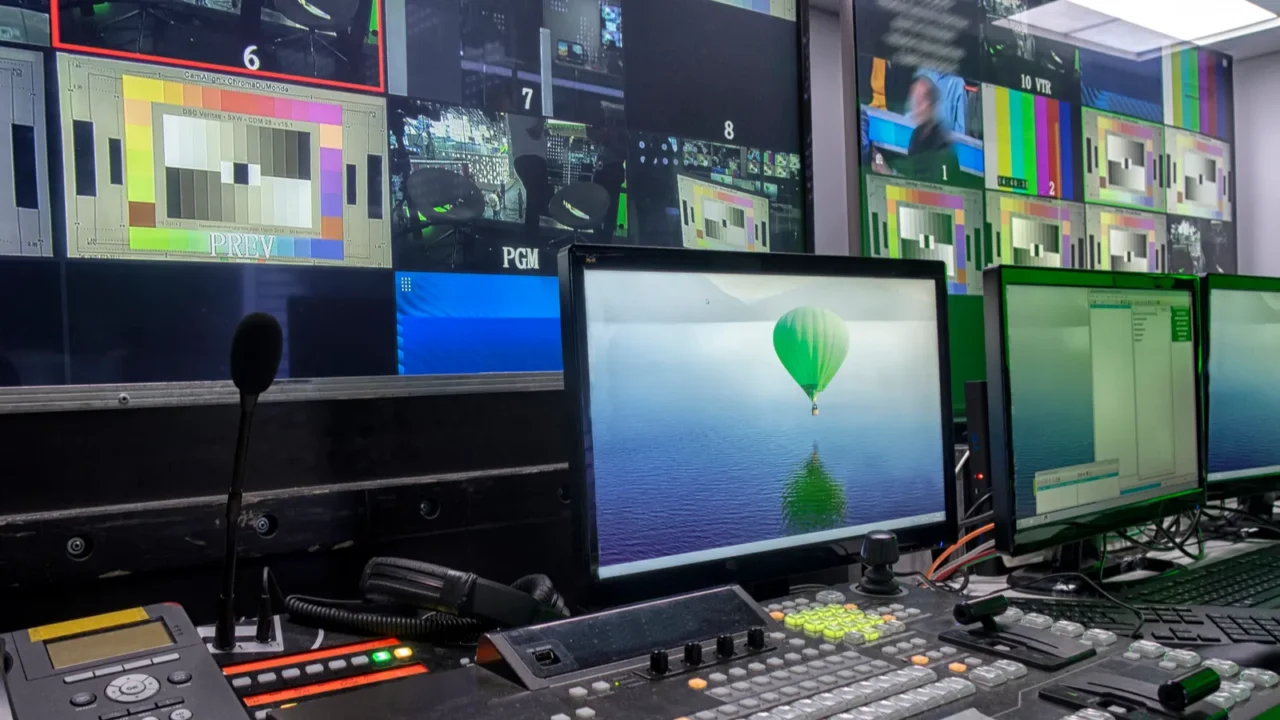
Russia has actively shaped international narratives to frame both wars as challenging Western hegemony. Moscow’s media emphasize multipolarity, critique NATO policy, and appeal to audiences in the Global South.
This information strategy seeks to soften criticism of Russian actions in Ukraine and refract attention onto broader geopolitical grievances, influencing public opinion beyond traditional Western spheres.

Long-term strategic calculus
In the long term, the interplay of these wars will continue shaping alliances and security commitments. Russia’s short‑term advantages from a divided Western focus may not translate into lasting success.
Strategic risks, shifting loyalties, and evolving technology will influence future negotiations, defense spending, and regional balances of power, particularly around critical chokepoints like the Strait of Hormuz, emphasizing the importance of global attention.
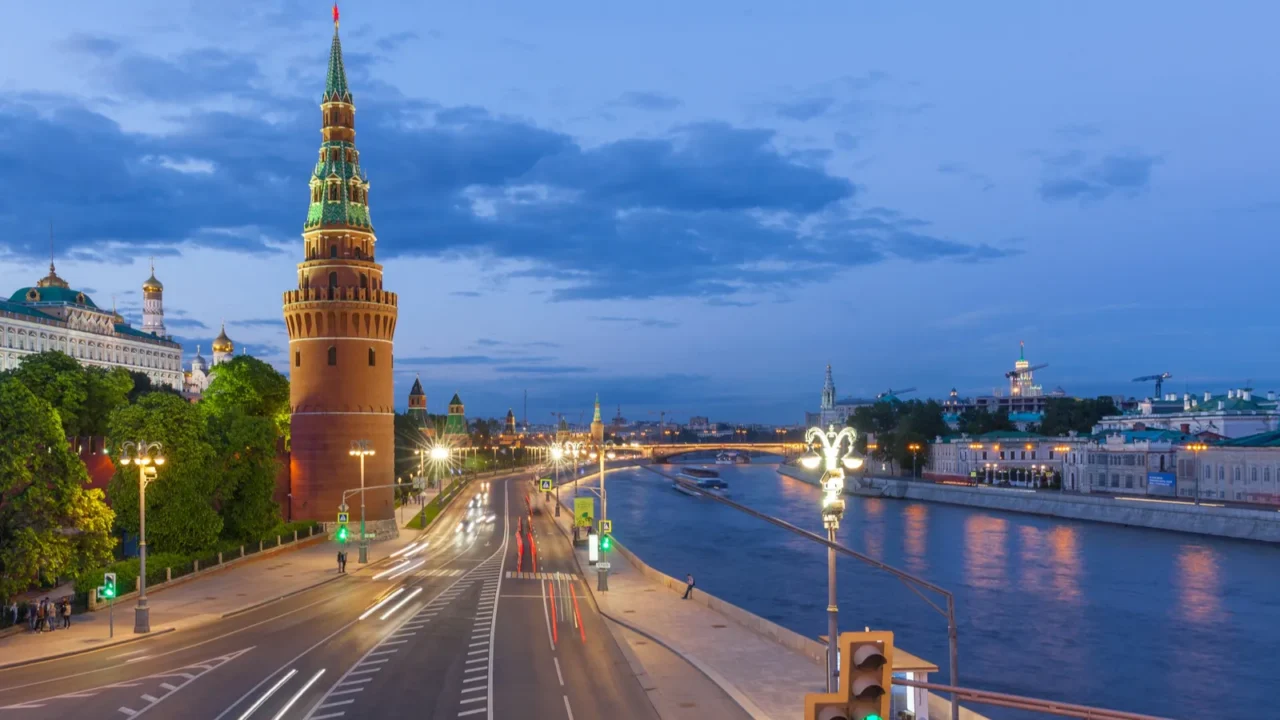
Russia’s dual challenge
Ultimately, Russia’s Ukraine strategy intersects with the Iran conflict in complex ways. Moscow gains some advantage from divided Western attention and economic swings, yet faces new geopolitical risks.
The global order shifts under pressure from these overlapping wars, with potential consequences highlighted by recent Iran setback, underscoring how unpredictable developments can reshape Russia’s approach in Ukraine.
Could the Iran war be the hidden force shaping the future of Russia’s Ukraine strategy? Let us know in the comments.
This slideshow was made with AI assistance and human editing.
Don’t forget to follow us for more exclusive content right here on MSN.
Read More From This Brand:
