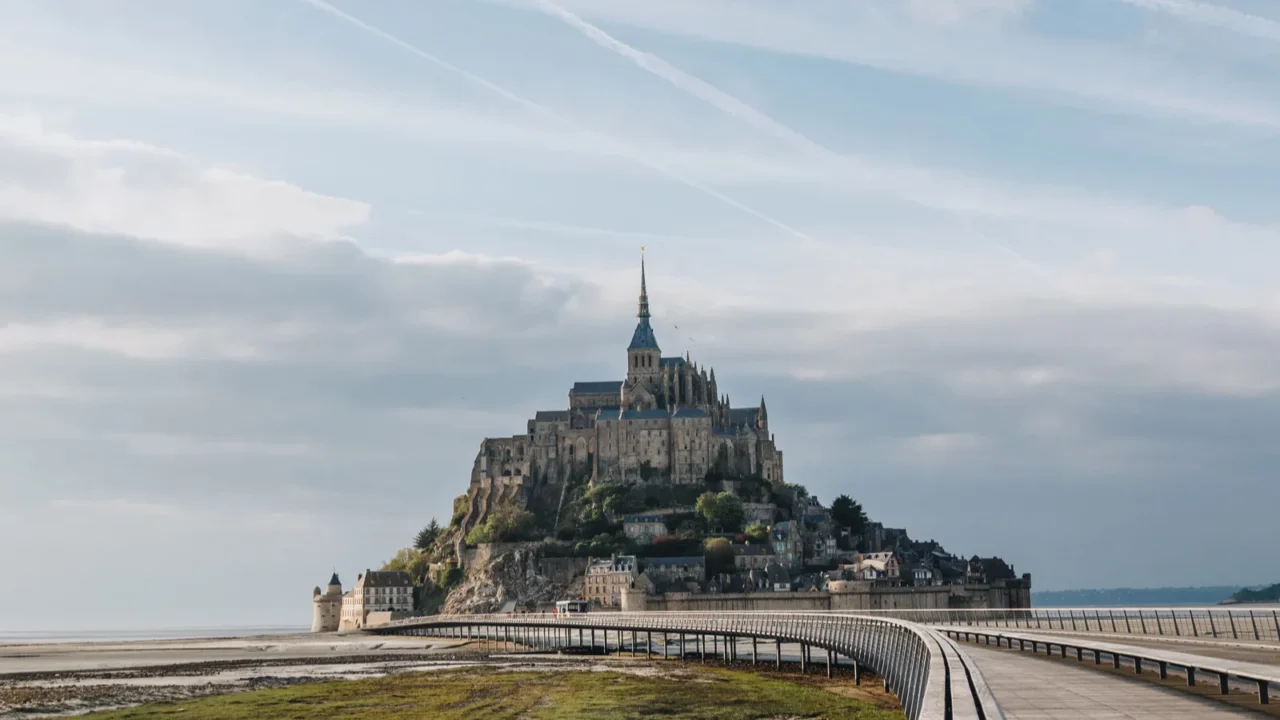
Newly found wonders
Many newly uncovered sites are opening the door to fresh discoveries that feel exciting and untouched. Travelers are drawn to places where history is still being pieced together by experts in the field. These early visits offer a rare chance to see heritage before the world rushes in.
These findings come from verified archaeological reports released by National Geographic, Smithsonian Magazine, and UNESCO announcements. Each discovery still carries the quiet charm of a place that has not yet been overwhelmed. Let’s dive in!
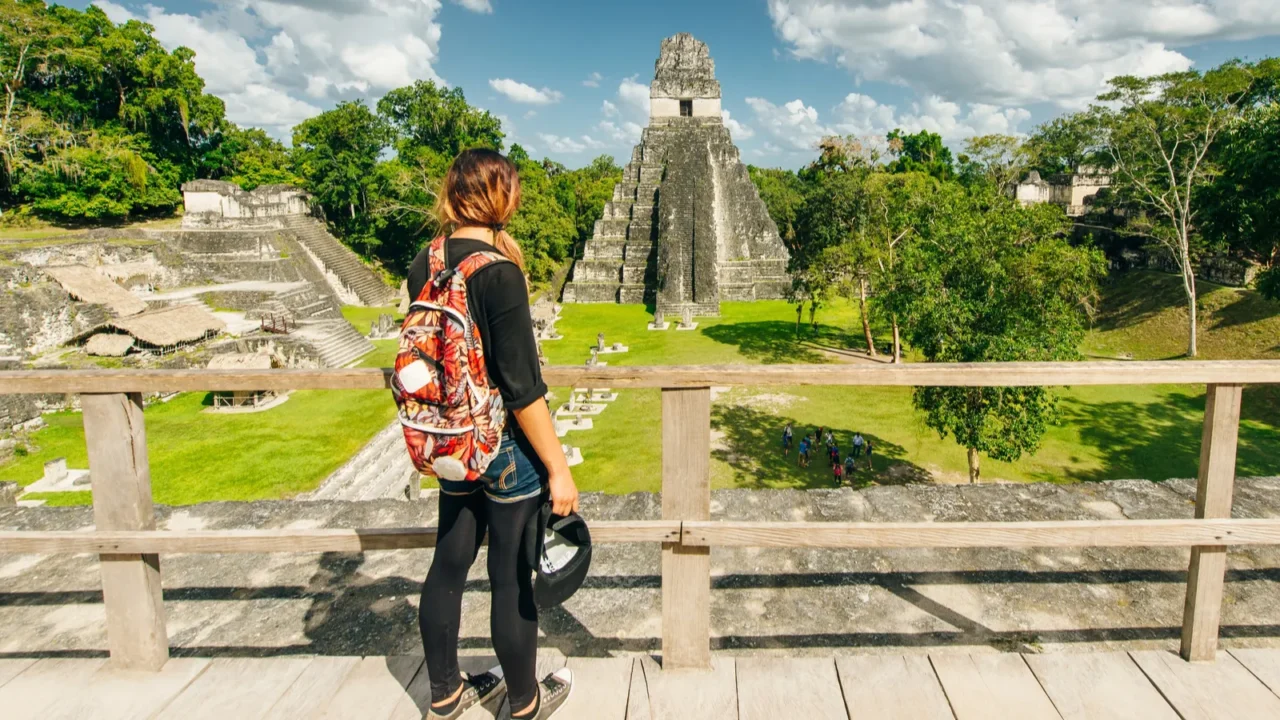
Lost Maya chambers
Recent excavations in Guatemala revealed hidden Maya chambers beneath old temple structures, according to Smithsonian Magazine reports. These spaces contain artwork and offerings that remained sealed for centuries and still feel remarkably intact. Travelers who visit now can experience the site before increased attention changes its atmosphere.
Archaeologists note that the passageways feel surprisingly preserved in color, layout, and story based on field notes published by the Pacunam archaeological foundation. These discoveries show how much Maya civilization continues to surprise explorers today. The early access window makes this site deeply special.
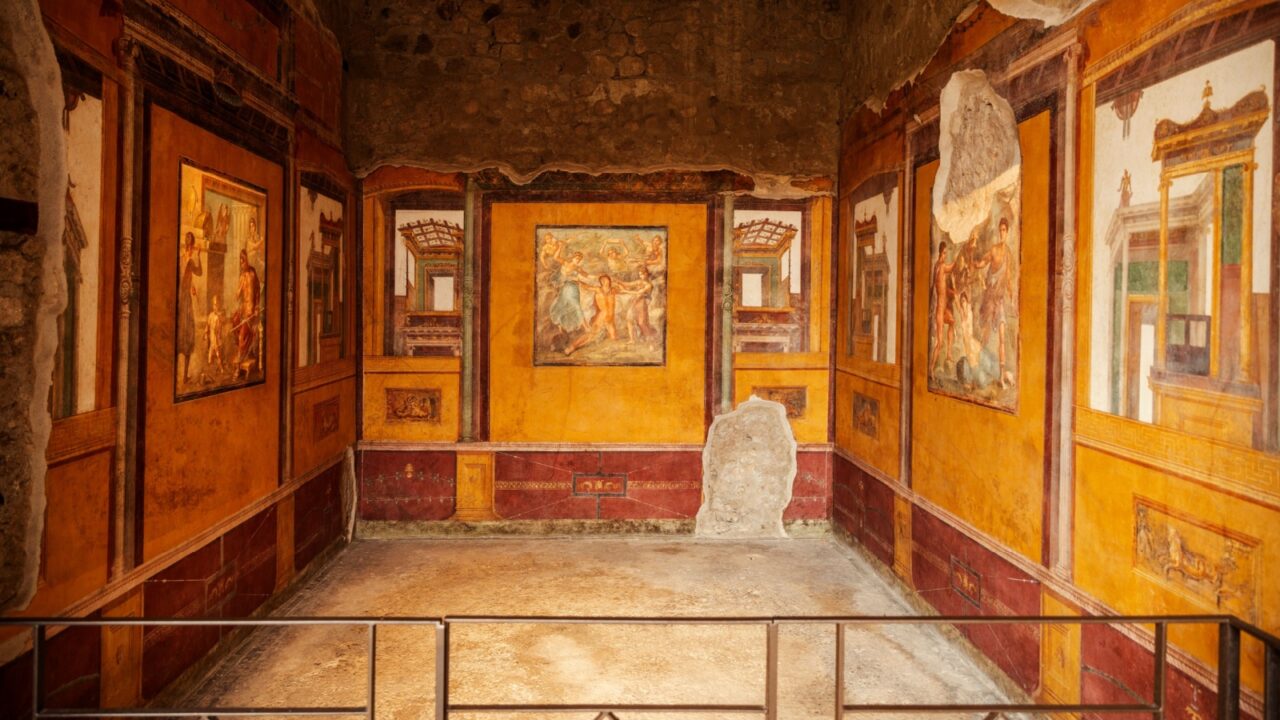
Pompeii’s new fresco rooms
Ongoing work in Italy at Pompeii uncovered vibrant fresco-filled rooms described in recent National Geographic coverage. These rooms display mythological scenes and daily life moments that survived under layers of ash. Travelers can explore them before crowds make the area harder to navigate.
Experts say the colors remain striking due to minimal exposure since excavation began, which preserves their powerful visual impact. Visiting now lets travelers appreciate the artwork while it’s still freshly revealed and closely monitored. The sense of immediacy adds emotional weight.
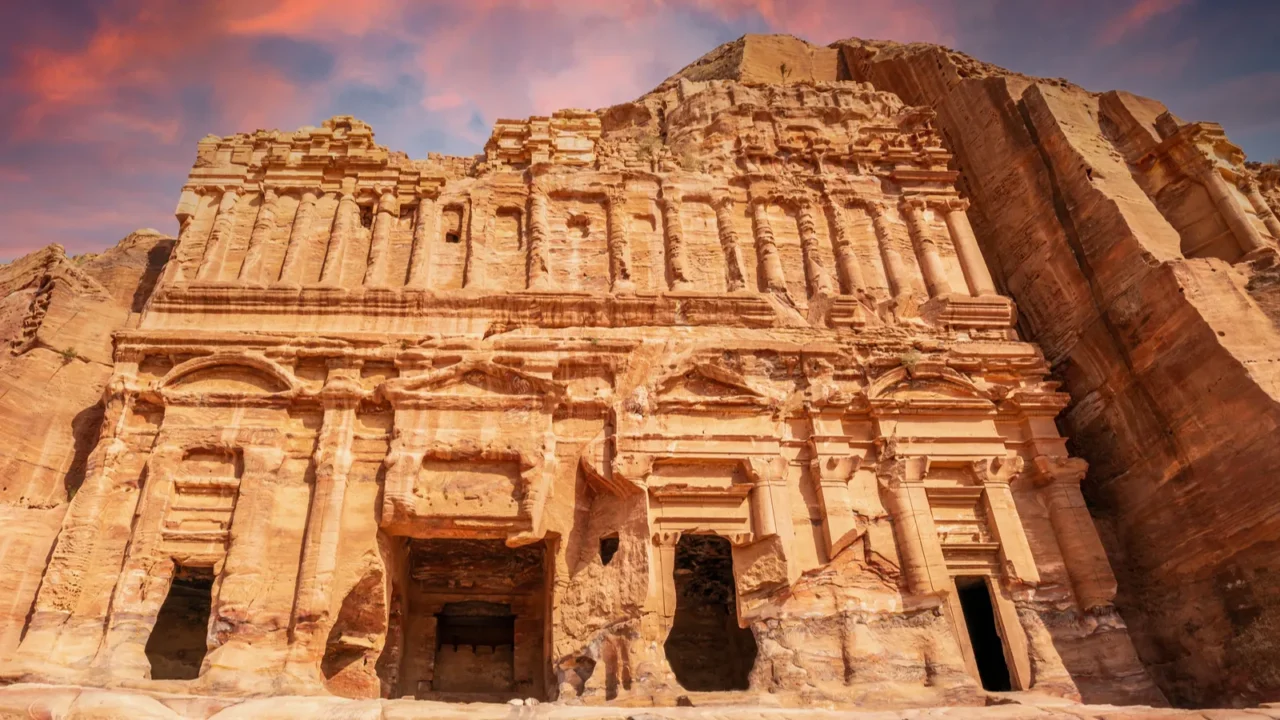
Ancient Nabataean site
Archaeologists in Saudi Arabia uncovered new Nabataean structures outside the well-known city of Hegra, according to UNESCO cultural field updates. These include temples and living quarters that give insight into early settlement patterns. The area is slowly opening to responsible tourism with careful oversight.
Researchers explain that the structures mirror the artistry of Petra yet sit in a quieter landscape preserved by desert conditions. Travelers who appreciate early architecture can explore these remains before large tour groups arrive. This calm setting makes the history feel more intimate.
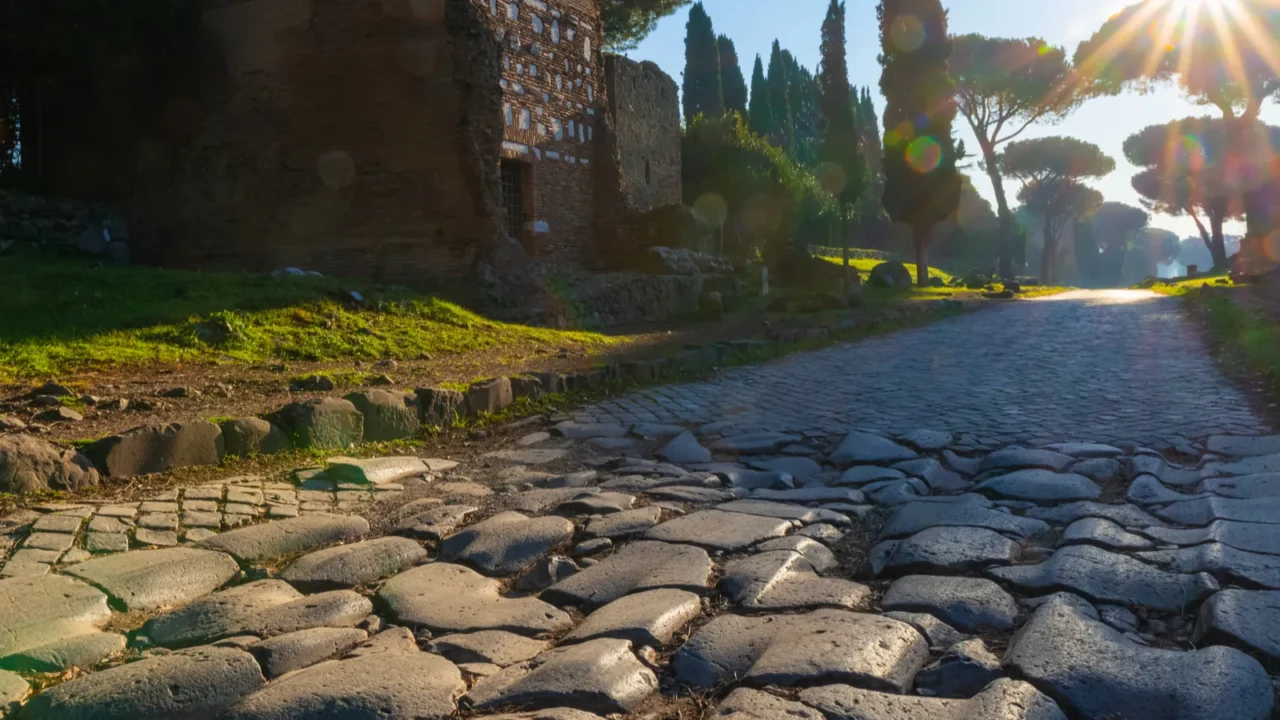
Roman road networks
A newly mapped Roman road network found in Britain was confirmed through ground surveys and laser scanning studies published by Historic England. These roads connect rural settlements and reveal how deeply the empire shaped the countryside. Travelers can follow intact segments across quiet farmland.
The route preserves stonework and alignments that survived beneath soil for centuries, according to the research team’s reports. Exploring them now offers a rare and peaceful look at Roman engineering. The pathway feels authentic and untouched by modern tourism.
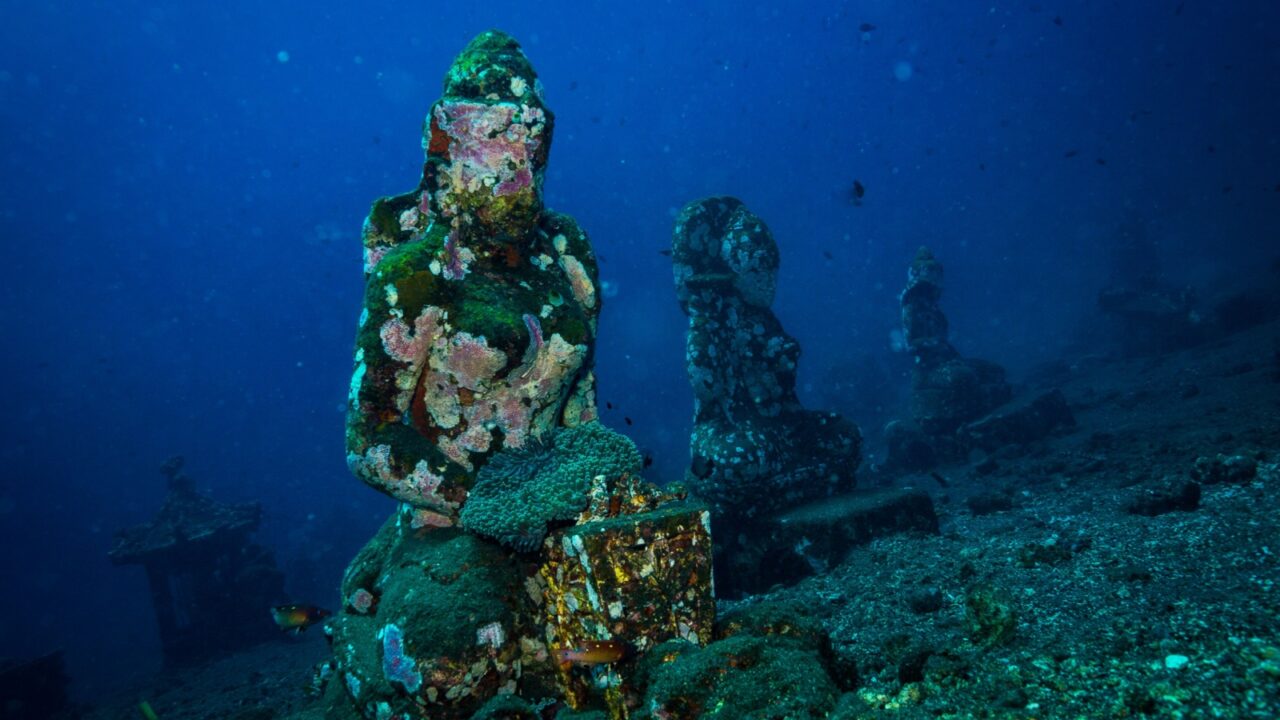
Underwater temple stones
Marine archaeologists working off the coast of Egypt uncovered submerged temple stones described in recent journal publications from the European Institute for Underwater Archaeology. These remains suggest ceremonial structures once stood along an ancient shoreline. Divers and boat visitors can see the area before larger expeditions expand access.
Clear waters allow travelers to view carved blocks, columns, and old foundations that rest quietly under the waves. Specialists believe much more lies buried in sand and sediment, which heightens the sense of mystery. Visiting early brings a feeling of witnessing discovery unfold.

Neolithic ritual circles
Excavations in Scotland revealed stone circles and wooden ceremonial structures that date back thousands of years, according to reports from the University of Aberdeen archaeology department. These finds show early ritual life outside major known sites. Today, they sit in peaceful rural fields with minimal crowds.
Researchers say the layouts offer clues about early community gatherings and seasonal rituals. Travelers walking around the markings feel connected to deep time gently and respectfully. Visiting now preserves that quiet experience.
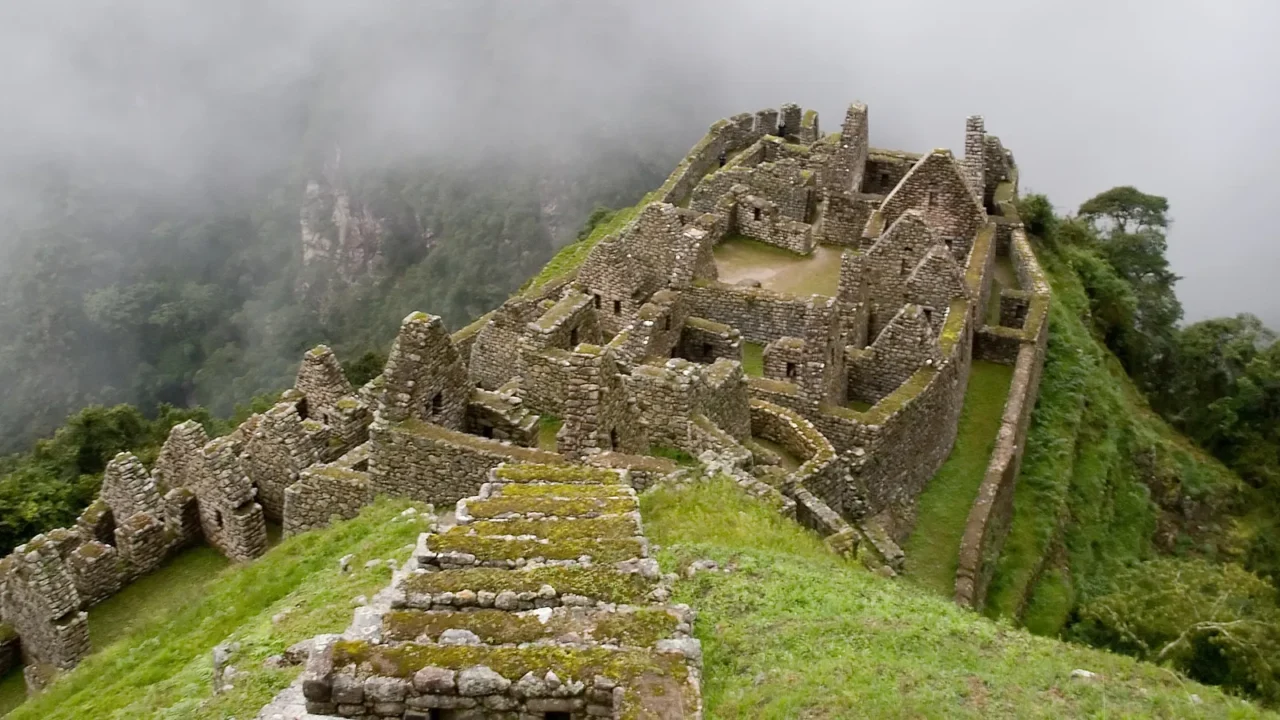
Andes hillside settlement
A newly documented settlement in Peru was announced through findings published by National Geographic researchers. Stone terraces, pathways, and domestic areas suggest a once thriving Andean village hidden in remote highland terrain. Visitors who journey there now enjoy clear views without heavy foot traffic.
Archaeologists say this discovery helps fill gaps about regional life beyond major sites like Machu Picchu. The landscape remains open and serene, with structures still being studied. Travelers get a rare close look at history still unfolding.
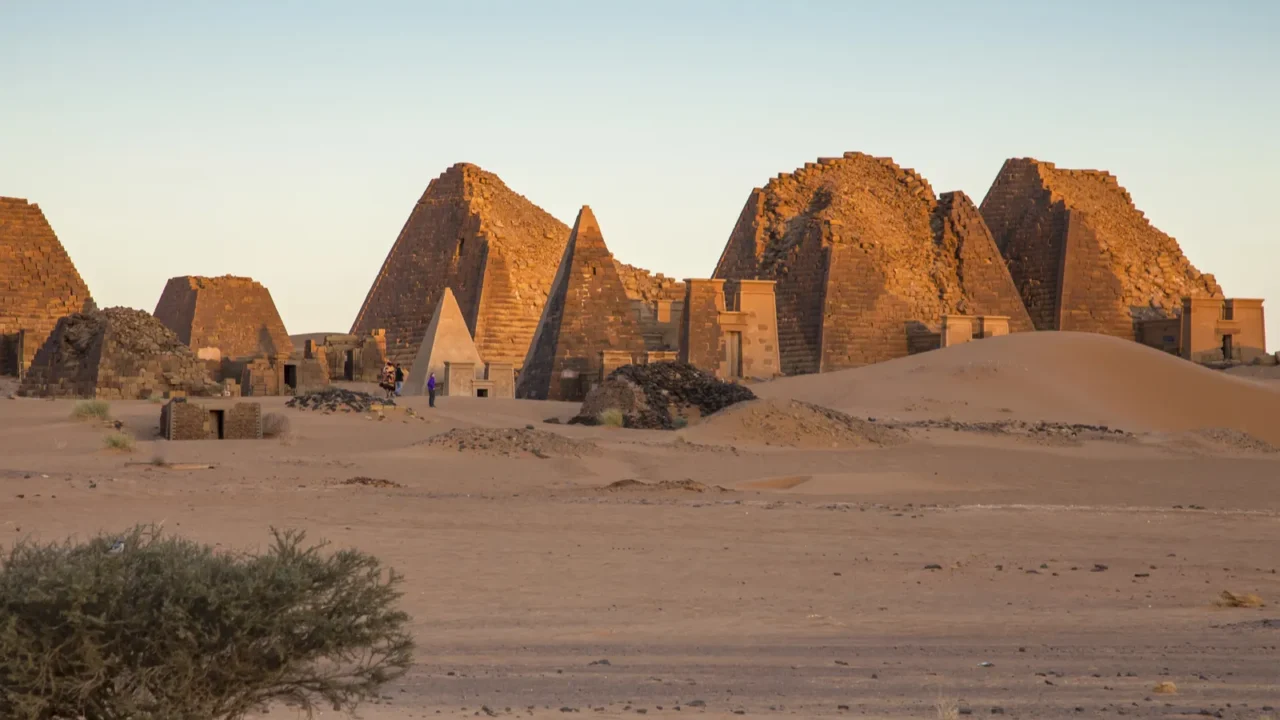
Hidden desert tombs
In Sudan, ongoing excavations revealed ancient tombs from the Kushite Kingdom based on updates from the Sudan National Museum’s archaeological division. These tombs contain carvings, pottery, and burial chambers that survived with minimal exposure. They offer travelers a glimpse into a powerful yet often overlooked civilization.
Experts state that the sand helped preserve the structures, which keep the artwork sharp and readable. Visitors walking the site now can appreciate details before larger numbers change the experience. It feels meaningful and authentic in its current state.
Buddhist monastery remains
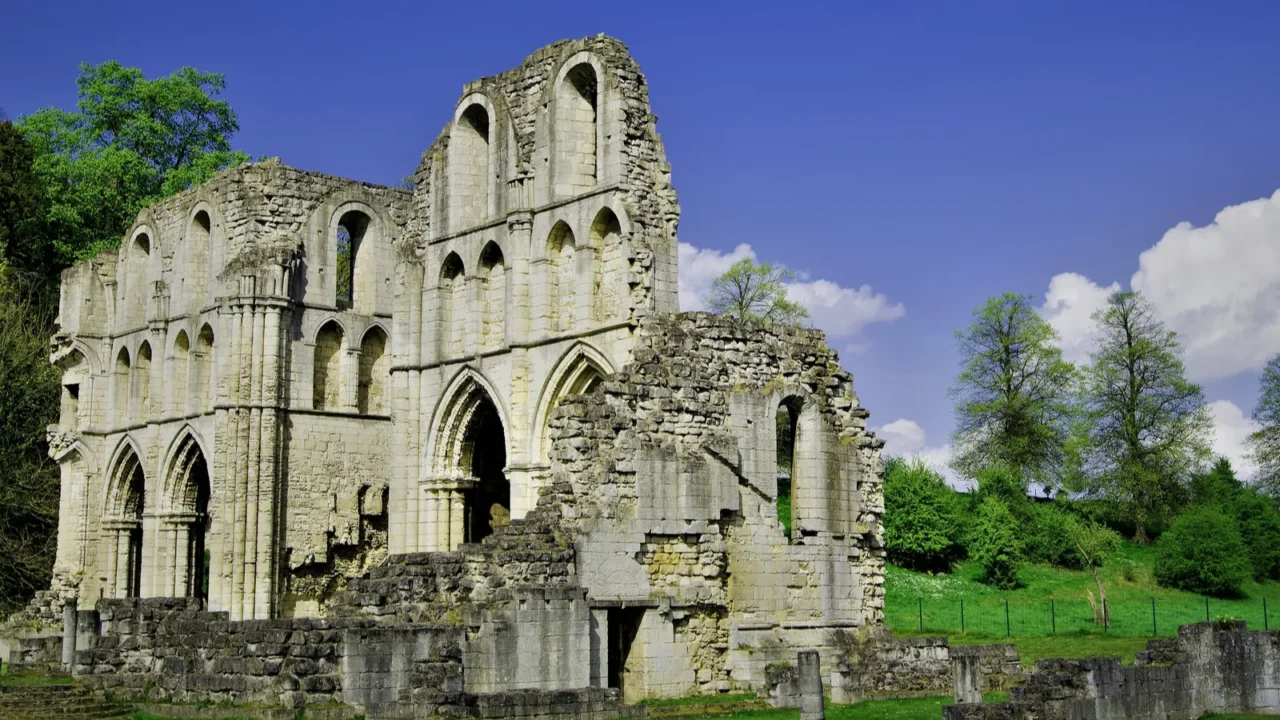
Fresh discoveries in Nepal uncovered monastery foundations and ritual areas, according to reports from the Department of Archaeology, Nepal. These findings indicate early Buddhist communities lived and practiced there long before famous sites rose to prominence. The area is calm with gentle village surroundings.
Walls, statues, and ceremonial spaces appear slowly as excavations continue under careful supervision. Travelers visiting early can appreciate a site in transition from discovery to preservation. The atmosphere carries a quiet sense of spiritual history.
Forgotten fortress ruins
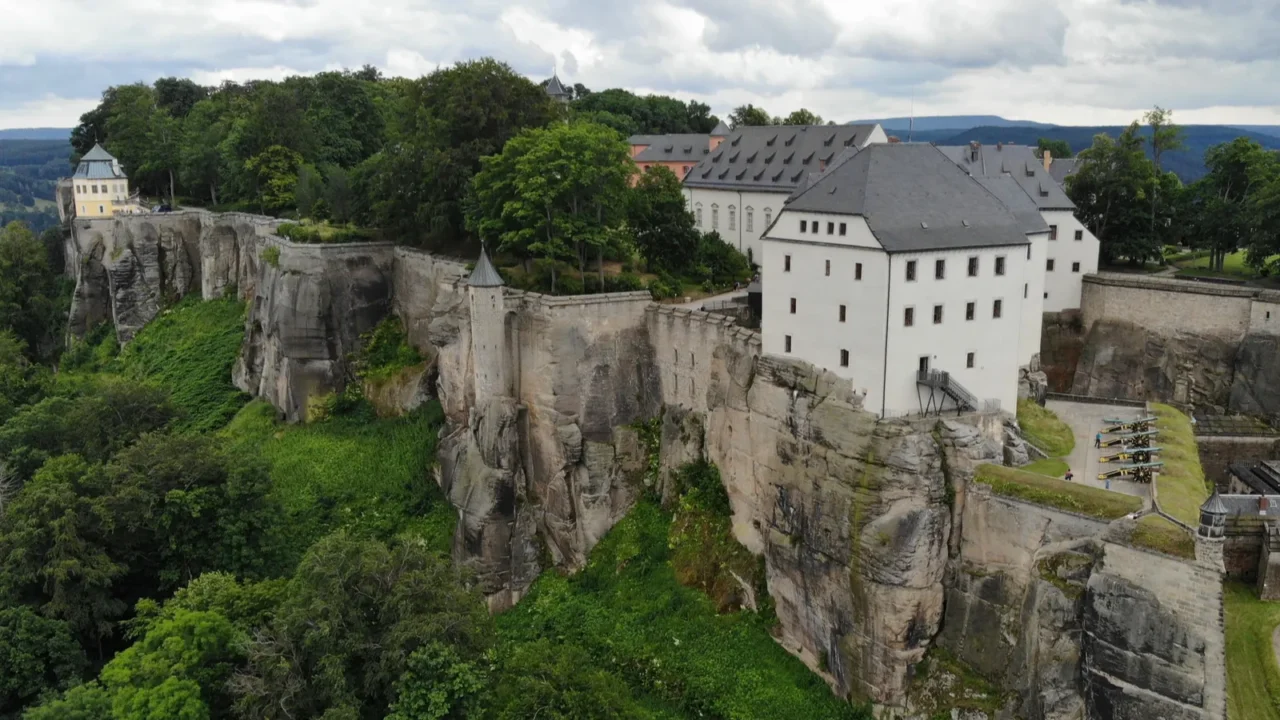
Archaeologists in Albania announced the uncovering of an old hilltop fortress in research published by the Albanian Institute of Archaeology. The stone walls and towers remained hidden behind vegetation for generations. Travelers can explore the site now while it retains a raw and rugged charm.
Researchers say the location once served as a strategic center for trade and defense, which adds depth to the landscape. Visiting while it is still being cleared allows a rare mix of adventure and learning. It feels immersive and real.

Desert caravan stations
Across Jordan, teams documented newly found caravan stops that supported trade along old routes, according to Jordan’s Department of Antiquities reports. These include storage rooms, rest stations, and water systems used by traders for centuries. Today, the quiet desert surroundings keep them beautifully preserved, offering a sense of untouched history, much like exploring historic castles, you can actually spend the night in.
Archaeologists believe further excavation will reveal even more about commerce and daily life in these remote areas. Travelers who appreciate history can visit before infrastructure and attention transform the region. The open landscape adds to its charm.
Which discovery draws attention
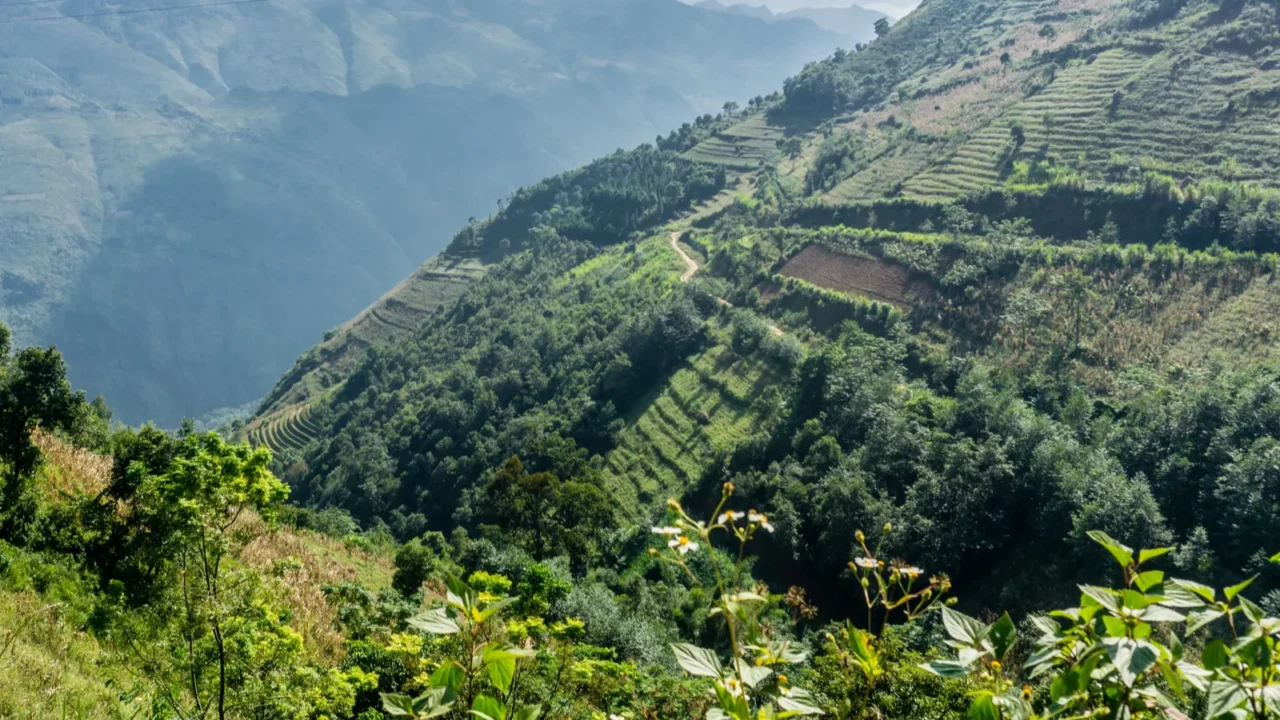
Newly uncovered sites give travelers a chance to witness history before global tourism reshapes these spaces. Each location carries powerful stories that feel fresh and meaningful because the world is only beginning to learn about them. Seeing them early can create memories rooted in authenticity.
So, what site sparks curiosity the most after seeing these discoveries? Do any of these fresh finds feel like places worth exploring before the crowds arrive? Share thoughts and travel dreams in the comments.
This slideshow was made with AI assistance and human editing.
Disclaimer: The images used are for illustrative purposes only and do not depict the actual locations mentioned.
Don’t forget to follow us for more exclusive content right here on MSN.
Read More From This Brand:
