A turning point in travel
The FAA just announced a major change by rescinding the emergency flight cuts after the U.S. shutdown. Travelers and airlines are now seeing a clearer path to more stable operations.
The decision comes after weeks of delays and uncertainty that affected millions of passengers. Airports were under pressure to manage fewer controllers and keep flights safe. Now, the system is slowly moving back toward normal. Let’s dive in and explore what this means for holiday travel.
Why cuts happened
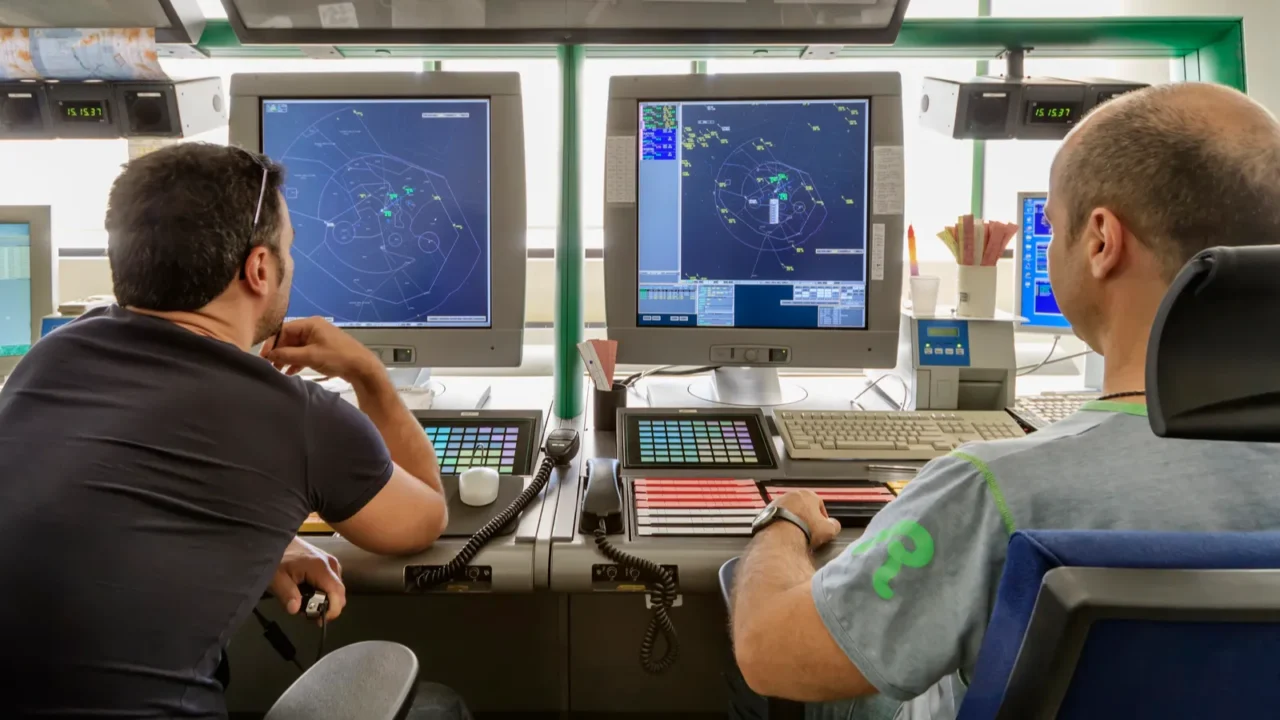
Flight reductions were first imposed because many air traffic controllers were absent during the shutdown. Safety concerns meant the FAA could not operate at full capacity across major airports. Limiting flights was the most practical way to prevent accidents and chaos.
This created a ripple effect across airlines and travelers alike. Some flights were delayed or canceled at the last minute. Holiday travel faced an unusually stressful start.
Disruption at its peak
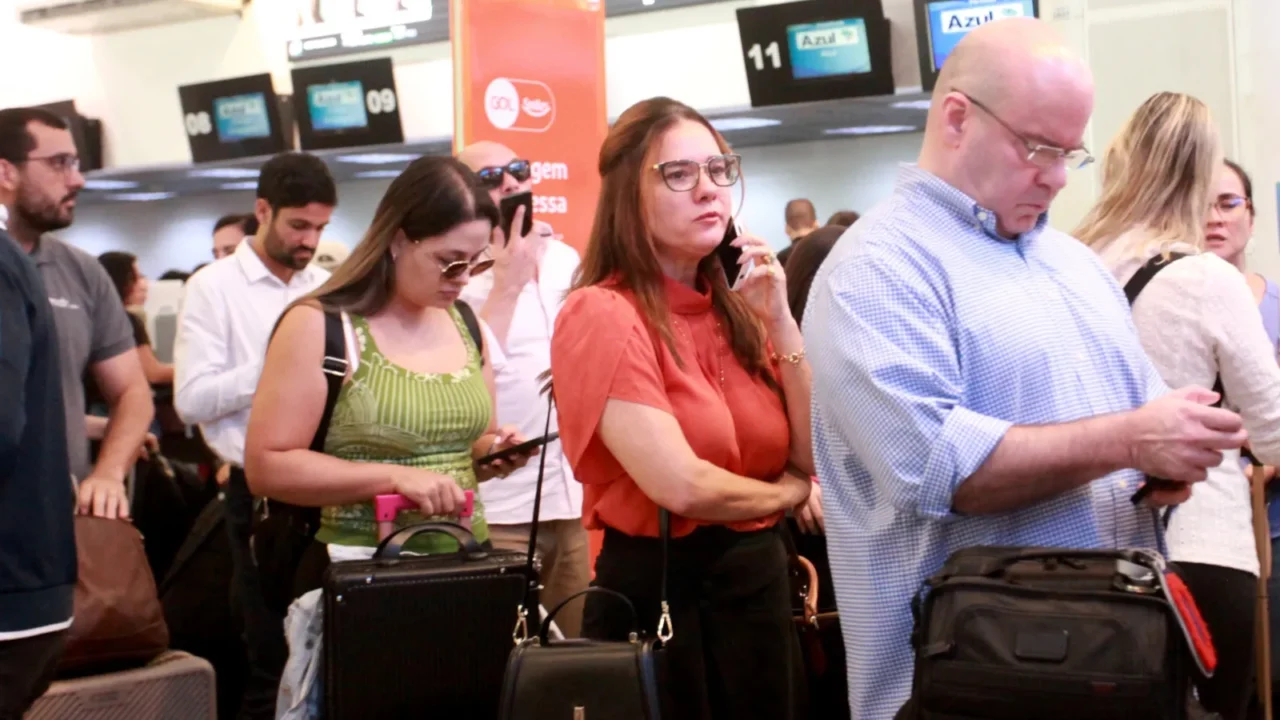
At the height of the shutdown, thousands of flights were affected daily. More than 9,000 cancellations piled up in just a few weeks. The delays caused long lines, frustrated travelers, and massive operational headaches for airlines.
Major hubs like Chicago, Atlanta, and New York were hit the hardest. Many airports were forced to reduce the number of departures. Travelers had to adapt to sudden changes in plans.
Staffing improvements emerge
The FAA reports that controller staffing has stabilized since the shutdown ended. More personnel have returned to towers, easing operational strain. This gave officials confidence to remove the severe flight restrictions.
Airlines are gradually increasing their schedules in response. Recovery will not be instantaneous, but trends are positive. The reduced pressure allows airports to manage flights more efficiently.

Recovery is gradual
Even though the order is lifted, normal operations will take time to resume fully. Airlines need to adjust schedules and coordinate crew availability. Passengers may still see minor delays during the transition period.
Travelers should remain patient while systems catch up. Coordination between airlines and air traffic control is key. The recovery phase will shape the holiday travel experience.
Cut rate stays moderate
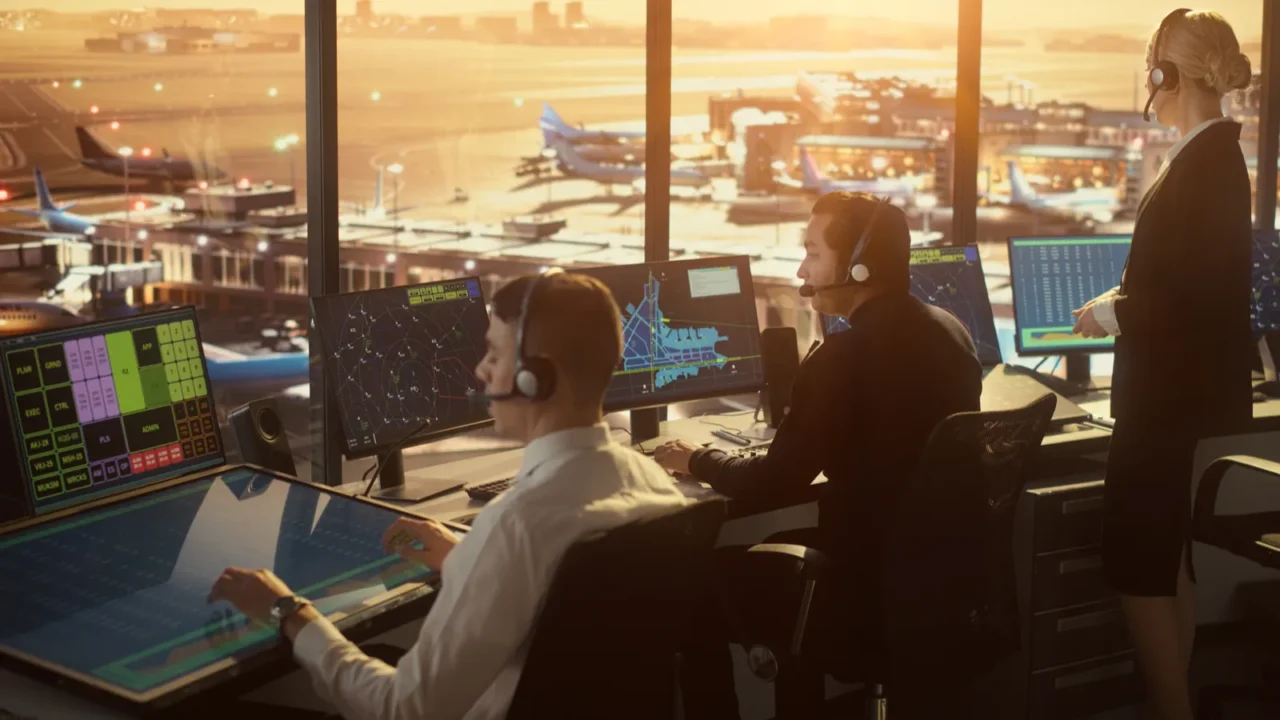
The FAA decided to keep flight cuts lower than originally planned. Instead of a 10 percent reduction, the cap stayed at 6 percent. This reflects cautious optimism about staffing levels returning to normal.
Officials are monitoring the situation daily. Any sudden shortage could lead to temporary disruptions. The agency is prepared to adjust as needed.
Holiday travel under watch
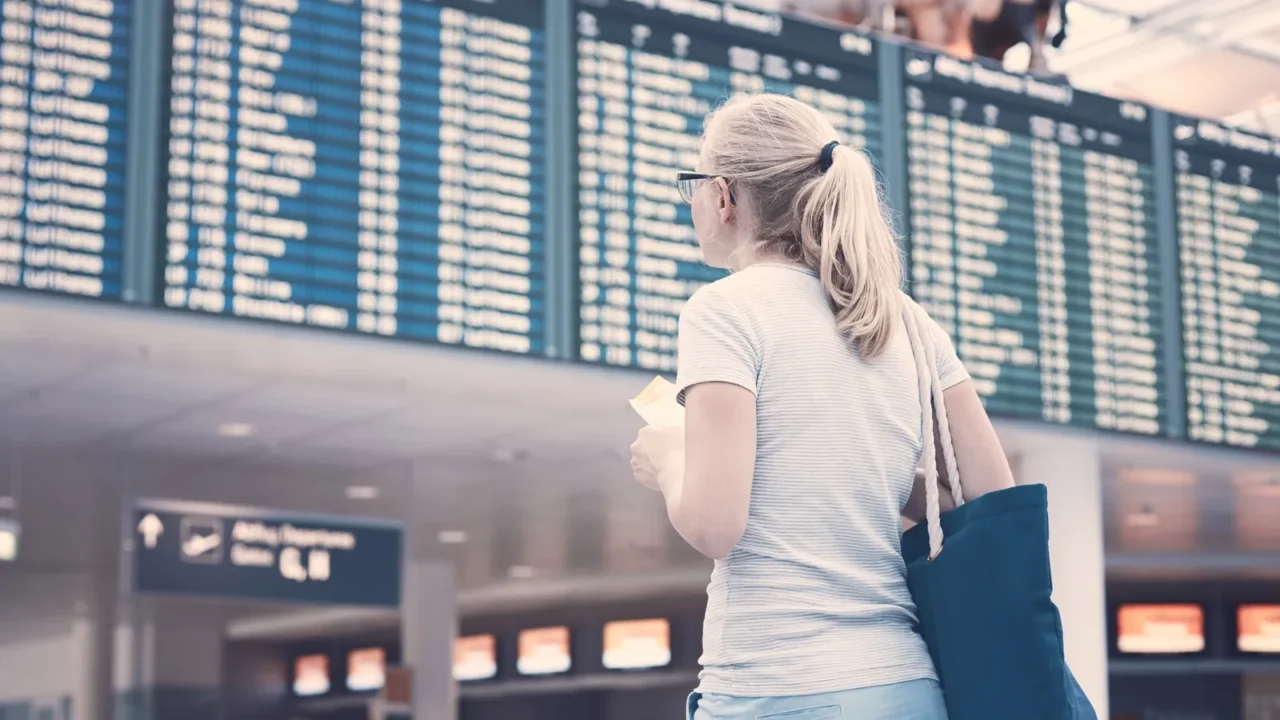
This update is especially important for holidaymakers planning trips soon. Airlines are warning that disruptions might still occur in the short term. Even small delays can ripple across major hubs during peak travel.
Some experts suggest planning extra time at airports. Early check-ins and flexible bookings are recommended. Travelers can minimize stress while the system stabilizes.
Safety remains the focus
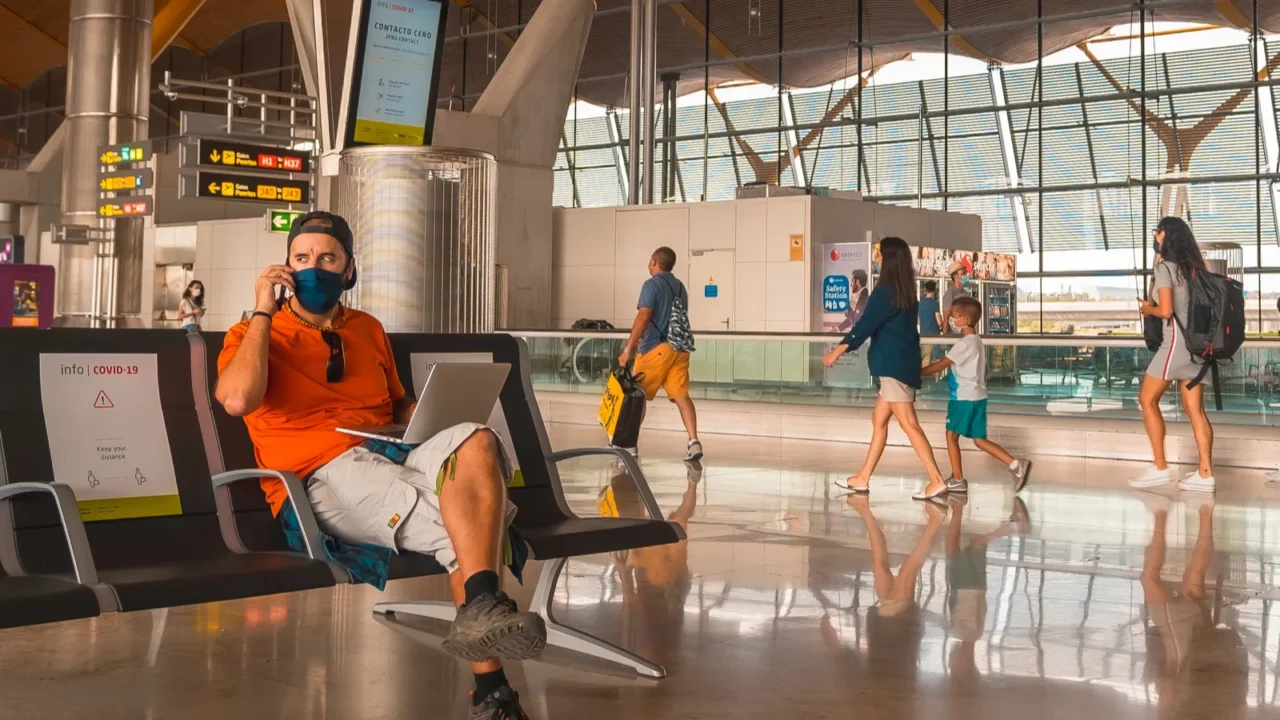
FAA Administrator Bryan Bedford emphasized that safety is still the top priority. Removing the cuts shows improvement but does not compromise caution. Controllers continue to be monitored for workload and fatigue.
Airports are following strict safety protocols. Technology and human oversight work together to manage flights. Safety measures remain at the heart of every decision.
Controller pressure points
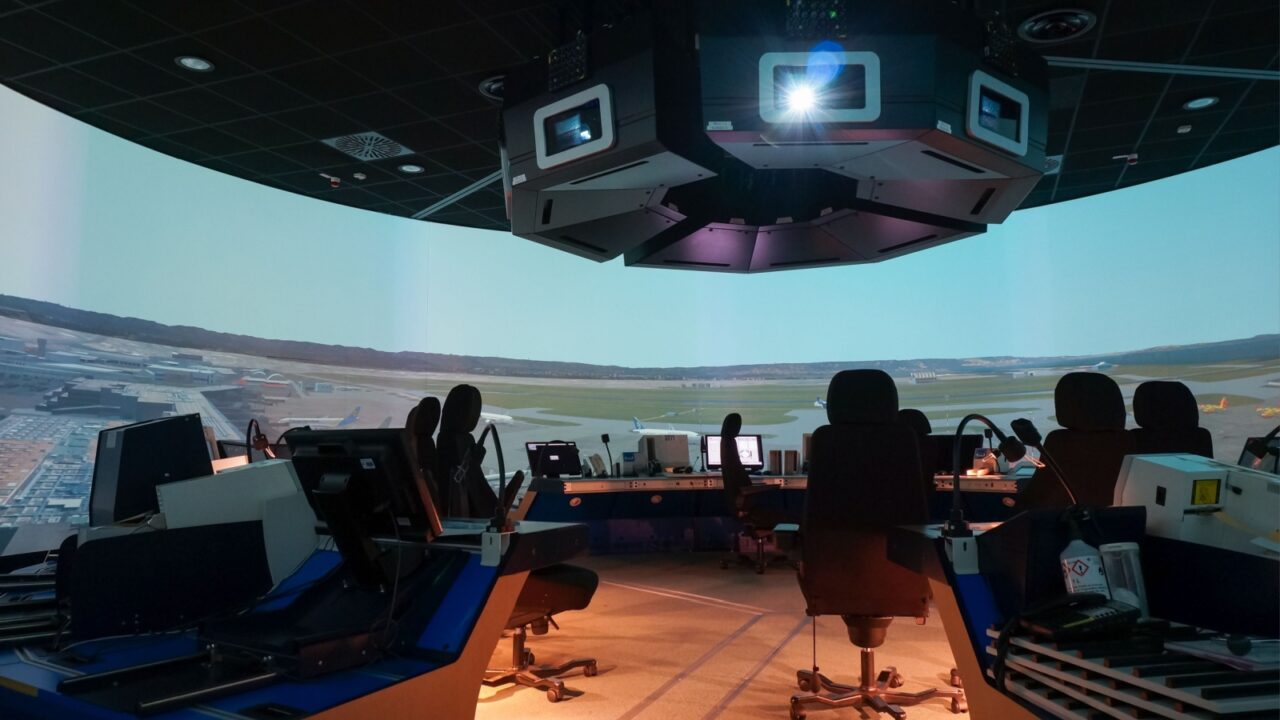
During the shutdown, many air traffic controllers worked without pay. Stress and fatigue reached critical levels in major control centers. Their return is central to restoring full capacity at airports.
The shortage affected both departures and arrivals. Airlines had to plan for gaps in staffing every day. Controllers’ well-being directly impacts the travel experience for everyone.

Longer-term staffing concerns
Even with cuts rescinded, the U.S. remains short on thousands of controllers. Recruiting and training new personnel will take months or years. Any new crisis could again strain the system.
Experts urge proactive planning to prevent future disruptions. Airlines and the FAA must invest in long-term stability. Travelers may see improvements gradually over time.
Airlines adjust quickly
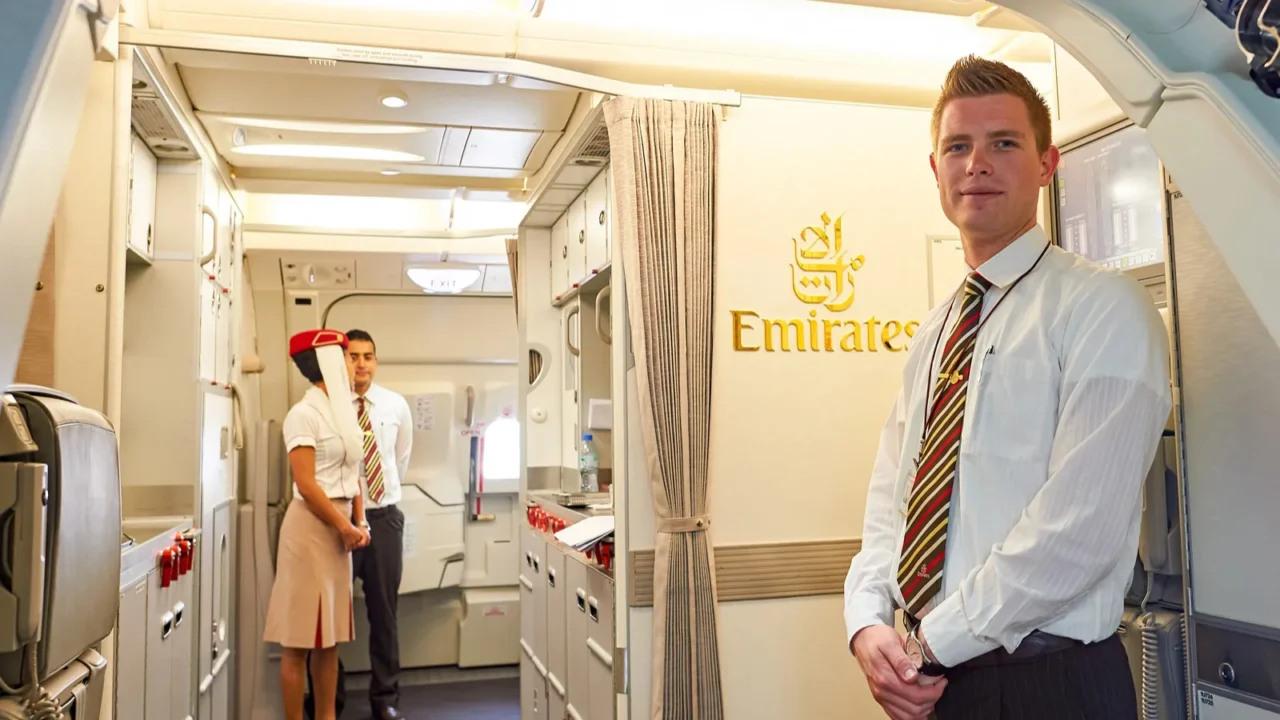
Airlines are reorganizing schedules to reflect the lifted flight caps. Major carriers are increasing departures at key hubs. Coordination with air traffic control ensures smoother operations going forward.
This helps reduce delays that frustrated travelers earlier. Airlines are emphasizing communication and flexibility. Holiday schedules can now be executed with more confidence.
Optimism builds slowly
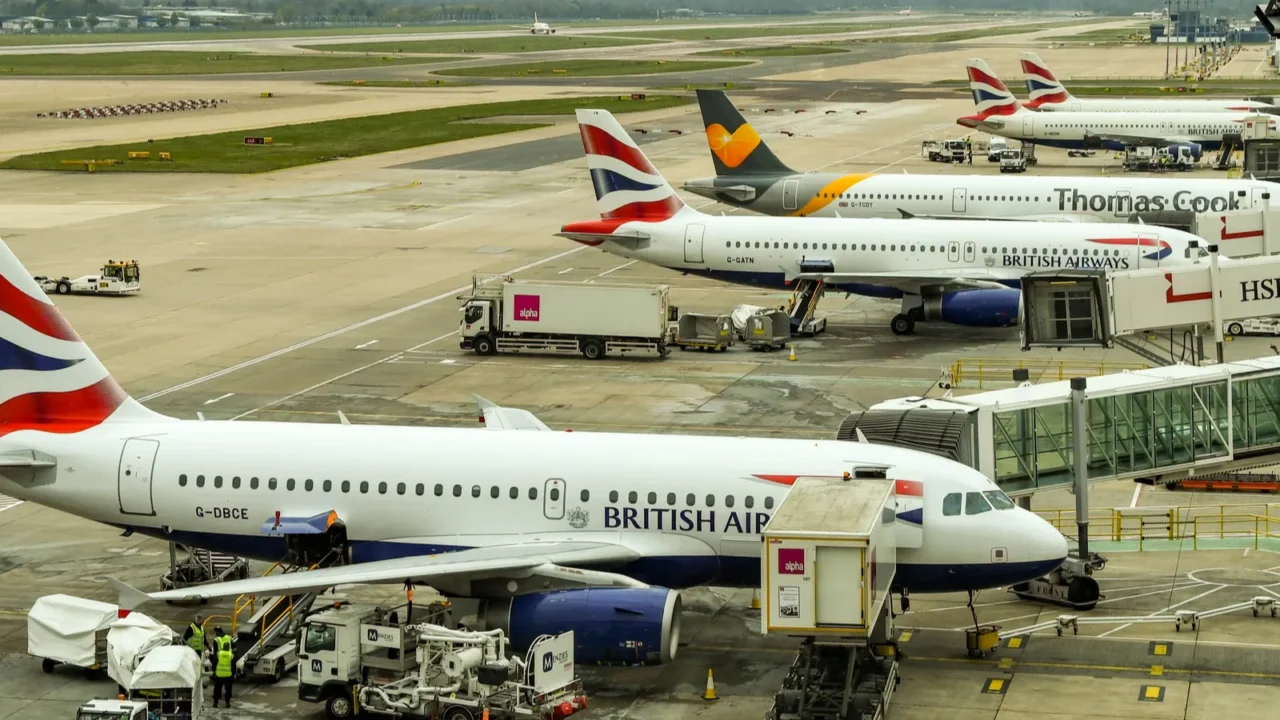
The rollback signals a hopeful moment for the aviation industry. While recovery is not instant, trends point toward stability. Travelers and airlines can begin to plan with more certainty. This comes after the U.S. had planned to slash 10 percent of flights at major airports amid a record shutdown.
The FAA is watching conditions daily to prevent setbacks. Airports are ready to accommodate higher traffic volumes. Optimism is cautious but steadily growing.
Travelers share their plans
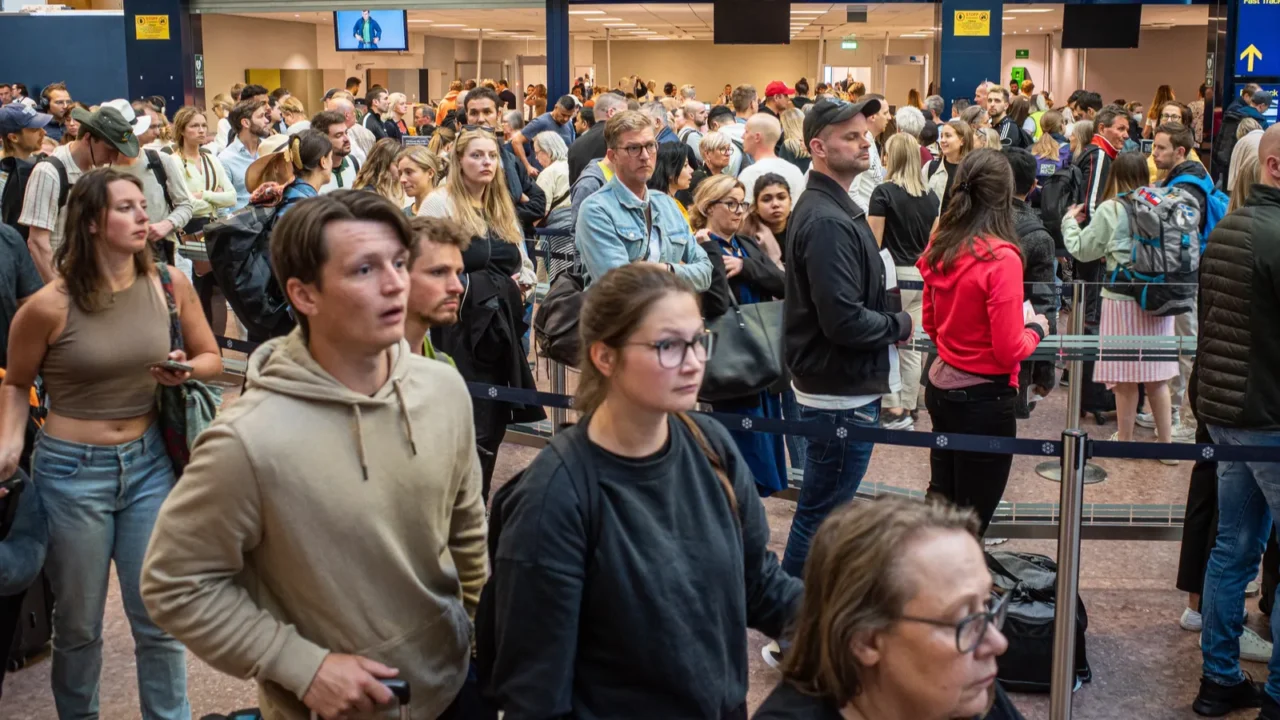
Holidaymakers can now breathe easier but remain mindful of potential delays. Airlines are adjusting schedules, and airports are returning to normal operations. How has this FAA update affected upcoming travel plans? Will trips be rebooked, delayed, or confirmed?
Sharing experiences helps fellow travelers navigate uncertainty. The story of recovery is still unfolding in real time. Let’s hear thoughts about holiday travel during this transition.
Read More From This Brand:
- Explore Arizona’s secret slot canyons that few travelers know about
- Breathtaking spots in mainland Japan every traveler should see
- America’s tourism slump is making room for a new traveler
Don’t forget to follow us for more exclusive content right here on MSN.
This slideshow was made with AI assistance and human editing.
