
Why winter turbulence hits harder
Winter air is tricky; shifting cold and warm fronts, plus jet streams, cause more unpredictable bumps. The FAA explains that turbulence often comes even when the sky looks clear, due to atmospheric pressure and wind changes.
Flight attendants aren’t just going through the motions; they train for emergencies and know how to keep passengers safe and calm. Their real-life experience gives them insight into what helps when things get rough. Let’s dive into some of their go-to tricks.
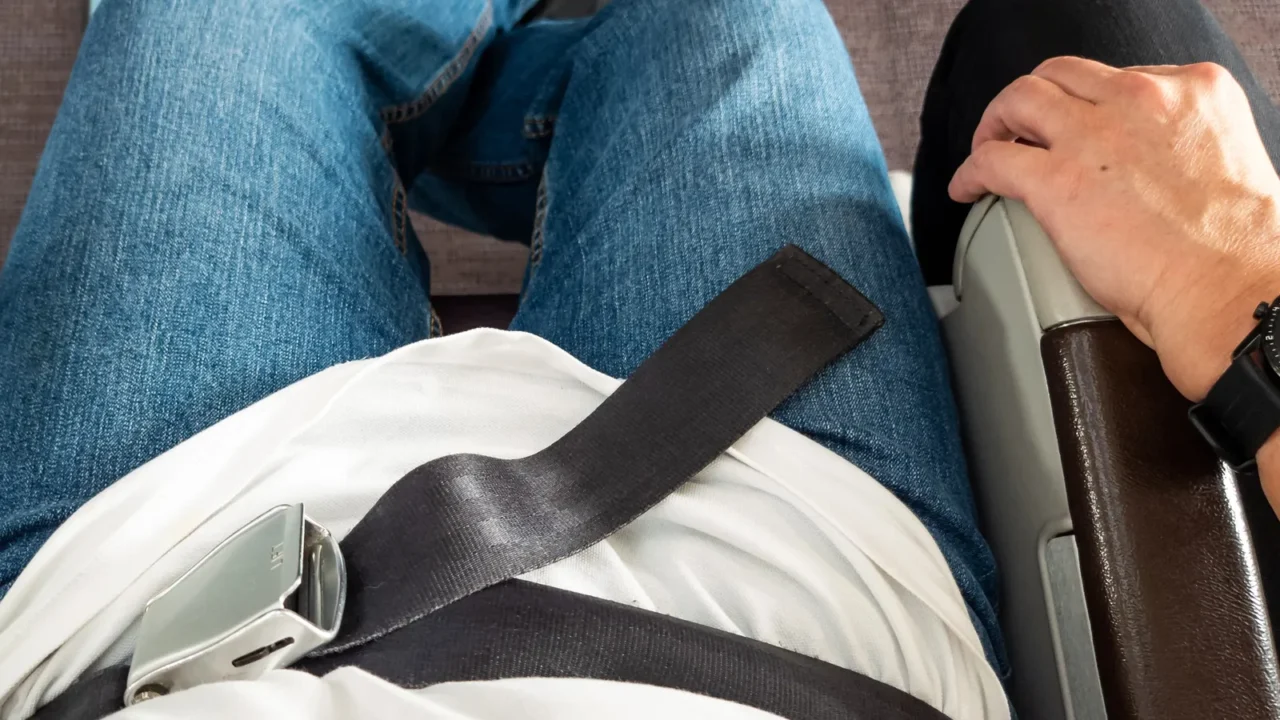
Always wear your seat belt correctly
Crew strongly recommends always keeping the seatbelt on while seated, not just when the sign is lit. The FAA makes it clear, unbelted passengers are the ones most likely to suffer injury during unexpected turbulence. They also stress wearing the belt “low and tight” around the hips for maximum protection.
This is the simplest, most effective personal safety measure in the air, and it’s backed by regulation and crew training.

Ride the bumps with trust
Flight attendants emphasize that turbulence is a normal part of flying and not a sign of danger. According to the FAA, turbulence often comes from invisible air movement and is frequent, even without storms.
When turbulence happens, the crew has a procedure: securing loose items, telling passengers to buckle up, and sometimes pausing service. Recognizing that the attendants and pilots know what they’re doing helps reduce anxiety and makes the bumpy sky feel more manageable.
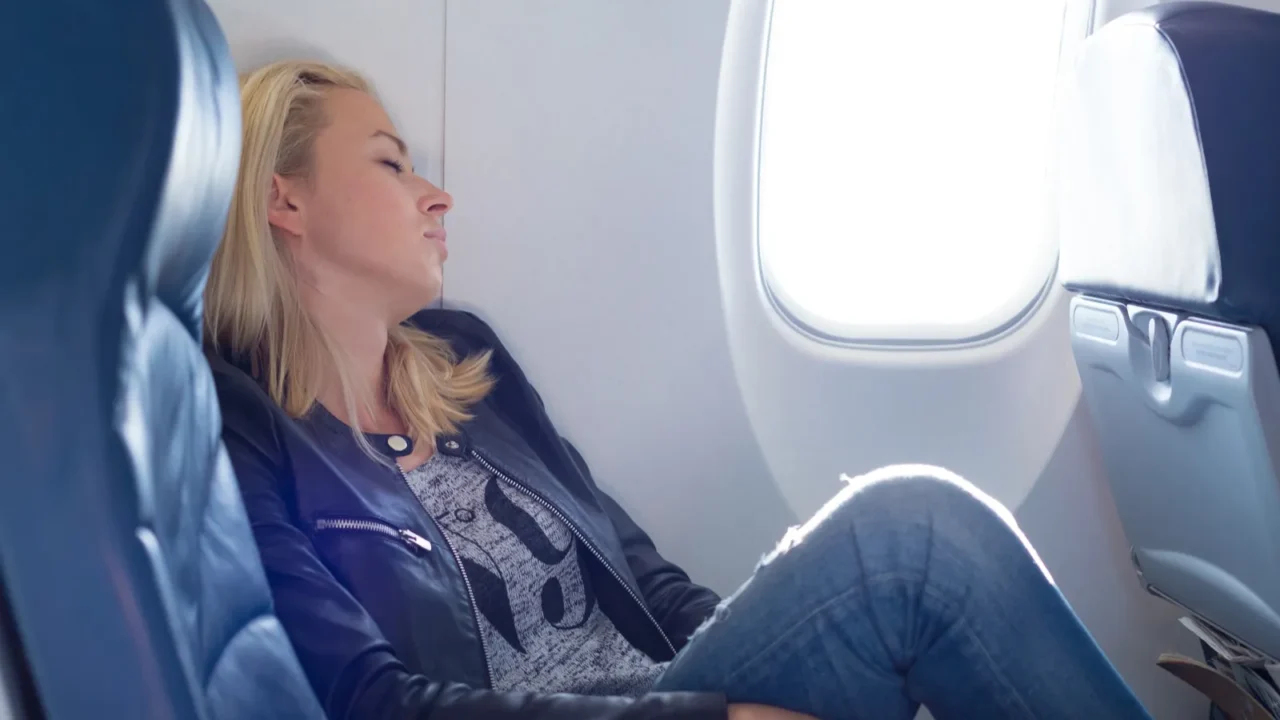
Loosen up with the “jelly” trick
One popular tip from attendants is imagining the body as jelly during turbulence. The idea is to let the body sway gently with the plane, rather than tensing up.
Allowing your muscles to relax reduces stress on joints and makes the bounces feel less jarring. This is a comfort technique, not a replacement for your seatbelt, but a way to help your body ride out the motion.
Choose your seat wisely
Where someone sits can impact how severe turbulence feels. Crew and pilots often recommend seats over the wings or closer to the plane’s center, since they’re more stable.
Seats at the very back of the plane, by contrast, often experience more motion. If possible, booking in a more stable zone can make the ride feel smoother and less unsettling.
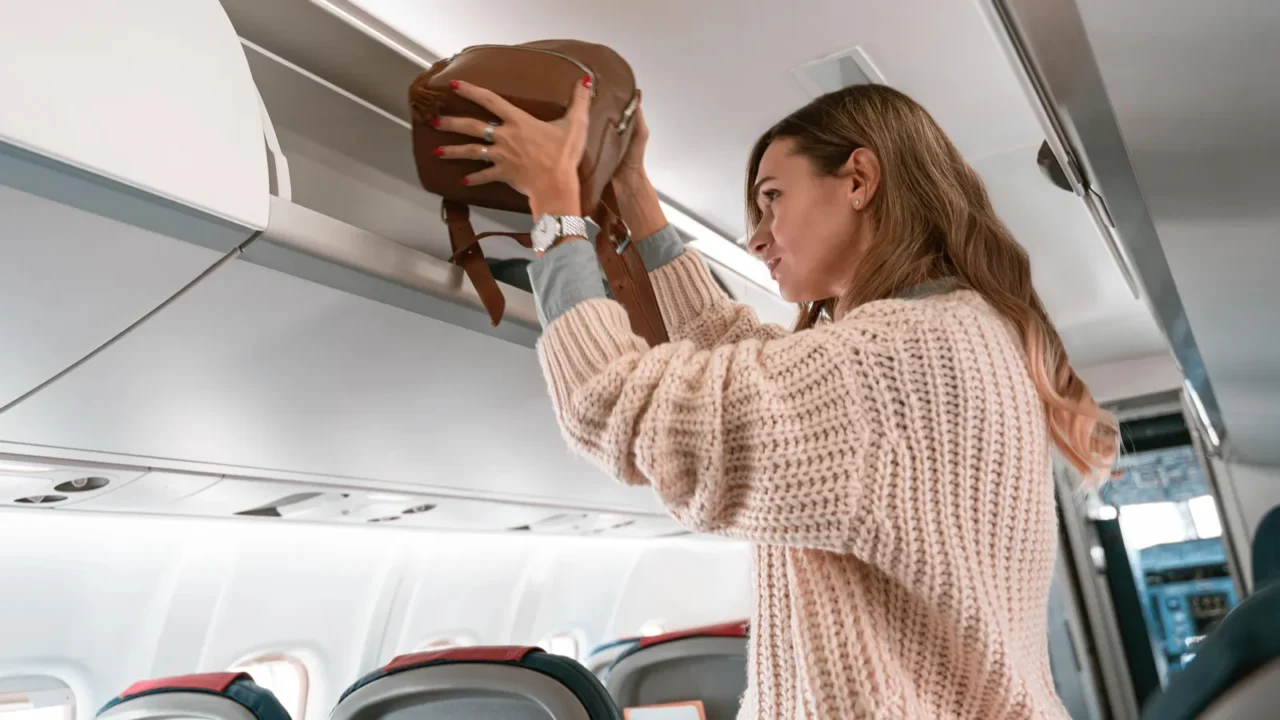
Lock down your belongings
Loose items become a risk during turbulence; they can fly or hit people. The FAA warns that stowing carry-ons securely is key to avoiding injuries. Flight attendants are trained to make sure everything on board is properly stored before turbulence hits.
Securing bags, laptops, and water bottles helps keep everyone safe and the cabin under control when the air gets rough.

Calm your mind with breathing
When the cabin starts shaking, a few slow, deep breaths can work wonders. Inhaling slowly through the nose and exhaling through the mouth helps calm your heart rate and relax your muscles. Pair that breathing with a distraction, music, a podcast, or an in-flight movie helps shift your attention away from the bumps.
According to safety advice, combining calm breathing with mental distraction is one of the best ways to manage turbulence-induced stress.
Dress for comfort, not style
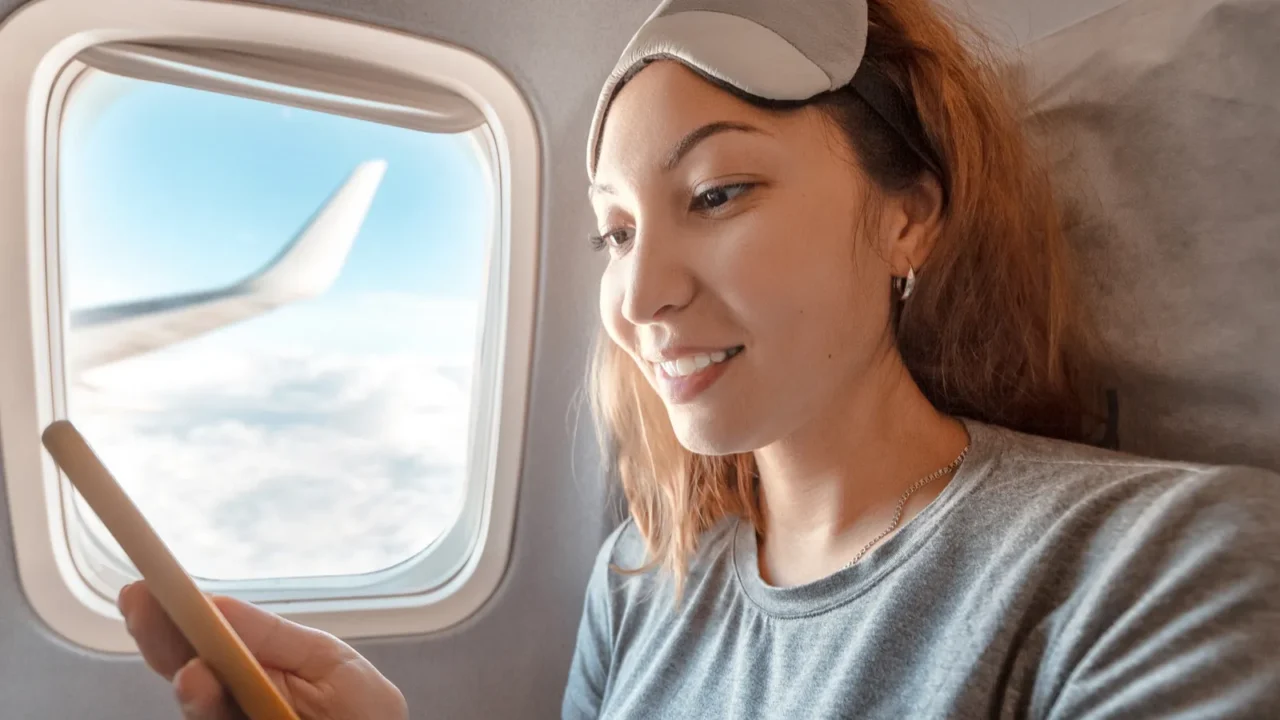
Layered clothing helps a lot when flying in cold winter air and dealing with turbulence. Cabins can get cold or warm, so being able to adjust helps with physical comfort. Staying hydrated makes a difference, too; dry air in the cabin can increase tension, so water helps regulate both mind and body.
Avoiding too much caffeine or alcohol also helps: they can make nerves worse when the plane starts to shake.
Ground yourself physically
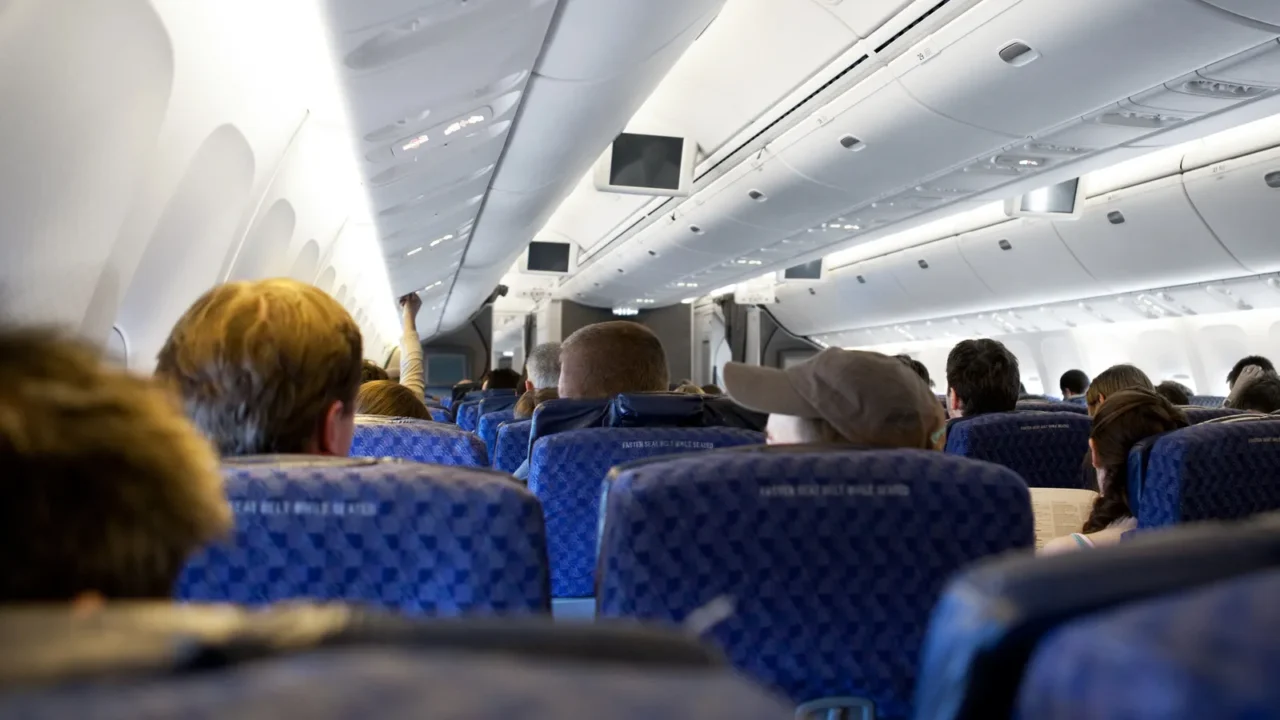
A good grounding trick, feel the seat beneath and keep a subtle connection through your body. Flight attendants suggest lightly pressing your palms into your lap or feet flat on the floor to anchor yourself.
Repeating a calming phrase, mentally or aloud, gives your mind something stable to latch onto. These strategies help reduce panic, anchoring both the body and mind so turbulence feels less chaotic.
Ask about switching seats
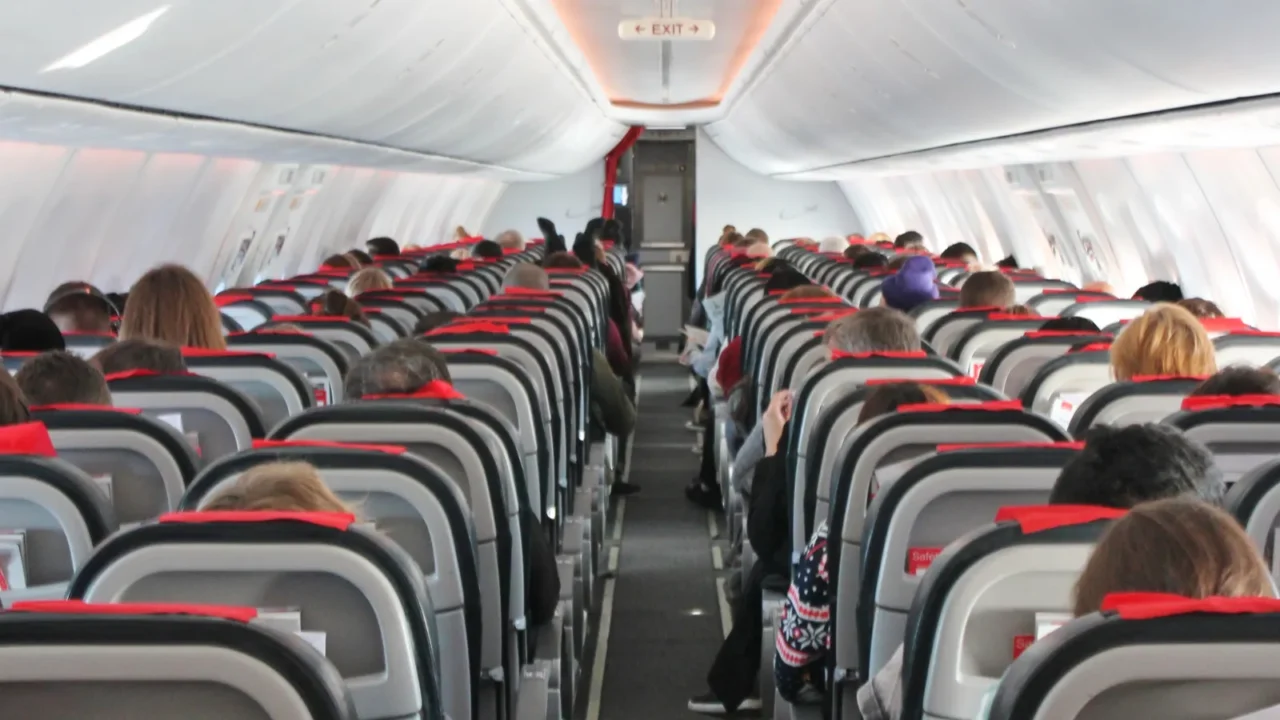
If turbulence is rough, it’s okay to ask the crew about a seat change, especially if there are empty rows. Flight attendants can sometimes move a passenger to a more stable part of the plane, like over the wings.
Even a slight shift in seating can make a big difference in how much motion is felt, and that can ease nerves significantly.

Lean on cabin crew empathy
Flight attendants are trained not just for safety, but to support nervous flyers. They’ve dealt with turbulence many times, and their calmness helps set the tone for everyone. If someone feels anxious, letting a crew member know can lead to reassurance or even a gentle check-in during the flight.
Their presence and experience can help remind travelers that turbulence is managed, not a crisis, but part of the job.

Be ready before you fly
Before a winter flight, checking turbulence forecasts, especially for your route, helps mentally prepare for bumps. The FAA notes that turbulence often stems from weather fronts and jet streams, even with clear skies. Packing a “turbulence comfort kit” (water, headphones, warm layer) means being physically ready for whatever the air throws at you.
If fear is strong, a quick chat with attendants before takeoff helps; they know what’s ahead and can offer reassurance or a few extra tips. Top survival tips for your first-ever cruise can also be helpful for travelers branching into other forms of winter travel, offering practical ways to stay calm, prepared, and confident on unfamiliar journeys.

Confidence in the clouds
Putting these flight-attendant–approved tips into practice helps make winter turbulence less scary and more manageable. From staying belted in to using breathing exercises, each trick is grounded in safety and experience. By combining real safety practices with comfort strategies, a rough ride can transform into a smoother, more confident journey.
What do frequent flyers think? Which of these turbulence hacks feels the most helpful, and is there a tried-and-true tip that deserves to be on this list? Drop thoughts in the comments.
Read More From This Brand:
- Elon Musk’s Starlink takes British Airways Wi-Fi to new heights
- Donald Trump’s World Cup 2026 remarks stir travel worries across the U.S.
- How the Caribbean is rebuilding and welcoming visitors again after the storm season
Don’t forget to follow us for more exclusive content right here on MSN.
This slideshow was made with AI assistance and human editing.
