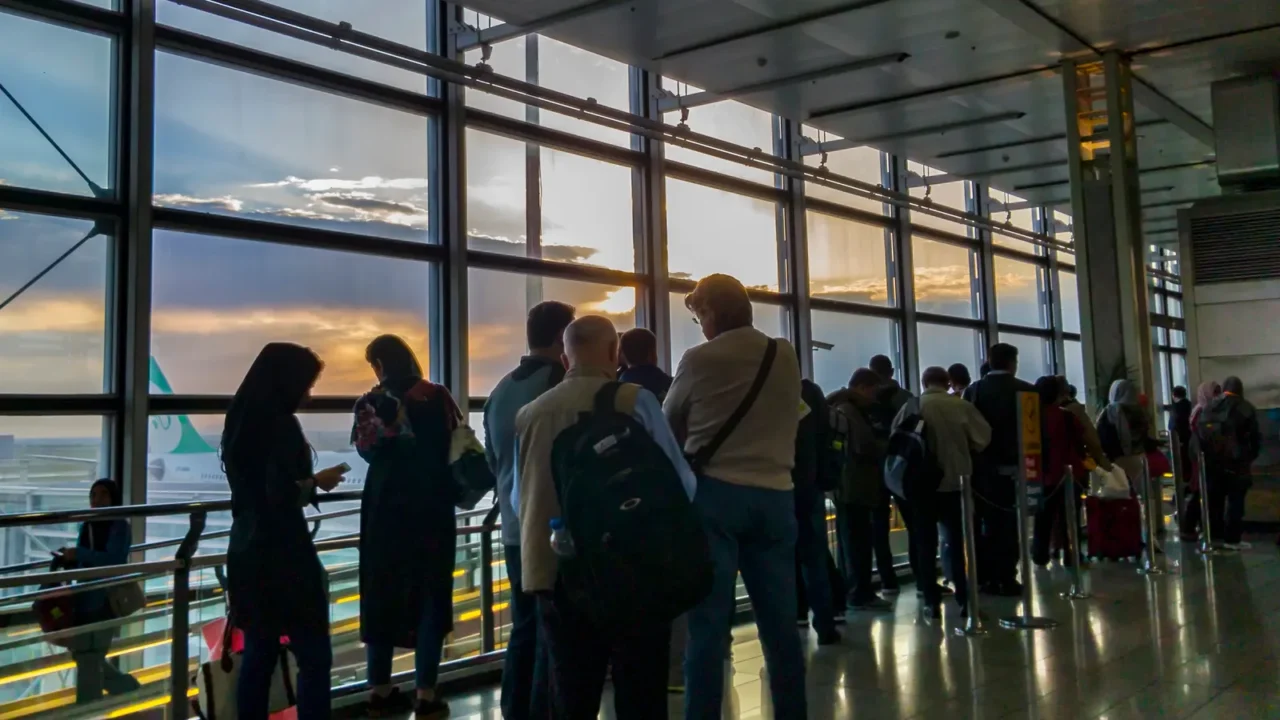
Flight delay storm is rising across Europe
Flight delays across Europe are no longer rare disruptions. They have become a defining part of modern travel, especially at major gateways like Amsterdam Schiphol, Paris Charles de Gaulle, and London Heathrow. Travelers are encountering longer waits, sudden gate changes, and last-minute cancellations that reshape entire itineraries.
Recent winter storms and operational strain have grounded hundreds of flights, leaving aircraft stuck on runways and passengers scrambling for updates. These delays often ripple across borders, affecting journeys far beyond the original destination.
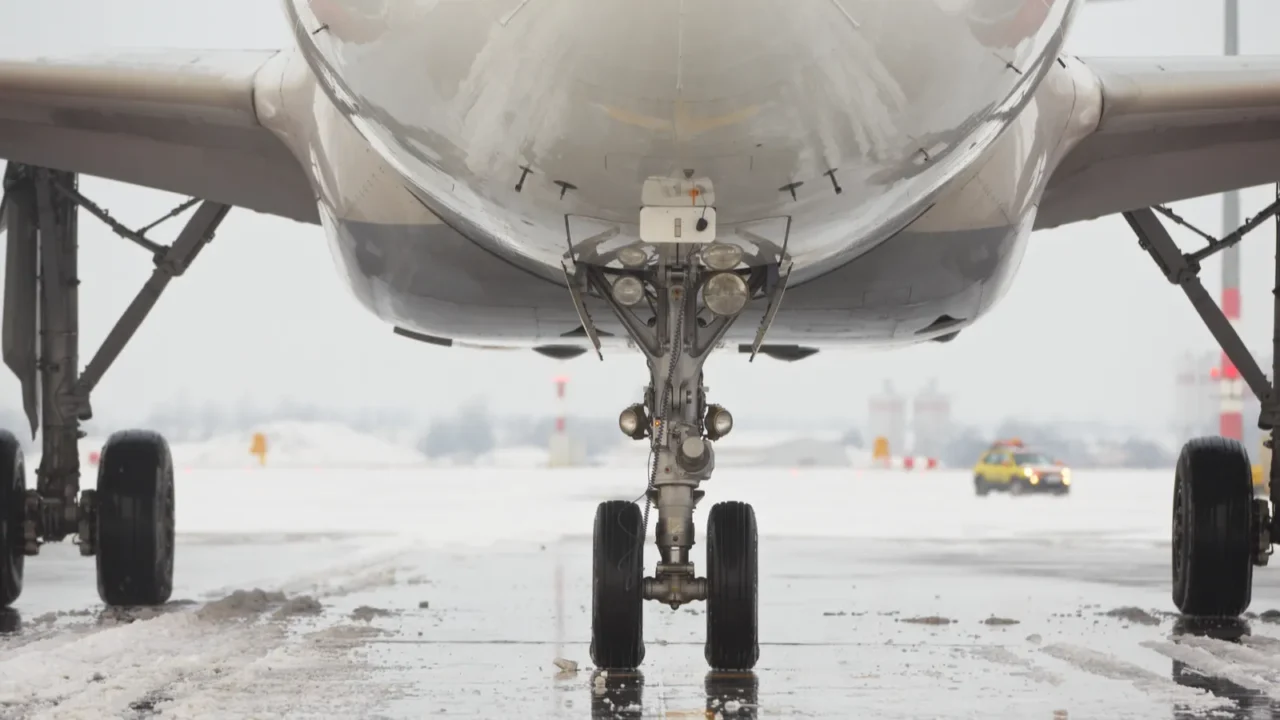
Severe weather disruptions across Europe
Severe winter weather continues to be one of the biggest drivers behind Europe’s growing flight delays. Heavy snow, freezing rain, and strong winds slow down airport operations and reduce runway availability. Aircraft require extended de-icing, which limits how many flights can safely depart each hour.
When storms hit key transit countries like France, Germany, or the Netherlands, the impact spreads quickly. Flights scheduled in clear skies can still face hours of delay due to disruptions elsewhere in the network.
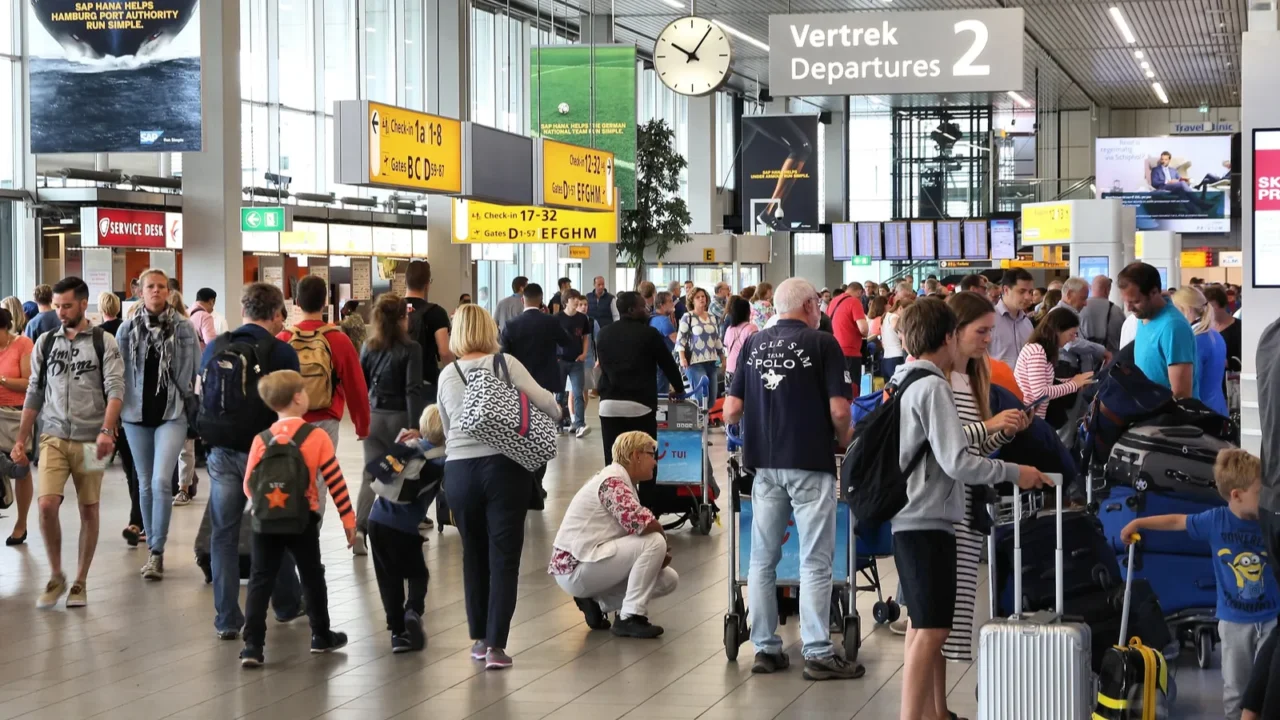
Airports feeling the strain
Europe’s busiest airports are struggling to absorb growing passenger volumes while managing weather disruptions and tight schedules. Hubs such as London Heathrow, Paris Charles de Gaulle, Madrid Barajas, and Dublin regularly experience bottlenecks during peak travel periods.
When one departure runs late, aircraft and crew rotations fall behind. This creates a domino effect where a single delay multiplies across dozens of routes, leaving travelers facing missed connections and extended airport stays.
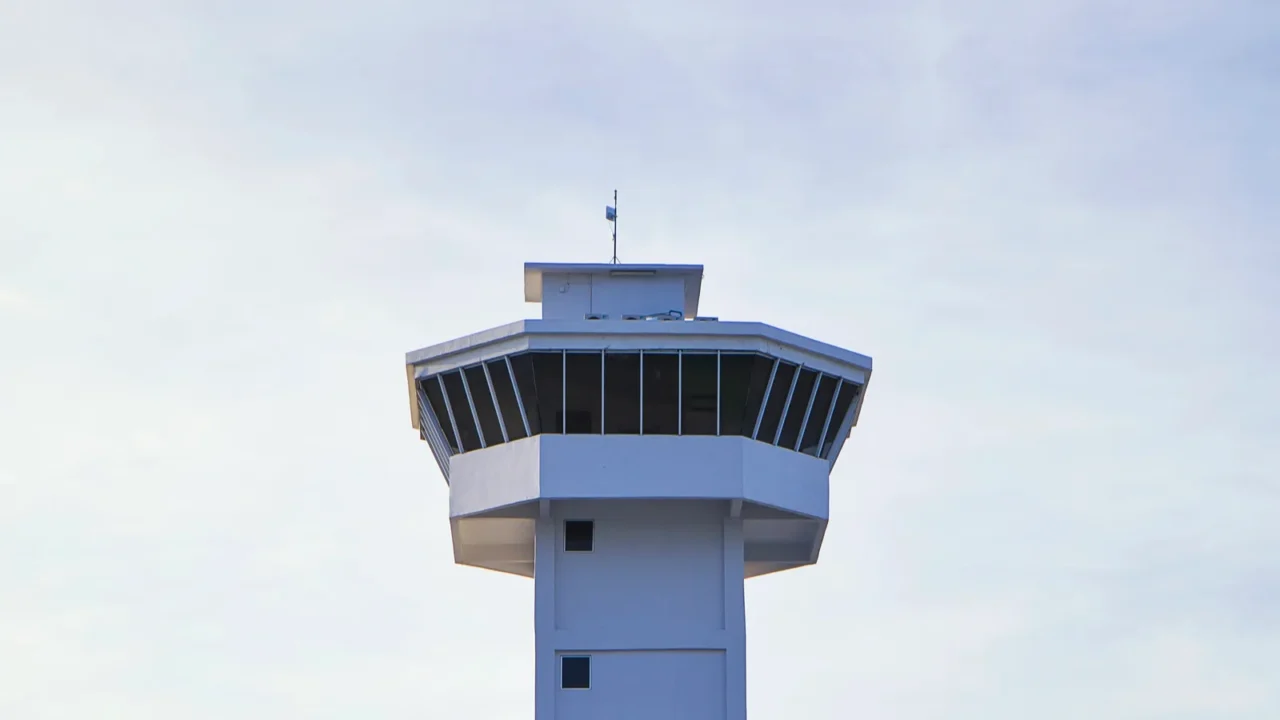
Air traffic control bottlenecks
Air traffic control plays a major role in Europe’s delay surge. Limited staffing, aging infrastructure, and crowded skies make it harder to manage traffic smoothly, especially during seasonal travel spikes. Even minor disruptions can force controllers to space flights farther apart.
Despite gradual improvements in recent years, Europe still falls short of performance targets. Congested airspace over countries like France and Germany often becomes a choke point, delaying flights far beyond national borders.
Peak season pressure
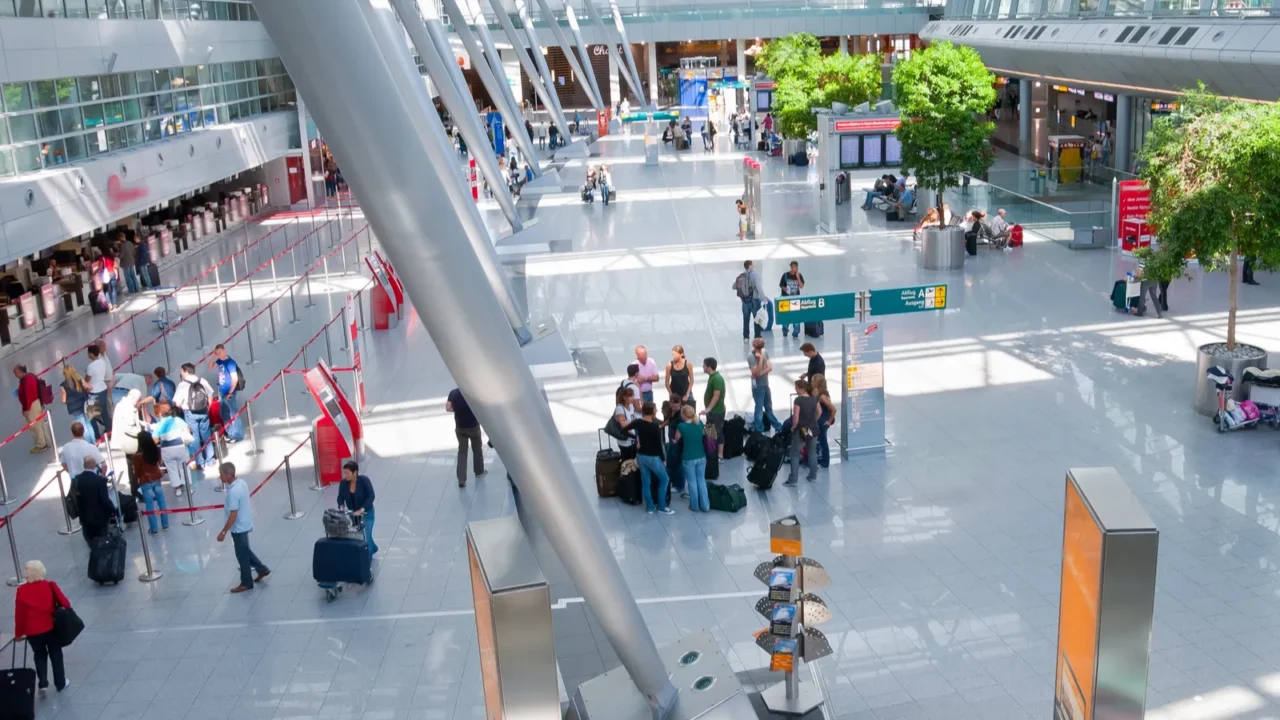
Travel demand rises sharply during holidays and school breaks, pushing airports and airlines close to their limits. Lounges fill up, security lines stretch longer, and boarding gates grow crowded. During these periods, there is little flexibility to absorb unexpected disruptions.
A single delayed departure early in the day can throw off an entire schedule. For travelers, this means longer waits, fewer rebooking options, and increased competition for seats on later flights.
Airline operational challenges
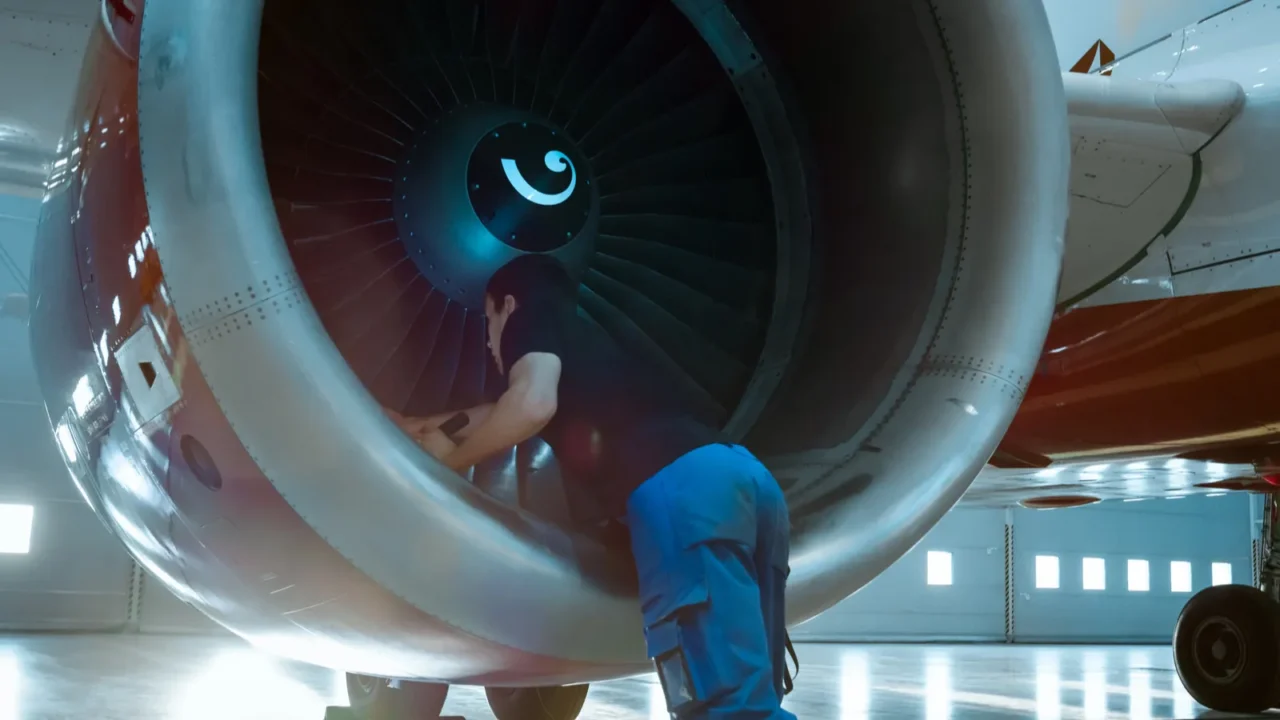
Not all delays come from weather or air traffic control. Airlines face their own challenges, including aircraft maintenance checks, crew scheduling limits, and tight turnaround times. When operations run on narrow margins, even a small technical issue can escalate quickly.
Major European carriers and budget airlines alike have struggled to maintain punctuality during high-demand periods. The result is a fragile system where delays can spread faster than airlines can recover.

Flight delay compensation rights guide
In Europe, travelers may be entitled to compensation under EC Regulation 261/2004 (EU261) if their flight is delayed more than three hours or canceled due to airline fault, without sufficient notice, and not caused by extraordinary circumstances like severe weather. Compensation ranges from €250 to €600 per passenger based on flight distance.
Airlines must also provide food, drinks, and accommodations during long waits or overnight stays. Know your rights before you fly.
Preparing for long waits
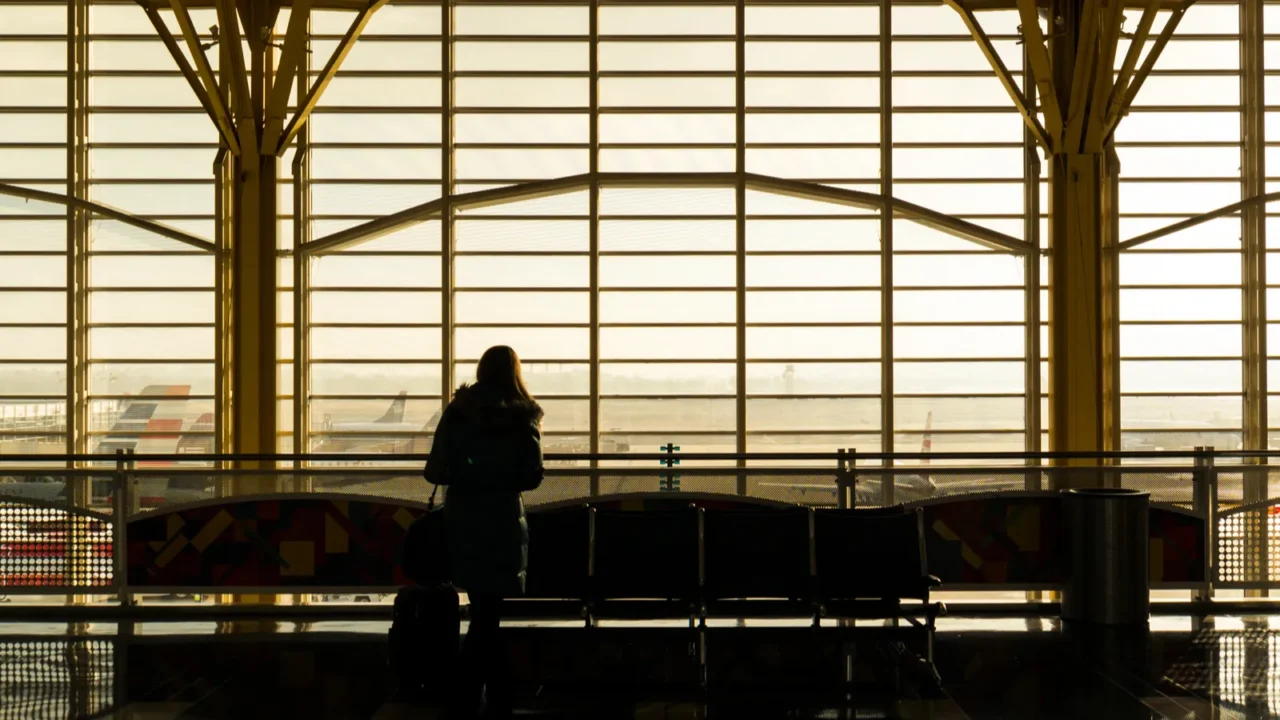
Smart preparation can ease the stress of unexpected delays. Pack essential items like snacks, medications, chargers, and offline entertainment in your carry-on. These small comforts make a long airport wait more manageable.
Travelers should also download airline apps and enable notifications for real-time updates. Checking weather forecasts for both departure and arrival cities adds another layer of readiness, helping you anticipate possible disruptions before they unfold.
Choosing smarter flight times
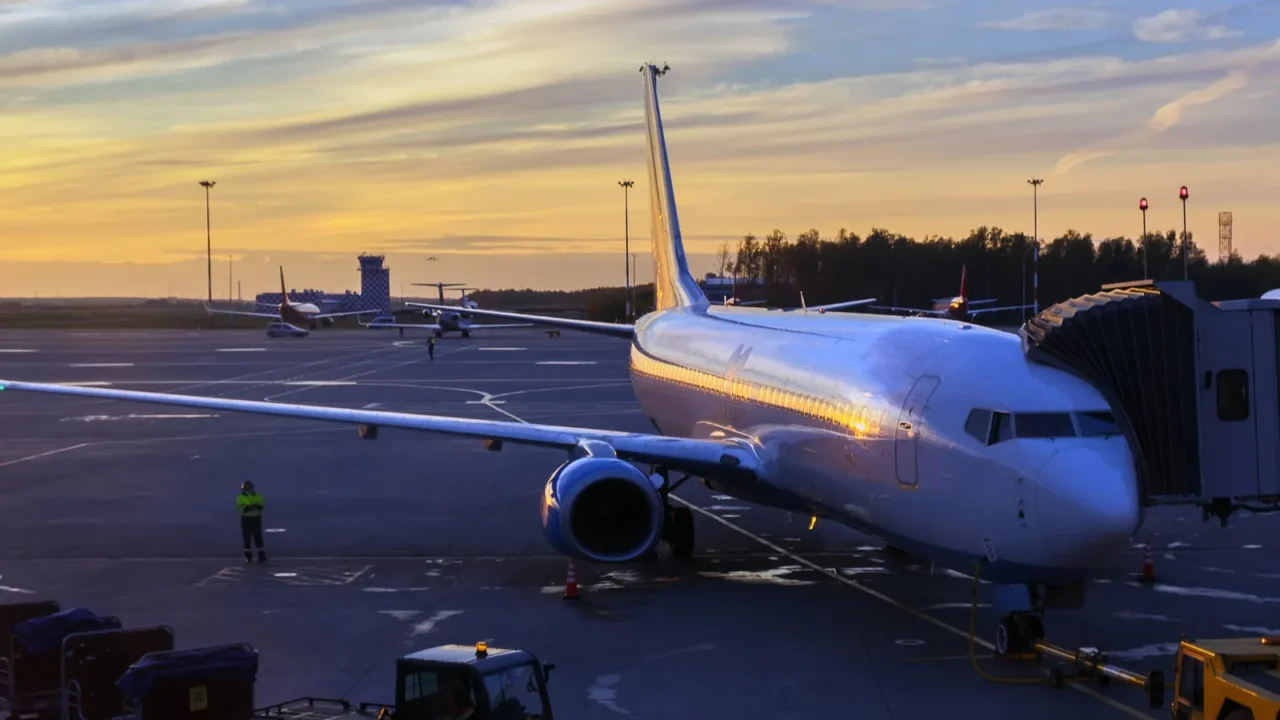
Timing matters more than many travelers realize. Early morning flights and midweek departures tend to face fewer cascading delays than afternoon or weekend flights. These schedules offer more flexibility if issues arise later in the day.
Avoiding peak holiday periods can also reduce risk. When airports are less crowded, airlines have more room to recover from minor setbacks, improving the odds of a smoother and more predictable journey

Navigating busy airports
Large European airports can feel overwhelming during delay surges. Arriving early gives you breathing room to handle security lines, passport control, and gate changes without added pressure. Familiarizing yourself with terminal layouts ahead of time saves valuable minutes.
Some airports offer digital tools for tracking gates, queues, and boarding progress. Using these resources helps travelers move confidently through crowded terminals and reduces the stress that comes with sudden schedule changes.
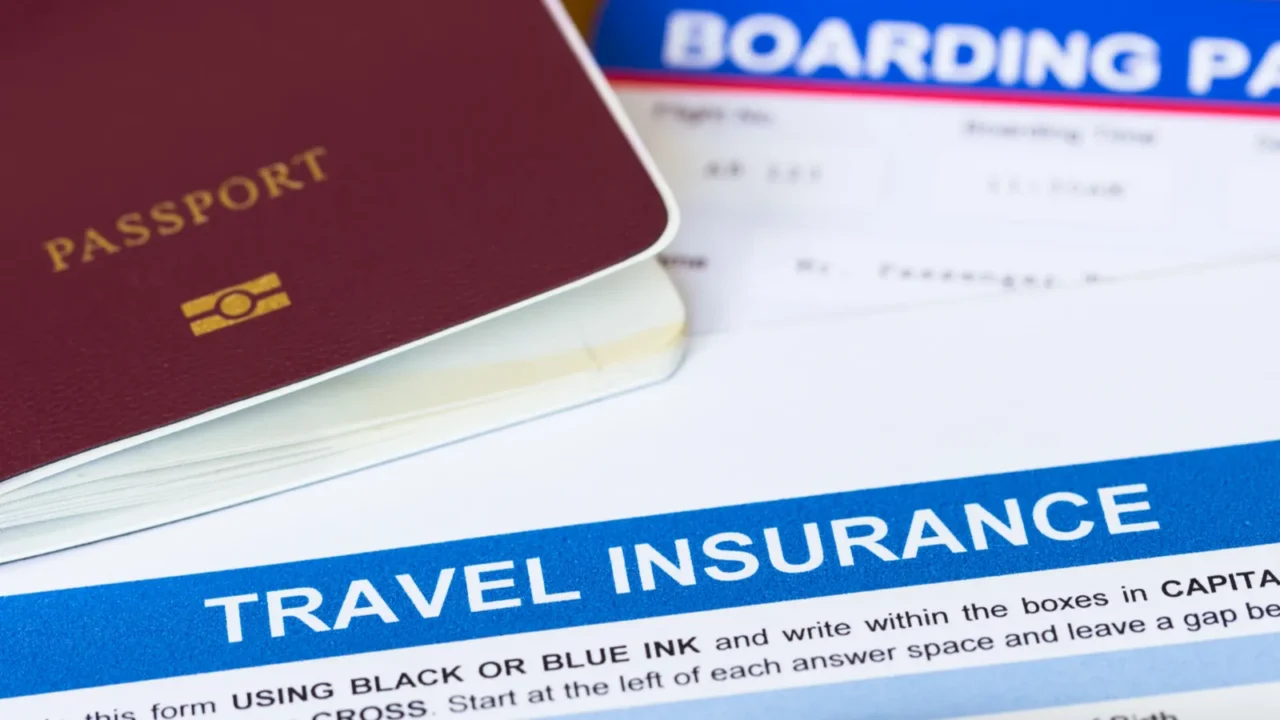
Travel insurance matters
With delays becoming more common, travel insurance offers a valuable safety net. Many policies cover expenses like meals, hotel stays, and alternate transportation when flights are significantly delayed or canceled.
Before purchasing, travelers should read coverage details carefully. Understanding what qualifies for reimbursement, including weather-related disruptions, ensures there are no surprises when plans go off course and extra expenses start adding up.
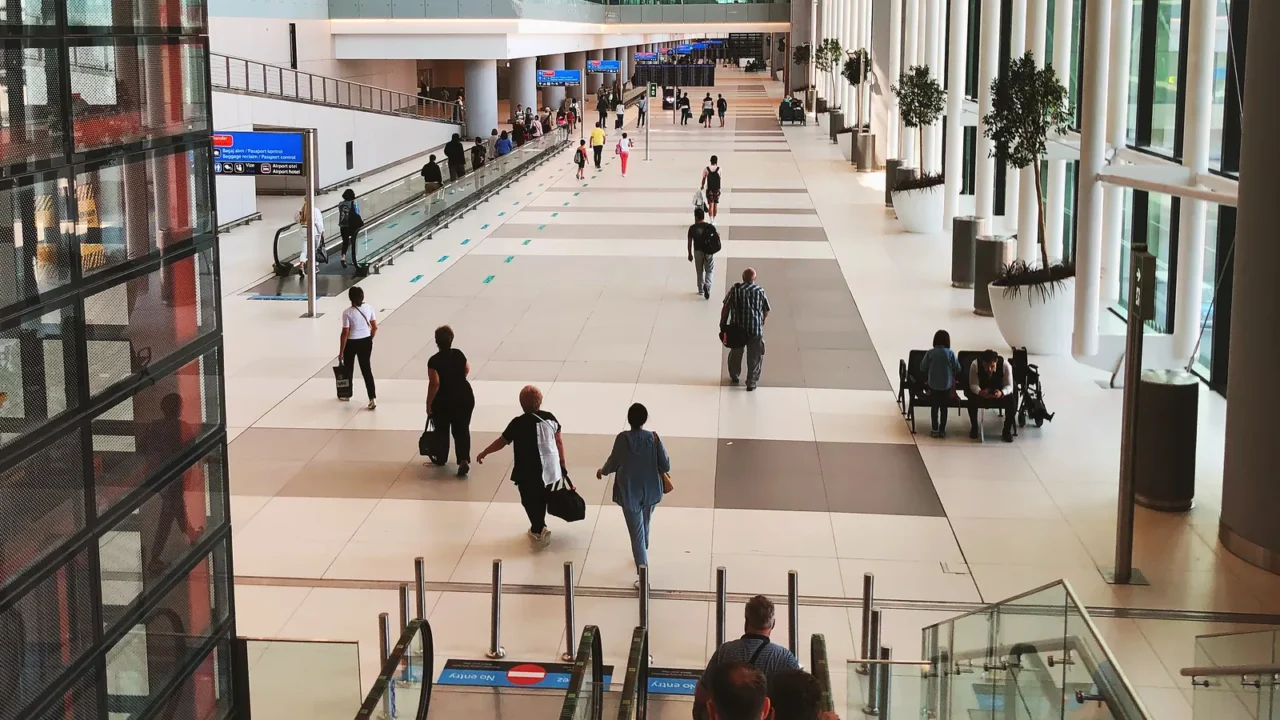
Managing connections wisely
Connecting flights add another layer of risk during periods of widespread delays. Short layovers leave little room for recovery if the first leg runs late. Choosing longer connection times can protect your entire itinerary.
When disruptions happen early, extra buffer time allows travelers to reach their next gate calmly instead of sprinting through terminals. This simple planning choice often makes the difference between a missed connection and a smooth transfer. Stay informed and plan to minimize the impact of flight delays and cancellations.
The bigger travel picture
Europe’s flight delay surge reflects deeper challenges tied to weather volatility, infrastructure limits, and rising travel demand. While frustrating, delays are becoming a reality that travelers must plan around rather than hope to avoid.
Knowing your rights, allowing extra time, and staying flexible can transform disruption into a manageable inconvenience. Prepared travelers move through delays with confidence, turning an unpredictable journey into an experience that still holds value and perspective. Learn what you need to know about your rights on overbooked flights to stay protected.
Ever wondered how to turn flight delays into a smoother travel experience? Share your thoughts in the comments.
This slideshow was made with AI assistance and human editing.
Don’t forget to follow us for more exclusive content right here on MSN.
Read More From This Brand:
