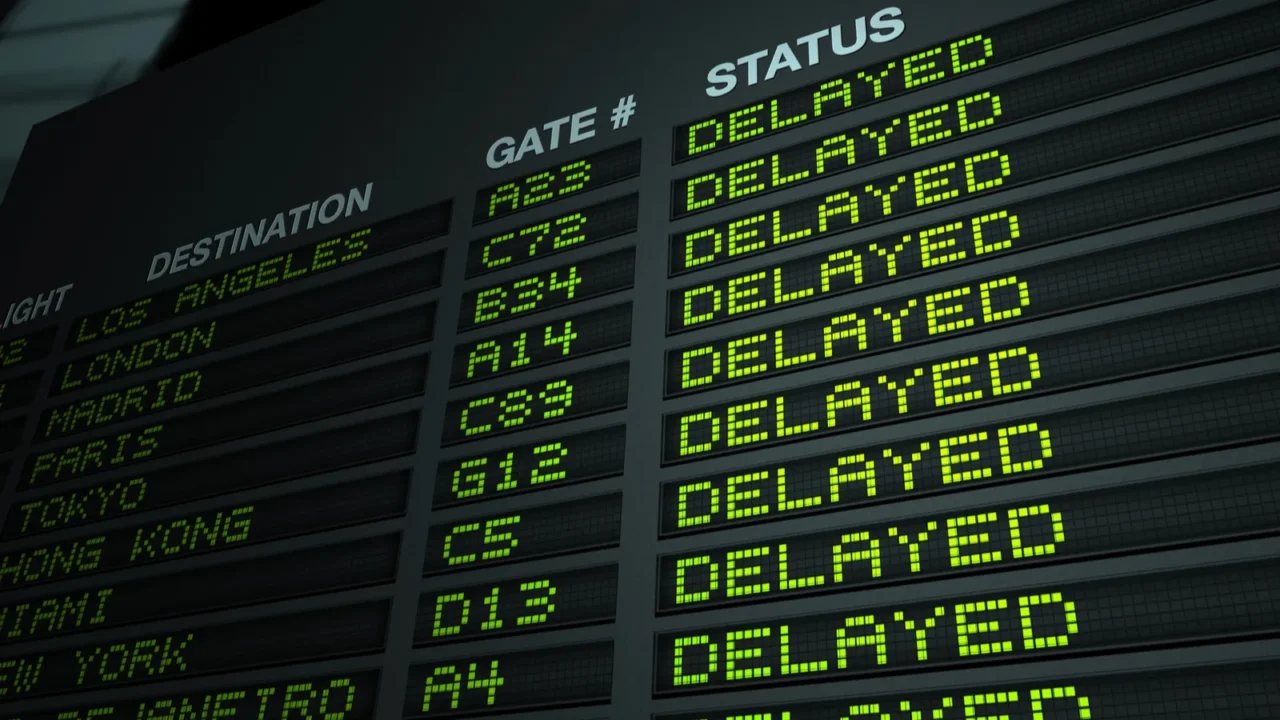
Flight delays in focus
Flight delays across the United States have stabilized in 2025, with national on-time rates around 80%, improving from pandemic lows. Travelers still face clogged runways, packed gates, and constant rolling updates that create a sense of uncertainty that now feels routine for frequent fliers.
Demand pressure continues as airports work to match growing passenger volumes with infrastructure upgrades. This guide covers twelve major airports showing varied on-time challenges in recent data. Knowing which hubs struggle most helps travelers plan smarter and stay prepared for unpredictable seasons ahead.
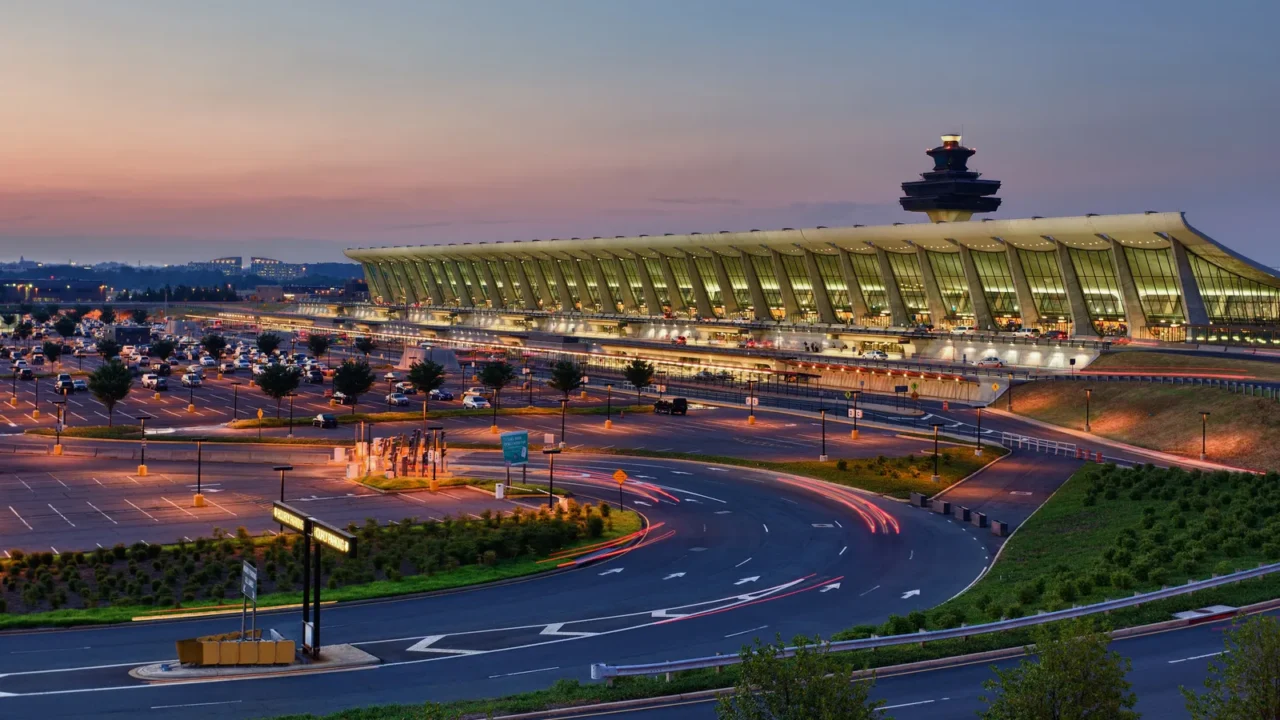
Washington national delays
Ronald Reagan Washington National remains known for steady delays that build quickly during peak hours. Its compact layout, combined with heavy daily traffic, creates tough bottlenecks that are hard to recover from, especially during regional weather events.
The airport handles both government and busy commuter flights, where small issues cascade across schedules. Flights falling behind trigger missed connections and force extended terminal hours for passengers.
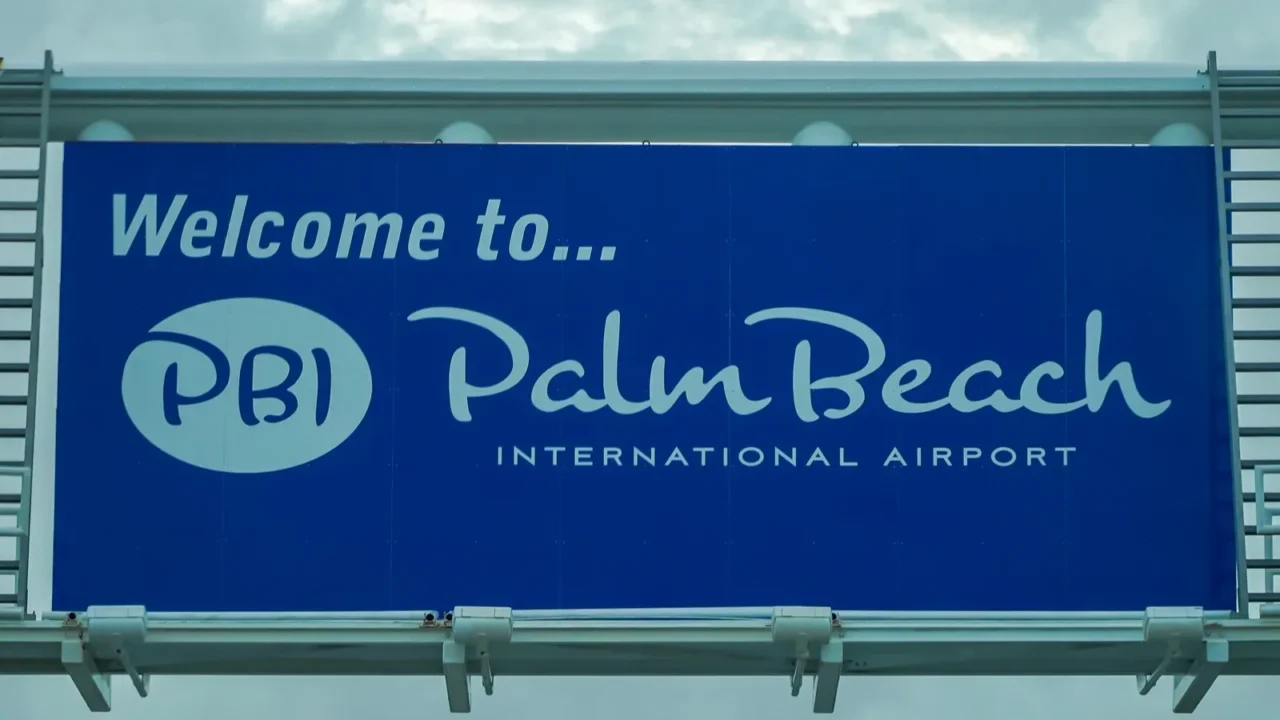
Palm beach slowdowns
Palm Beach International holds steady 85% on-time rates in 2025 despite seasonal surges stretching limited gates thin. Afternoon Florida storms slow operations further, while travelers note delays feel extended due to scarce recovery flights.
Smaller than major hubs, PBI’s rising popularity adds backup vulnerability. Smart travelers through Palm Beach build generous buffer time to avoid last-minute connection stress entirely.
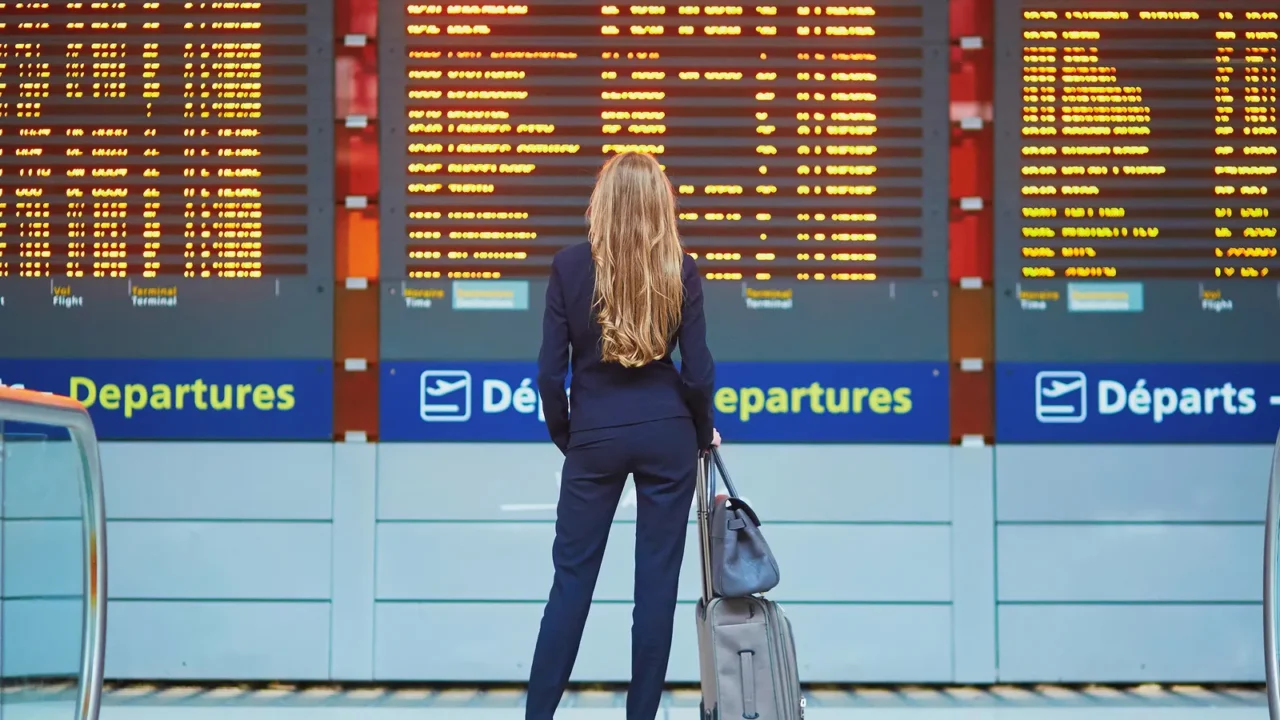
Newark delays persist
Newark Liberty ranks among America’s most delay-prone airports, with heavy traffic and crowded airspace. Tight flight sequences create perfect conditions for disruptions, where morning rushes slipping behind rarely recover all day.
Northeast corridor congestion amplifies every minor issue into major schedule gaps. Travelers report that Newark connections suffer more than most airports due to international flights with short transfer windows. Slight slowdowns quickly send passengers to long rebooking lines across multiple terminals.
Knoxville bottlenecks
McGhee Tyson Airport in Knoxville maintains a stable 88% on-time arrivals through 2025, without sharp rises in delays. Limited gates and runway flexibility challenge recovery from weather shifts or maintenance, but operations remain fairly consistent.
Smaller airport convenience appeals to travelers, though fewer alternate flights mean disruptions linger longer. Single delays can easily stretch trips well beyond original expectations for connecting passengers.
Cincinnati on hold
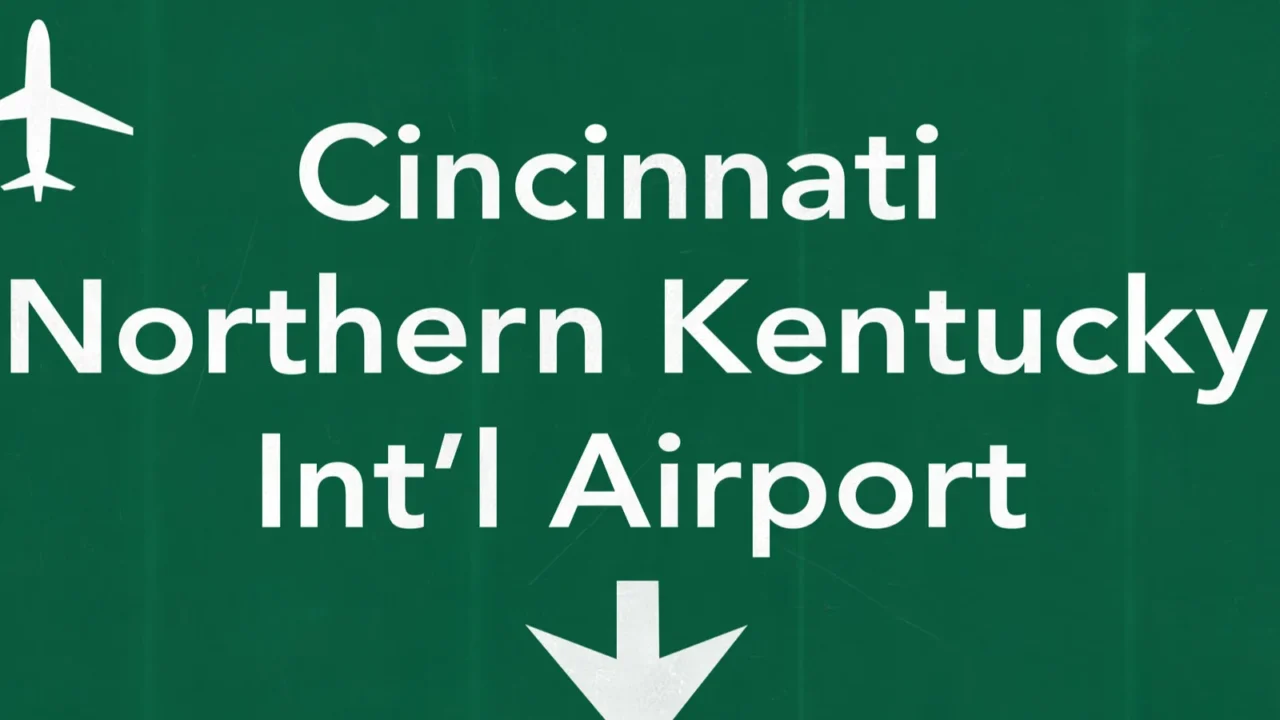
Cincinnati Northern Kentucky International sits mid-tier at 84% on-time amid crowded schedules. Peak traffic stresses operations, and early departures that fall behind can slow the entire day.
Multiple carriers and regional routes make CVG vulnerable late arrival can disrupt several outgoing flights quickly. Frequent fliers often pick morning departures to cut missed connection risks.
Norfolk traffic pressure
Norfolk International holds about 86% on-time stability in 2025 despite rising regional demand. Leisure, business, and military traffic converge in a small airport where expansion room is limited, creating fast delay buildup.
Mid-Atlantic weather adds steady challenges that compound recovery efforts. Short trips often extend into full days, as smaller airports take longer to rebound than resource-rich giants.
Buffalo winter delays
Buffalo Niagara International battles powerful winter weather that routinely disrupts operations. Snow, winds, and lake-effect storms demand slower procedures and extended aircraft spacing.
While summer performance aligns with national averages, winter storms significantly worsen delays. Upstate New York travelers anticipate longer processing times, as delays often begin early and continue as daily traffic builds through peak hours.
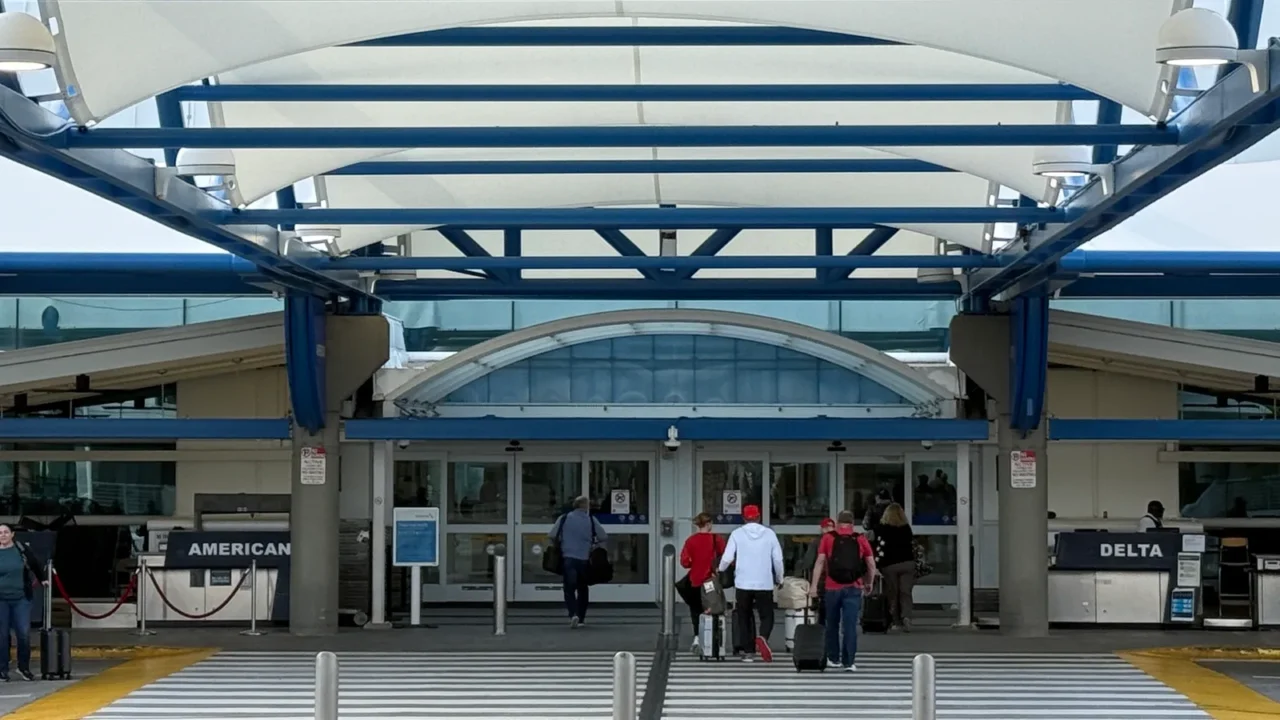
Jacksonville setbacks
Jacksonville International maintains steady on-time performance near 83% in 2025. Tourism and business growth continue, with capacity expansions keeping pace overall.
Northern Florida’s afternoon storms reliably slow operations, and limited gate space stretches even moderate delays. Departures falling behind leave few recovery options, extending travel times noticeably.
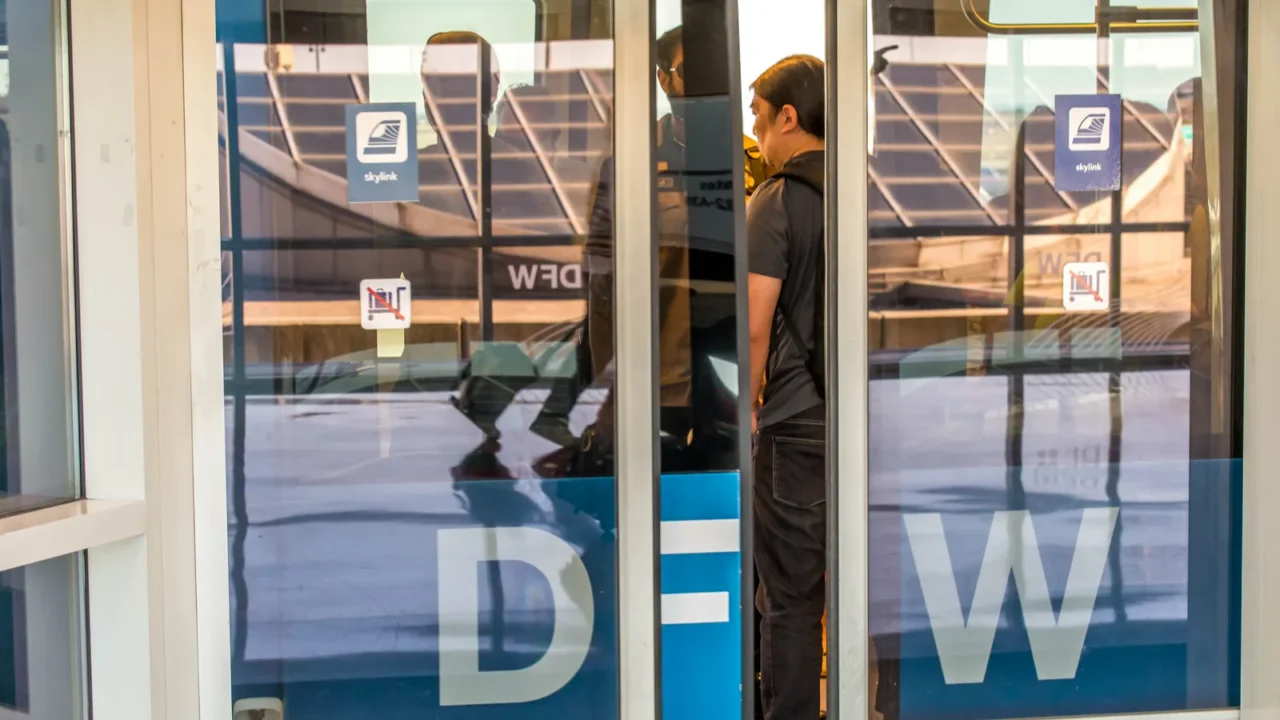
Dallas fort worth gridlock
Dallas-Fort Worth ranks among the busiest airports worldwide, where massive traffic volume naturally breeds slowdowns. Constant movement over a huge footprint spreads small disruptions system-wide rapidly.
Travelers notice how single delayed flights ripple, creating chain reactions throughout the airport. Texas weather shifts quickly, adding persistent operational hurdles, so frequent DFW connectors plan longer layovers knowing delays are common year-round.
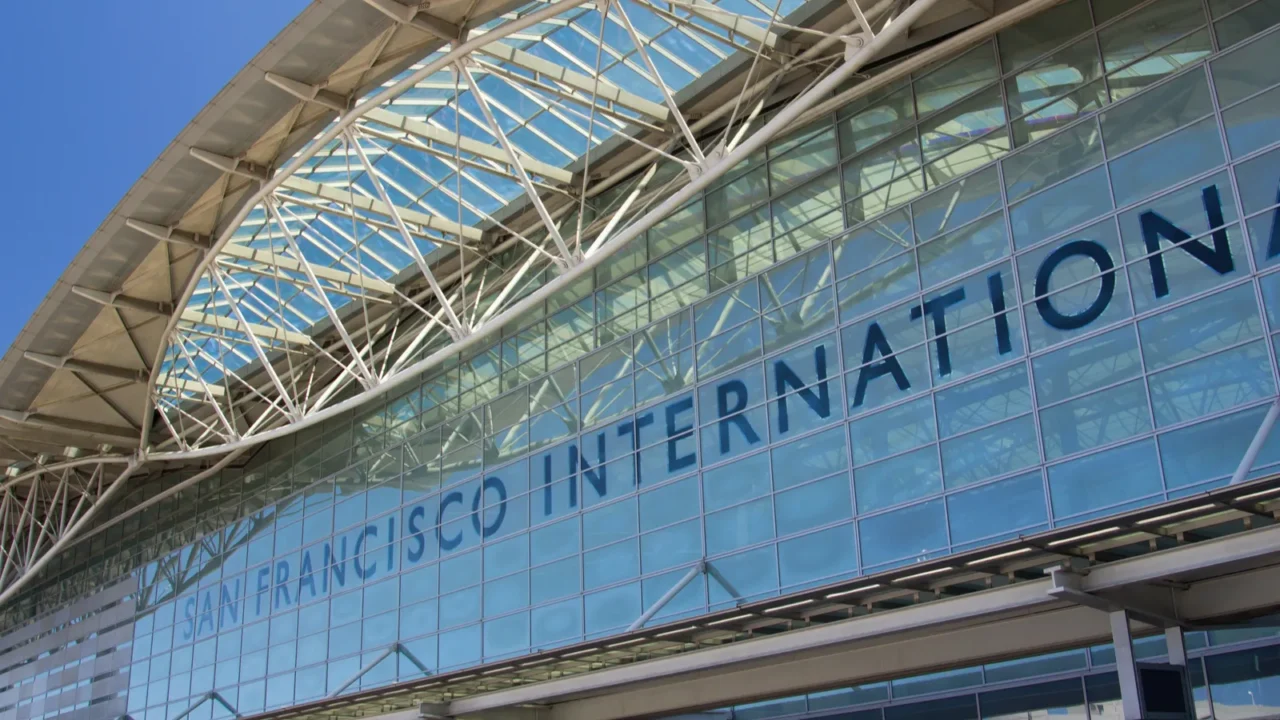
San Francisco fog hold
San Francisco International battles dense fog that restricts visibility operations about 30% of the year. Increased aircraft spacing immediately slows schedules, and delays compound steadily through the afternoon.
Even under clear skies, crowded Bay Area airspace pressures the system relentlessly. SFO regulars favor early flights to dodge later congestion and extended waits.
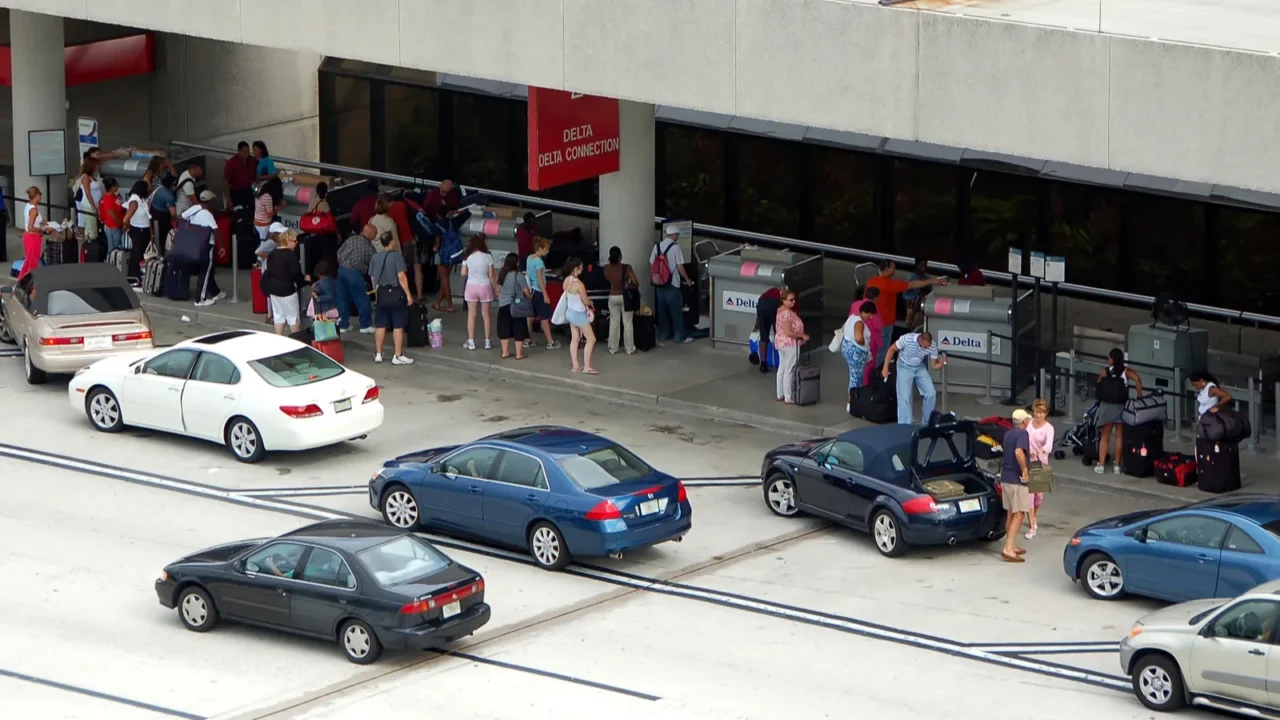
Fort Lauderdale standstill
Fort Lauderdale Hollywood International manages 79% on-time amid tourism growth outpacing adaptation. Tight flight clusters and crowded taxiways slow operations consistently, while afternoon storms stretch schedules further.
Cruise-bound leisure travelers feel the impact most. Don’t let delays derail your international travel. Check real-time updates and take control of your journey before you even step on the plane.
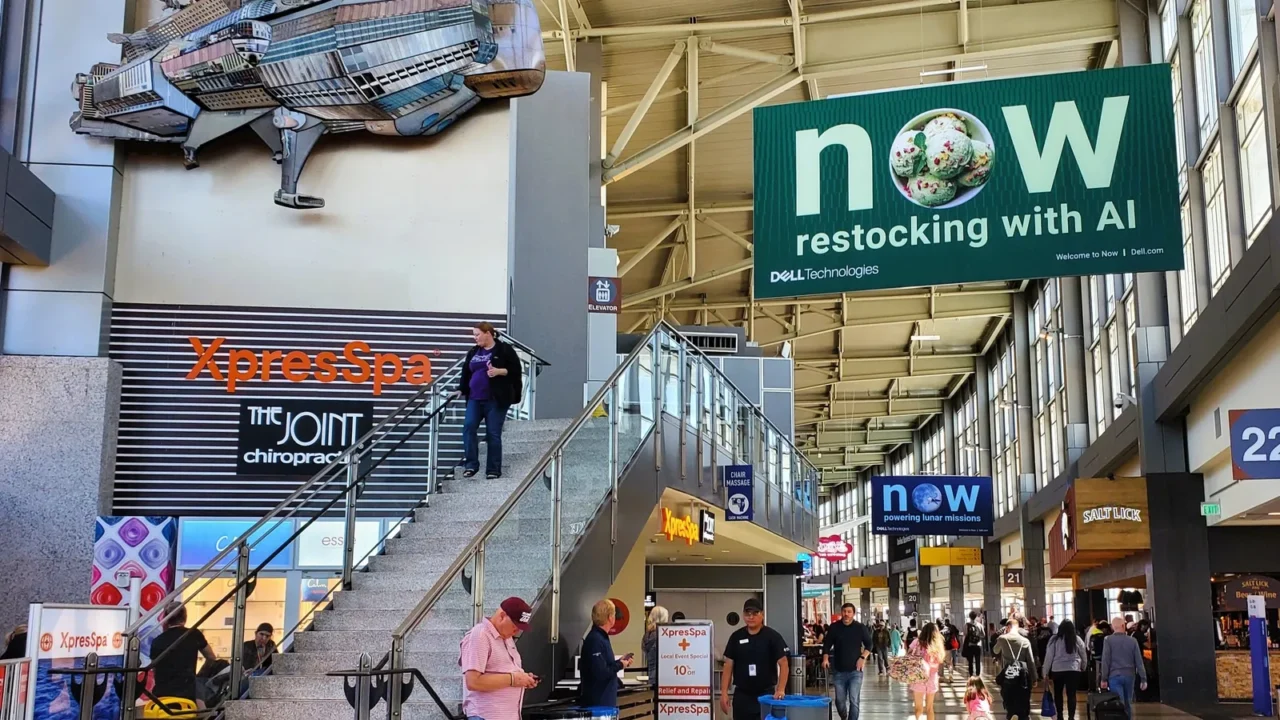
Austin time crunch
Austin Bergstrom International has grown rapidly alongside the city, with airlines adding routes faster than infrastructure can handle. Long taxi lines and crowded departure banks keep planes grounded longer than expected.
Visitors enjoy Austin, but frequently note the airport struggles to keep pace with demand. With 10,000+ flights disrupted each year, savvy travelers know how to stay one step ahead, track their flights, plan smart, and skip the stress.
Have you been delayed at any of these airports recently? Share your experience in the comments — which airport frustrated you the most and why?
This slideshow was made with AI assistance and human editing.
Don’t forget to follow us for more exclusive content right here on MSN.
Read More From This Brand:
