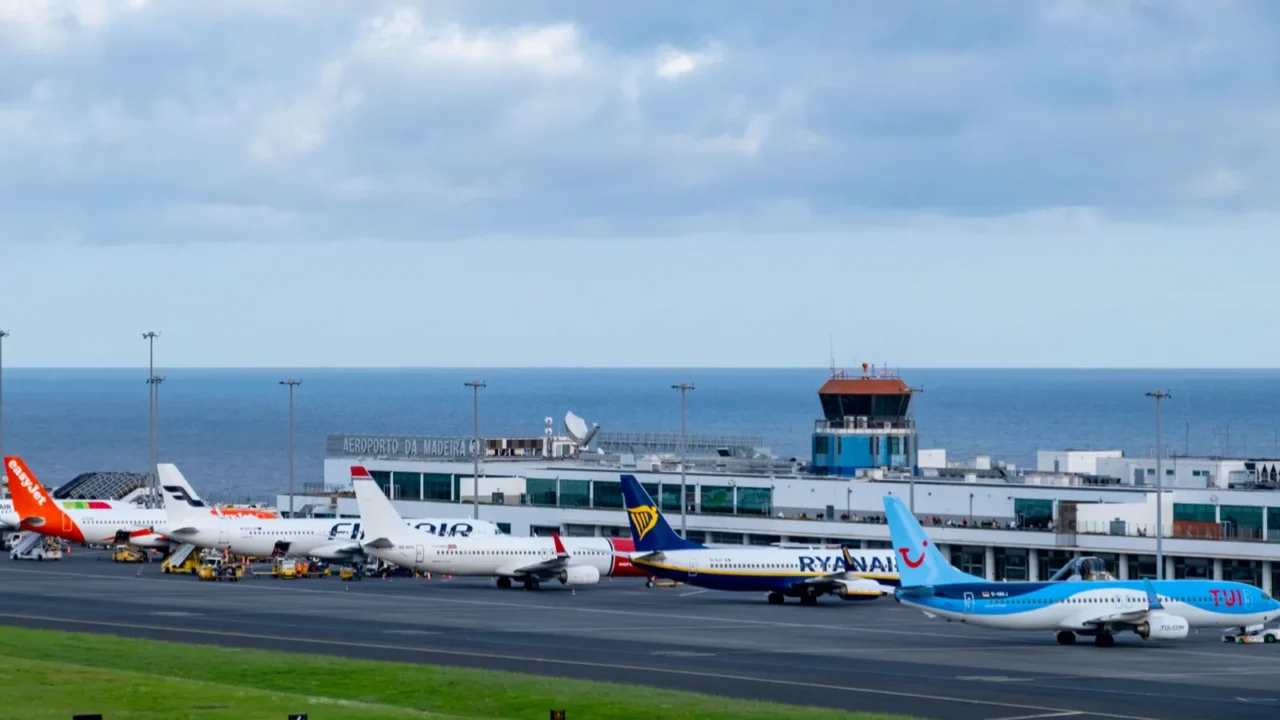
Airlines are consolidating fast
Over the last few years, the airline industry has seen a wave of consolidation that’s reshaping the global landscape. Bigger carriers are merging or taking over smaller ones, and this trend is accelerating into 2025. For travelers, that could mean fewer choices and potentially higher prices on many flight routes.
The push for mergers is partly driven by airlines’ efforts to control costs and improve profitability, according to industry analysts. According to IATA, airlines expect their profitability to improve in 2025, even as they face ongoing economic headwinds. Let’s dig into what this means and who might be paying the price.

Major global mergers underway
One of the biggest recent deals is the merger of Korean Air and Asiana Airlines, completed in December 2024. That deal consolidates two major Korean carriers into one dominant player, reducing competition in key Asian markets. With fewer competing airlines, route options may shrink, and fare power could shift.
In Europe, Lufthansa has taken a significant stake in ITA Airways, strengthening its influence in Italy and southern Europe. This consolidation could lead to more slot control at major airports, raising the barrier for other rivals. As a result, fewer independent carriers might mean less downward pressure on ticket prices long-term.

Capacity is being quietly cut
As airlines merge, some regional routes are being rationalized or removed altogether, which reduces total seat supply. With less capacity on certain city‑pairs, this creates a tighter market where fewer players are flying fewer flights. For travelers, that could mean less frequency, fewer schedule options, and higher fares on popular routes.
Analysts warn this trend may push up prices, especially where smaller airports or less-trafficked markets are affected. The risk is that consolidation will hollow out choice in markets that once had multiple competing airlines, limiting options for budget‑minded flyers.
Fare dynamics are shifting now
Even though base fares on some routes may not jump immediately after a merger, the real change might come via ancillary fees. According to industry analysis, merged airlines often lean more heavily on baggage fees, seat fees, and other add-ons to generate profit. That means the “price you see” may go up once total costs are factored in.
Additionally, reduced competition gives airlines more pricing power on convenience and premium options. With fewer rivals, carriers can push for richer revenue per passenger through value-added services. That makes the full cost of travel more complex than just the flight ticket.
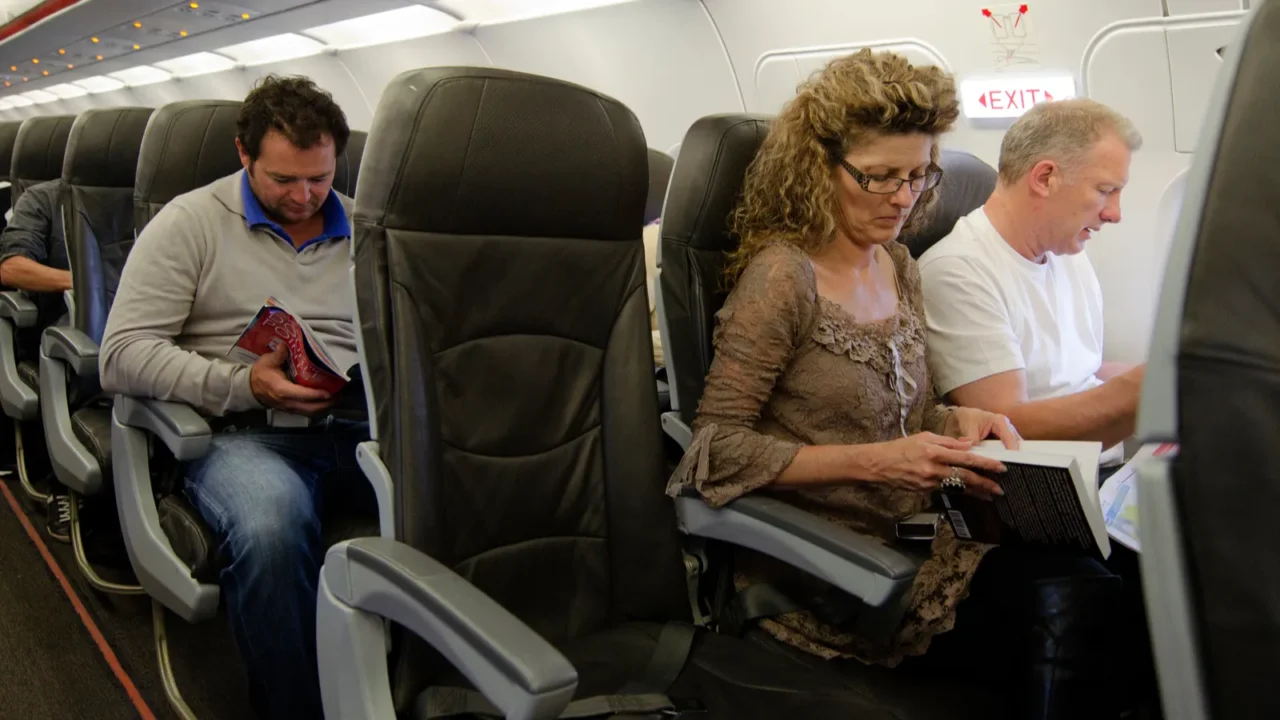
Fewer budget airlines in some regions
As smaller low‑cost carriers disappear or get folded into larger airlines, the most competitive budget options may vanish. That could lead to a thinning in the number of ultra‑low‑fare flights. For price-sensitive travelers, this consolidation could reduce access to really cheap seats.
This trend could especially sting on routes where one or two budget airlines previously competed fiercely to offer low-cost flights. With less competition, fare wars may fade, and cheaper flights may become less frequent. It’s a dynamic that may erode one of the most important benefits of budget travel.

Travel flexibility could suffer
Mergers often lead to synchronized schedules and combined route networks, but that may come at a cost. With fewer independent airlines, there’s less flexibility in departure times and frequency. Travelers might find themselves locked into limited schedule options, especially on less popular flights.
That reduced flexibility could also limit the ability to find cheap last‑minute flights or convenient connections. With fewer competitors, airlines may feel less pressure to offer deeply discounted or highly flexible fare classes. Essentially, consolidation could push the risk of higher prices and less choice onto passengers.
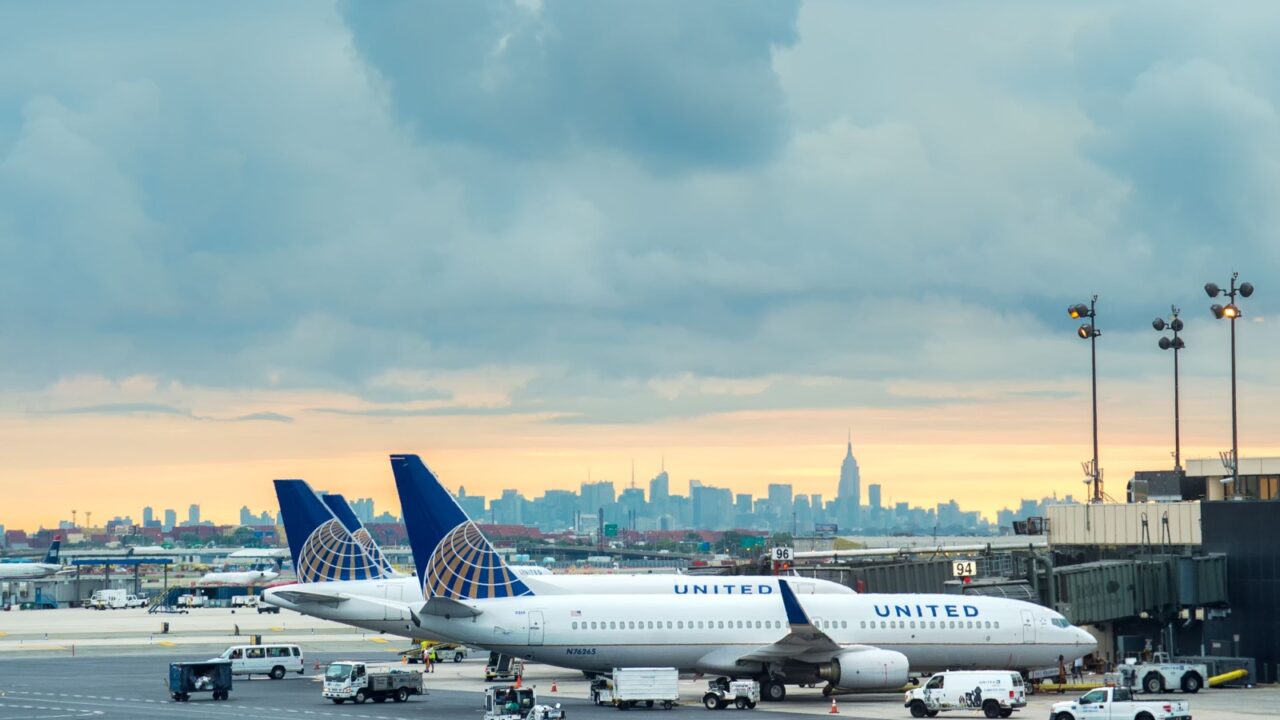
Impact on loyalty programs
When carriers merge, their loyalty programs can be consolidated or reshaped, which affects frequent flyers. Miles, status benefits, and partner airline rewards might shift in value or redemption structure. For travelers loyal to a particular carrier, that change could feel disruptive.
On the flip side, merged airlines may offer expanded networks, more destinations under one loyalty umbrella. That could make top-tier status more valuable, but it also gives the airline more power to design rewards around its consolidated strength. The trade-off could favor long-term, frequent flyers more than infrequent ones.

Risk of tacit collusion
Some antitrust experts warn that consolidation can increase the risk of tacit price coordination among airlines, especially on less competitive routes. Reduced competition could lead to price stability that benefits airlines more than travelers. If carriers can effectively behave as if they’re not competing, fare pressure may soften.
This kind of tacit coordination is particularly likely in highly concentrated markets. When only a few airlines dominate a region or route, pricing strategies may start to converge. For travelers, this means fewer chances of grabbing a surprise cheap fare if airlines are less driven by cut‑throat competition.

What travelers can do now
Budget‑minded travelers should lock in fares early, especially on routes where consolidation might drive future prices higher. It’s smart to use fare alert tools and compare across carriers while there’s still some competition. Planning ahead may give a buffer against fare spikes.
Also, joining loyalty programs or travel‑rewards platforms could offer more value if airlines merge and expand their networks. Even with fewer players, savvy travelers might use alliances and points to protect against price increases. Being proactive is more important than ever.

Profit margins look stronger
Despite consolidation worries, airline profitability is expected to strengthen in 2025. IATA projects global net profits will rise to $36 billion in 2025, up from $27.4 billion in 2024, despite economic and operational pressures.
That financial cushion could give merged airlines more freedom to tighten capacity or rationalize operations without immediate pressure to lower fares. In other words, consolidation might help airlines stabilize profits, even if ticket prices creep up. The gains could come more from overhead control than from delighting passengers.

Regulation may not keep pace
Regulators are under pressure to scrutinize mergers, but not all deals face the same resistance. Some authorities still allow consolidation by demanding divestments or slot trades instead of blocking the deal.
Even with regulatory guardrails, reduced competition is often baked in when big carriers swallow smaller ones or take controlling stakes. In a tightly integrated industry, enforcing robust competition is complex. For travelers, that may mean fewer checks on fare increases long-term.

Alternative travel options shrink
With airline choice contracts, many travelers may turn to non-air alternatives, like rail or bus, for regional trips. But in some markets, consolidation reduces flight options so much that ground transport isn’t a viable substitute. That intensifies the market power of the remaining airlines. And as interest in rail grows, with stunning Amtrak train routes worth the ride across North America gaining attention, the contrast between shrinking flight options and expanding rail experiences is becoming even more noticeable.
For frequent travelers, this could mean fewer fallback routes when flight costs surge. The consolidation makes travel planners rethink how often and where they fly. It’s a wake-up call for diversifying how people travel and where they spend.

The stakes of airline consolidation
The surge in global airline mergers could reshape how people fly in meaningful ways. Fewer airlines means less price competition, which could push fares up and reduce flexibility for many travelers. That trend raises a critical question: who really wins when airlines get bigger?
Industry insiders say consolidation may lead to more stable, profitable airlines, but passengers risk paying the price in choice and cost. As markets evolve, the balance of power could tilt from travelers to carriers. What do travel lovers think? Will fare hikes and fewer options become the new norm, or will regulators step in to protect competition? Drop thoughts in the comments.
Read More From This Brand:
- Real-life cafés and streets from the show “Emily in Paris”
- 12 European countries where work-life balance beats the U.S.
- The best places to live in the US with affordable homes, strong job markets, and great lifestyles
Don’t forget to follow us for more exclusive content right here on MSN.
This slideshow was made with AI assistance and human editing.
