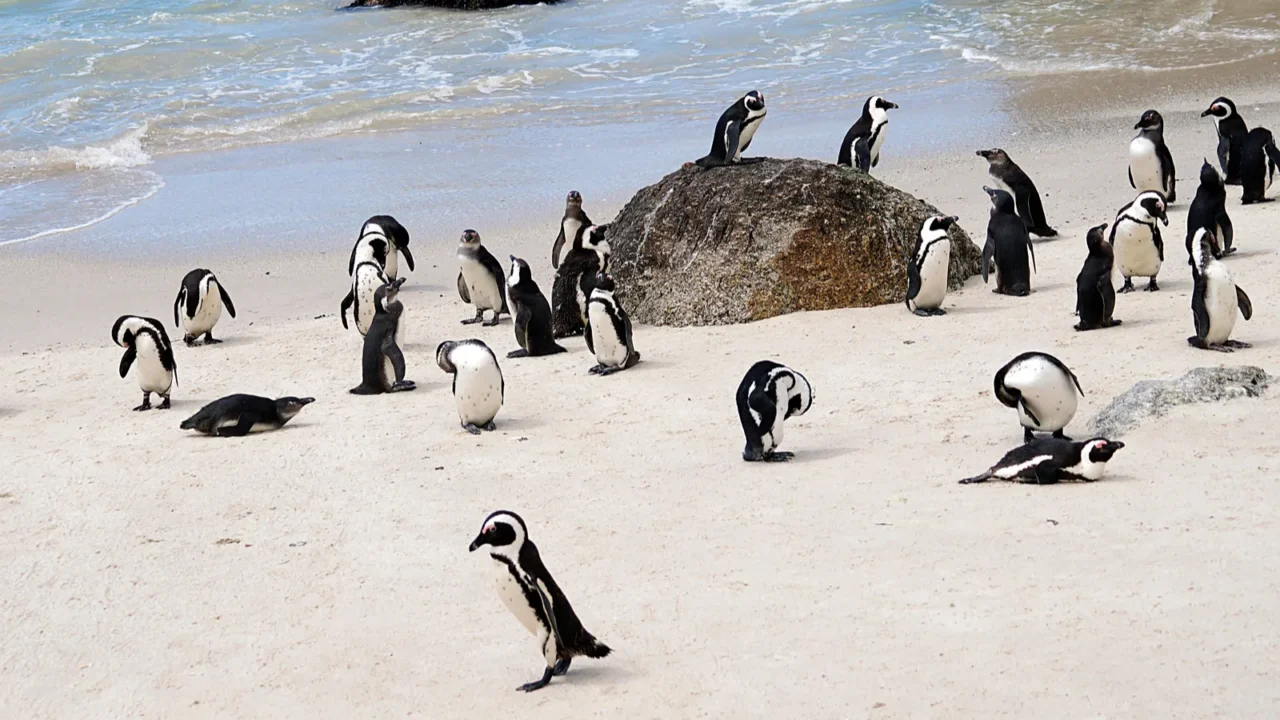
A quiet nightly miracle
Every night on Phillip Island, hundreds of little penguins return from the sea under fading light. What looks magical on the surface is actually one of the most carefully managed wildlife experiences in the world. Visitors gather near Summerland Beach, unaware of how much planning happens behind the scenes.
This balance between awe and protection didn’t happen by accident. Phillip Island has spent decades refining rules that protect penguins while welcoming people. Let’s dive in!
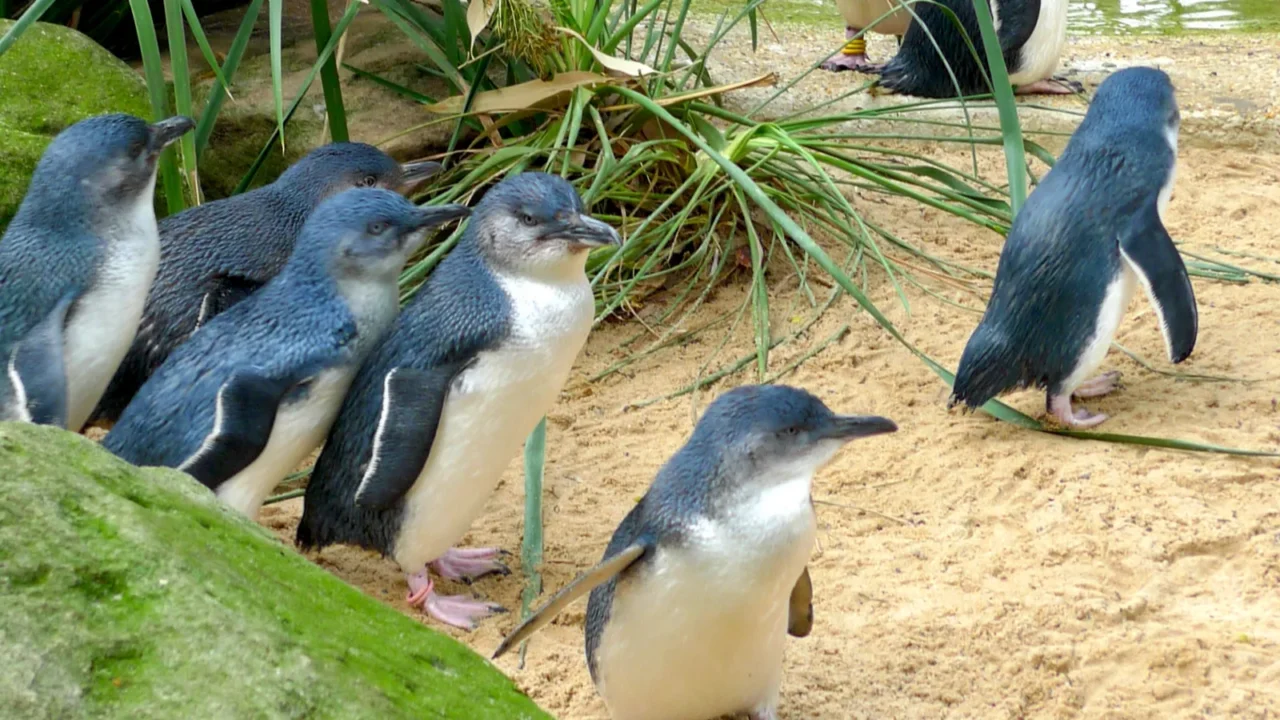
Where it all happens
Phillip Island sits about ninety minutes south of Melbourne, surrounded by cold Southern Ocean waters. Summerland Beach is the heart of the Penguin Parade, where little penguins emerge after sunset. It’s one of the few places globally where penguins nest so close to human settlements.
This close proximity led to early decisions about conservation and visitor control. Unchecked tourism once threatened penguin numbers. Today, the island shows how boundaries can protect wildlife and still create wonder.
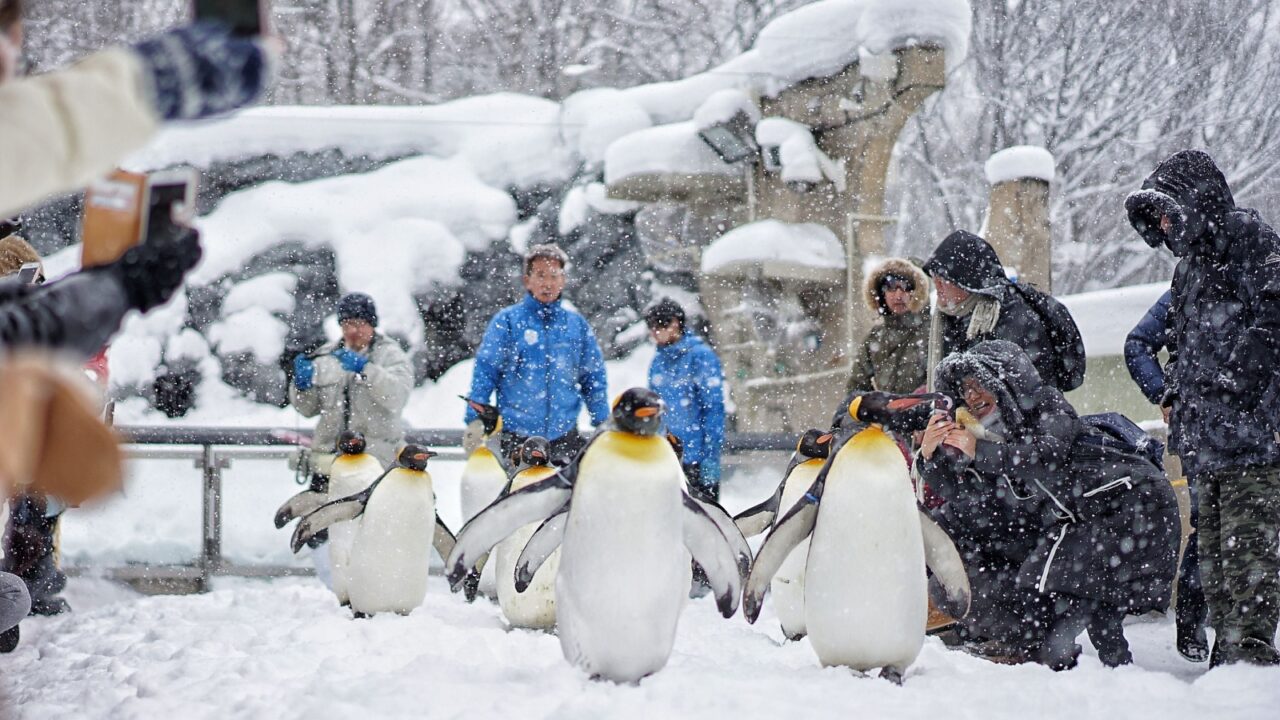
Why control was necessary
By the 1980s, penguin numbers on Phillip Island were declining at alarming rates. Cars, flash photography, noise, and habitat loss disrupted nesting and migration patterns. Tourism demand kept growing, but the ecosystem couldn’t handle uncontrolled access.
Authorities realized that observation without limits would destroy the very attraction people came to see. Strict rules became the only sustainable path forward. That moment reshaped wildlife tourism thinking worldwide.
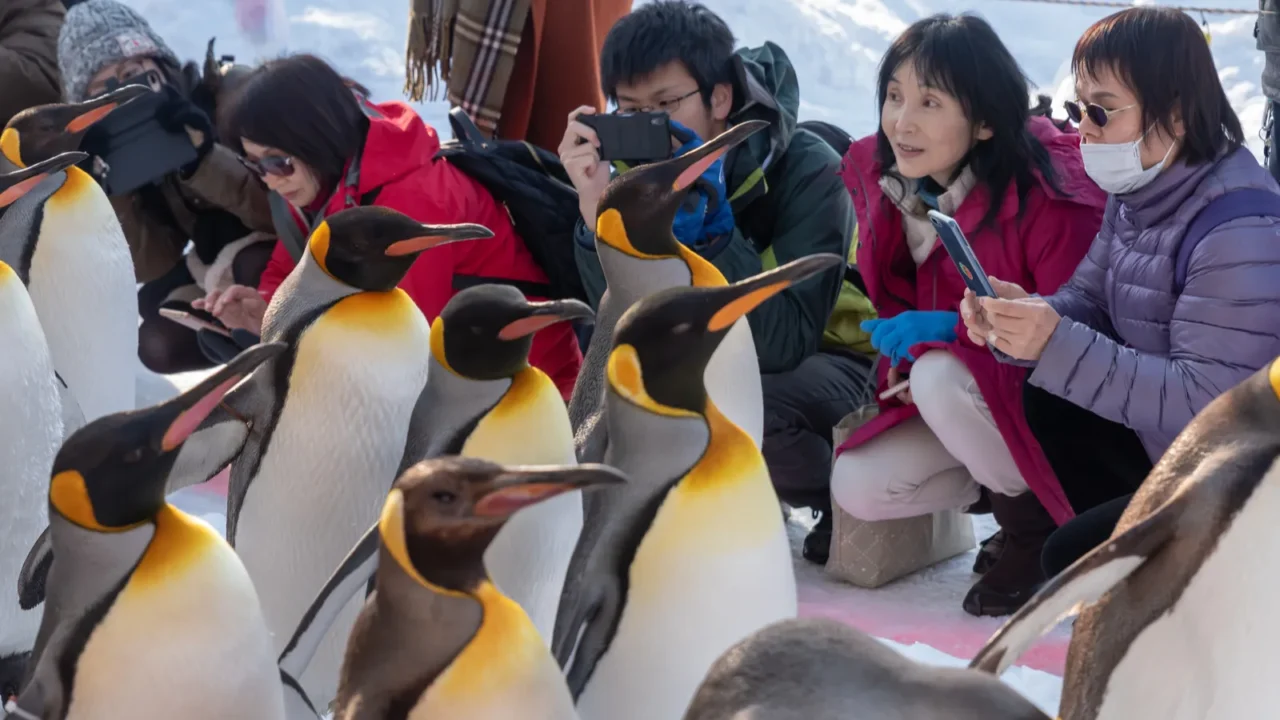
Purpose built viewing areas
Modern viewing platforms guide visitors away from sensitive nesting zones. Boardwalks and tiered seating keep foot traffic controlled and predictable. Penguins follow natural paths without obstruction.
Lighting is deliberately low and amber-toned to avoid disorienting the birds. Flash photography is banned entirely. These design choices reduce stress while still allowing clear viewing.
Strict visitor behavior rules
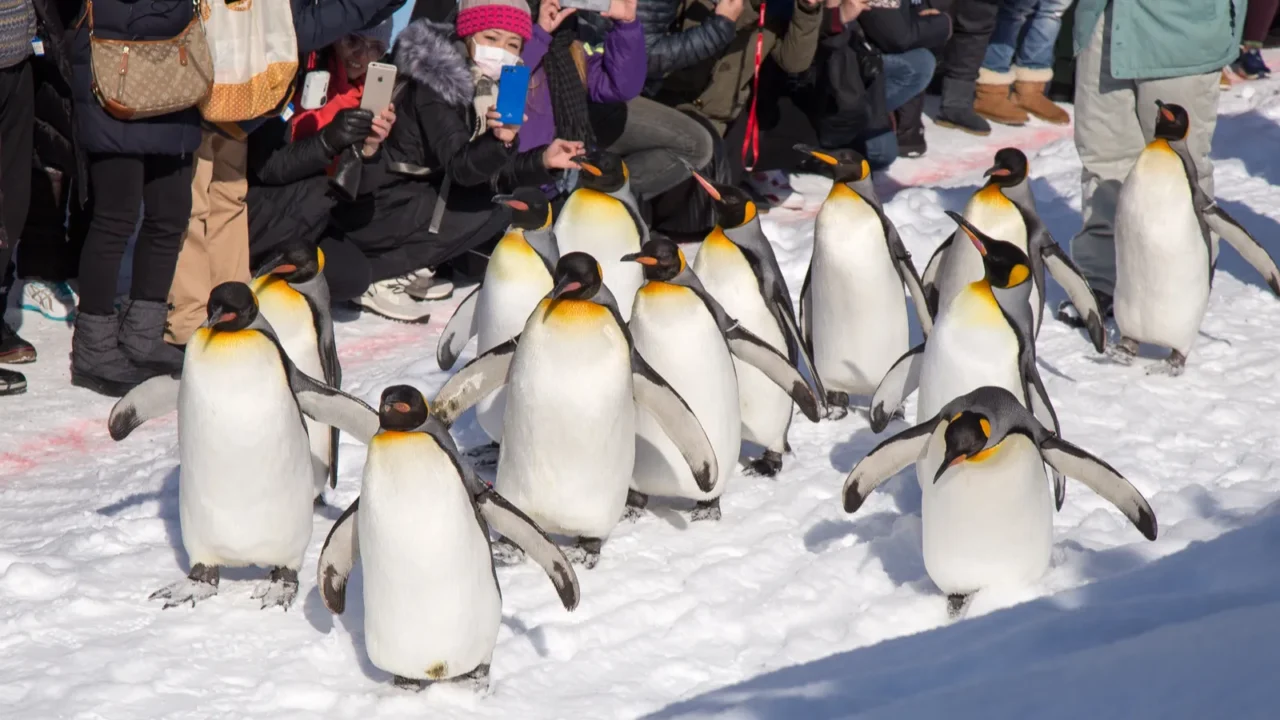
Rules at the Penguin Parade are enforced consistently and clearly. Talking loudly, filming with phones, or stepping off pathways isn’t allowed. Rangers monitor crowds closely during every viewing session.
These measures might feel firm, but they protect breeding success. Penguin survival rates have improved significantly since controls tightened. Visitors often leave with greater respect for wildlife boundaries.
Numbers carefully capped
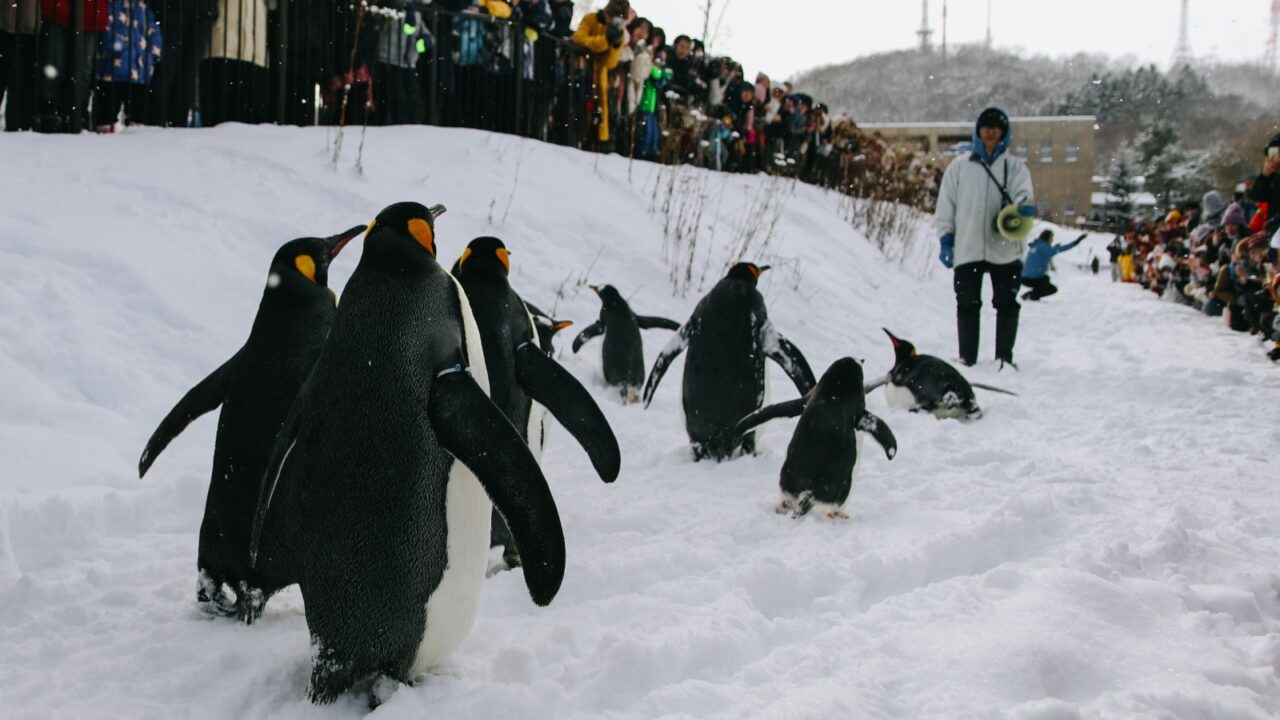
Daily visitor numbers are capped based on seasonal penguin activity. During peak breeding periods, limits are even tighter. This prevents overcrowding and reduces cumulative stress on colonies.
Ticketing systems help regulate flow without chaos. Fewer people often lead to better viewing experiences anyway. Controlled access has proven more effective than open entry models.
Science drives decisions
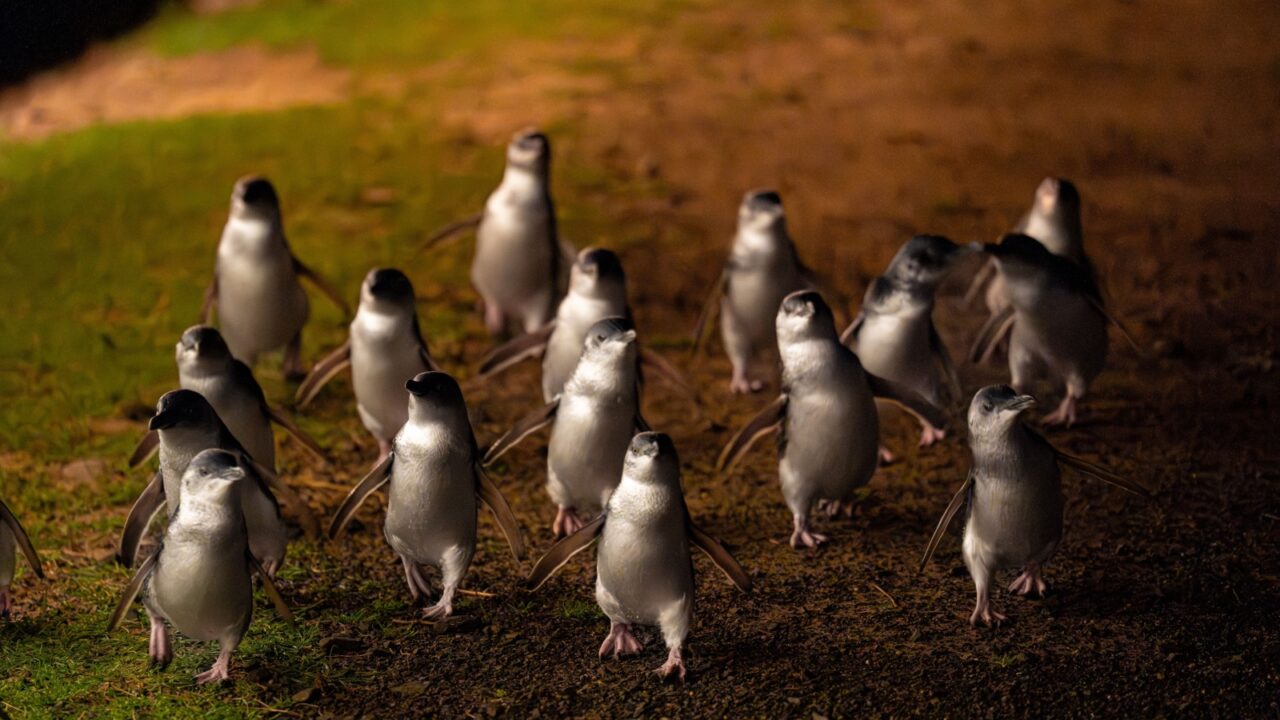
Ongoing research shapes every policy on Phillip Island. Scientists track nesting success, chick survival, and penguin health year-round. Data determines when pathways close or visitor numbers change.
Tourism revenue directly funds conservation research. That feedback loop keeps decisions evidence-based, not profit-driven. It’s one reason the model earns global recognition.
Community involvement matters
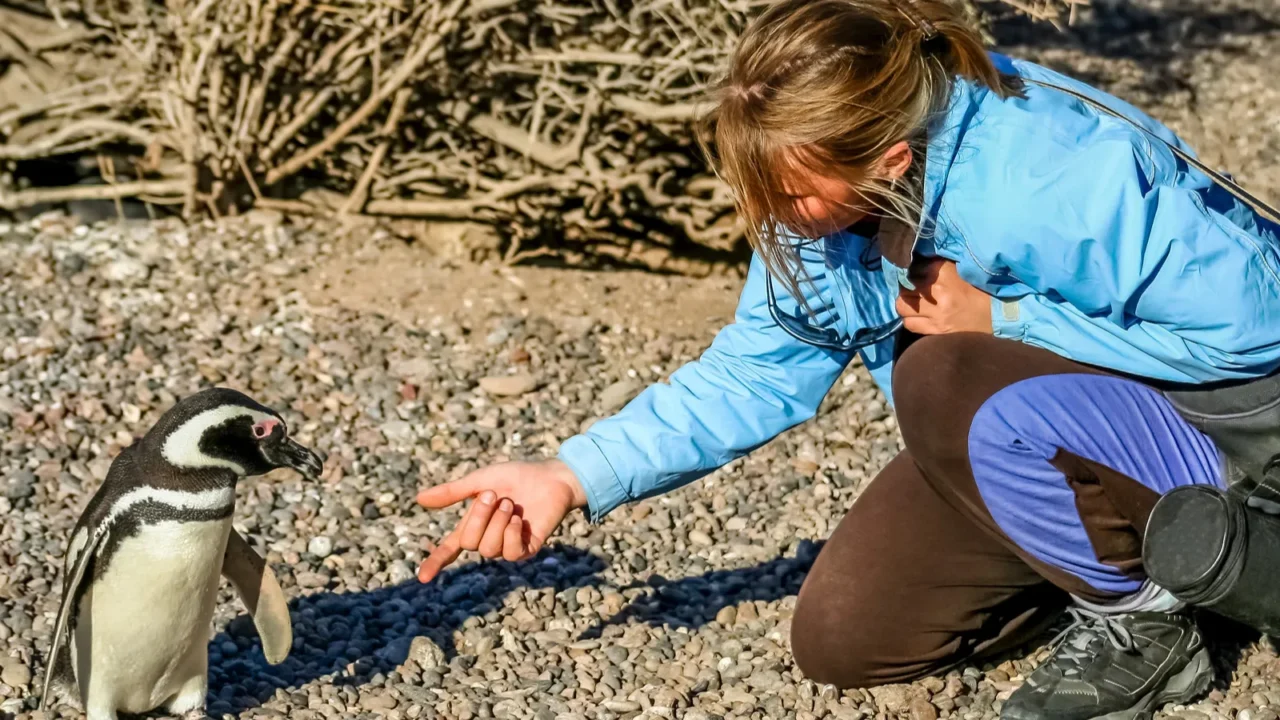
Residents play a critical role in protecting penguins. Speed limits near nesting areas are enforced to prevent road deaths. Homes near colonies follow light and fencing regulations.
Community education programs start at the school level. Residents understand that tourism only works if penguins thrive. Shared responsibility strengthens long-term conservation outcomes.
Economic benefits stay local
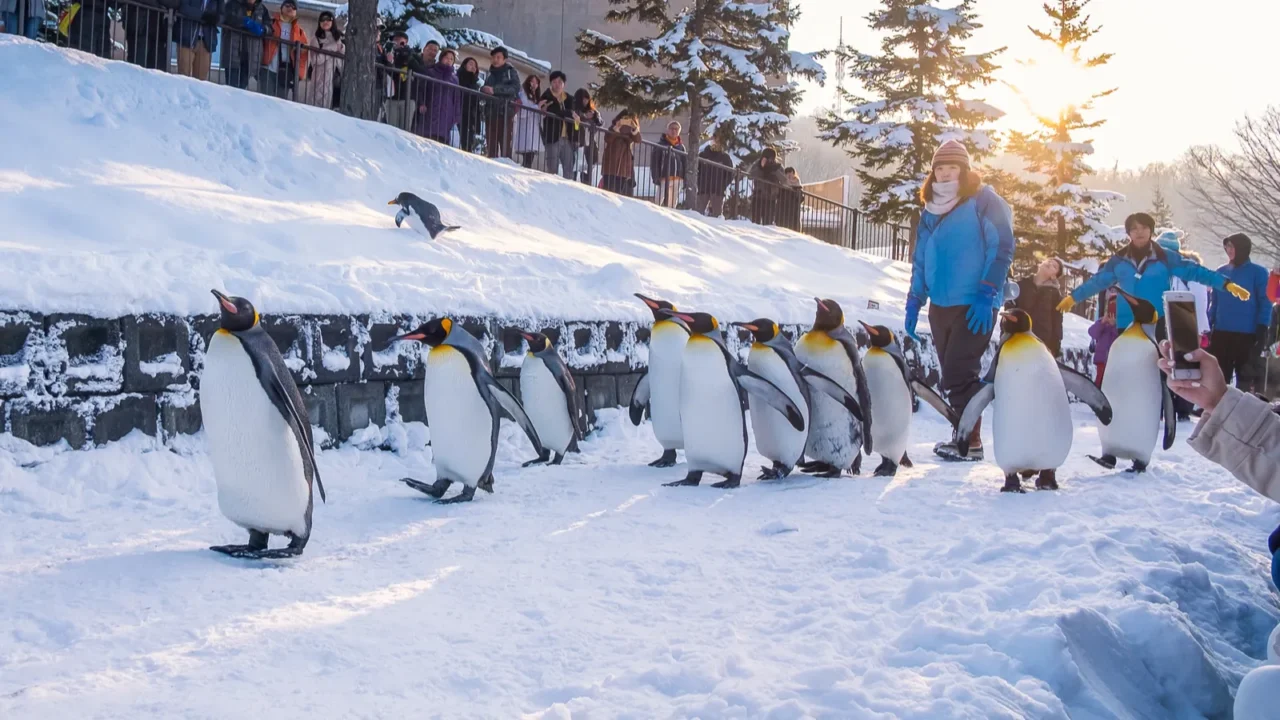
Revenue from the Penguin Parade supports regional jobs and infrastructure. Funds go back into habitat restoration and ranger training. Local businesses benefit without expanding into sensitive zones.
This controlled model avoids overdevelopment. Hotels and attractions remain clustered away from nesting beaches. Economic growth stays aligned with environmental limits.
Visitors learn by watching
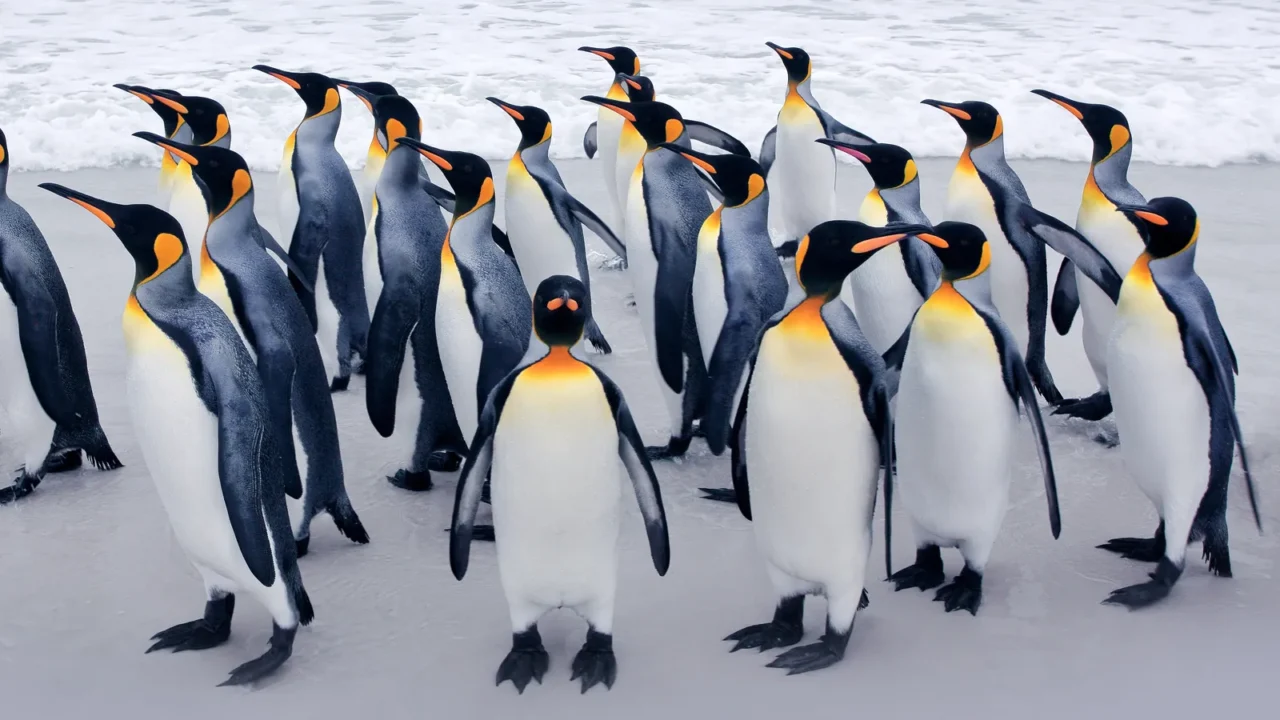
Interpretive centers explain penguin behavior before nightfall. Rangers share insights about migration, mating, and threats facing the species. Education happens naturally alongside observation.
Many visitors leave with a stronger conservation mindset. The experience feels meaningful rather than consumptive. Learning becomes part of the memory.
A model others study
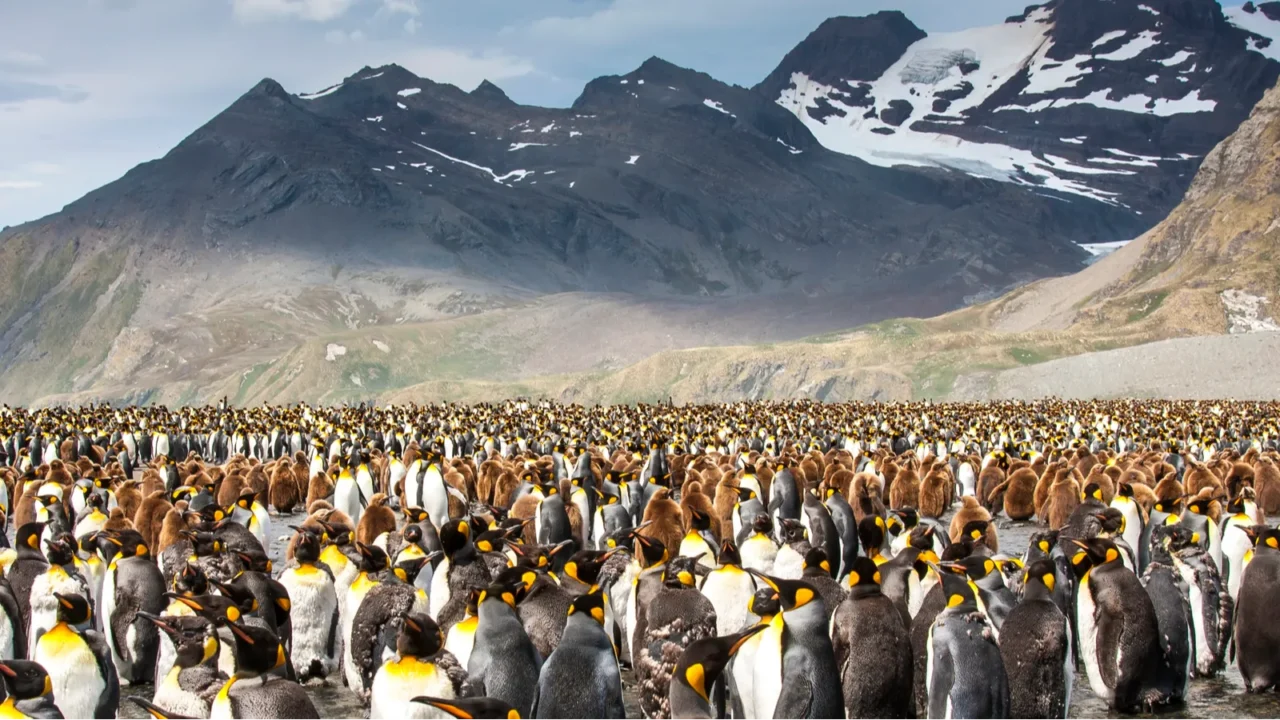
Wildlife destinations worldwide study Phillip Island closely. Similar approaches now appear in New Zealand, South Africa, and parts of South America. Controlled access is replacing mass wildlife tourism.
The island proves limits don’t reduce appeal. In fact, scarcity and protection increase perceived value. That lesson keeps spreading globally.
Penguins are recovering
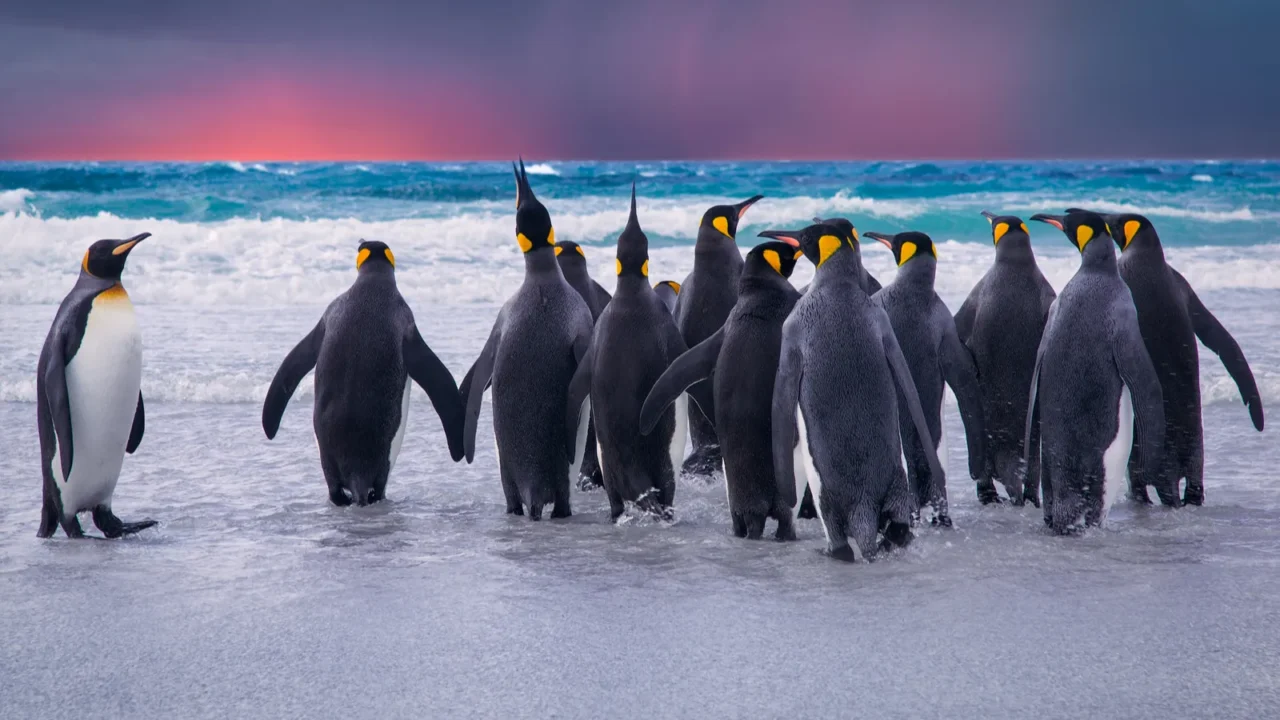
Little penguin numbers on Phillip Island have stabilized compared to past declines, reflecting years of careful management. Chicks now show higher survival rates, while habitat restoration continues alongside tightly controlled tourism operations. This mirrors broader travel shifts, such as why fewer visitors are making the Faroe Islands more appealing through similar limits on access.
Success didn’t come quickly. It took years of discipline and consistency. That patience makes the model credible and replicable.
A balance worth protecting
Phillip Island shows that wildlife tourism doesn’t need chaos to feel magical. Structure, restraint, and respect can actually deepen the experience. Penguins remain wild, not staged.
As more destinations face overtourism pressure, this model feels increasingly relevant. Which wildlife experience deserves this level of care next? Share your thoughts below!
This slideshow was made with AI assistance and human editing.
Don’t forget to follow us for more exclusive content right here on MSN.
Disclaimer: The images used are for illustrative purposes only and do not depict the actual locations mentioned.
Read More From This Brand:
