A country measuring joy
Most countries chase economic growth, rising incomes, and bigger numbers to define success. Bhutan quietly chose a different path by tracking happiness instead of wealth. That decision continues to fascinate travelers today, so let’s take a closer look.
Tucked in the eastern Himalayas between India and China, Bhutan feels intentionally unhurried and deeply grounded. The atmosphere reflects values rooted in balance, culture, and emotional well-being. That mindset shapes everything visitors experience.
Happiness over gross wealth
Bhutan measures progress using Gross National Happiness rather than Gross Domestic Product. This framework evaluates well-being through health, education, culture, environment, and governance. Wealth matters here, but it never outweighs quality of life.
The concept was introduced in the 1970s by Bhutan’s fourth king. His belief was simple and radical: that happiness mattered more than money. That philosophy still guides national decisions today.
What happiness actually measures
Gross National Happiness looks at mental well-being, community vitality, and cultural preservation. It also includes environmental conservation and how safe people feel in daily life. These factors are measured through nationwide surveys and policy evaluations.
Rather than abstract theory, the system influences real laws and development plans. Projects are evaluated based on their impact on people and nature. If happiness declines, policies are reconsidered.
Peace built into daily life
Visitors often notice Bhutan’s calm pace almost immediately after arriving. Traffic lights are rare, horns are discouraged, and streets feel unusually quiet. That calm reflects a collective respect for shared space.
Monks, shopkeepers, and families coexist in a rhythm shaped by mindfulness. Spiritual practices blend naturally into everyday routines. The result feels authentic rather than performative.
Thimphu’s gentle capital
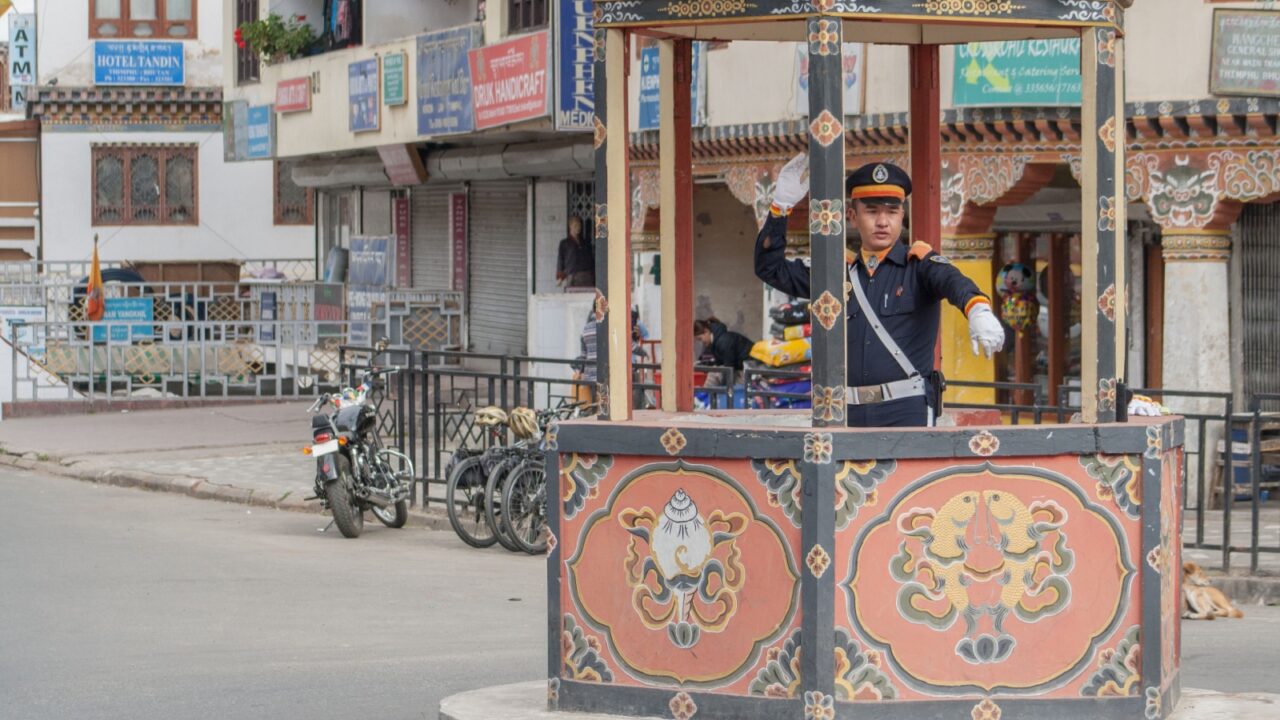
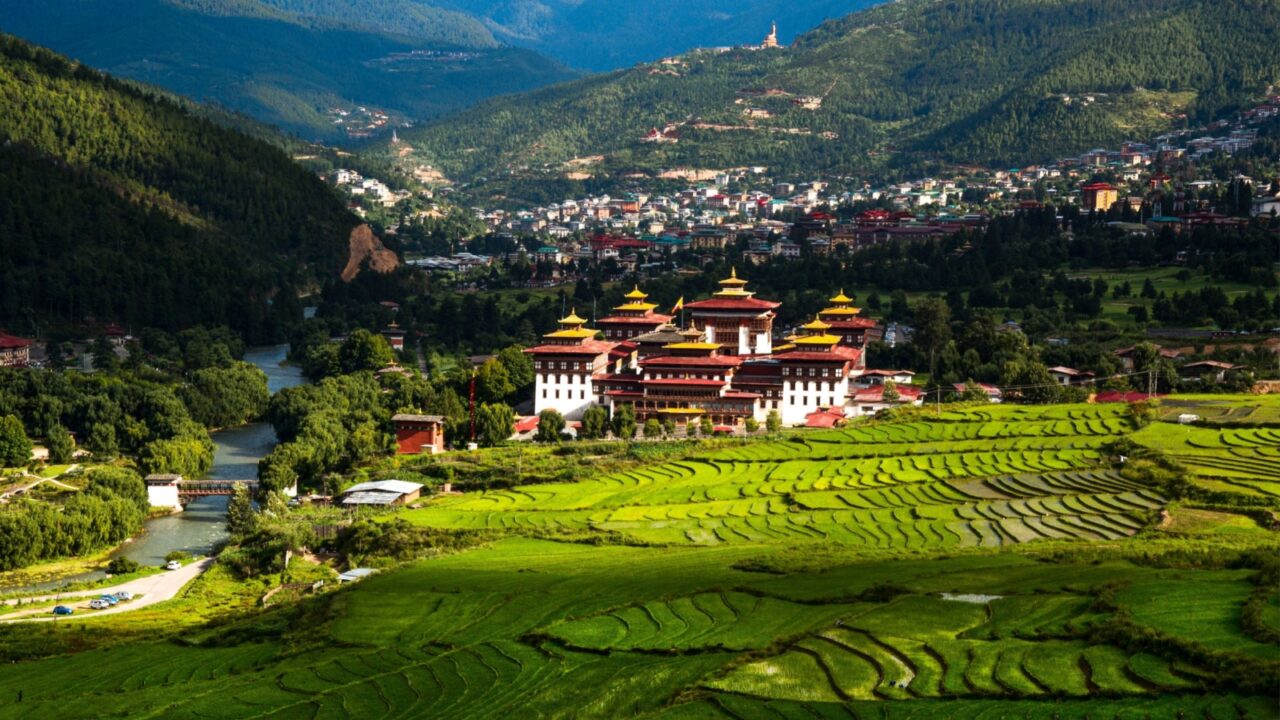
Thimphu is one of the world’s few capitals without traffic lights. Instead, white gloved police officers direct cars with graceful hand movements. The city feels orderly yet deeply human.
Modern cafes sit beside monasteries and prayer wheels. Government offices follow traditional architecture rules by law. Even growth here feels intentional.
Sacred sites shape travel
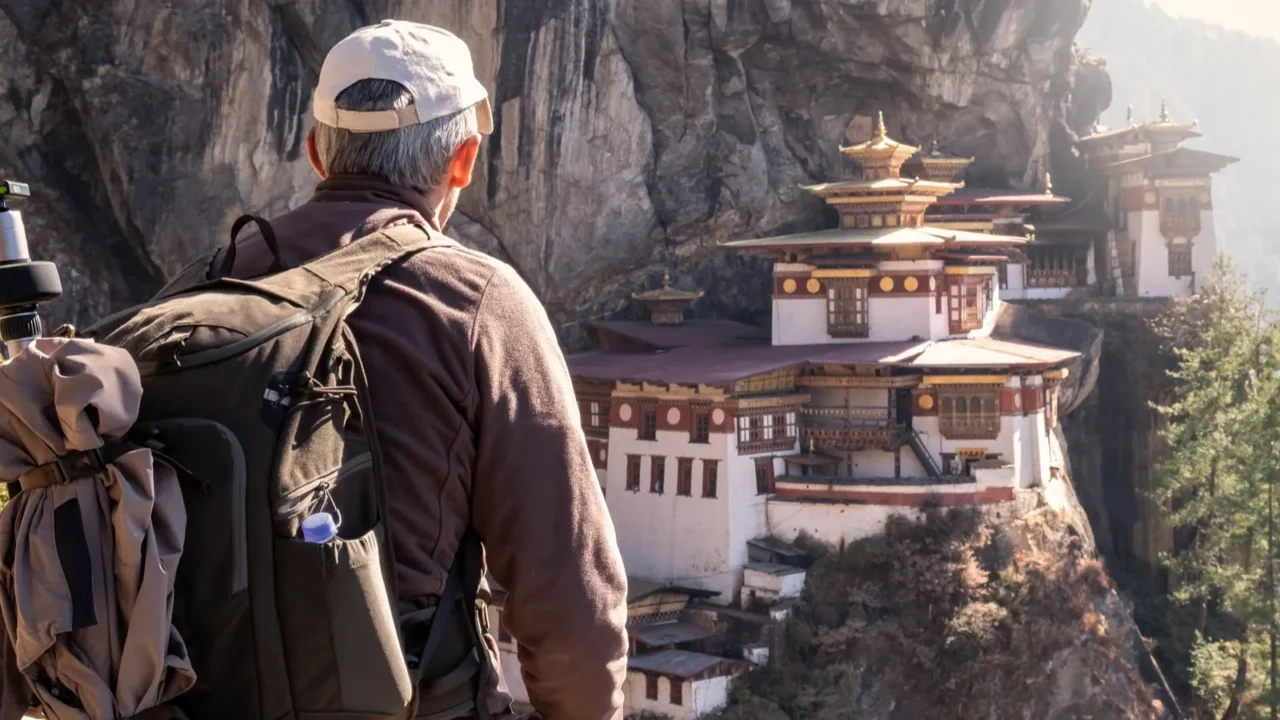
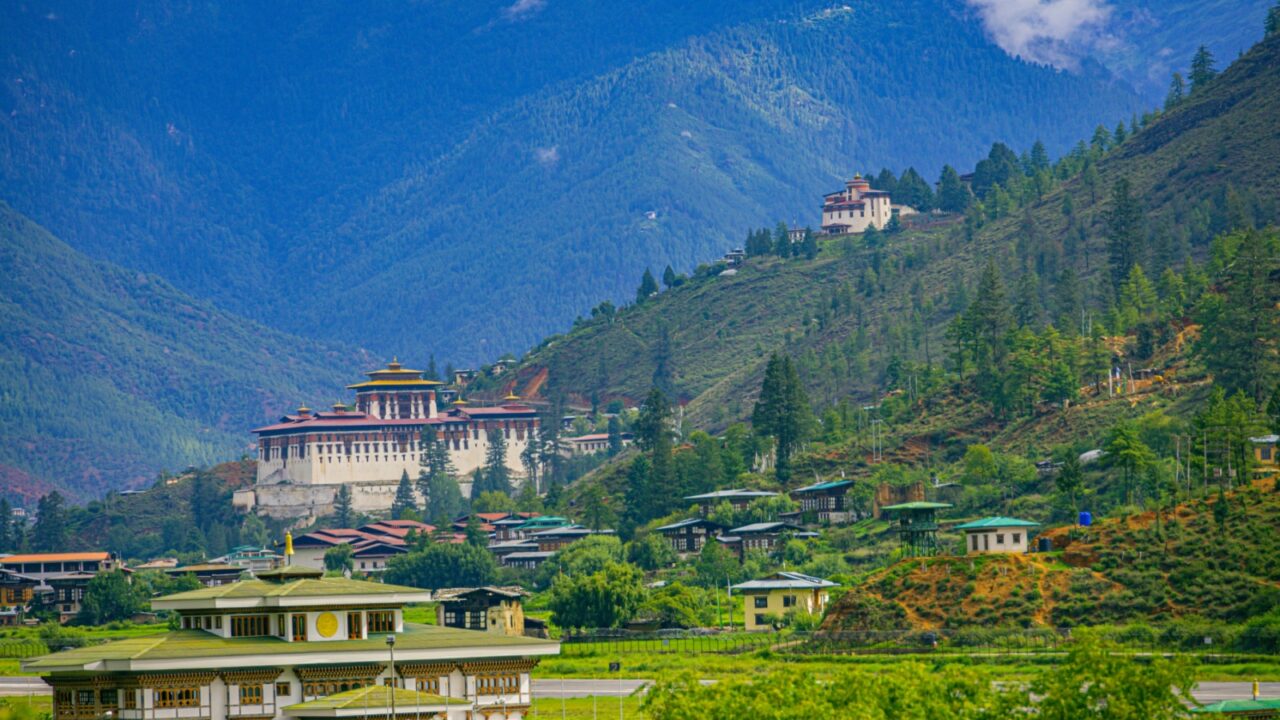
Bhutan’s landscapes are dotted with monasteries that double as spiritual anchors. Tiger’s Nest Monastery clings dramatically to a cliff above the Paro Valley. Reaching it feels both physical and emotional.
Travelers hike through pine forests and prayer flags to reach sacred spaces. Silence feels respected rather than imposed. These moments often become trip highlights.
Nature protected by policy
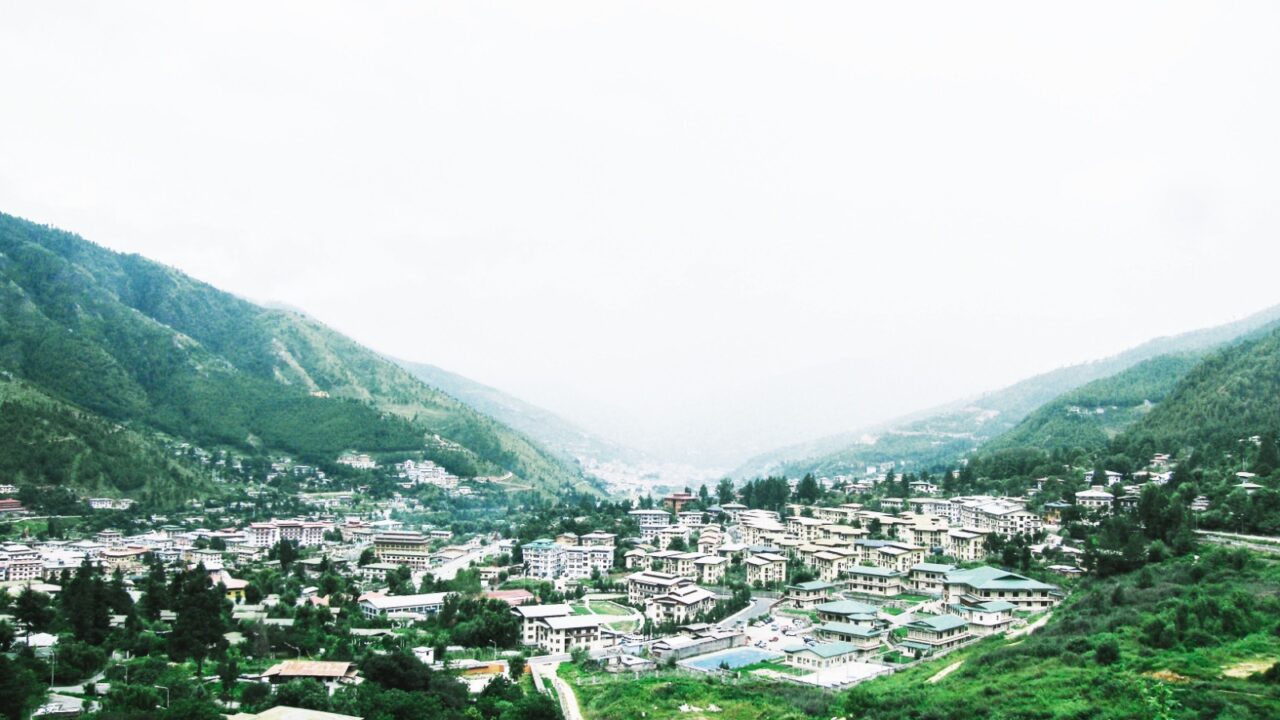
Over sixty percent of Bhutan remains covered in forest. The constitution legally mandates environmental protection for future generations. This commitment shapes how tourism operates.
Wildlife corridors allow animals to move freely across regions. National parks protect rare species like snow leopards and red pandas. Travelers experience landscapes that feel untouched.
Tourism with intention
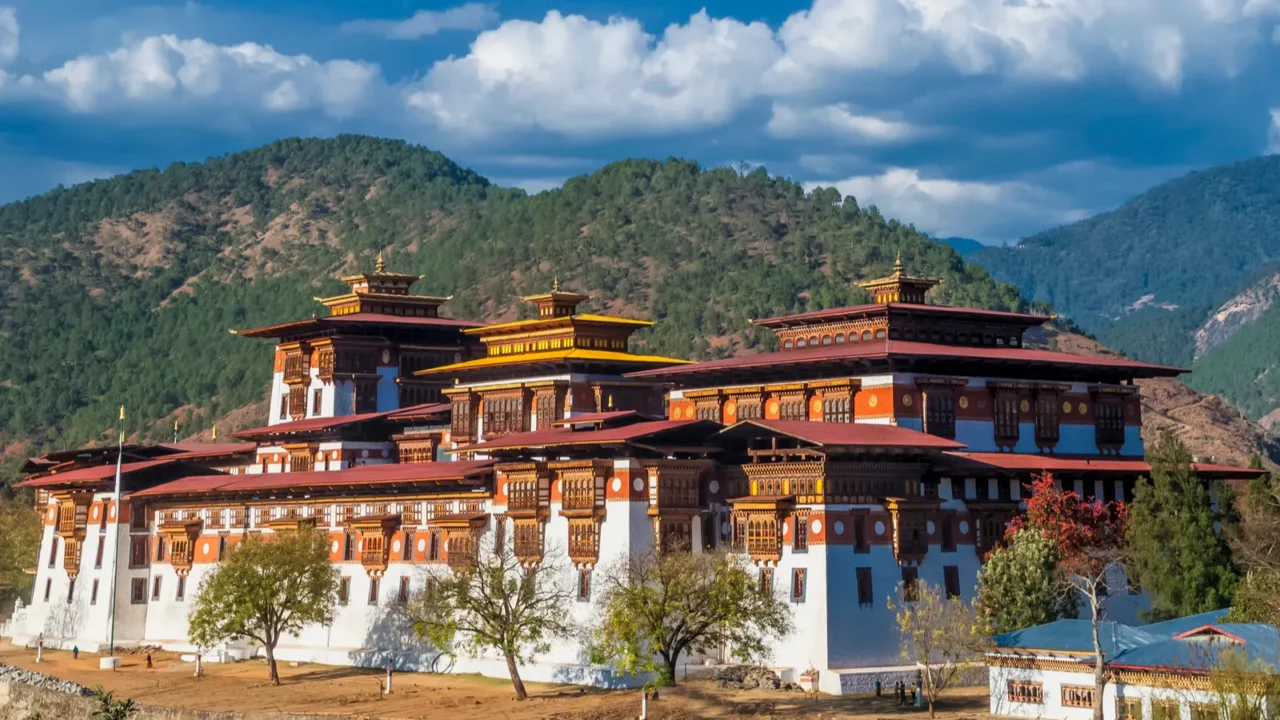
Bhutan follows a high-value, low-impact tourism model. Daily visitor fees support education, healthcare, and conservation. This limits overcrowding while benefiting communities.
Holidaymakers often describe trips as meaningful rather than rushed. Guides focus on culture, history, and connection rather than box-checking. That slower pace changes how travel feels.
Culture preserved on purpose
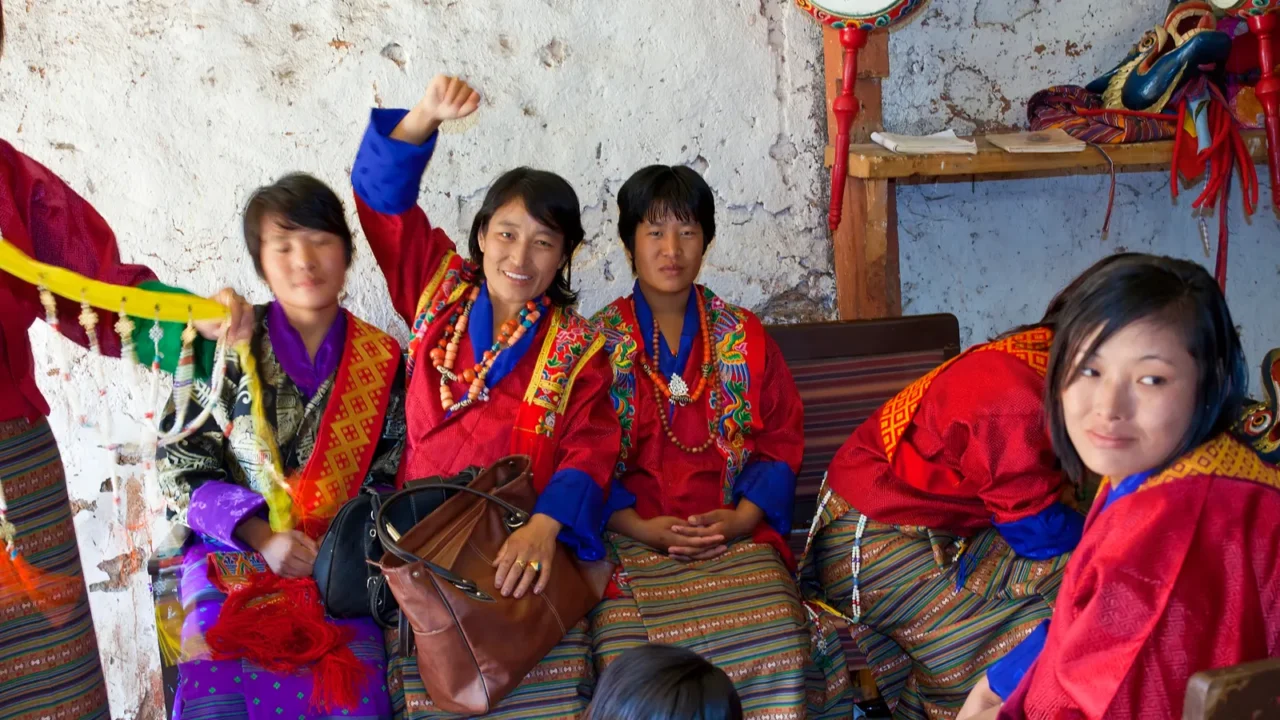
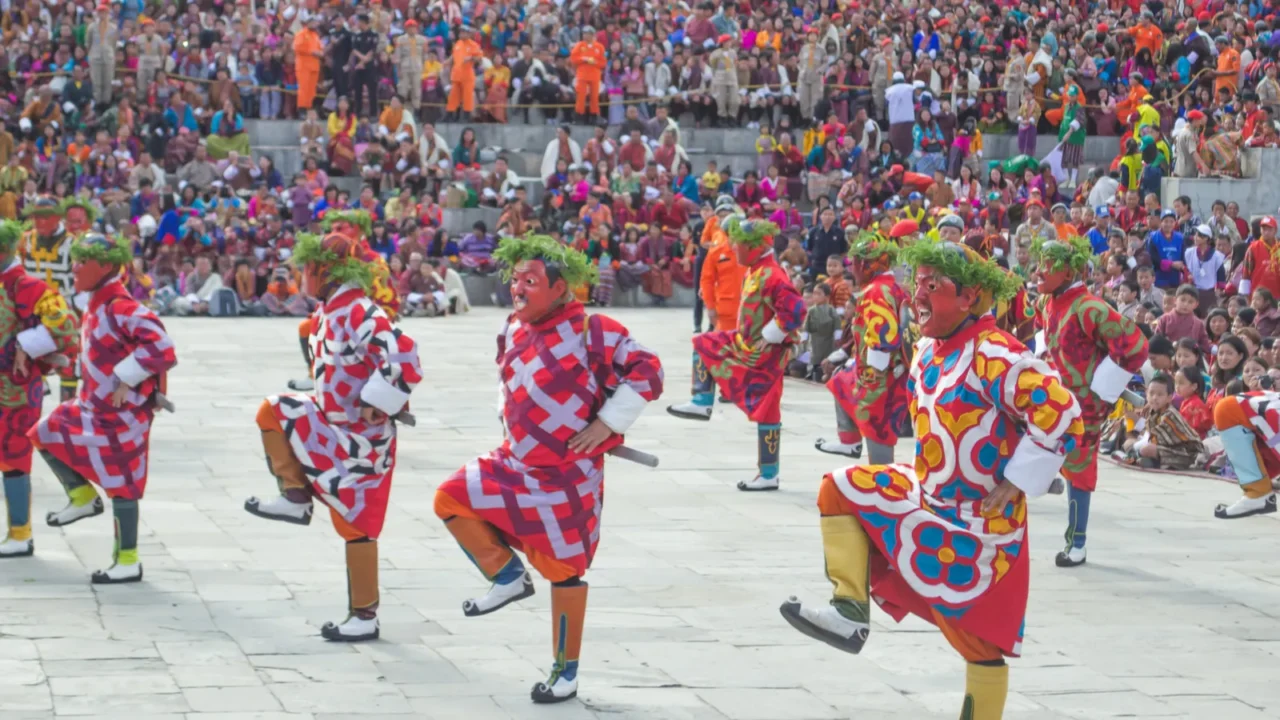
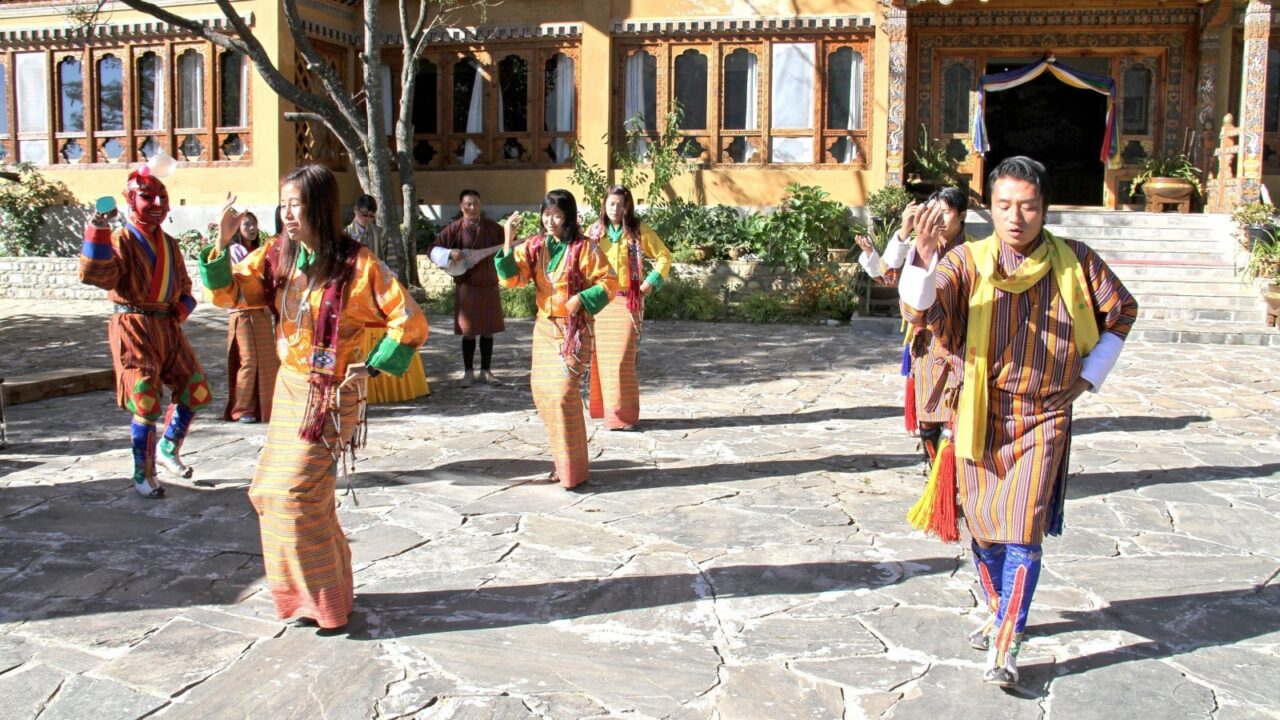
Traditional dress is worn daily, not saved for ceremonies. Dzongs, or fortress monasteries, dominate town skylines. Festivals like Paro Tsechu bring communities together.
Music, dance, and rituals are passed through generations intentionally. Cultural preservation is treated as a living practice. Travelers sense authenticity rather than performance.

Education and wellbeing focus
Schools emphasize values alongside academics. Meditation and mindfulness are part of learning environments. Emotional health is treated as foundational.
Healthcare is publicly funded and widely accessible. Rural outreach ensures services reach remote villages. These systems reinforce collective well-being.
What travelers feel most
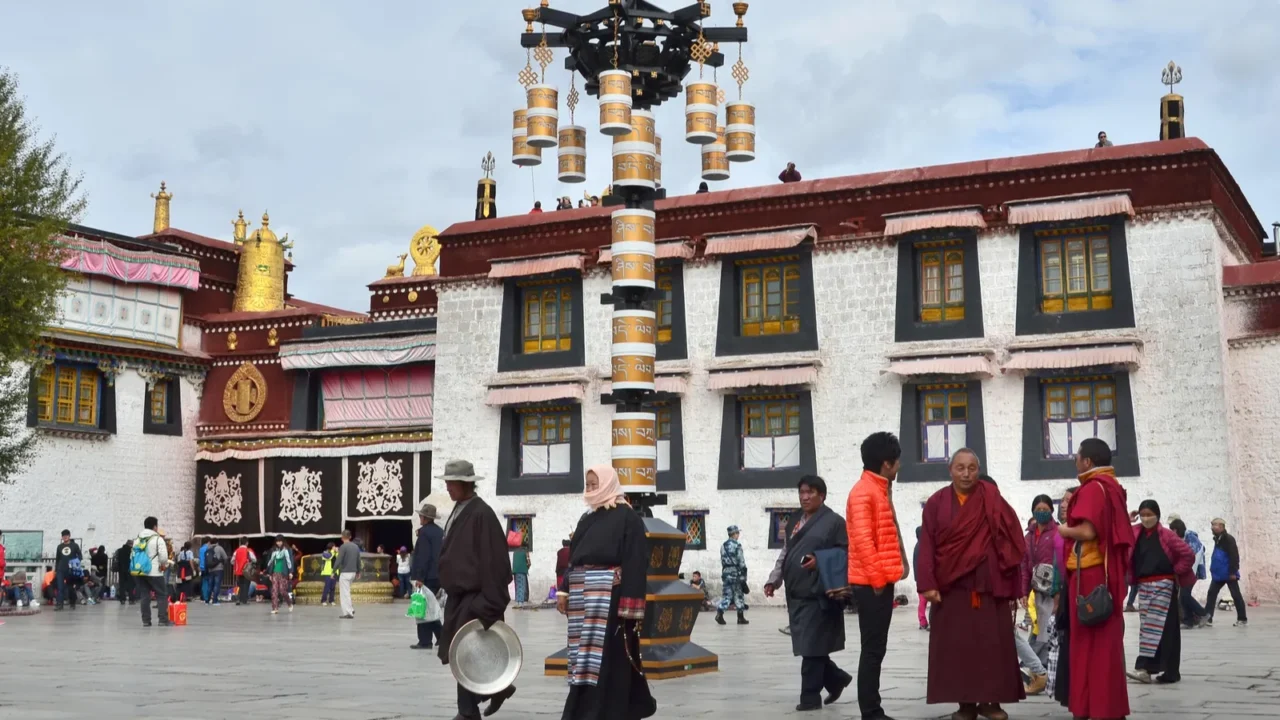
Many visitors say Bhutan feels emotionally restorative. The absence of aggressive advertising and noise feels refreshing. Time seems to slow naturally.
Instead of chasing attractions, travelers describe moments of reflection. Conversations feel unhurried and genuine. That calm lingers long after departure.
A model inspiring others
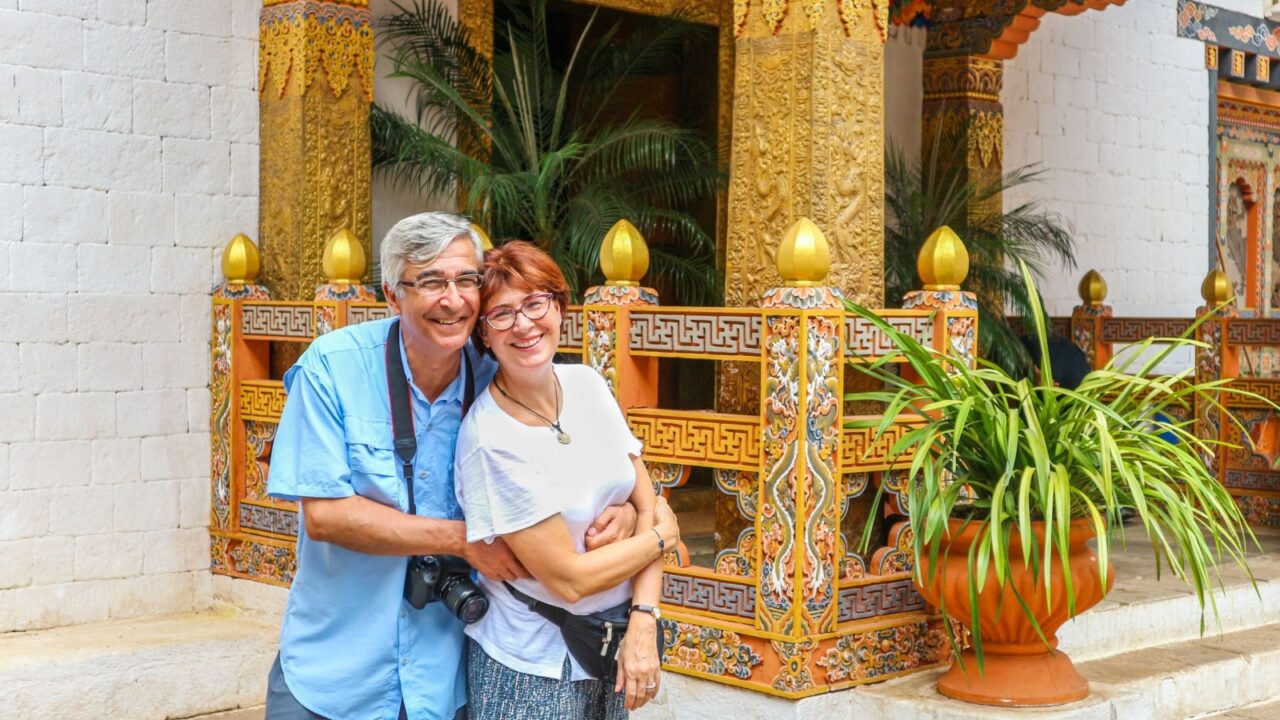
Bhutan’s happiness framework has drawn global attention. Policymakers worldwide study its long-term outcomes. It challenges traditional ideas of progress.
While not perfect, the system offers a powerful alternative. Celebs are embracing digital blackout vacations in Bhutan to disconnect from constant noise and reconnect with calm. It proves that success can be human-centered, and that message resonates deeply today.
Where calm becomes contagious
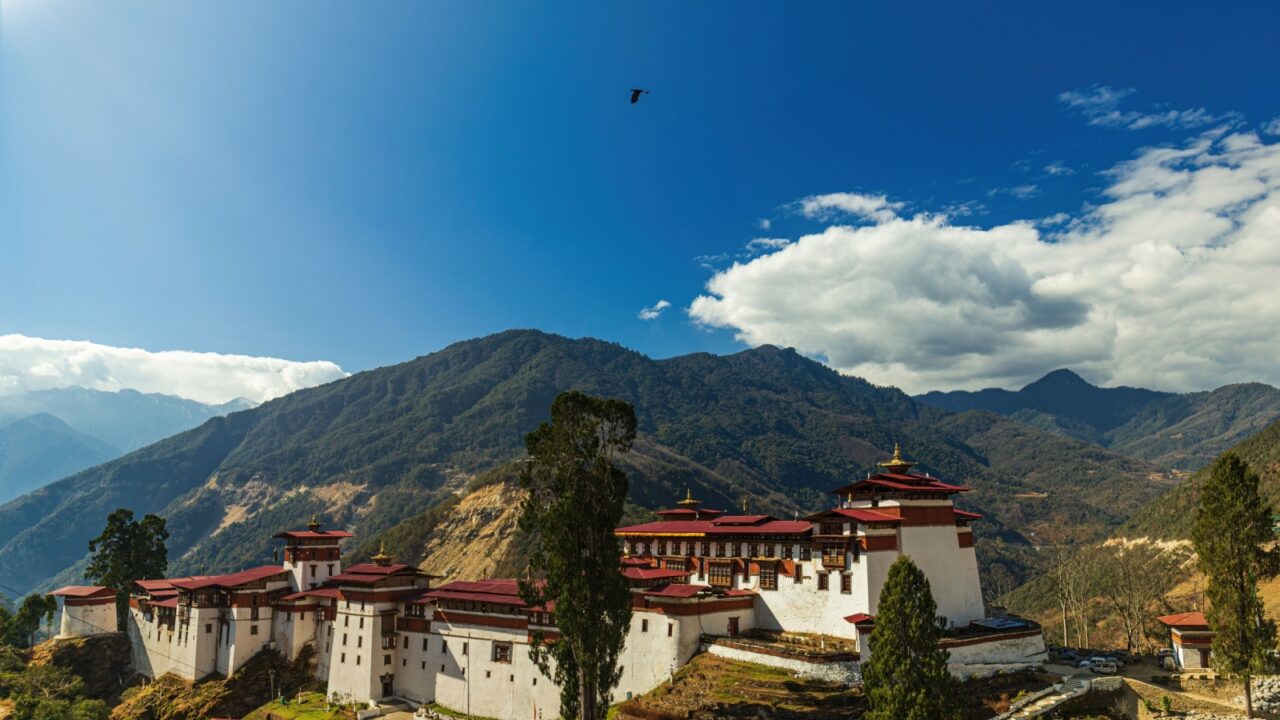
Bhutan shows that prosperity doesn’t have to feel rushed or loud. Its mountains, monasteries, and mindful culture create lasting impressions. Travelers often leave with a quieter sense of clarity.
The most meaningful journeys often change perspective, not just scenery. Which destination has left travelers feeling calmer and more grounded? Share those places in the comments below!
This slideshow was made with AI assistance and human editing.
Disclaimer: The images used are for illustrative purposes only and do not depict the actual locations mentioned.
Don’t forget to follow us for more exclusive content right here on MSN.
Read More From This Brand:
