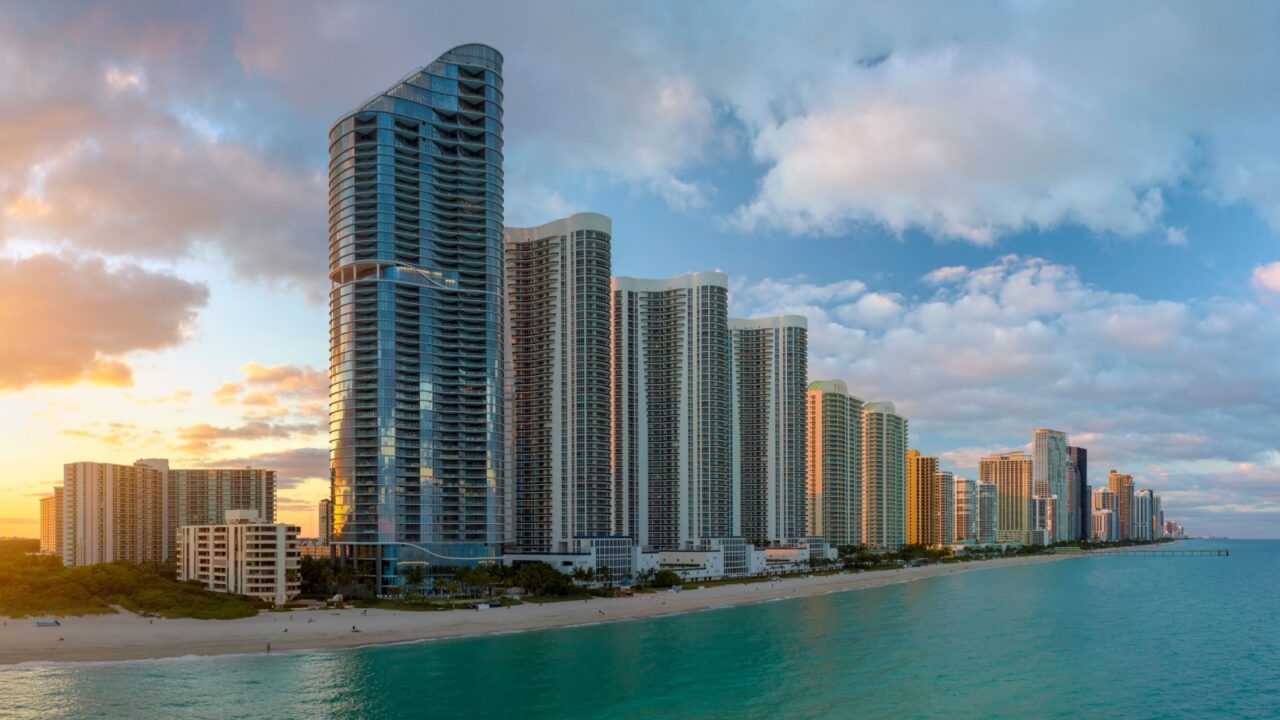
Florida building code updates reshape hotels
The Florida Building Code (FBC) 2023 sets updated statewide standards for design, construction, and inspection of commercial buildings, including beachfront hotels in Florida. These codes reflect Florida’s unique climate and hurricane exposure, with enhanced requirements for structural safety, flood resistance, and wind resistance. Florida’s new building codes are quietly reshaping how beachfront hotel design works and affecting construction economics along the coast.
Builders and architects across Florida are now required to follow these updated codes on all new construction and substantial renovation projects. The standards align with national model codes and include state‑specific amendments for storm resilience and energy performance. Hotels must demonstrate code compliance to secure local building permits; while insurance underwriting is market-driven, insurers frequently consider building-code compliance and mitigation measures when setting terms and deductibles.
Stricter structures change design
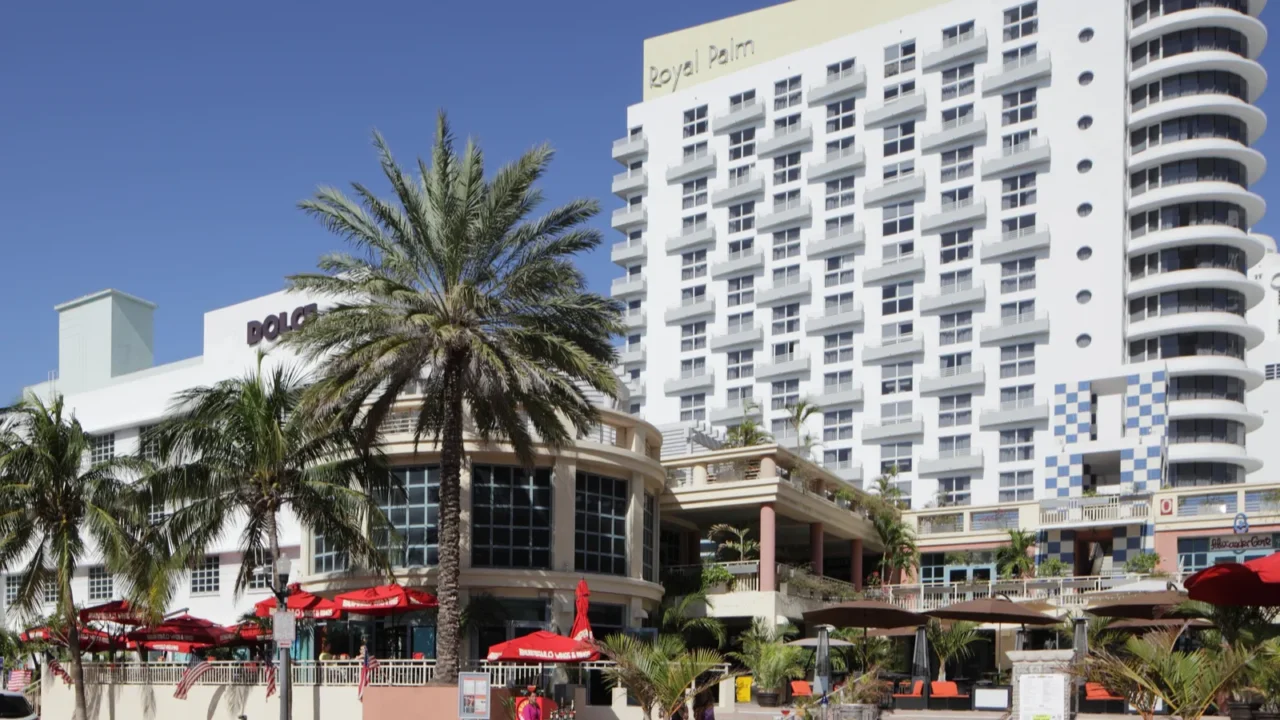
Florida’s strict building codes emphasize hurricane resilience for beachfront hotels, especially in high wind zones like Miami‑Dade and Broward counties. Walls, roofs, and openings must meet precise wind load and impact standards that are among the toughest in the United States. These requirements help hotels stand up to severe storms and protect guests and property.
Meeting this higher wind resistance standard affects architectural design, often requiring stronger framing, reinforced materials, and protective features like impact‑rated windows. Designers also adjust building orientation and façade elements to balance safety with aesthetics. The result is beachfront hotels that look different from older designs while complying with modern resilience priorities.
Flood resilience now required
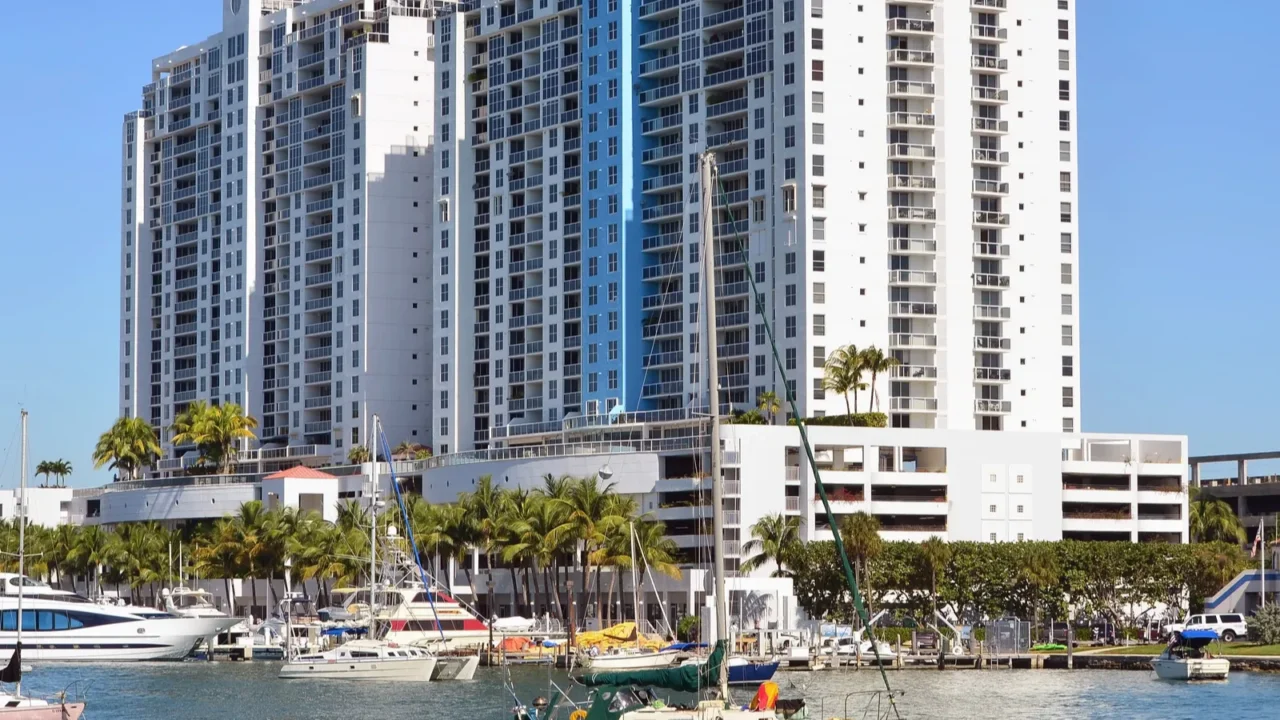
In addition to wind standards, Florida’s building codes now include expanded flood resistance provisions for construction in coastal flood hazard areas. These measures include the required elevation of structures and documentation of flood design elevation for commercial buildings. Hotels along the coast must now meet floodproofing criteria.
This change impacts beachfront hotel design by requiring elevated foundations and flood‑resistant materials below certain levels, which may limit usable ground floor space. Architectural plans must integrate these features early in the design stage to pass inspection. These structural shifts also increase overall construction complexity.
Permit and timeline effects
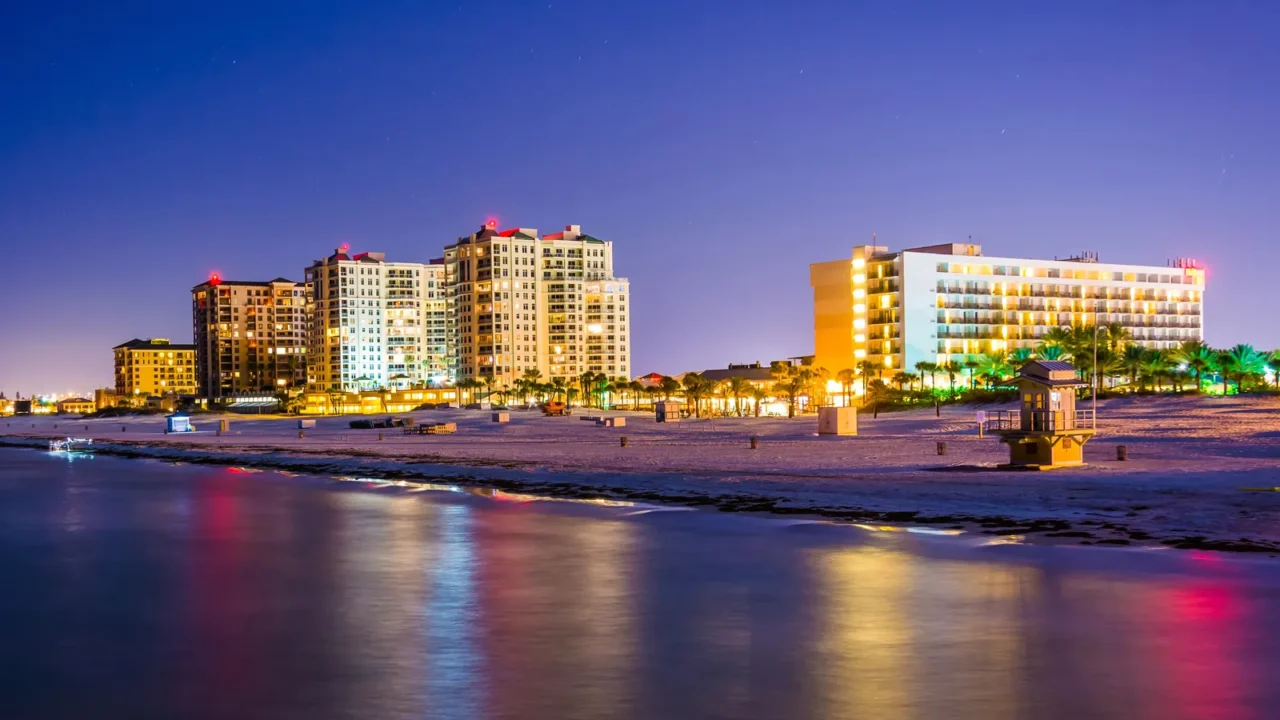
House Bill 267 (Ch. 2024-191), effective Jan. 1, 2025, shortens local review timelines in s.553.792 of the Florida Statutes and prescribes different deadlines by permit category. For example, the statute requires review of certain nonresidential permits (such as signs and nonresidential buildings under 25,000 sq ft) and some multifamily projects (up to 50 units) within 60 business days; other permit types have shorter or longer timeframes specified in the law. This change aims to accelerate application processing while preserving code compliance.
But faster permit processing doesn’t necessarily reduce review complexity, especially in flood and hurricane design criteria. Hotels must still submit detailed engineering plans that prove compliance with elevated resilience requirements. The combination of precise documentation and rapid review aims to keep projects moving while maintaining safety standards.
Material and safety upgrades
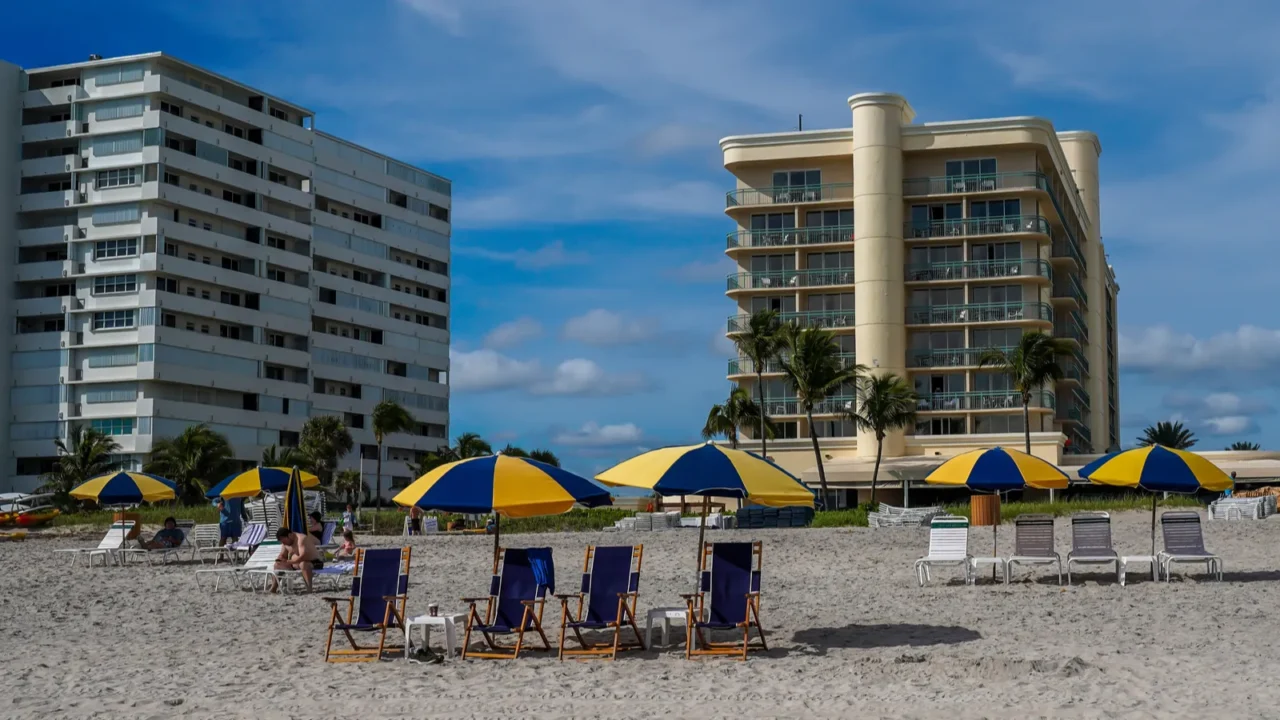
Beachfront hotels must now install high-performance materials and safety systems that comply with Florida’s code updates. Impact-rated windows and reinforced glazing are increasingly common in new designs to meet wind force criteria. These features protect guests and property from storm impacts and flying debris.
Advanced systems for flood‑resistant installations include locating mechanical, electrical, and plumbing components above flood hazard elevations. Strategic equipment placement reduces the risk of damage during storm events. These engineered design changes also extend operational resilience.
Cost effects on hotel construction
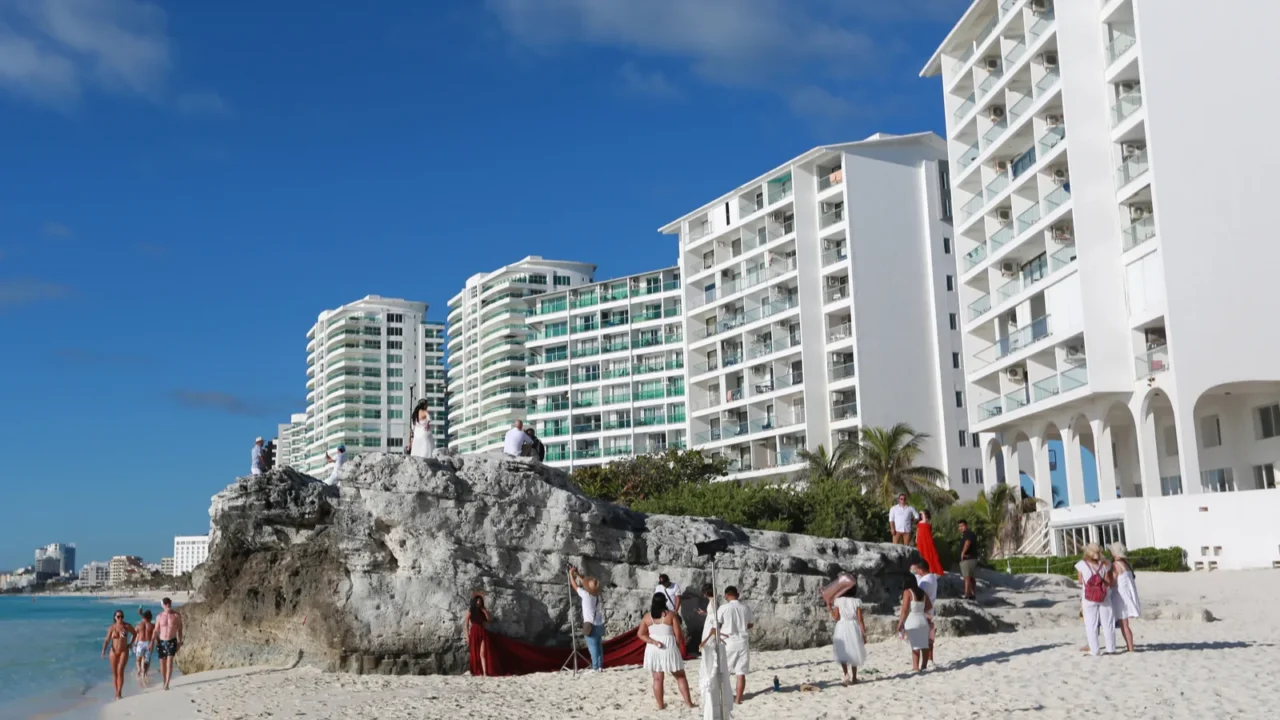
Florida’s building code upgrades and resilience measures influence the cost of beachfront hotel construction. Coastal design enhancements like elevated flood‑resistant foundations and impact-rated glazing can add significantly to overall build budgets, with materials and engineering complexity contributing to higher expenses. These additional costs often lead to higher per‑room pricing for developers and guests.
Investors and owners are adjusting financial projections to account for these elevated baseline requirements. Rising costs reflect both regulatory compliance and the value of built‑in protection against extreme weather events. Hotels that absorb these costs may still benefit from reduced long‑term maintenance risks.
Room rates reflect code impact
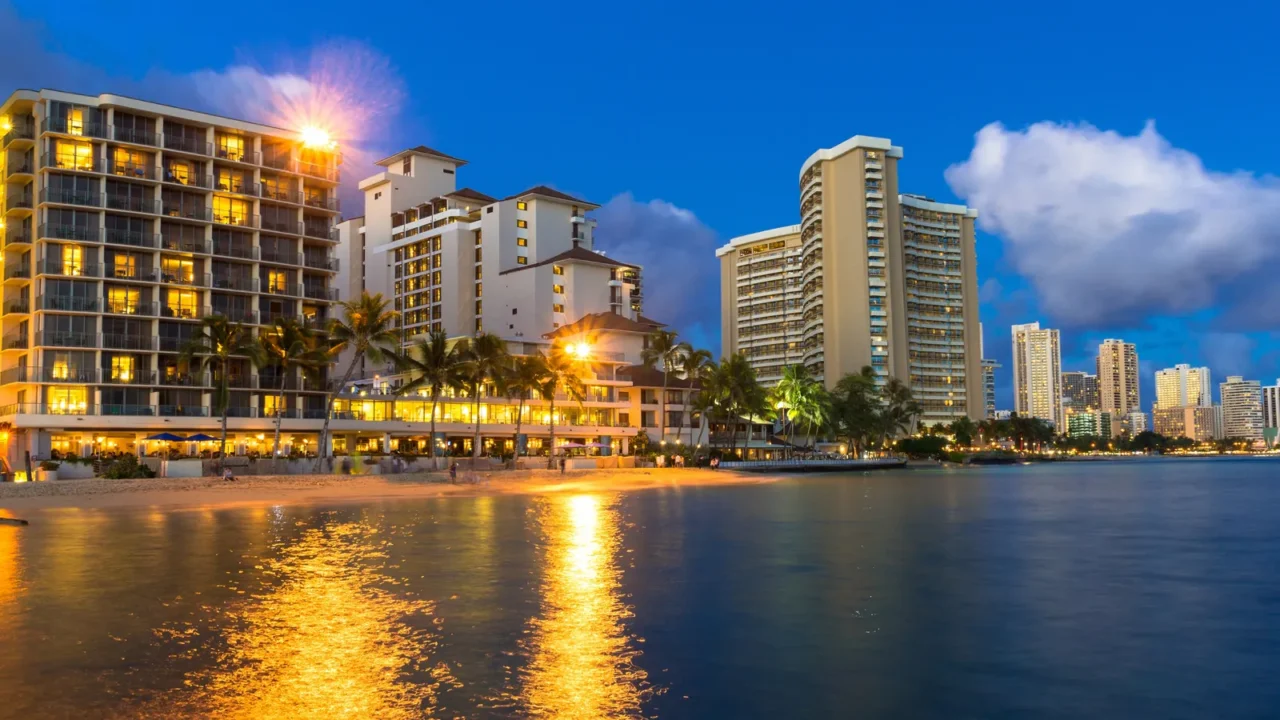
As design and construction costs rise under the new building codes, beachfront hotels are passing some of these expenses onto the market. Many hotels factor resilience investments into room rate structures to maintain profitability. Coastal destinations with high compliance costs often show stronger pricing trends compared with inland competitors.
Fun fact: Florida welcomed an estimated 135.0 million visitors in calendar year 2023, underscoring the huge tourism demand beachfront hotels serve and helping explain why resilience costs are often passed into room rates.
Design trends in beachfront markets
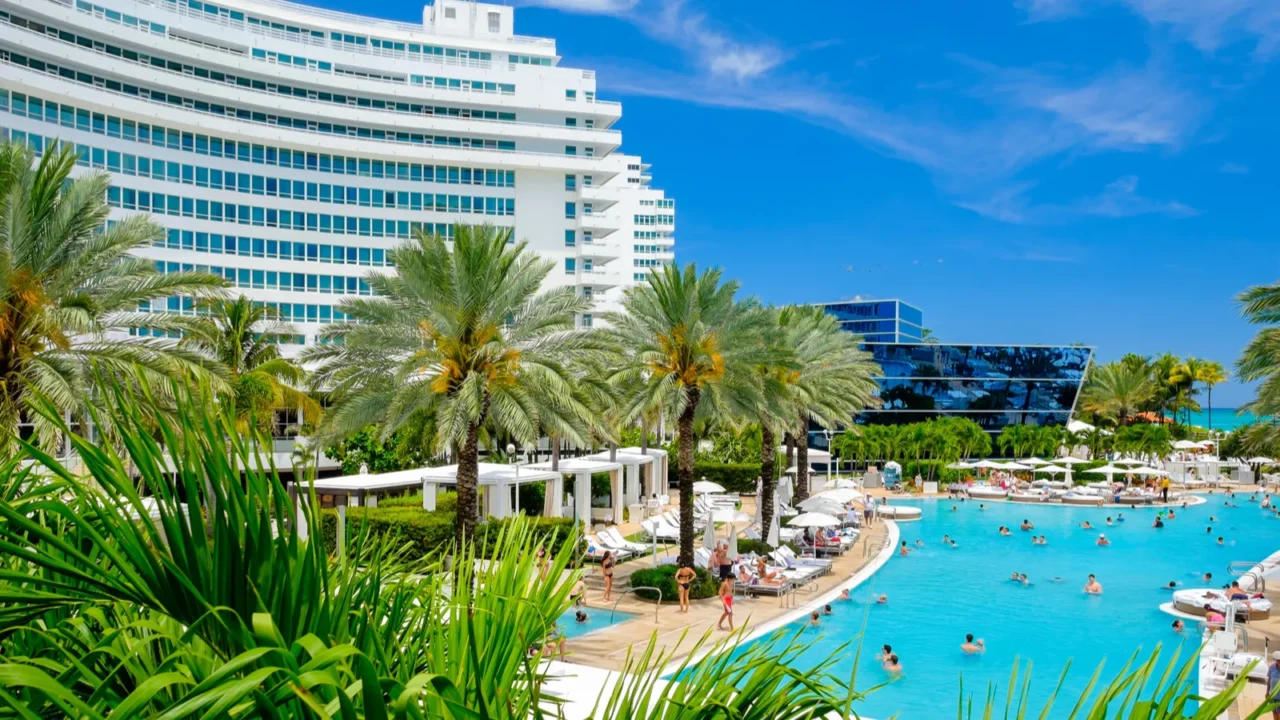
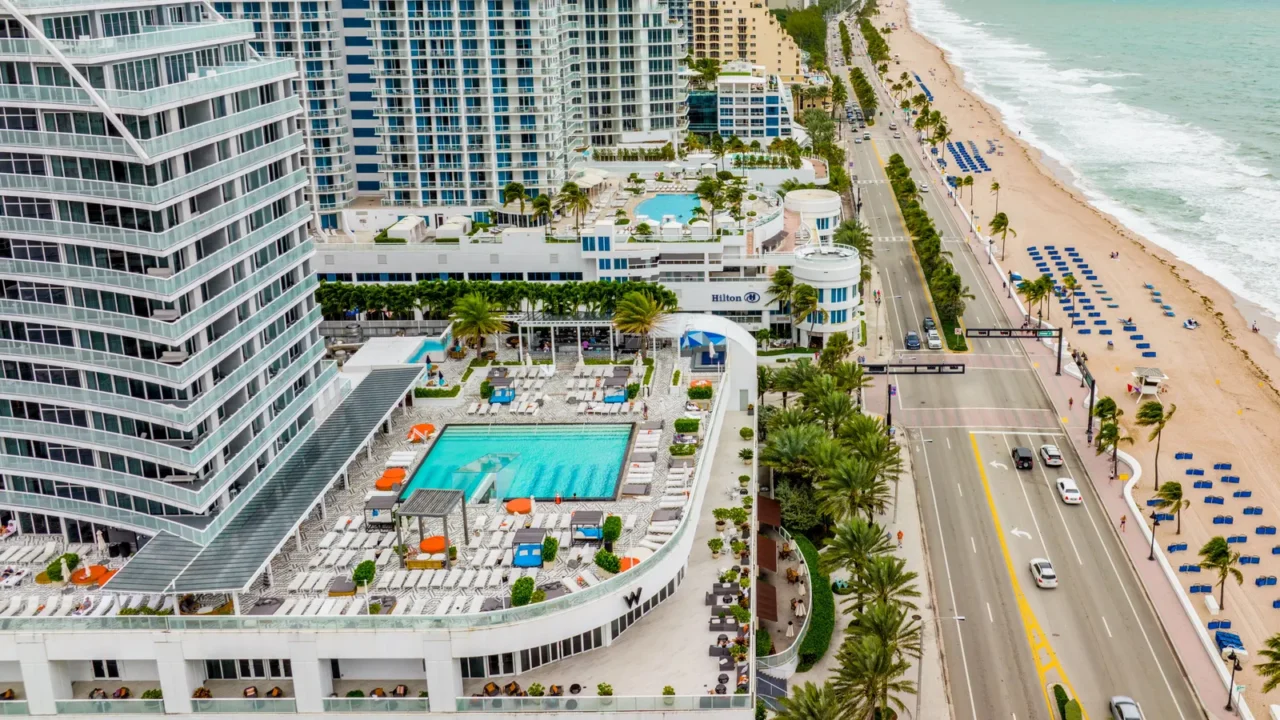
Architects and developers in Florida’s coastal markets are adapting by layering resilience into design aesthetics. Elevated pool deck concepts, reinforced structural podiums, and sheltered outdoor spaces are becoming part of hotel design. These features aim to enhance guest appeal while meeting code throughput.
Some projects also integrate elevated access lobbies and shaded guest arrival areas to reduce exposure to flood and storm hazards. These adaptations signal a broader trend toward climate‑aware hospitality design. Hotels that incorporate both safety and style may attract travelers seeking secure beachfront stays.
Room size and amenity shifts
Hotel design changes also influence room size, layout, and amenities in beachfront properties. New codes require mechanical systems and utilities to be sited above storm surge and flood thresholds, affecting floor plans. This can reduce usable ground‑floor square footage, prompting designers to reallocate space across levels.
Developers are responding by offering premium-tier rooms on higher floors where safety requirements are less restrictive. These configurations can command higher rates due to both elevation and views. Guest preferences are shaping design decisions across compliance landscapes.
Insurance and compliance markets
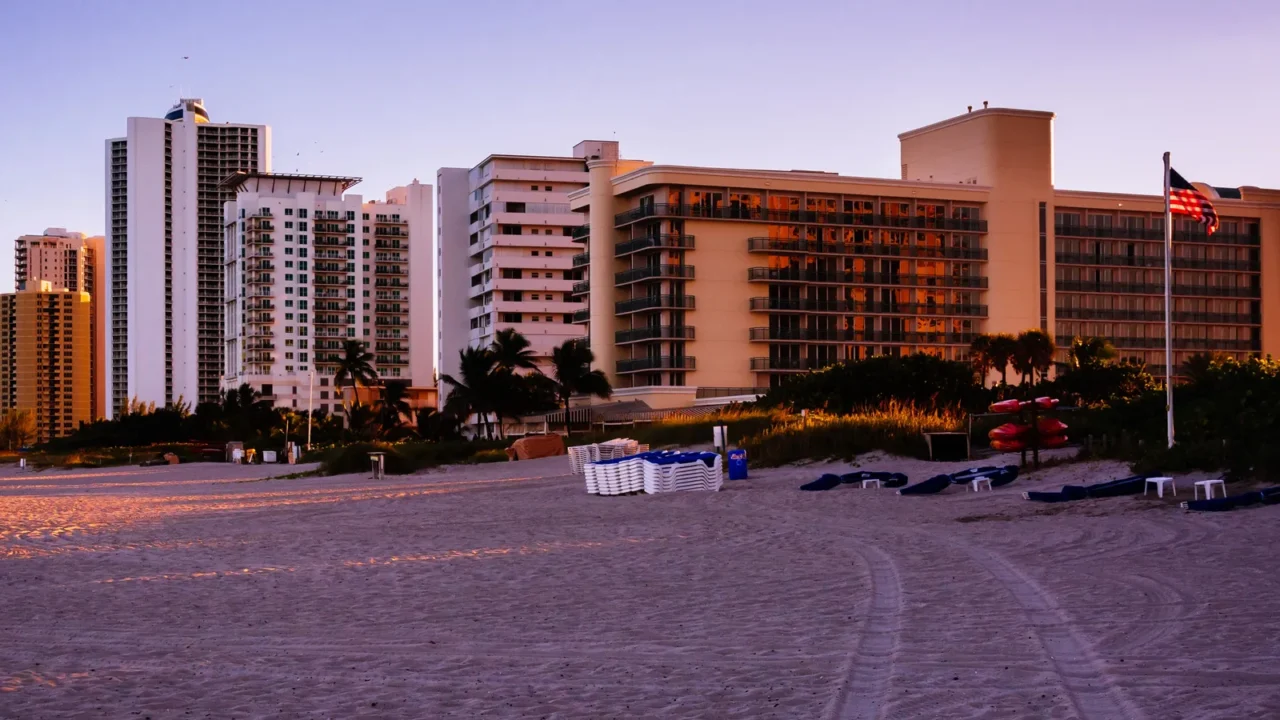
Beachfront hotels in Florida face evolving insurance landscapes tied to building code enforcement and resilience performance. Insurers often price policies based on code compliance and historical storm frequency. Stronger building codes may support lower risk profiles and better underwriting outcomes.
Code compliance can influence deductible structures and coverage terms for beachfront properties. Hotels that exceed minimum requirements often benefit in negotiations with carriers. This dynamic ties design quality closely to operational economics.
Long term coastal resilience goals
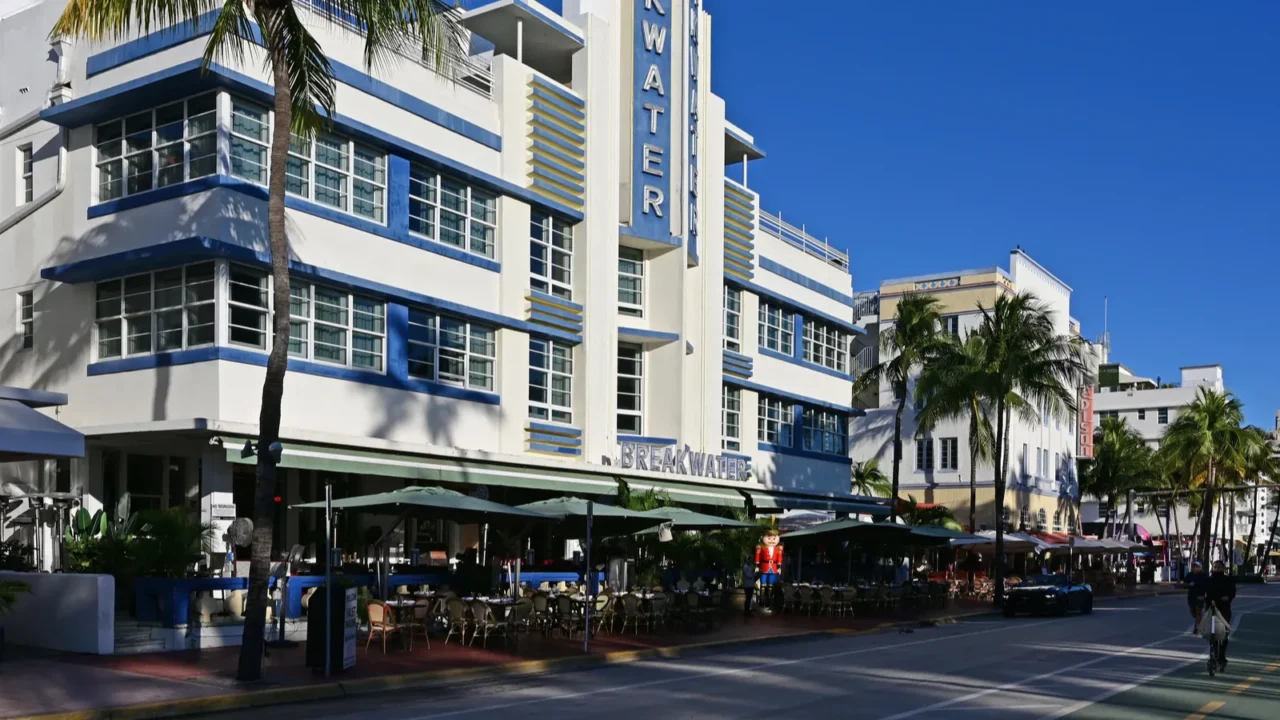
Florida’s new building codes are not only about immediate safety but long‑term resilience for coastal communities. Enhanced design and construction standards aim to reduce storm damage and accelerate recovery after extreme weather. These goals align with state resilience planning and disaster mitigation strategies.
In the hospitality industry, resilient hotel infrastructure supports sustainable tourism by reducing disruptions and ensuring safer stays. Luxury hotels pivot toward privacy‑focused travel experiences, while that stability is becoming part of marketing for beachfront destinations. Stakeholders emphasize both safety and quality in development narratives.
Balancing price and experience
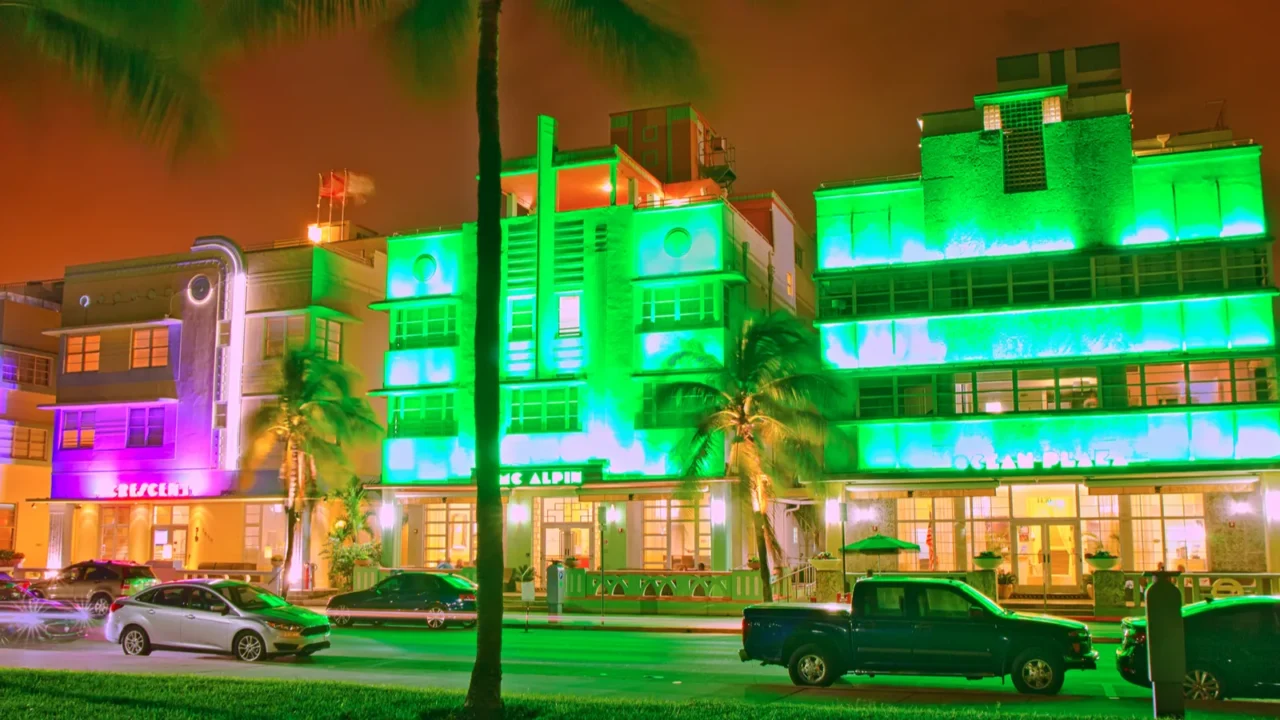
Florida’s updated building codes are quietly influencing hotel design and room pricing along the state’s beaches. Rooms in resilient, code-compliant properties often factor the incremental construction and engineering costs into pricing. Many beachfront hotels are also rethinking amenities and floor plans to balance guest experience with emerging regulatory and resilience requirements.
The best beachfront stays balance safety, design, and value in changing regulatory landscapes. How are room rates in coastal cities like Miami and Clearwater Beach shaping travel choices in 2026? Share your thoughts below.
This slideshow was made with AI assistance and human editing.
Don’t forget to follow us for more exclusive content right here on MSN.
Read More From This Brand:
