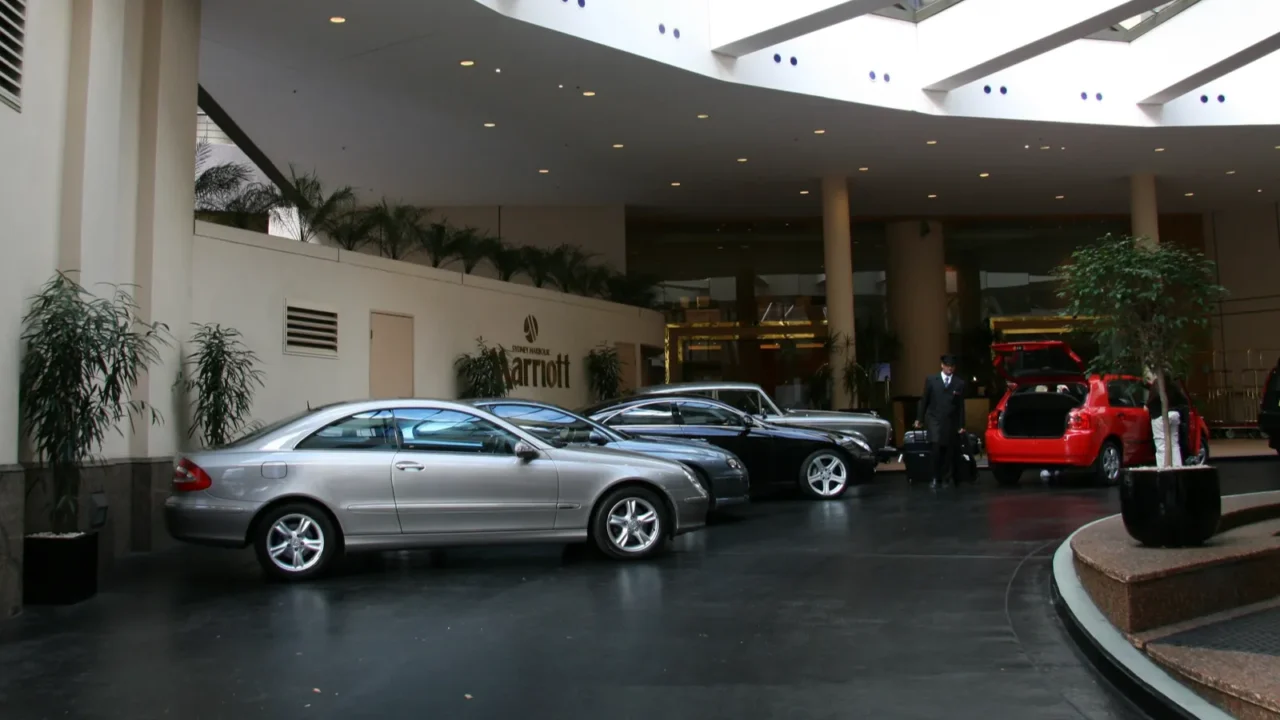
Hotel parking fees in focus
Hotel parking fees in major U.S. cities have become a noticeable travel expense that impacts overall trip budgets. In markets like New York, San Francisco, and Chicago, overnight parking can add substantially to a hotel bill. These costs affect holidaymakers, business travelers, and car renters alike, shaping decisions about where to stay and how to travel. Let’s get to it!
Parking fees vary widely by city and hotel type, with some urban markets charging more than many travelers expect. In some downtown areas, daily parking at a hotel can rival sightseeing or dining expenses. Parking charges are often listed separately from room rates, making budgeting more complex.
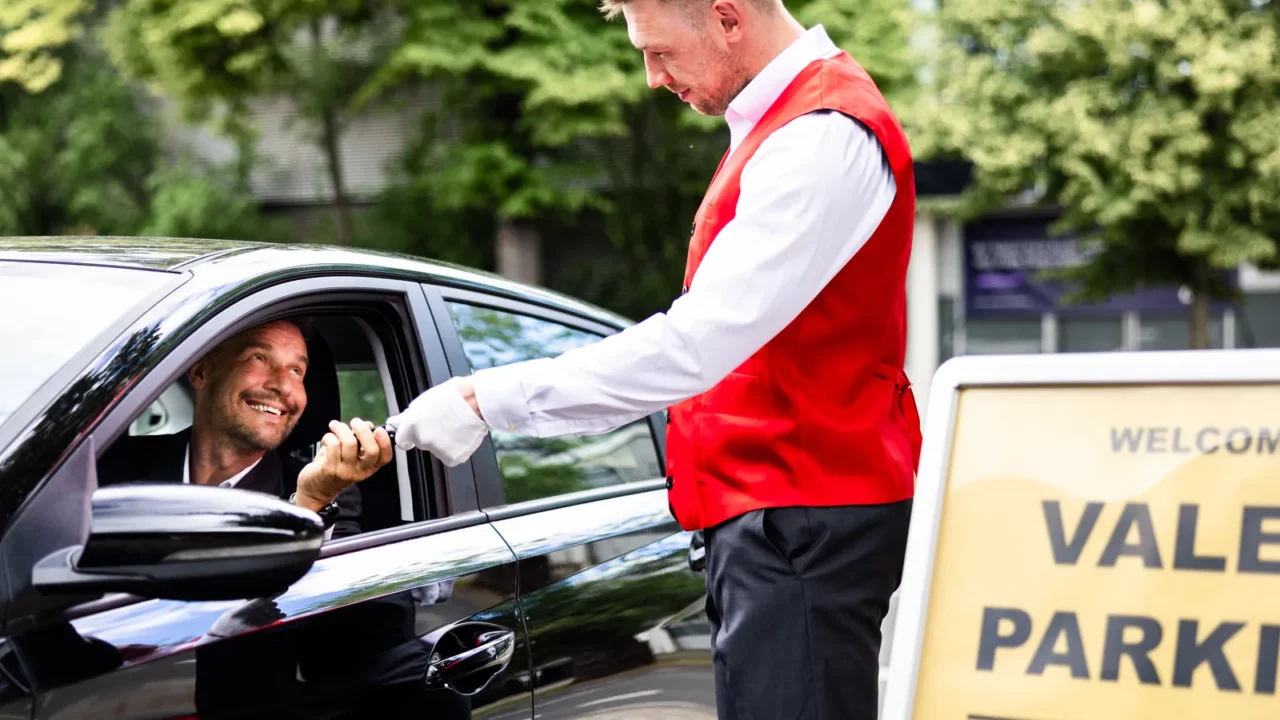
Typical parking rates nationwide
Across U.S. cities, hotel parking fees typically range from about $25 to $60 per night, with variations based on location and demand. In large urban centers like New York and San Francisco, fees often exceed this range due to scarce space and high land costs. These charges may show up as self-park or valet fees on hotel bills.
The parking cost can outweigh the room rate in some destinations, especially for short stays. Since these fees are usually taxable, the final nightly cost is higher than advertised. Many travelers are surprised when parking charges appear late in the checkout process.
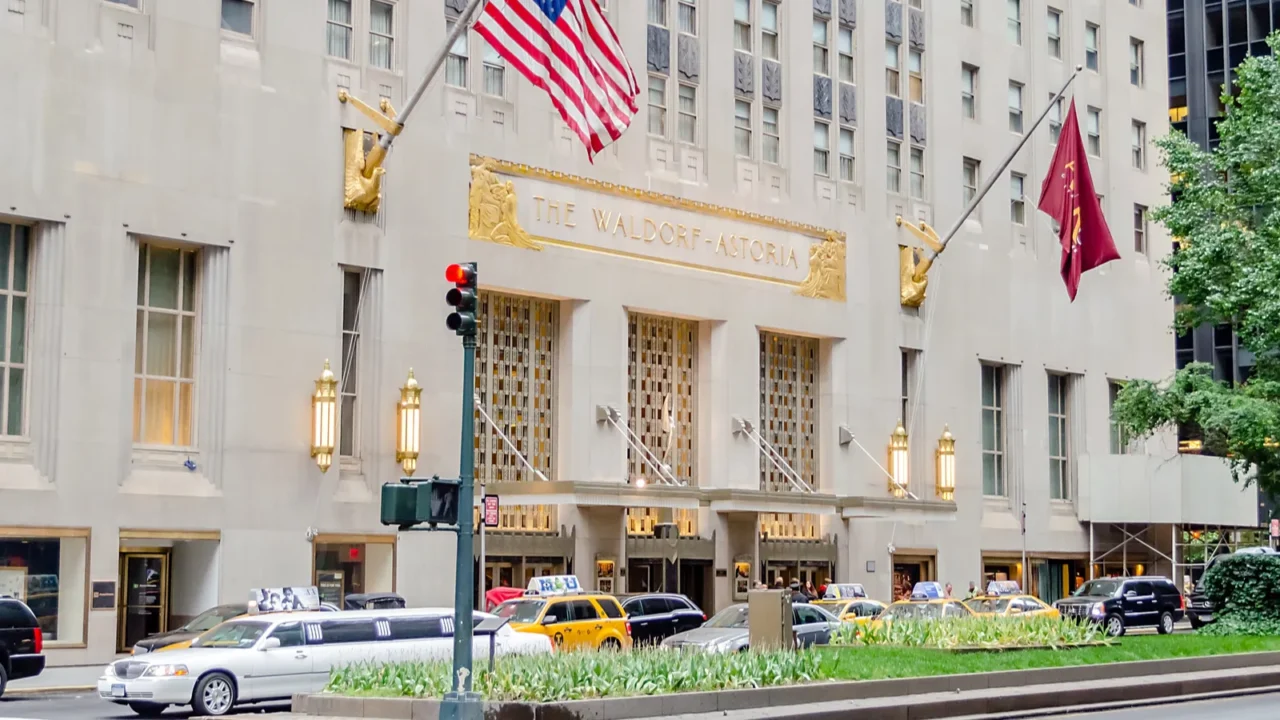
New York City price pressure
In New York City, hotel parking fees are among the highest in the country, often topping $100 per night at central properties. According to industry surveys, hotels like The Pierre and Hyatt Centric Times Square have charged upwards of $105 for overnight parking. These rates reflect intense demand and limited urban space.
Even mid-range hotels in Manhattan sometimes charge well over $60 for parking. Luxury or high-end properties tend to have the most expensive parking rates. This cost adds significantly to stays in a city already known for high accommodation fees.
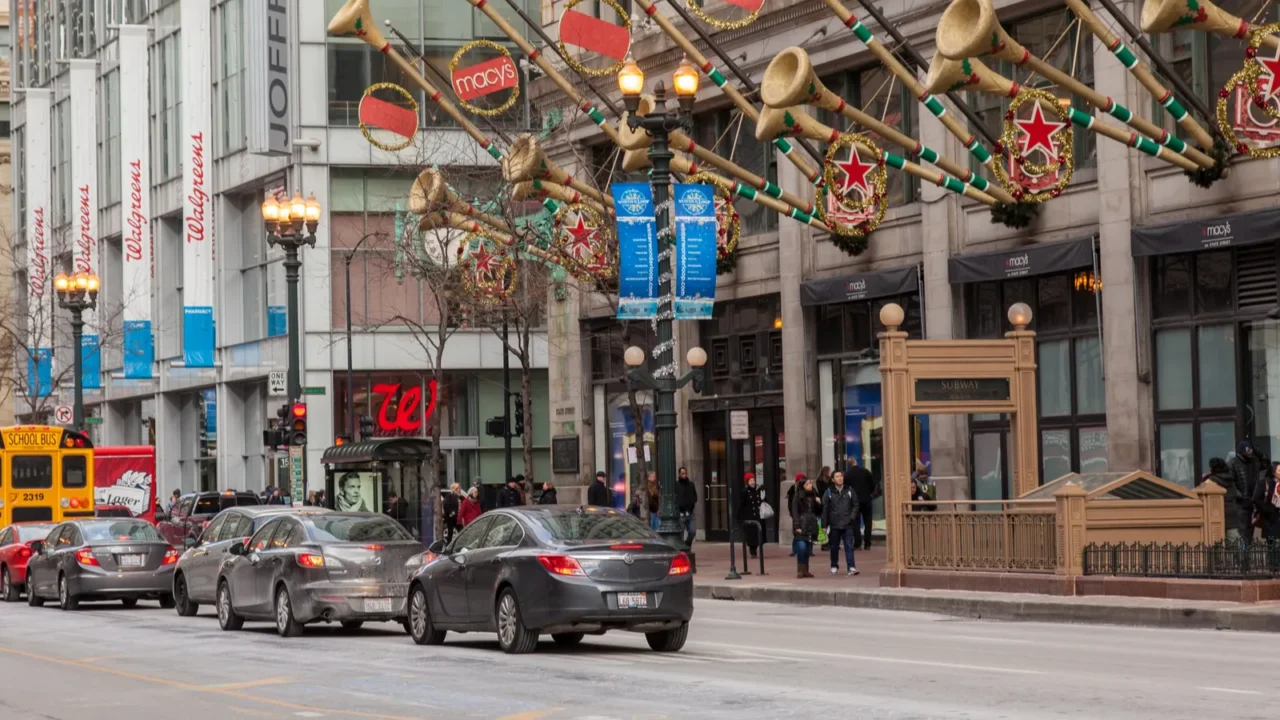
Chicago parking fees explained
Chicago hotels also trend high in parking costs for downtown stays, with properties charging around $40 to $75 or more per night. For example, some downtown garages linked to hotels list overnight parking at $84 for valet at larger convention hotels. These fees can match or exceed mid-range room rates for shorter visits.
Midscale and boutique hotels that use nearby city garages often mirror downtown pricing, making parking a significant part of the travel budget. Guests in Chicago often compare hotel parking with public garages that may be cheaper but less convenient. The downtown location commands a premium in both lodging and parking.

San Francisco cost burden
In San Francisco, hotel parking fees often fall in the upper tier of urban rates, with self-park and valet options frequently priced between $45 and $65 per night. High parking costs reflect the city’s limited space and high real estate value. Travelers in the area often factor parking into lodging selection early in their planning.
Parking charges in San Francisco can rival dining and entertainment costs in the city’s core neighborhoods. Some travelers seek hotels with free parking offers in adjacent neighborhoods to manage costs. These choices highlight how parking expenses influence lodging decisions in crowded urban environments.
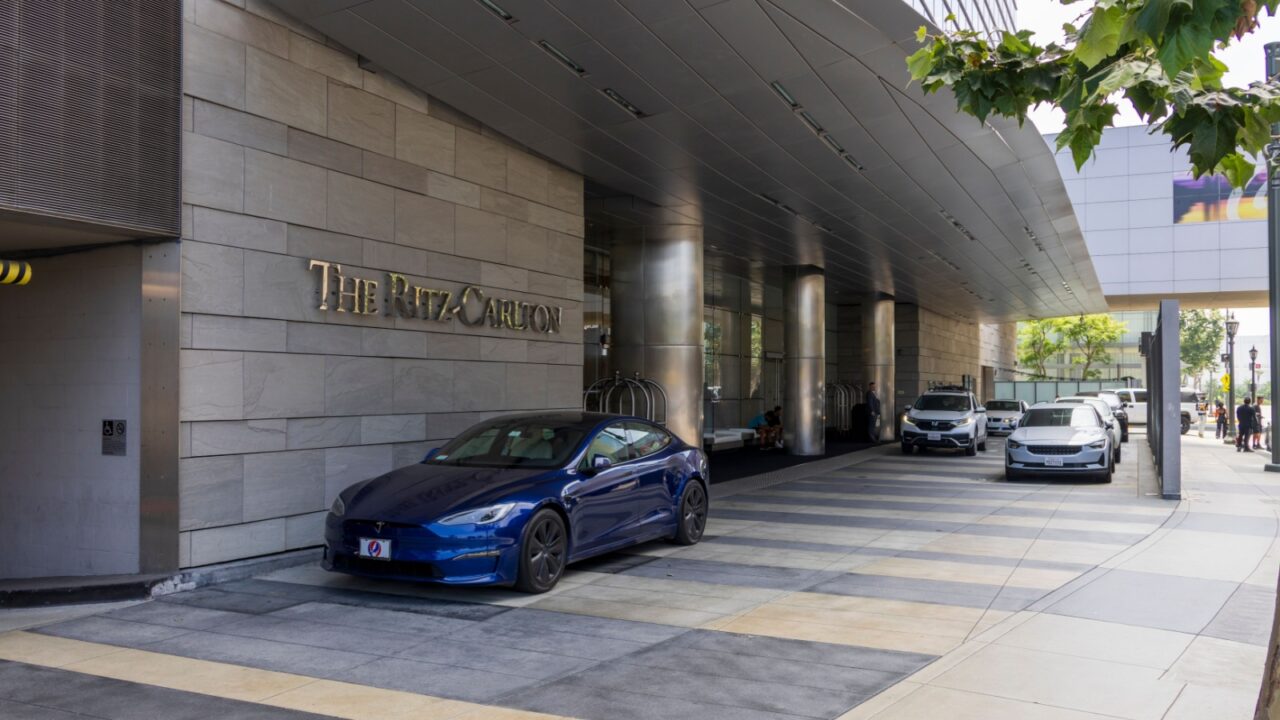
Los Angeles parking landscape
In Los Angeles, hotel parking fees tend to reflect both traffic patterns and urban sprawl, with fees often ranging from about $35 to $60 per night. While not always as high as New York or San Francisco, parking in LA still adds a meaningful cost to overnight stays. Self-parking and valet options are commonly priced within this range across many central hotels.
Hotels near major attractions and business centers may charge more due to local demand. Visitors driving into Los Angeles for concerts, sports events or evening travel often face elevated rates on event nights. Parking decisions can thus shape where travelers opt to stay in a city that’s known for needing a car.
Phoenix and Houston differences
Cities like Phoenix and Houston tend to feature more moderate hotel parking fees, often below the rates seen in denser urban centers. Data shows Phoenix properties averaging around $20 per night for parking, while Houston hotels are closer to $30. These costs are a reminder that not all major markets levy high overnight charges.
Phoenix and Houston still reflect local land use and demand pressures. Hotels that share garages with convention centers or busy entertainment districts may bump parking above typical ranges. But overall, transportation costs are generally lower than in cities with more constrained space.
Hidden fee dynamics
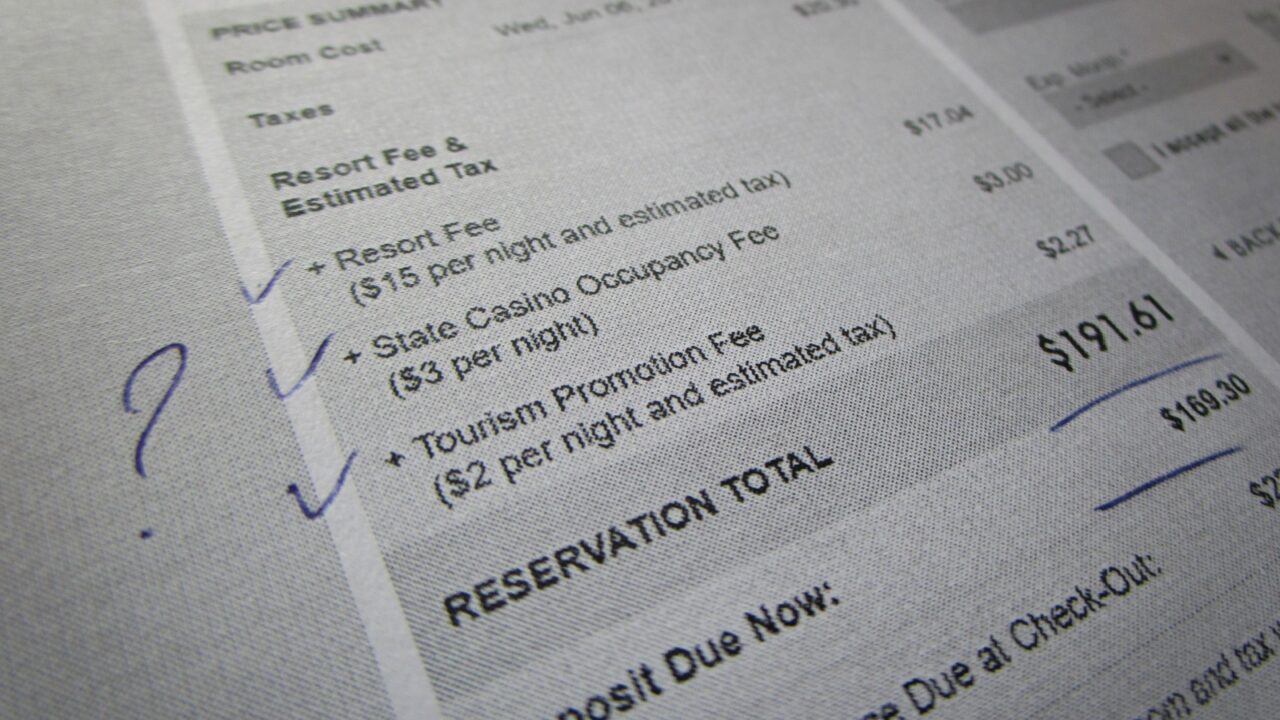
Many hotels list parking separately from advertised room rates, which means travelers often see the cost only at checkout. This separation can include facility or resort fees that encompass parking but are not clear upfront. These extra charges often increase final bills by a percentage that most visitors do not anticipate.
Even when fees are disclosed, taxes and local surcharges may apply. Urban locations typically add on city parking taxes that are passed to guests. All these factors together make hotel parking a less transparent travel expense.
Valet versus self park
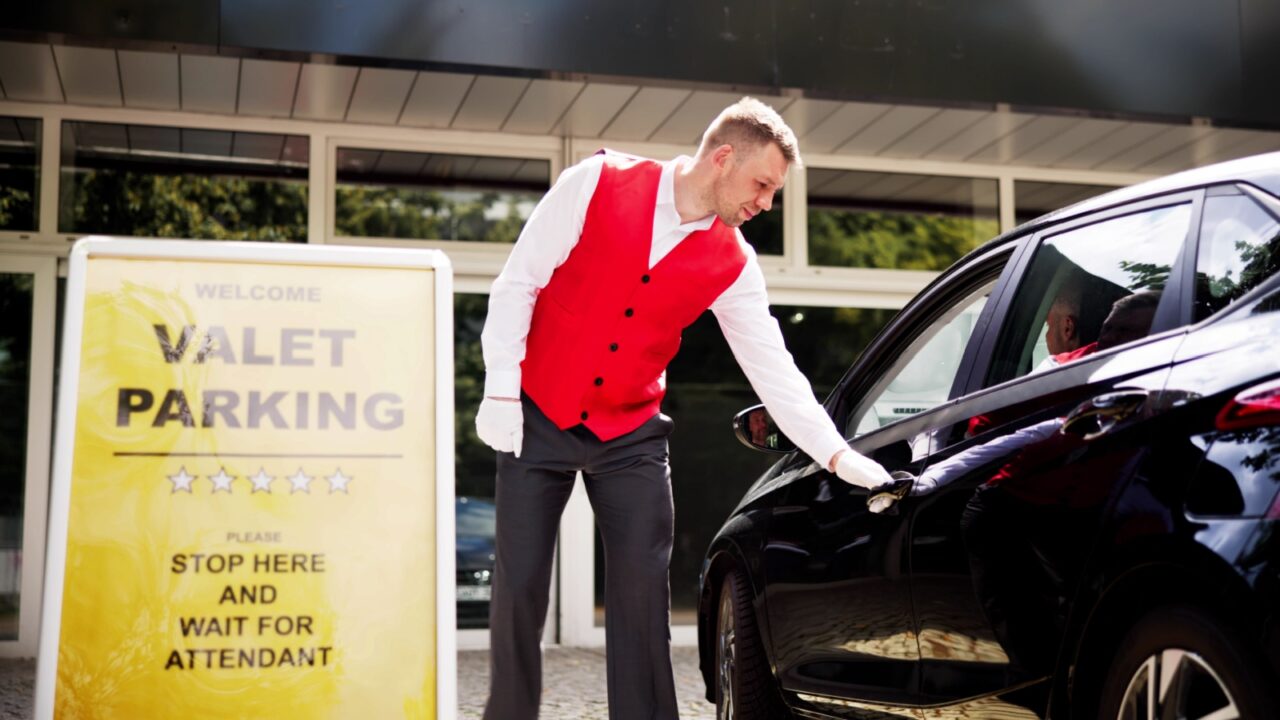
Valet parking at city hotels tends to cost more than self-park options, with luxury hotels charging significantly higher rates. In many markets, valet fees can climb above $70 to $80 per night for premium service. These extra costs are often factored into final bills even when not clearly visible at booking.
Self-parking remains slightly cheaper on average but is still a marked expense compared with free lots or street parking. Travelers who choose self-park often sacrifice convenience for cost savings. In cities with limited space, self-park spots may be scarce at peak times.
Downtown impact on budgets
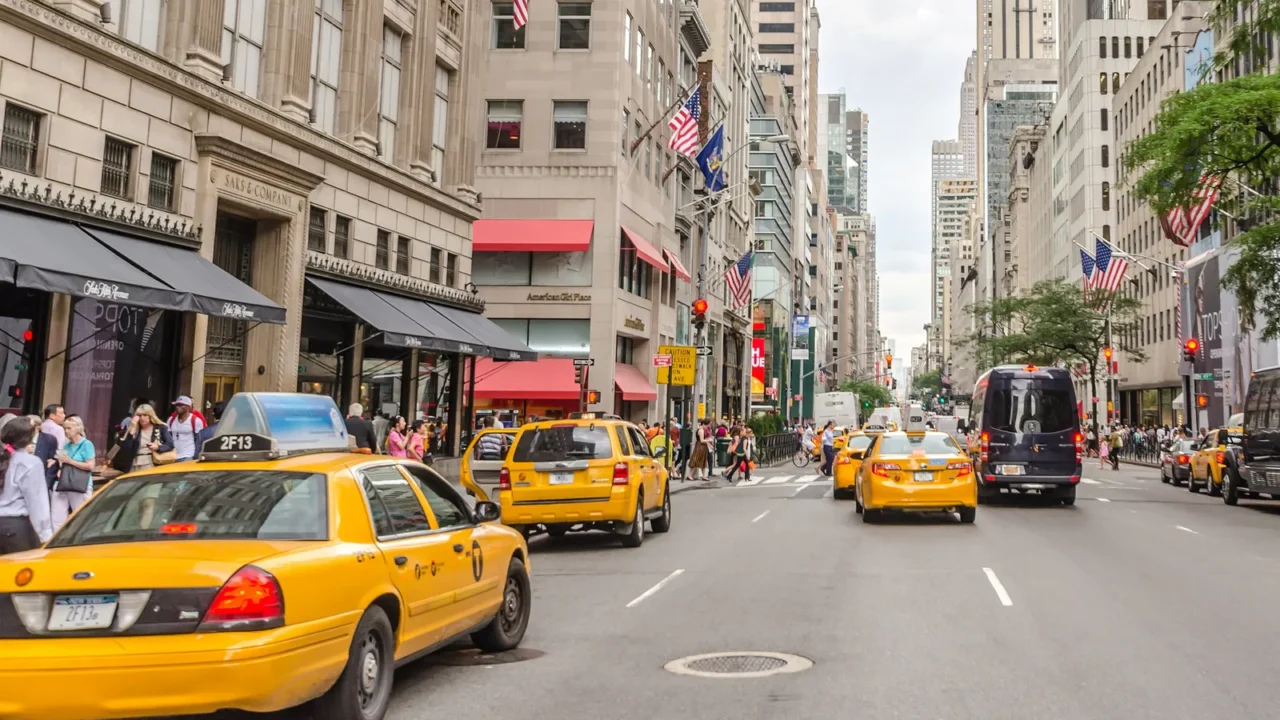
Hotel parking fees are usually highest in central business districts, where space is limited, and demand is greatest. In cities like New York or Chicago, these fees can surpass $60 per night at many properties. Visitors staying for events or business engagements often face steeper charges.
Even when hotels offer free parking, related city charges or garage taxes may still apply. In dense downtown locations, guests are often better off using public transit or rideshare services. This trade-off can help control overall trip expenses.
Alternatives to hotel parking
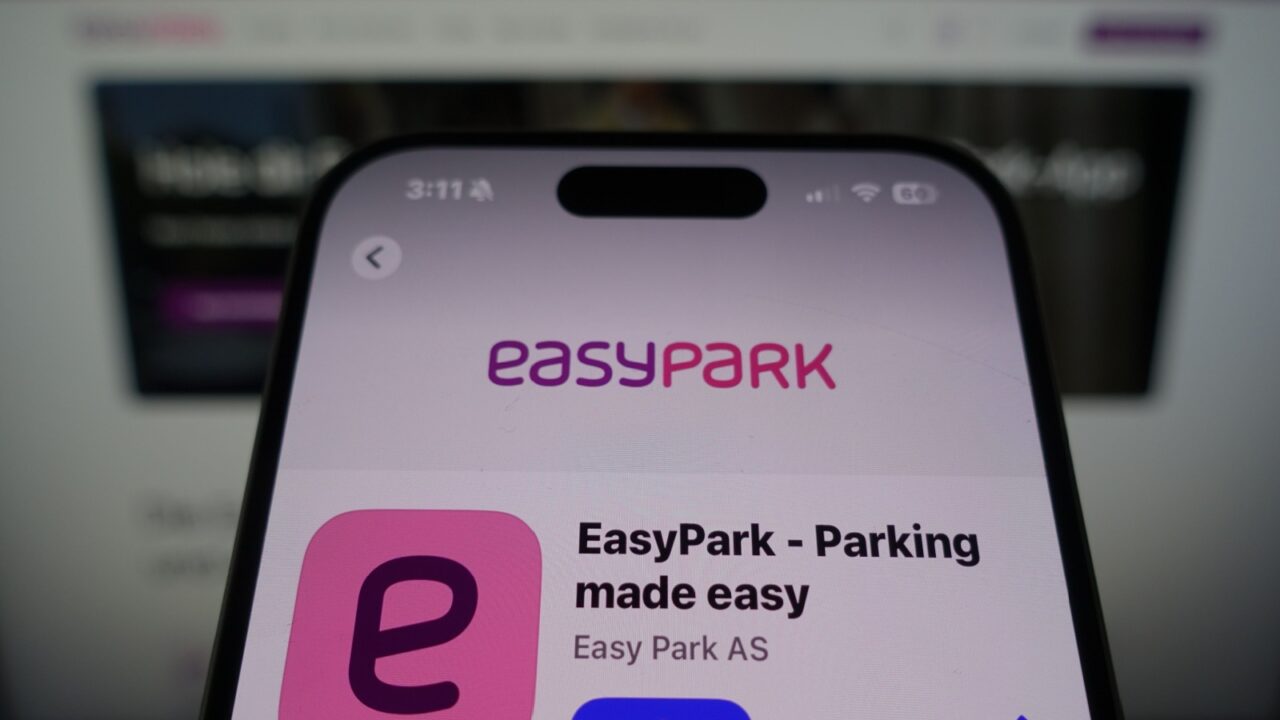
Some travelers find cheaper parking options with nearby public garages or Apps that reserve city spaces ahead of arrival. Services such as SpotHero and ParkWhiz often show lower rates than hotel garages. This search for value comes as luxury hotels pivot toward privacy-focused travel experiences, which sometimes shifts costs away from shared spaces like parking.
In cities with strong public transit, guests sometimes leave cars parked in less expensive lots and rely on trains or buses. This strategy works well in cities like Boston, Washington D.C., and San Francisco. Travelers who plan this way can save on total travel costs and reduce parking hassles.
Travel cost implications
Hotel parking fees across major U.S. cities clearly influence travel budgets and destination choices. From the high rates in New York and San Francisco to more moderate costs in Phoenix and Houston, parking changes how travelers plan stays. Combining knowledge of fees with alternative parking options can help manage overall spending.
Holidaymakers who compare cities and parking strategies are more likely to balance convenience with cost.
Which major city’s parking fees feel most reasonable for travelers right now? Share thoughts below.
This slideshow was made with AI assistance and human editing.
Don’t forget to follow us for more exclusive content right here on MSN.
Read More From This Brand:
