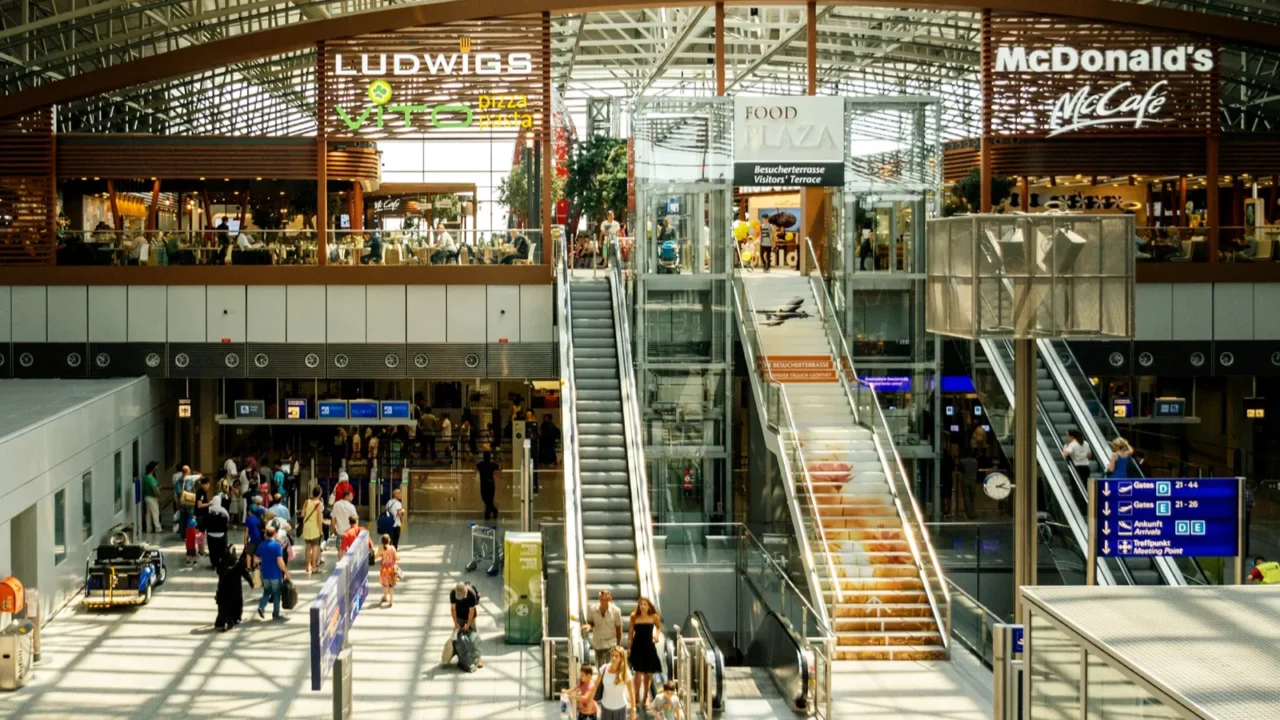
Passenger space reimagined
Airports in the twenty-first century are no longer just about getting from point A to point B. Terminal design now blends comfort, culture, and commerce so passengers enjoy their time in transit and engage with shops and services while they wait. Architects and planners are treating terminals almost like urban spaces where people spend quality time before boarding.
This shift reflects a broader economic reality. Commercial revenue now makes up half of many airports’ total income, so creating pleasant spaces that encourage people to linger also boosts retail sales and dining across terminals.
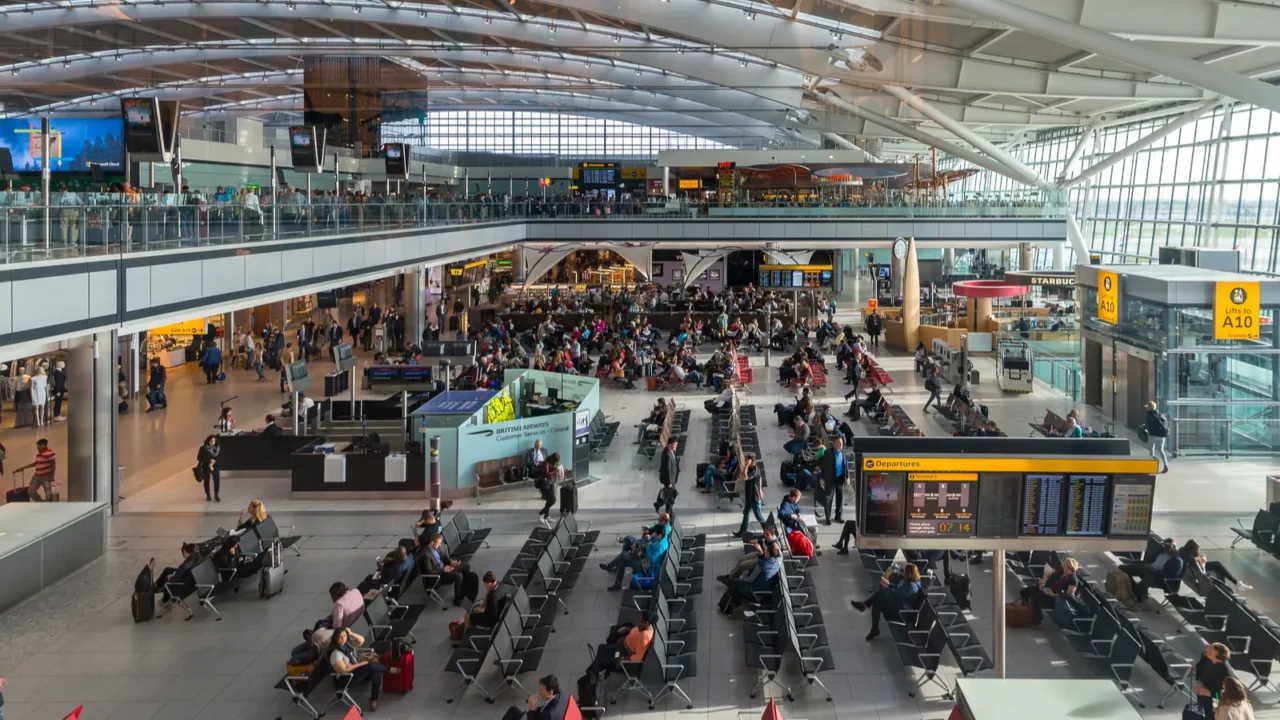
Flow and foot traffic
Modern airport layouts focus on how people move. Designers strategically position retail, dining, and entertainment areas along passenger pathways so travelers naturally pass through shops on their way to gates. This ensures visibility and higher foot traffic for brands. Instead of windowless corridors, open plazas and commercial hubs invite exploration.
This tactic isn’t accidental. By placing stores where passengers already walk, airports not only improve convenience but also increase the chance of impulse purchases. The result is a terminal that feels both engaging and functional to passengers while rewarding retailers.
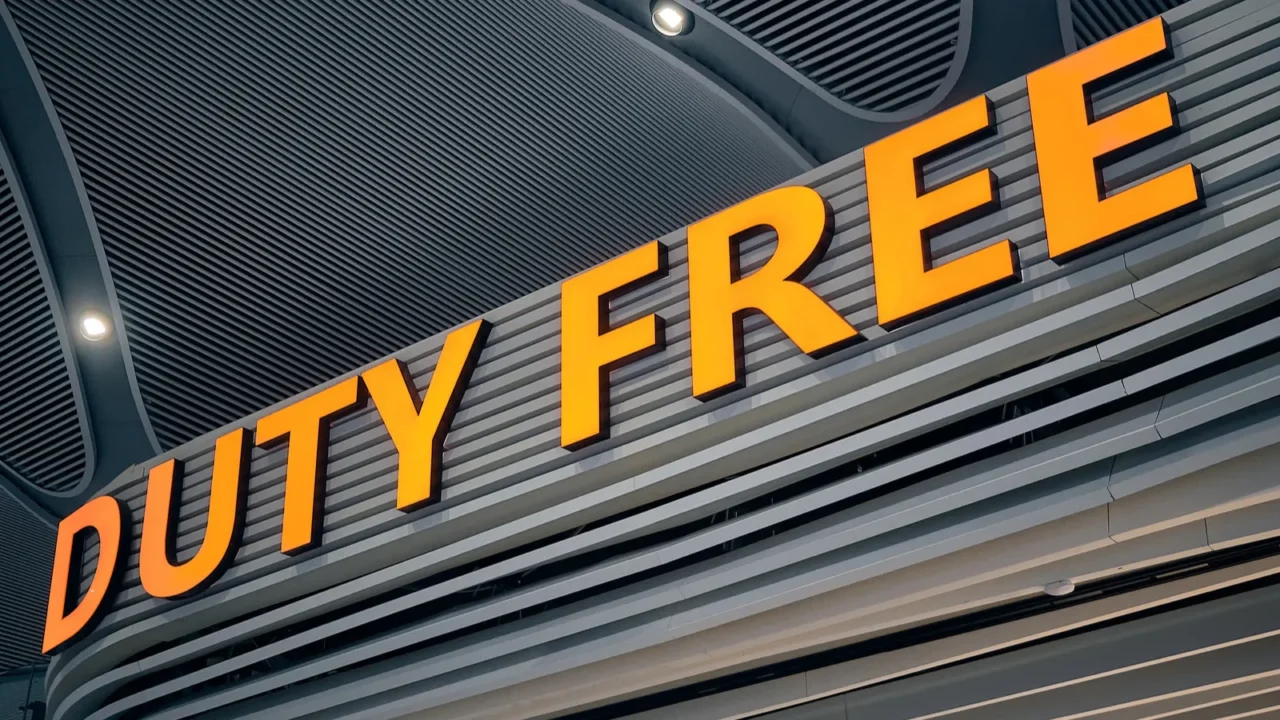
Duty-Free beyond basics
Duty-free shops remain a core element, but airports are transforming them into dynamic brand experiences. Instead of plain shelves with souvenirs or liquor, travelers now find interactive displays, pop-up concepts, and curated collections of local and global products. These formats appeal to leisure-minded passengers who have time and interest to explore.
As retail evolves, this shift lets airports offer more diverse choices while keeping passengers engaged. Travelers often slip into a “treat yourself” mindset, making them more open to luxury or unique items they might not buy at home.
Omnichannel airport retail
Technology and retail are converging at airports in innovative ways. Digital tools like mobile pre-ordering, QR code product info, and self-checkout kiosks make shopping seamless from phone to pickup. Passengers enjoy smoother browsing and purchase experiences without long lines or stress.
Airports are also pairing these tools with personalized recommendations based on previous purchases or travel habits. This data-driven approach allows retailers to customize promotions in real time, creating a more personalized and seamless experience for modern travelers.
Emotional design matters
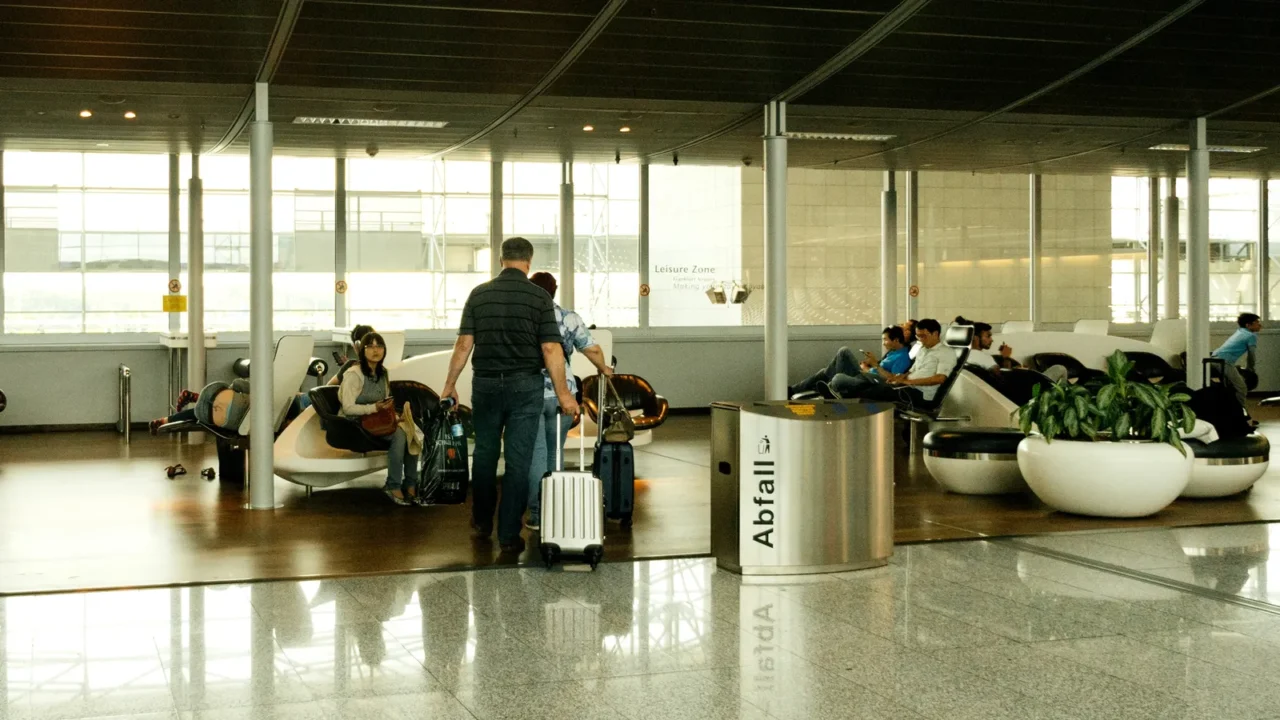
Designers know that the mood of a space affects behavior. Airports are using lighting, seating, and ambiance to make commercial areas feel relaxing rather than rushed. Comfortable lounges, calming natural elements, and thoughtful layouts help travelers slow down and enjoy their surroundings.
When passengers feel comfortable and unhurried, they are more likely to explore restaurants, boutiques, and cultural exhibits. This emotional comfort translates into longer dwell times and greater spending, benefiting both passengers and airports.
Singapore’s jewel Changi
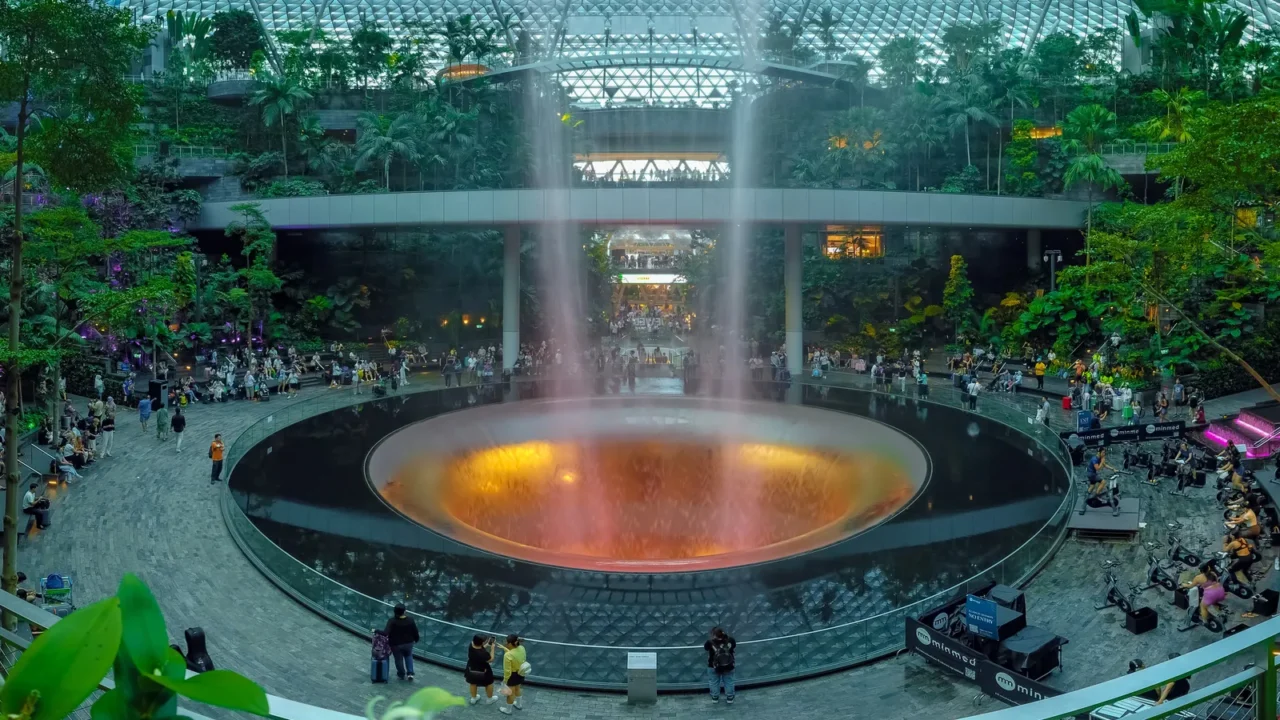
Singapore’s Jewel Changi Airport is a worldwide example of airport space reinvention. This nature-themed complex blends a massive indoor forest and the world’s tallest indoor waterfall with about 300 shops and restaurants. The result is a destination that travelers visit even if they aren’t flying.
Jewel has redefined the airport experience by combining high-end retail, immersive entertainment, and lush indoor gardens. Visitors arrive early or stay late just to soak up the atmosphere before hitting stores and dining. With its mix of leisure and commerce, Jewel drives both adventure and retail engagement.
Japan’s Kansai terminal
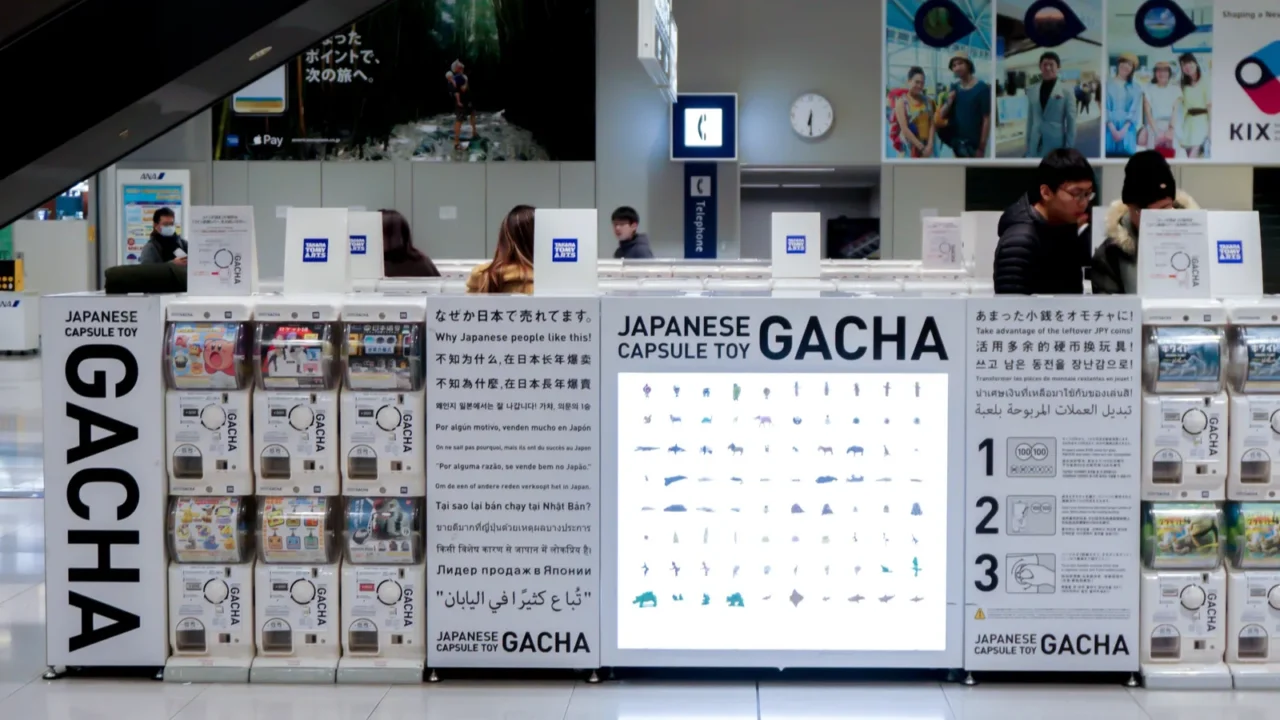
Kansai International Airport in Japan redesigned its Terminal 1 commercial area with distinct mood zones named Peaceful, Curious, Active, and Fun. These themed zones mix shops, cafés, bars, and duty-free areas to match different traveler preferences and moods.
By giving passengers varied environments that reflect both local culture and global brands, the terminal encourages people to explore and shop as part of their journey rather than see retail as a last-minute afterthought.
Local flavor and identity
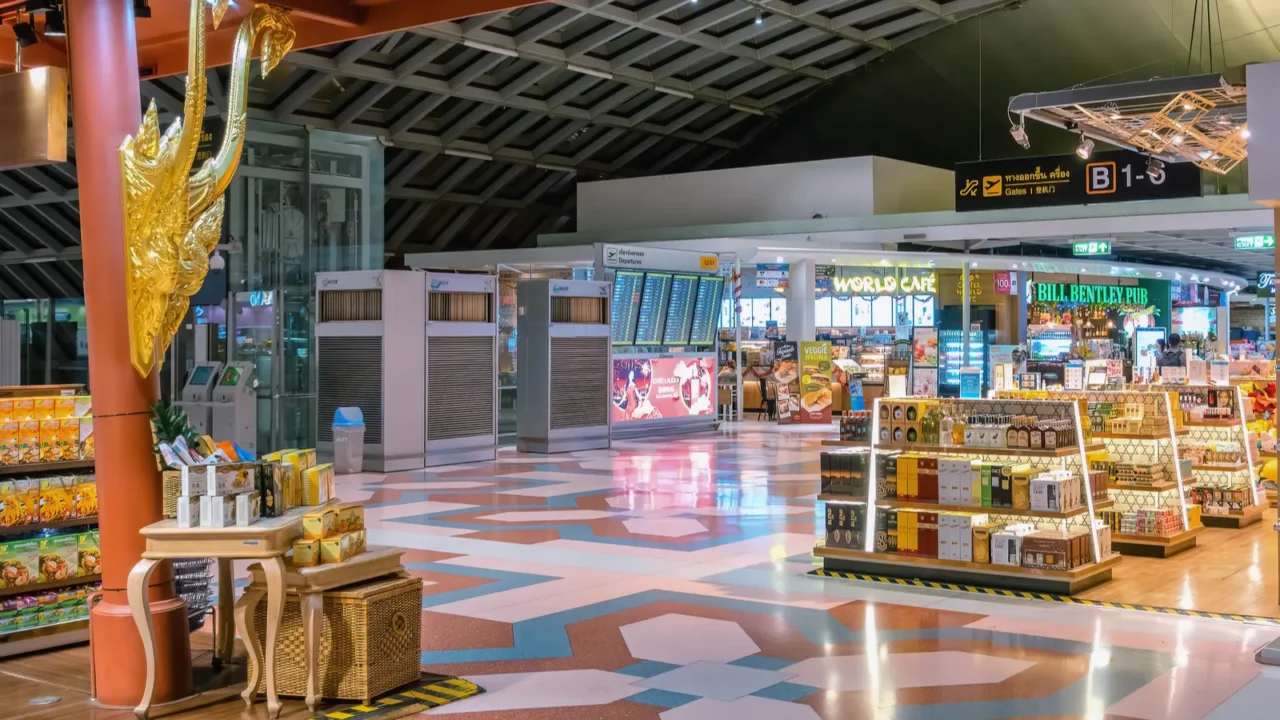
Airports are curating retail mixes that reflect local culture and heritage. For example, Tokyo Haneda features local Japanese products alongside global brands, giving travelers unique souvenirs and memorable experiences.
This strategy not only boosts retail appeal but also gives passengers a sense of place, turning airports into cultural gateways as well as travel hubs. It respects local identity while inviting visitors to linger, taste, and explore.
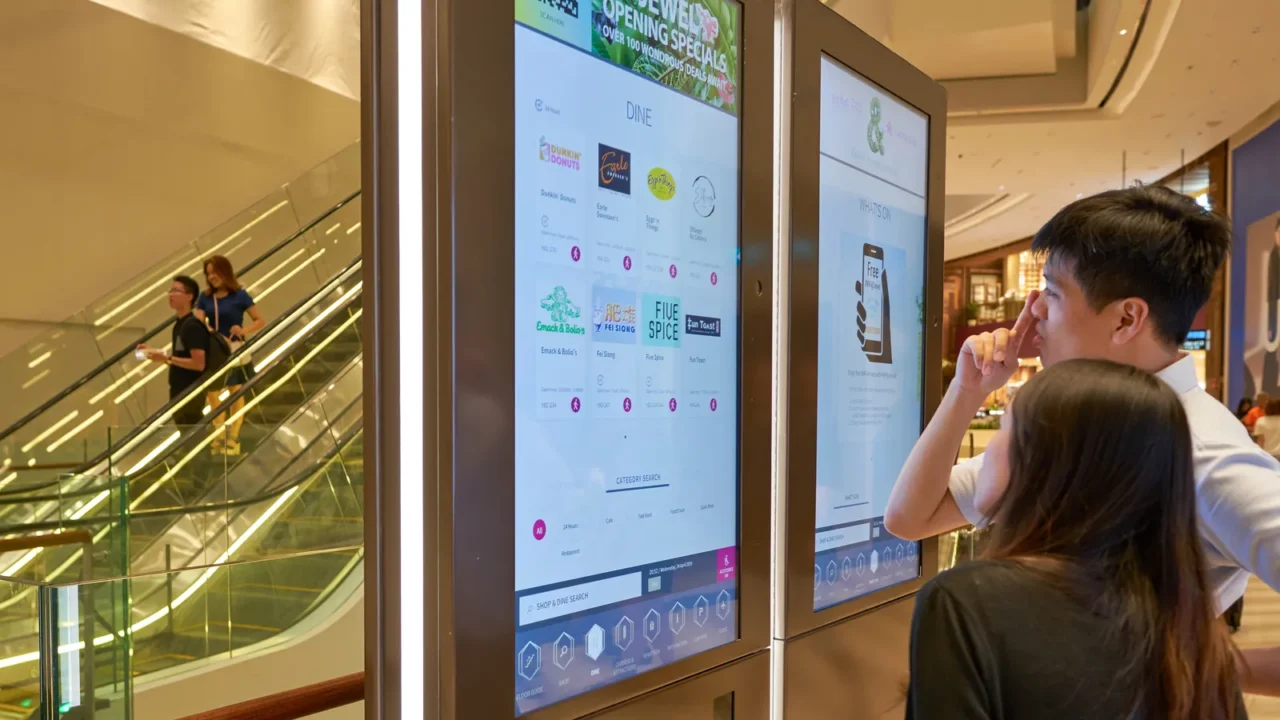
Digital immersive retail
Some airports are blending retail with digital technology to create immersive shopping moments. Interactive mirrors, augmented reality try-ons, and mobile engagement tools let travelers interact with products in new ways before buying.
These digital-meets-physical retail formats appeal to tech-savvy travelers while giving brands creative ways to engage and tell their stories. By combining the physical and digital, airports drive deeper engagement that can lead to purchases and brand loyalty.
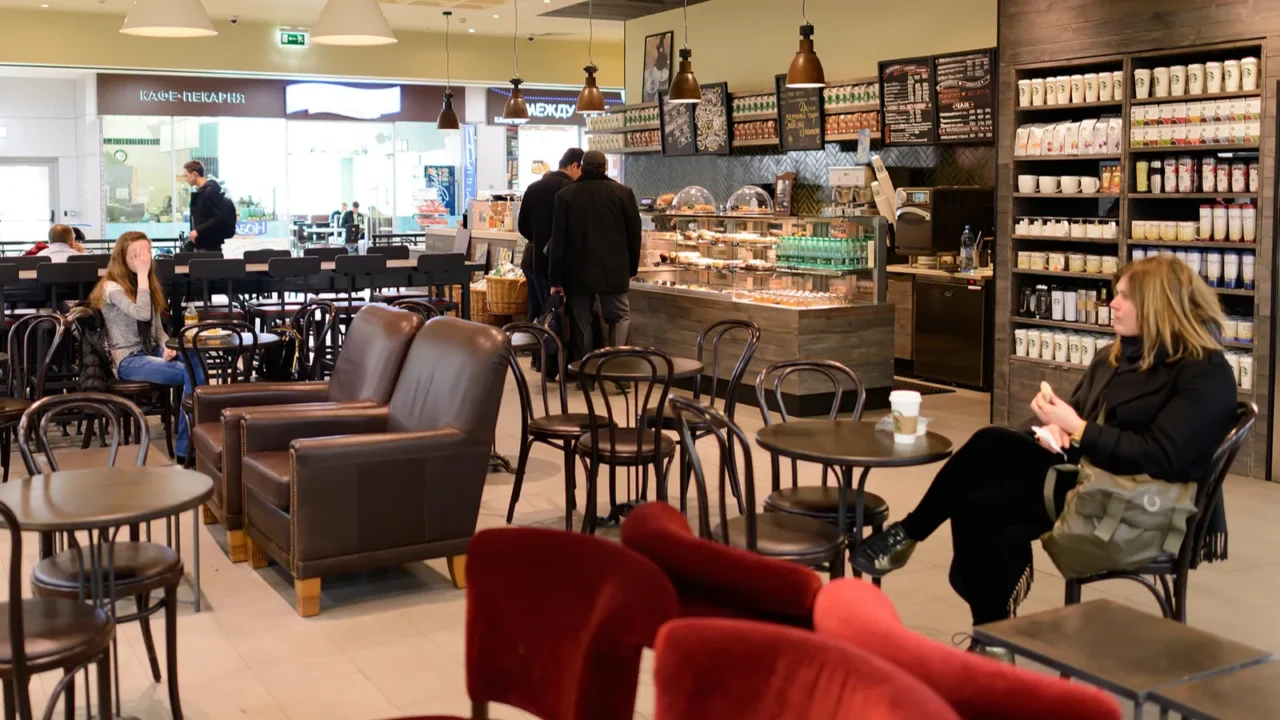
Hybrid retail concepts
Hybrid retail spaces combine shopping with food and beverage offerings to create more vibrant areas that feel like social hubs. Studies show passengers are more likely to visit stores positioned near cafes and lounges because these zones feel less transactional and more comfortable to explore.
This concept blurs the line between traditional mall settings and airport retail, making it easier for passengers to browse, eat, and discover products at their own pace.

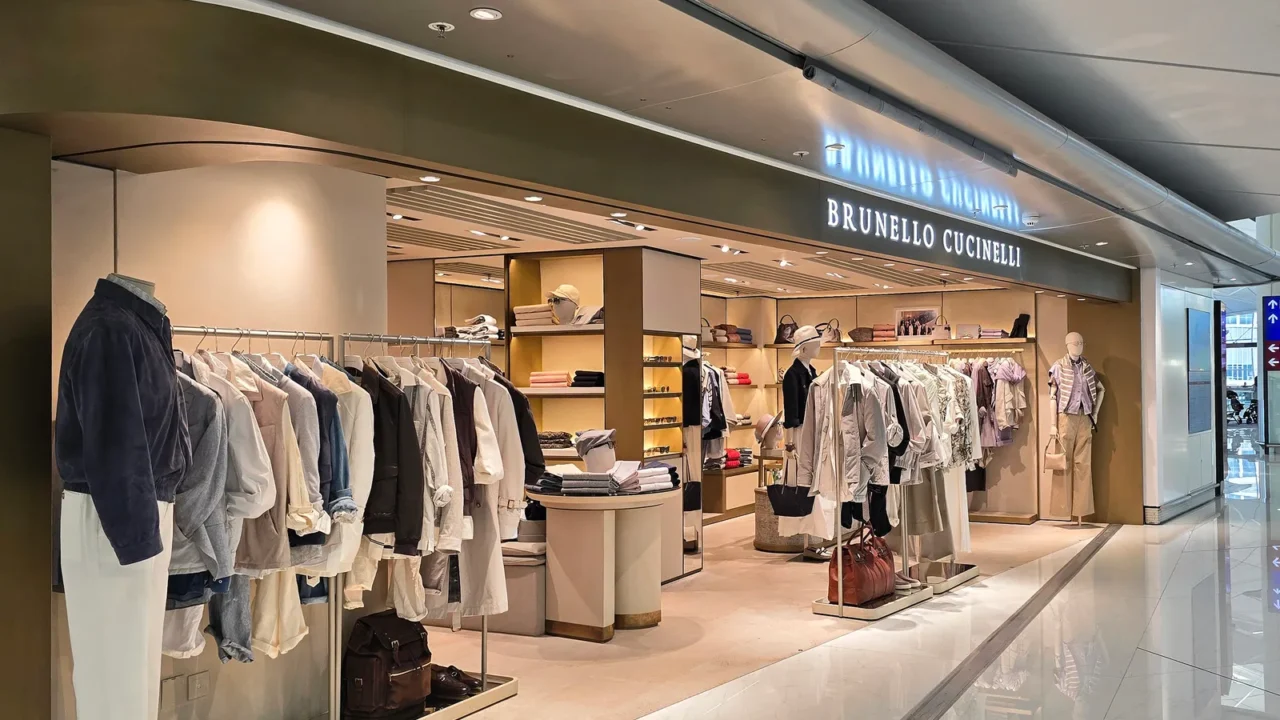
Luxury and exclusive spaces
Airports are also embracing luxury retail as a way to draw affluent travelers into exclusive experiences. High-end boutiques, personalized services, and lounge-style showrooms help upscale brands capture interest and sales.
This focus on premium goods lets airports diversify their retail mix, appealing not only to duty-free shoppers but also to brand loyalists and style-driven consumers. These curated spaces can become highlights of the travel journey.
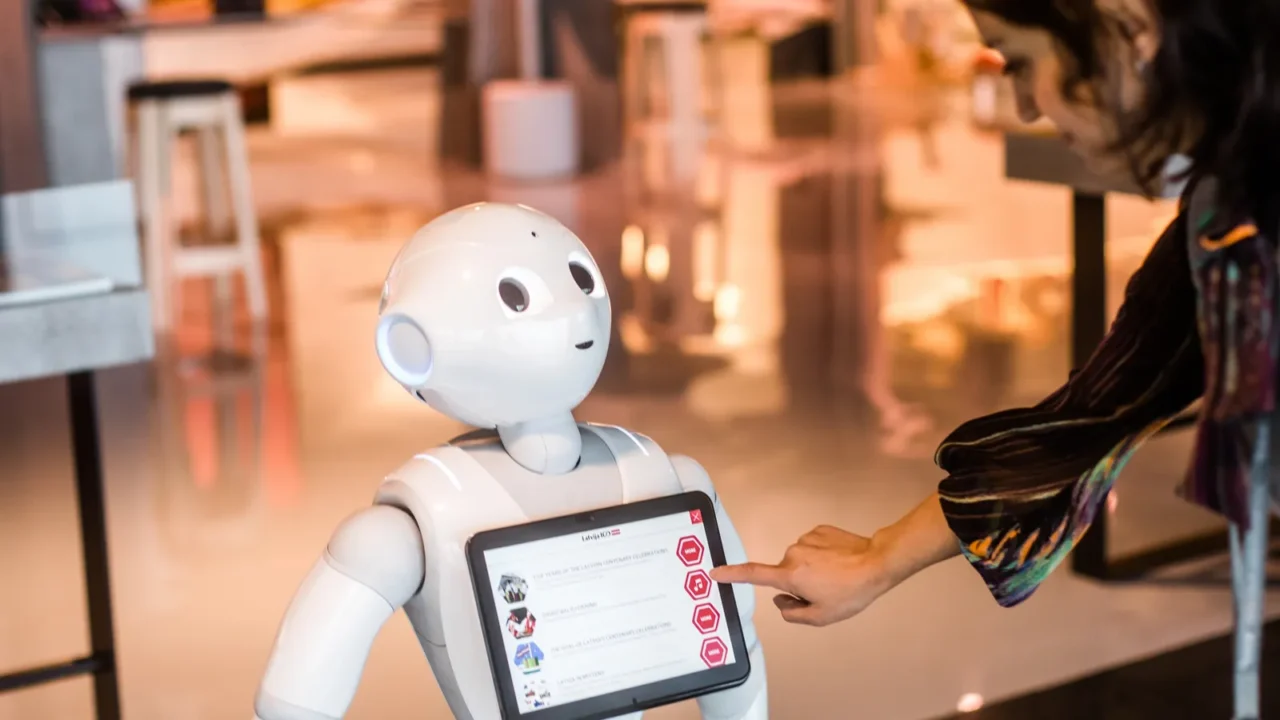
Future trends in design
Looking ahead, airport retail will continue to adapt to passenger preferences. Integrating AI personalization, flexible pop‑up concepts, and sustainability features are key trends shaping future terminals.
These innovations create dynamic environments tailored to individual travelers and shifting global retail patterns, while maintaining the balance between comfort and commercial opportunity. Explore these trends and see how your next airport visit can enhance your overall airport experience.
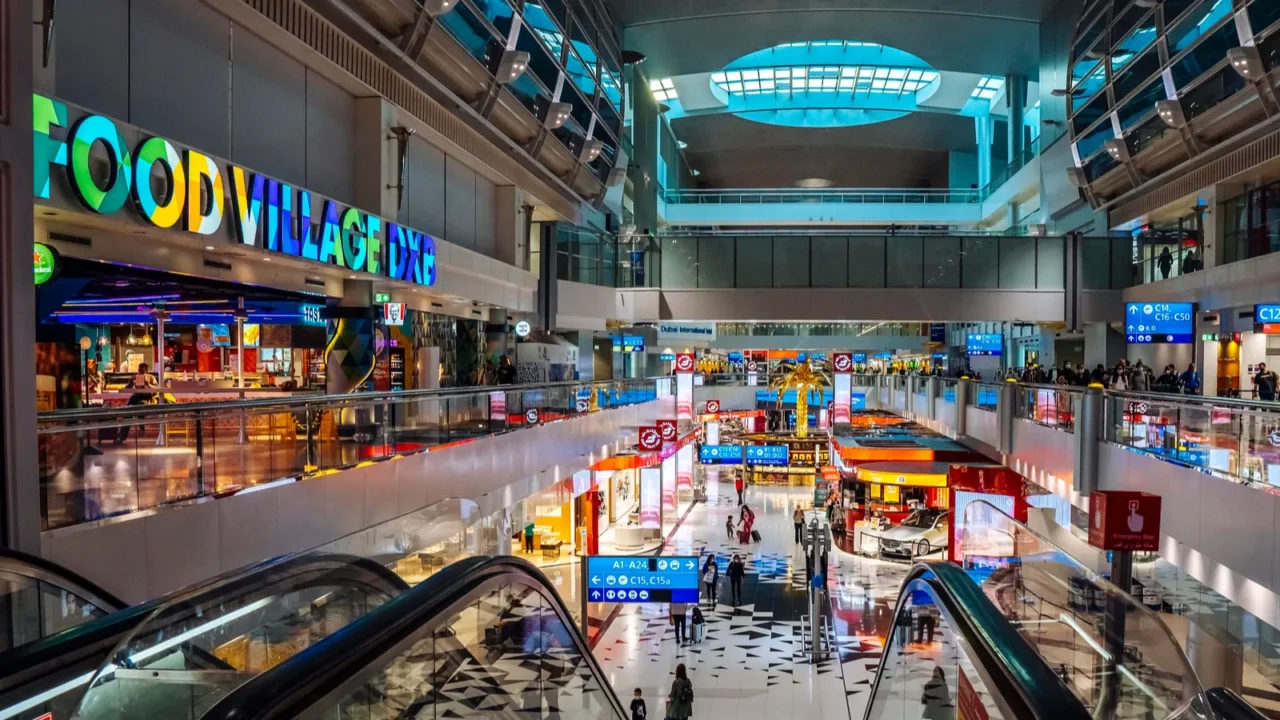
Retail as destination
Ultimately, airports are redefining themselves as destinations, not just transit points. By weaving together retail, dining, culture, technology, and comfort, modern terminals create memorable journeys before passengers even board a plane.
This evolution benefits both travelers and airport operators. Passengers enjoy richer experiences, and airports build stronger revenue streams, turning waiting time into valuable engagement time. Use these insights and plan to take advantage of airport dining hacks that make every layover enjoyable.
If airports are no longer just places to wait but spaces designed to influence how you move, shop, and eat, how differently will you plan your next journey through a terminal?
This slideshow was made with AI assistance and human editing.
Don’t forget to follow us for more exclusive content right here on MSN.
Read More From This Brand:
