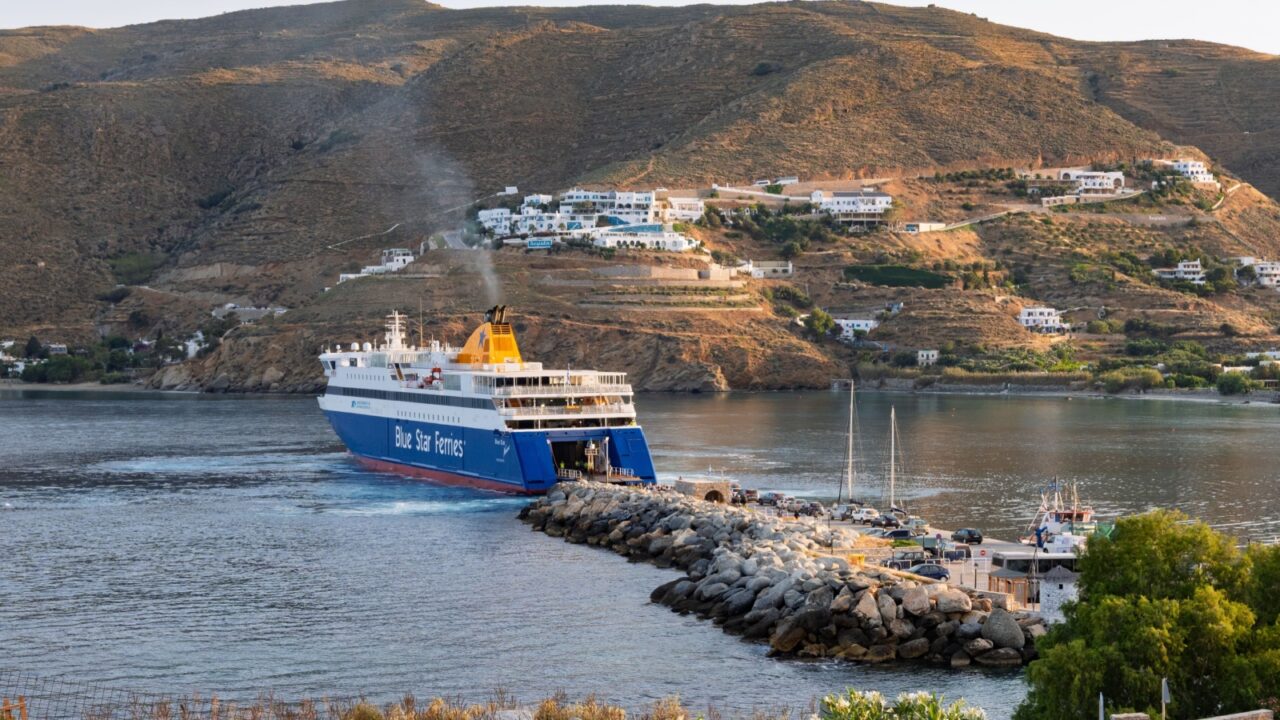
The sea opens doors
For decades, some of the world’s most beautiful places felt just out of reach. Long drives, limited flights, or seasonal roads kept them isolated from regular travel flows. That’s quietly changing as new ferry routes reshape how travelers move.
Across Europe, Asia, and island regions, ferries are becoming connectors, not backups. They’re shortening journeys and opening doors to places once skipped entirely. Let’s dive in and see where the sea is leading next!
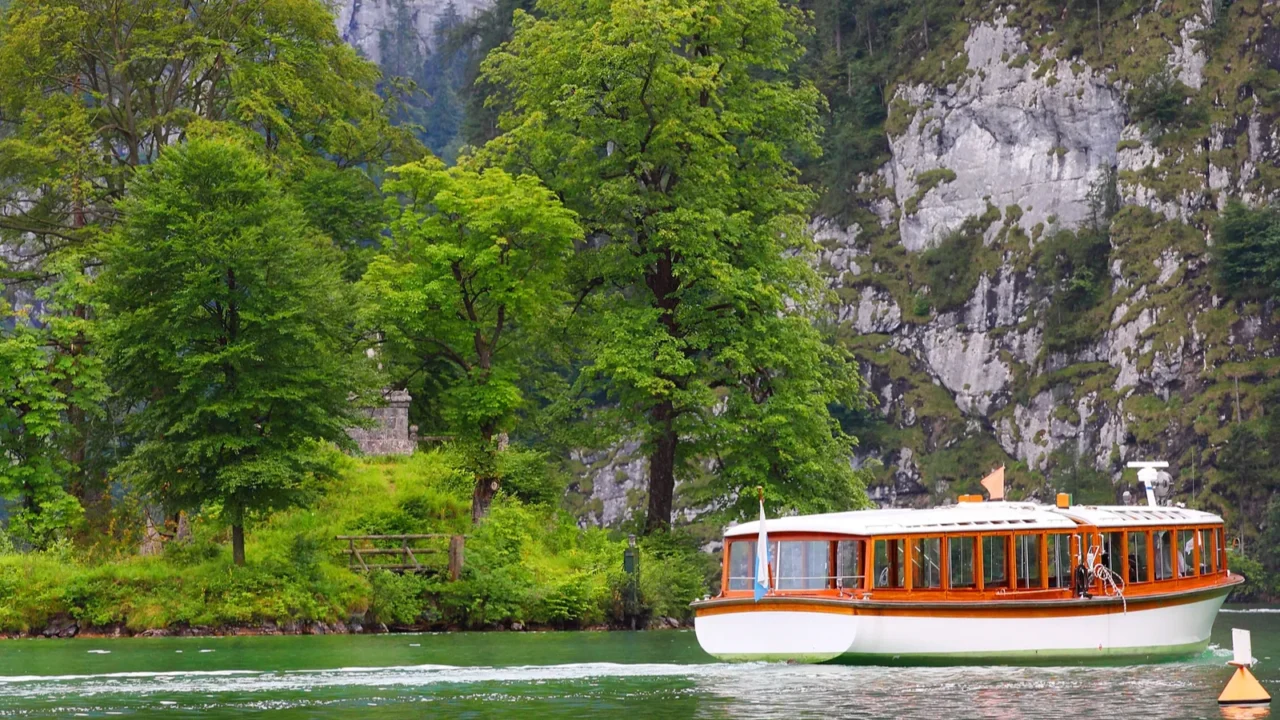
Why ferries matter now
Ferries offer flexibility that roads and airports often cannot. They link coastlines, islands, and remote towns without heavy infrastructure. This makes them ideal for fragile or hard-to-reach regions.
Rising fuel costs and sustainability concerns also play a role. Governments see ferries as efficient and scalable solutions. The result is renewed investment across global ferry networks.
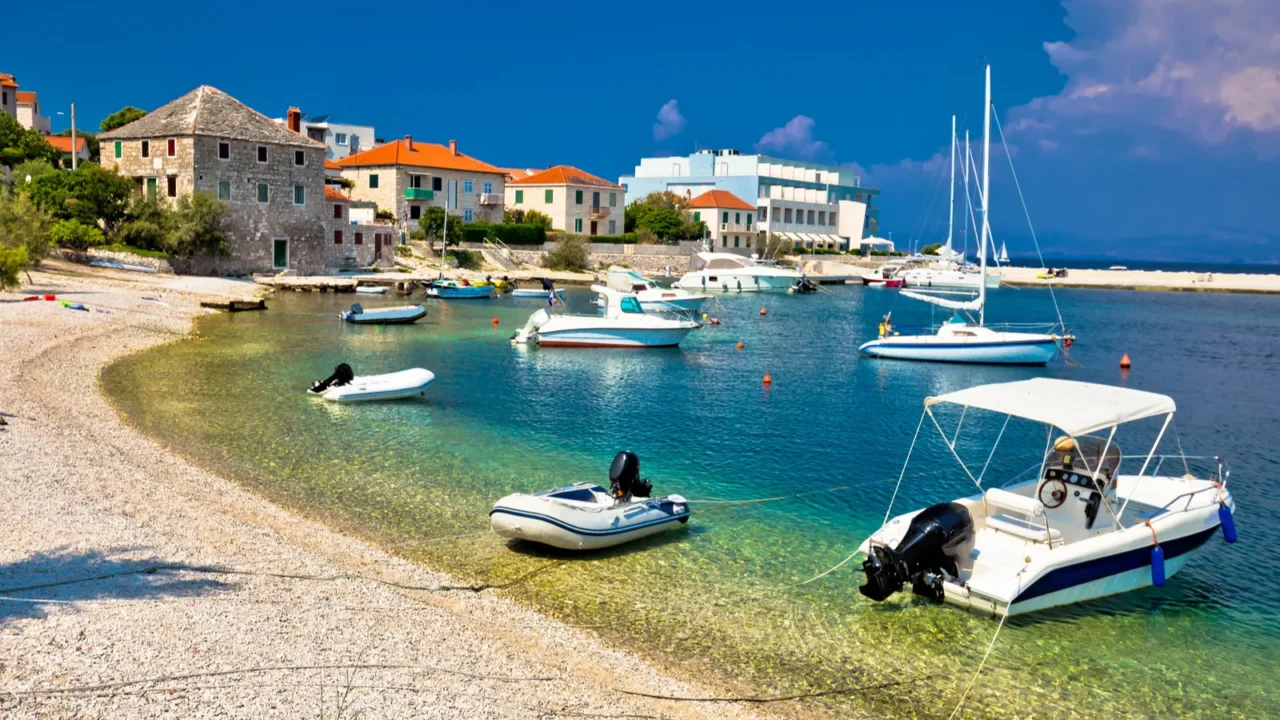
Croatia’s island connections expand
Croatia introduced new ferry routes linking lesser-known islands like Vis and Lastovo more frequently. These routes reduce dependence on long mainland drives. Travel between islands now feels practical, not rushed.
Local tourism benefits beyond peak summer months. Small communities gain steady visitor flow. Croatia’s coastline feels more connected than ever.
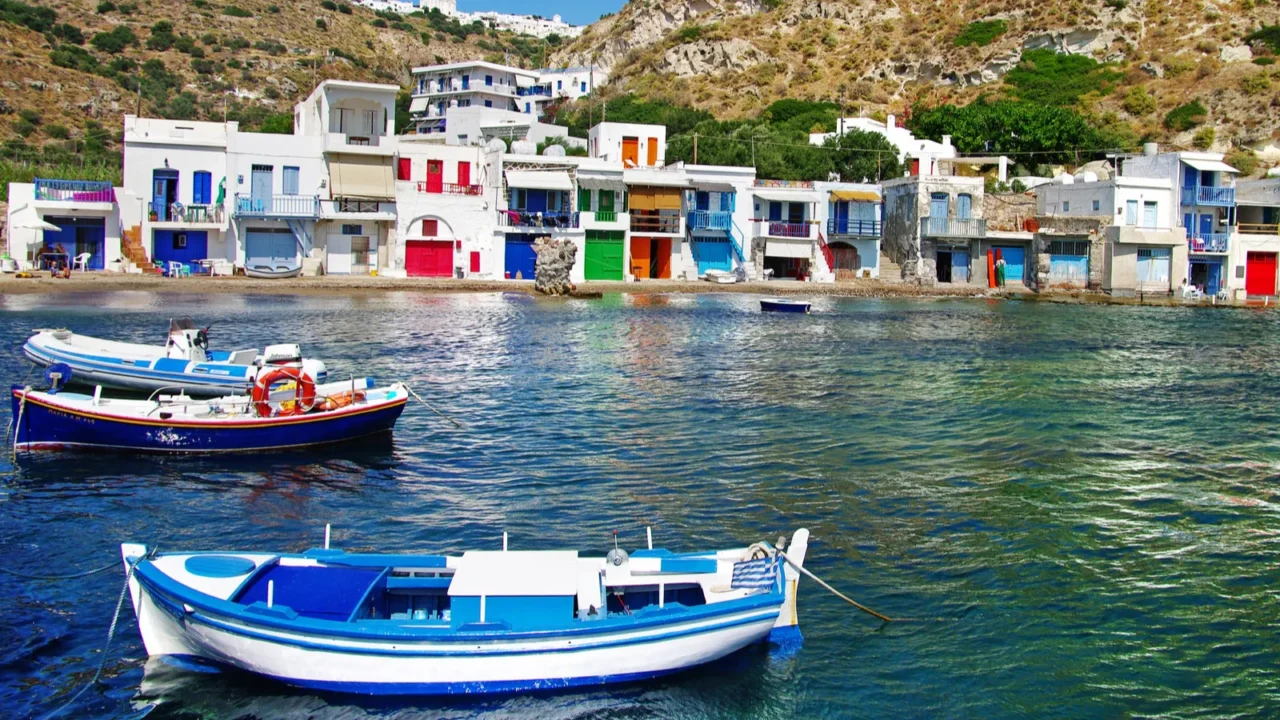
Greece links remote islands
Greece launched new ferry services connecting islands like Milos, Serifos, and Sifnos. Previously, travelers relied on indirect routes through Athens or Piraeus. Now, island hopping feels smoother and faster.
These routes support smaller islands often overlooked. Local ports see renewed activity. Greece’s Aegean network grows more balanced.
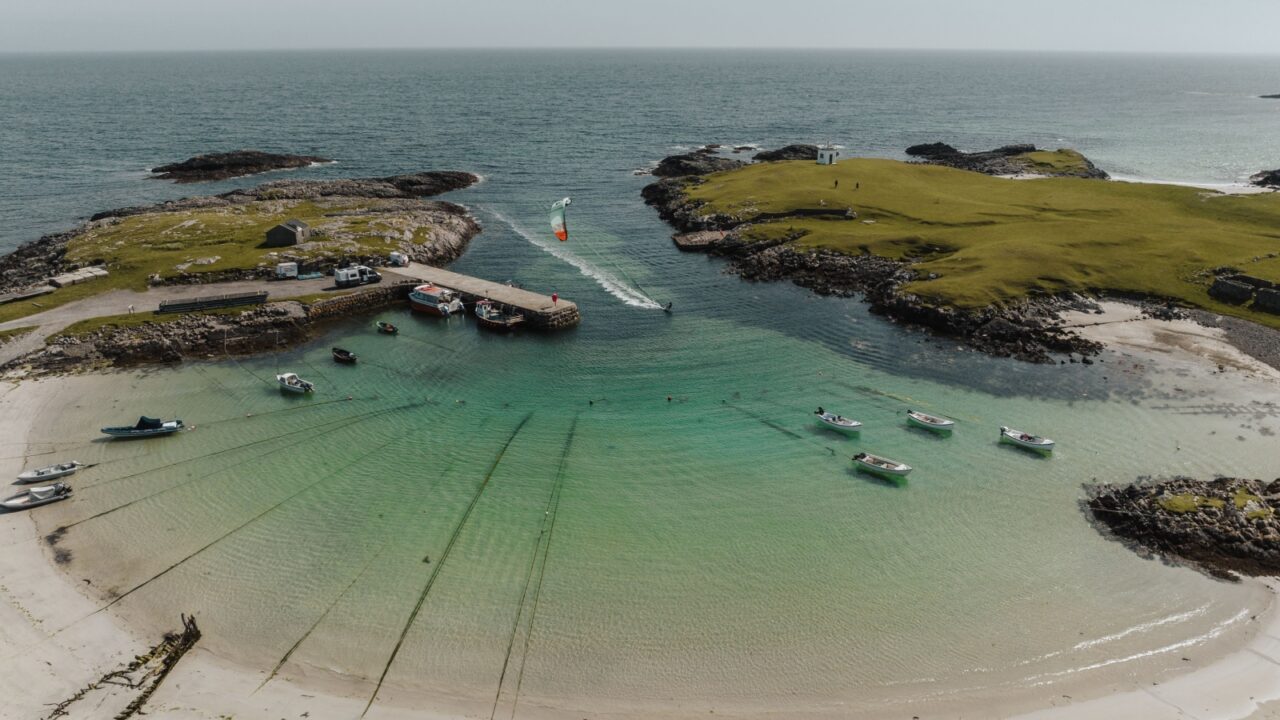
Scotland’s lifeline routes
Scotland expanded ferry access to islands like Tiree and Coll. These communities depended on limited weekly connections for years. New schedules improved reliability and frequency.
Tourism no longer feels disruptive or overwhelming. Residents gain better access to services. Ferries strengthen daily life as much as holidays.
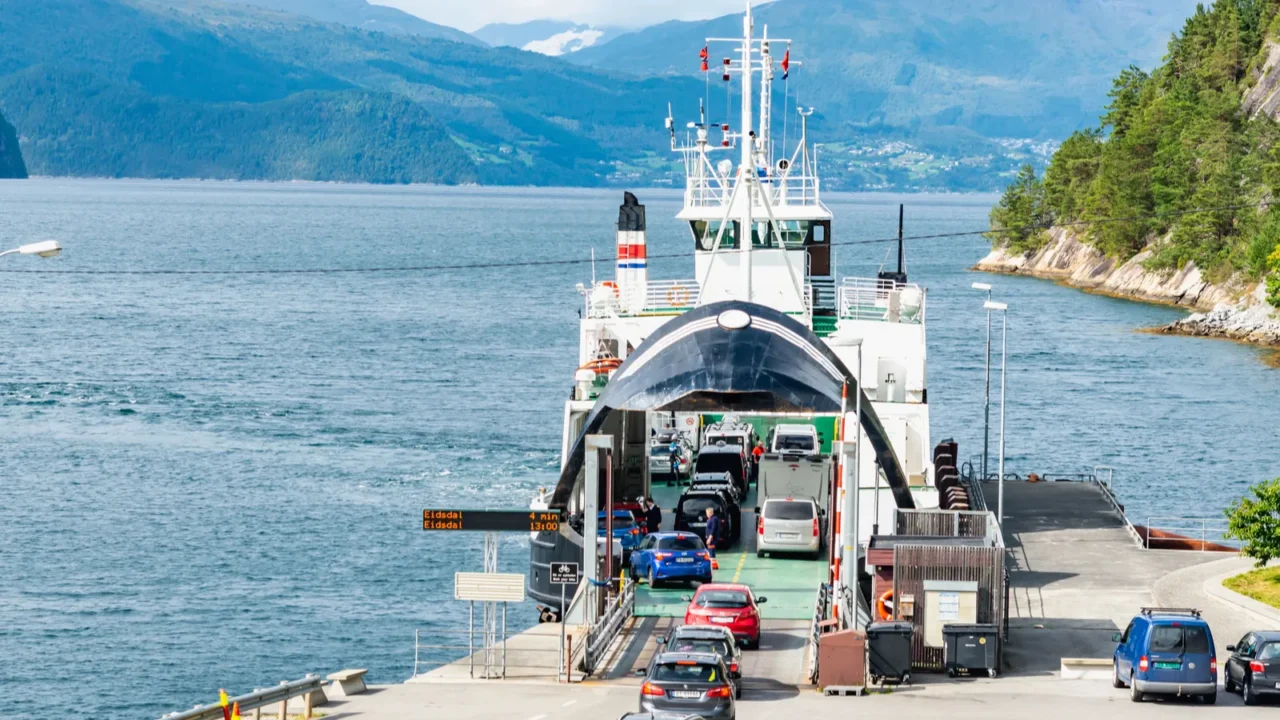
Norway’s fjord crossings improve
Norway introduced upgraded ferry links across the western fjords. These routes reduce long inland detours through mountainous terrain. Travelers experience fjords directly from the water.
Small towns benefit from increased visibility. Journeys feel scenic instead of exhausting. Norway proves ferries can enhance the travel experience itself.
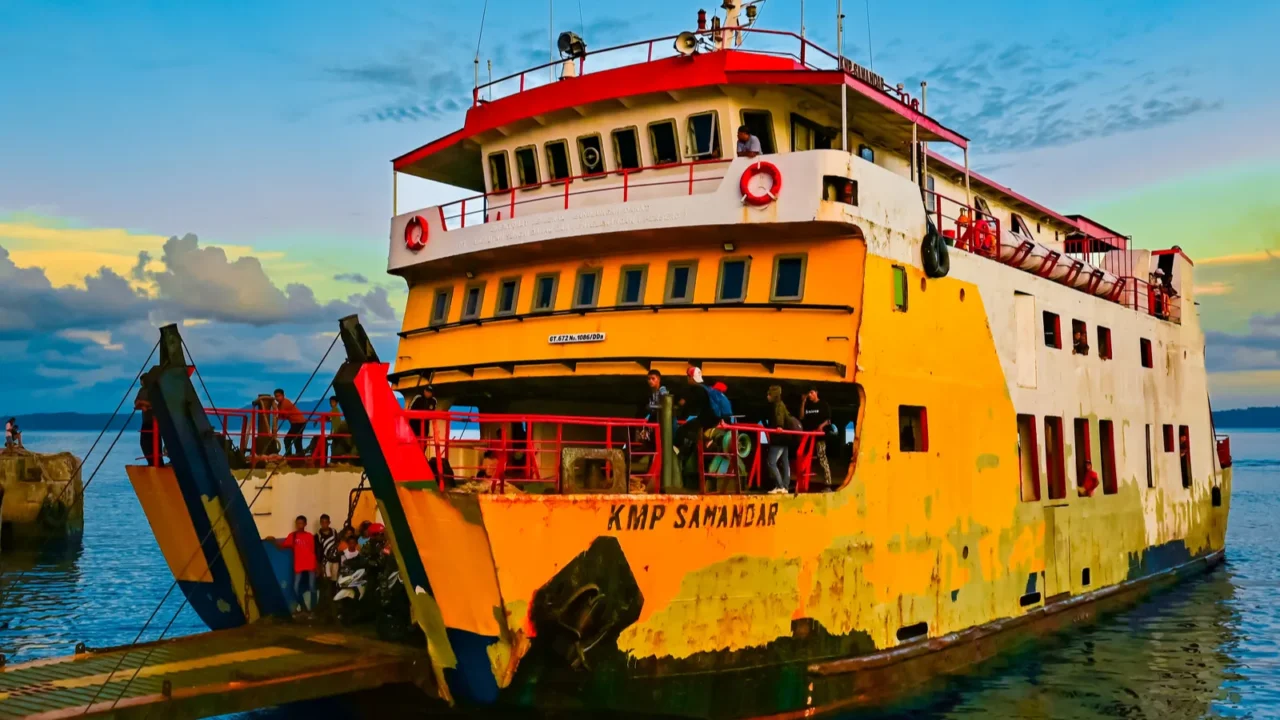
Indonesia reconnects islands
Indonesia expanded ferry routes between lesser-visited islands beyond Bali. Places like Flores and Sumba are now easier to reach. Travel no longer depends solely on limited regional flights.
These ferries support local economies and cultural tourism. Movement feels more inclusive and affordable. Indonesia’s archipelago feels stitched together again.
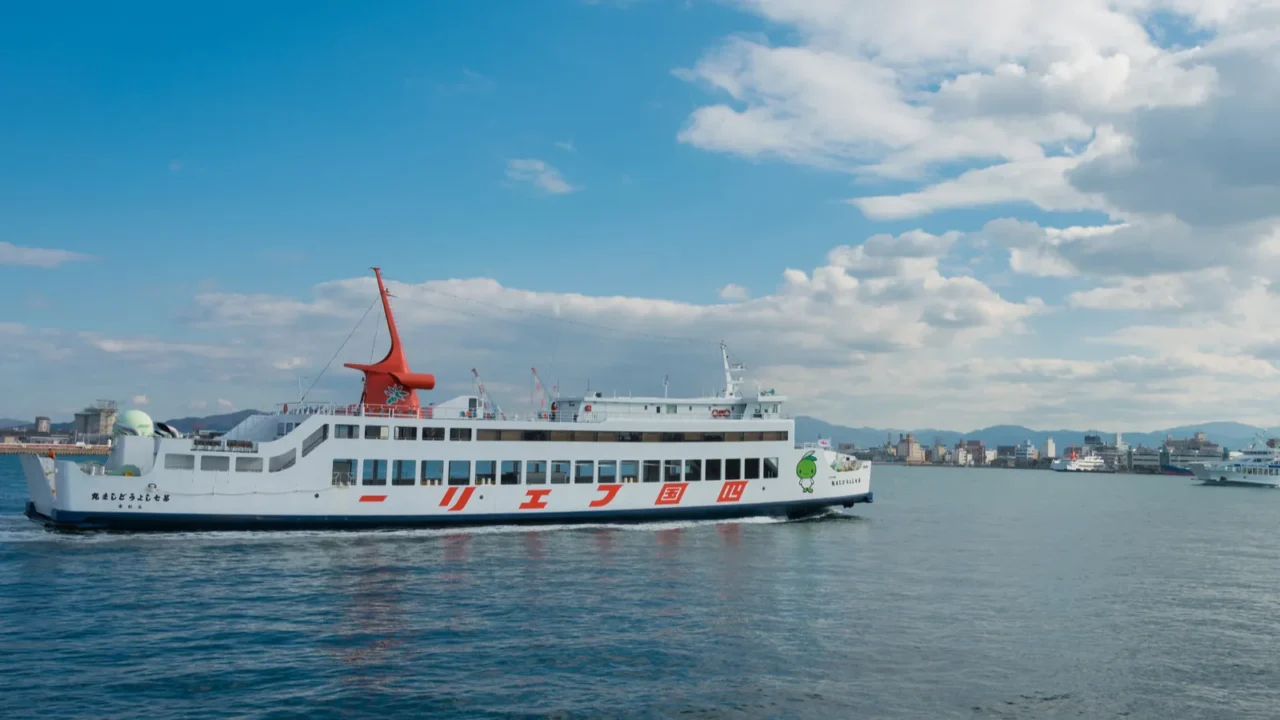
Japan revives coastal routes
Japan revived ferry services connecting coastal towns and small islands. Routes around the Seto Inland Sea gained new attention. These areas were once bypassed by high-speed rail.
Ferries reintroduced slower, scenic travel. Local heritage tourism grew steadily. Japan balances efficiency with experience.
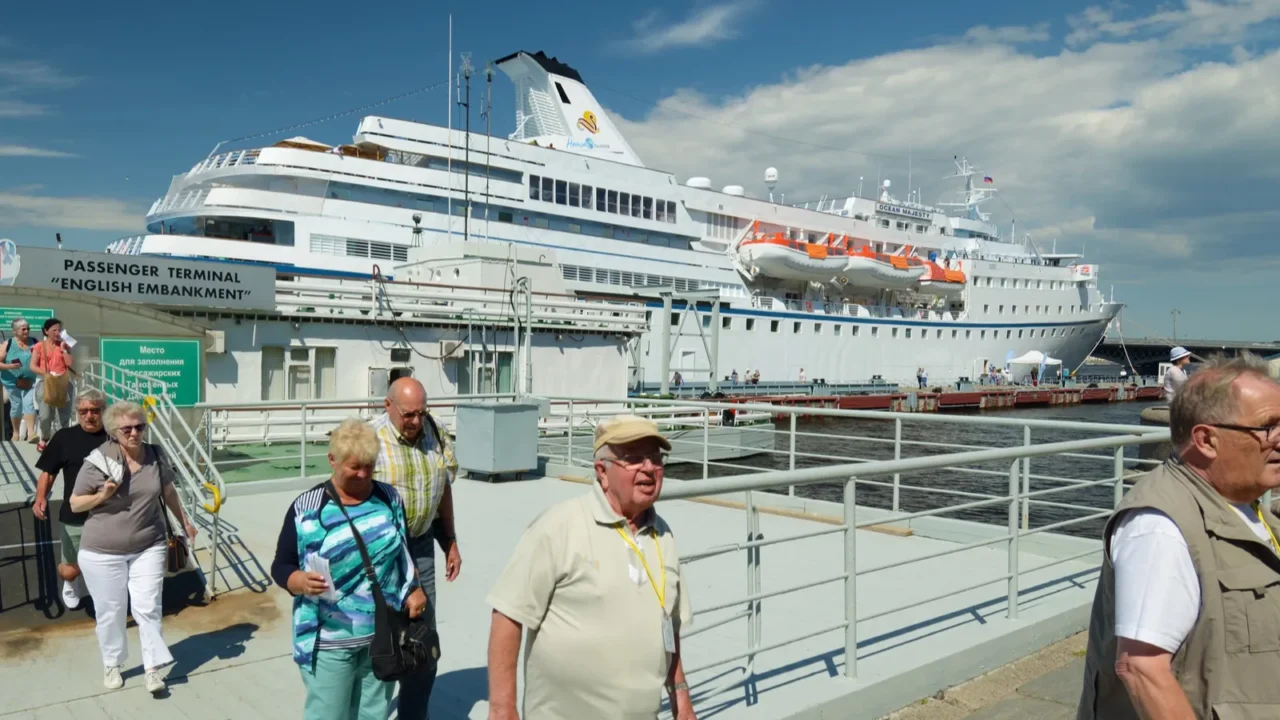
Baltic Sea connections grow
New ferry routes link Baltic destinations like Gdansk, Klaipėda, and Stockholm. These connections reduce reliance on short-haul flights. Travel feels calmer and more immersive.
Port cities benefit from longer visitor stays. Regional tourism flows improve. The Baltic Sea becomes a shared travel corridor.
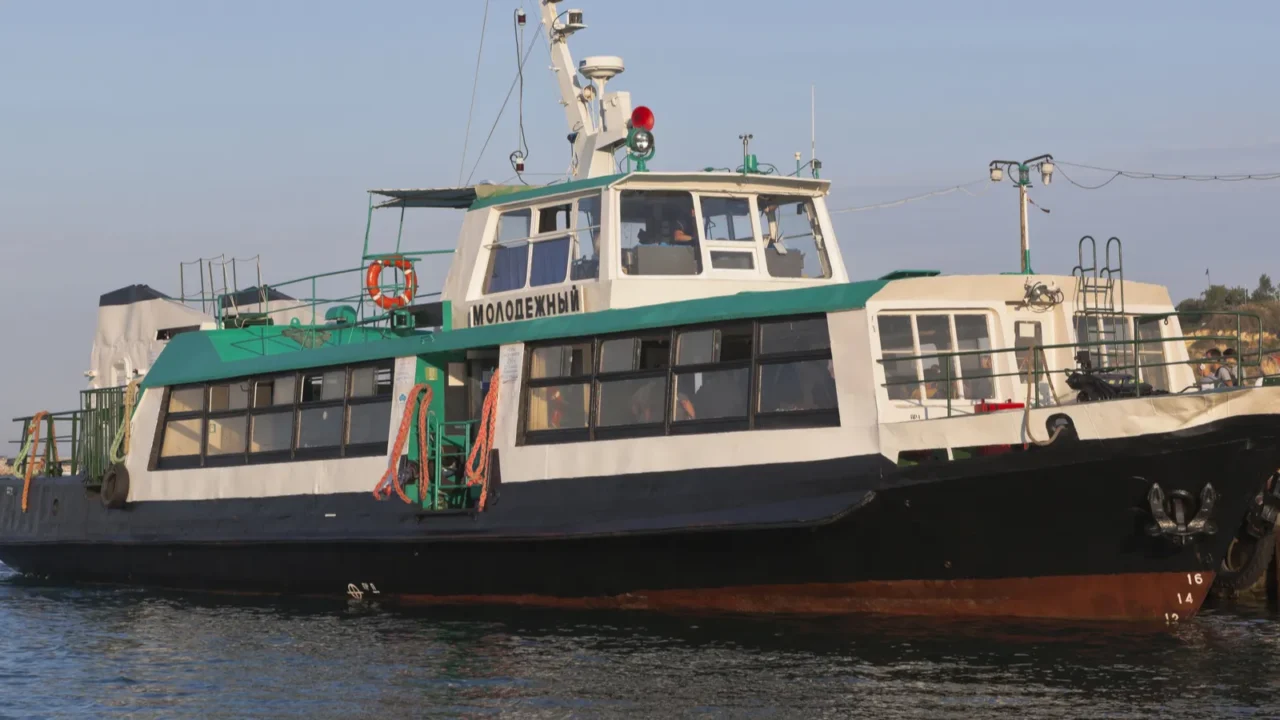
Economic ripple effects appear
New ferry routes create jobs beyond tourism alone. Port services, hospitality, and transport sectors all benefit. Small towns gain steady economic momentum.
Local businesses see more predictable demand. Seasonal extremes soften. Connectivity fuels long-term growth.
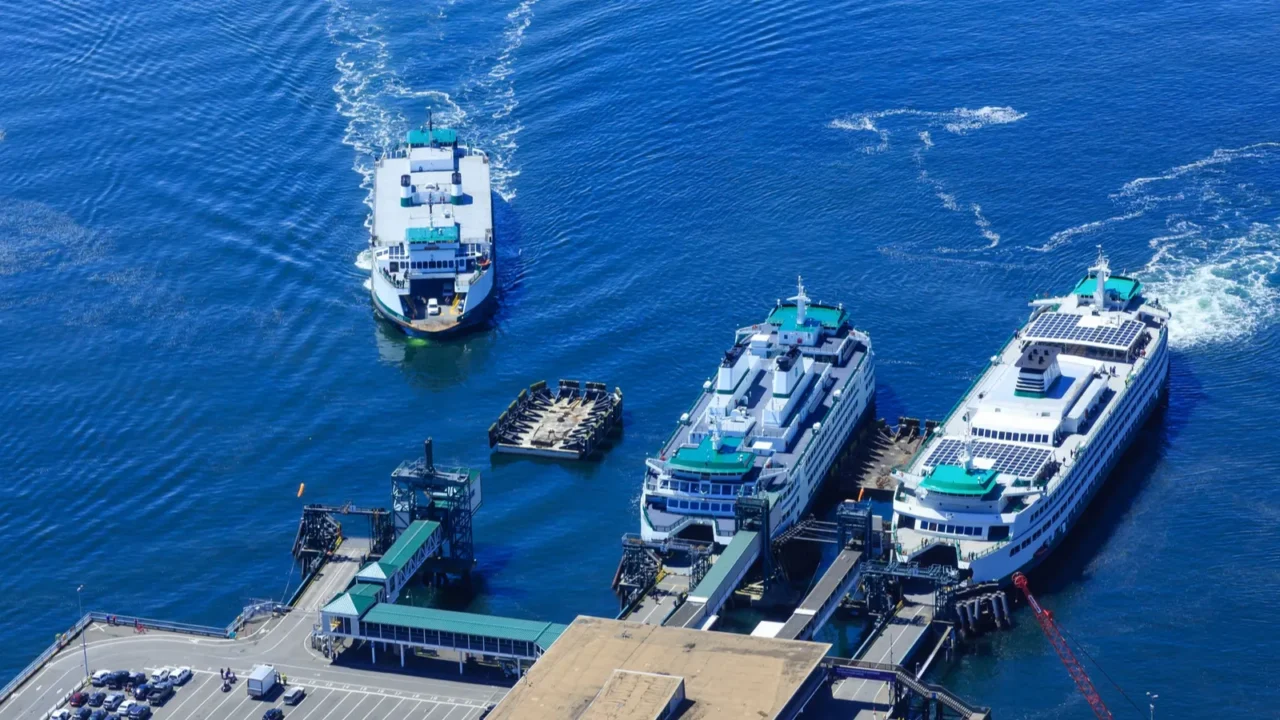
Sustainability drives expansion
Newer ferries increasingly use cleaner fuels and hybrid technology, reducing emissions in many cases compared to short-haul flights. Environmental impact remains a core focus.
Slower travel encourages longer stays. Destinations avoid quick-turnover tourism. Sustainability shapes route planning.
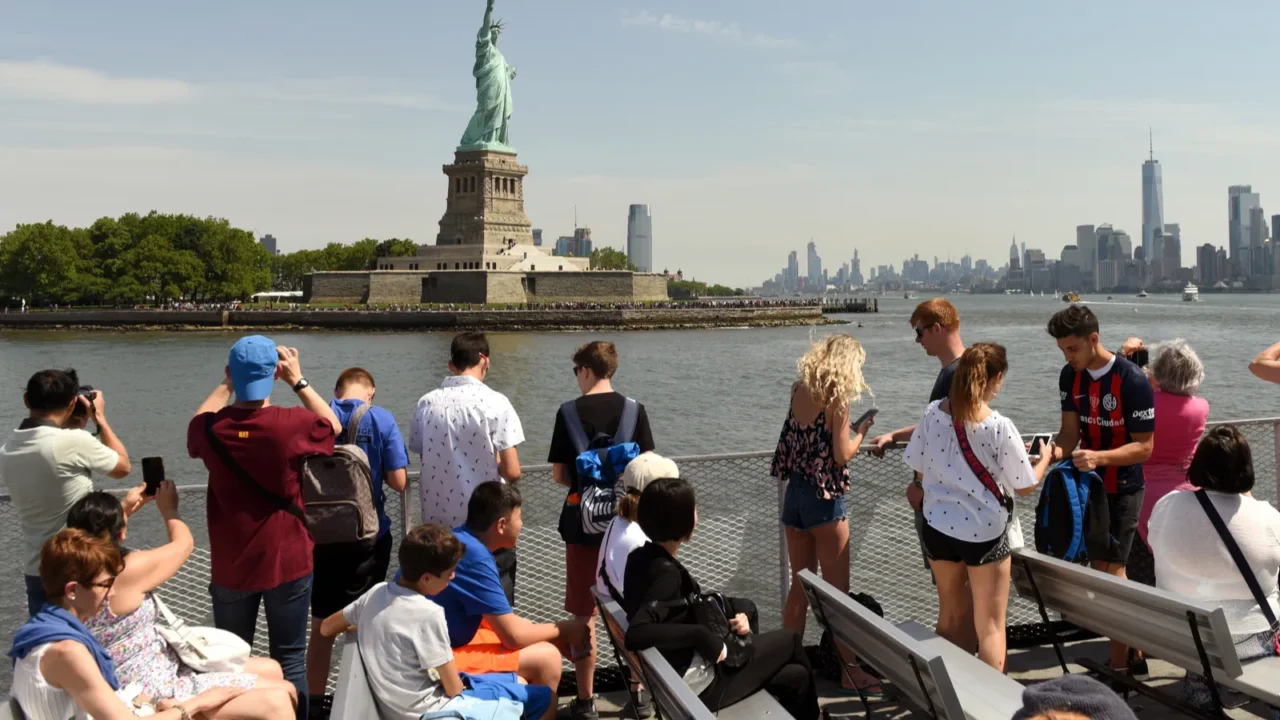
Travelers explore differently
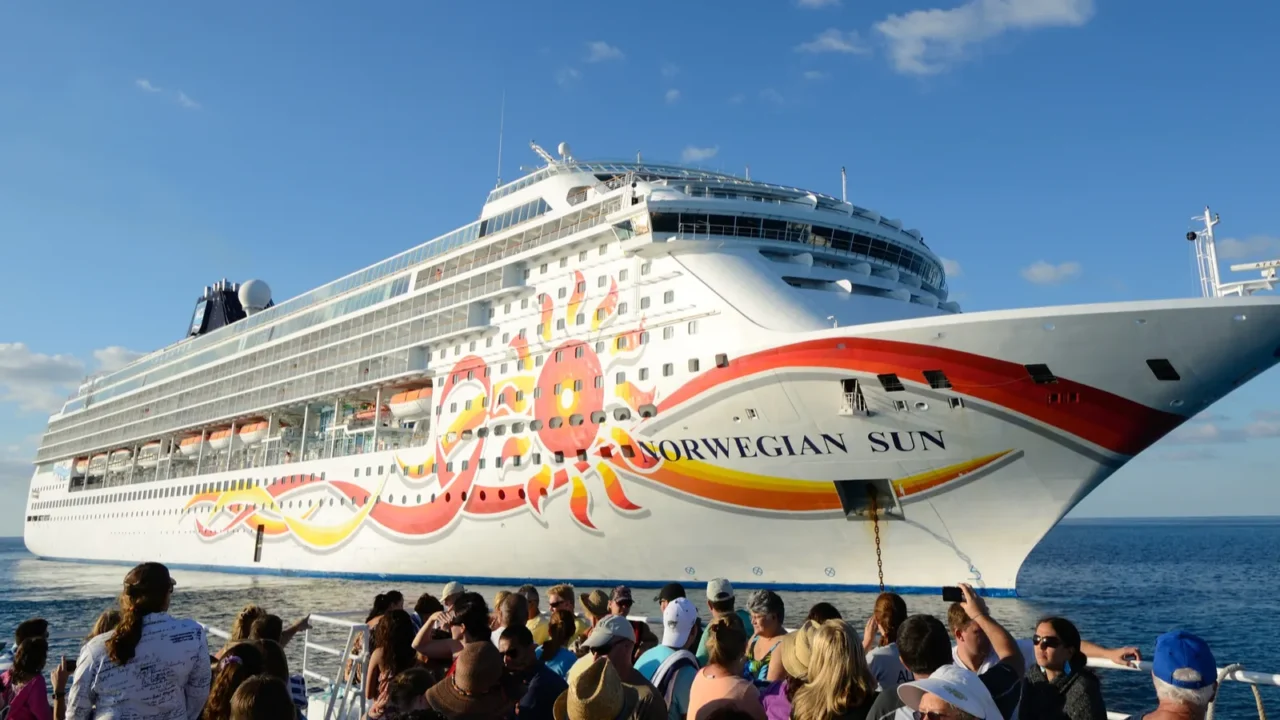
Ferry travel changes expectations as journeys become part of the experience, not just simple transit. Views, pacing, and anticipation matter again in how routes are chosen. This shift mirrors how Red Sea tensions are reshaping global cruise routes in 2025 and influencing sea-based travel planning.
Isolated destinations feel approachable without feeling overrun. Travel becomes more intentional. The sea reshapes movement patterns.
The sea connects stories
New ferry routes reconnect places long separated by distance and logistics. Communities gain access without losing identity. Travelers discover destinations once considered too difficult.
The best journeys often follow water, not highways. Ferries remind travelers to slow down and look outward.
Which newly connected destination feels most exciting to explore next? Share below.
This slideshow was made with AI assistance and human editing.
Don’t forget to follow us for more exclusive content right here on MSN.
Read More From This Brand:
