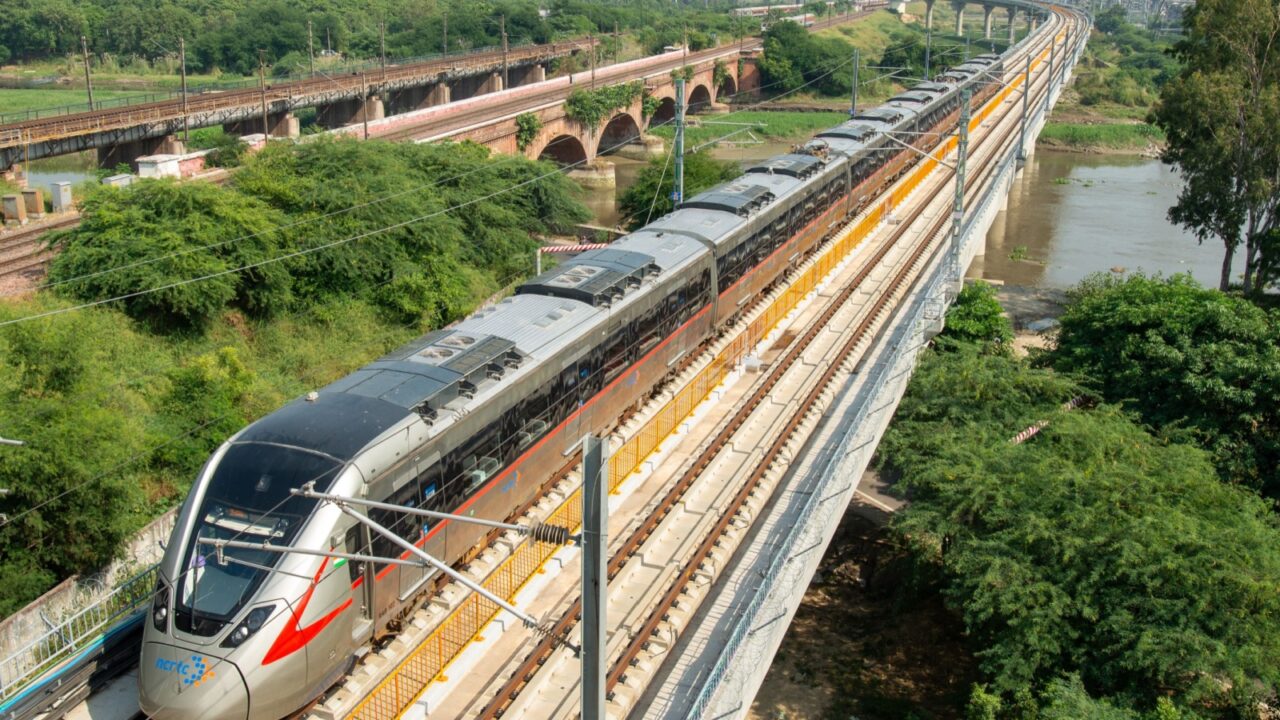
A faster way forward
Regional travel is quietly changing, and trains are leading the shift in ways many travelers did not expect. High-speed rail projects are turning once exhausting journeys into smooth, time-saving experiences that feel almost effortless. Cities that felt far apart are now being experienced as easy weekend connections rather than major travel decisions.
This movement is not about futuristic ideas or distant promises, since tracks are already being laid and routes are opening. From California to Spain and Japan, faster trains are reshaping how regions connect and compete. Let’s dive in!
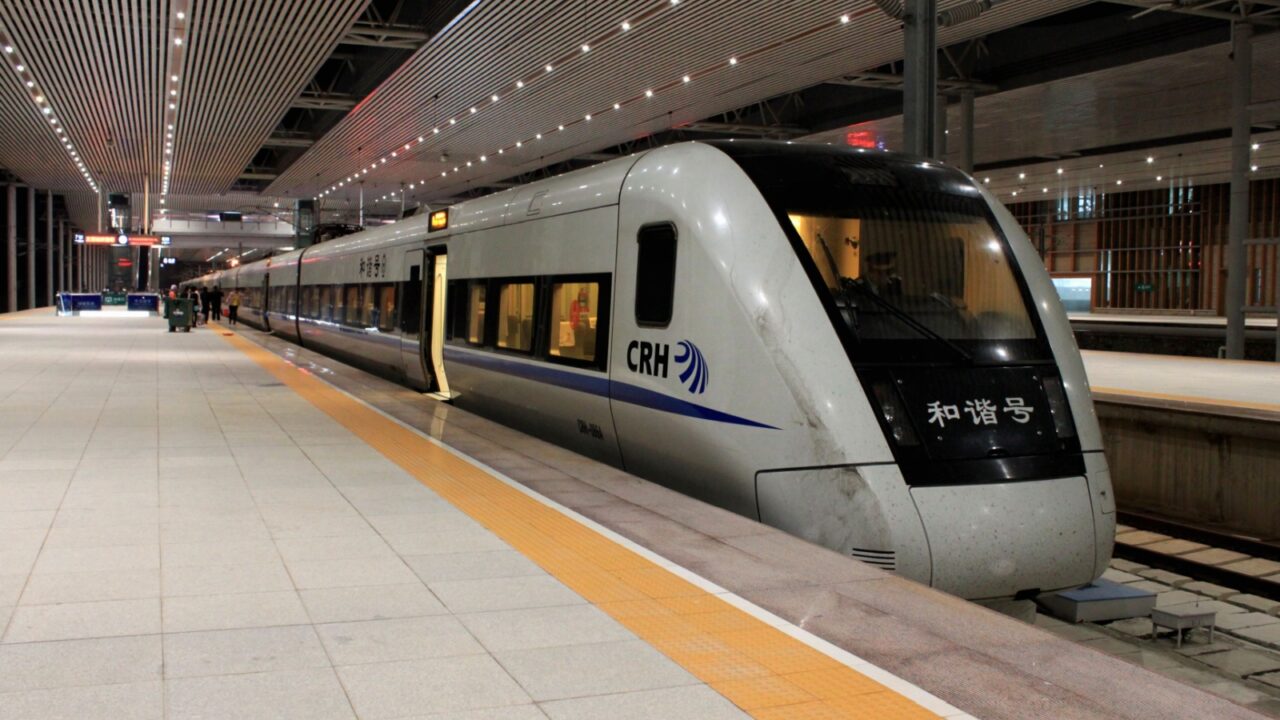
Short trips feel closer
High-speed rail is shrinking the mental map of travel by cutting hours into minutes. Routes like Madrid to Barcelona now take under three hours, making day trips realistic and stress-free. Travelers are choosing trains over planes because the experience feels simpler from start to finish.
In France, Paris to Lyon has become a routine rail journey instead of a planned flight. Stations sit in city centers, which removes long airport transfers and waiting times. The result is a more relaxed rhythm that encourages frequent regional exploration.
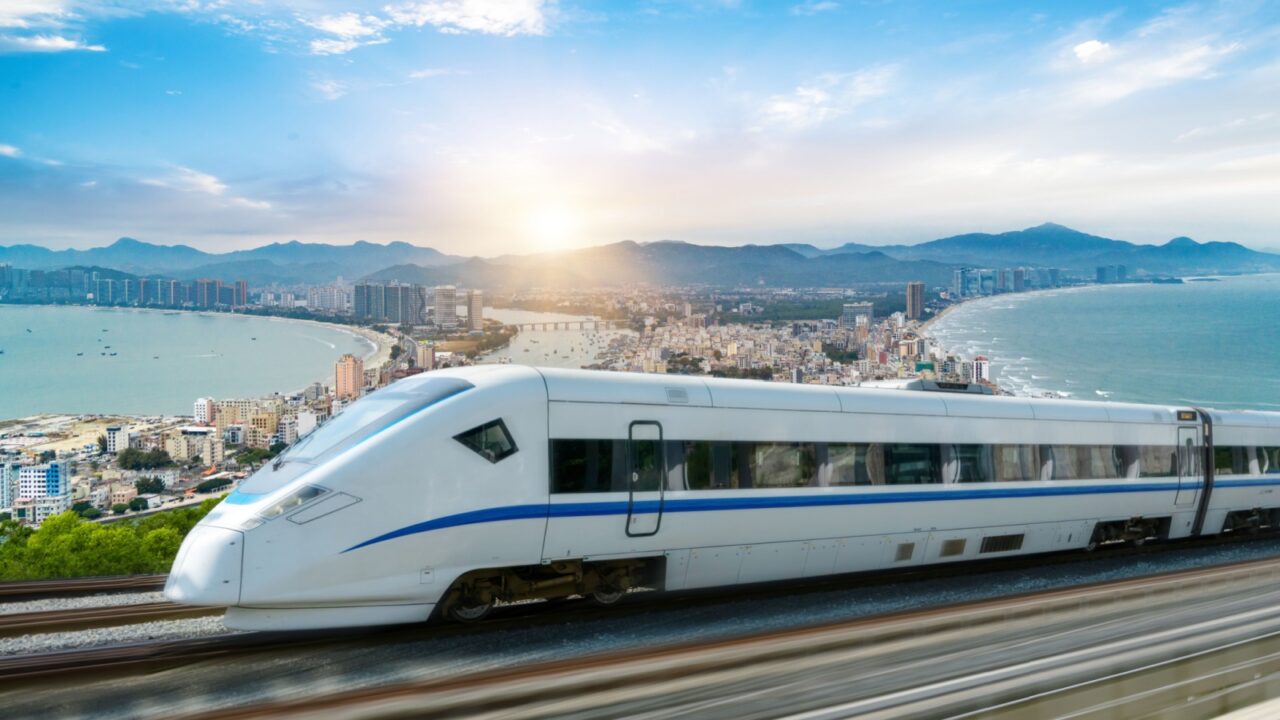
Airports face real competition
Many busy air routes are losing passengers where fast rail is available. In Spain, flights between Madrid and Valencia dropped after reliable high-speed services expanded. Trains now offer similar travel times when airport procedures are factored in.
This shift is also visible in Japan, where Shinkansen routes dominate domestic travel. Flying only makes sense for much longer distances across the country. Rail has become the default choice for comfort, predictability, and time efficiency.
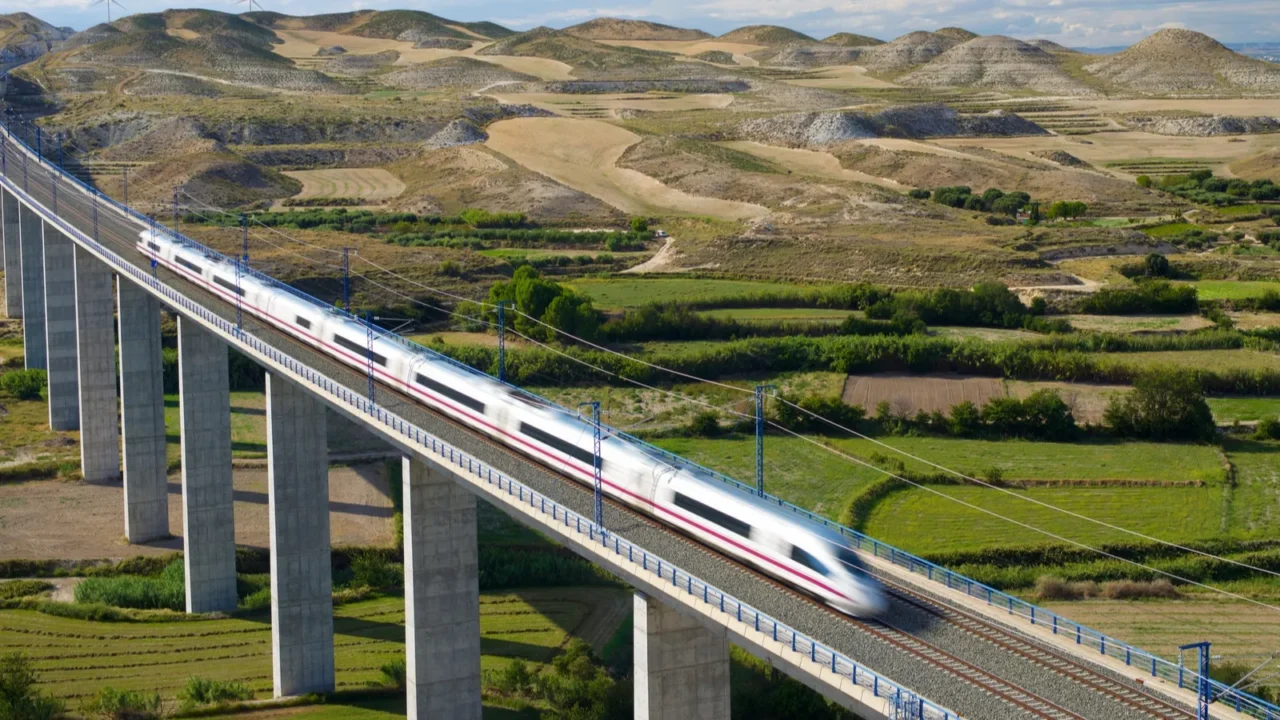
California’s long awaited line
California’s high-speed rail project is planned to eventually connect San Francisco and Los Angeles, but current construction focuses on the Central Valley between Merced and Bakersfield. The focus is on linking growing inland communities that are often overlooked.
Once operational, these areas could see major tourism and business growth. Smaller cities may become appealing bases rather than pass-through stops. The project reflects how rail can rebalance regional development, not just move people faster.
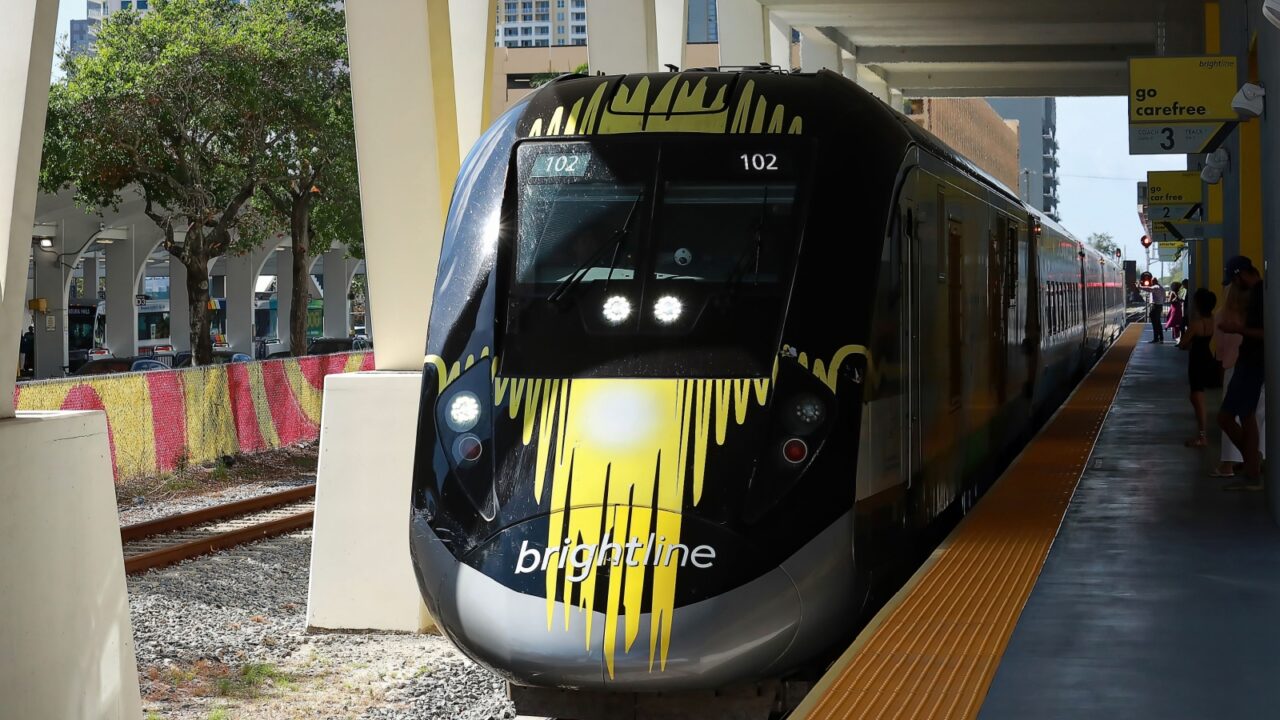
Brightline reshapes Florida
Florida’s Brightline has already changed how travelers move between Miami, Fort Lauderdale, and Orlando. The train connects major tourist hubs with downtown stations and modern onboard services. Visitors heading to theme parks now skip rental cars entirely.
The Orlando extension strengthened regional tourism rather than replacing it. Short stays feel more practical, especially for international visitors. Brightline shows how private rail investment can succeed when routes match real travel demand.
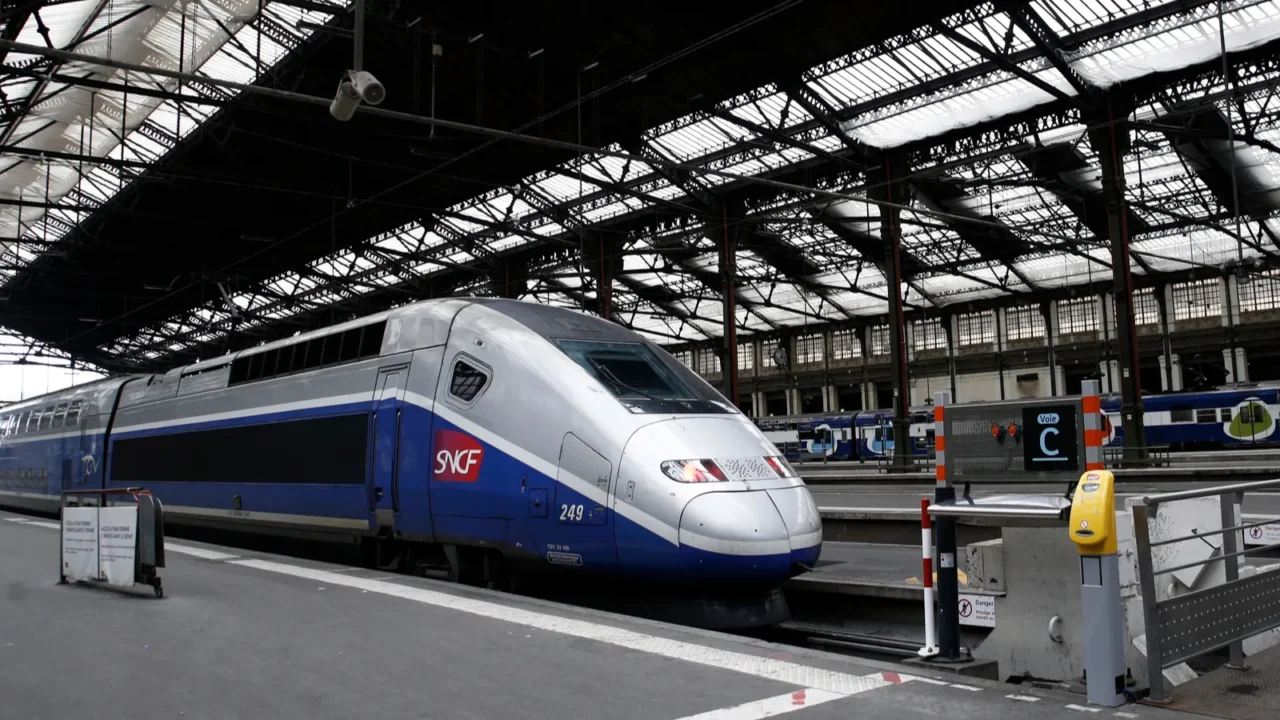
Europe’s expanding network
Europe continues to lead in cross-border high-speed rail connectivity. Routes like Paris to Brussels and Milan to Turin feel seamless despite crossing national borders. Tickets are increasingly integrated across operators and platforms.
Spain’s AVE network now reaches smaller cities like León and Córdoba. These stops attract travelers who were once limited to major capitals. The rail network encourages deeper regional discovery beyond traditional tourist centers.
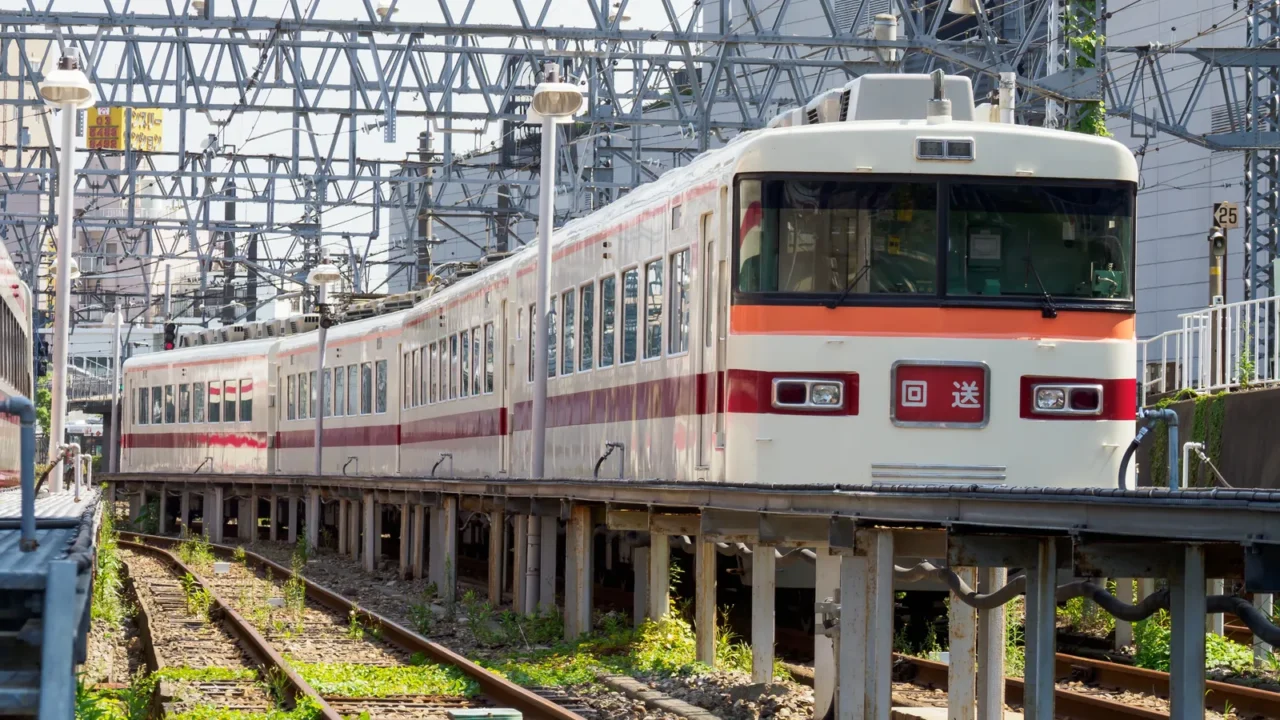
Asia sets the pace
Asia remains the global benchmark for speed and scale in rail travel. China’s high-speed network links megacities with secondary destinations across vast distances. Journeys that once took overnight trains now finish in a single afternoon.
Japan continues refining its Shinkansen system with new extensions and upgrades. Reliability remains its strongest selling point, with near-perfect on-time performance. Regional travel there feels calm, orderly, and remarkably efficient.

Middle East joins in
High-speed rail is gaining momentum across the Middle East. Saudi Arabia’s Haramain train connects Mecca, Medina, Jeddah, and the Red Sea coast. Pilgrimage travel has become faster and far more comfortable.
Morocco’s Al Boraq line links Tangier and Casablanca in just over two hours. This has boosted domestic tourism and business travel alike. The success signals how rail investment supports both economic growth and mobility.
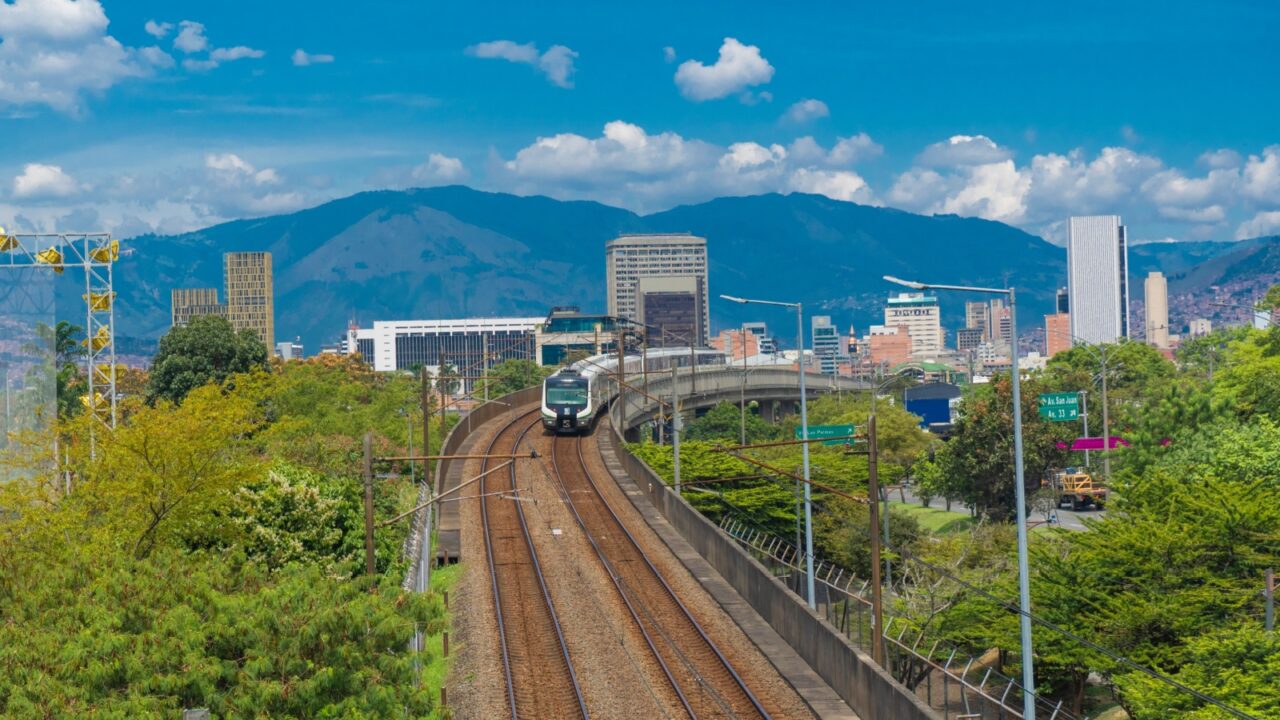
Smaller cities gain spotlight
One of the biggest changes is how secondary cities benefit from fast rail access. Places like Zaragoza in Spain or Reims in France now see more short-stay visitors. These cities offer culture without the crowds of major capitals.
Hotels, cafes, and local tours experience steady demand rather than seasonal spikes. Travelers feel encouraged to explore new regions with minimal planning. High-speed rail quietly redistributes tourism more evenly across countries.

Sustainability plays a role
Rail travel produces significantly lower emissions compared to short-haul flights. Many travelers are factoring sustainability into their trip decisions more than before. High-speed trains make eco-conscious choices feel practical, not limiting.
Countries like France are actively promoting rail over air on domestic routes. Some short flights have even been restricted where rail alternatives exist. This shift aligns travel habits with broader climate goals.

Comfort changes expectations
Modern high-speed trains focus heavily on passenger comfort. Wide seats, quiet cabins, WiFi, and food services create a relaxed travel atmosphere. The journey itself becomes part of the experience rather than a hurdle.
Business travelers can work uninterrupted, while holidaymakers enjoy scenic views. Stress levels drop when security lines and boarding chaos disappear. Comfort has become a competitive advantage that rail consistently delivers.
Regional planning evolves
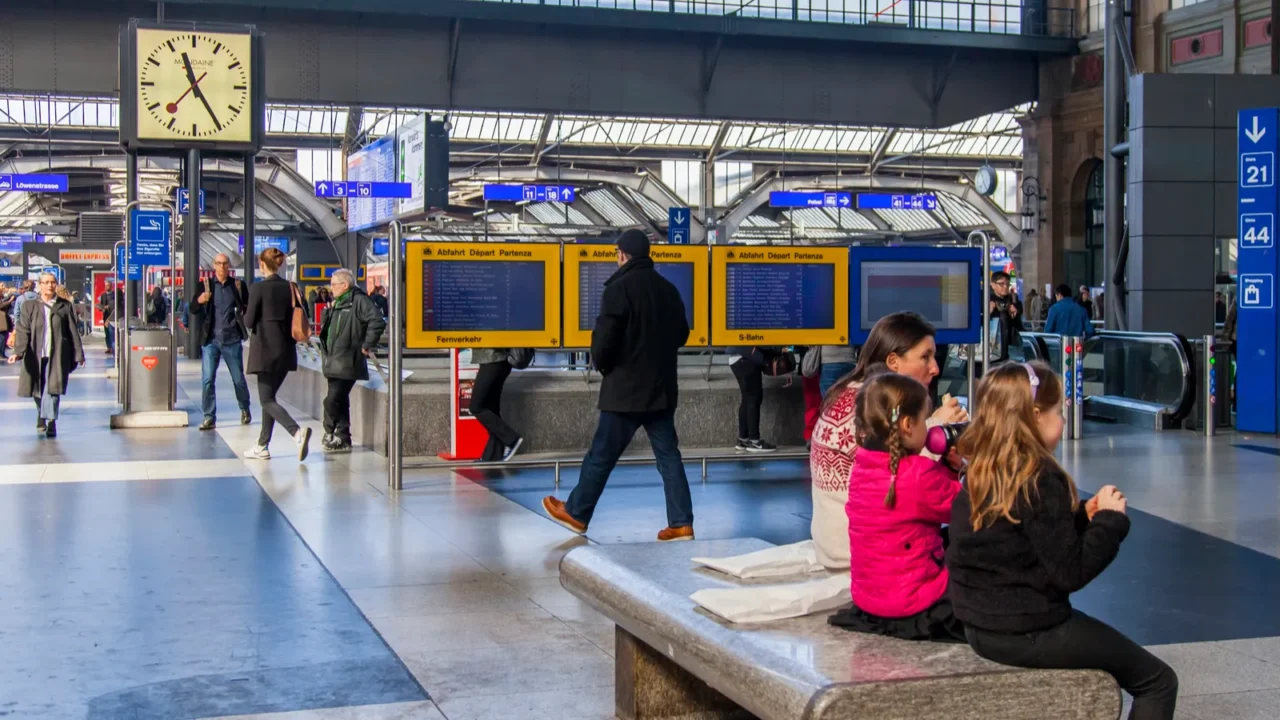
Cities are planning growth around major rail stations rather than highways. Transit-oriented development brings hotels, offices, and cultural spaces closer together. This approach reduces congestion while supporting walkable urban design.
Examples appear in cities like Lyon and Osaka near major rail hubs, where travel flows clearly shape neighborhoods. At the same time, global interest is growing in routes that offer beauty as well as function, which explains why Sri Lanka’s train journeys through places like Ella and Kandy are often called the most beautiful in Asia. High-speed rail influences not just trips, but how regions grow long-term.
Travel feels rebalanced
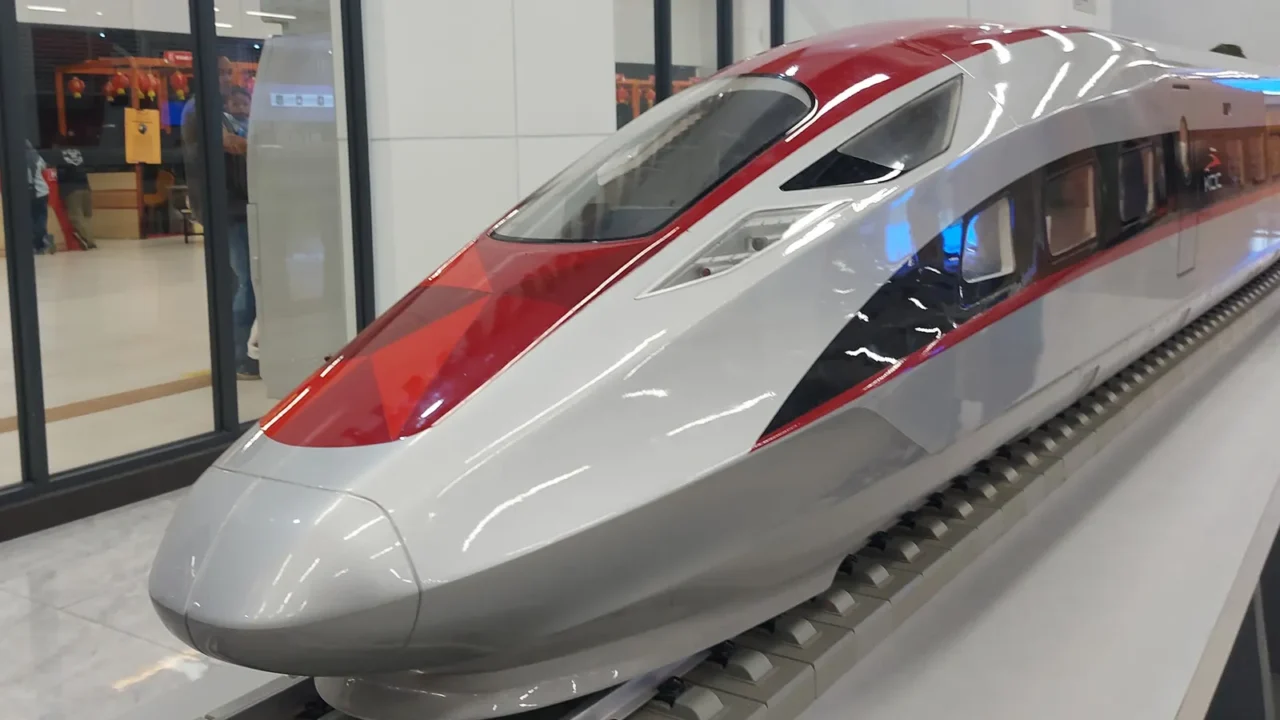
High-speed rail is not replacing flights entirely, but it is redefining regional movement. Short distances feel more accessible, relaxed, and sustainable than before. Travelers gain more choices without sacrificing comfort or time.
The best journeys now balance speed, experience, and connection to place. Rail makes regional travel feel intentional rather than rushed.
Which high-speed rail route would travelers love to experience next? Share your thoughts below.
This slideshow was made with AI assistance and human editing.
Don’t forget to follow us for more exclusive content right here on MSN.
Read More From This Brand:
