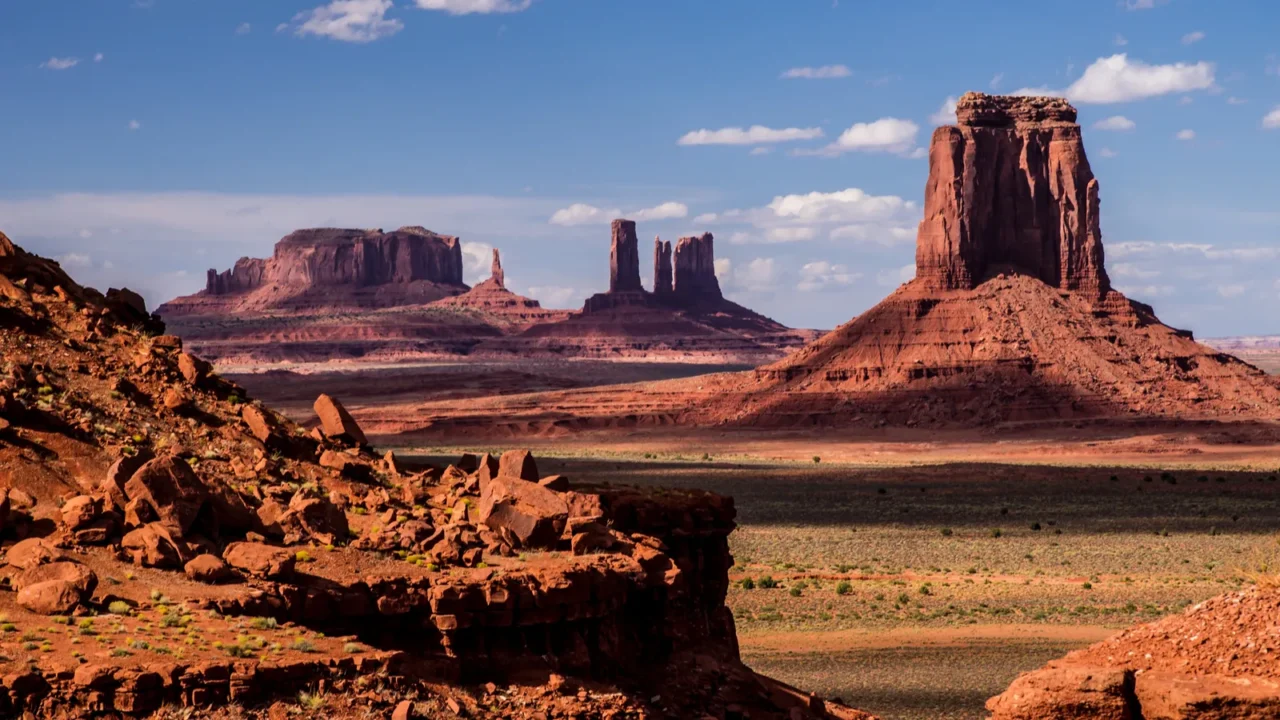
Indigenous tourism rises
New Mexico is seeing a shift in how travelers explore the state. Indigenous-led tourism experiences are redefining expectations for authenticity and engagement. Visitors are seeking cultural immersion rather than surface-level sightseeing.
Tribes like the Navajo, Pueblo, and Apache are leading tours, workshops, and storytelling sessions. Experiences showcase traditions, history, and contemporary life. That approach gives travelers richer, more meaningful connections.
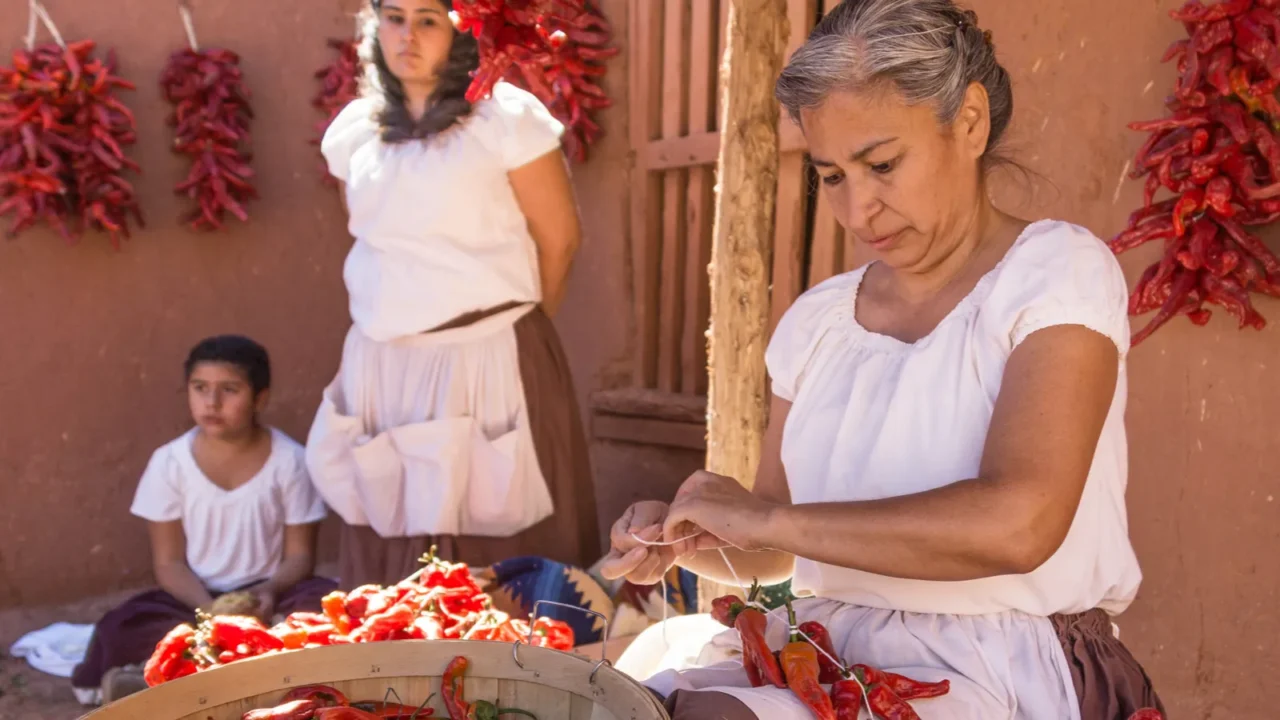
Santa Fe embraces heritage
Santa Fe highlights Indigenous culture through galleries, markets, and guided tours. Visitors encounter pottery, weaving, and storytelling alongside historic sites. That blend of art and heritage shapes a deeper appreciation.
Local guides explain history in context, not just as facts. Travelers learn about cultural resilience and living traditions. The city becomes more than a visual experience.
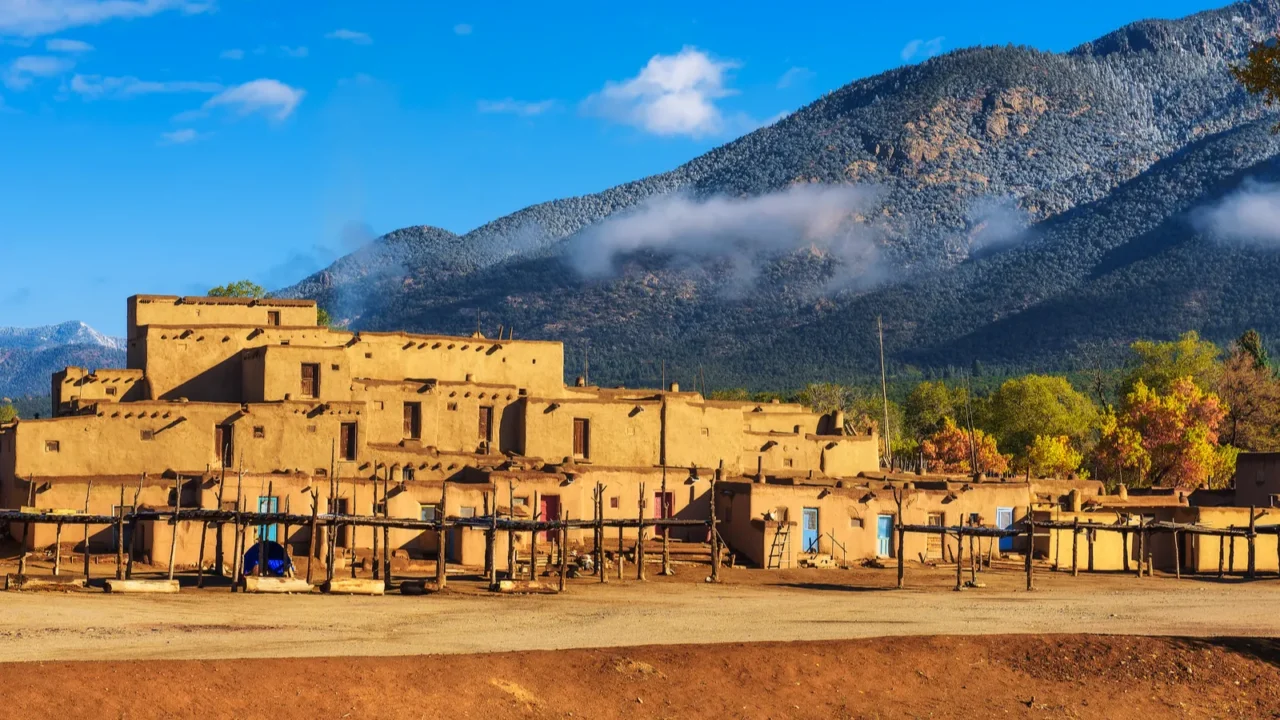
Taos Pueblo offers living history
Taos Pueblo invites visitors to explore a continuously inhabited Native village. Tours are led by residents who share daily life and customs. That perspective offers a rare look into living traditions.
Travelers see architecture, farming practices, and ceremonial spaces firsthand. The experience feels personal and grounded. It challenges the notion of history as static.

Workshops foster deeper connection
Pottery classes, weaving demonstrations, and cooking sessions allow hands-on learning. Santa Clara Pueblo hosts workshops led by master artisans. Travelers gain appreciation for skill, patience, and cultural significance.
Activities go beyond souvenirs to understanding the process and the story. Participants learn the care behind each creation. That engagement reshapes expectations for interactive travel.
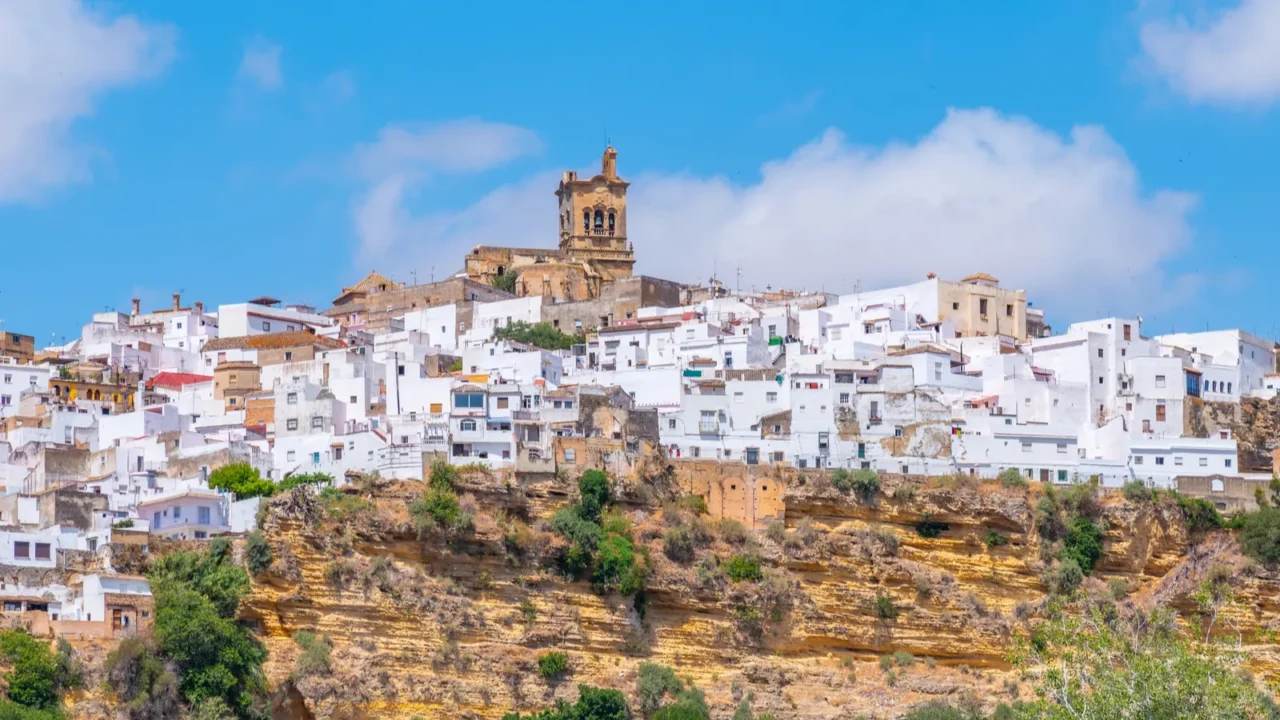
Storytelling preserves culture
Storytelling sessions in pueblos transmit oral histories, legends, and language. Guides and elders lead visitors through tales of ancestors and landscapes. Listening becomes a bridge between past and present.
These experiences emphasize respect and context over entertainment. Travelers learn lessons embedded in traditions. The narrative approach transforms passive observation into active learning.
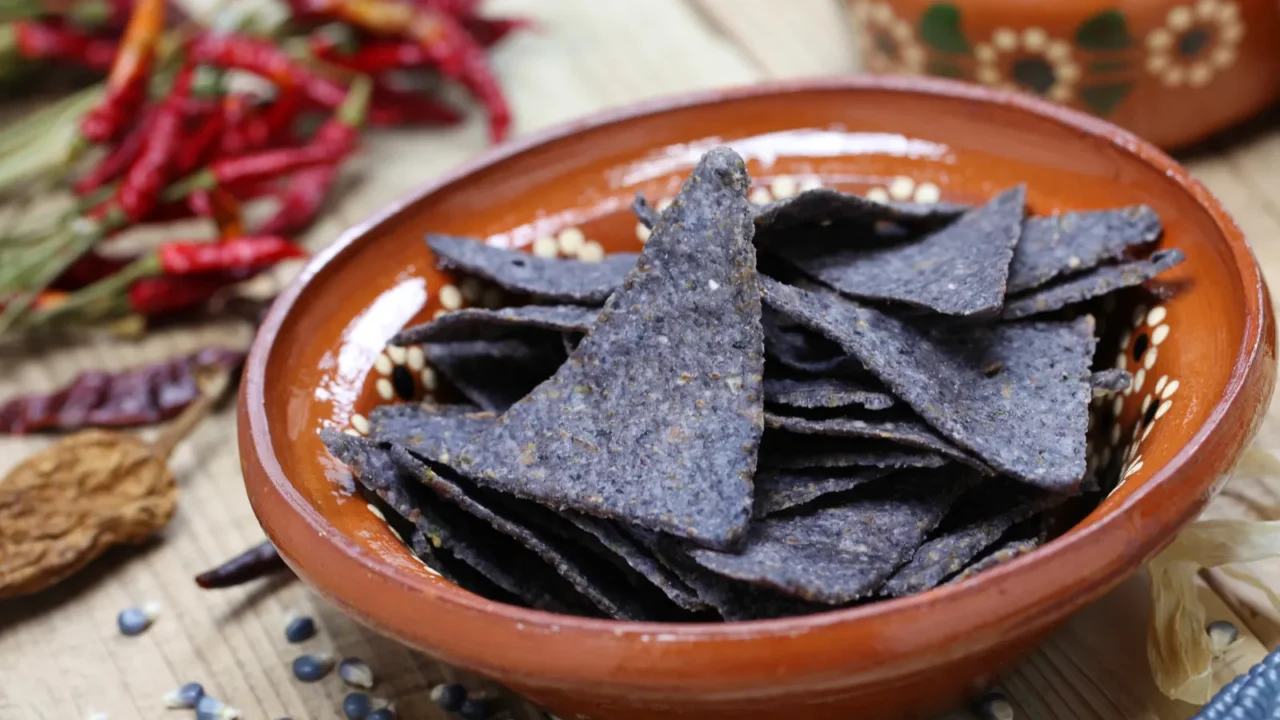
Culinary experiences connect visitors
Indigenous-led culinary tours showcase regional ingredients and methods. Traditional dishes like blue corn tortillas and roasted chili tell cultural stories. Visitors taste history with each bite.
Cooking demonstrations highlight sustainable practices and local sourcing. Travelers discover the deep connections between land, culture, and flavor. That culinary immersion leaves lasting impressions.
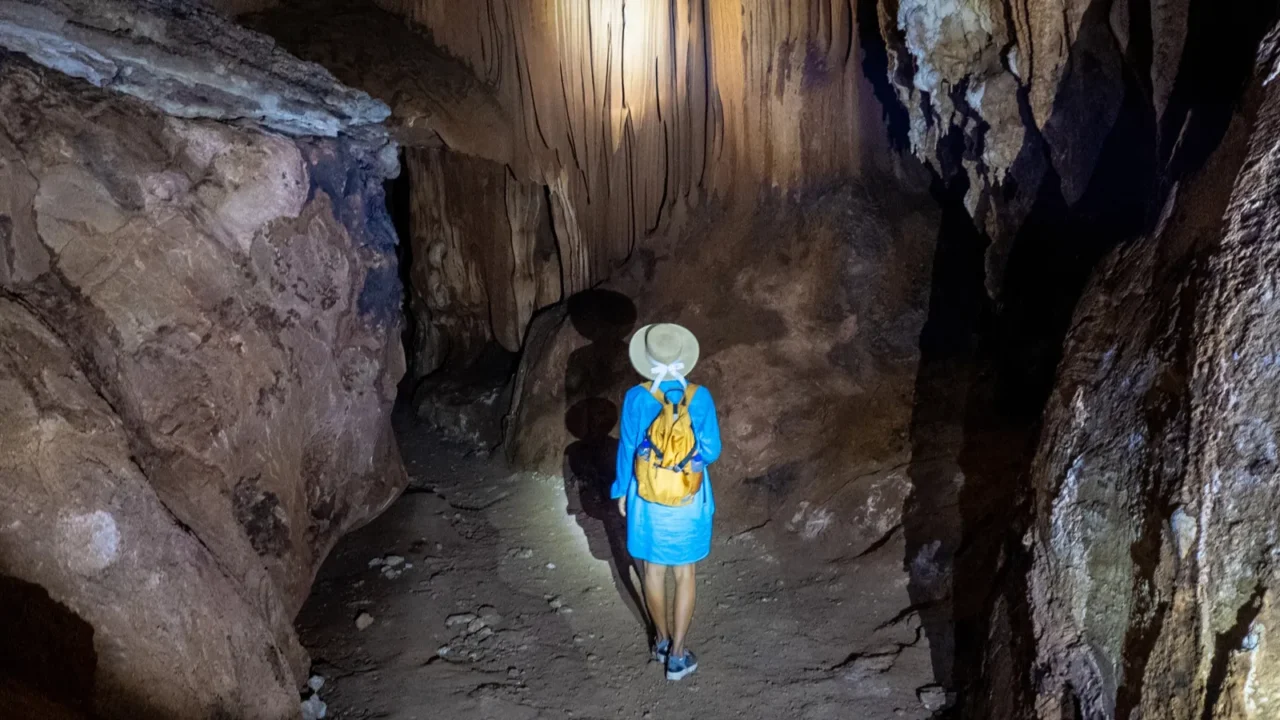
Sacred landscapes shape tours
Guided hikes explore sacred mountains, rivers, and desert sites. Tribes explain the spiritual significance behind natural formations. Travelers gain perspective on stewardship and reverence for the land.
Experiences stress respect for both ecology and culture. Paths are chosen carefully to preserve sacred areas. That understanding shifts the lens through which visitors see landscapes.
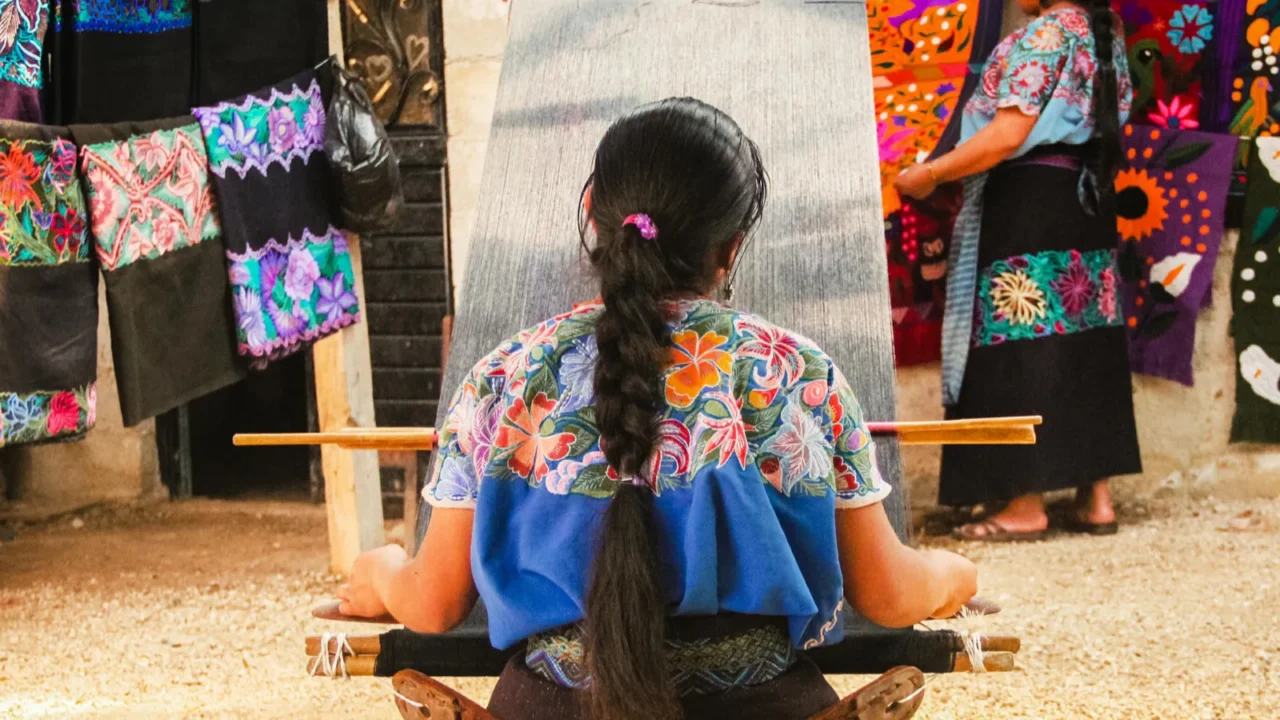
Art markets celebrate tradition
Indigenous art markets in Santa Fe and Albuquerque feature local makers. Jewelry, textiles, and paintings tell personal and community stories. Travelers encounter the living economy of Native artists.
Markets offer dialogue rather than transactions alone. Visitors learn inspiration, technique, and meaning behind pieces. Art becomes a medium for cultural exchange.
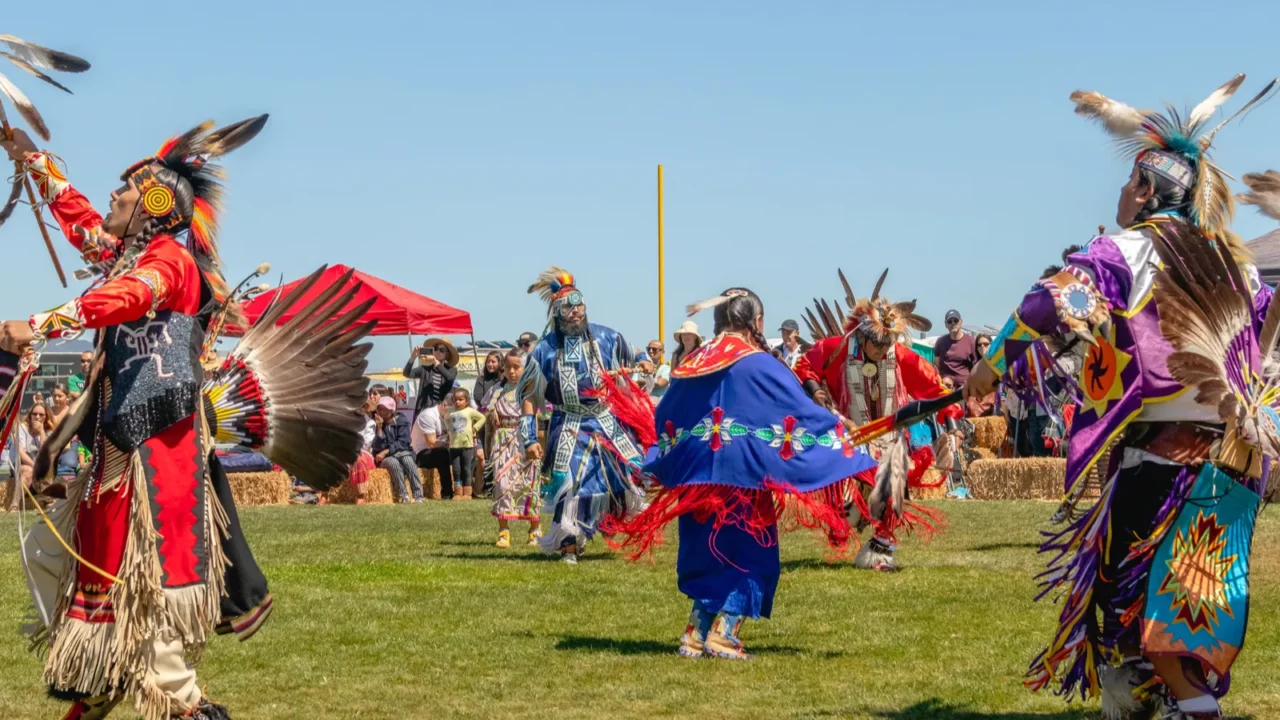
Festivals showcase contemporary culture
Powwows and cultural festivals highlight dance, music, and crafts. Events like the Zuni Festival of Arts and Culture draw both locals and visitors. Modern creativity intertwines with tradition seamlessly.
Travelers witness living culture rather than curated performances. The celebrations reveal vibrant community life. That exposure reshapes expectations for authentic experiences.
Guides set respectful tone
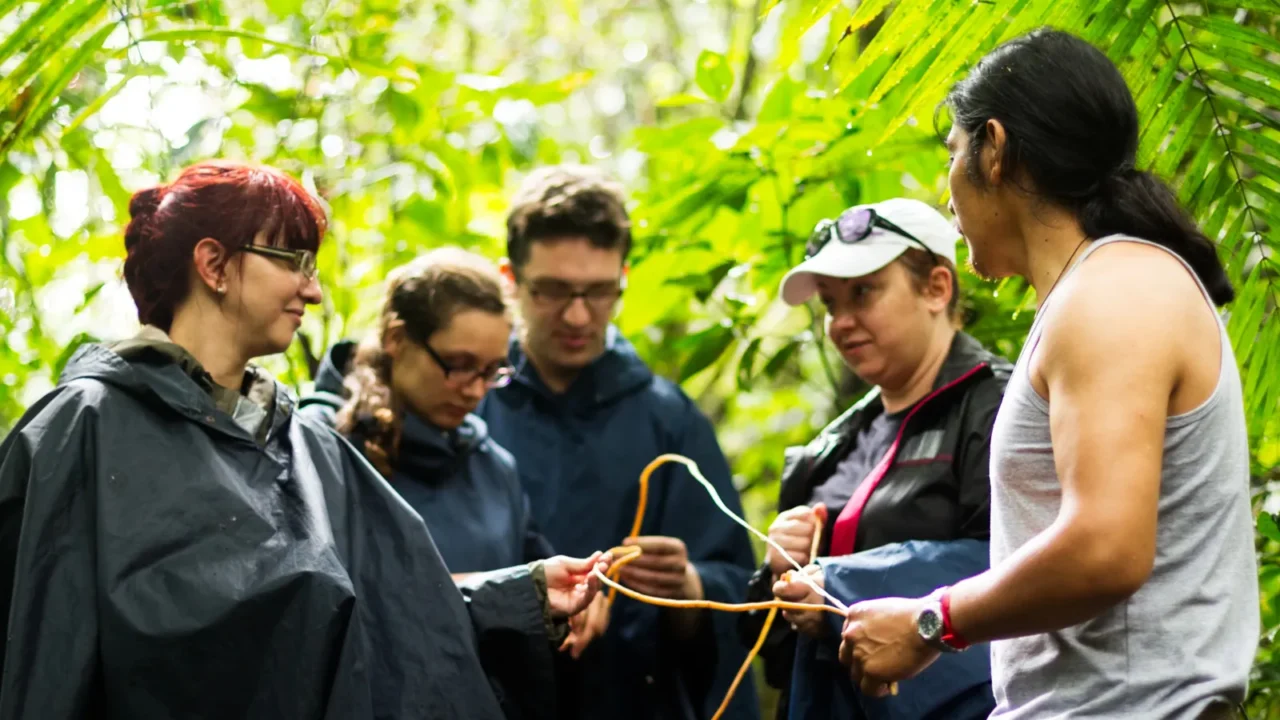
Indigenous guides model appropriate behavior, photography etiquette, and cultural sensitivity. Tours emphasize consent and learning over entertainment. Visitors leave with greater awareness and respect.
Understanding protocols becomes part of the visit itself. Travelers recognize nuances that casual visits might miss. That education elevates tourism beyond sightseeing.
Remote experiences expand access
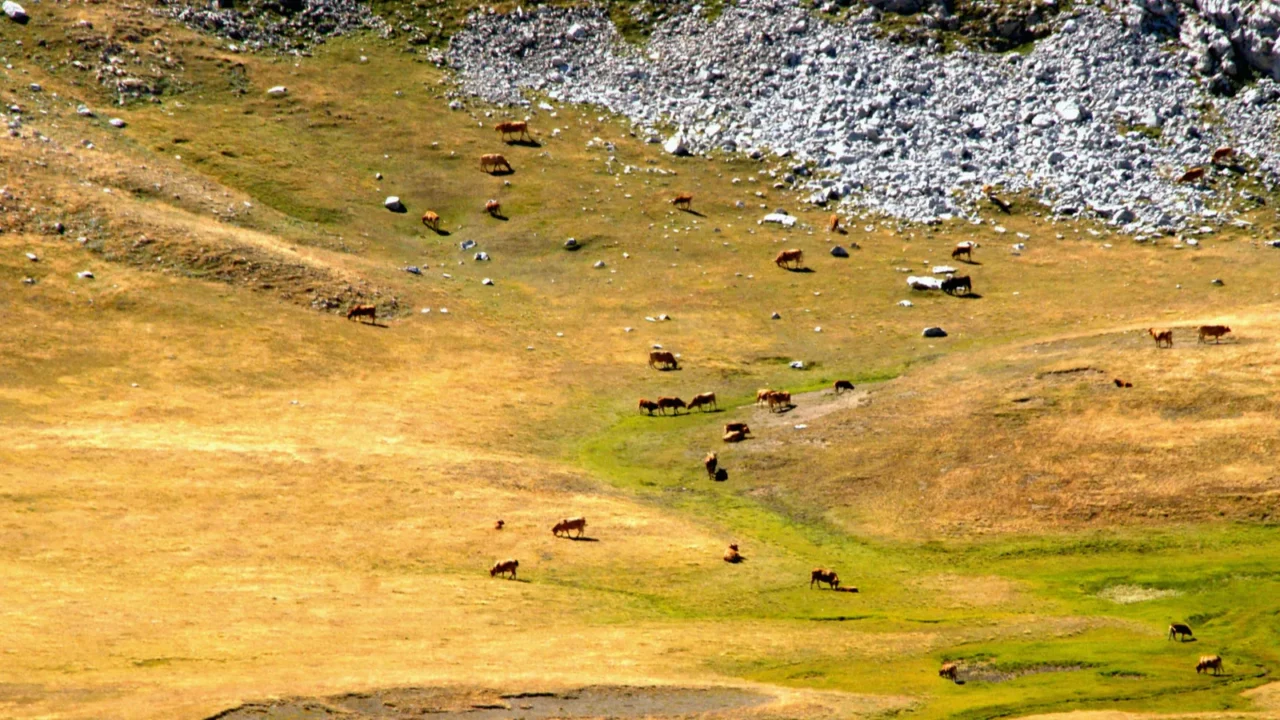
Some pueblos offer off-the-beaten-path experiences for smaller groups. Remote hikes, guided homestays, and ceremonial observation give intimate insight. These settings foster deeper reflection and connection.
Travelers experience the quiet rhythms of daily life. Distance from crowds enhances authenticity. That approach raises expectations for thoughtful, immersive travel.
Economic benefits empower communities
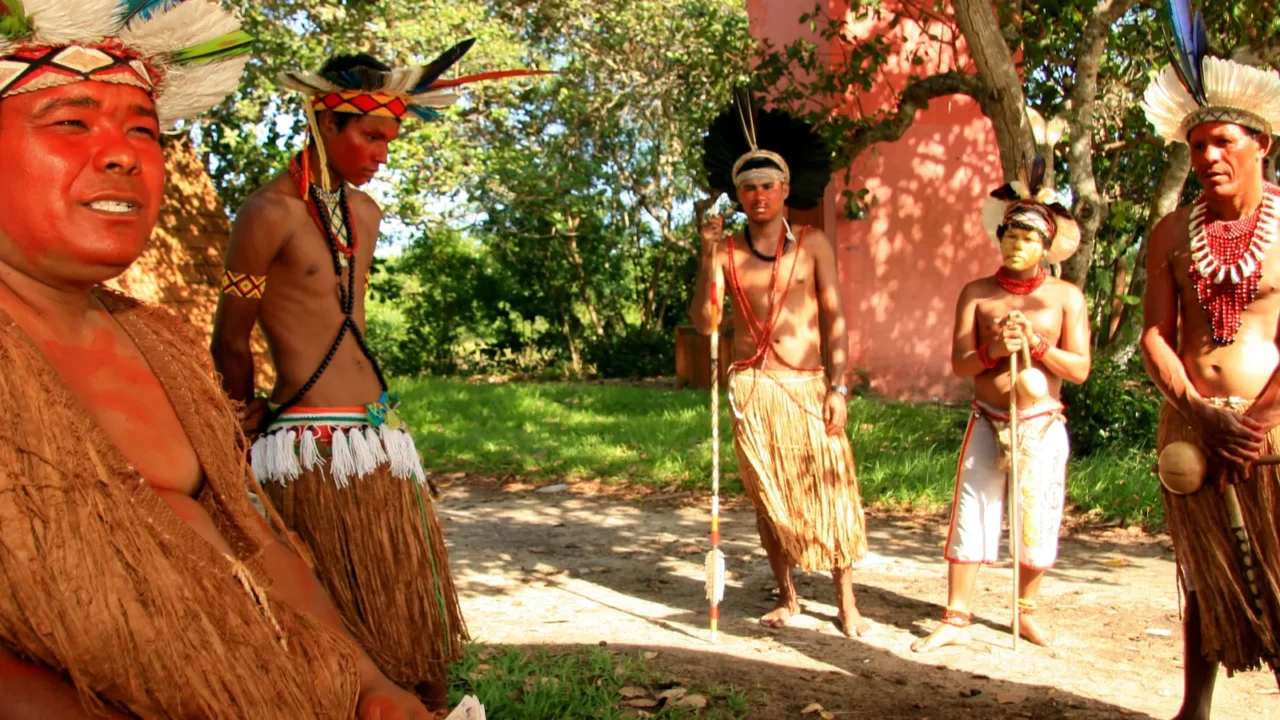
Indigenous-led tourism provides revenue and employment for local communities. It supports artisans, guides, and cultural programs sustainably, while nearby regions like New Mexico’s ghost towns are also drawing history lovers and photographers through preservation-focused travel. Travelers contribute to economic resilience while gaining a deeper cultural and historical understanding.
Revenue reinvests into cultural preservation and education. Visitors witness firsthand the impact of mindful travel. That awareness changes how tourism is valued.
Shaping future travel norms
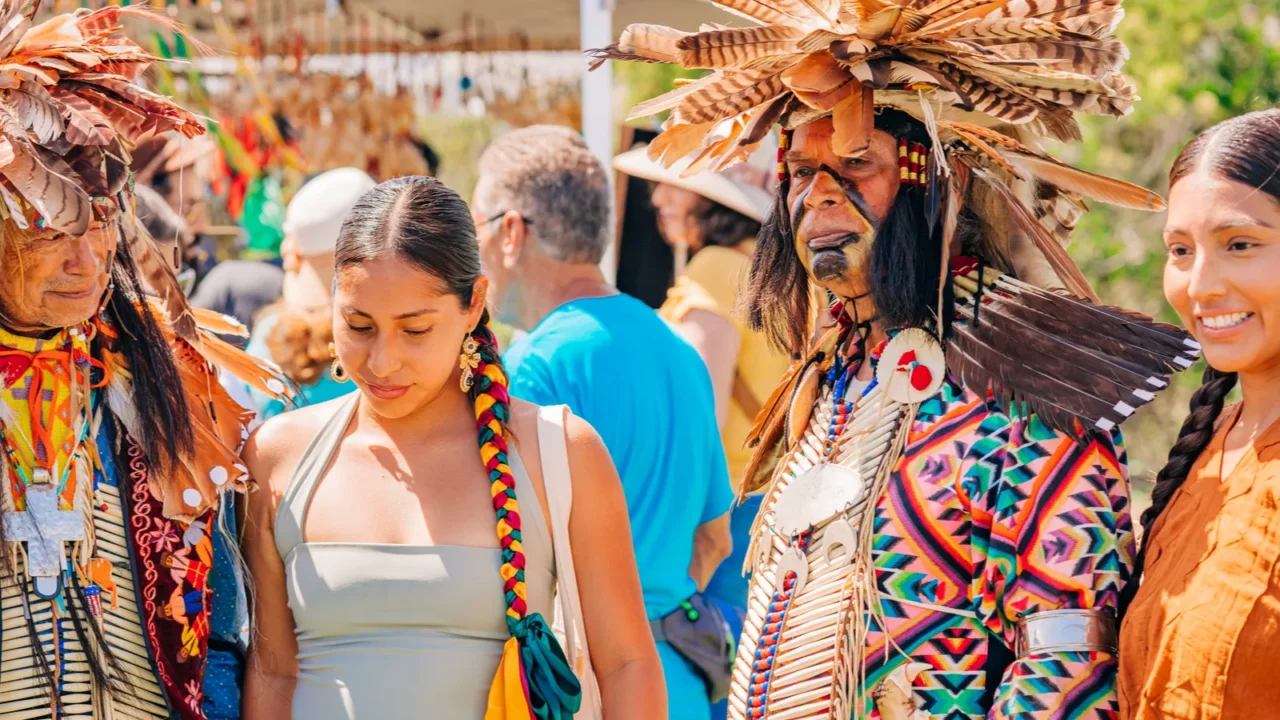
New Mexico’s Indigenous-led tourism is redefining what travelers expect. Authenticity, respect, and engagement are now standard benchmarks. Visitors leave with knowledge, connection, and appreciation.
Experiences encourage deeper reflection and cultural understanding. The state becomes a model for responsible, immersive tourism. That shift signals a lasting transformation in visitor expectations.
If you found this interesting, give us a like and share your thoughts in the comments.
This slideshow was made with AI assistance and human editing.
Don’t forget to follow us for more exclusive content right here on MSN.
Read More From This Brand:
