
World Cup excitement is building
Soccer fans across North America are gearing up for the 2026 FIFA World Cup, happening from June 11 to July 19 in 16 cities. This is the first time the U.S., Canada, and Mexico are hosting together, promising record-breaking energy and massive crowds.
Tourism experts project 1.2 to 6.5 million international visitors for the U.S., generating over $30 billion in economic activity. Hotels, restaurants, and local businesses are already preparing for an unprecedented summer boom.

International visitors set to flood in
About 1.24 million international travelers are expected to visit U.S. host cities, staying around 12 days each. They typically attend two matches and spend $400–$416 daily on lodging, food, and transport.
Airbnb could see up to 232,000 bookings in host cities, averaging $142 per night. Fans from teams like Brazil, England, and Argentina are driving much of this demand, putting local hospitality to the test.

Hotels and flights are surging
Flight and lodging searches have jumped 70% year-over-year around the tournament dates. Hotel rates are projected to climb 30% early and up to 60% during finals, especially for popular matches.
Travelers who plan ahead can still secure rooms, but late bookings may face premium prices. The high demand highlights how much the World Cup drives local economies.

Big money for host cities
Los Angeles alone expects more than $500 million in local revenue from over 146,000 out-of-town visitors. Direct spending on hotels, dining, and entertainment is projected at $343 million, with daily hotel rates averaging $480.
Other cities like New York, Miami, and Dallas will see significant boosts too. This event will not only fill rooms but also create long-term tourism opportunities.

Job creation surges
The tournament could help generate up to 185,000 jobs across North America, spanning hotels, transportation, retail, and event services. Many temporary roles will turn into long-term positions as cities experience tourism growth.
Staffing needs will challenge host cities but also bring economic benefits. Cities are hiring thousands in preparation for both international visitors and domestic fans.
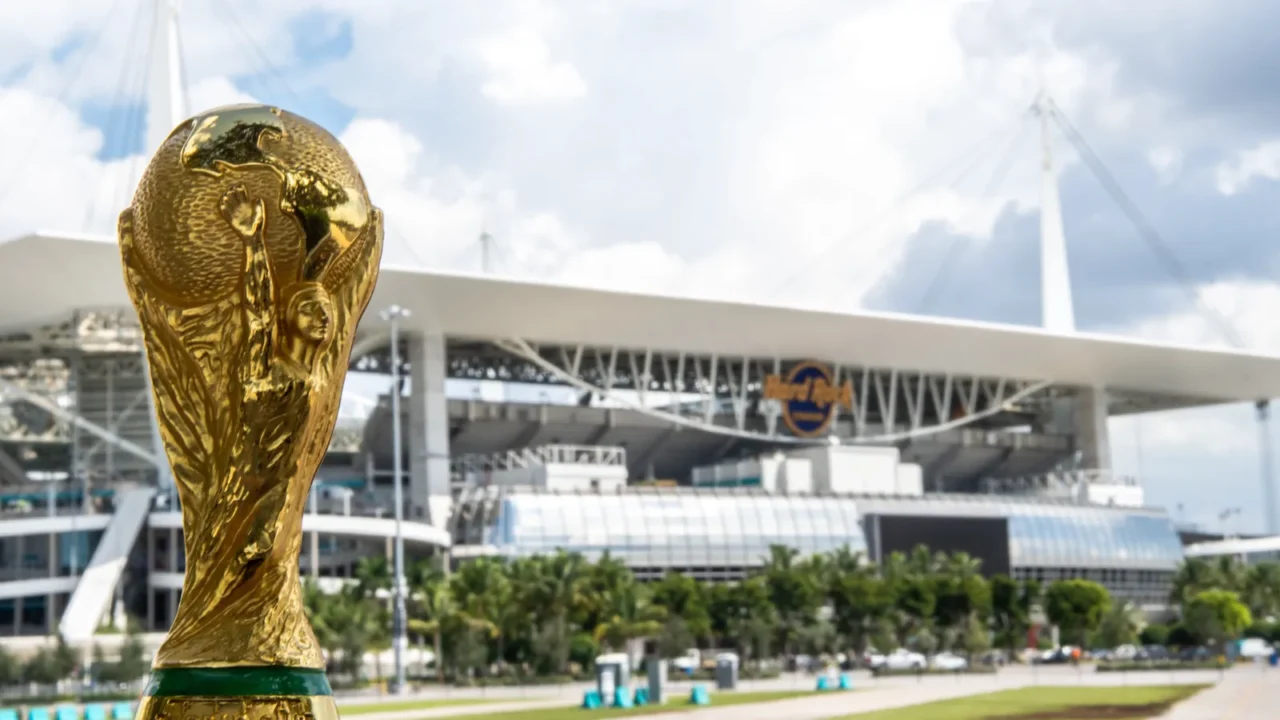
Historic turnout expected
The U.S. hosted roughly 3.59 million fans in 1994, setting a high-water mark. The 2026 World Cup could surpass that, making it the most attended tournament in U.S. history.
Even smaller host cities will feel the impact. Restaurants, shops, and attractions will see a surge in visitors looking to soak up the World Cup atmosphere.

Fan-favorite teams draw crowds
Matches featuring Brazil, England, Argentina, France, and Portugal are expected to generate above-average travel demand. Fans often arrive early, stay longer, and spend more than average tourists.
Some travelers even arrive without tickets, simply to watch games in fan zones or public screenings. Cities hosting these teams can expect bustling streets and packed local venues.

Visa rules could shape attendance
Not all international fans can travel easily. Nationals from 22 participating countries don’t qualify for the U.S. Visa Waiver Program, which may limit attendance from some fan bases.
Expedited visa processes for ticket holders are being implemented to help. Even so, demand will vary depending on which teams qualify for the main draw.
Tourism rebound after 2025 slump
U.S. international arrivals fell 6.3% in 2025 due to trade policies and global uncertainties. The World Cup is expected to reverse this trend, bringing a much-needed boost to the tourism industry.
Economists estimate the tournament could account for nearly one-third of 2026’s international visitor growth. Many cities see it as a key opportunity to showcase their destinations to the world.
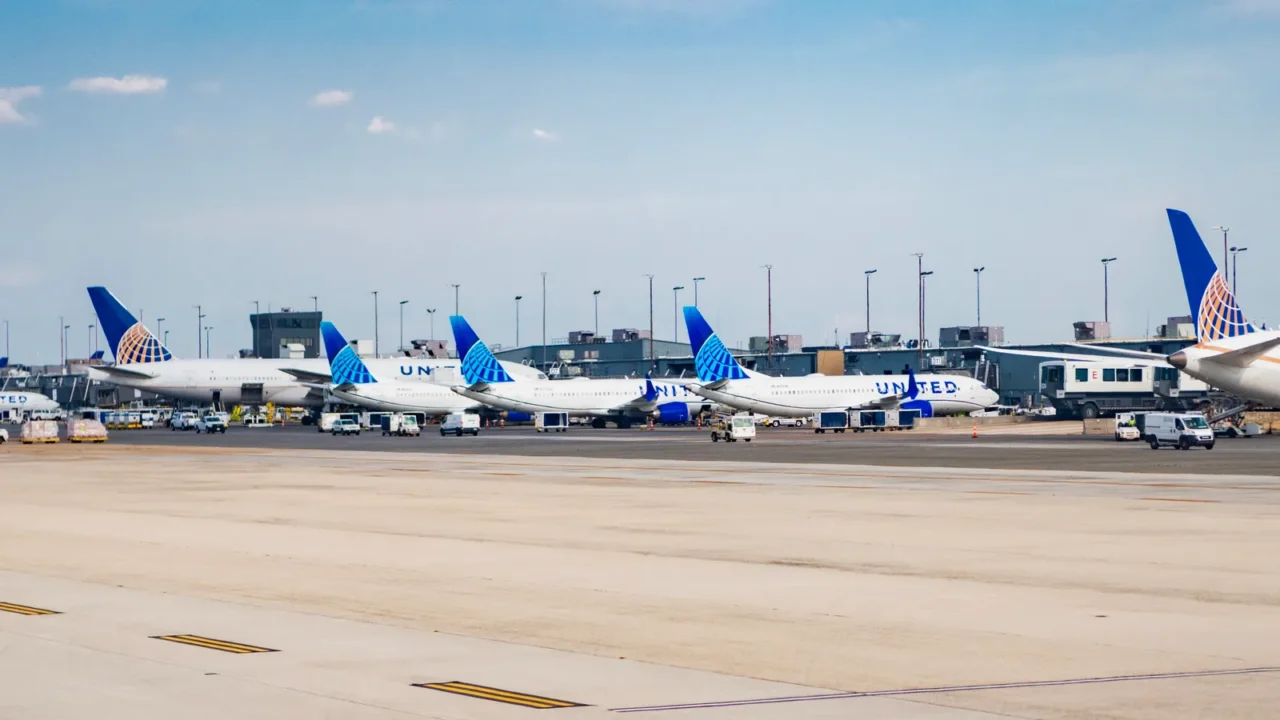
Flights and logistics under pressure
Airports in host cities are preparing for huge passenger spikes. Airlines report a surge in early bookings, and additional flights are being added to meet demand. Many airports are also coordinating with hotels and local authorities to ensure smooth arrivals.
Local transportation systems are also expanding services. From subways to shuttles, cities aim to keep fans moving smoothly between stadiums and attractions. Event organizers are promoting clear travel routes and schedules to help visitors navigate efficiently.

Cities prepare for economic impact
Retail, hospitality, and entertainment sectors are forecasting billions in revenue. Restaurants, bars, and shops expect higher foot traffic, especially in downtown districts and fan zones. Seasonal hiring is increasing to manage the crowds, giving a boost to local employment.
Many local governments are investing in infrastructure improvements ahead of the tournament. This includes stadium upgrades, public transport, and event safety measures. These upgrades are expected to benefit communities long after the World Cup ends.
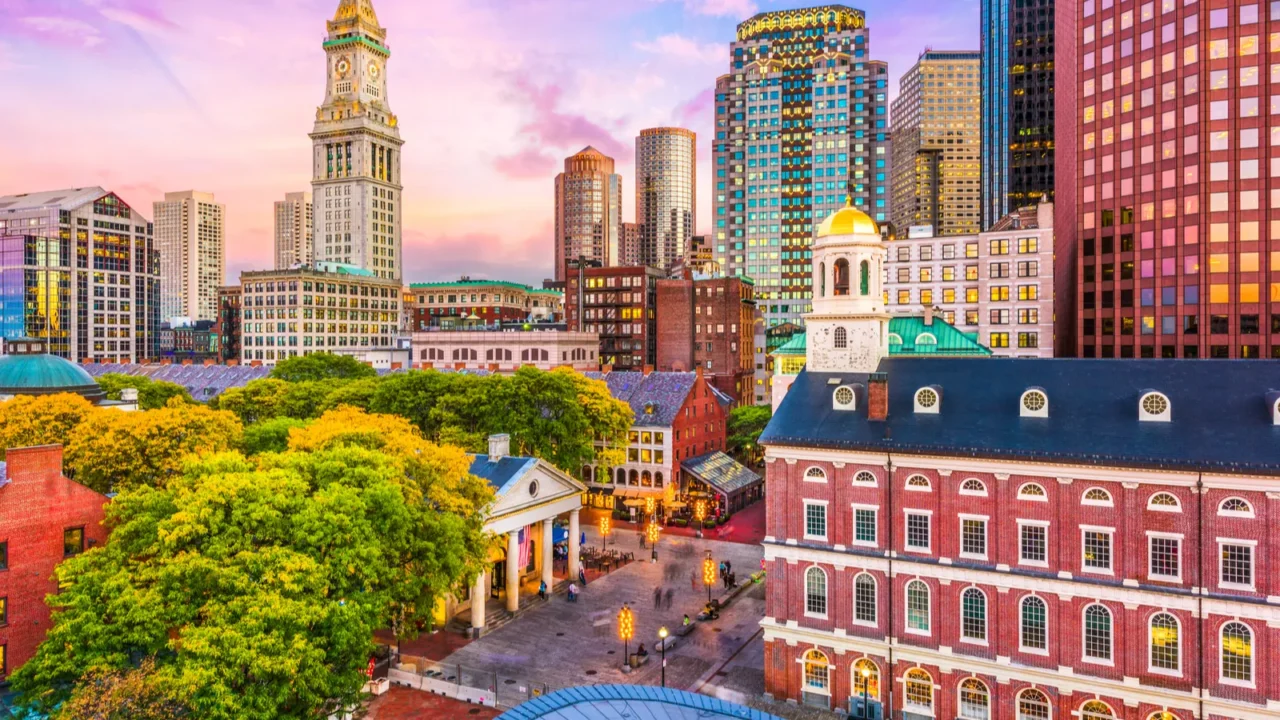
Local communities benefit long-term
Beyond the games, host cities can attract future visitors. Tourists often return after experiencing the excitement of the World Cup firsthand. Cities are also using the event to strengthen their reputation as global destinations.
Local businesses hope to turn this temporary boost into ongoing revenue. The event also promotes cities as attractive destinations for global travelers beyond 2026. Community engagement initiatives during the tournament are helping build lasting local support.
Check more about how the FIFA World Cup, Summer Olympics, and more, are putting global travel in the spotlight.
Challenges remain for cities
Infrastructure strains, crowded hotels, and heavier traffic are inevitable during peak matches. Some smaller cities may struggle to accommodate all visitors efficiently. Event planners are encouraging early planning to minimize disruption.
Event organizers are preparing contingency plans for safety and smooth operations. Despite the challenges, most host cities are confident they can handle the influx. Local authorities are coordinating closely with law enforcement and health services to manage risks.
Explore which popular K-pop tours are coming to the United States in 2026 and are a must-see for music fans.
Are you planning to visit a host city for the 2026 World Cup, or are you watching from home? Share your thoughts in the comments.
Read More From This Brand:
- Easiest beginner-friendly hikes in USA with breathtaking views
- The ultimate summer road trip through New York’s Finger Lakes
- The real reasons businesses are fleeing California (and what it means for you)
Don’t forget to follow us for more exclusive content right here on MSN.
This slideshow was made with AI assistance and human editing.
