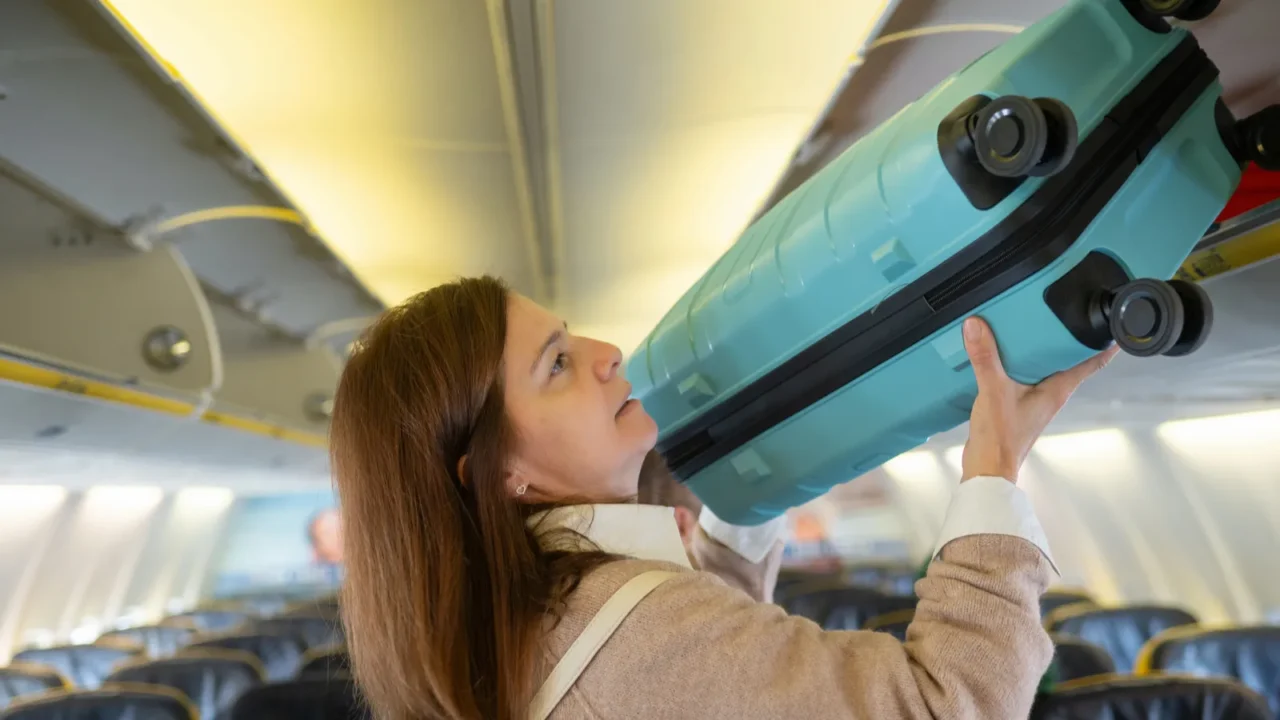
A game changer for carry-ons
Budget travelers are about to experience a noticeable shift in how cabin baggage is handled worldwide. New global measurement rules are standardizing what counts as a free carry-on, and airlines are starting to adapt. This change could reduce hidden fees, simplify airport experiences, and make light travel easier for millions of passengers.
Travelers often underestimate how much small baggage fees add up, especially on short-haul or low-cost flights. With consistent rules, passengers can plan and feel more confident about what they’re allowed to bring. Let’s dive into the details and see how this will affect budget travel around the world.

What’s actually changing
The European Union has proposed a standardized cabin bag size that includes one bag up to 100 cm total dimension plus a personal item. This approach sets limits on both dimensions and weight, helping travelers avoid gate-check surprises. Airlines are now preparing to align their policies with these new rules.
If implemented, this standardization will affect both budget and major carriers, creating a more predictable travel experience. Previously, airlines had varying limits that caused confusion and extra charges for carry-ons. The goal is a system where passengers know exactly what they can bring without worrying about extra fees.
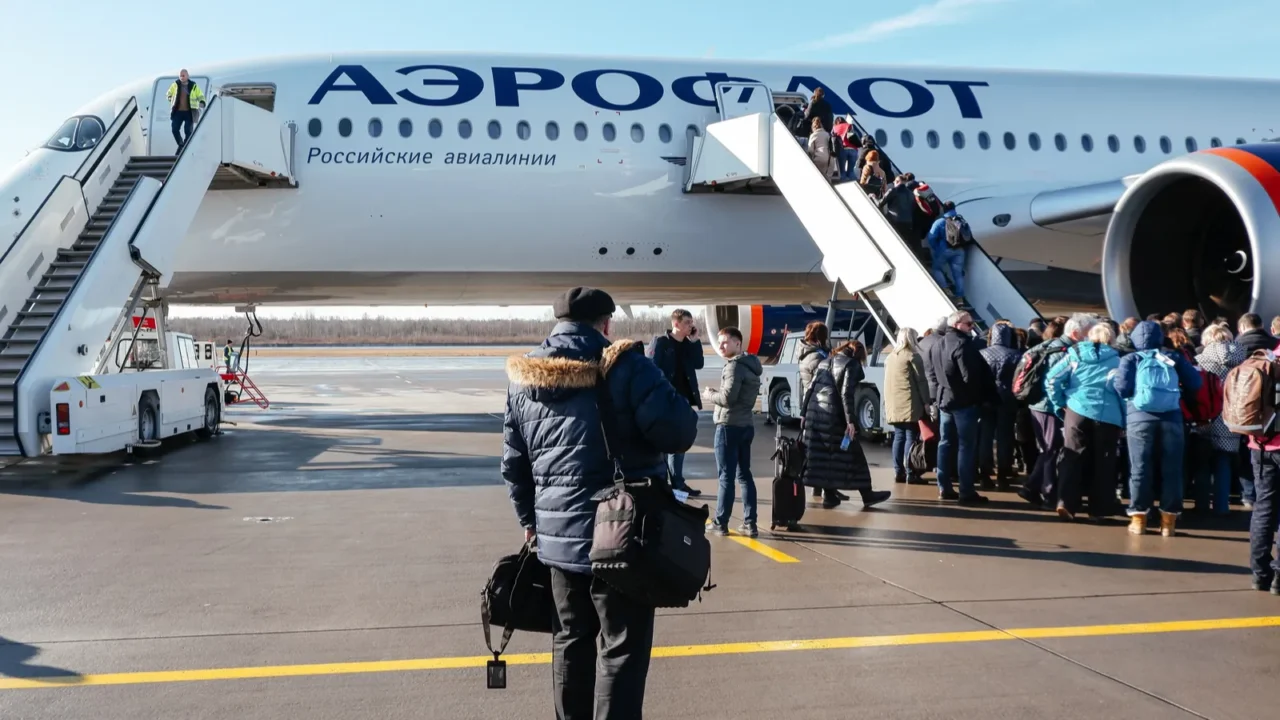
Impact on budget airlines
Budget carriers such as Ryanair, EasyJet, and Wizz Air rely heavily on baggage fees to supplement low base fares. Standardizing carry-on sizes could force them to rethink pricing and may reduce revenue from oversize fees. This change could also attract more passengers who prefer transparent pricing without unexpected charges.
For travelers, the impact is meaningful: planning trips with one compliant bag could save both time and money. Airlines may need to adjust check-in procedures and boarding rules to match the new regulations. Overall, travelers can expect fewer disputes at the gate and a more streamlined experience.
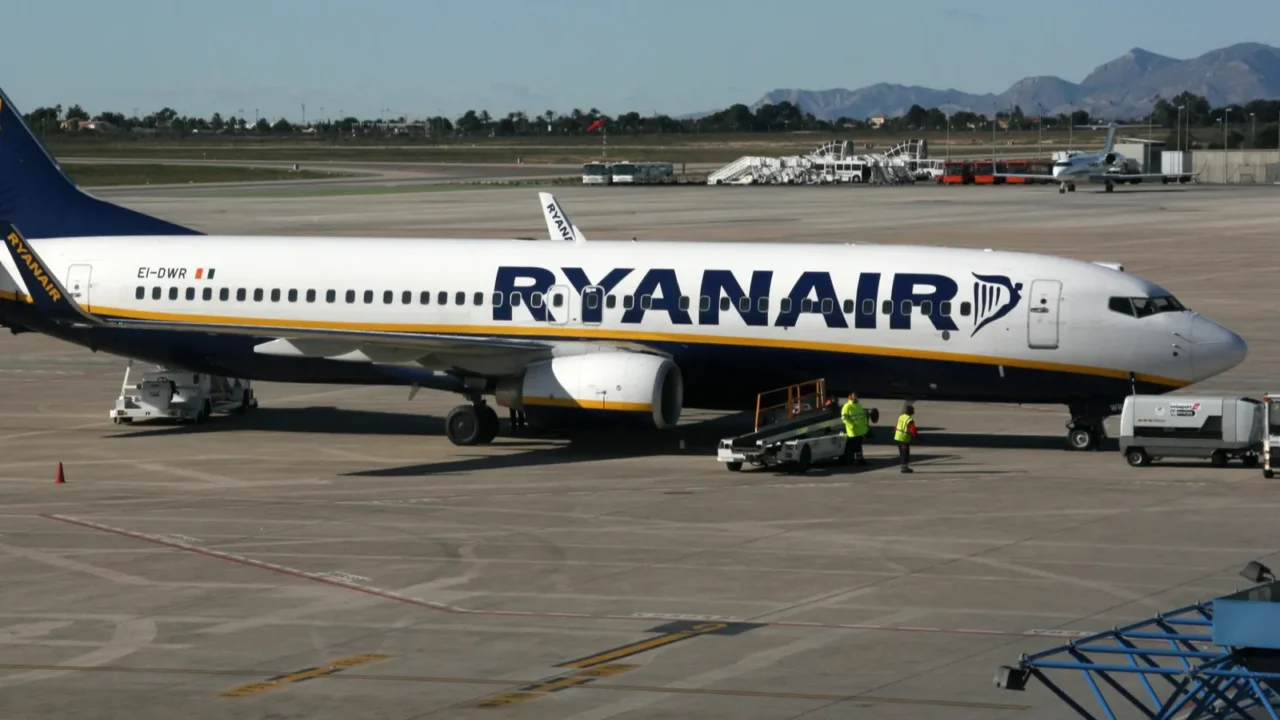
Ryanair’s quick response
Ryanair has proactively updated its free personal item allowance to 40 × 30 × 20 cm, reflecting a 20 percent increase in volume. Airport sizers are being recalibrated to match the new EU measurements, helping passengers avoid fees for slightly larger bags. Even so, exceeding the limits can still result in gate-check fees up to £75.
The adjustment benefits travelers who previously struggled with Ryanair’s strict sizing rules. However, careful measurement remains crucial to prevent extra charges. Those who fly frequently will notice the new flexibility but should still follow updated airline guidance closely.

Why regulation is necessary
The changes are motivated by fairness and transparency, particularly in Europe, where baggage rules vary widely. Critics argued that airlines used confusing policies to charge extra for carry-ons that were technically allowed. Standardization simplifies travel, ensures consistent treatment, and reduces stress for passengers navigating unfamiliar rules.
Budget travelers will benefit most, as they tend to carry light bags but have historically faced unexpected fees. Over time, the new rules could improve satisfaction, encourage loyalty, and reduce disputes over baggage allowances. Travelers will now have more confidence in their packing choices.

IATA’s new size standard
IATA has introduced a global guideline for cabin baggage: 22 × 14 × 9 inches, roughly 56 × 36 × 23 cm. This size aligns with many international airlines and sets a universal expectation for travelers. Passengers with compliant carry-ons can expect smoother boarding and fewer surprises at security or the gate.
The standard also encourages innovation in luggage design, as manufacturers produce bags optimized for global limits. For frequent flyers, this could simplify packing for international trips. Airlines can now focus on efficiency rather than policing multiple bag dimensions.

What this means for packing
Travelers need to rethink packing habits to stay within size and weight limits. Smaller, versatile bags and efficient packing strategies will become essential. The new rules favor those who travel light, making short trips easier and less stressful.
For weekend or city-hopper trips, one bag and a personal item may now suffice without paying extra fees. Travelers can plan trips with confidence, knowing they’re complying with international standards. Overpacking is no longer a hidden financial risk.

Potential cost savings
The removal of surprise gate-check fees could save travelers significant money over time. For frequent budget travelers, adhering to the new rules might mean dozens of pounds saved per year. Predictable baggage limits also make ticket comparison easier, as passengers won’t be blindsided by hidden costs.
Savings are not just financial. Streamlined baggage policies reduce airport stress and make travel more enjoyable. Passengers can spend less time measuring, repacking, or arguing at the gate, and more time enjoying their trip.

Risks remain for oversize bags
Even with standardized limits, baggage that exceeds size or weight will still incur fees. Airlines remain strict about enforcing dimensions, especially on crowded flights. Gate-check charges can be surprisingly high, so careful measurement and packing remain essential.
Travelers should be prepared with backup strategies, like collapsible bags or weighing luggage before leaving home. Flexibility is key, as airlines may differ in tolerance for slightly oversized bags. Understanding rules reduces stress and prevents financial surprises.
Influence on ticket pricing
Airlines may adjust ticket prices to absorb the cost of including free carry-on allowances. Budget fares might increase slightly, but passengers will benefit from more predictable costs. Some carriers could introduce fare tiers where one cabin bag is included, balancing transparency and revenue.
This shift may change how travelers compare airlines, encouraging those who value simplicity over ultra-low base fares. In the long term, pricing may become more straightforward, rewarding travelers who pack efficiently and comply with limits.

Advice for savvy travelers
Always check your airline’s updated baggage policy before booking, especially on budget carriers in Europe. Measure and weigh bags at home to avoid fees and surprises at the gate. Consider investing in compact, lightweight luggage that fits global standards and maximizes packing efficiency.
For frequent flyers, carrying one compliant bag can reduce stress, save money, and simplify connections. Travelers can also plan longer trips with confidence, knowing what’s allowed on multiple airlines. Preparation is the key to smooth, cost-effective travel.

Long-term travel impacts
Over time, standardized carry-on rules could influence airline choice, with travelers preferring carriers that enforce clear, fair policies. Predictable baggage limits will make travel more accessible and reduce friction at airports. The changes may also drive innovations in luggage design and airline services. Frontier is bringing back its $299 ‘all you can fly’ pass for a limited time, adding even more incentive for budget-minded travelers to take advantage of simplified baggage standards.
Budget travelers could benefit the most, enjoying fewer fees and faster boarding. International travel may become more convenient, as universal standards reduce confusion across borders. Overall, this is a positive shift for light travelers and families alike.

What do travelers think?
These global carry-on changes offer potential savings and less stress for budget travelers. But vigilance remains necessary, as oversize or overweight bags are still costly. Travelers who fly frequently should share experiences and tips. Understanding the new rules could transform the way people pack, plan, and enjoy low-cost flights.
What’s your take? Will these rules make budget travel easier, or are hidden fees still a concern? Drop thoughts in the comments below.
Read More From This Brand:
- Would you trade flying for extra time off? These companies offer “slow travel” incentives
- The truth behind why planes don’t fly over the Pacific Ocean
- How cold snaps in the U.S. are fueling last-minute Florida trips
Don’t forget to follow us for more exclusive content right here on MSN.
This slideshow was made with AI assistance and human editing.
