When tariffs rewrite your shopping list
If you feel like products are coming from new places lately, you are not imagining it. The newest tariff wave is pushing companies to reroute supply chains instead of waiting for certainty. That’s why winners and losers emerge in daily essentials, from footwear to auto components.
The biggest change is not that the United States buys nothing from abroad. It is that firms try to buy from countries that face lower penalties and fewer sudden rule changes. In 2026, “where it’s made” can change faster than the product itself.
What “reciprocal tariffs” changed
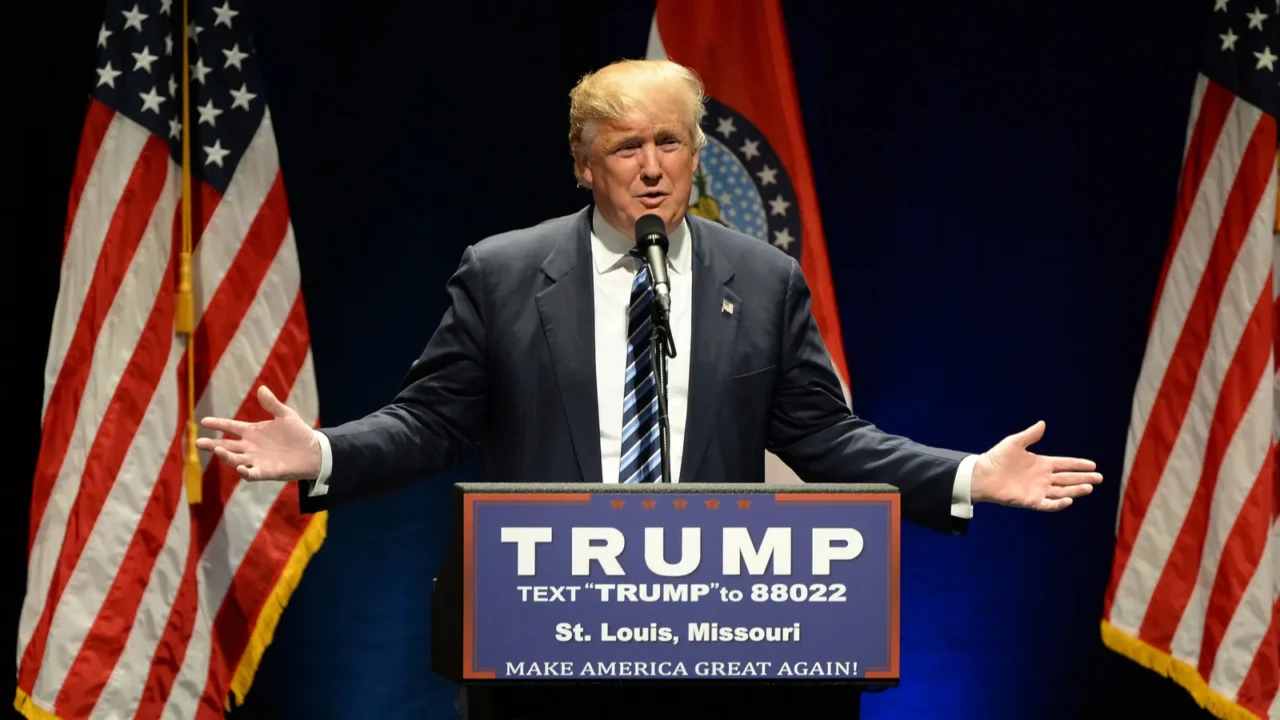
On April 2, 2025, Donald Trump signed an executive order creating a broad reciprocal tariff framework. The order set a 10% baseline and laid out higher country rates, with updates that followed as retaliation and negotiations evolved. That schedule matters because it changed planning for importers almost overnight.
The confusing part is that tariffs are not always “one and done.” Policy updates can be raised, paused, or stacked on top of older duties, depending on product and origin. That is why two shoppers can buy similar items and still face very different price pressure.

Headline rates are not the real math
A big tariff headline does not tell you what firms actually pay across thousands of products. That is why Global Trade Alert modeled trade-weighted effective tariffs by country and product. The key idea is simple: advantage means your goods face lower average tariffs than your rivals, not necessarily zero.
This is where “new winners” come from. A country can gain share just by being less penalized than the main competitor. That is how trade diversion happens even when nobody feels like they “won” anything.
Stacking and exemptions decide the pain
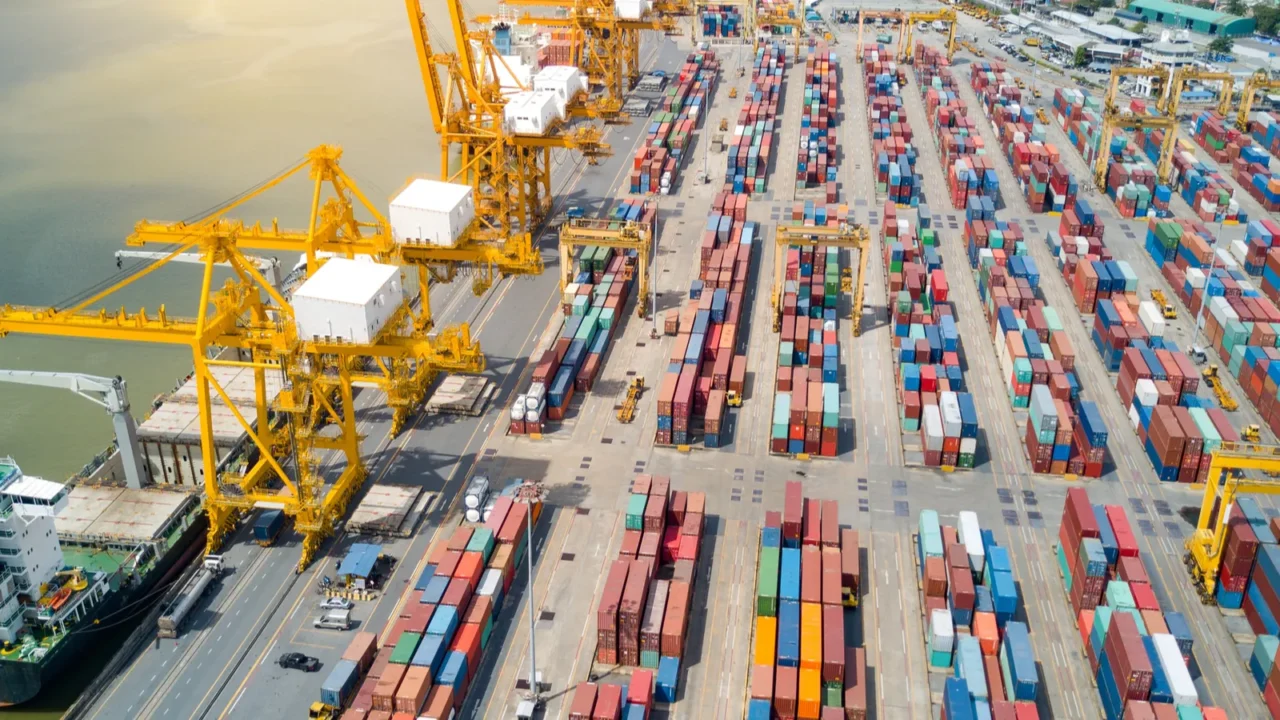
In real life, tariff rates can be cumulative, meaning they can add on top of existing duties. Global Trade Alert’s explainers show how product scope, exclusions, and stacking can change the “real” hit at the border. That is why it is hard to summarize the system with one number.
This also explains why companies keep shifting suppliers. If one component gets hit, the whole finished product can become more expensive to make. Firms respond by redesigning parts lists, changing assembly locations, or delaying launches until costs stabilize.
Mexico’s nearshoring advantage is real
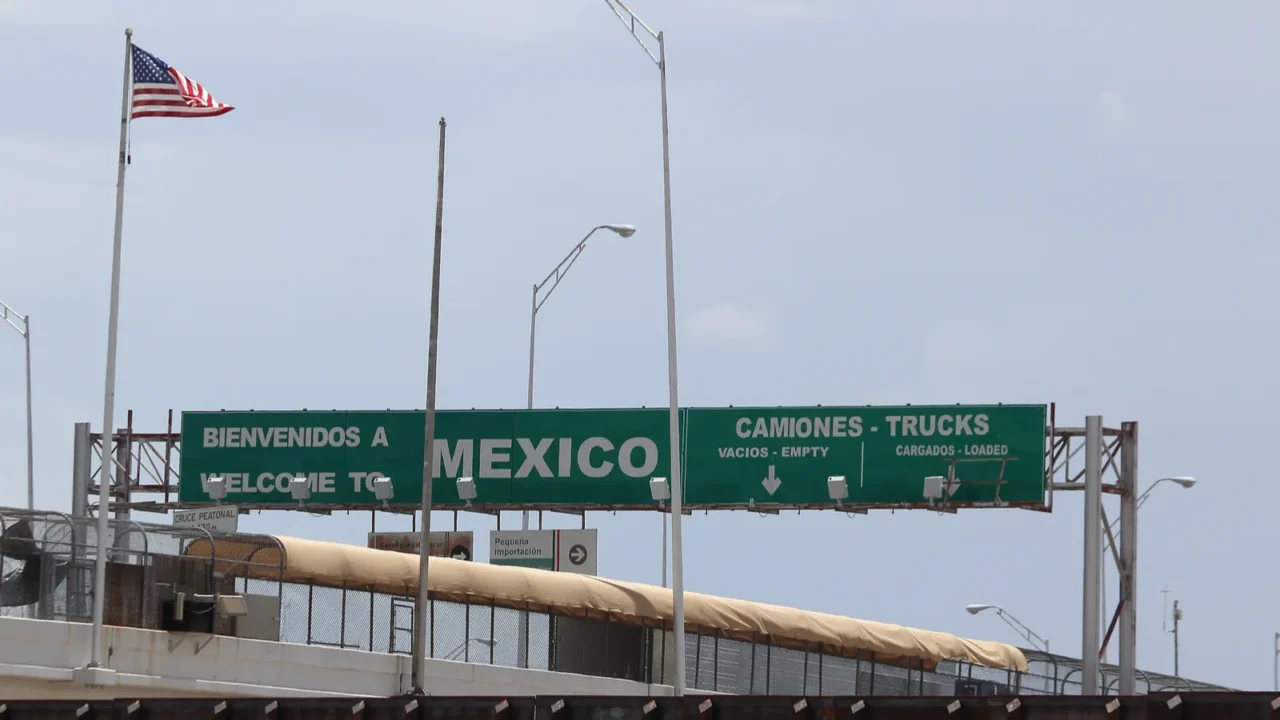
Mexico still has a simple edge in 2025–early 2026: it is next door, faster to ship by truck/rail, and deeply plugged into North American supply chains under USMCA. U.S. trade data shows Mexico became the largest source of U.S. goods imports in 2023, and it stayed #1 in 2024 at roughly $505.9B in goods imports, ahead of China and Canada.
And it did not look like a one-year fluke: the Census “Top Trading Partners” tables show Mexico was also the #1 goods import source in November 2025. When companies are trying to cut ocean-delay risk and keep inventory closer to U.S. customers, that proximity makes Mexico an easy “safer bet” on logistics alone.

Vietnam gains, then gets watched closer
Vietnam has pulled in major orders as companies diversify away from older routes. Reuters reported Vietnam’s exports to the U.S. for the first eight months of 2025 rose 26.4% year over year to $99.05 billion. That kind of jump tells you demand did not vanish; it moved.
Still, growth comes with homework. Reuters also described tougher U.S. tariffs on goods suspected of being transshipped through Vietnam from third countries. That means more checks, more paperwork, and more political pressure on rapidly expanding trade routes.

India’s position just shifted again
India can benefit when buyers want scale outside East Asia, especially in areas like pharma and electronics. But the “winner” label depends on the category and the month, because tariffs and deal terms can shift. That is why exporters often hedge across multiple markets at once.
As of Feb. 2, 2026, Reuters reported the U.S. announced a deal that would lower a country-specific tariff on Indian goods to 18%, with implementation details still emerging. That headline is a reminder that policy can move fast, and not always in one direction. The long-term winners will be the ones that can deliver quality, speed, and stable rules.
Southeast Asia’s quiet electronics bump
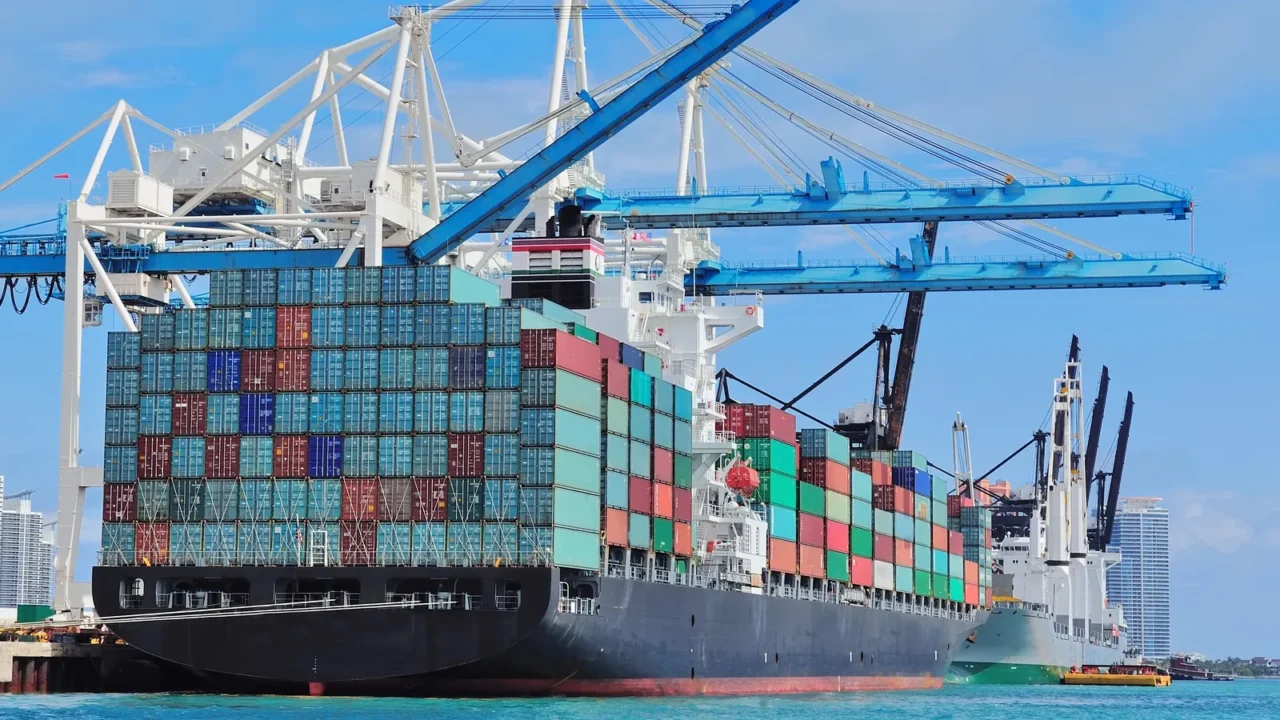
Even when final assembly moves, components matter just as much. Electronics supply chains can split across multiple countries, so shifts often look like a patchwork, not a single relocation. That is why several Southeast Asian exporters show up with a positive relative advantage in tariff comparisons.
This is not just about cheaper labor. It is also about capacity, ports, supplier clusters, and how quickly factories can scale without quality slipping. When one region proves it can deliver on time, buyers tend to stick longer than a single tariff cycle.
China hits a tariff wall
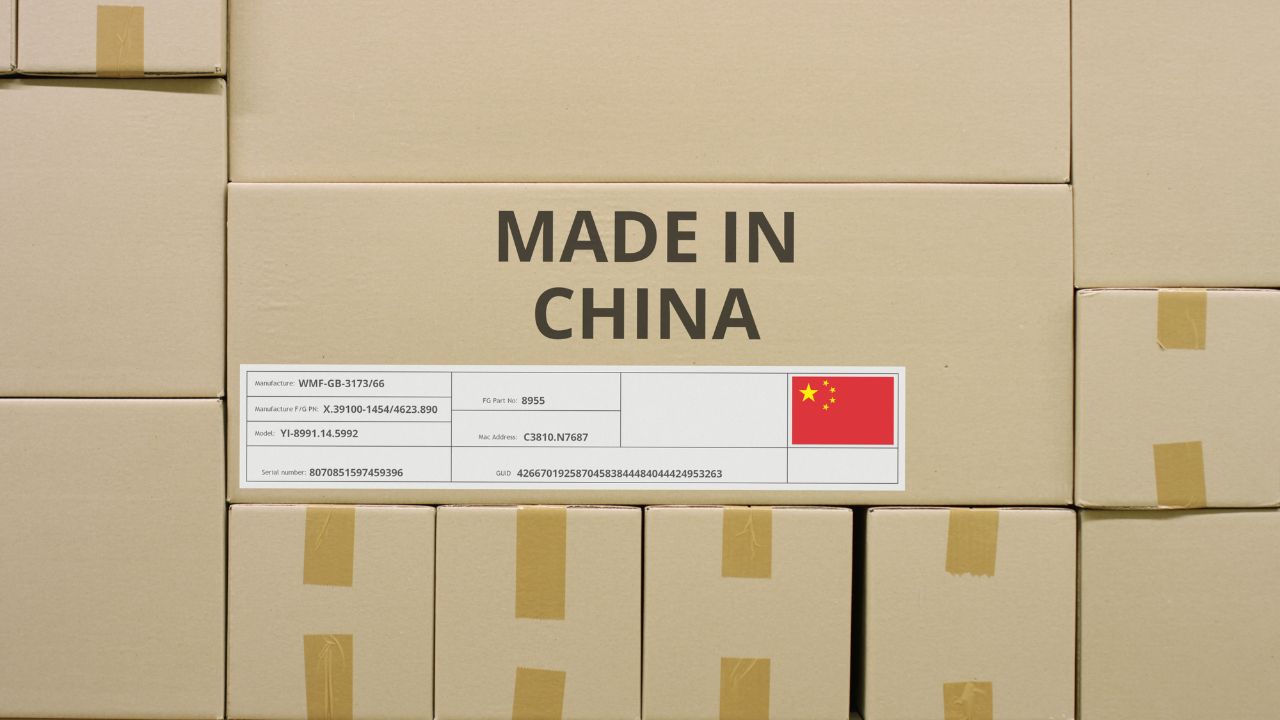
China has taken the biggest direct hit in the tariff fight. Reuters reported that in April 2025, U.S. tariffs on Chinese imports were described as totaling 145%, and China raised tariffs on U.S. goods to 125%. At that height, many categories stop being competitive and start being not worth shipping.
That does not mean all trade disappears overnight. It means companies scramble for substitutes, redesign sourcing, or raise prices where alternatives are limited. In consumer terms, you may see higher prices, fewer options, or delayed restocks.

Europe feels it in cars and beyond
The European Union has faced a higher announced reciprocal rate than the baseline in this framework. Reporting around the early April 2025 rollout described a 20% rate for the EU, alongside the 10% minimum for most goods. That kind of rate hits high-value exports harder than low-cost basics.
utomobiles remain a major pressure point in transatlantic trade. Reuters has reported on U.S. tariff pressure around autos and related goods, which raises costs across suppliers and dealers. When cars get pricier to land, the ripple hits families shopping for a new ride.
Canada gets whiplash risk
Canada has trade-deal protections in some areas, but the bigger problem is uncertainty. When rules change fast, manufacturers delay orders, slow expansion, and hold more inventory just in case. That is a cost, even if a tariff is later softened or reversed.
This matters in the U.S., too, because parts and materials cross the border constantly. If a component gets delayed or repriced, the final product does not stay cheap. In plain English, volatility can feel like inflation.

Small countries can take big hits
Reciprocal tariffs often hit hardest on smaller exporters with fewer backup buyers. When one buyer dominates, policy shock becomes a jobs story fast. That is why exemptions and phase-ins get so much attention in trade fights.
Global coverage has highlighted how high proposed rates can rattle small economies tied to one sector, like textiles. Even when rates get reduced later, the damage can linger if buyers pause orders or shift suppliers. Once contracts move, they do not always come back quickly.
With tariffs adding pressure, China is still playing its own card on travel. Check out China ditches US, joins Europe in boosting tourism.
What Americans feel at the register
Most people do not follow tariff schedules; they follow prices. The Budget Lab at Yale estimates the tariff environment implies about a 1.3% short-run price increase, equal to roughly a $1,751 average household loss in 2025 dollars. After substitution, it estimates about a $1,292 loss per household.
The burden is not evenly shared. The Budget Lab also reports the median cost is about $1,400 per household and that lower-income households face a bigger hit as a share of income. That is why tariffs quickly turn into a cost-of-living debate.
In other news, Wealthy Americans are heading to Europe to sidestep tariffs on luxury goods.
What do you think happens next, and what is your view in the comments?
This slideshow was made with AI assistance and human editing.
Don’t forget to follow us for more exclusive content right here on MSN.
Read More From This Brand:
