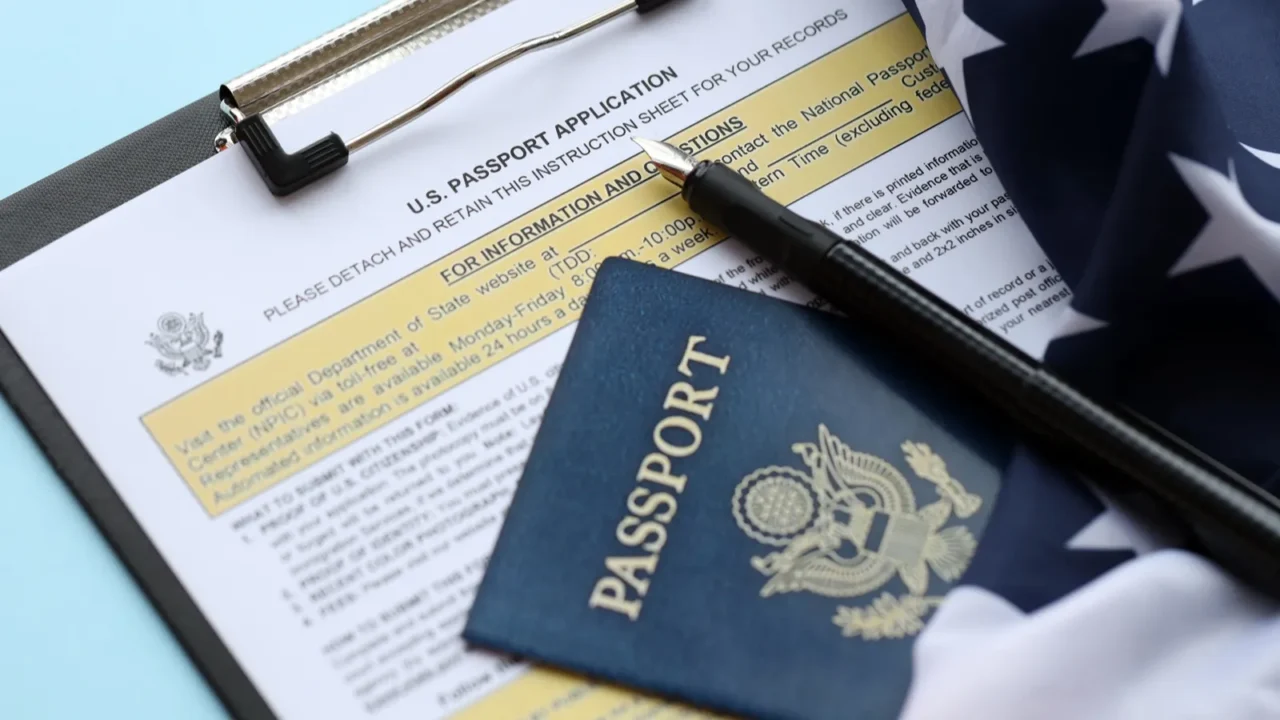
United States immigration policy shifts
U.S. immigration and visa policy changes taking effect in early 2026 are altering how some international travelers, students and prospective immigrant applicants plan entry into the United States. Key actions announced by the White House and the Department of State include an expanded entry restriction list effective Jan. 1, 2026, inflation-based USCIS fee adjustments effective Jan. 1, 2026, and a temporary pause on immigrant-visa issuance beginning Jan. 21, 2026 for certain listed nationalities. These measures primarily affect nationals outside the United States who lack a valid visa and include specified exemptions; travelers should consult official guidance before booking.
Traffic through consulates and embassies has already begun to reflect these adjustments, with processing timelines extending and visa appointments becoming more difficult to obtain. Travelers planning 2026 itineraries and relocations are adjusting strategies and timelines in response to evolving requirements. These developments mark some of the most consequential policy updates in recent U.S. immigration history.
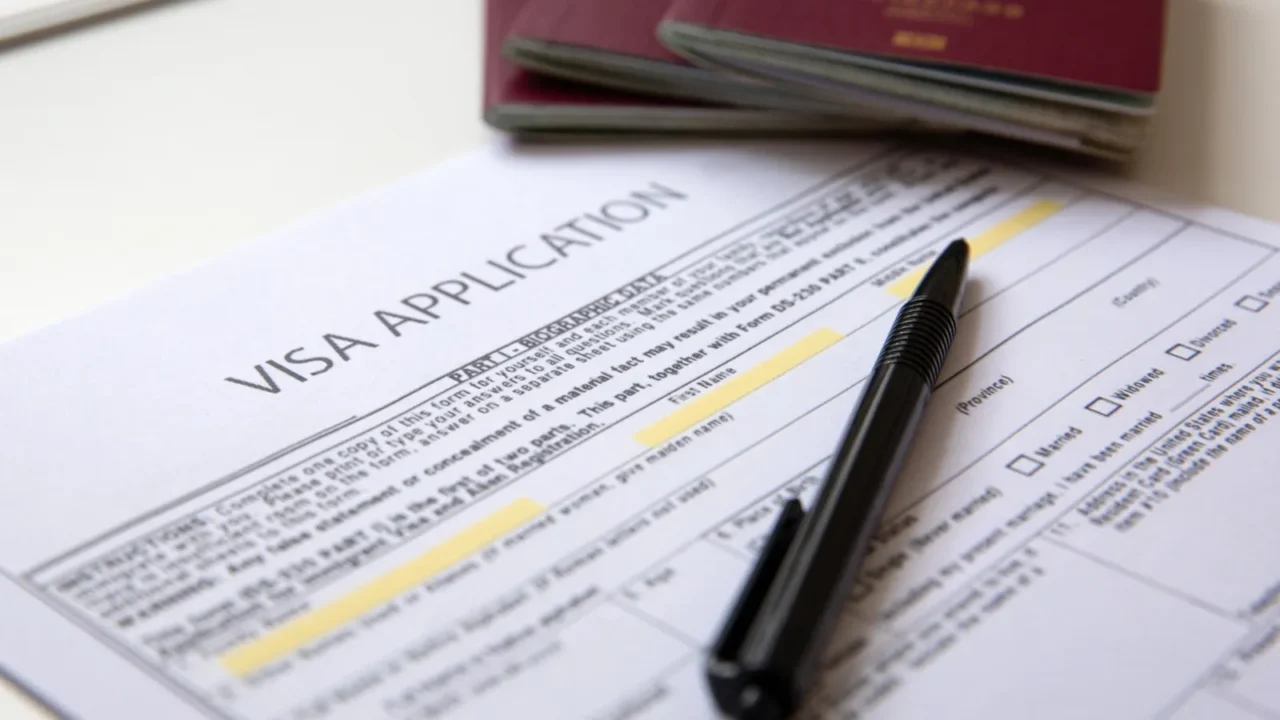
Visa policy short name impacts
The White House expanded entry restrictions effective Jan. 1, 2026, adding countries to a list that now covers 39 fully or partially restricted nationalities; the proclamation applies to nationals located outside the United States who do not already hold a valid U.S. visa. Exemptions in the proclamation cover lawful permanent residents, accredited diplomats, and special national-interest cases — so impacts differ by individual status and visa category.
In some fully restricted cases, both immigrant and non-immigrant visas are limited, while in partial cases, certain visa types like business and student visas remain under tighter oversight. Exemptions exist for green card holders, lawful permanent residents, diplomats, and some national interest cases. Travelers and visa applicants need updated documentation and should consult official U.S. government guidance before planning travel.
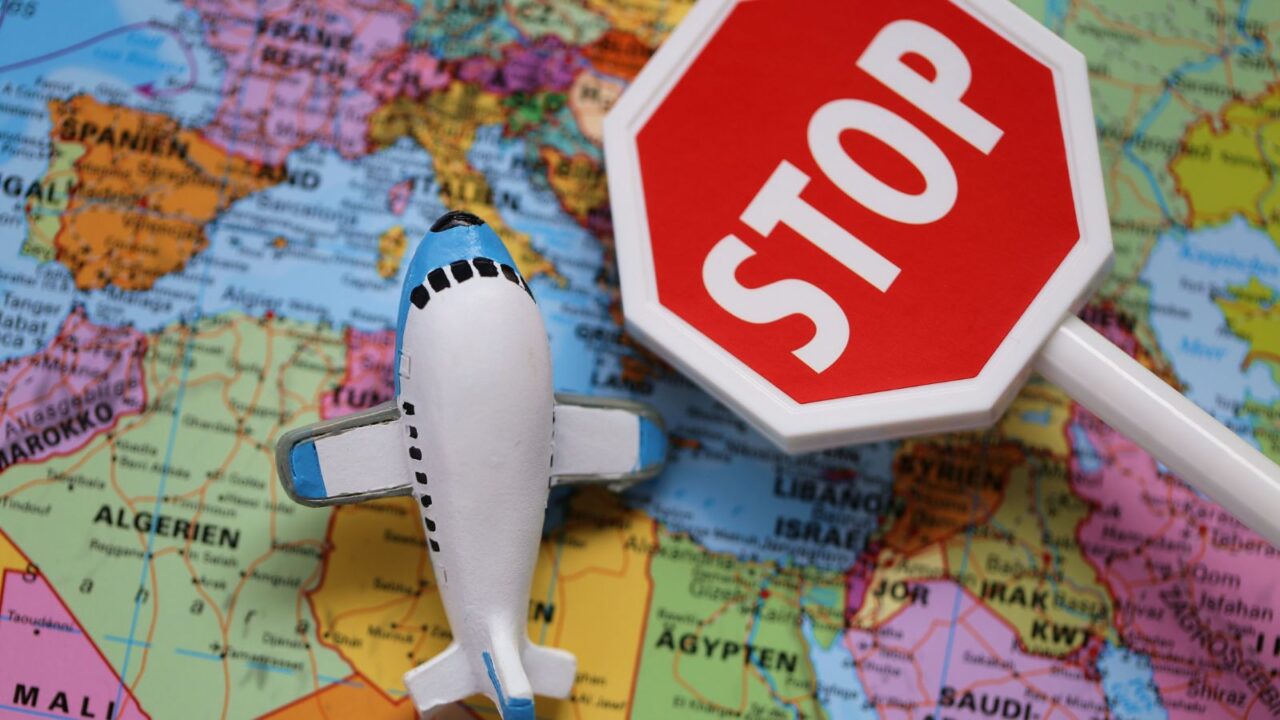
Travel bans have expanded
The expanded U.S. travel ban builds on earlier proclamations by adding more countries deemed to present security or screening deficiencies. Previously restricted nationals under Presidential Proclamation 10949 now join additional countries under Presidential Proclamation 10998, effective January 1, 2026. This includes both full and partial entry limits that affect a wide range of visa categories.
In many cases, people outside the United States without valid visas from these countries may be unable to obtain new visas and will be blocked from entry until restrictions are lifted or modified. Travelers from partially restricted countries may still seek certain categories of visas, but applicants should review category-specific rules carefully. These expanded travel ban provisions are now central to planning international travel to the U.S. in 2026.
Pauses on immigrant visas
Effective Jan. 21, 2026, the U.S. Department of State announced a pause on immigrant-visa issuance for applicants who are nationals of a specified list of roughly 75 countries; the pause covers immigrant categories processed at consulates (family- and employment-based, including diversity visas) and will remain in effect until rescinded. The Department’s guidance makes clear that most nonimmigrant categories (B, F, J, H, etc.) are not covered by this pause, though consular processing timelines and final issuance may still be delayed.
Visa processing interviews may still proceed, but consular officers are placing holds on final issuance in many cases, creating delays and uncertainty for international applicants. Nonimmigrant visas like tourist, business, and temporary work remain, in most cases, unaffected by the pause. This immigrant visa suspension adds another layer of complexity to travel plans for long-term moves or relocation planning.
Enhanced security screenings
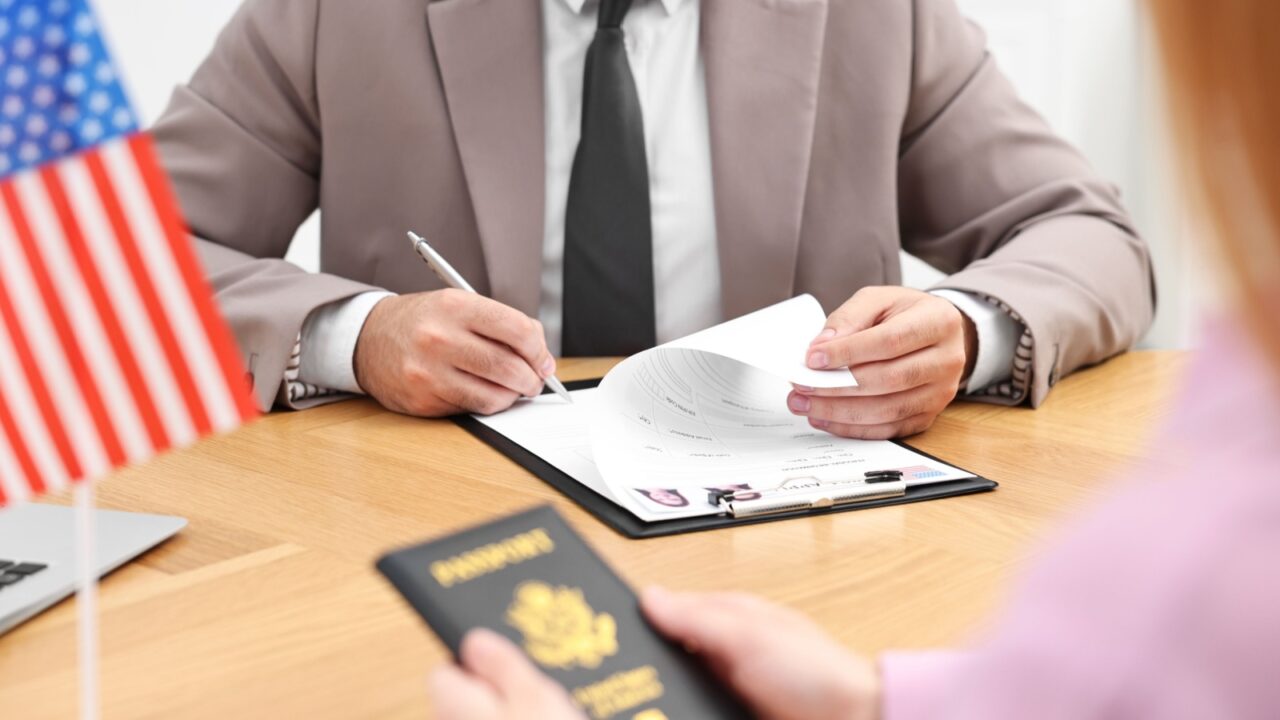
U.S. visa issuers have implemented expanded security and vetting procedures for many applicants, including increased use of social media reviews and enhanced background checks. These additional steps aim to address national security concerns and reduce risks associated with overstays or security threats. Longer vetting times are resulting in slower consular adjudication and extended wait times for interviews and final visa notices.
Even applicants from visa waiver program countries are experiencing additional screening layers before electronic travel authorization approvals. These changes are prompting travelers and companies to submit applications further in advance of planned travel dates. Consular workload increases are also influencing interview availability and scheduling.
Changes in visa fees
Starting January 1, 2026, the U.S. government implemented inflation-based fee increases on various immigration and visa services as part of broader regulatory reforms. Fee adjustments apply to U.S. Citizenship and Immigration Services and Department of Homeland Security benefits, including work authorization, adjustment of status, and some travel authorizations. These annual inflation updates mean applicants must include updated fees on any filings submitted on or after the effective date.
Applicants for common forms such as employment authorization documents and temporary travel authorizations are facing higher costs. Although some fee changes are modest, the cumulative effect may influence planning and budgeting for families, students, and professionals heading to the United States. These fee updates are part of broader efforts to align immigration processing costs with inflation and administrative needs.
Student and exchange visas
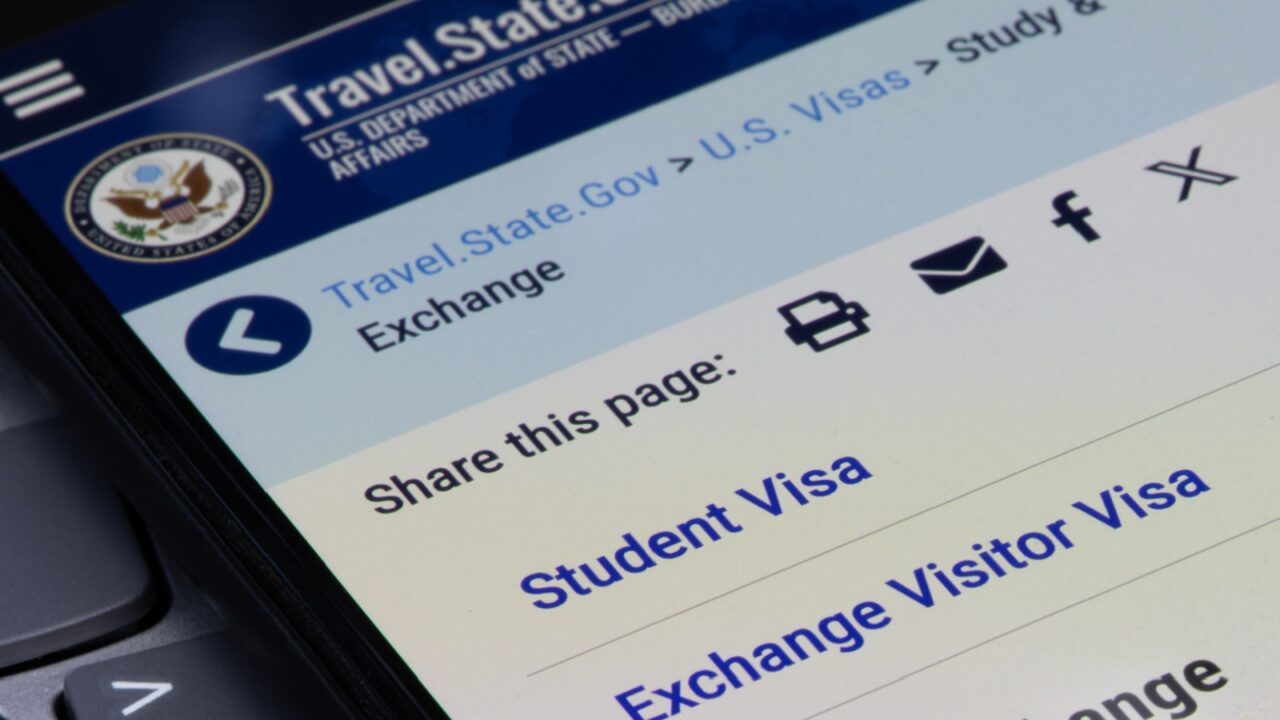
While immediate travel bans mainly impact nationals outside the U.S., student and exchange visas for nationals from partially restricted countries face new limitations starting January 1, 2026. Students, scholars, and exchange visitors from these nations may find access to F, M, or J visas subject to additional scrutiny and restrictions. If they are outside the United States without a valid visa on January 1, 2026, entry may not be possible without qualifying for an exception.
Those with valid visas issued before the effective date generally may still use those visas to enter the United States, but they will likely face enhanced inspection upon arrival at ports of entry. University partners and exchange programs are advising early planning to address possible delays. These restrictions are altering traditional planning timelines for international education travel in 2026.

Business travel challenges
Companies sending personnel to the United States are adjusting travel plans in response to the updated visa policy and extended processing times. Some consulates are moving appointment dates further out into 2026 and even early 2027, particularly for employment-based categories that include H-1B and related work visas. Business travelers and corporate HR departments are planning earlier applications to avoid bottlenecks.
Stricter vetting and enhanced background checks have raised compliance costs for multinational firms and staffing agencies. Corporate travelers may also face more documentation requests and increased interview requirements. For project timelines that span multiple countries and regions, these procedural changes are reshaping international assignment strategies.
Tourism travel implications
Temporary visitor travel for tourism, business, and short stays remains largely available for many international visitors under non-immigrant visa or ESTA programs. However, expanded travel restrictions and enhanced screening requirements have contributed to a broader perception of increased difficulty in obtaining entry. Global travel advisories now often include notice of 2026 U.S. policy updates that travelers are encouraged to consider before making plans.
Some travelers are electing to file ESTA authorizations even earlier than normal to secure travel plans. Airlines and travel agencies are adjusting booking advice and informational materials to account for potential delays. In some regions, these combined effects have contributed to measurable declines in travel to U.S. destinations.
Global travel demand shifts
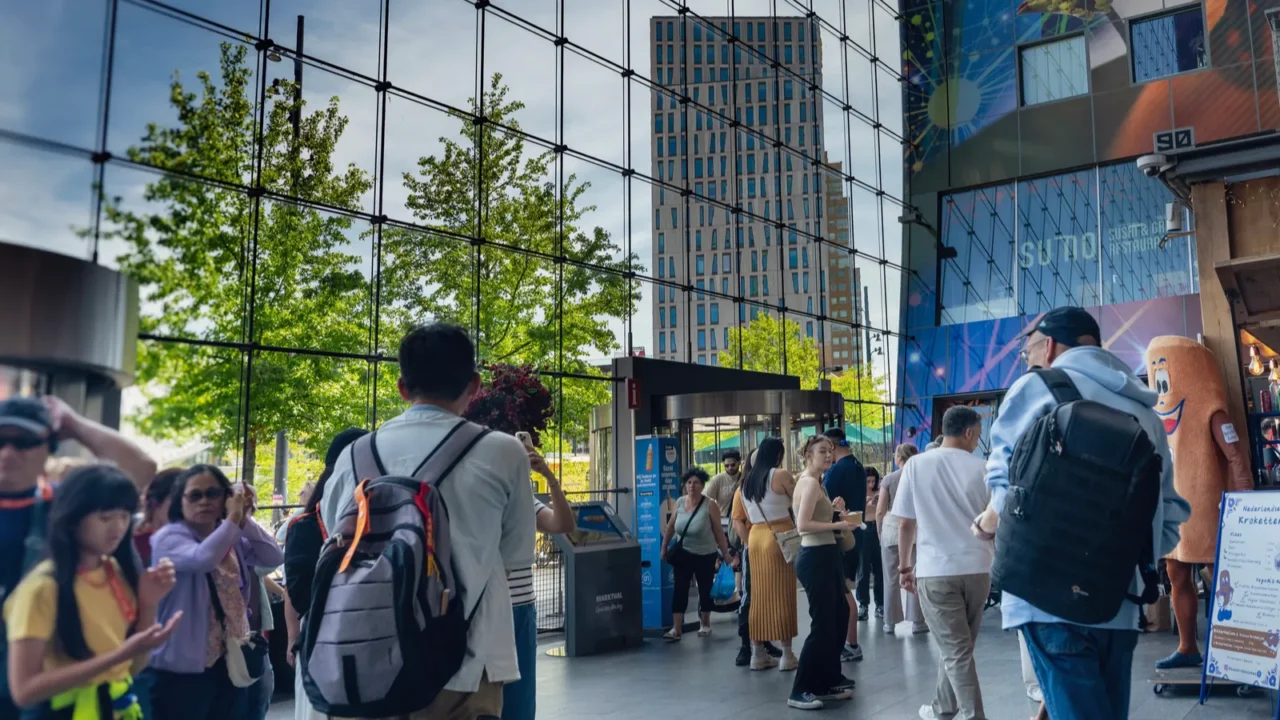
International tourism to the United States experienced a decline, attributed in part to tighter immigration policies and associated travel hurdles. In 2025, international visitor levels dipped even as global travel rebounded elsewhere, making the U.S. an outlier among major destinations for that period. Industry analysts attribute part of this downturn to visa processing challenges, expanded restrictions, and heightened security measures.
These shifts in demand have impacted hospitality revenues, airline seat sales, and attraction attendance in cities like Orlando, New York, and Los Angeles. Destinations hosting major global events, including the 2026 FIFA World Cup matches in the U.S., Canada, and Mexico, are monitoring travel demand trajectories closely. Travel planners and tour operators are watching policy signals as they shape 2026 travel inventory.
Family travel planning impacts
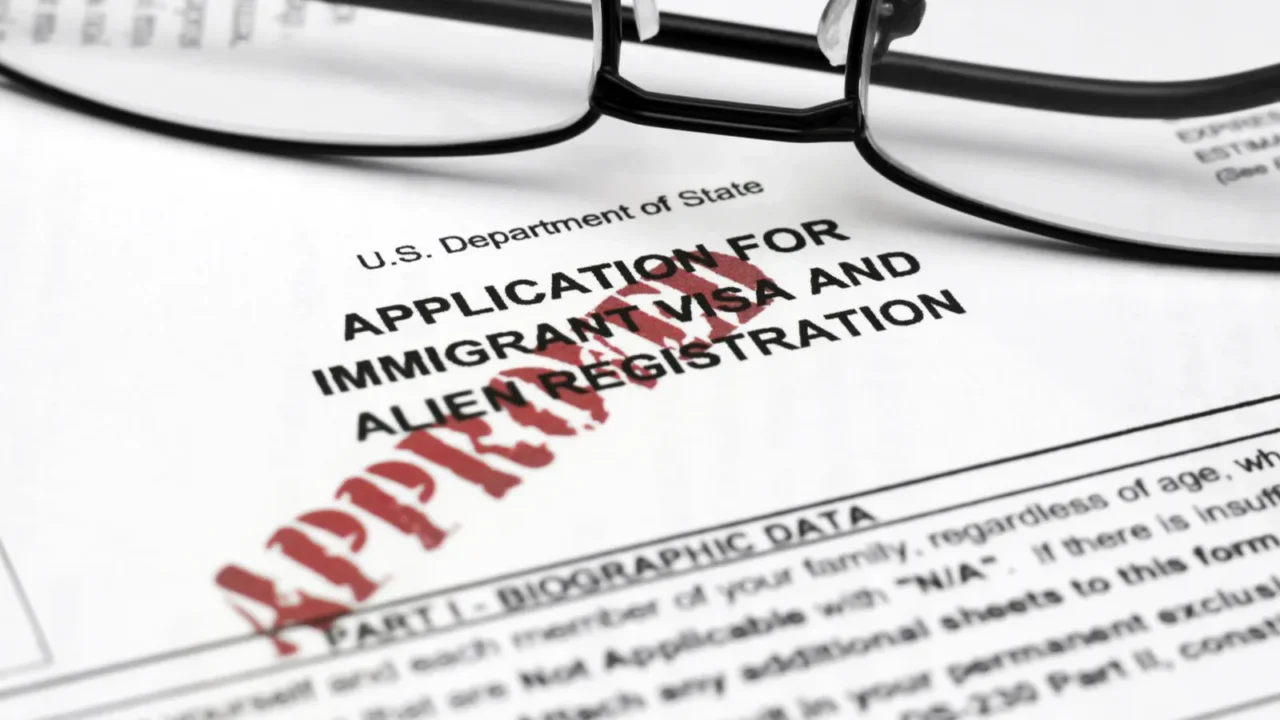
Families affected by the immigrant visa pause and expanded travel restrictions are facing new calculations in how they plan reunions and long-term visits. The rise of visa turbulence and the reasons countries keep changing entry rules midseason have made long-range planning far more uncertain than in previous years. Some policy updates have also adjusted exceptions for cases such as international adoptions, providing case-by-case waivers while broader pauses remain in place.
Nonetheless, family members from restricted countries without valid 2025 visas may find it difficult to join relatives in the United States as previously expected. Visa interview wait times and documentation requirements are contributing to extended wait times. These shifts affect traditional pathways used for holiday, relocation, and family-based travel.
Travel plans and commentary
The evolution of U.S. immigration and visa policies in 2026 will have lasting impacts on how international visitors, students, and workers plan travel to the United States. Expanded travel bans, immigrant visa pauses, enhanced vetting, and fee changes have combined to shape global mobility strategies. These changes also intersect with broader global travel patterns and economic forecasts that influence destination choices.
Which aspects of U.S. immigration and visa policies do travelers and global professionals think will most influence 2026 travel planning strategies? Share insights and perspectives below.
This slideshow was made with AI assistance and human editing.
Don’t forget to follow us for more exclusive content right here on MSN.
Read More From This Brand:
