Tiny nations with surprises
Some travelers love places that feel a little strange yet incredibly fascinating. Micro nations offer that mix with small borders, playful rules, and bold personalities. Many of them welcome curious visitors with stamps, stories, and fun little rituals.
These places were never meant to compete with real countries. They exist for creativity, protest, or pure imagination. Let’s get to it!
What they really are
Micro-nations are self-declared territories that claim independence without global recognition. They often run their own tiny governments and symbols. Many operate like living art projects that keep growing with new ideas.
Some have official websites with details about laws, passports, and citizenship. Others work as creative spaces inside larger countries. These places give travelers something far different than standard tourist stops.

Why people form them
Some founders create micro-nations to make a political point or respond to a dispute. Others see them as artistic expressions or personal experiments. Many simply enjoy the fun of building a world with its own identity.
Their small scale lets them play with ideas that larger countries cannot explore. Citizens often join online from many nations around the world. These unusual experiments keep growing because people love the novelty.
Molossia and its charm
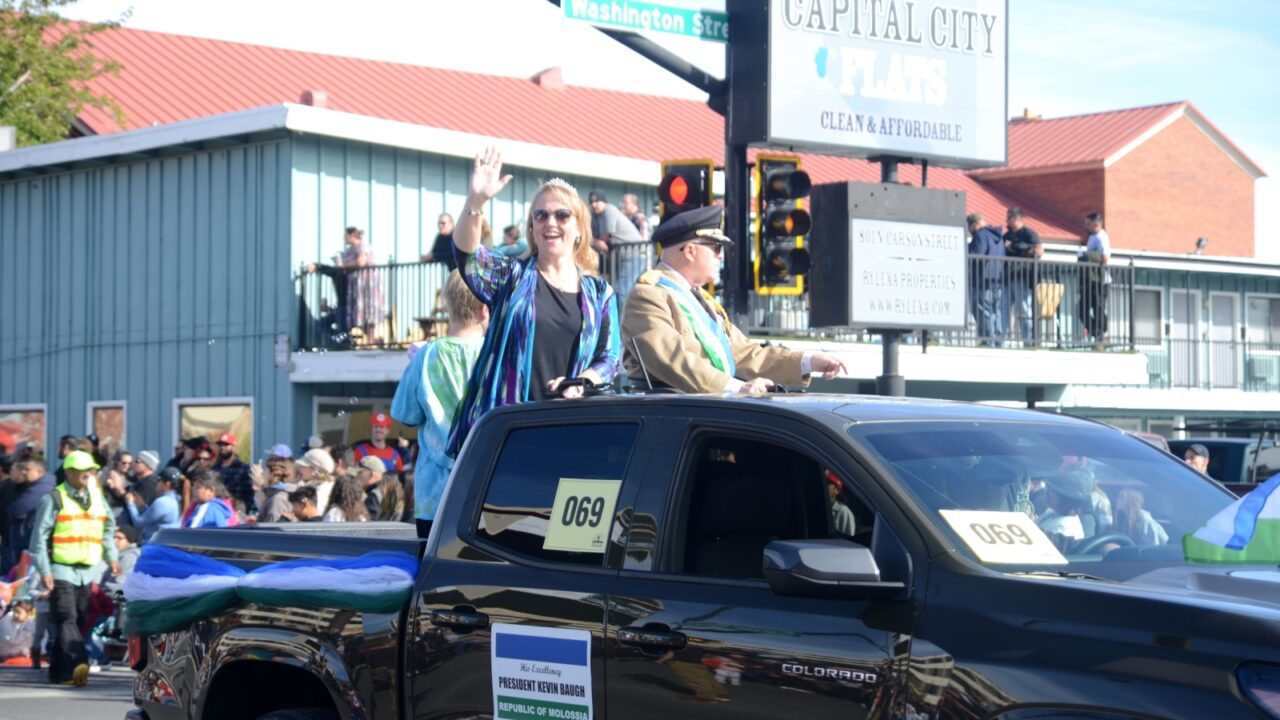
The Republic of Molossia sits in Nevada and welcomes visitors on selected days. It has its own currency, national anthem, and playful border rules. Many guests enjoy meeting its founder, who serves as its president.
The site shares clear visiting guidelines through its official portal. Travelers often receive stamps and small souvenirs during their tour. The nation operates with a friendly and humorous spirit.
Sealand on the water
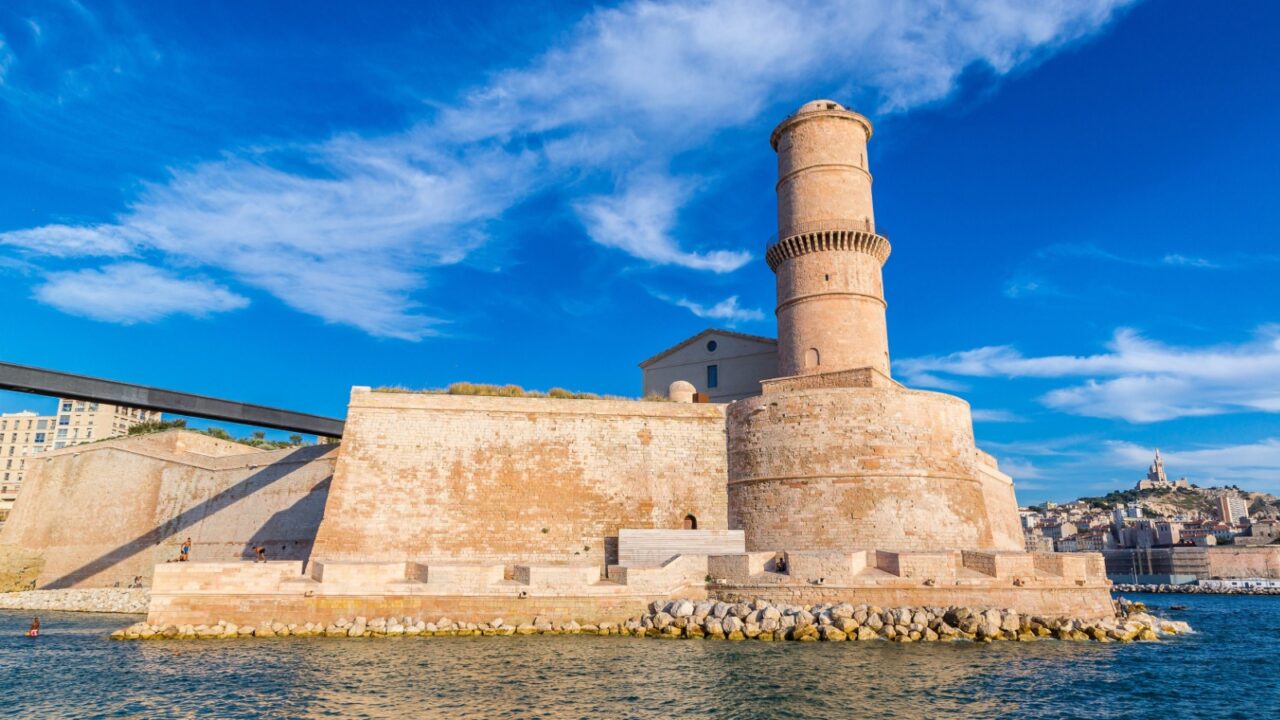
Sealand rests on an old sea fort in the North Sea near England. It declared independence in the late 1960s after a family took control of the structure. Today, it is one of the most talked-about micro-nations in the world.
Sealand offers titles, souvenirs, and limited visit arrangements under controlled conditions. Its history includes dramatic stories of storms and legal disputes. Travelers see it as one of the most unusual destinations on the planet.

Akhzivland by the coast
Akhzivland sits along the Mediterranean shore of northern Israel. It began when a resident declared independence during a land disagreement. Over the years, it has built a reputation for its beach setting and independent spirit.
Visitors sometimes explore its small museum and passport stamp station. It keeps a relaxed and bohemian character that attracts curious guests. Its founder became a cultural figure who shaped the identity of the place.
Ladonia and its art
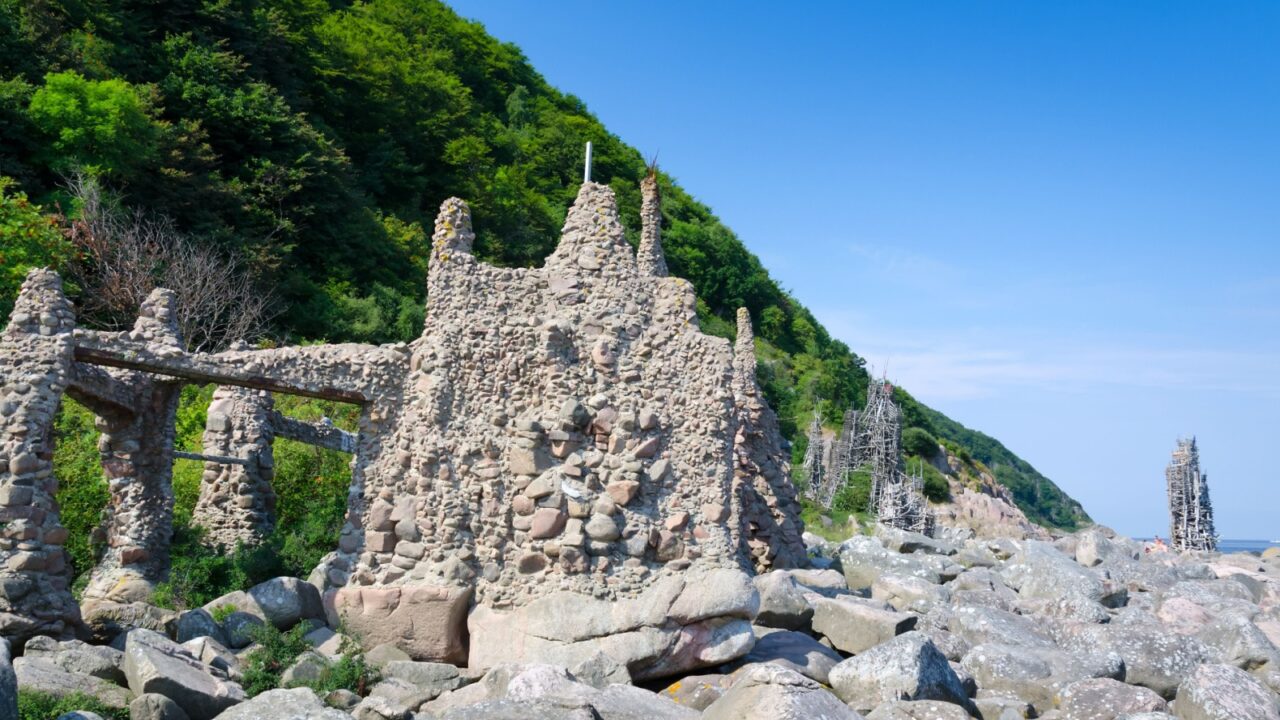
Ladonia started in Sweden as a response to an art conflict inside a nature reserve. The artist declared independence and kept building sculptures that gained global attention. Over time, it became a symbolic nation with thousands of online citizens.
The territory includes outdoor artworks that visitors can hike toward. Its government runs through a creative website with playful ministries. The nation blends imagination with public expression.
Tourism in tiny worlds
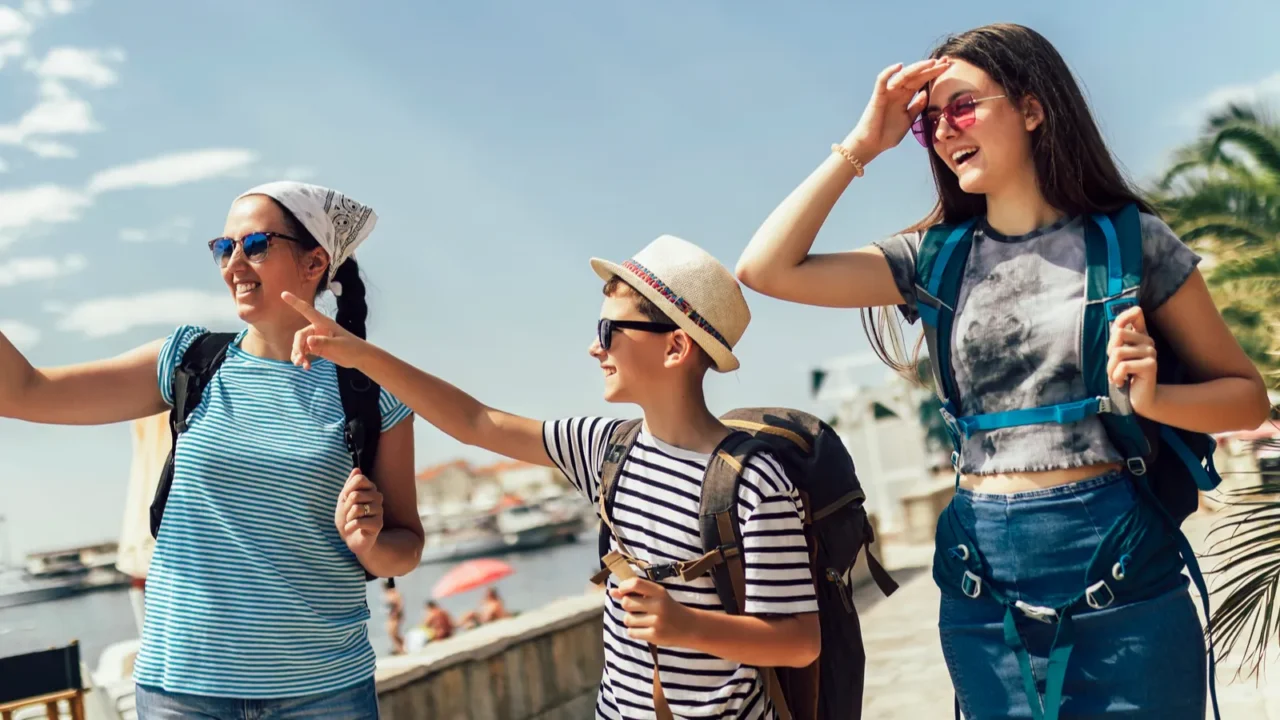
Many micro-nations rely on tourism for support. They sell stamps, coins, and novelty passports that act as memorable keepsakes. These items help maintain websites and preserve their small communities.
Visitors often enjoy the humor and creativity behind the experience. The small size adds to the charm and builds personal interactions. This form of tourism stays lighthearted and friendly.
Rules that feel playful
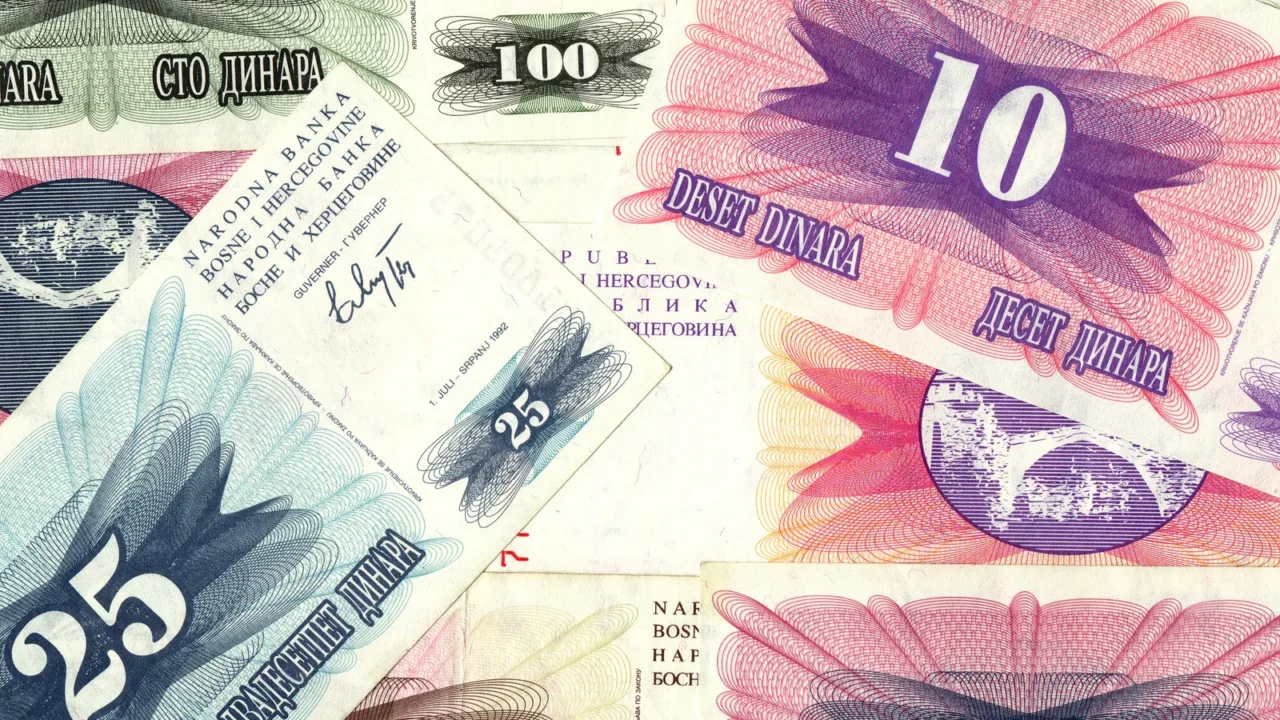
Some micro nations publish their own quirky laws which reflect personality rather than politics. These rules might cover fictional currencies, fun entry steps, or symbolic pledges. Many travelers find them entertaining rather than restrictive.
The tone of these laws helps set the mood for the nation. They create a world that feels both unusual and welcoming. This playful structure is part of what draws holidaymakers in.
Passports and symbols
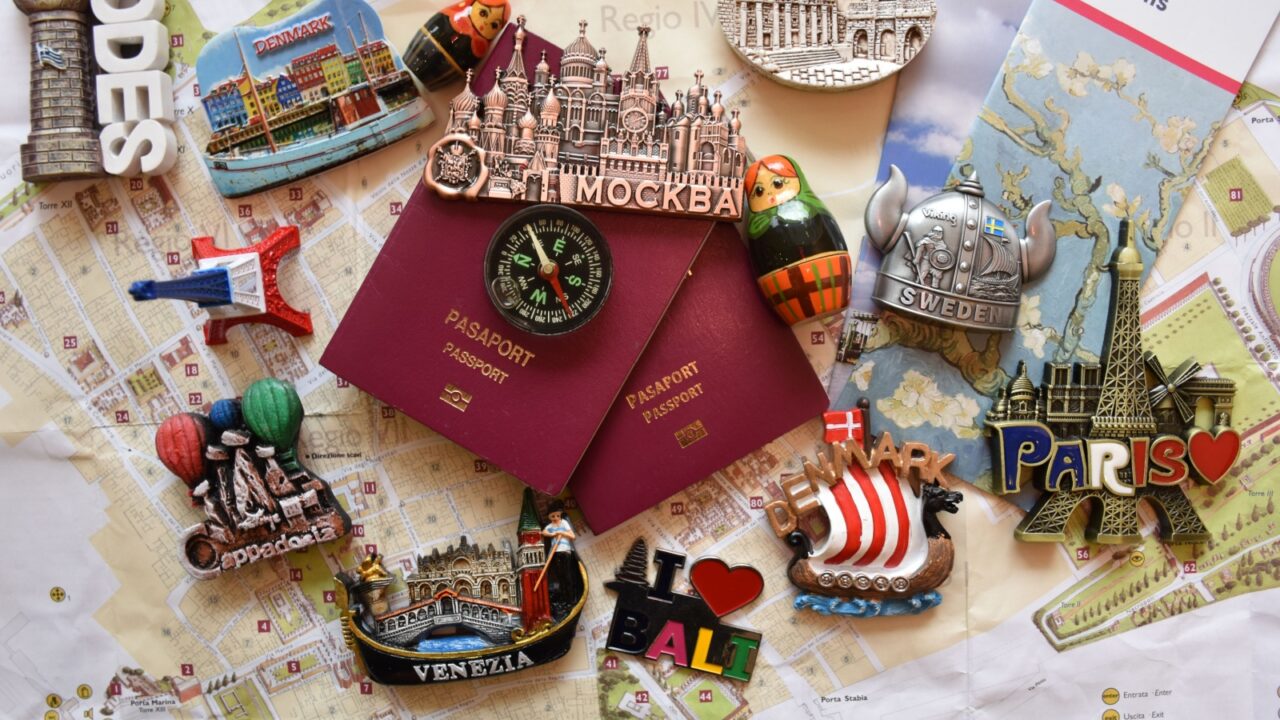
Some micro nations issue passports or citizenship documents that serve as souvenirs. These items are not valid for real travel but hold emotional value for fans. Many people enjoy collecting them because they reflect the creativity of each nation.
Visitors also encounter flags, anthems, and seals that mimic traditional states. These symbols create a sense of belonging within the tiny borders. They help each place feel more complete in its identity.
How travelers visit
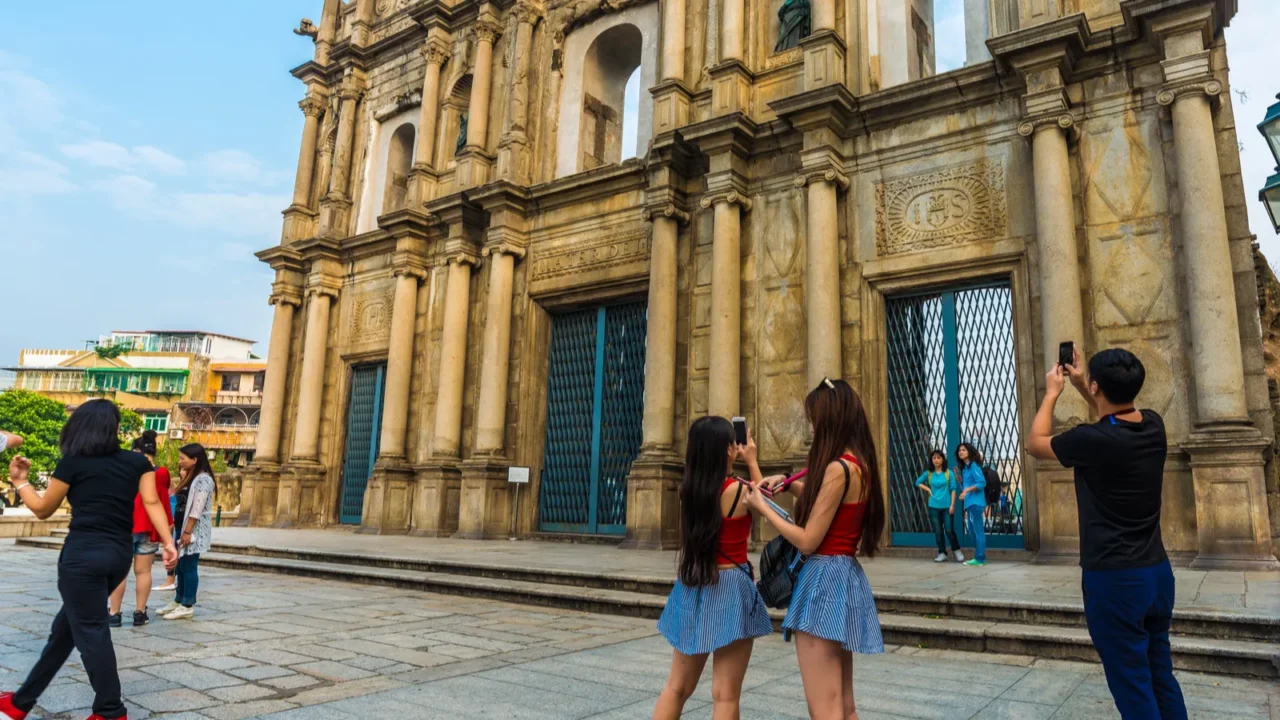
Some micro nations allow scheduled tours while others operate only online. Visits often involve checking in at a small gate or meeting a founder in person. Many experiences feel casual and friendly rather than formal.
Some nations require advance coordination before any entry. Others simply offer landmarks or artworks in open public areas. Each place has its own approach to welcoming guests.
Why interest keeps growing
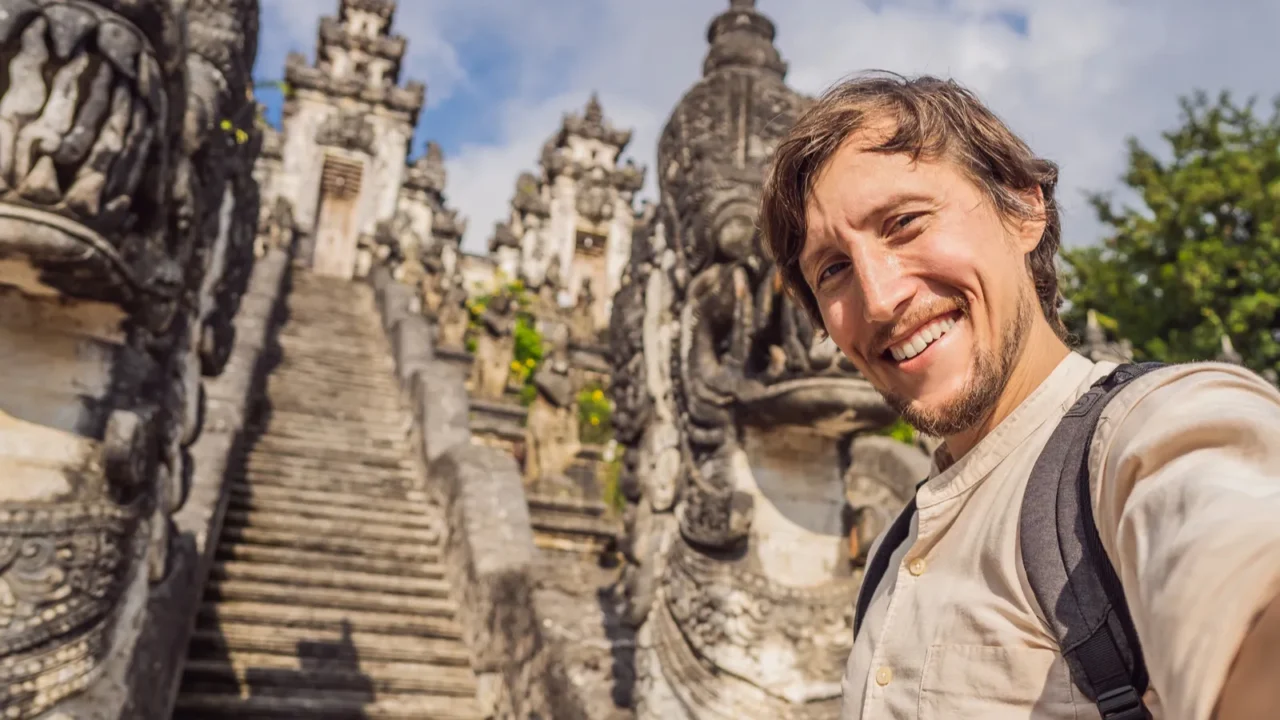
Travelers today search for unique stories rather than predictable itineraries. Micro nations provide odd little escapes that feel fun and spontaneous. Their small scale makes each visit feel personal and memorable.
These places also challenge ideas about borders and identity. They remind visitors that countries can be creative spaces as well as political ones. The Saltburn effect is driving a surge in dark tourism to British estates, and this mix keeps interest strong year after year.
A world of tiny escapes
Micro nation tourism offers small adventures with big personality. Travelers who enjoy novelty often find these places surprisingly charming. Each one holds a story that stands apart from typical destinations.
These nations may be tiny, but they spark curiosity in a big way. They invite visitors into little worlds built on creativity and passion. Which micro nation sounds like the most interesting place to explore?
This slideshow was made with AI assistance and human editing.
Don’t forget to follow us for more exclusive content right here on MSN.
Read More From This Brand:
