
Las Vegas Nevada travel value
The Las Vegas, Nevada tourism market has remained one of the most dynamic in the United States, driven by hospitality pricing trends, seasonal demand, and major event traffic throughout 2025 and early 2026. Miami, Florida, continues to compete closely, offering a coastal alternative shaped by rising hotel rates and international visitor demand. Both destinations attract millions annually, yet their value propositions differ based on timing and travel style.
Las Vegas is known for aggressive pricing strategies tied to occupancy cycles, while Miami pricing often reflects beachfront scarcity and global demand. Recent travel data shows noticeable fluctuations in nightly rates and overall trip costs between the two cities. Travelers are increasingly comparing both destinations based on total experience value rather than just airfare or hotel pricing.

Vegas pricing trends now
Las Vegas currently offers a wide range of hotel pricing due to its large inventory along the Strip and surrounding areas. Midweek stays tend to be significantly cheaper, especially outside major events like CES or the Formula One weekend. Resort fees still apply widely, which slightly increases the final cost despite lower base rates.
Dining and entertainment bundles often help reduce overall spending, particularly through casino promotions and package deals. Many hotels provide incentives like free play credits or discounted shows to attract bookings. This flexibility gives Las Vegas a strong edge for budget-conscious travelers planning strategically.

Miami travel costs overview
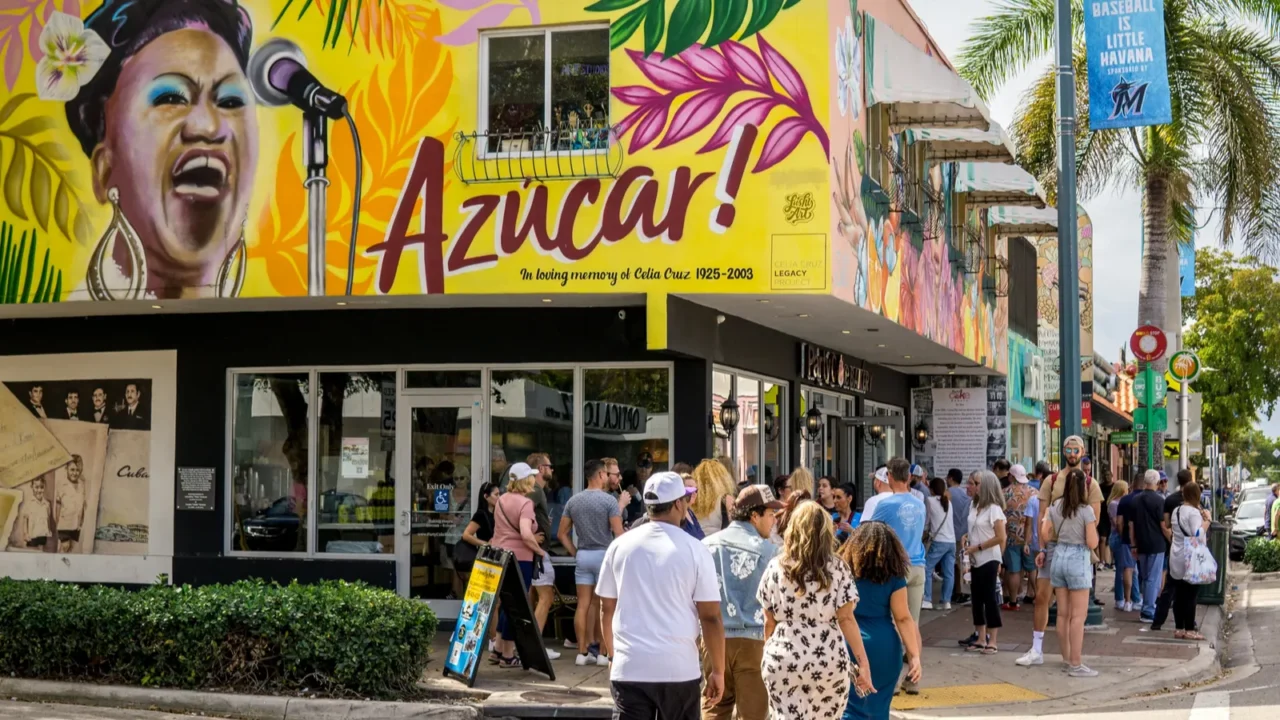
Miami tends to maintain higher baseline costs, especially in prime areas like South Beach and Miami Beach. In 2026, average hotel prices range between $250 and $650 per night across all categories. Luxury beachfront properties frequently exceed $700 per night during peak seasons.
Budget accommodations in Miami typically start around $100 to $250, though availability can be limited. Mid-range hotels often average between $280 and $420 per night. These figures highlight Miami’s consistently higher entry cost compared to Las Vegas.

Hotel value comparison insights
Las Vegas hotels often deliver better value due to scale and aggressive pricing competition among major resorts. Mid-range properties commonly average $220 to $320 per night, offering strong amenities for the price. Even premium hotels frequently fall within $300 to $500 during non-peak periods.
Miami hotels, especially in beachfront zones, command significantly higher rates for similar categories. Four-star properties typically range from $400 to $650 per night in 2026. This gap highlights how Las Vegas provides more space and amenities per dollar spent.

Food and dining costs
Dining in Las Vegas remains highly flexible, with meals ranging from affordable food courts to premium restaurants. Casual meals can cost around $10 to $25, while mid-range dining averages $20 to $50 per person. This variety helps travelers manage daily budgets effectively.
Miami dining tends to be more expensive, especially in tourist-heavy districts. Restaurant meals frequently exceed $25 to $60 per person, depending on location and cuisine. The difference in food pricing contributes to the overall cost gap between the two destinations.

Entertainment cost differences
Las Vegas entertainment includes shows, concerts, and attractions that vary widely in price across the Strip. Discounted tickets can reduce show prices significantly, sometimes by up to 50% when purchased at the last minute. This pricing model allows visitors to access premium experiences at reduced cost.
Miami entertainment focuses more on nightlife and beach events, where entry and drink costs can rise quickly.

Transportation and mobility costs
Las Vegas offers relatively affordable transportation due to its compact Strip layout and accessible ride services. Many visitors spend modest amounts on daily transport, often under $20 to $40, depending on activity levels. Walking between major attractions further reduces costs.
Miami transportation costs can be higher due to the distance between neighborhoods and reliance on cars or rideshares. Daily transport expenses can rise significantly depending on the itinerary. These added costs contribute to Miami’s higher overall travel budget.
Seasonal price fluctuations explained
Miami experiences strong seasonal variation, especially during winter and spring break. However, even in the low season, prices typically remain between $150 and $400 per night. This consistency makes Miami less volatile but generally more expensive year-round.
Las Vegas pricing fluctuates heavily due to conventions, sports events, and major entertainment weekends.

Experience versus cost balance
Las Vegas delivers a concentrated experience where entertainment, dining, and accommodation are closely located. This structure allows visitors to maximize activities without additional travel expenses. The overall efficiency enhances perceived value for shorter trips.
Miami offers a more spread-out experience across beaches, nightlife districts, and cultural neighborhoods. While visually diverse, this layout can increase both time and spending. The value depends on whether travelers prioritize convenience or scenic variety.

Luxury travel affordability comparison
Luxury travel in Las Vegas often comes at a relatively lower price due to competitive resort pricing. High-end hotels range from $400 to $1,500 per night, with occasional discounts available. This creates opportunities for upscale experiences at reduced cost.
Miami luxury hotels typically start around $500 per night and can exceed $1,800 or more during peak periods. Oceanfront demand drives pricing significantly higher than inland alternatives. This makes Miami a premium destination for high-end travel experiences.

Budget traveler perspective today
Budget travelers often find Las Vegas more accessible due to lower entry costs and frequent deals. Accommodation can drop below $100 per night during off-peak periods. Daily expenses can also remain under $140 with careful planning.
Miami budget travel is possible, but more limited due to consistently higher hotel prices. Even lower cost stays often range between $100 and $250 per night. This makes Las Vegas a more practical option for tighter travel budgets.

Current value winner insights
Recent data indicates Las Vegas offers stronger value due to lower average rates and flexible pricing structures. Average hotel rates around $183.52 in 2025 support its affordability advantage, even as discussions grow around why American tourists are falling out of love with Las Vegas. Combined with lower daily spending, this creates a cost-efficient travel environment.
Miami continues to deliver strong experiential value, particularly for beach-focused travel. However, higher accommodation and dining costs reduce its overall affordability. The choice depends on whether cost savings or coastal experience matters more.

Choosing the right destination
Las Vegas and Miami both offer compelling travel experiences shaped by different cost structures and environments. Las Vegas leans toward affordability and entertainment density, while Miami emphasizes scenery and cultural appeal. Each destination serves a different type of traveler.
The best trips balance budget, timing, and experience to create meaningful travel moments. Current data suggests Las Vegas leads in value, while Miami maintains premium positioning.
Which destination feels like the smarter choice for travelers planning their next trip right now? Share your thoughts below.
This slideshow was made with AI assistance and human editing.
Don’t forget to follow us for more exclusive content right here on MSN.
Read More From This Brand:
