
Longer wildfire seasons impact travel
The National Interagency Fire Center has reported longer wildfire seasons across the Western United States, with increased fire activity extending into late summer and early fall in recent years. Rising temperatures, drought conditions, and earlier snowmelt have contributed to a measurable expansion of fire risk across states like California, Oregon, and Washington. These shifts are already influencing summer travel patterns and destination planning across the region.
Western wildfire seasons now often begin earlier in spring and continue longer into fall than historical averages. This extended timeline creates more uncertainty for visitors planning trips to national parks, coastal areas, and mountain regions. Travel planning increasingly depends on real-time conditions and official advisories.
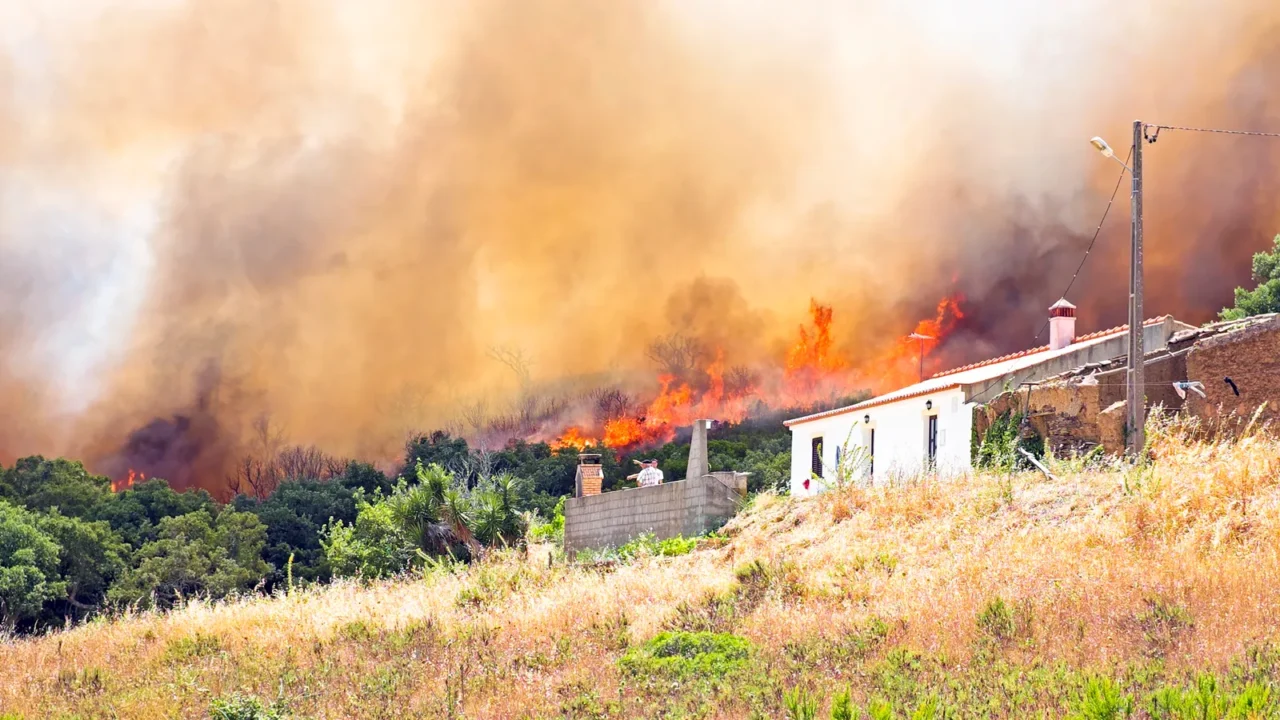
Western wildfire seasons explained
The wildfire season across the West is no longer limited to late summer months, as fire activity has become more persistent throughout the year. California, Oregon, and Washington have seen earlier fire starts linked to dry vegetation and warmer spring conditions. These changes are reshaping traditional travel seasons for many destinations.
Wildfire seasons increasingly overlap with summer travel months, which can lead to park closures, poor air quality and transportation disruptions. Travelers are responding by checking advisories and building flexible itineraries around real-time conditions.
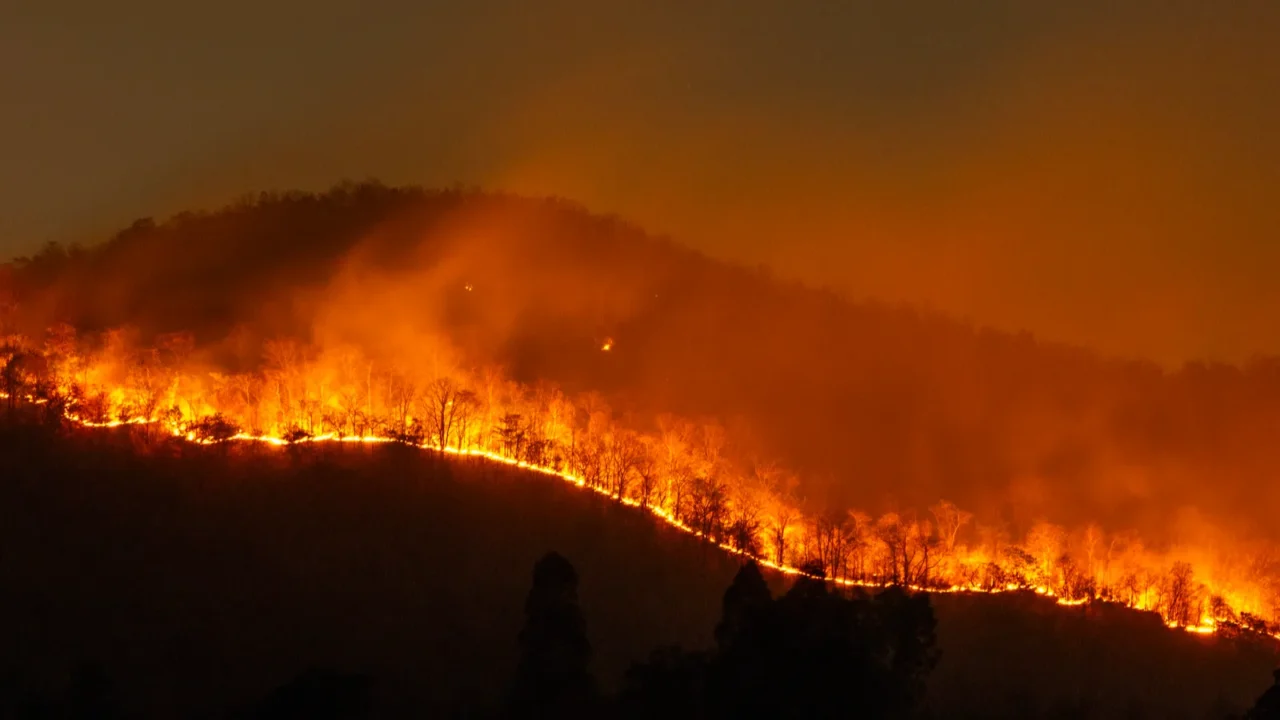
Climate trends driving fires
Climate change plays a significant role in extending wildfire seasons across the Western United States. Rising temperatures and prolonged drought conditions dry out forests and grasslands, creating more combustible landscapes. Snowpack melts earlier in the year, leaving vegetation exposed to longer dry periods.
States like California have experienced multiple years of severe drought, increasing wildfire risks across both rural and urban interface areas. Dry winds such as the Santa Ana winds can rapidly spread fires once they ignite. These environmental factors combine to create longer and more intense fire seasons.
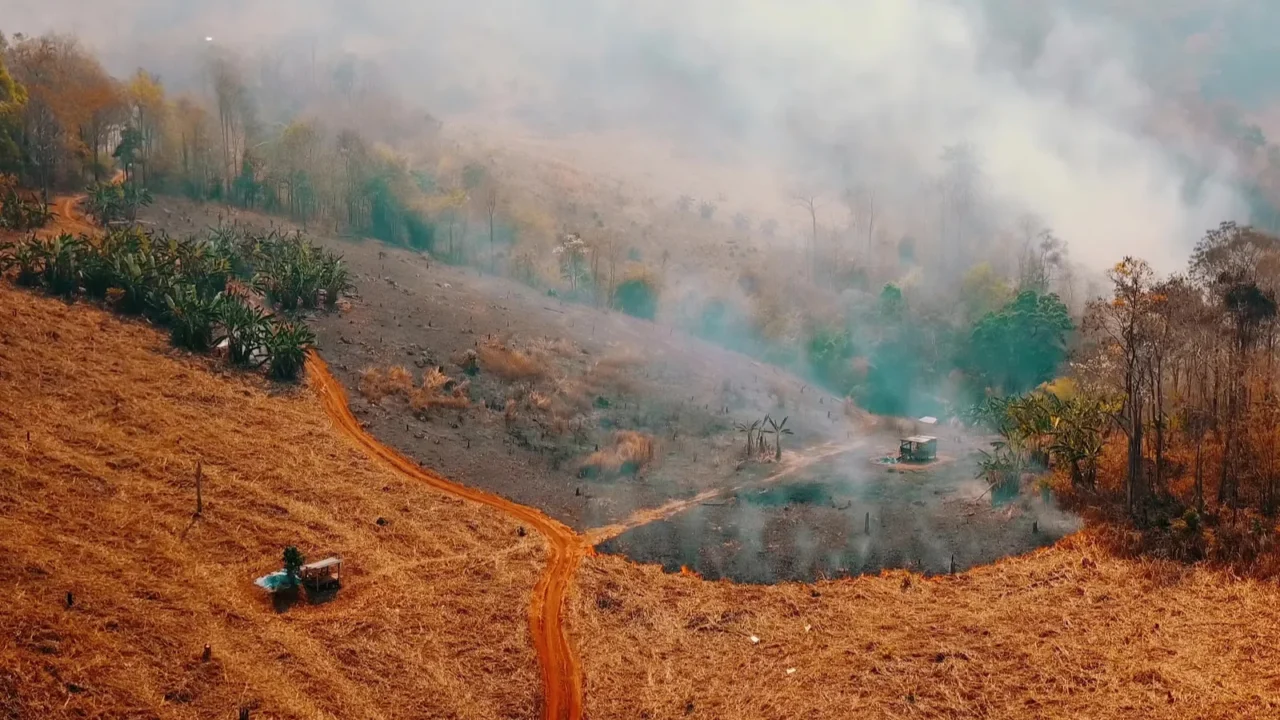
California wildfire risk areas
California remains one of the most wildfire-prone states, with regions like Northern California forests and Southern California foothills facing repeated fire threats. Areas near Los Angeles, Napa Valley, and the Sierra Nevada are especially vulnerable during peak fire months. These locations also coincide with popular tourist destinations.
Wildfire activity can lead to evacuation warnings, road closures, and air quality alerts in these regions. Visitors heading to wine country, beaches, or national parks may encounter changing conditions during summer travel. Staying informed about local fire status is essential for safe planning.
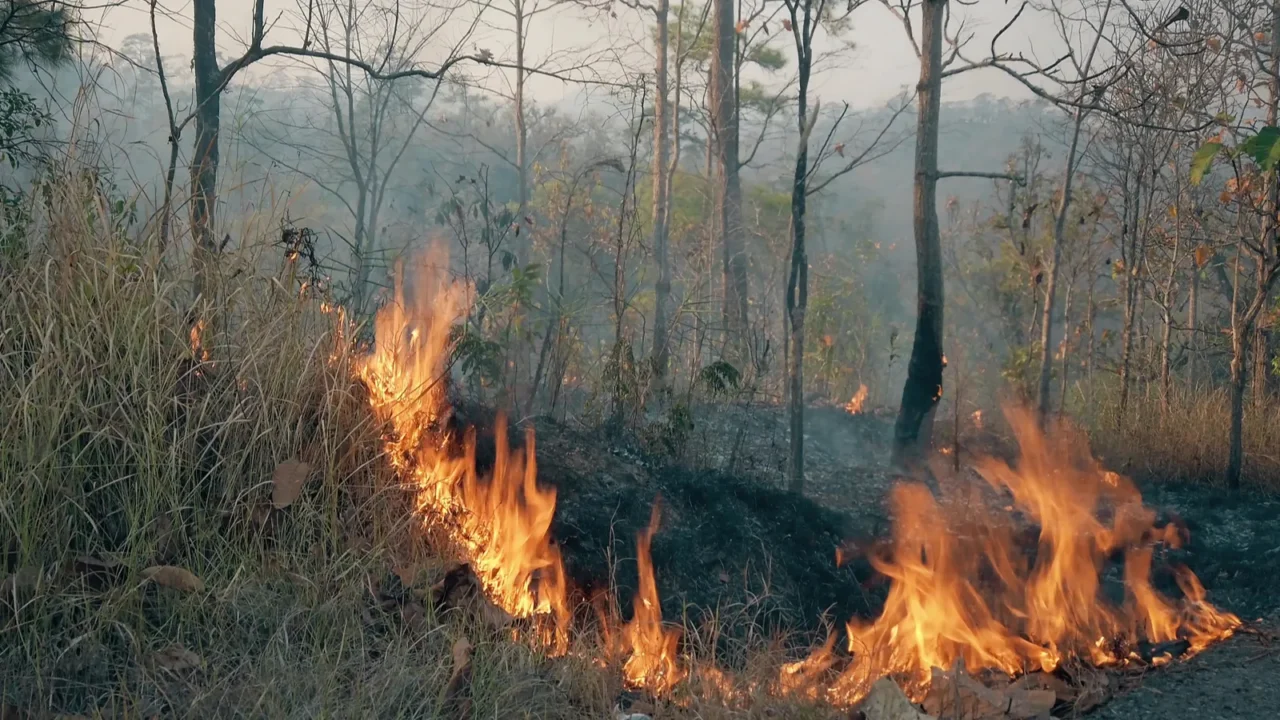
National parks face closures
Wildfires frequently affect major parks like Yosemite National Park and Sequoia National Park during the summer months. Fire activity can force temporary closures of trails, roads, and visitor centers to ensure safety. Smoke can also reduce visibility and limit outdoor activities even when parks remain open.
Park officials often issue alerts and restrictions during active fire periods, including campfire bans and limited access to certain areas. These measures aim to reduce risk and protect visitors and wildlife. Travelers should check official park updates before finalizing plans.
Air quality affects travel
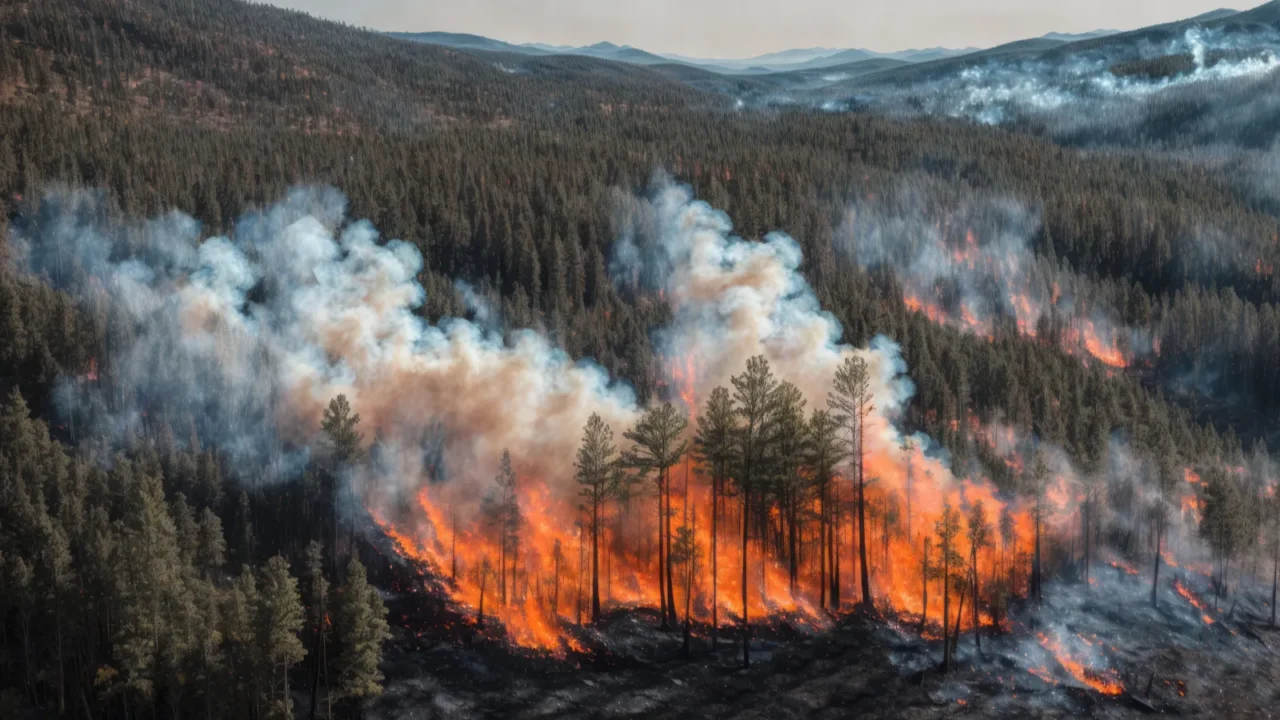
Wildfire smoke can travel hundreds of miles, affecting air quality across multiple states beyond fire zones. Cities like San Francisco, Portland, and Seattle have experienced hazardous air quality during peak wildfire events. This can impact sightseeing, outdoor activities, and overall travel comfort.
Little-known fact: Wildfire smoke contains fine particulate matter (PM2.5) that penetrates deep into the lungs and is linked to respiratory and cardiovascular problems.
Fire activity and acreage trends
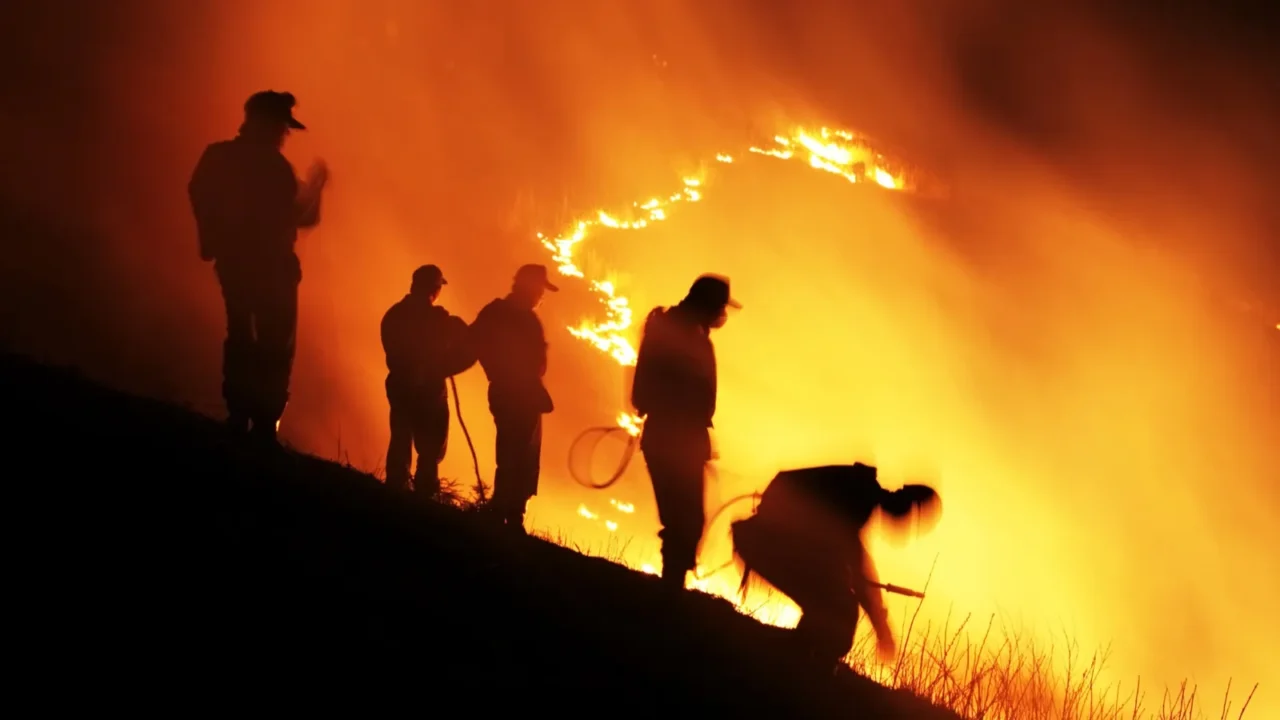
Wildfire activity in the United States has shown increasing variability, with some years experiencing millions of acres burned across Western states. Large fires can spread rapidly under dry and windy conditions, impacting wide geographic areas. These trends highlight the growing scale of wildfire seasons.
Fun fact: The 2020 wildfire season burned more than ten million acres across the United States, making it one of the largest fire years on record. This scale of fire activity has influenced long-term travel patterns and risk awareness.
Transportation disruptions during fires
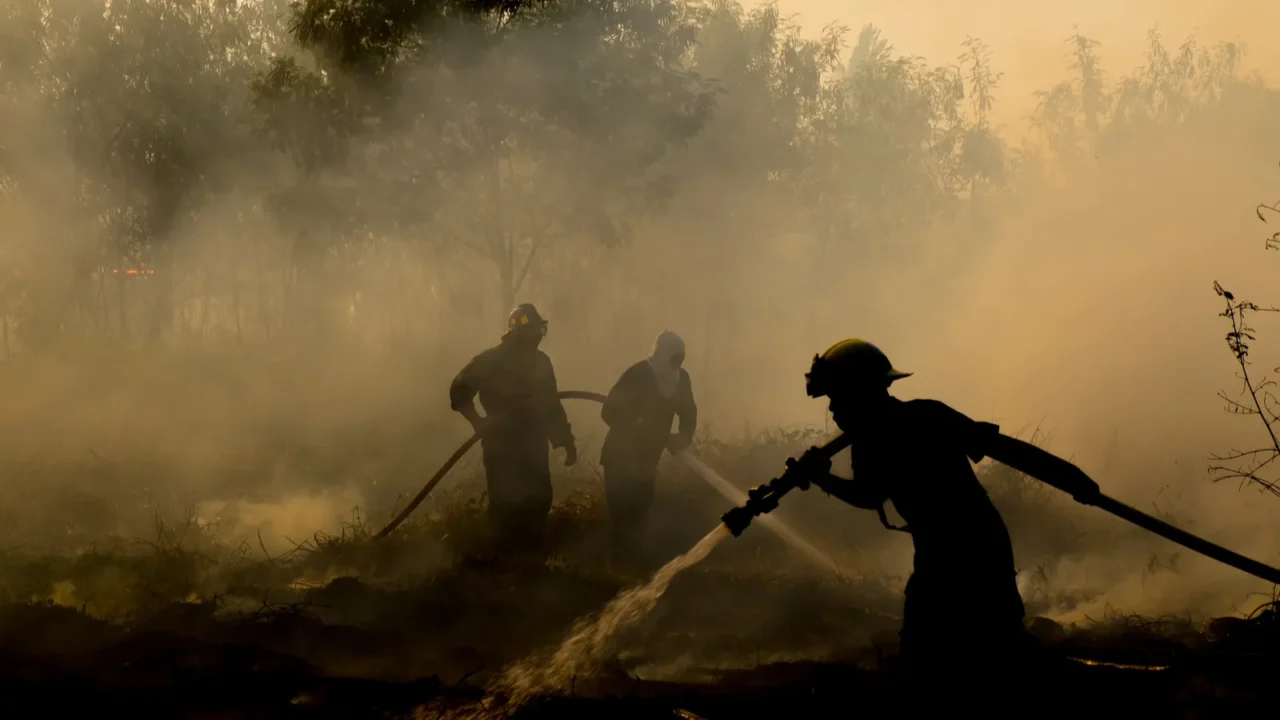
Wildfires can lead to sudden road closures, especially in mountain regions and forested highways. Routes like Highway 1 in California and Interstate 5 corridors have experienced disruptions during major fire events. These closures can affect both local travel and long-distance trips.
Air travel can also be affected by smoke and fire proximity, leading to flight delays or rerouted paths. Airports near fire zones may experience reduced visibility or operational restrictions. Travelers should monitor transportation updates during wildfire season.

Accommodation availability shifts
Wildfires can impact hotel availability as evacuations increase demand for temporary lodging. Hotels in affected regions may fill quickly with displaced residents and emergency crews. This can limit availability for tourists during peak travel periods.
At the same time, cancellations in fire-affected areas can create sudden price changes in nearby regions. Travelers may need to adjust accommodation plans based on evolving conditions. Flexibility remains an important part of travel planning.
Insurance and travel flexibility
Travel insurance policies may cover cancellations related to wildfires, depending on the policy terms. Coverage often depends on official evacuation orders or documented disruptions. Travelers are increasingly reviewing policies before booking summer trips.
Flexible booking options offered by airlines and hotels can also help reduce financial risks. Many travel providers now allow changes without significant penalties during emergencies. These options support safer and more adaptable travel planning.
Regional travel timing changes
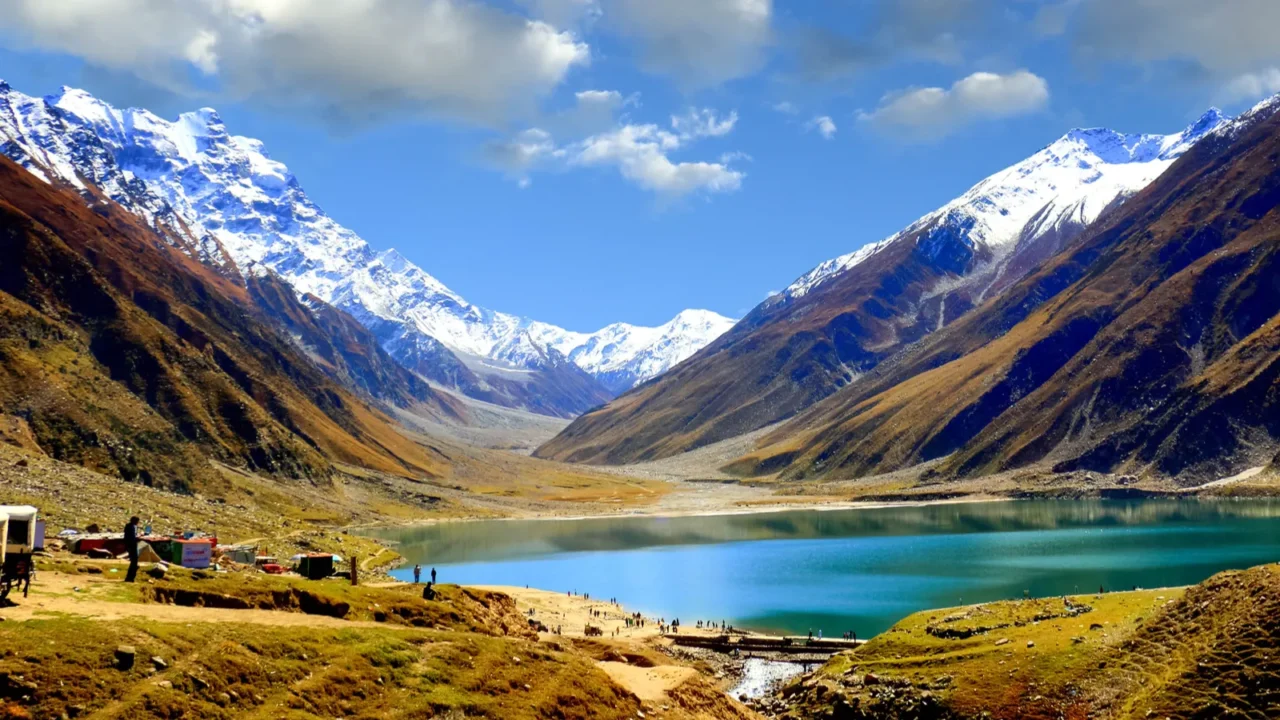
Some travelers are shifting travel dates to avoid peak wildfire months in the West. Spring and early fall are becoming more attractive for visiting destinations like California and Oregon. These periods often offer better conditions with lower fire risk.
Alternative destinations in coastal or northern areas may also provide safer travel options during wildfire season. Planning around seasonal patterns helps reduce exposure to disruptions. Timing plays a key role in successful travel experiences.
Preparedness for safe travel
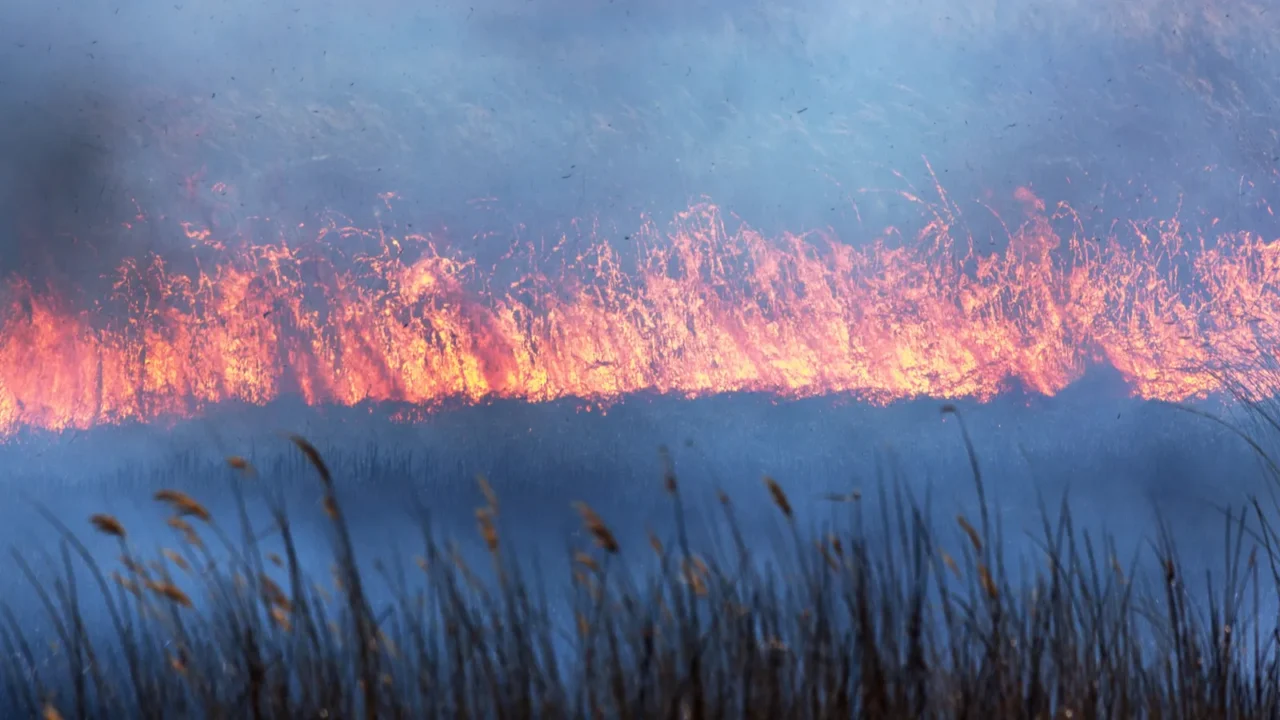
Travelers are encouraged to monitor official fire maps, air quality indexes, and local alerts when planning trips. Resources like CAL FIRE updates and National Park Service alerts provide real-time information. Awareness of conditions helps reduce risks during wildfire season and highlights how wildfire-hit regions are reopening for tourism, and here’s what actually changed.
Packing essentials like masks, emergency supplies, and flexible itineraries can improve preparedness. Staying informed about evacuation routes and local guidelines is also important. Prepared travel planning supports safer experiences in fire-prone regions.
Balancing travel and safety
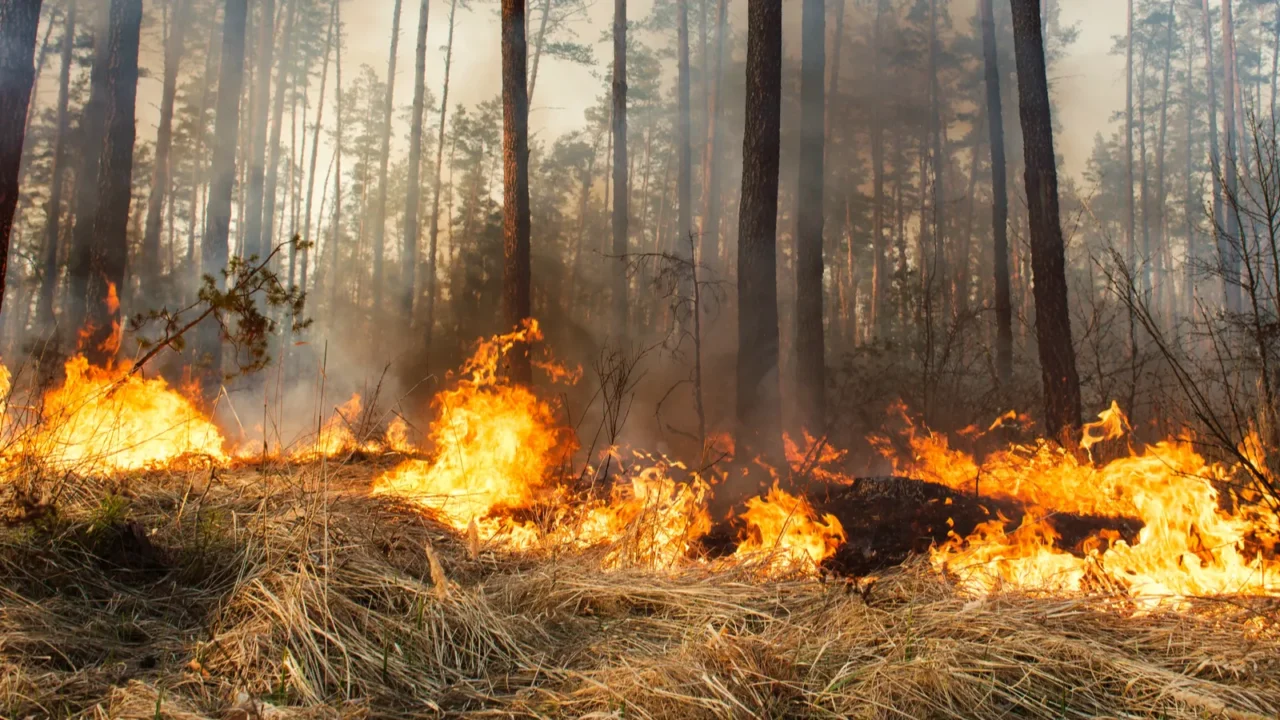
Longer wildfire seasons are reshaping how summer travel works across the Western United States. While many destinations remain accessible, conditions can change quickly during peak fire months. Careful planning helps travelers enjoy these regions while staying safe.
The best trips balance exploration with awareness of natural conditions. Which Western destinations still feel worth visiting despite wildfire risks this summer? Share thoughts below.
This slideshow was made with AI assistance and human editing.
Don’t forget to follow us for more exclusive content right here on MSN.
Disclaimer: The images used are for illustrative purposes only and do not depict the actual locations mentioned.
Read More From This Brand:
