Lithium battery technology advances
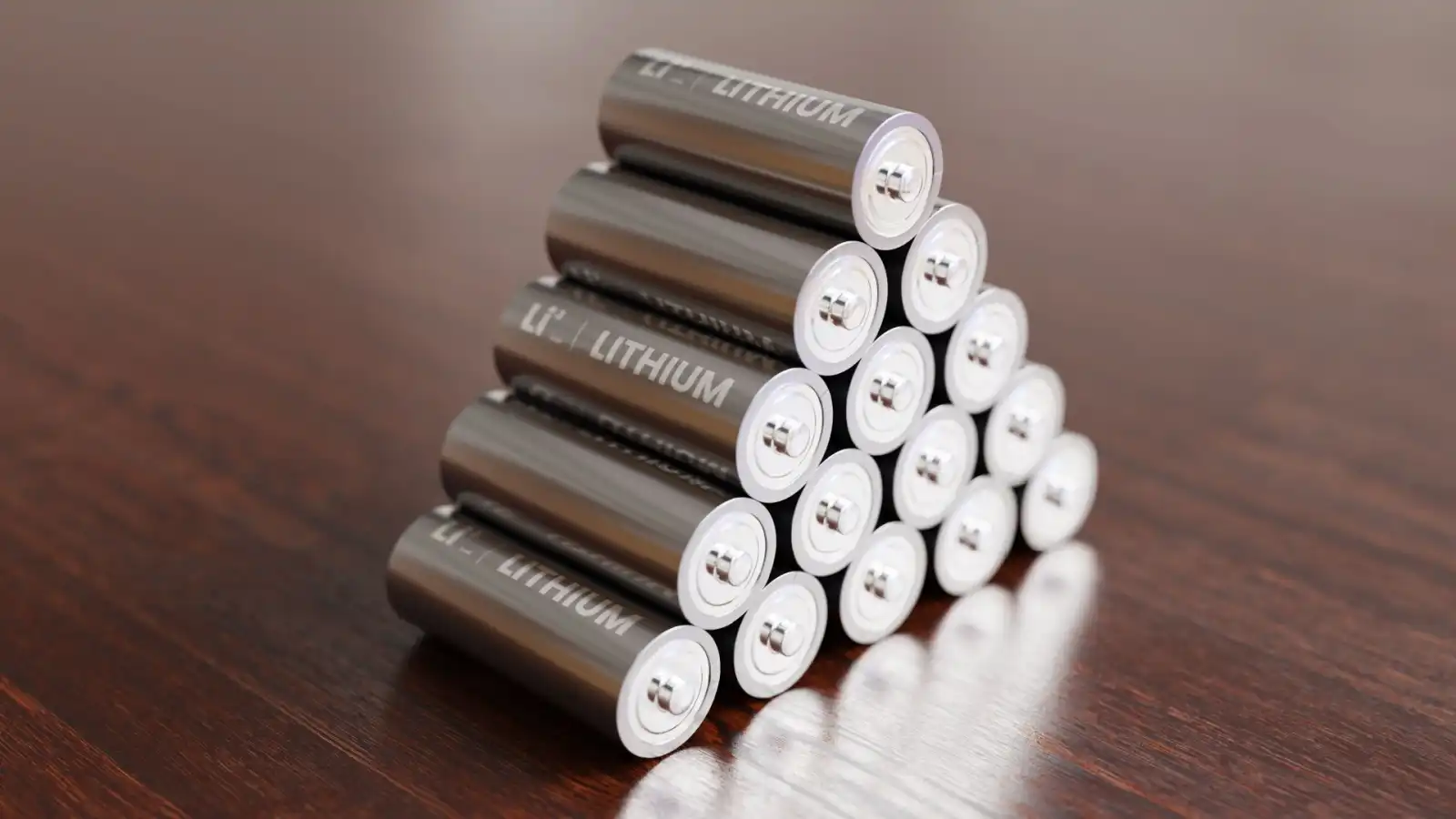
The U.S. Department of Energy reports continued progress in lithium battery innovation, with newer chemistries improving energy density and efficiency. Recent research and pilot programs suggest that next-generation battery designs may improve energy density, charging performance, or safety, though results vary by chemistry and testing conditions. These improvements are shaping how travelers rely on mobile devices during trips.
Frequent travelers depend on smartphones, tablets, and laptops for navigation, bookings, and communication. Longer battery life reduces the need for constant charging during flights or long travel days. This shift is making portable power more reliable across global travel scenarios.
Why battery life matters
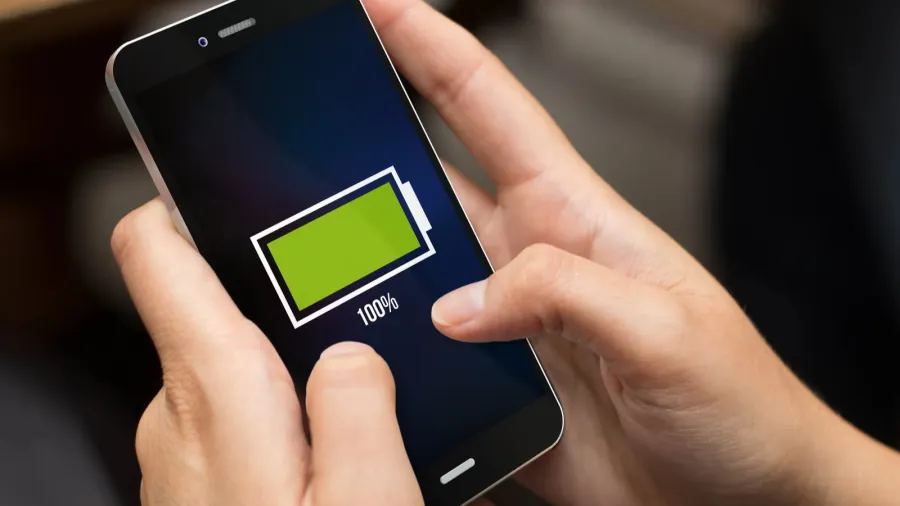
Battery life plays a critical role in modern travel experiences, especially for international trips. Devices are used for boarding passes, hotel access, and real-time navigation. Power loss can disrupt travel plans in unfamiliar locations.
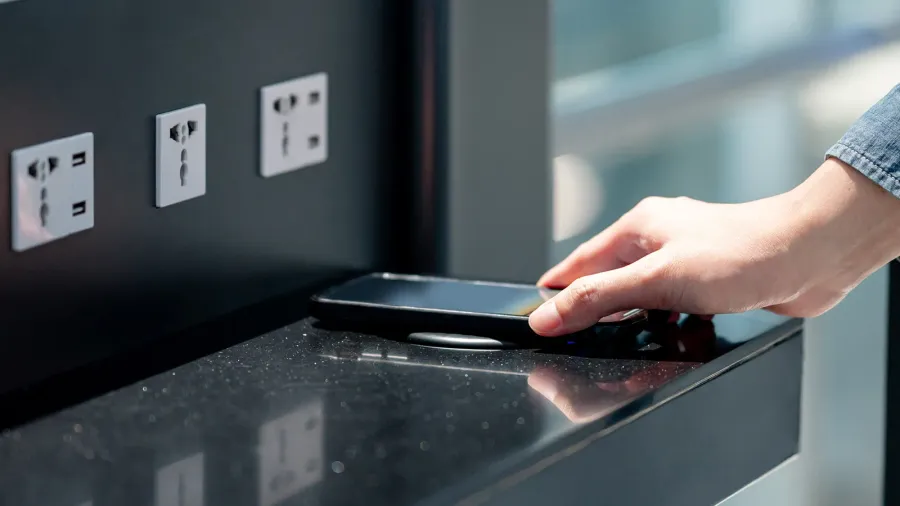
Extended battery performance allows travelers to stay connected throughout long flights and layovers. Charging access can still be limited or inconvenient during long travel days, especially in busy terminals or during delays. Improved batteries reduce reliance on crowded charging points.
New lithium battery improvements
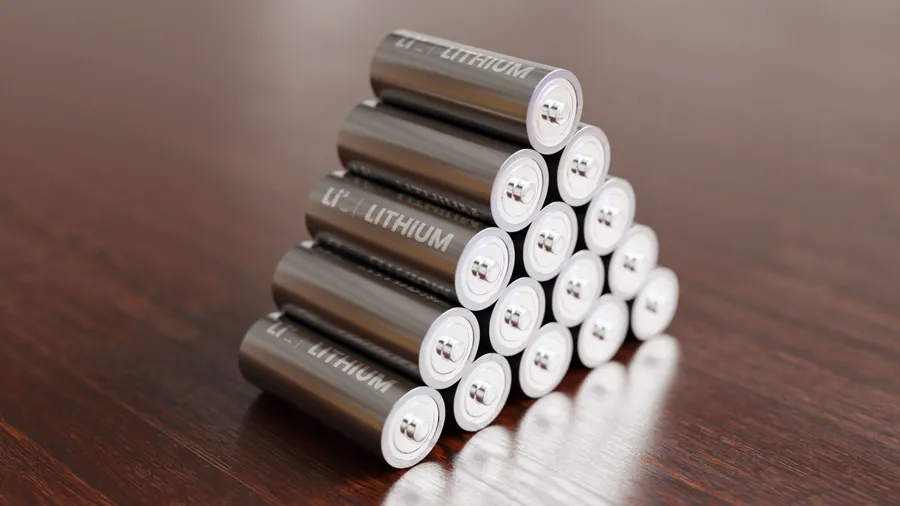
Lithium-ion batteries are evolving with better materials that increase energy storage capacity. New designs allow devices to operate longer without increasing battery size significantly. This makes them ideal for compact travel devices.
Battery improvements are especially noticeable in smartphones and laptops used during travel. Many newer devices now last several hours longer than previous models under similar usage. These gains support uninterrupted travel experiences across long journeys.

Travel devices benefit most
Devices like smartphones, tablets, and wireless earbuds benefit directly from improved battery technology. Travelers rely on these tools for maps, translation apps, and entertainment. Longer battery life enhances usability during extended trips.
Air travel often limits charging opportunities, especially on shorter routes or older aircraft. Improved batteries help travelers maintain device functionality throughout flights. This reduces stress during navigation and communication tasks.
Power banks still popular
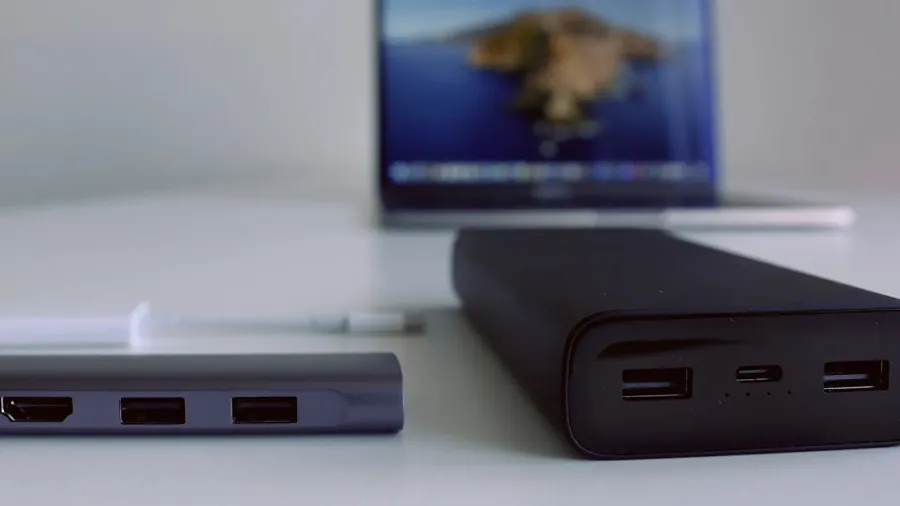
Despite battery improvements, power banks remain a common travel accessory. Many travelers carry backup power sources for added security. This is especially true for long-haul flights and remote destinations.
Power banks remain popular because travelers often want backup power during long days away from reliable outlets. However, improved battery efficiency may reduce dependence on external chargers over time. This shift reflects growing confidence in device performance.
Battery efficiency gains explained
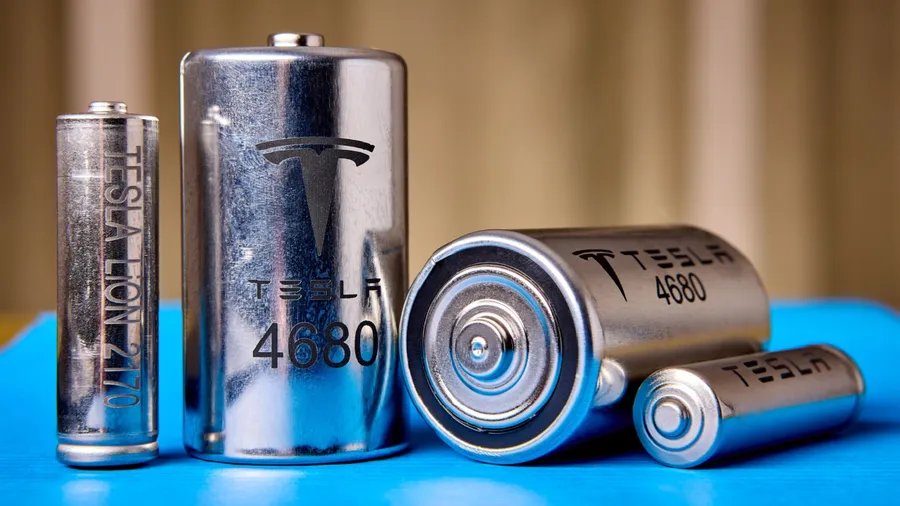
New lithium battery designs focus on improving energy density and reducing power loss during use. This allows devices to run longer on a single charge without increasing battery size. These gains are especially useful for travelers relying on devices during long flights and busy itineraries.
Lithium-ion battery energy density has increased by about three times since 1991, according to data compiled by Our World in Data. This steady improvement explains why modern smartphones and laptops last significantly longer than earlier models. Continued innovation is expected to further extend device performance in the coming years.
Charging cycles and durability
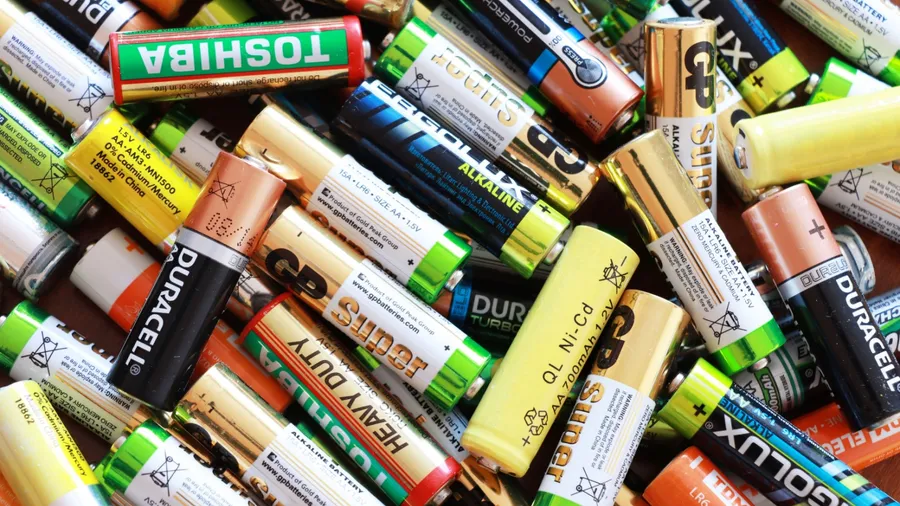
Battery durability depends on charging cycles and usage patterns over time. New lithium technologies are designed to maintain performance across more charge cycles. This extends the lifespan of travel devices.
Little-known fact: Most modern lithium-ion batteries retain about 80 percent of their capacity after 300 to 500 full charge cycles, according to Battery University. This durability supports frequent travelers who rely heavily on devices. Improved longevity reduces replacement frequency.
Airline rules affect batteries
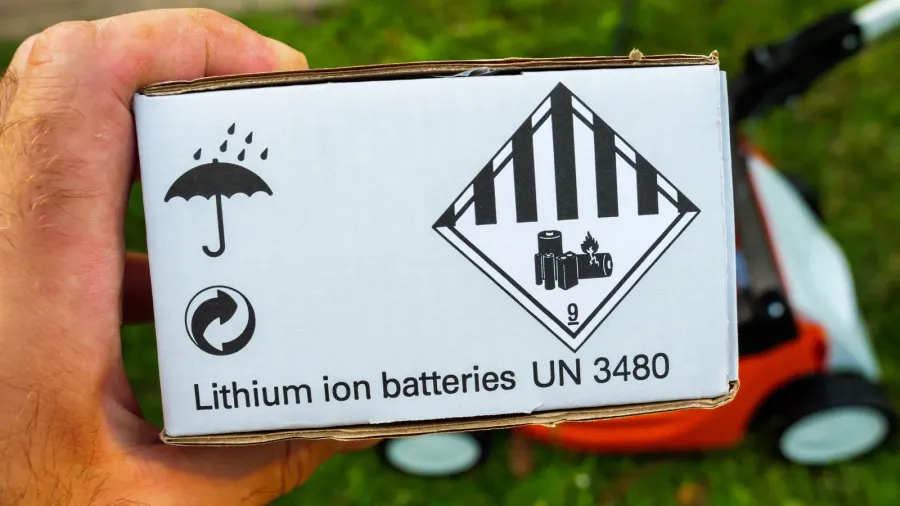
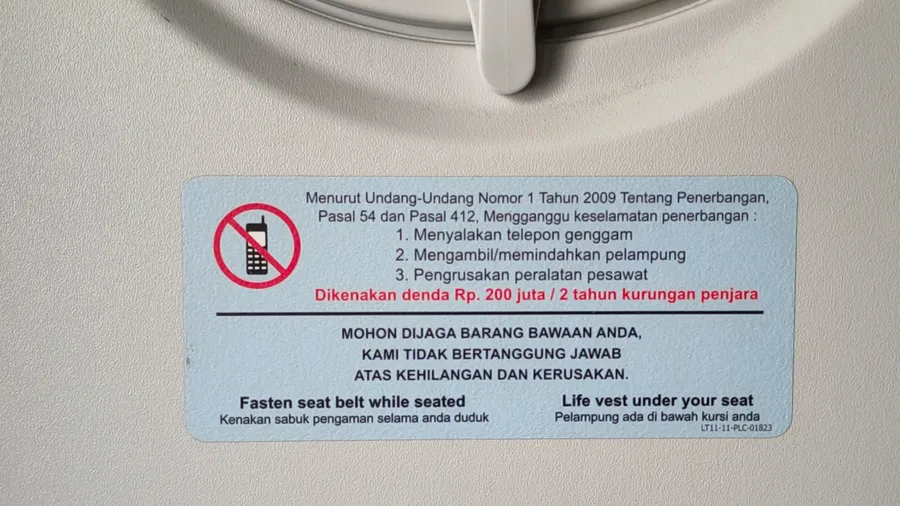
Airlines regulate lithium batteries due to safety considerations during flights. The Federal Aviation Administration requires spare batteries to be carried in carry-on luggage. These rules apply across most U.S. and international carriers.
Travelers must follow guidelines when carrying power banks and spare batteries. Restrictions vary based on battery capacity and airline policies. Awareness of these rules helps avoid travel disruptions at airports.
Global travel tech reliance
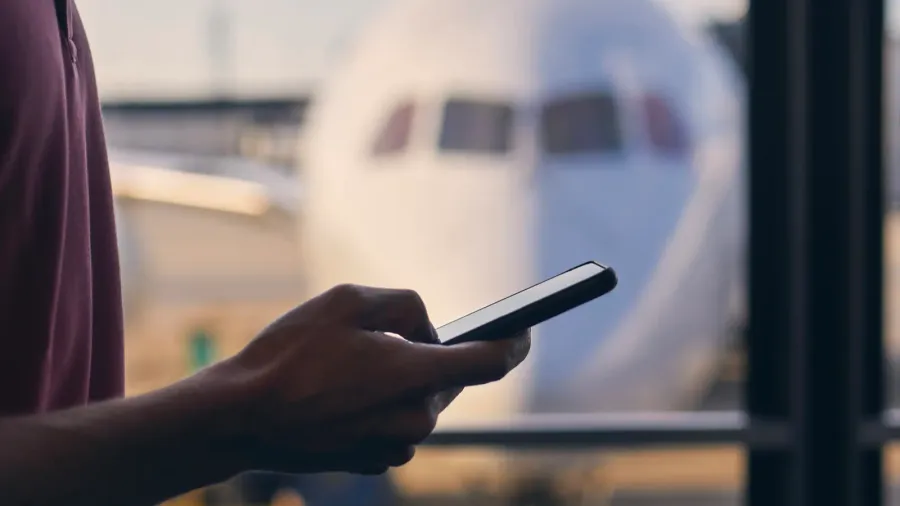
Travelers rely heavily on technology for booking, navigation, and communication. Smartphones have become essential tools across global destinations. Battery life directly affects how efficiently these tools function.
International visitors often depend on smartphones for navigation, reservations, translation, and communication throughout their trips. Extended battery performance supports seamless travel experiences in these environments. Technology continues to shape modern tourism behavior.

Sustainability and battery innovation
Battery innovation also focuses on sustainability and environmental impact. Researchers are working to reduce reliance on rare materials and improve recycling processes. This aligns with global sustainability goals.
Improved battery efficiency reduces energy consumption over time. Longer-lasting devices mean fewer replacements and less electronic waste. These changes support more sustainable travel practices.
Future battery innovations ahead
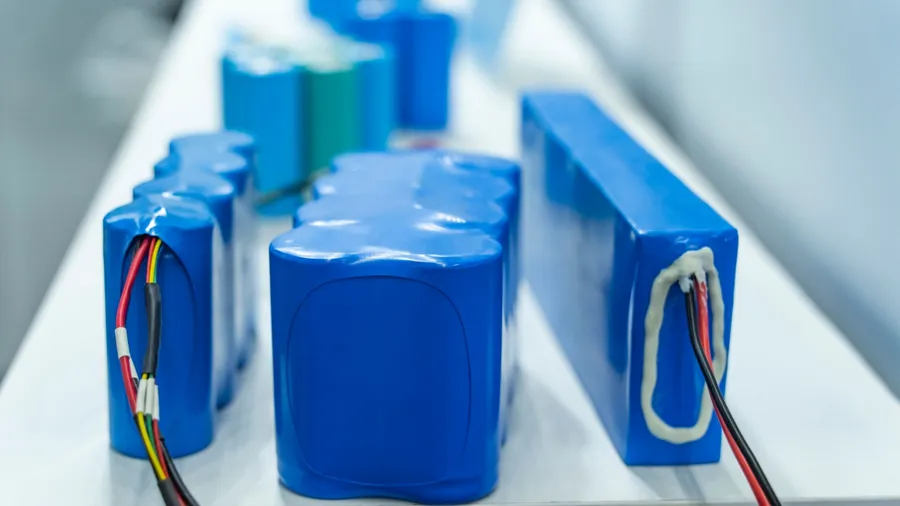
Future battery developments aim to further increase energy density and reduce charging times. Solid-state batteries are being explored as a next step in battery evolution. These technologies could significantly enhance travel convenience, alongside new tech gadgets launching this spring to improve travel convenience.
Faster charging and longer-lasting batteries will support even more connected travel experiences. Devices may operate for days without needing a recharge. This would transform how travelers use technology globally.
Smarter travel with technology
Battery innovation is reshaping how travelers interact with technology during trips. Longer-lasting devices improve convenience, reliability, and overall travel experience. These changes are especially important for frequent travelers.
The best trips combine efficiency and ease through smart use of technology. Battery improvements are making travel more seamless across destinations worldwide.
Read More From This Brand: