
Escalating conflict lifts risk sentiment
Oil markets saw sharp movements in early March 2026 as the United States and Israel expanded military action against Iran. Geopolitical risk around the Strait of Hormuz, a key route for global oil flows, pushed crude benchmarks higher. Even as traders priced in conflict risk, price changes showed mixed reactions based on emerging news about supplies and diplomacy.
Oil benchmarks such as Brent and West Texas Intermediate rose multiple sessions amid widening hostilities in the region. Supply fears prompted price spikes not seen since earlier crises. But markets have also pulled back at times when investors saw signs of possible diplomatic engagement.
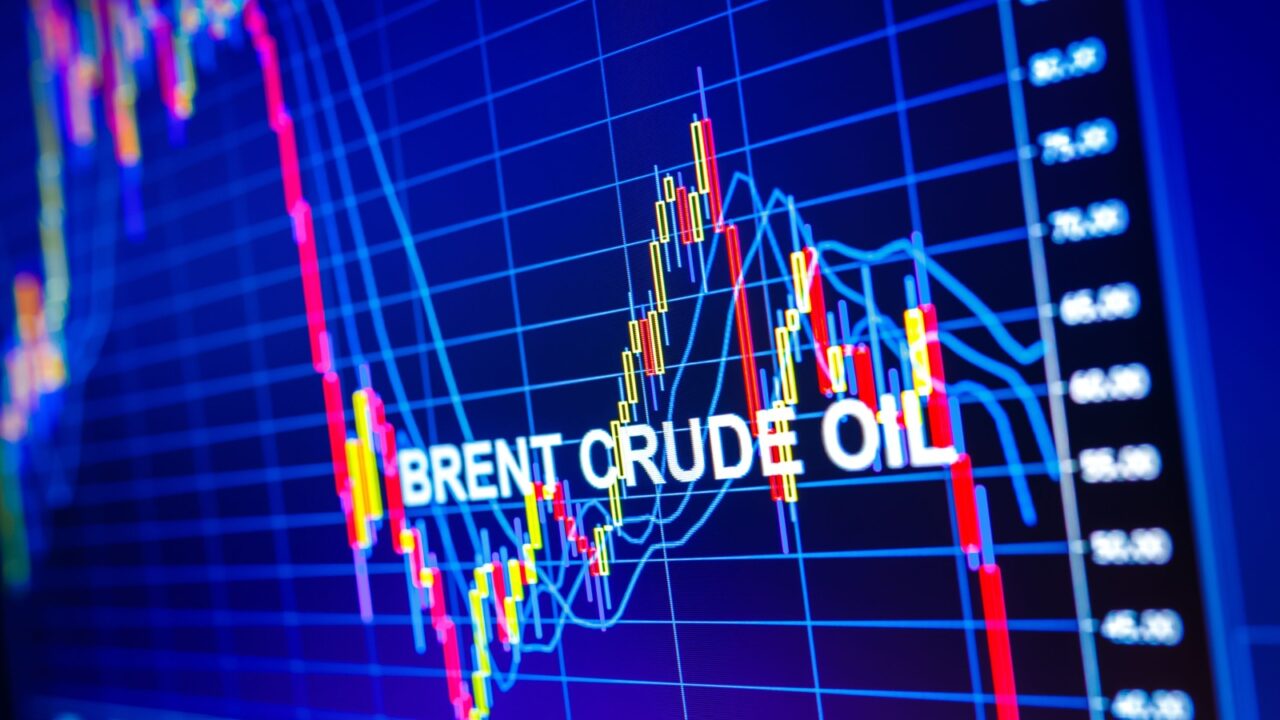
Brent briefly climbs
Brent crude rose into the low-$80s on March 3–4, 2026 and later climbed sharply into the $90s–$100+ range as the conflict intensified; U.S. WTI likewise moved from the mid-$70s into the $80–100+ range over the same period, reflecting rapid reassessments of supply risk. These levels marked some of the strongest rallies since mid 2025 as traders priced in heightened conflict risk.
The rise followed a series of strikes and counter-strikes around late February and early March 2026 that disrupted Gulf shipping and hit regional energy infrastructure, prompting tanker route uncertainty through the Strait of Hormuz. Travel routes for tankers through the Strait of Hormuz faced uncertainty. This narrow waterway carries a significant portion of the world’s oil exports, creating swift market reactions to disruptions.
Prices slip on diplomatic reports
Oil prices slipped later in the week after reports surfaced that Iranian operatives signaled openness to talks with U.S. officials to end the conflict. Brent crude fell about 0.6 percent after hitting earlier highs, reflecting how news on diplomacy can change market sentiment quickly. West Texas Intermediate saw similar pullbacks as risk premiums eased.
This response showed that traders balance geopolitical fear with supply fundamentals. Optimism about negotiations or reduced hostilities can reduce risk premiums embedded in crude. Diplomatic developments play a major role in short‑term pricing volatility for oil.
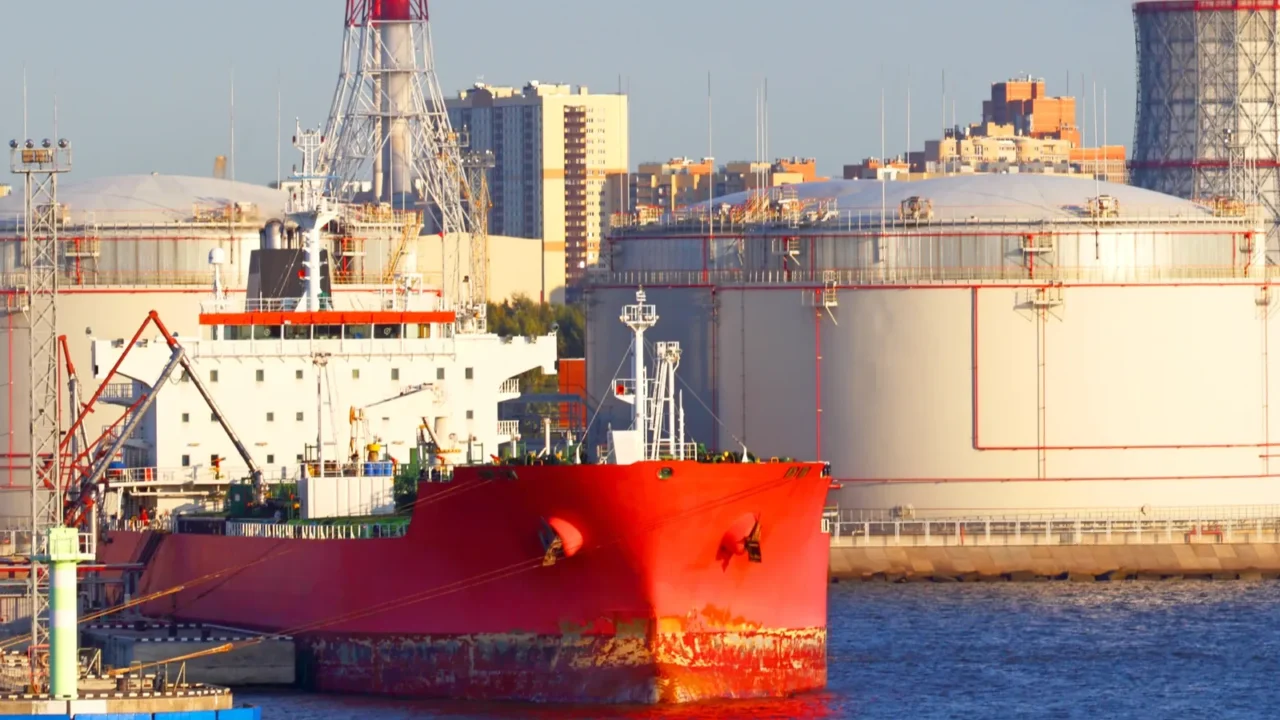
Strait of Hormuz remains central
The Strait of Hormuz continues to dominate energy market focus because roughly a fifth of global seaborne crude and natural gas flows through this narrow waterway. Conflicts that threaten shipping through this route immediately affect prices and risk assessments. Any sustained disruption here could tighten global supplies substantially.
Shipping insurers and tanker companies have heightened caution in transit patterns. Some vessels avoid approaching traditional routes to mitigate risk. These factors add complexity to oil logistics and pricing beyond crude benchmarks alone.
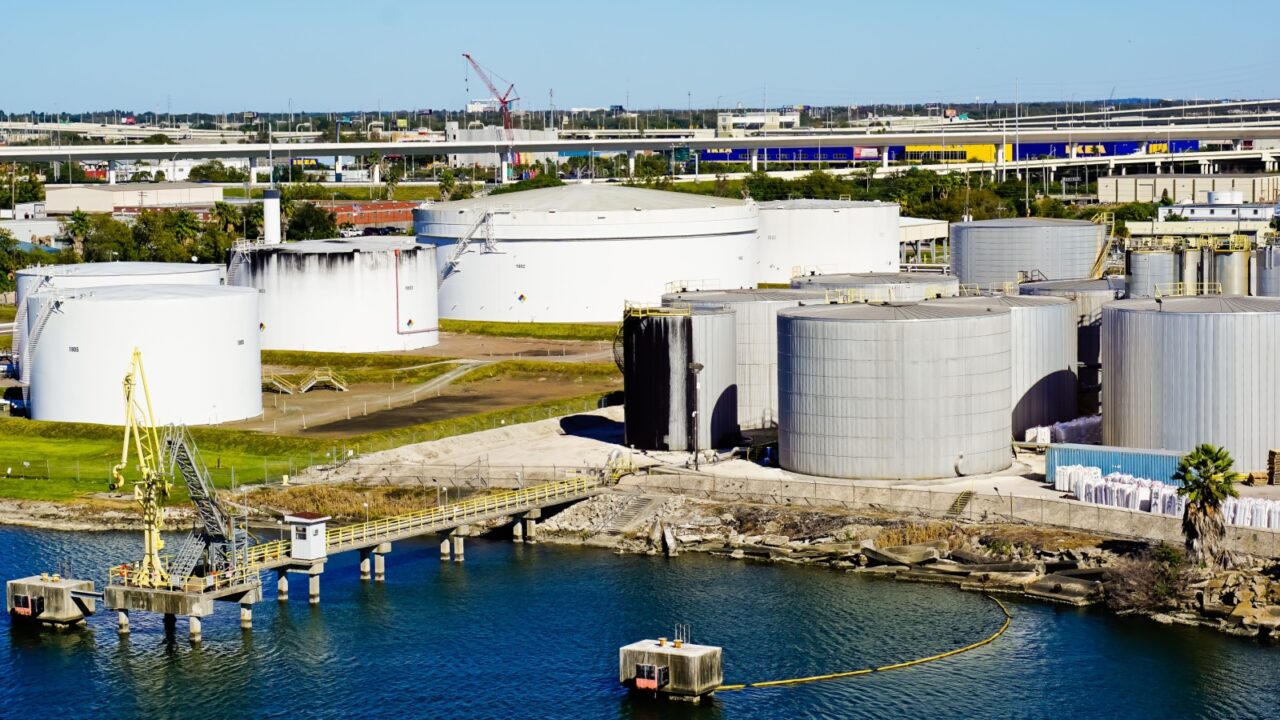
Supply signals counter risk premiums
Even amid geopolitical tension, strong supply signals provided by inventory builds have limited how high oil prices climb. Reuters reported that U.S. crude inventories rose more than analysts expected in recent data. When stockpiles expand, markets tend to soften extreme reactions to supply fears.
Higher inventories reduce immediate concerns about sudden shortages. Traders adjust their positions when supply data weakens outright risk arguments. This push and pull between supply fundamentals and geopolitical risk defines recent price dynamics.
Traders balance news and pricing
Oil traders often respond quickly to both developments in conflict and supply fundamentals. Brent crude temporarily surged nearly 13 percent above $82 per barrel after initial escalations in early March, only to pare gains as markets reassessed risk expectations and diplomatic signals. These rapid swings highlight how sentiment matters nearly as much as physical supplies in short‑term price moves.
Risk premiums embedded in oil futures can expand with each new headline. But when markets see potential for talks or easing tensions, those premiums retract. This tug‑of‑war keeps trading volatility.
Risk premium shifts pricing
Analysts cited by investors note that global oil markets priced in an $18 per barrel geopolitical risk premium early in March due to conflict and Strait of Hormuz uncertainty, which later eased as reports of possible diplomacy emerged. These ‘premiums’ represent extra costs traders assign for potential supply disruption, not actual physical shortages. When the outlook shifts even slightly, that premium can drop, pulling prices lower.
Oil price risk premiums move in response to headlines. Elevated tensions raise them sharply, while hopes of negotiations reduce them. This dynamic explains how oil can both rise and slip amid the same conflict backdrop.

Wider market reactions emerge
The broader financial markets have reacted to oil price volatility driven by the conflict. U.S. and Asian stock indices showed swings as investors balanced energy price impacts against growth and inflation expectations. Geopolitical uncertainty has also influenced currency markets and bonds.
In some sessions, equities rose despite higher oil, indicating that stocks can decouple from commodities under certain conditions. Investors are weighing inflation, growth prospects, and conflict risk simultaneously. This interplay shapes broader asset performance in 2026.
Refined fuel prices diverge
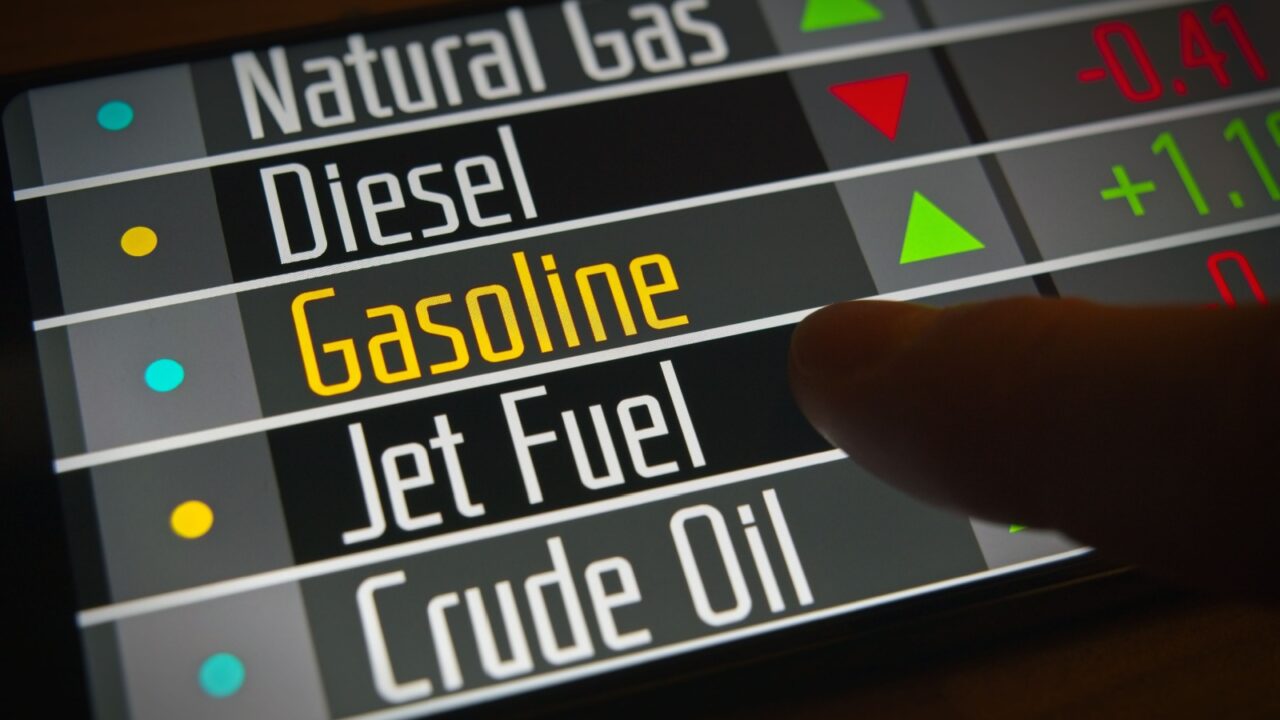
While crude benchmarks slip or rise, refined products like diesel and jet fuel have continued climbing due to regional supply stress and refinery outages in the Middle East. As of early March, benchmark European jet fuel prices reached multi-year highs amid regional shipping disruptions and refinery outages, tightening product markets even where crude temporarily pulled back. This divergence shows how refined markets can react differently from crude benchmarks.
Airlines face higher input costs as jet fuel rises. Even if crude prices pull back temporarily, refined fuel pressures can squeeze carriers’ margins. These shifts influence travel costs worldwide.
Regional output changes matter
Iraqi oil officials told Reuters in early March that Iraq had cut output by roughly 1.5 million barrels per day because of storage and export disruptions stemming from the crisis. Reduced output influences overall supply balance and keeps markets cautious. These cuts suggest physical supply constraints beyond trader sentiment.
Other producers also face logistical challenges. Some facilities halted exports temporarily amid security concerns. This continues to shape supply risk assessments globally.

Inflation and economic feedbacks
Higher energy prices driven by conflict risk can feed directly into inflation. Central banks may respond cautiously when energy costs rise sharply. For investors, this dynamic influences decisions about stocks, bonds, and commodities.
Consumers can also feel the impacts through higher gasoline and heating costs, which can reduce discretionary spending and influence travel behavior. As a result, analysts note that while business travel is bouncing back in 2026, companies are approaching trips more strategically, often combining multiple meetings into single journeys to manage rising operational costs. These feedback effects underscore why oil markets matter beyond crude itself.
Oil pricing going forward
Oil markets in 2026 will likely remain sensitive to conflict and supply signals. Both geopolitical tensions and fundamental supply data influence price action day to day.
As traders balance diplomatic developments with demand forecasts and inventory levels, which pressure seems most likely to set oil prices next? Share insights below.
This slideshow was made with AI assistance and human editing.
Don’t forget to follow us for more exclusive content right here on MSN.
Read More From This Brand:
