
America’s traffic nightmare starts here
If your daily commute feels endless, you might want to look toward Chicago. According to a new national traffic study, Chicago now holds the unwanted title of the worst traffic city in the United States. Drivers there lose more time sitting in gridlock than anywhere else in the country.
Rush hour backups, slow-moving highways, and downtown bottlenecks have turned everyday commutes into major time drains. Whether it’s early mornings or late afternoons, traffic delays are a constant reality. For Chicago drivers, congestion isn’t an occasional hassle. It’s a daily routine that costs real hours and real money.
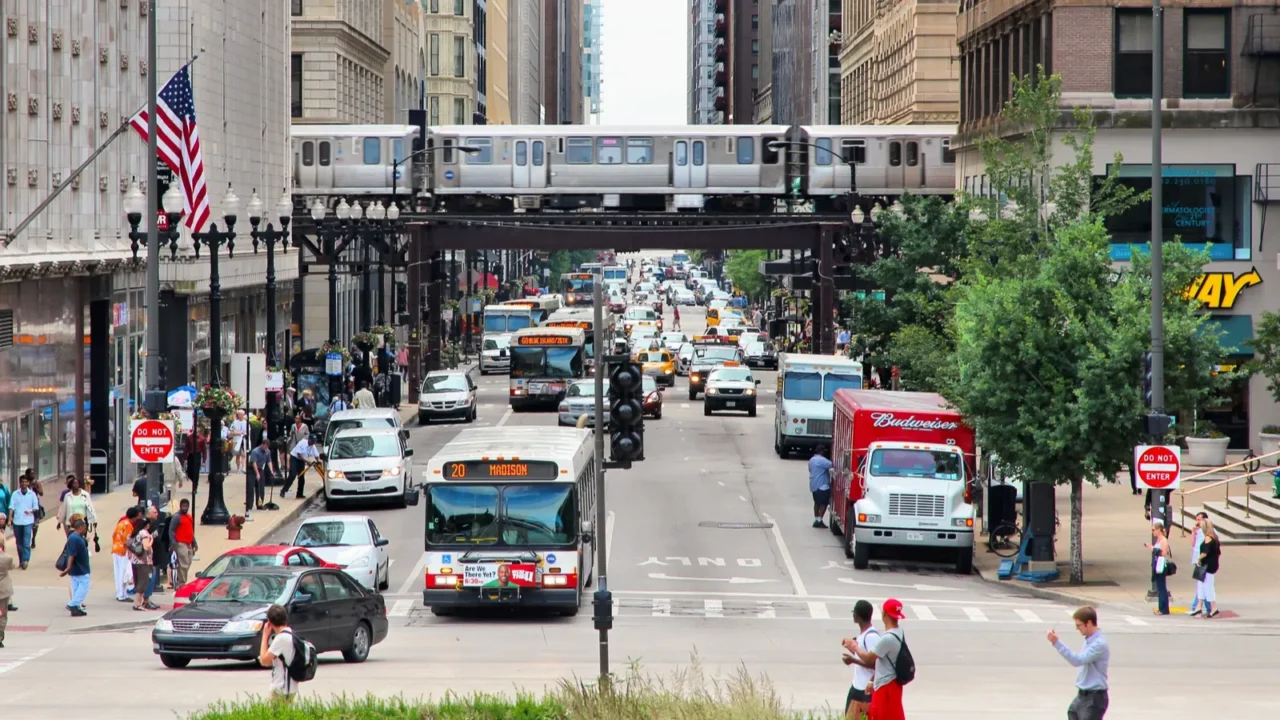
Chicago tops the list for lost time
A new report from traffic data firm INRIX confirms what many commuters already know: Chicago traffic is officially the worst in America. In 2025, Chicago drivers wasted more hours in congestion than drivers in any other U.S. city.
Even more surprisingly, Chicago didn’t just rank first nationally. It also placed third worst in the entire world, behind only Istanbul. That puts it ahead of famously congested cities like New York, London, and Paris. For a Midwest metro, that’s a staggering distinction and a clear sign that traffic problems here have reached a breaking point.
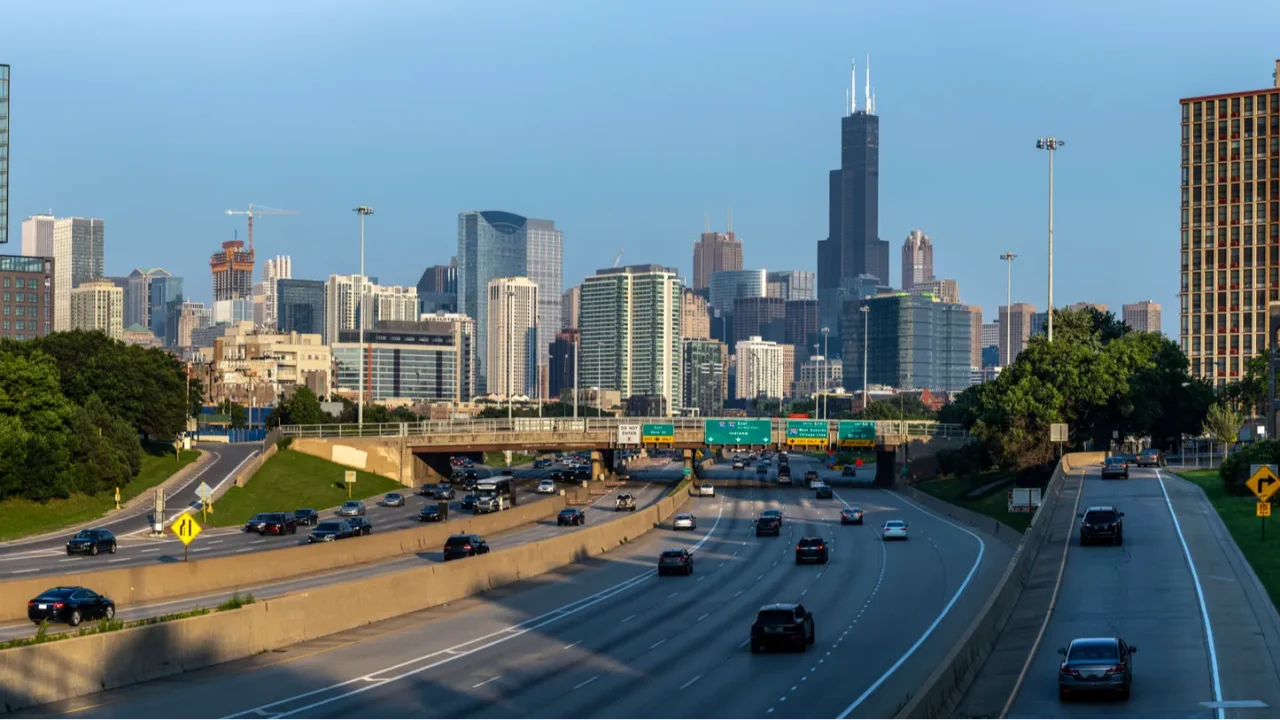
Why Chicago traffic keeps getting worse
Chicago’s traffic problems didn’t appear overnight. The city sits at the center of major national freight routes, meaning local commuters share roads with constant truck traffic. Add in a dense downtown core and aging expressways, and backups become unavoidable.
As more people return to driving after remote work declines, demand is outpacing road capacity. Simply put, too many vehicles are trying to move through the same limited space at the same time. That imbalance is a big reason congestion continues to climb.
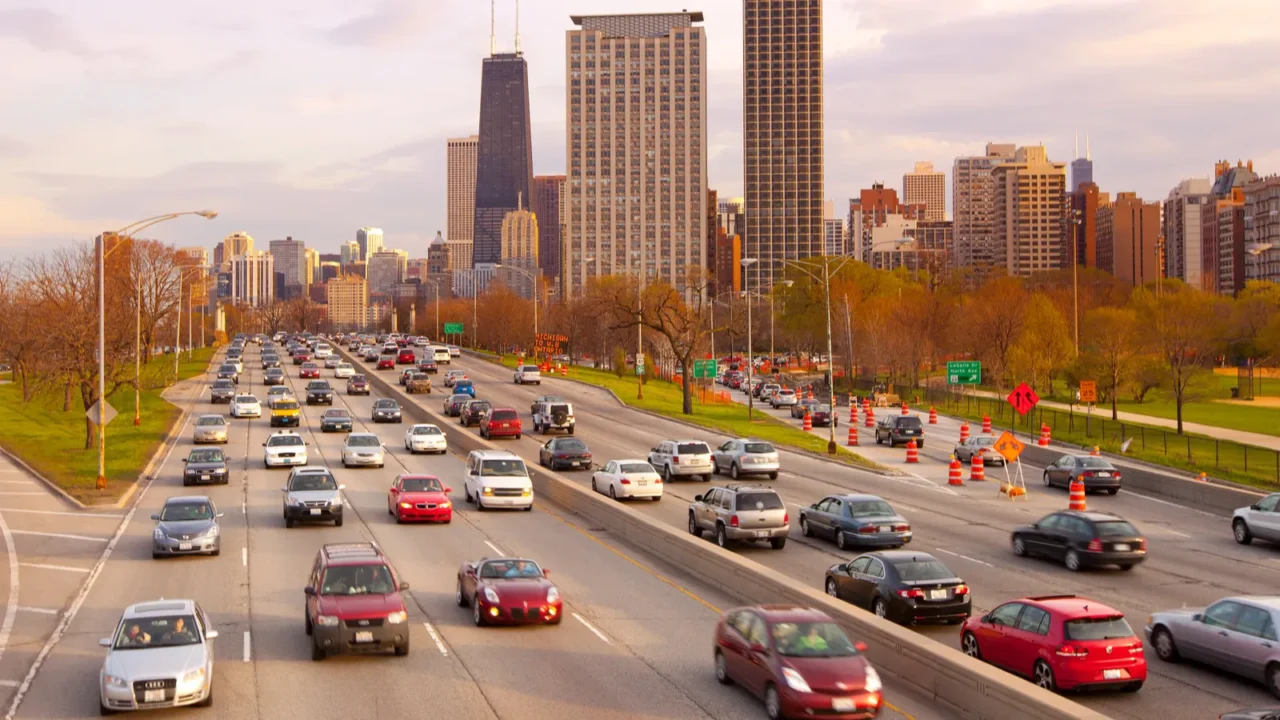
Chicago’s daily rush hour reality
In Chicago, rush hour isn’t just an hour. Morning congestion often stretches well past 9 a.m., while evening traffic starts earlier than expected. Expressways like the Kennedy and Eisenhower slow to a crawl.
Surface streets don’t offer much relief either. Traffic lights, pedestrian crossings, and delivery vehicles all contribute to downtown slowdowns. For many drivers, planning around traffic feels impossible because congestion now lasts most of the day.
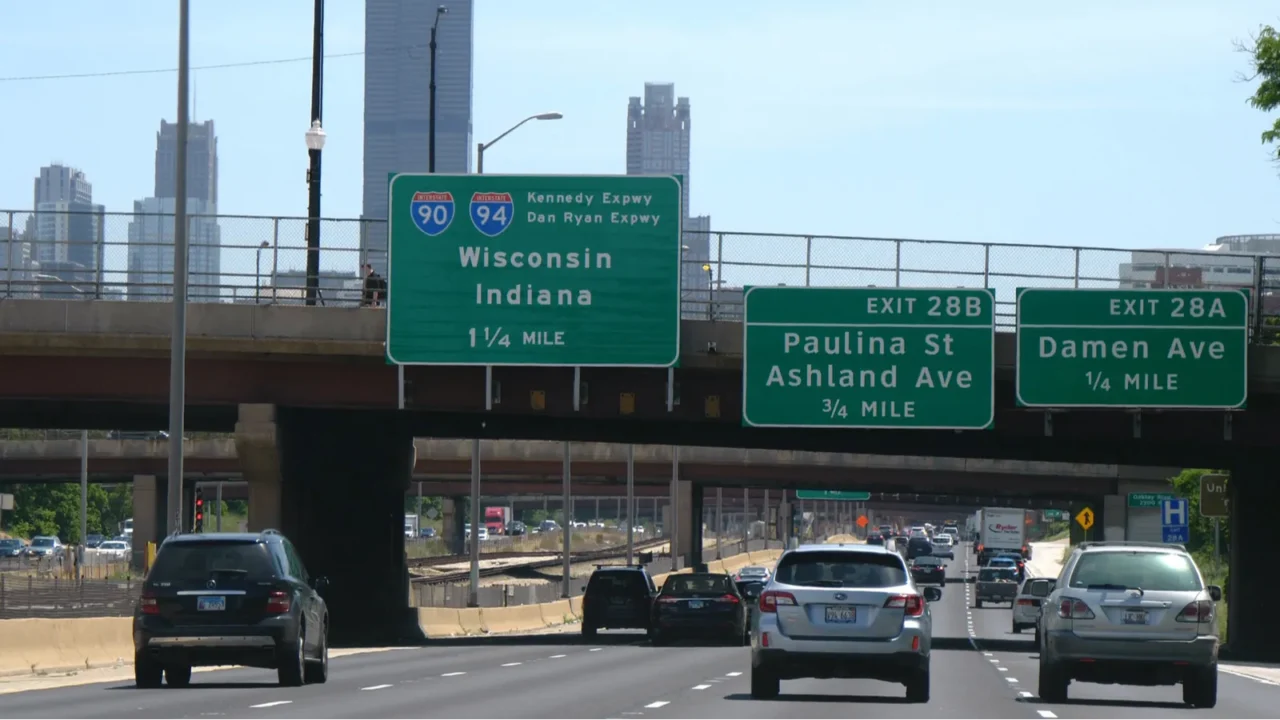
The last mile hurts Chicago drivers most
One of Chicago’s biggest traffic pain points is the final mile of a commute. Even after surviving the highway, drivers face heavy downtown congestion near offices and transit hubs.
INRIX data shows last-mile speeds are among the slowest in the country. Short distances take far longer than expected. For commuters, that final stretch often feels more exhausting than the rest of the drive combined.
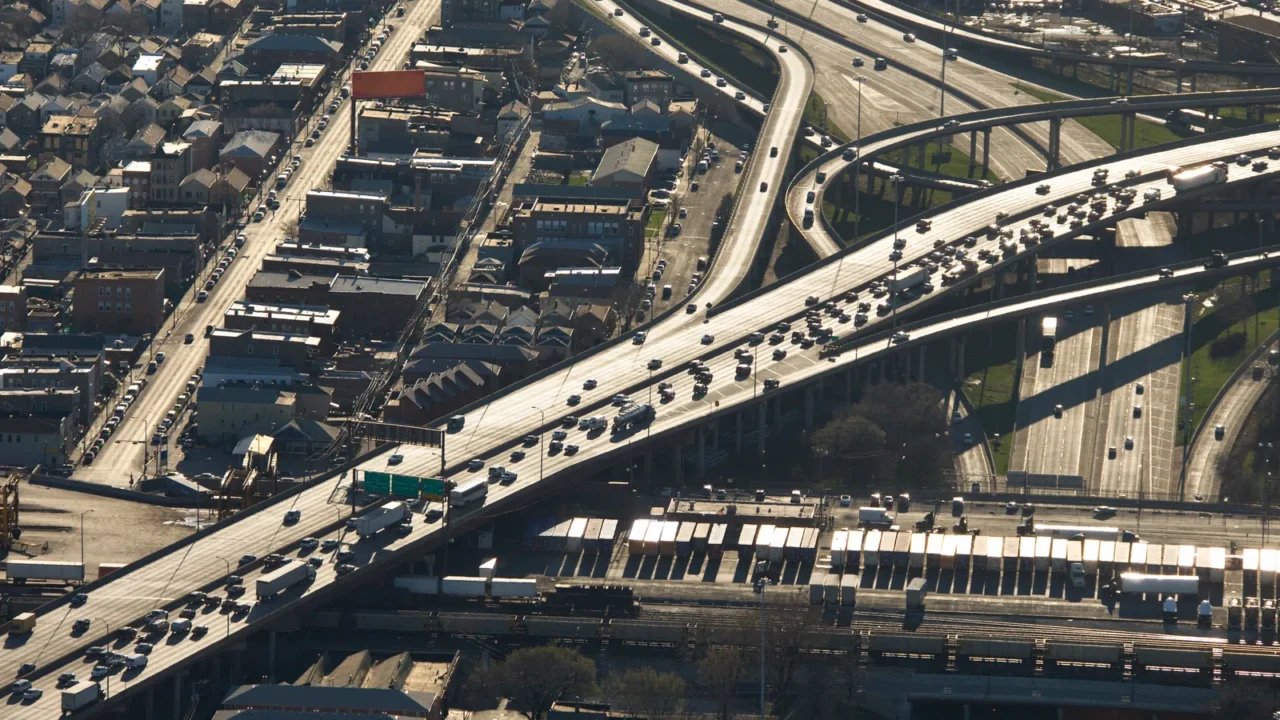
Chicago highways under constant strain
Chicago’s highway system carries both local and national traffic. Routes like I-90, I-94, and I-55 serve commuters, freight trucks, and travelers passing through the Midwest.
This constant demand leaves little room for error. A single crash or lane closure can trigger miles-long backups. Because these highways are so critical, congestion spreads quickly and lingers longer than in many other cities.
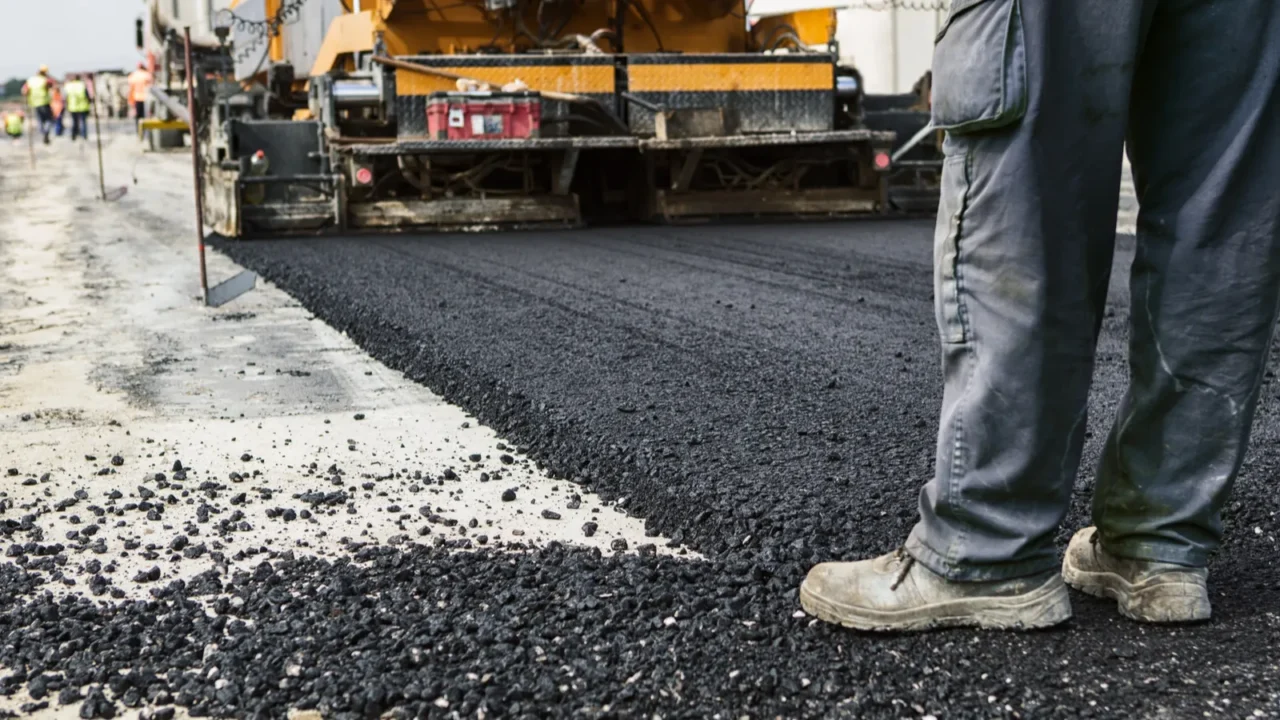
Construction makes congestion unavoidable
Ongoing construction is another major factor worsening Chicago traffic. Aging bridges, expressway repairs, and lane reductions are necessary, but they also slow everything down.
Drivers often encounter sudden merges or reduced lanes during peak hours. Even when construction zones are brief, the resulting backups can stretch for miles. For commuters, it feels like roadwork season never ends.
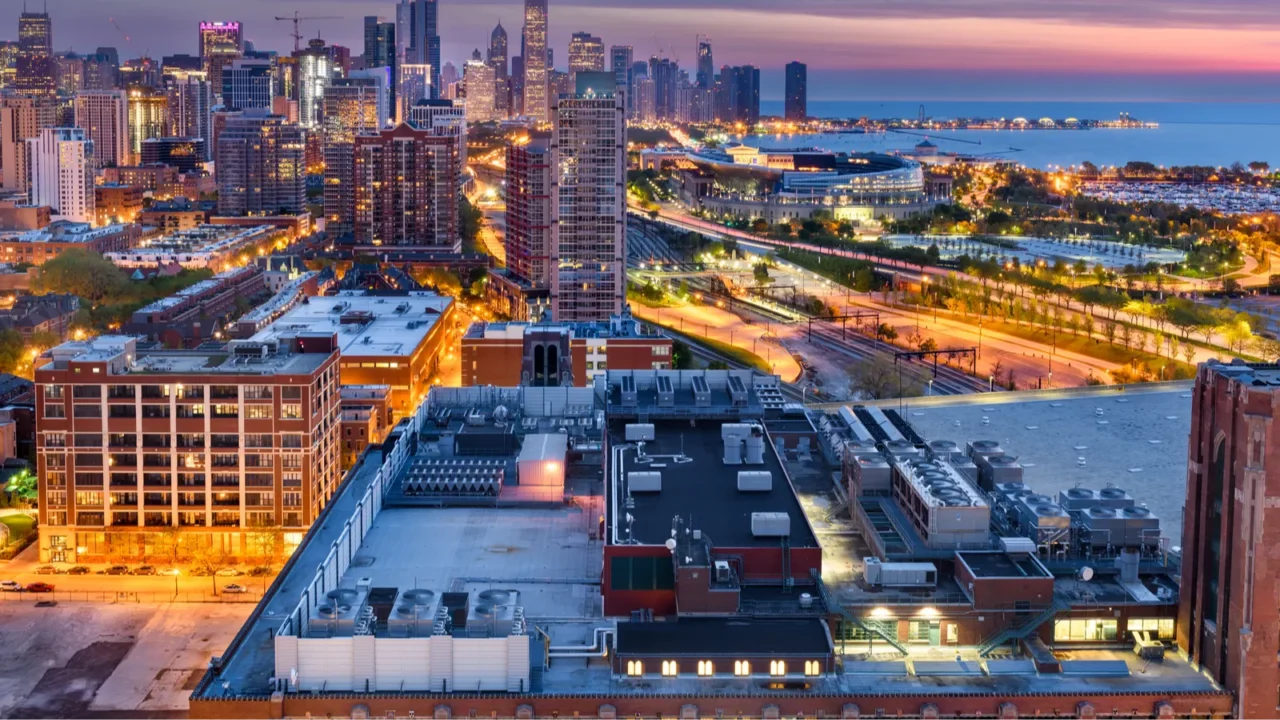
Downtown Chicago draws nonstop traffic
Chicago’s downtown remains a major employment and tourism hub. Office workers, delivery vehicles, rideshares, and visitors all converge on the same streets daily.
This concentration of activity overwhelms road capacity, especially during business hours. Even small increases in traffic volume can lead to gridlock. Downtown congestion plays a major role in pushing Chicago to the top of the rankings.

Rideshares add to Chicago congestion
Rideshare services are popular in Chicago, especially downtown. While convenient, they also increase vehicle volume, with drivers circling blocks while waiting for pickups.
The city has added surcharges on rideshares entering the downtown area to help manage traffic. Still, frequent stopping and curbside pickups slow traffic flow and add to congestion during busy periods.
Without major changes, Chicago’s congestion is unlikely to ease soon. Continued population movement, car reliance, and infrastructure strain point toward more delays ahead.
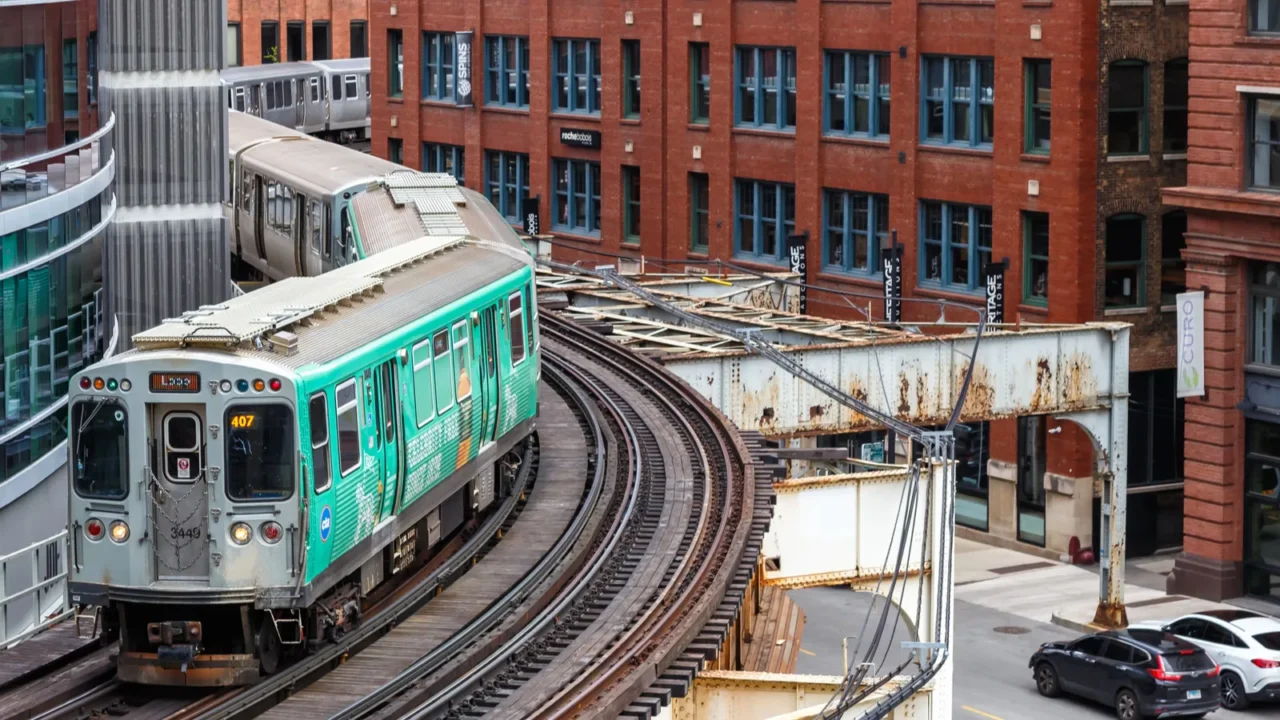
Fewer transit riders, more cars
Public transit use in Chicago remains below pre-2019 levels. When fewer people take trains and buses, more turn to driving instead.
That shift puts additional strain on already busy roads. Even small drops in transit ridership can translate into thousands of extra cars on Chicago streets every day, worsening congestion across the entire system.
Being placed alongside cities known for extreme gridlock highlights how severe the issue has become. For a U.S. city outside the coasts, that ranking surprises many and raises concerns about future mobility.

Chicago’s economy feels the impact
Congestion slows more than just commuters. Businesses in Chicago are affected when deliveries arrive late or employees lose productivity to traffic.
Missed time adds up across thousands of workers. When delays become routine, they quietly drain the local economy. That’s why traffic congestion is increasingly viewed as an economic issue, not just a transportation one.
City leaders are exploring long-term solutions, but progress takes time. For now, Chicago drivers should expect traffic to remain a defining part of daily life in the nation’s most congested city.

Turning delays into dollar costs
Time stuck in traffic isn’t just frustrating, it has a measurable price. To calculate economic losses, INRIX uses hourly values set by the U.S. Federal Highway Administration. These values estimate what an hour of a driver’s time is worth.
When delays pile up across thousands of commuters, the financial impact becomes massive. Lost productivity, missed work time, and extra fuel use all factor in. That’s how congestion shifts from a personal nuisance to a citywide economic burden.
Think airport delays are easier than gridlocked highways? These 10 U.S. airports may quickly change your mind.

How traffic rankings are measured
So how do researchers decide which cities suffer the worst traffic? INRIX doesn’t rely on opinions or surveys. It tracks real driving behavior using anonymous GPS data collected from cars, mobile devices, and commercial fleets.
The company studies how long trips take during congestion compared to free-flow traffic. By analyzing delays on the most commonly traveled routes, they get a clear picture of everyday commuting pain.
Chicago’s congestion can wear anyone down. That’s why Illinois’ small towns are becoming the go-to choice for a peaceful winter holiday.
If you’ve driven in Chicago and another big city, which felt worse and why? We want to hear real commuter stories.
This slideshow was made with AI assistance and human editing.
Don’t forget to follow us for more exclusive content right here on MSN.
Read More From This Brand:
