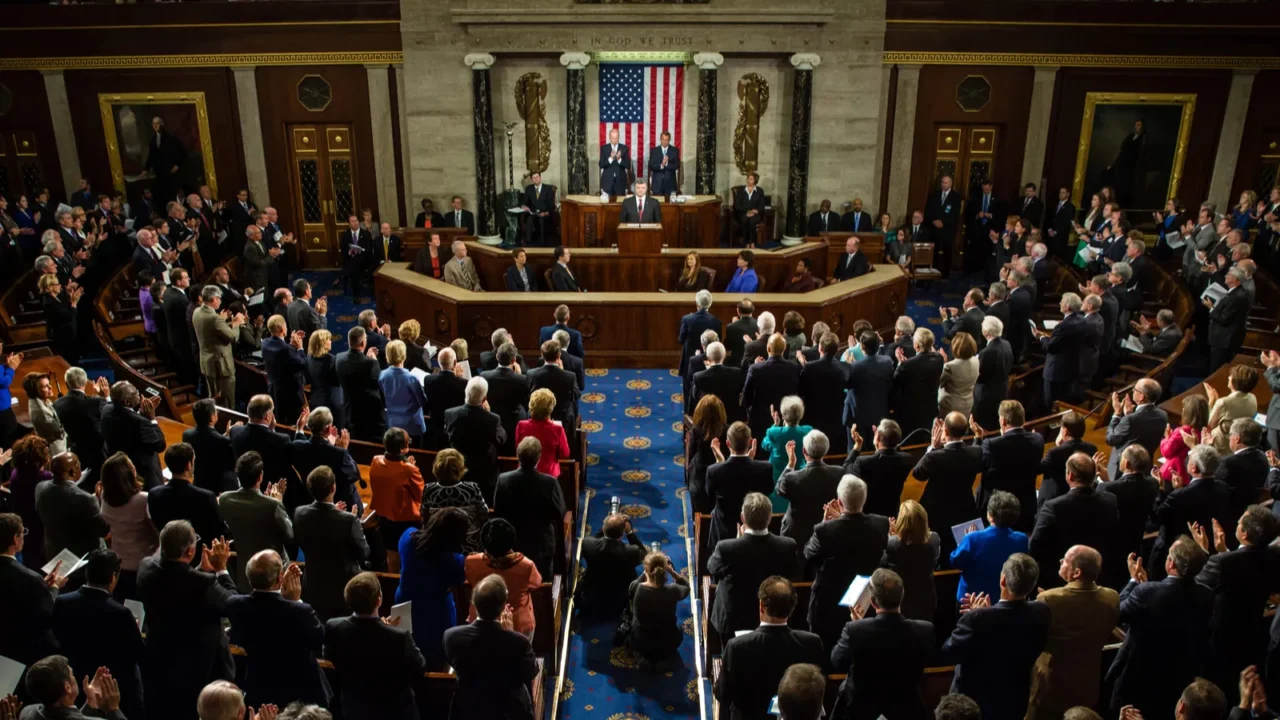
United States budget talks stall
Congress has been locked in a prolonged fight over Department of Homeland Security funding, and that standoff has spilled into airport operations and travel planning. The dispute has kept shutdown concerns in focus even as lawmakers continue trying to finalize a longer-term fix. These talks affect many agencies that support travel infrastructure and consumer confidence. Continued uncertainty around spending has lifted flags across multiple sectors, including travel.
Lawmakers have clashed most visibly over homeland security funding, with the Department of Homeland Security at the center of the latest impasse. Because TSA falls under DHS, the fight has had unusually direct consequences for air travel.
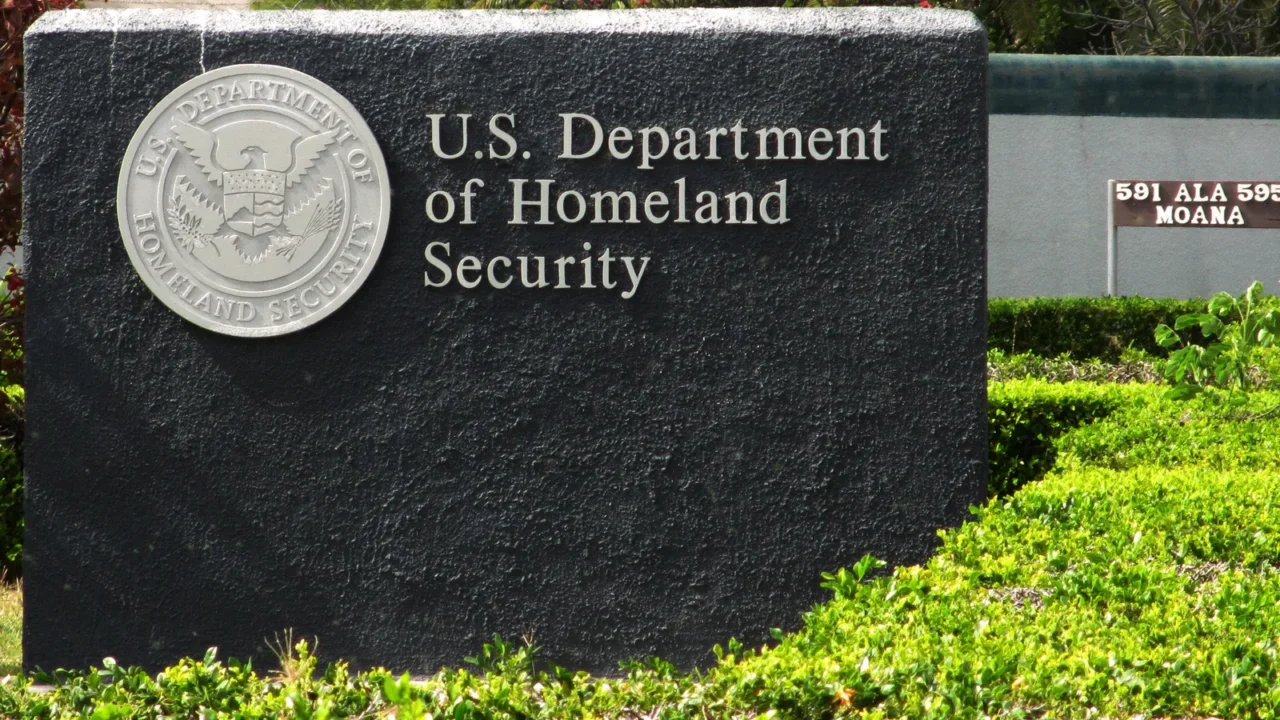
Partial shutdown threat grows
The current standoff has already triggered a partial shutdown centered on the Department of Homeland Security. Key departments, including Homeland Security, have faced funding lapses that affect operations at airports and other travel hubs. Transportation Security Administration workers have been forced to work without pay while talks continue.
Airlines and travel organizations warned that unresolved budget disputes could disrupt air travel service and spring break demand. Delays at checkpoints and longer wait times are among the immediate concerns cited. Momentum in travel bookings can slow when public sector uncertainty rises.
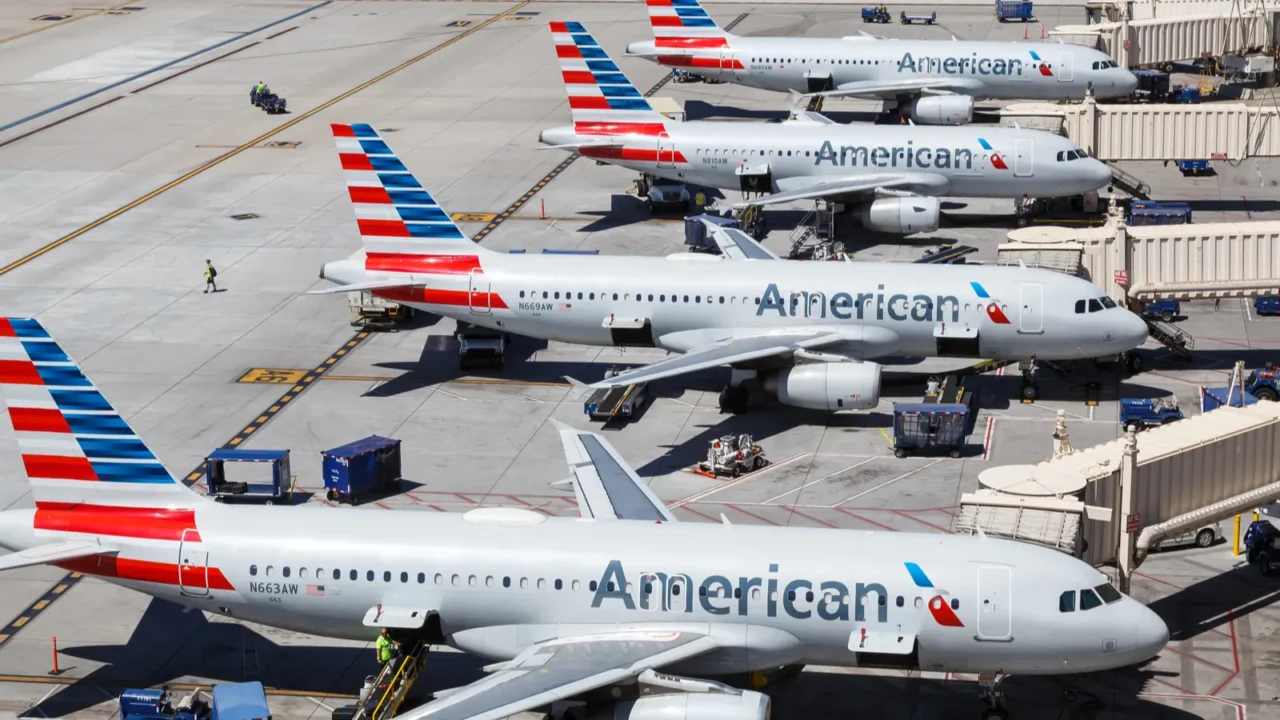
Airline groups raise alarm
Major airline and travel associations have publicly urged lawmakers to resolve budget differences before peak travel seasons. Airlines for America and the U.S. Travel Association highlighted risks of staff shortages and disruptions at security checkpoints. Those groups say uncertainty is already affecting ticket bookings and planning.
The groups warned that about 50,000 TSA airport security officers could continue working without pay if the shutdown dragged on. They said that kind of strain raises the risk of absenteeism, longer lines, and missed flights during peak travel periods. Such operational stress often dampens consumer travel intentions.
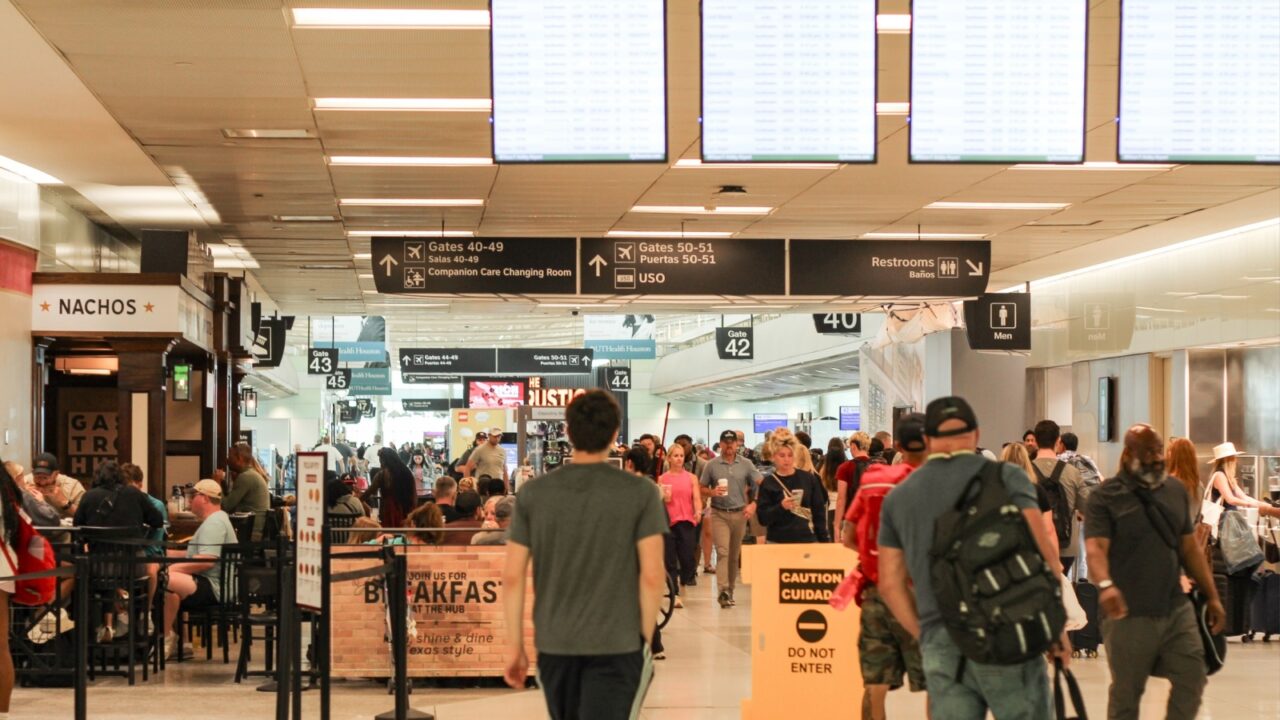
TSA wait times expand
Security lines at major U.S. airports have lengthened as budget talks grind on and staffing issues grow. Recent reports showed security waits stretching to roughly three hours at Houston Hobby, with some airports later reporting even longer delays as staffing shortages worsened. Those bottlenecks became a visible sign of how quickly funding disputes can spill into the traveler experience.
Longer wait times can ripple into flight delays and missed connections. Airlines often face higher costs when operational certainty declines. Travelers and travel retailers closely watch these trends for planning decisions.

National parks see closures
The government funding uncertainty has also hit public attractions that draw millions of visitors annually. During the 2025 federal shutdown, some national parks faced reduced services and facility closures, and Smithsonian museums in Washington were temporarily closed. Those past disruptions illustrate how funding lapses can quickly affect major visitor attractions and nearby tourism economies.
These outcomes curb local spending on lodging, dining, and retail. Hotels near closed attractions often see declines in occupancy and revenue. Event planners and tour operators adjust itineraries when public sites are unavailable.
Economic cost of shutdown
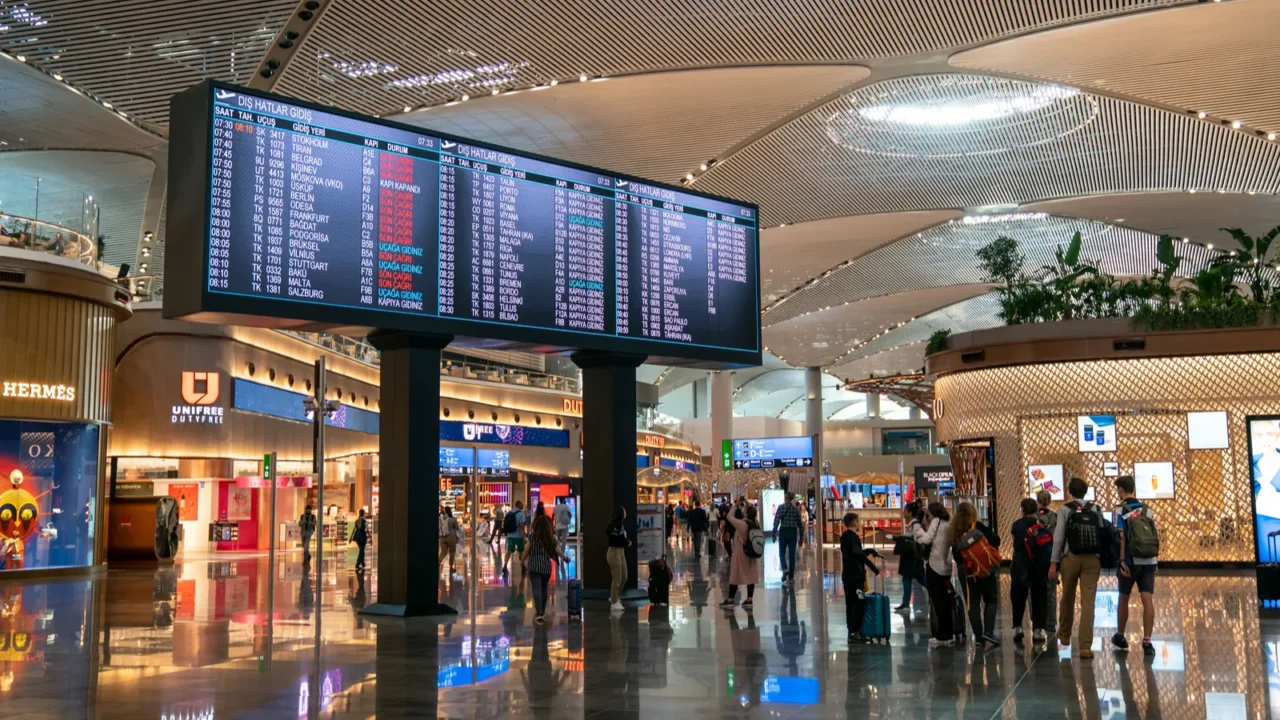
Staffing disruptions and closures do more than inconvenience travelers. Domestic travel spending fell sharply as operations slowed and visitor numbers dropped. Fact: The U.S. Travel Association said the 43-day federal shutdown in 2025 caused about $6.1 billion in total economic losses across travel and related sectors. That estimate has become a benchmark for how costly prolonged funding lapses can be for the broader visitor economy.
Major airports struggled with operational slowdowns tied to unpaid air traffic controllers and TSA personnel. Hotels, restaurants, and attractions felt the ripple effect in lower demand. Economic impacts often circulate through regional economies dependent on visitor dollars.
Broader consumer spending caution
Consumer spending can soften when political budget fights extend past deadlines. Economists pointed to this slowdown as part of broader economic hesitancy that includes travel demand.
Slower spending trends reflect caution among households weighed down by economic ambiguity. Travel costs often get cut first when budgets tighten. Analysts say persistent fiscal disputes can dent consumer confidence and willingness to book trips.
Hotel demand weakens modestly
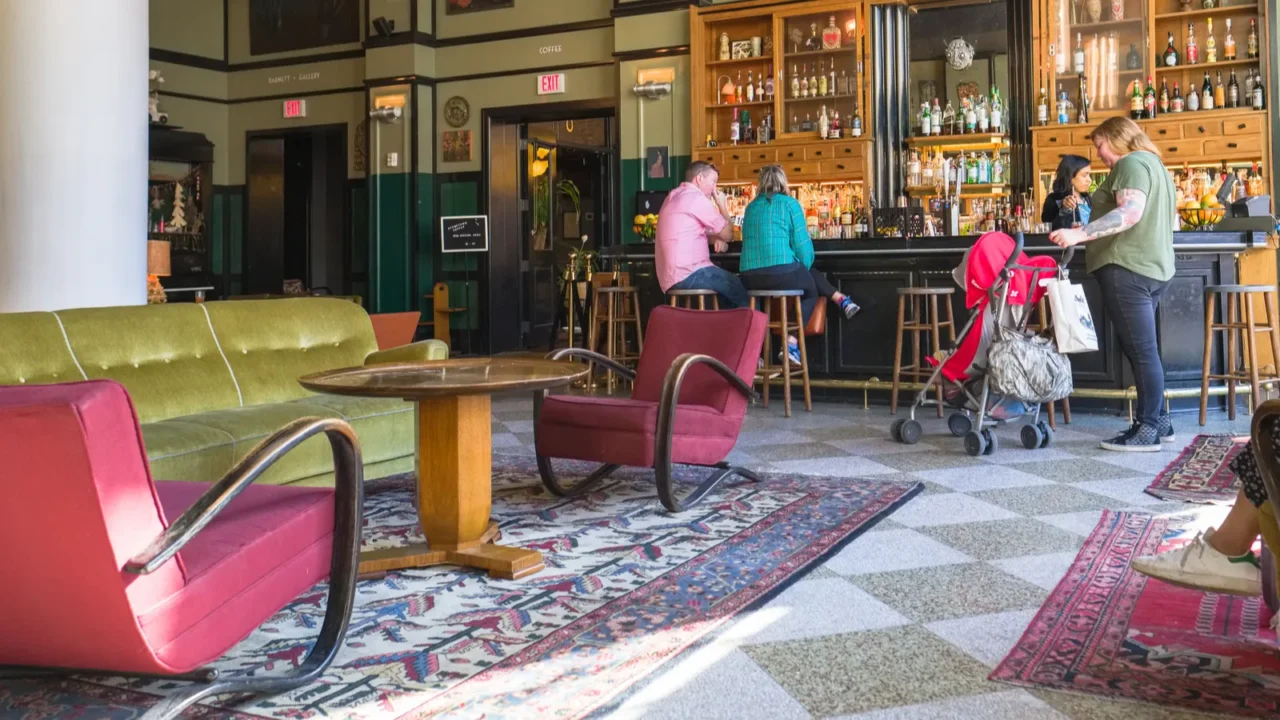
Major hospitality companies have revised forecasts in response to easing travel demand linked partly to economic uncertainty. Hilton said in early 2026 that room revenue growth could come in below expectations as budget-conscious travelers pulled back, even while premium travel remained more resilient. That split suggests travel demand is still holding up better at the high end than in value-focused segments.
Hotels in cities like New York, Orlando, and Las Vegas monitor booking trends for signs of a rebound. Tourism economists point out that uncertainty around job markets, inflation, and budget policy influences travel spending patterns. Lodging sectors often serve as early indicators of broader tourism health.

Corporate travel pausing plans
Uncertainty in federal spending is also affecting business travel decisions. Employers may delay conferences, site visits, and business trips until clarity emerges on economic policy and travel infrastructure stability. Delayed business travel can diminish spending in airline and hotel segments that rely on corporate demand.
Trade groups warn that business travel reduction could have lasting implications for airport revenue streams. Large conventions in cities like Chicago and Orlando assess attendee confidence as policy talks persist. Industry data show firms reevaluating discretionary travel budgets.
Spring break at risk
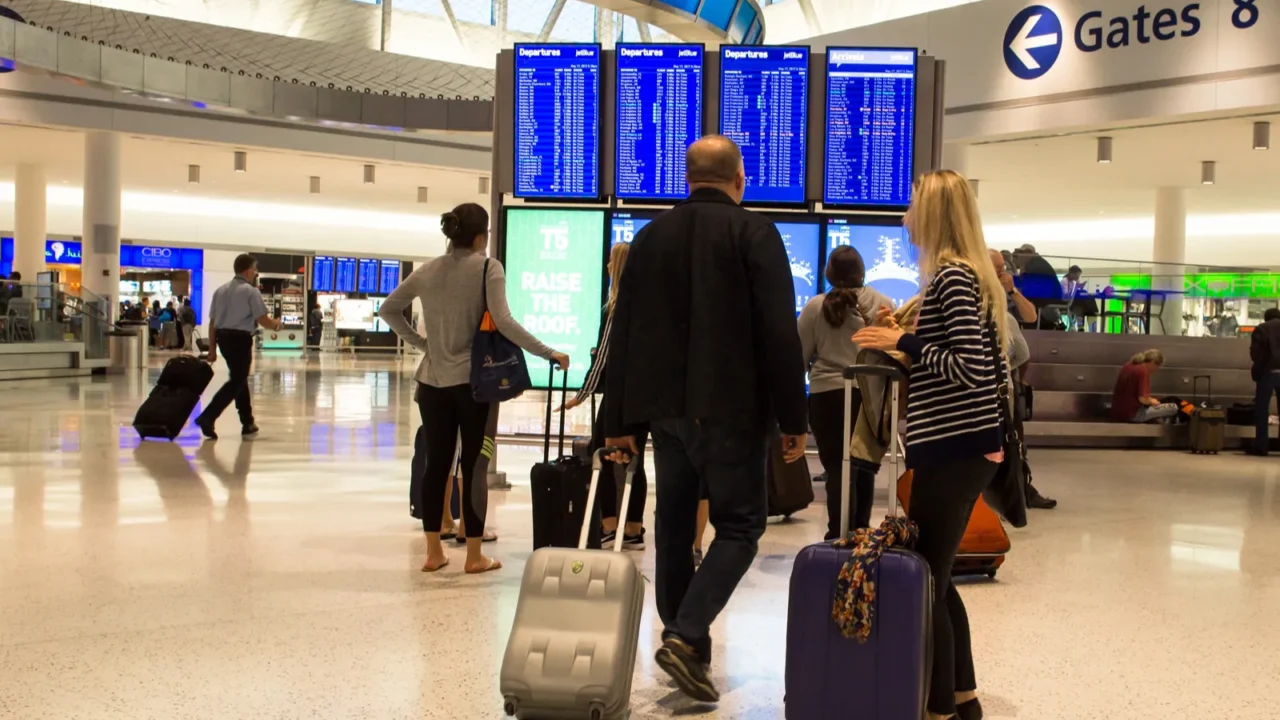
The partial shutdown threatens the U.S. spring break travel surge, an important spending period for airlines and hospitality firms. With millions expected to fly this season, unresolved budget talks raise questions about staffing reliability and service levels. Extended uncertainty can shorten booking windows and reduce demand.
Stakeholders emphasize the importance of stable funding for aviation security and border protection. Travelers departing from hubs like Miami, Los Angeles, and Dallas may face operational variability. The risk of missed flights and delays can influence travel choices.
Travel industry warns policymakers
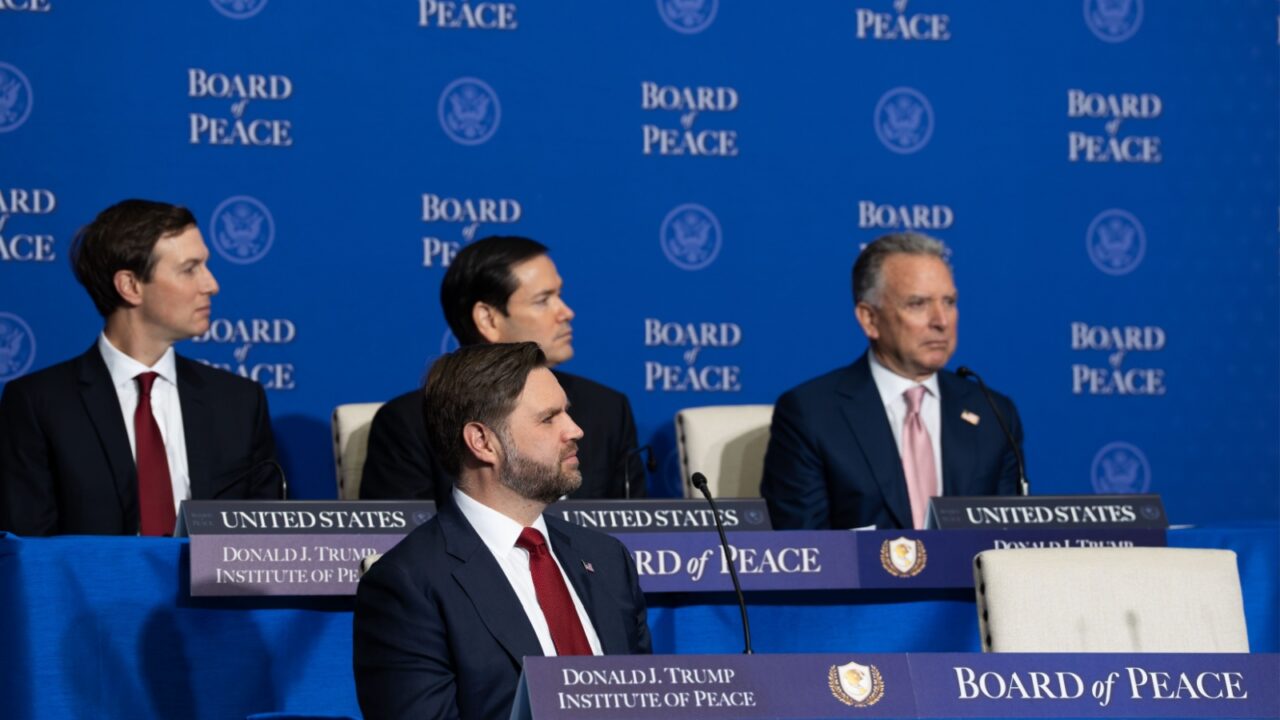
Industry leaders have openly called on lawmakers to reach agreements before the tourism seasons peak. U.S. Travel Association leaders stressed that essential staff shortages and operational disruptions hurt travel confidence. Many in the sector pointed out that slow budget talks can have a ripple effect on spending far beyond federal agencies.
The travel economy contributes billions to U.S. GDP each year. Government funding delays also suppress travel‑related business planning. A quick resolution is advocated by carriers, hoteliers, and tourism boards alike.
State and local impact
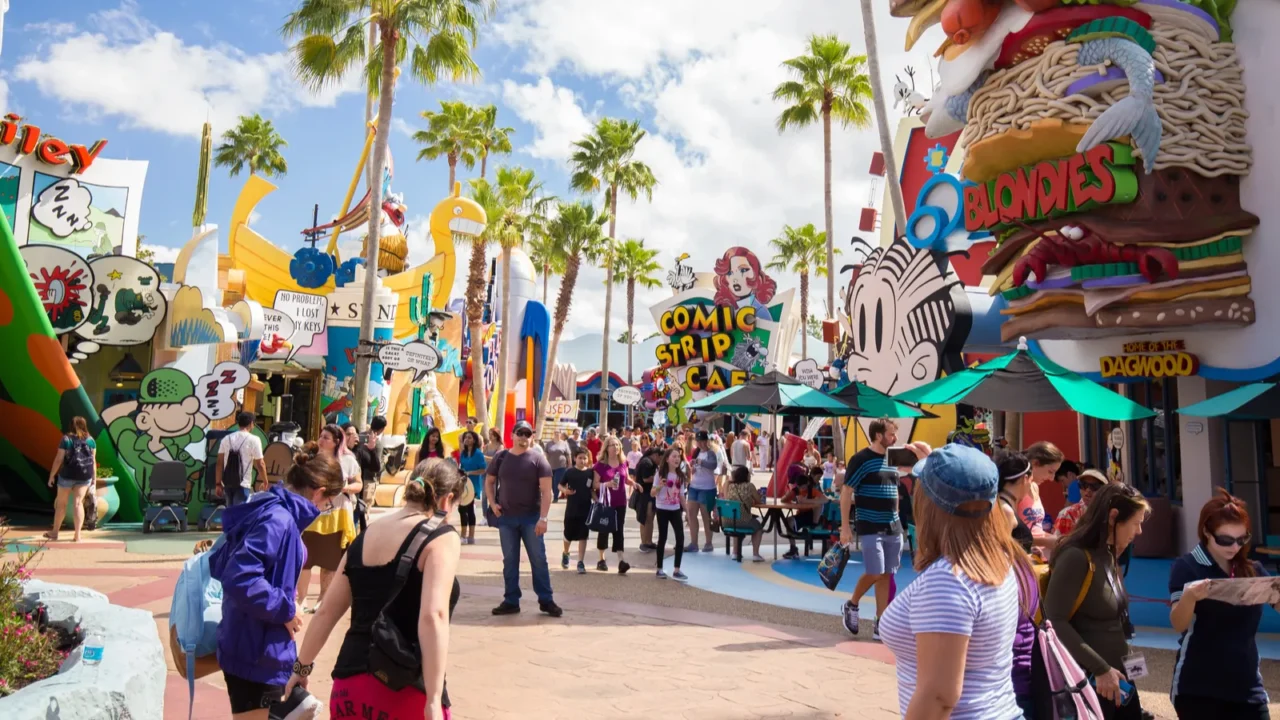
Municipalities heavily reliant on tourism revenues, such as New Orleans and Orlando, may feel the downstream effects of federal uncertainty. Lower visitor numbers often lead to reduced hotel occupancy and local tax revenue. California went from a $97B cushion to budget stress faster than anyone expected, highlighting how quickly fiscal conditions can shift.
Tourism economies often rebound when policy clarity returns. Local businesses associated with travel, dining, and entertainment wait for consistent demand signals. Economic forecasting models factor in fiscal stability as a key driver of future spending.
Travel hopes amid uncertainty
Budget talks and shutdown threats in Washington are creating real pressures for travel spending and consumer confidence. Airlines, hotels, and attractions continue to adapt while urging lawmakers to resolve funding gaps. The impact on staffing, booking patterns, and tourism economics is already measurable.
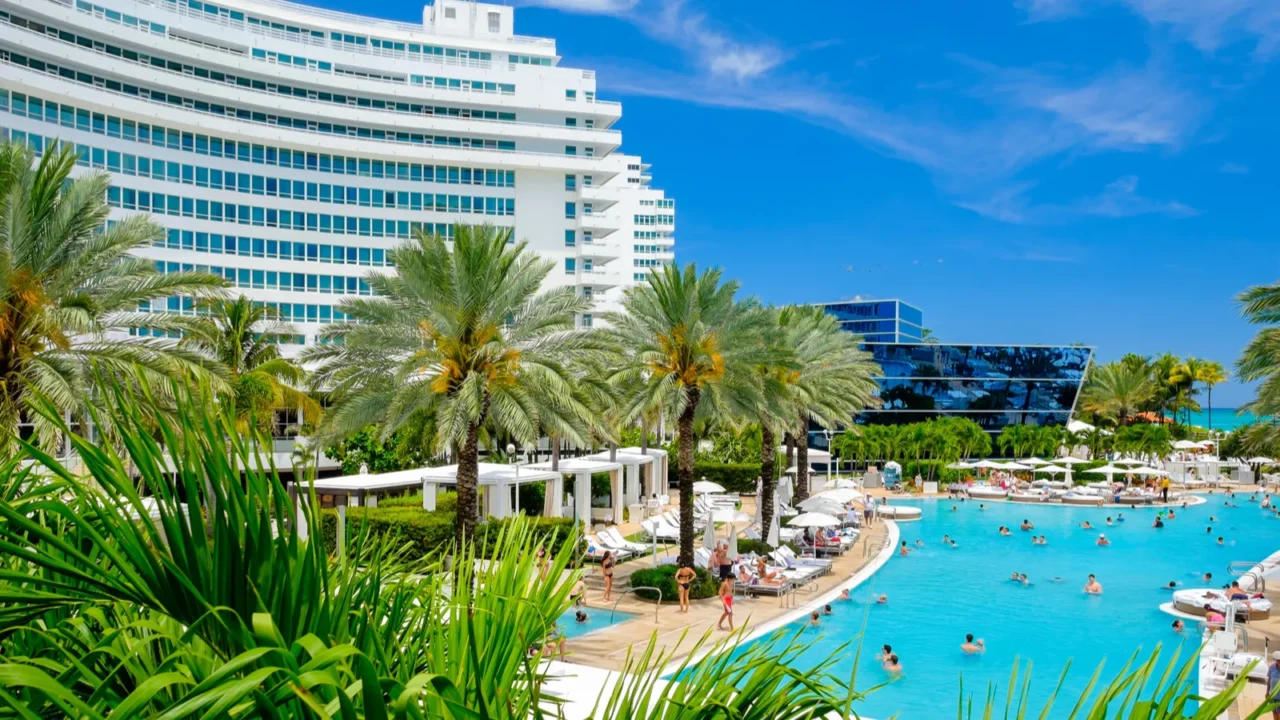
Visitors across the country remain hopeful that congressional action will restore stability for travel and related sectors. Destinations from Miami Beach to San Francisco anticipate renewed demand once fiscal clarity returns.
Which U.S. travel sector is most vulnerable right now? Share thoughts below.
This slideshow was made with AI assistance and human editing.
Don’t forget to follow us for more exclusive content right here on MSN.
Read More From This Brand:
