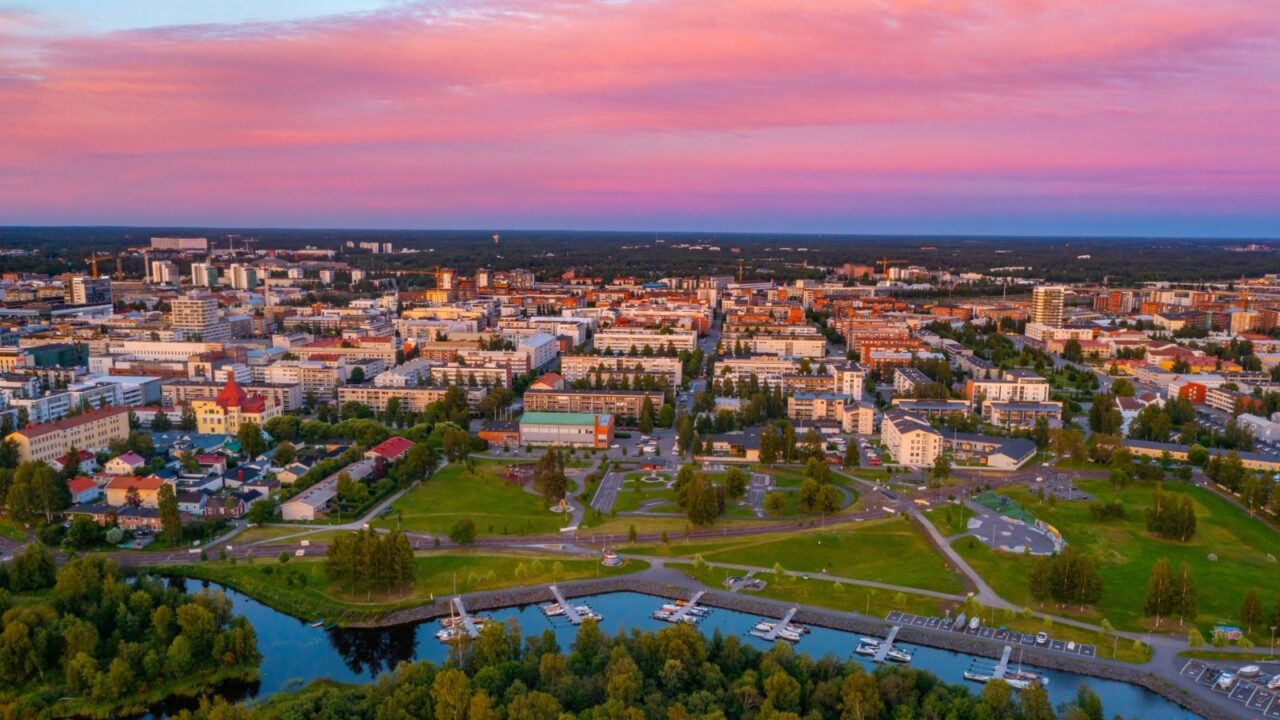
Oulu takes on a Europe-wide cultural role in 2026
Oulu has been named a European Capital of Culture for 2026, placing it on the continent’s official cultural calendar for the entire year. The designation brings coordinated funding, programming, and international attention to the city and surrounding region.
This is not a one-week festival or a seasonal event. The title supports a full year of arts, culture, and public programming designed to attract visitors beyond Finland’s usual peak travel months.
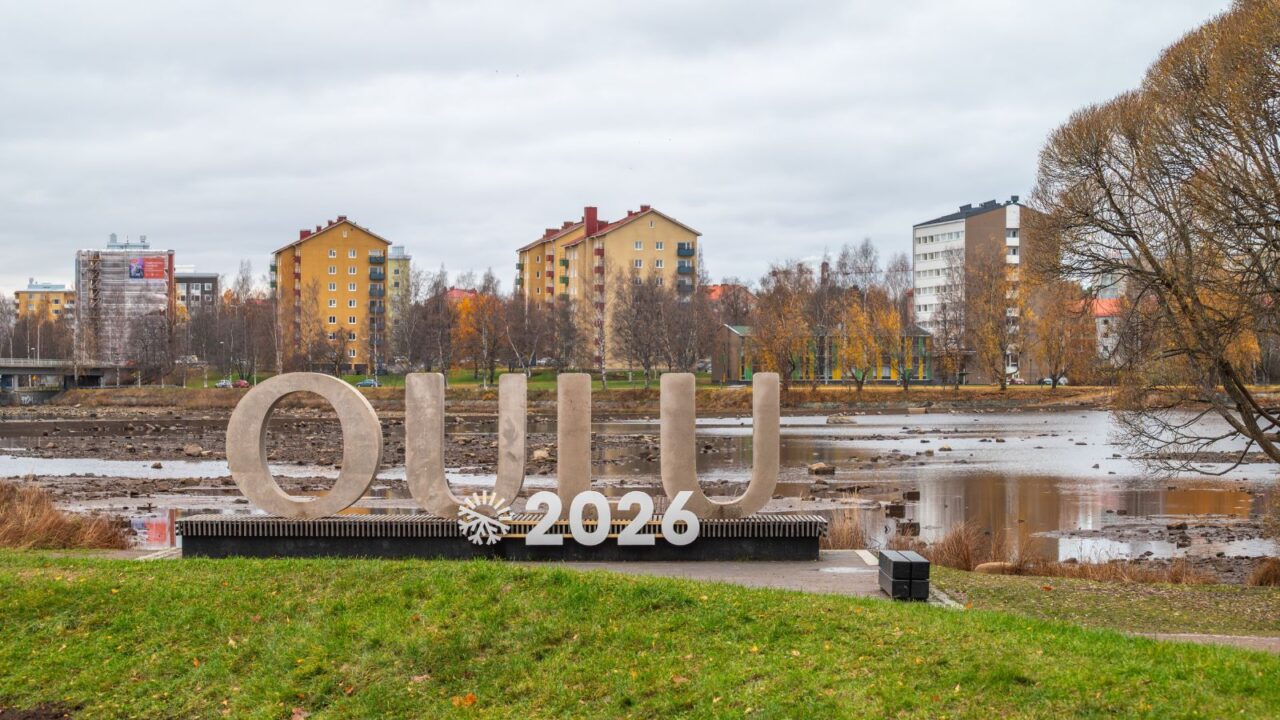
What the European Capital of Culture title means
European Capitals of Culture is an EU-backed initiative that selects cities to showcase cultural life at a European scale. Host cities commit to year-long programming with international participation and long-term infrastructure investment.
For travelers, this means unusually dense cultural scheduling. Events are planned across museums, public spaces, neighborhoods, and partner municipalities rather than a single venue or district.
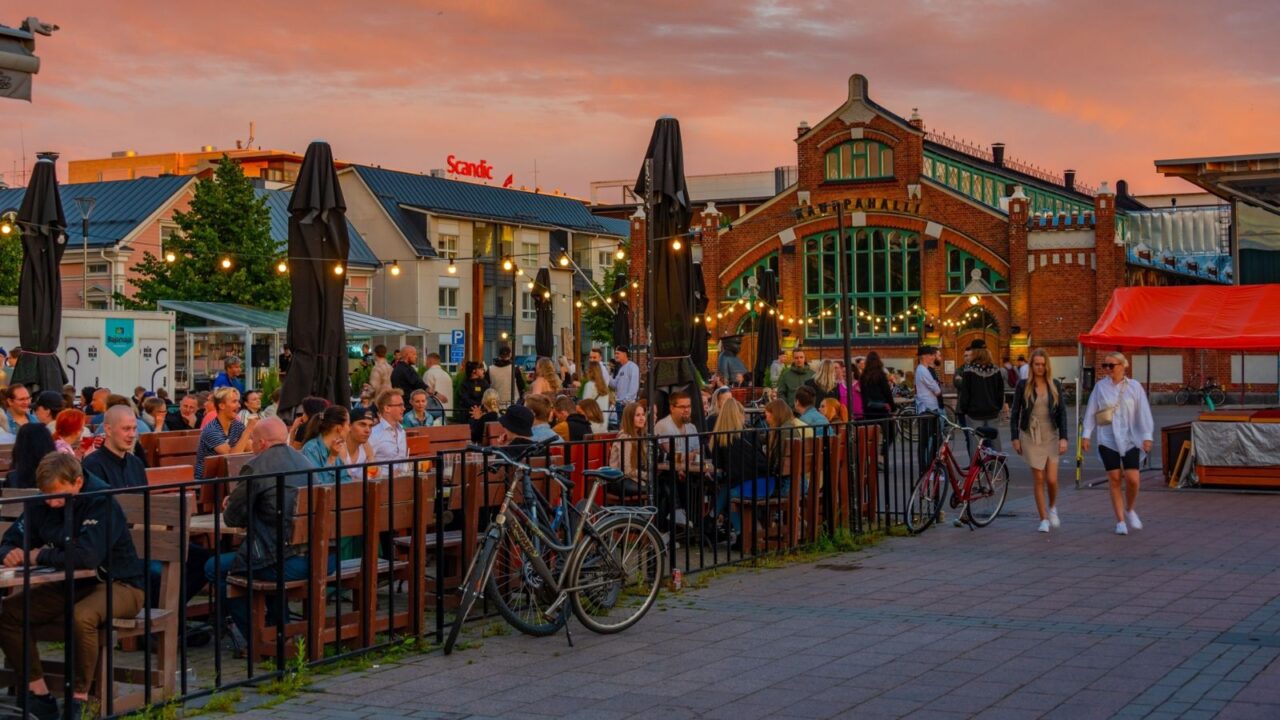
The scale of Oulu2026 programming
Officials project thousands of individual events across Oulu and 39 partner municipalities during 2026. Organizers estimate roughly 2.5 million visits across the region over the year.
Unlike traditional festivals, events are spread evenly across seasons. This structure is meant to support winter travel, shoulder-season tourism, and longer stays rather than short peak bursts.
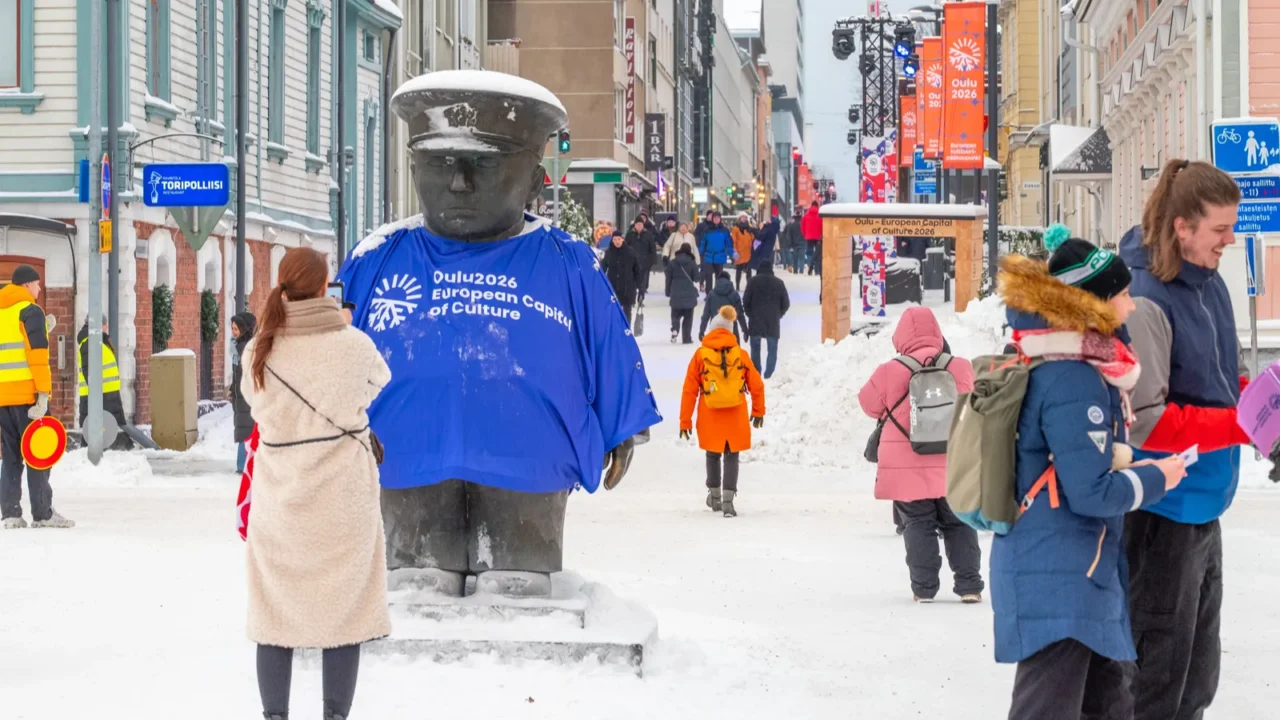
The year is divided into three cultural periods
The program is organized into three thematic periods that shape event timing and content. Each phase reflects seasonal conditions in northern Finland and different cultural focuses. This approach helps manage weather-related constraints.
This structure helps travelers plan visits around specific interests. It also reduces overlap, making it easier to attend major events without crowding or scheduling conflicts. Advance planning becomes more predictable.
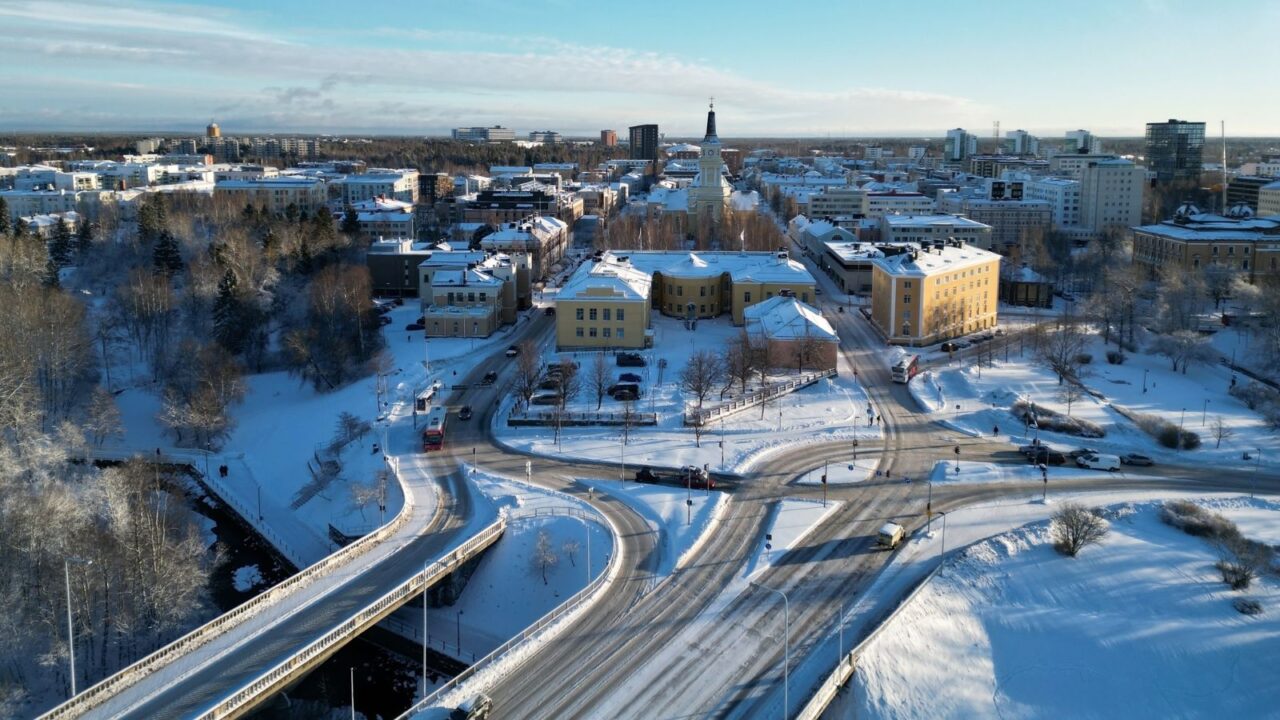
Brave Hinterland anchors the early months
The year opens with the “Brave Hinterland” theme, focusing on Arctic culture, northern identity, and regional traditions. Programming includes Sámi cultural events, winter festivals, and performances staged in ice and snow environments. These events emphasize authenticity rather than spectacle.
This period highlights experiences rarely available to winter travelers elsewhere in Europe. Cold-weather logistics and daylight conditions are part of the design, not obstacles. Visitors are expected to plan accordingly.
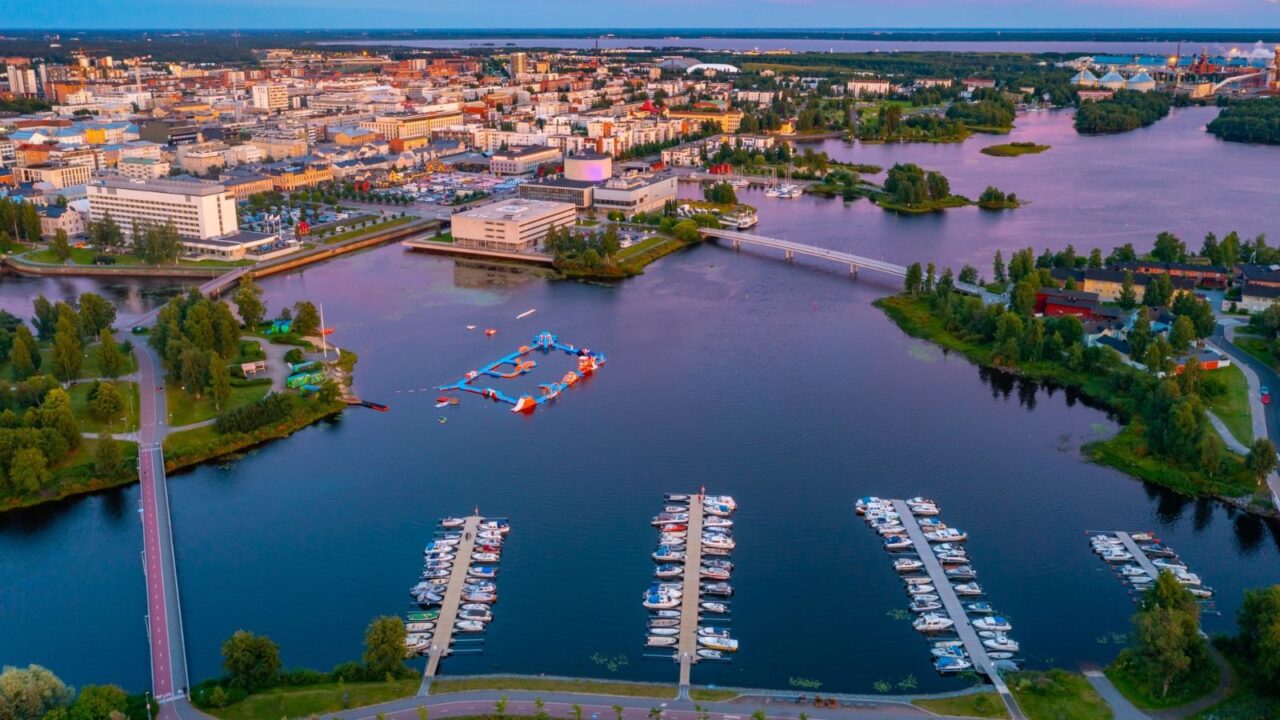
Wild City defines spring and summer
As daylight increases, the theme shifts to “Wild City,” blending urban culture with surrounding nature. Festivals expand into villages, river areas, and outdoor public spaces across the region. This period supports outdoor movement and exploration.
Food becomes a central focus during this phase. The Arctic Food Lab initiative connects clean northern ingredients with local chefs, producers, and seasonal dining events. It positions food as cultural expression rather than tourism novelty.
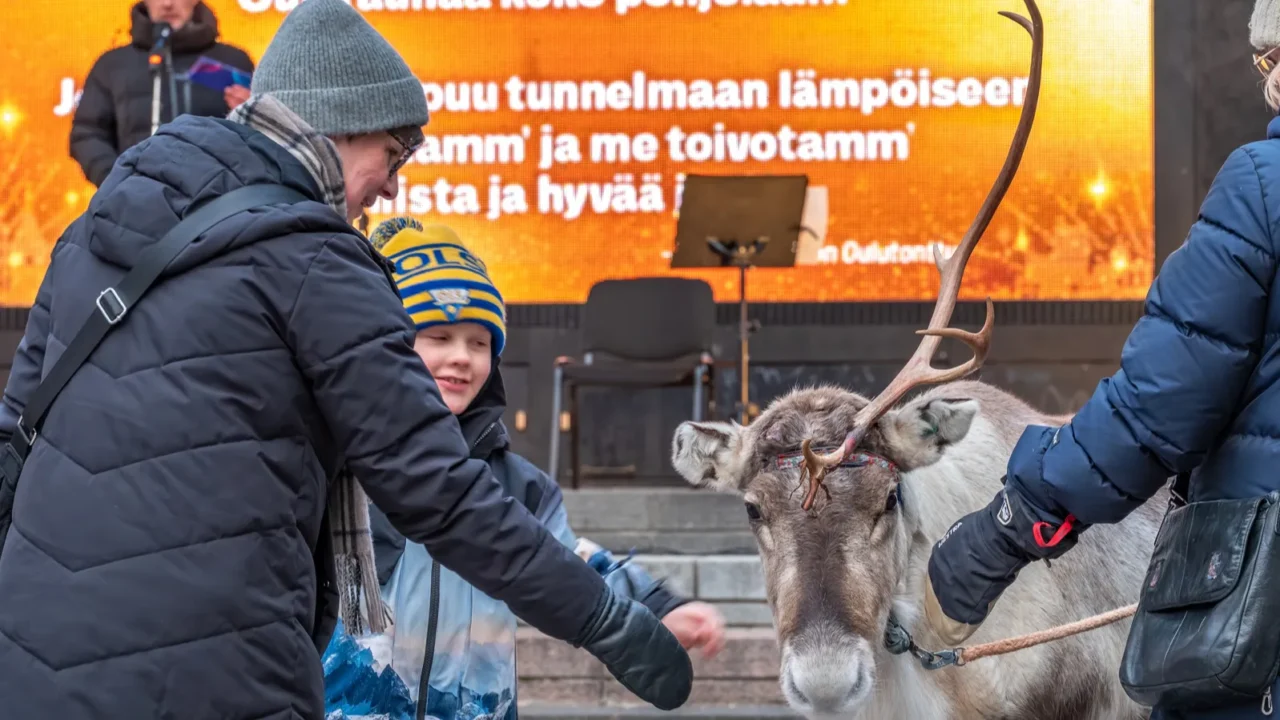
Cool Contrasts closes the year
Autumn and early winter programming falls under “Cool Contrasts,” focusing on light, darkness, technology, and northern mysticism. This includes large-scale light art installations and tech-driven exhibitions. Many events are scheduled during the darkest months.
The timing aligns with minimal daylight in northern Finland. Events are designed to transform darkness into an artistic feature rather than a limitation for visitors. Lighting design becomes central to the experience.
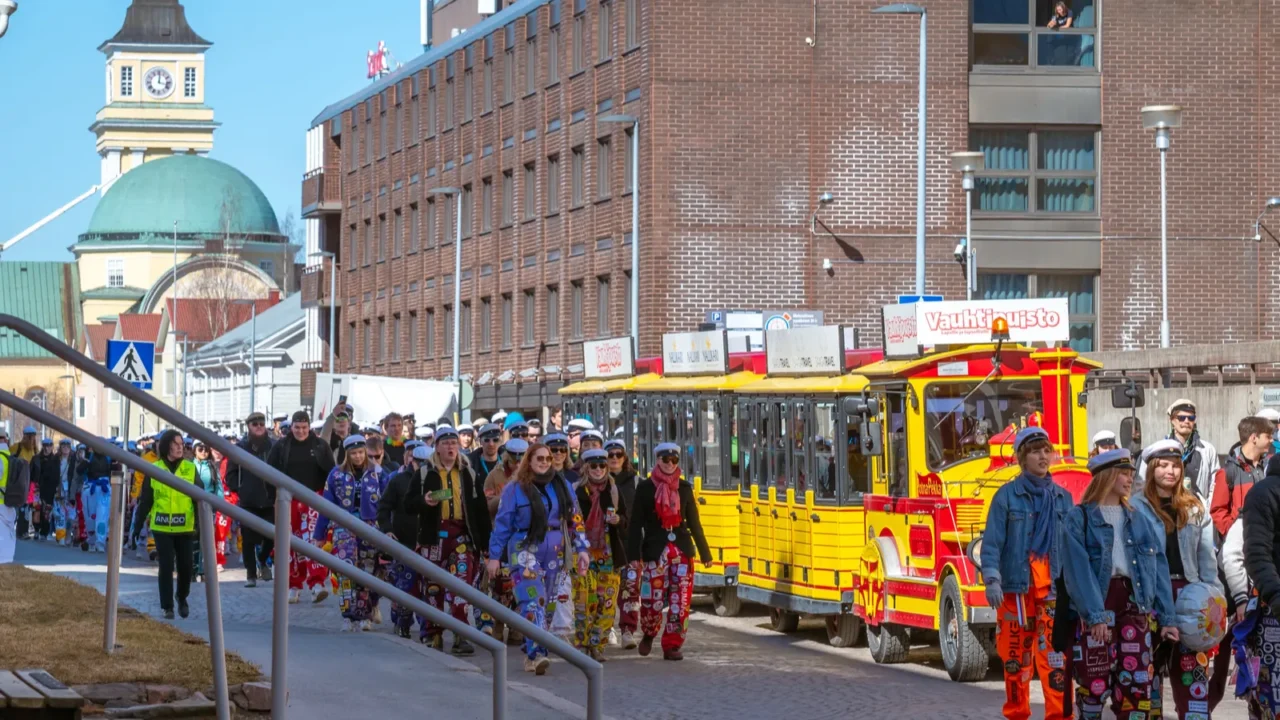
New exhibition spaces open during 2026
Several permanent cultural venues are scheduled to open or expand during the year. Downtown Oulu will add new exhibition centers early in 2026, increasing indoor programming capacity. These venues help balance outdoor events.
Later in the year, the Museum and Science Center Tiima opens as one of the city’s largest cultural investments. These venues are intended to operate long after 2026 ends. Their impact extends beyond tourism.
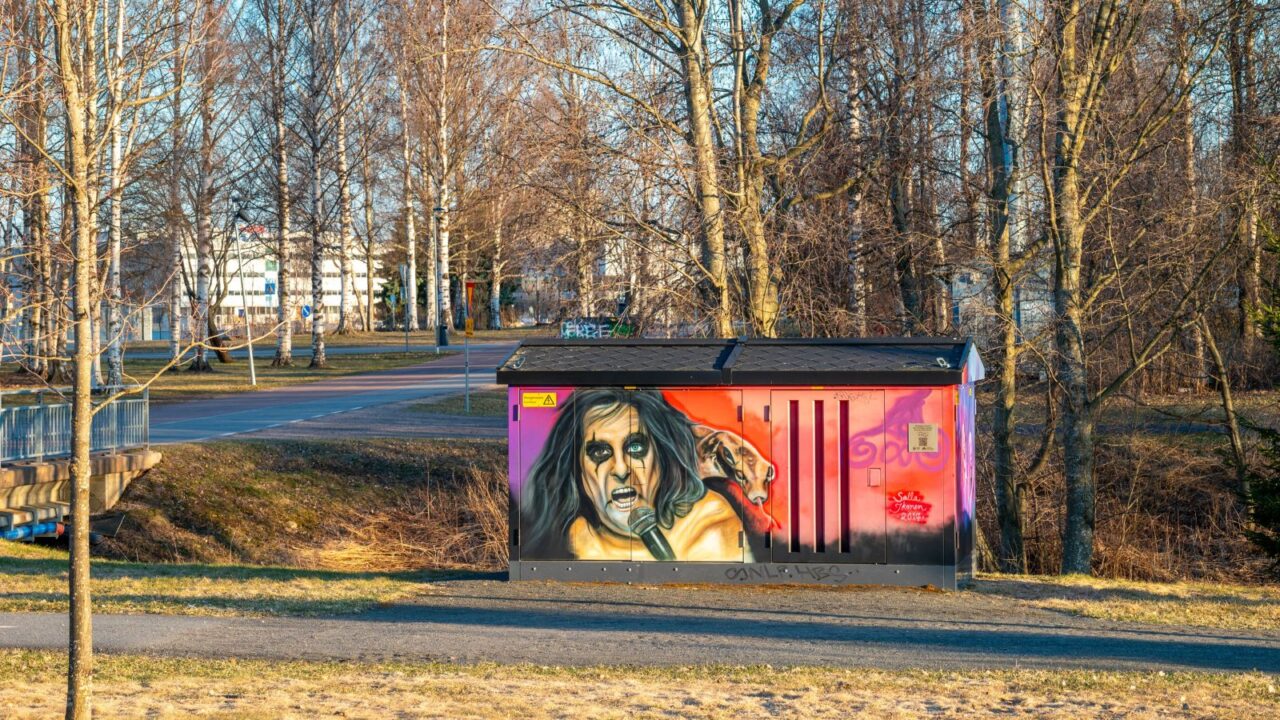
Architecture and public art are part of the draw
Public art routes, murals, and outdoor installations are spread throughout the city. Highlights include Climate Clock installations and the ARToulu river delta art area. Many works are integrated into everyday urban space.
The revitalized AaltoSiilo, originally designed by Alvar Aalto, adds architectural interest in the Toppila area. Many sites are free to access and suitable for day trips. This lowers barriers for casual visitors.
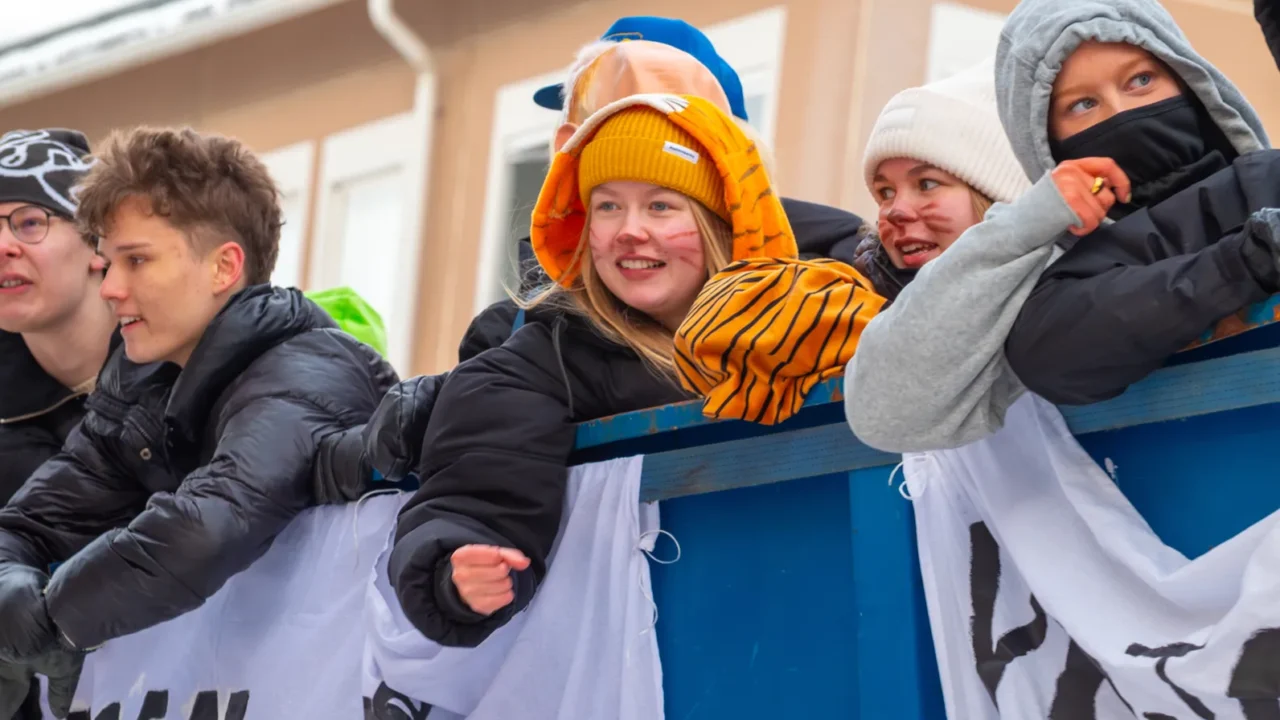
Major festivals anchor travel dates
Several large-scale events are expected to draw international visitors. These include the Oulu2026 Opening Festival in January and a New Year’s Eve broadcast produced with Finland’s public broadcaster. These events set the tone for the year.
Other highlights include a sea-ice electronic music festival at Nallikari, summer’s Delta Life festival, and an expanded Lumo Art & Tech Festival in November. Each anchors a different travel season.
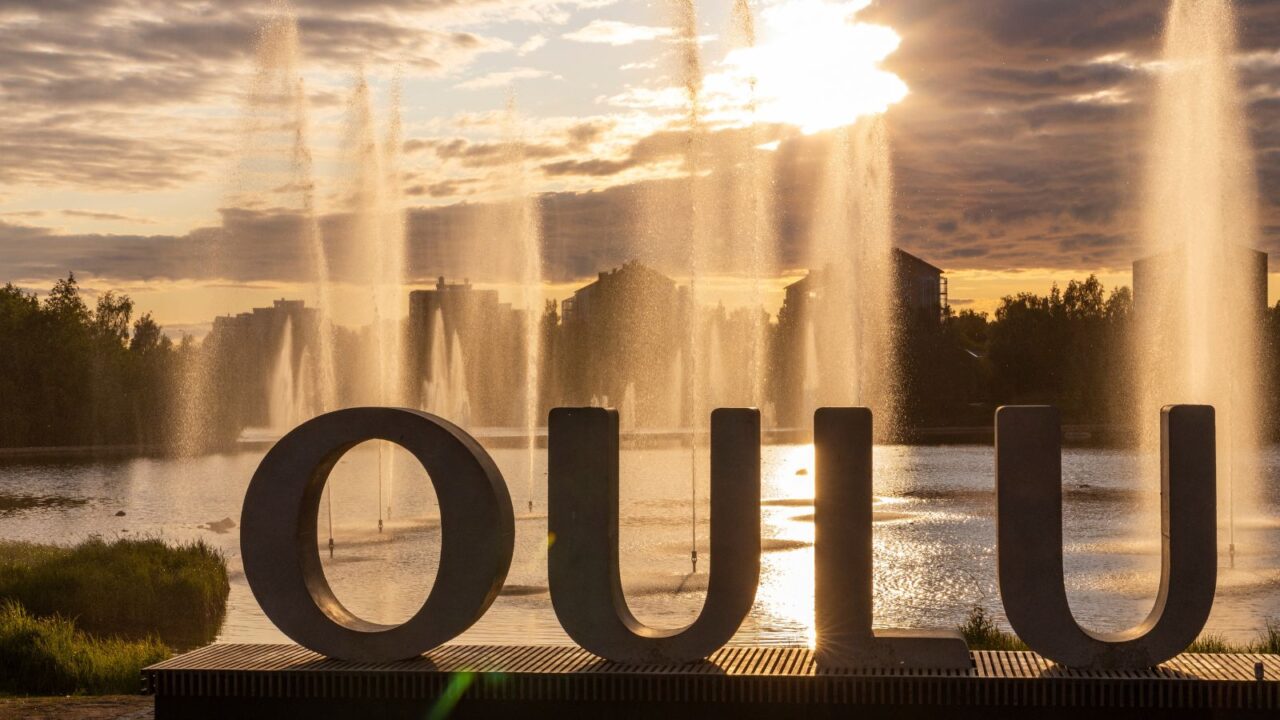
Sámi culture has a central role
Sámi culture is integrated throughout the program rather than treated as a side feature. Events include concerts, visual art exhibitions, seminars, and stage productions. This reflects a long-term cultural commitment.
A major milestone is the world premiere of a Sámi opera at Oulu Theatre in January. Sámi National Day on February 6 is expected to be one of the year’s focal points. Attendance is anticipated from across the Nordic region.
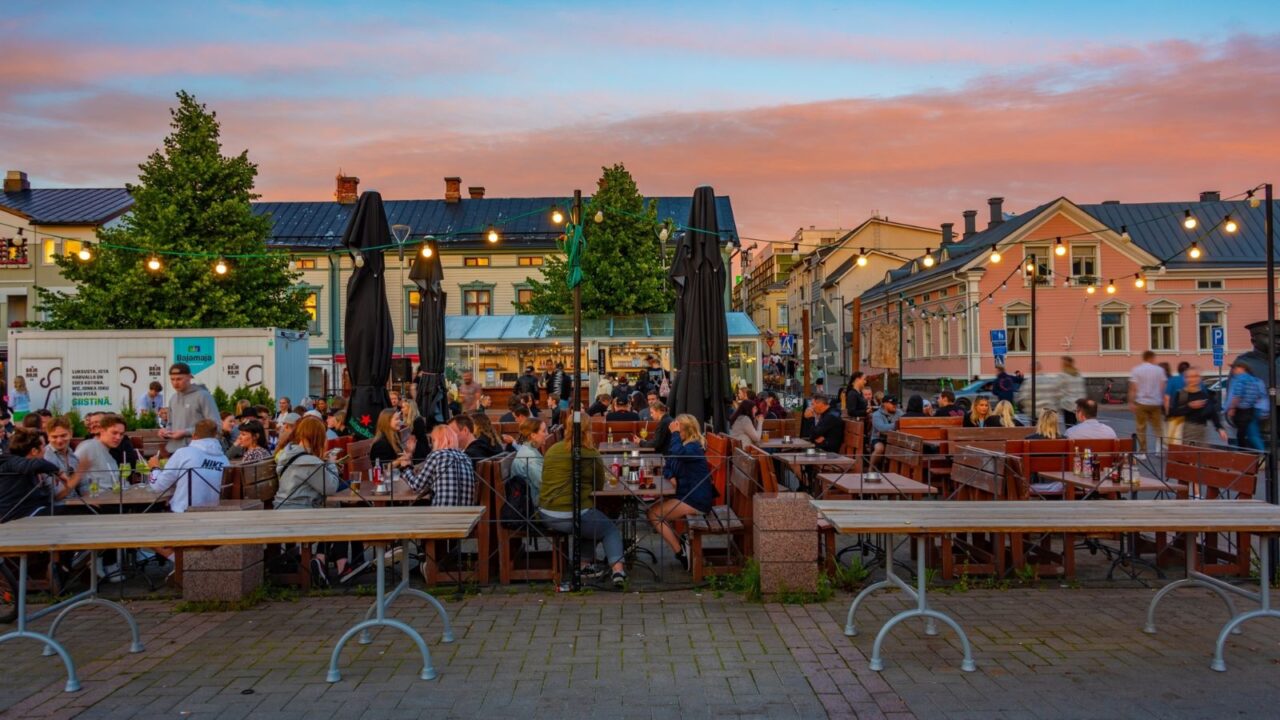
Food experiences go beyond restaurants
The Arctic Food Lab involves nearly 200 local producers, cafés, and restaurants. Visitors encounter regional ingredients like wild berries, fish, and mushrooms through tastings and events. The emphasis is on seasonal sourcing.
Communal dining experiences are also planned. One signature event features a kilometer-long shared table where locals and visitors eat together using local food or their own dishes. This encourages cultural exchange.
Obsessed with tiny details and big charm? Discover Adorable model villages that feel like tiny worlds.
Why this matters for travelers
Oulu is not a typical European capital destination, which affects pricing and crowd levels. Travelers may find more availability during peak cultural moments than in larger Western European cities. This can improve overall travel value.
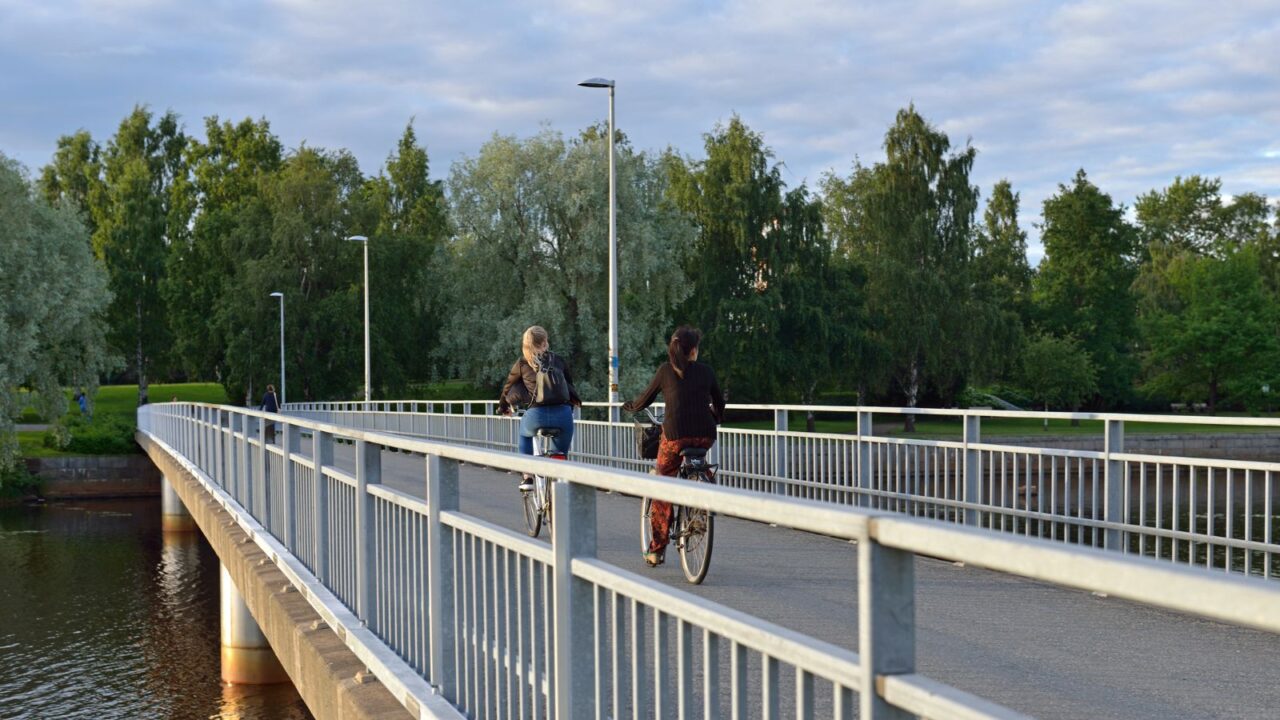
The program encourages longer stays and repeat visits across seasons. It also supports winter travel with reliable infrastructure, including extensive cycling routes and public transit access. Planning remains practical year-round.
Next, check out European villages inviting Americans with cash incentives in 2026.
What do you think about Oulu becoming a European Capital of Culture in 2026? Share your thoughts and your view in the comments.
This slideshow was made with AI assistance and human editing.
Don’t forget to follow us for more exclusive content right here on MSN.
Read More From This Brand:
