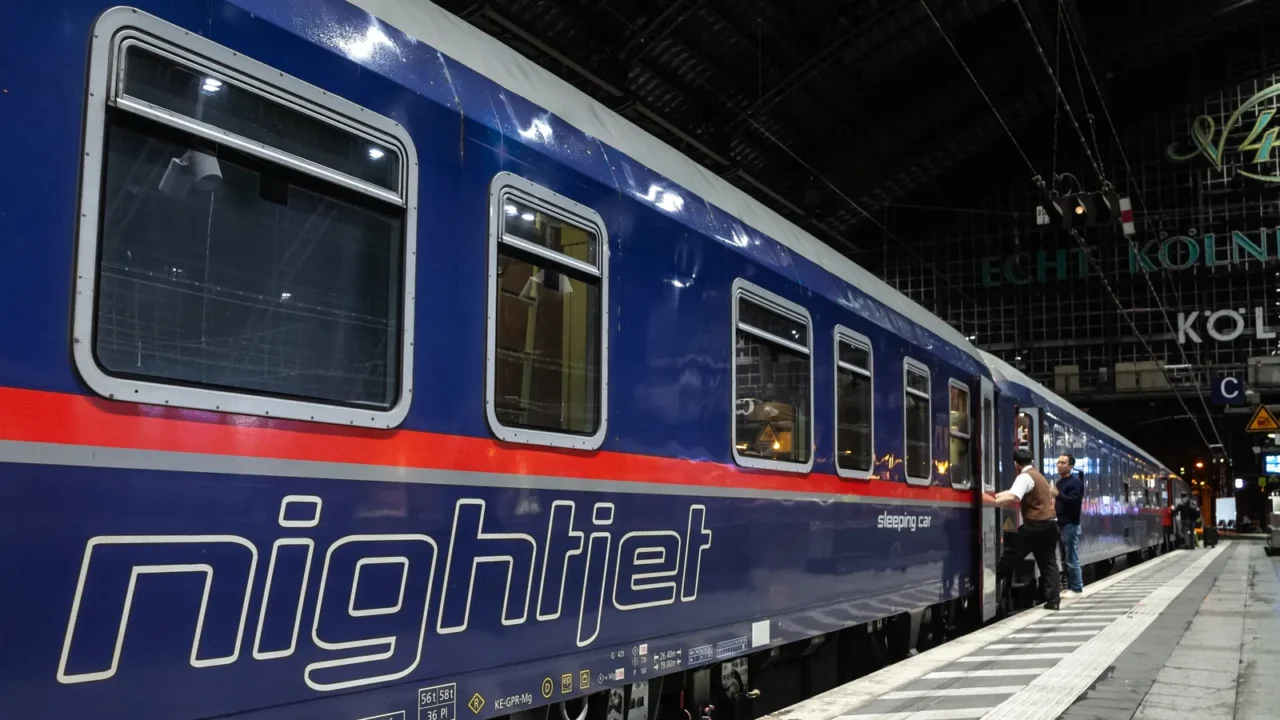
Europe’s sleeper train comeback
Europe is seeing a real revival in overnight trains, with 2025 marking a turning point for sleeper travel. Passengers who once flew short-haul are increasingly turning to night trains as a more relaxing, eco-conscious alternative. This shift is reshaping how people think about cross-continent travel.
The demand for sustainable travel is rising, and rail companies are responding by launching or expanding overnight routes. According to a European travel trend report, more customers now call for night train connections between major cities. Let’s get to it!
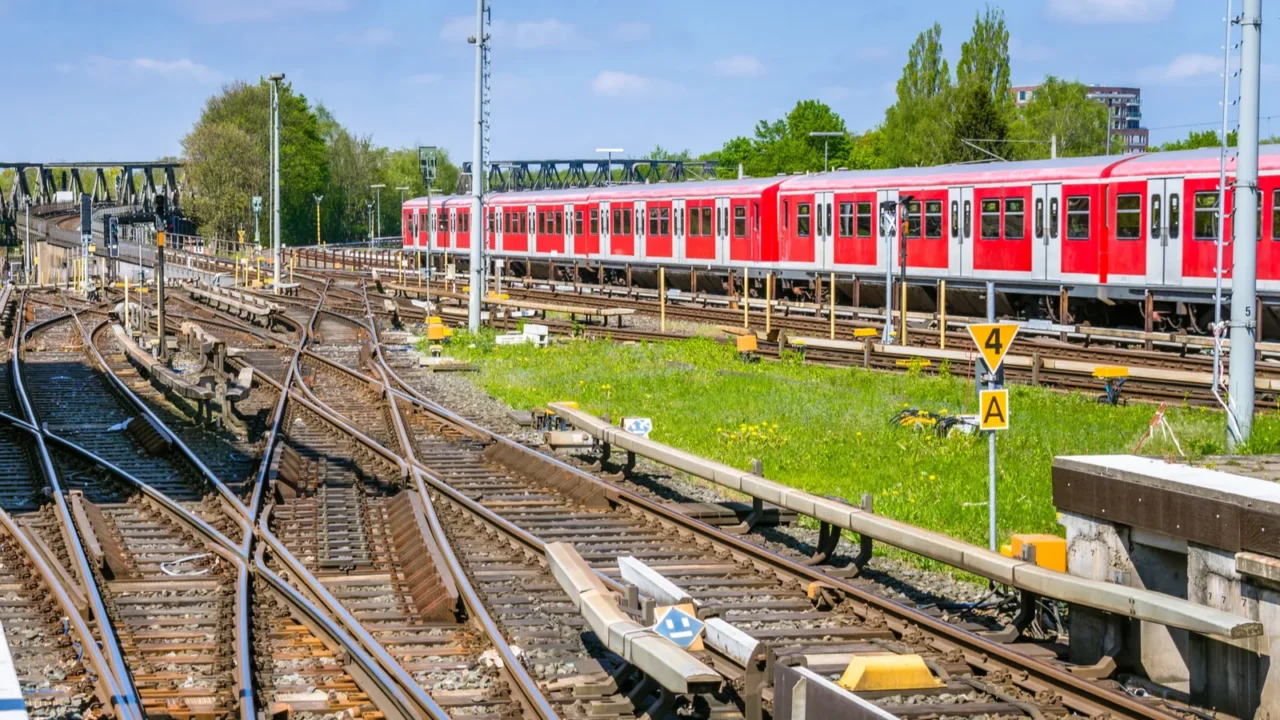
What’s driving the revival
One major driver is that climate-conscious travelers want to reduce their carbon footprint, and sleeper trains are a lower-emissions choice. Rail experts also note that night trains save time by combining transport and accommodation.
There’s also a financing shift: governments and private companies are investing in rolling stock and modern sleeper cars. As demand builds, rail travel is becoming more competitive with flights, especially on shorter cross-border legs.
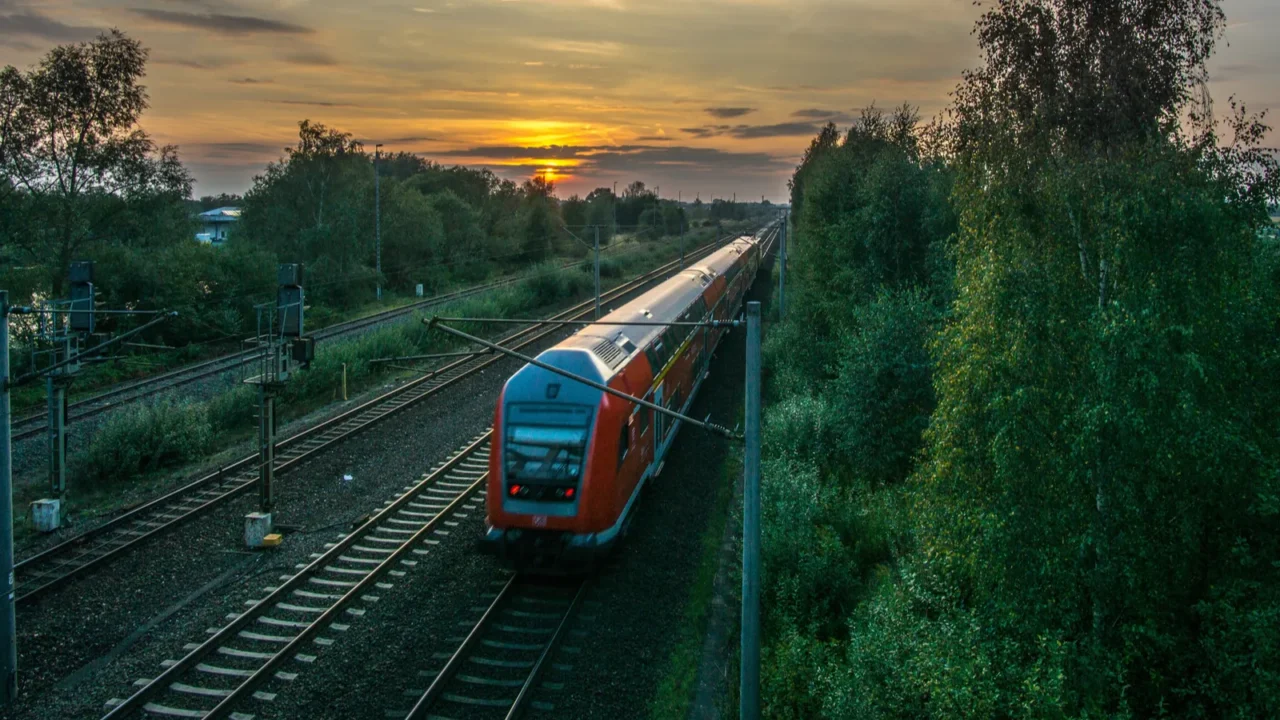
New routes for 2025
European Sleeper is launching a new night train from Brussels to Venice, passing through Germany and Austria in early 2025. This opens up scenic overnight travel to cultural hubs and winter destinations. The service aims to combine convenient transport with a memorable experience.
It’s particularly significant because it restores long-distance overnight travel that had declined over the years. Rail operators hope the route’s mix of city and alpine stops will appeal to both tourists and eco-conscious travelers.
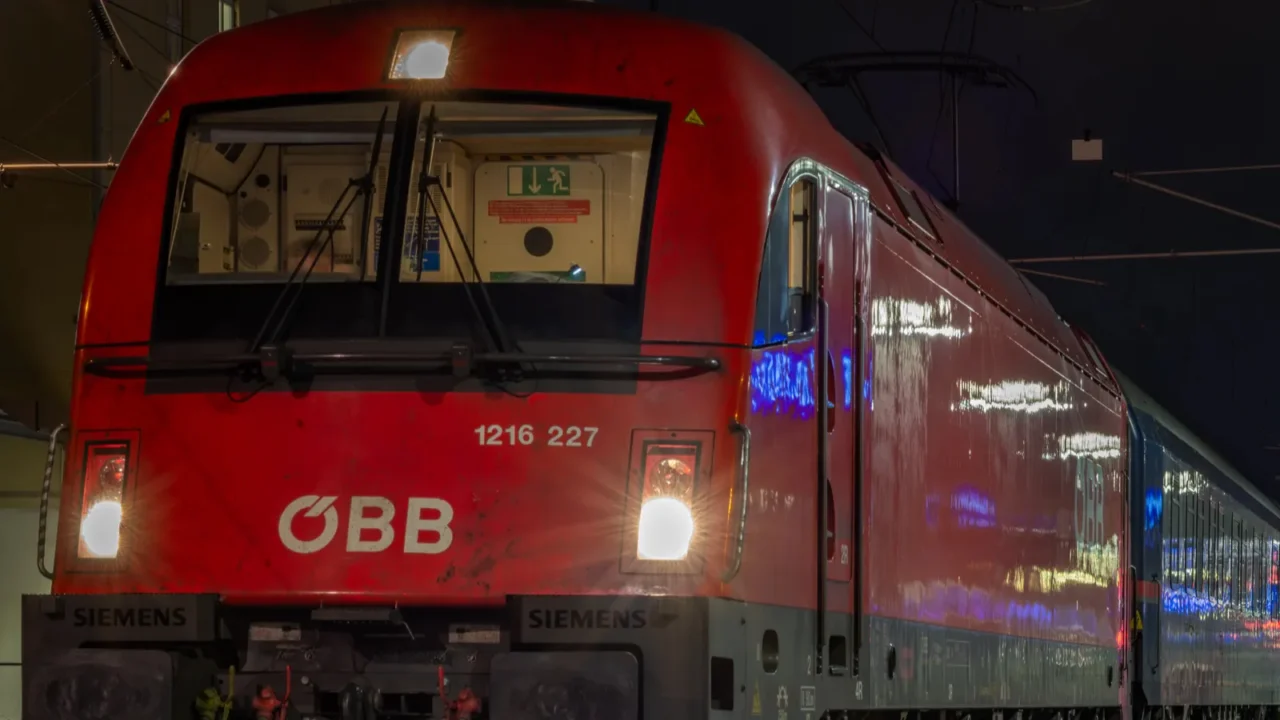
Modern sleeper trains return
ÖBB’s Nightjet 2.0 trains are being rolled out with bright, modern sleeping cars made by Siemens.
These new trainsets include couchettes, en-suite cabins, and compact privacy solutions that resemble capsule hotel rooms. The design makes overnight rail travel more comfortable and attractive.
The investment in next-gen rolling stock shows rail companies believe in long-term growth for sleeping trains. With better amenities and faster speeds, these modern sleepers are trying to compete more directly with budget flights.
Some legacy services too
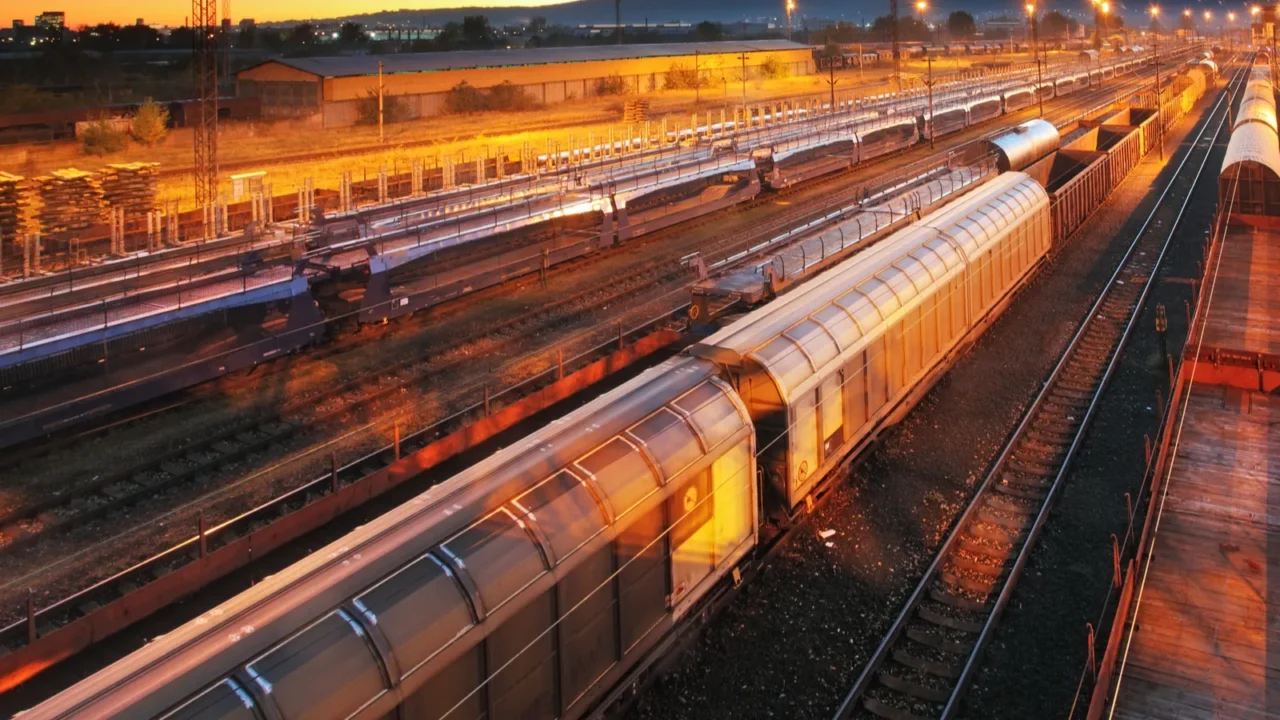
SJ Euronight runs a service from Stockholm through Copenhagen to Berlin, with couchettes and sleeping cars available. This route has historical value but is being refreshed to meet growing traveler demand. It proves that both new and older rail players are part of the overnight revival.
Meanwhile, other lines that once disappeared are now being re-explored, showing that night trains still have a place in modern Europe. For many, this feels like rediscovering a lost art of travel.
Future plans beyond 2025
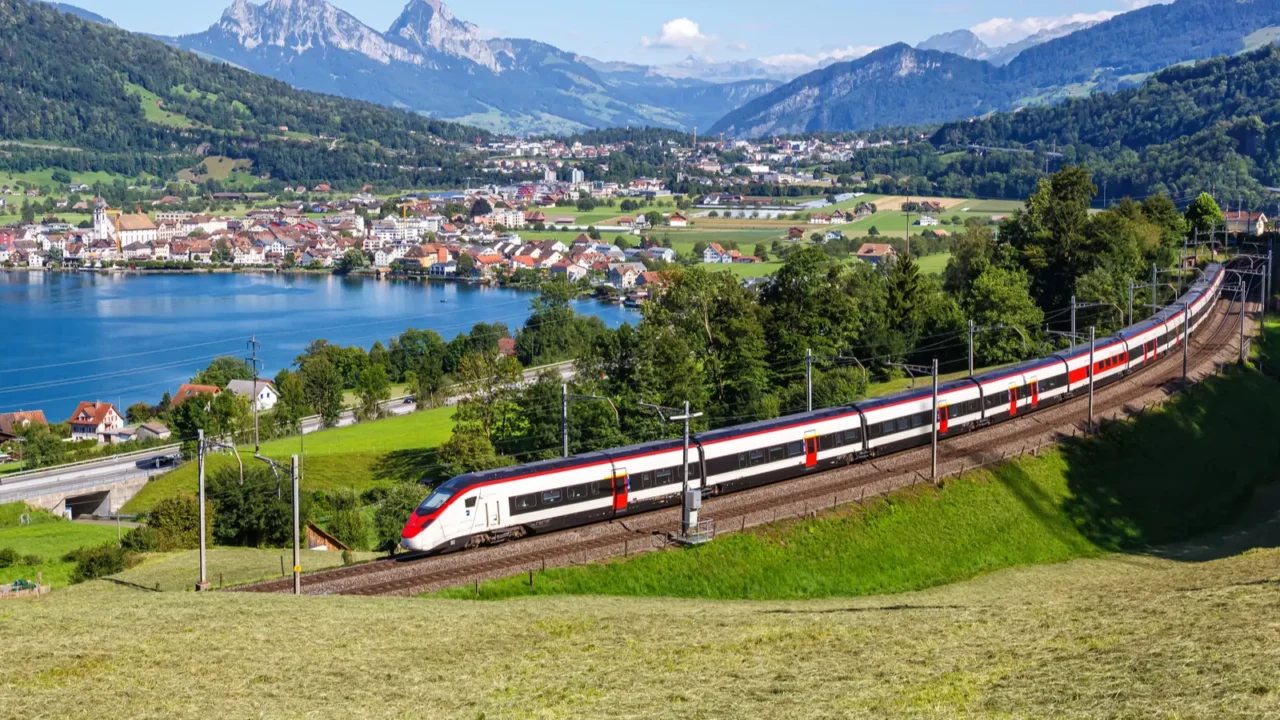
Swiss Federal Railways (SBB) is partnering with the Railroad Development Corporation to relaunch a night train route from Basel to Copenhagen in 2026. That route echoes the former CityNightLine Aurora, a classic overnight service that stopped years ago.
The revival of this route signals a serious commitment from rail companies to rebuild and expand sleeper networks. It’s not just nostalgia; this is about rethinking cross-border rail for the future.

Who’s riding these trains
The new wave of night trains is appealing to a wide demographic of eco-travelers, business travelers, and cultural tourists. Rail analysts cite strong interest from millennials and Gen Z seeking slower, more sustainable travel.
For many, the overnight train is now not just transport, but part of the vacation itself. It also gives flyers an alternative: instead of short flights, people can travel overnight and arrive refreshed. This is especially attractive for those who want to save on a hotel night while reducing carbon emissions.
Cost vs flying
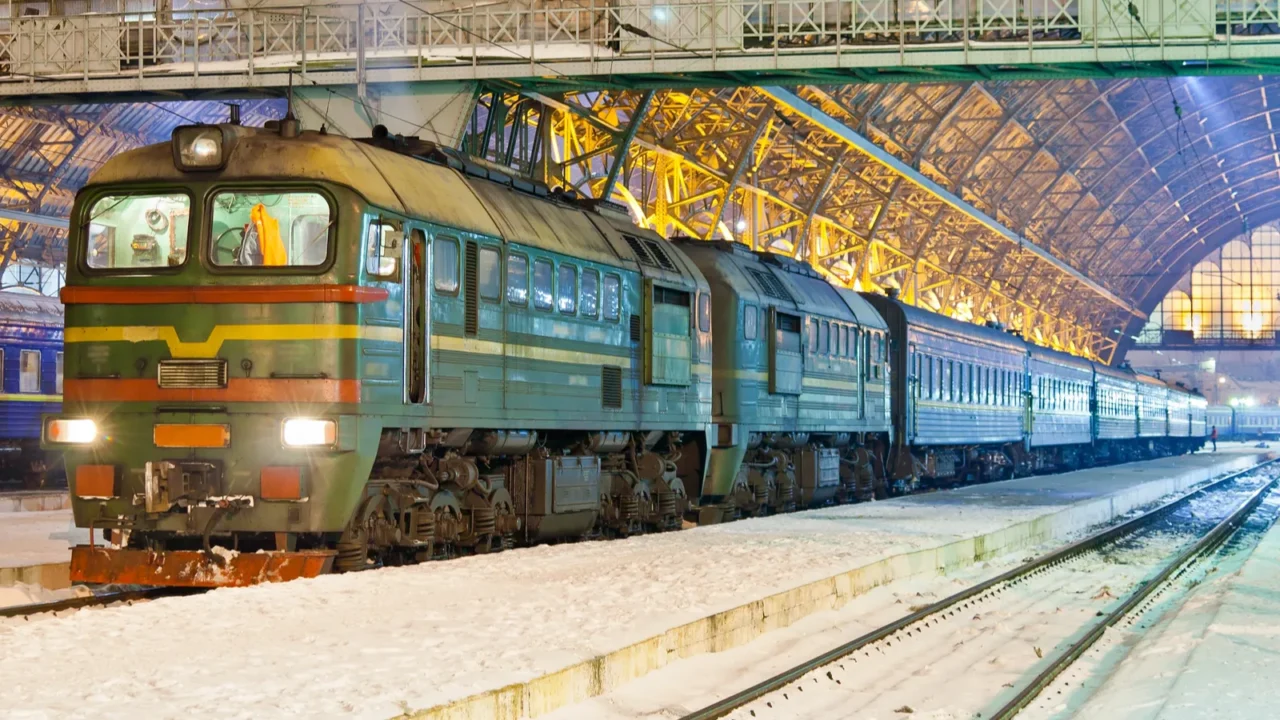
Night trains often cost more than budget short-haul flights, but when factoring in the cost of a hotel, they become very competitive. Travelers say the value is not just monetary; there is comfort and a chill-travel vibe that flights don’t offer.
Also, newer sleeper cars and upgraded services mean that the experience is more appealing than older, cramped compartments. As investments continue, this could push more flyers to choose rail for short overnight trips.
Environmental impact matters
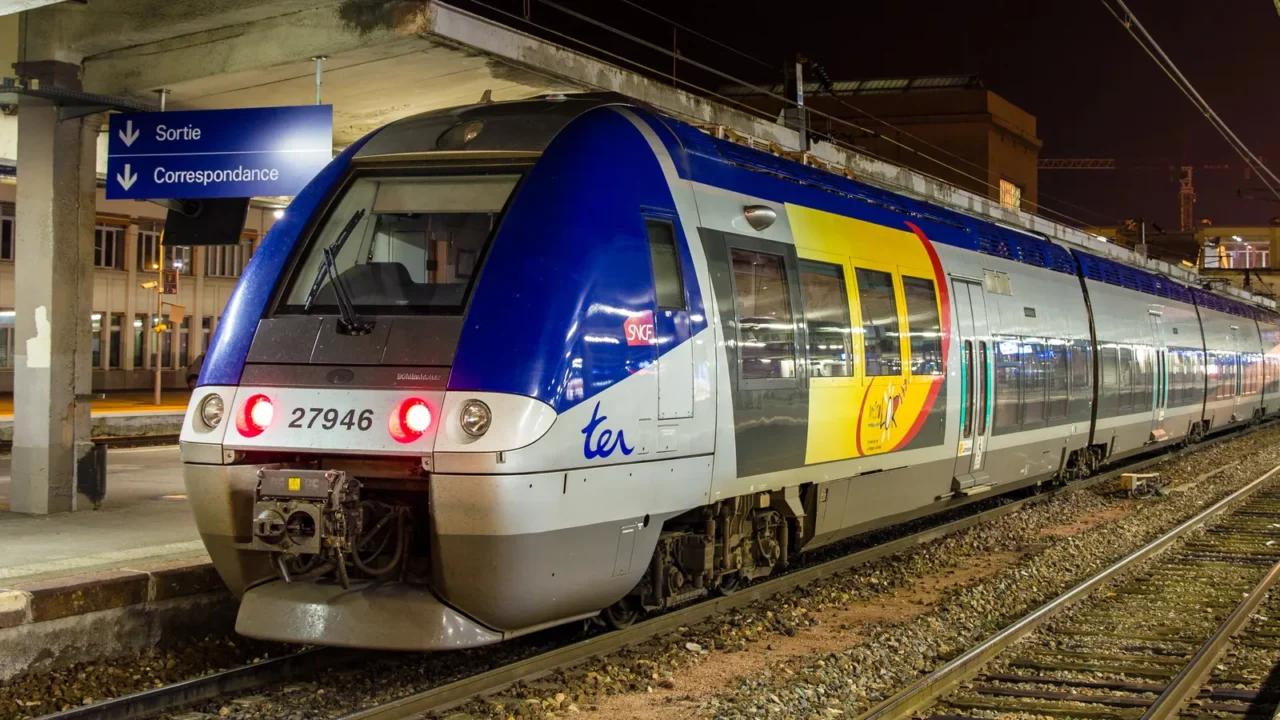
Choosing night trains over planes can significantly reduce a traveler’s carbon footprint, especially on cross-border legs. Rail experts argue that reviving overnight services is a key part of making European transport more sustainable.
This trend aligns with growing demand for green travel options among conscious consumers. By traveling overnight, visitors also minimize wasted travel time and maximize the sustainability benefit. For many, it becomes a win-win: reduce emissions and enjoy a unique travel experience.
Convenience of overnight travel
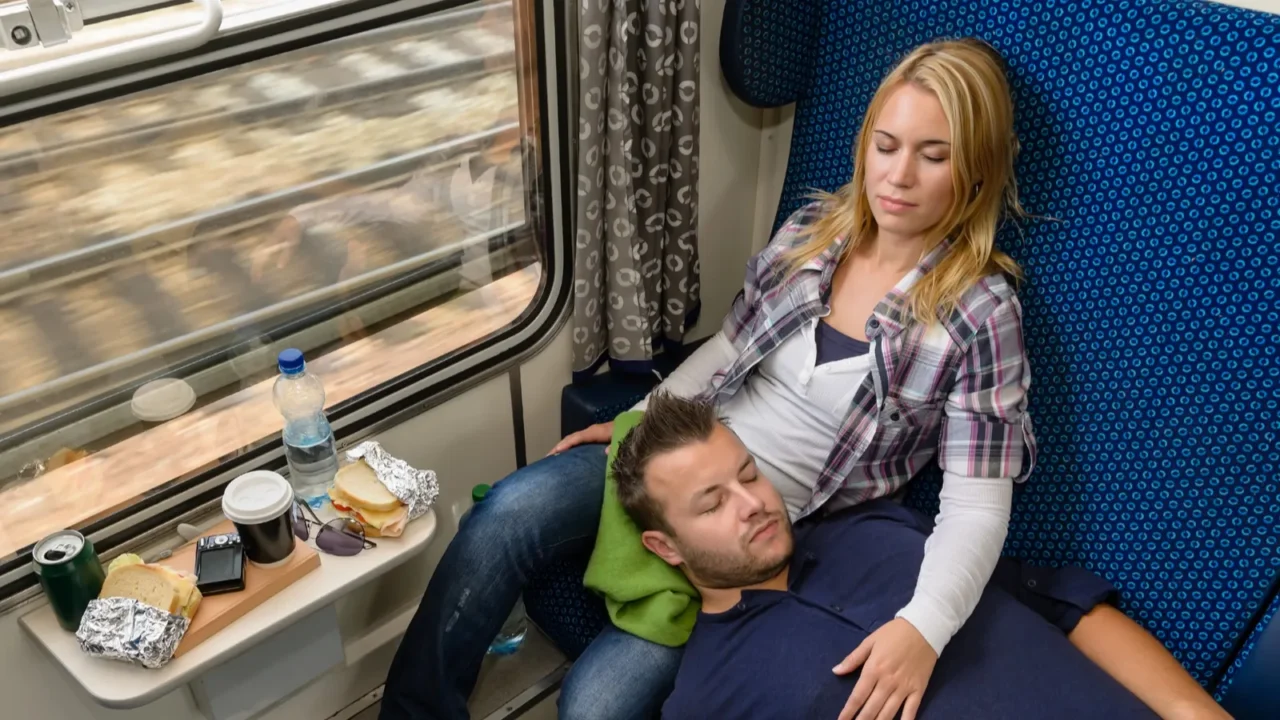
One of the biggest perks is sleeping while traveling. Travelers can rest during long journeys and wake up at their destination. That makes it ideal for trips where time matters. Rail operators are pitching this as a more relaxing and efficient alternative to early flights or long daytime train connections.
Plus, many overnight services connect major hubs, making cross-country travel smoother and more accessible. As the network grows, so does the convenience.
Challenges still ahead
Not all proposed night train services have secured funding, and challenges remain in updating rolling stock and supporting infrastructure. Some skeptics also worry about profitability, especially without substantial subsidies or consistent demand.
Additionally, not every market sees the same potential; rural or less populated regions might not benefit as much. For the revival to last, stakeholders will need to work together to build scalable and reliable business models.
A sustainable future for flying
As flights face scrutiny for carbon emissions, overnight rail is becoming a serious alternative for conscious travelers. The revival could reshape short-haul travel by giving people a greener, more meaningful option. And with scenic journeys gaining attention, like “Take This Scenic Train Ride Through NH’s Fall Foliage,” more travelers are discovering how enjoyable rail travel can be beyond just its sustainability benefits.
If the trend keeps up, we may see night trains replacing many short flights, especially in densely connected European regions. That shift would not just benefit passengers, but also the planet. By choosing the train, travelers help push for a more sustainable transportation system.
Rethink travel, take the train
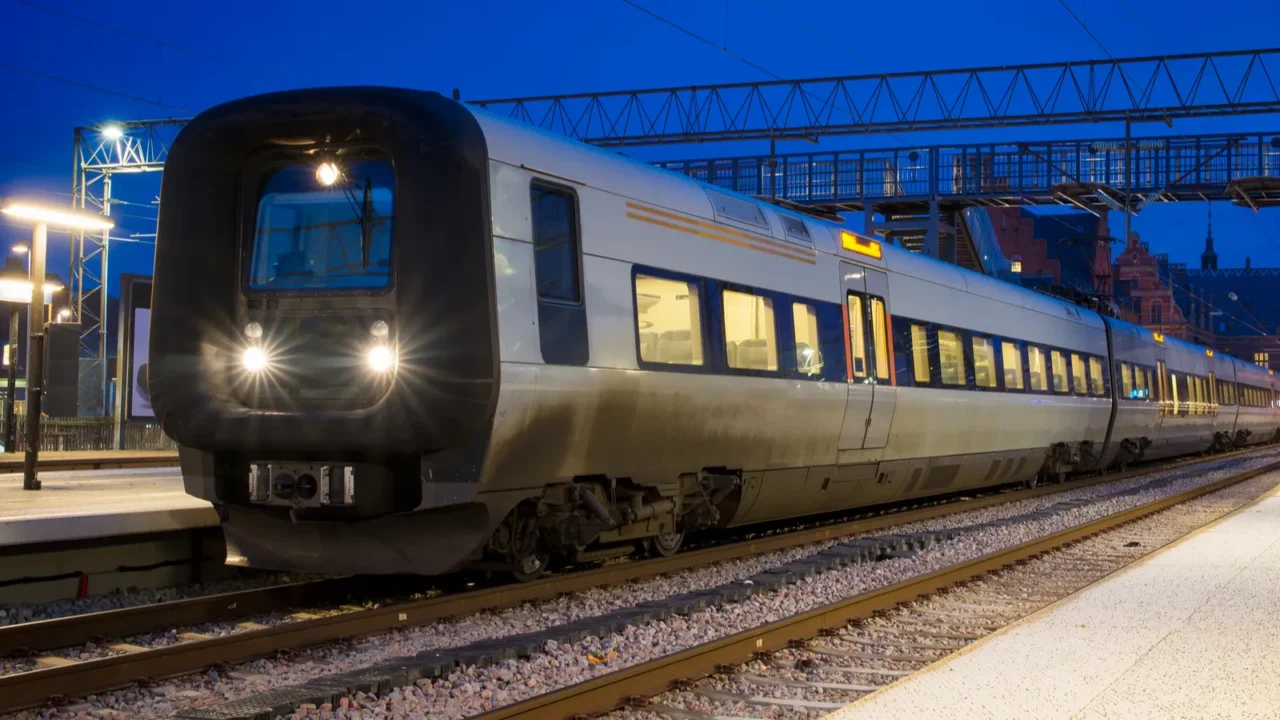
Europe’s overnight train boom in 2025 is more than a nostalgia act; it’s a powerful sign that rail travel is re-emerging as a serious alternative to flying. Travelers can now consider sleeper trains as part of a smarter, greener travel strategy. This revival invites everyone to slow down, rest in motion, and arrive in style.
What do travel lovers think? Is the idea of overnight rail travel more appealing than hopping on a short flight, or is it still too niche? Drop thoughts in the comments.
Read More From This Brand:
- A 3-day train ride may soon link major cities across the US
- Seaside boardwalks in the USA that bring back endless summer energy
- How the Caribbean is rebuilding and welcoming visitors again after the storm season
Don’t forget to follow us for more exclusive content right here on MSN.
This slideshow was made with AI assistance and human editing.
