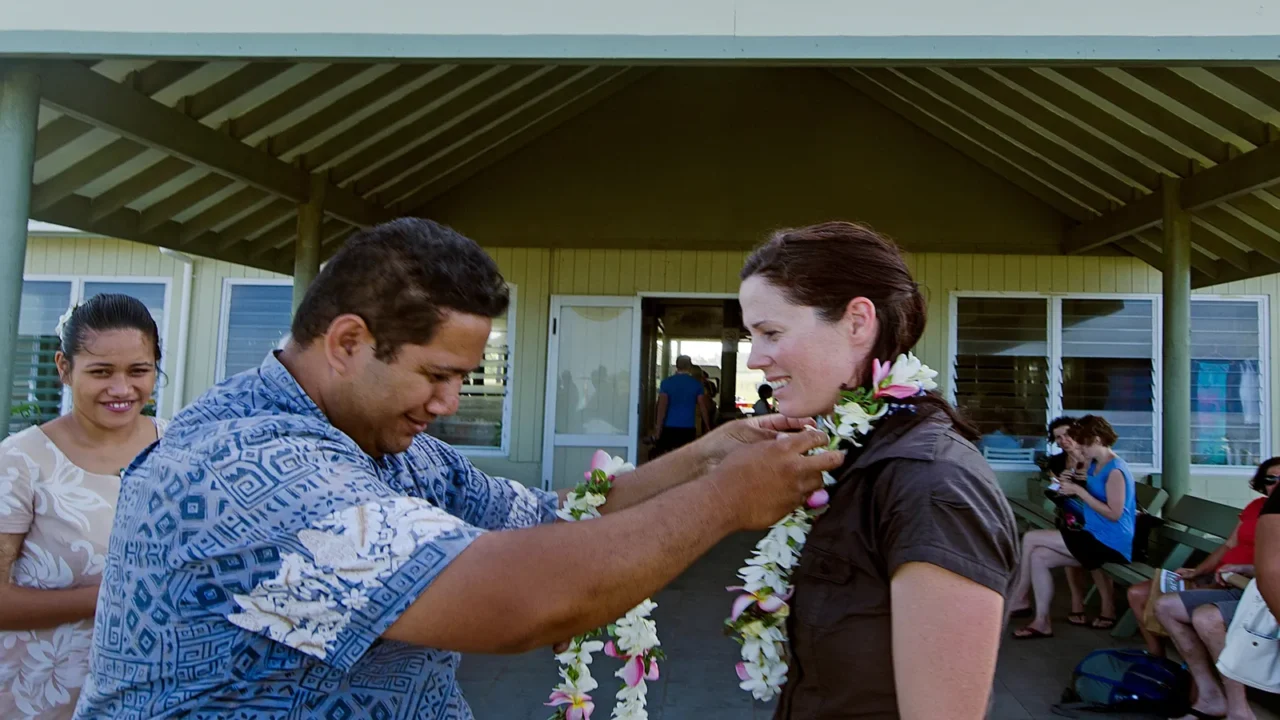
Not a tourist, a guest
Across the globe, a quiet shift is reshaping how people experience travel. Some places receive strangers not as revenue but as honored guests, rooted in traditions older than any tourism board. These are not destinations built around crowds.
They are communities where the door is genuinely open, the food is always shared, and a traveler leaves feeling changed in ways a hotel star rating could never measure.
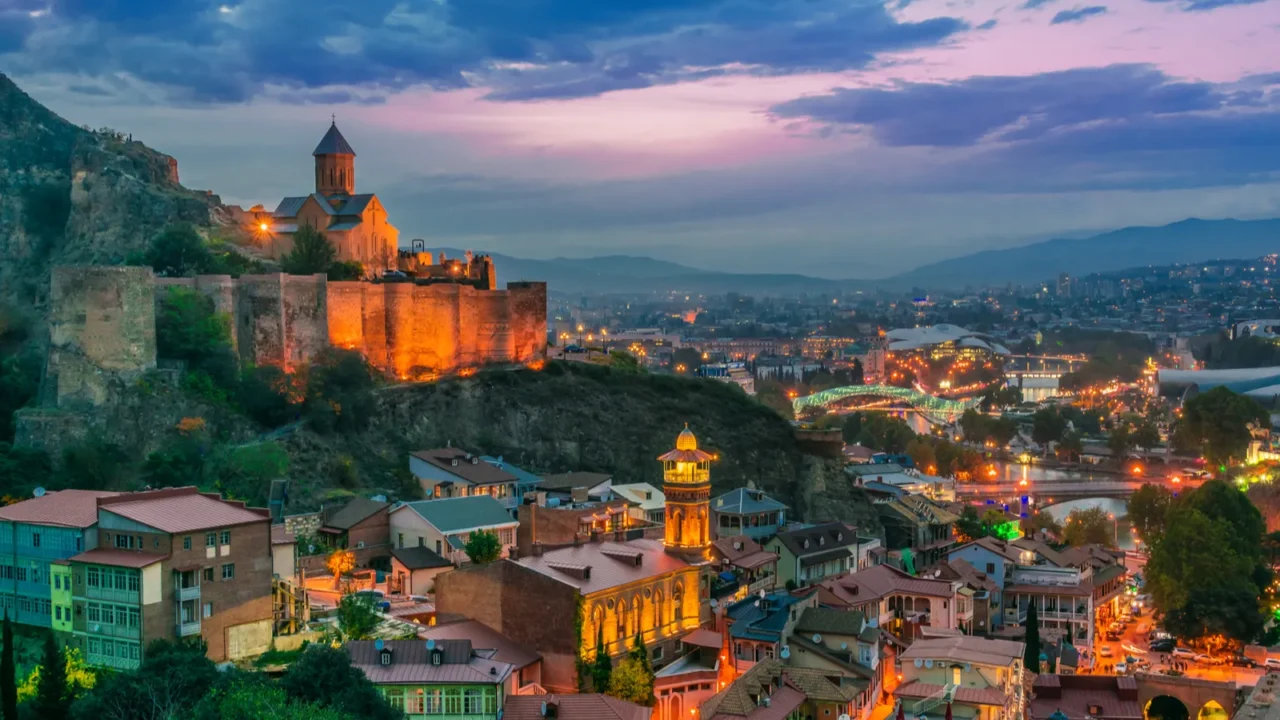
Georgia
In the Republic of Georgia, the belief that a guest is a gift from God is a daily practice. Locals pull strangers into supras, lavish feasts where toasts run for hours. Small guesthouses in Kakheti feel less like hotels and more like an open invitation.
Georgia’s winemaking tradition (dating back roughly 8,000 years) is shared freely and often in intimate, multi-hour supras. This country does not provide hospitality. It simply lives it without any hesitation at all.
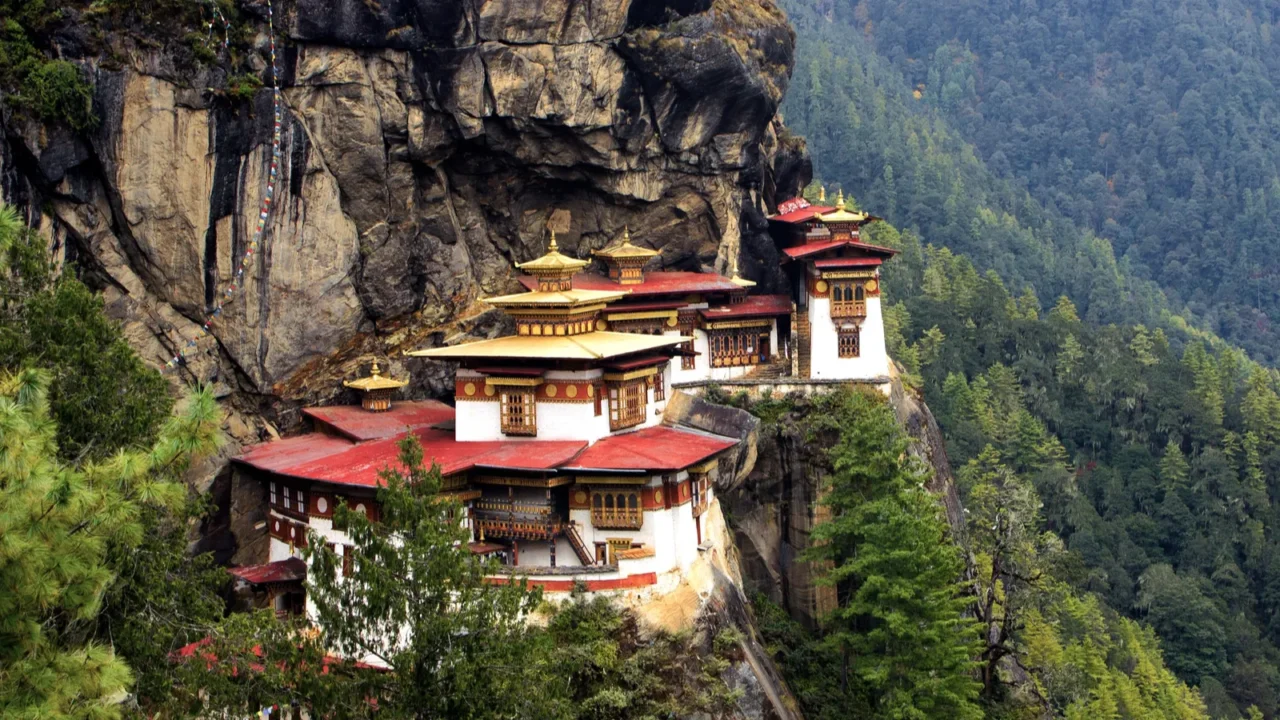
Bhutan
Bhutan measures national success by Gross National Happiness, and that same philosophy shapes how it receives visitors. Tourism is intentionally limited, so travelers who arrive are never part of a crowd. Mandatory local guides are not hired hands reciting scripts.
They are neighbors who grew up inside the monasteries they are showing you. Bhutan treats every visitor as someone genuinely worth the time, and that alone makes it extraordinary.
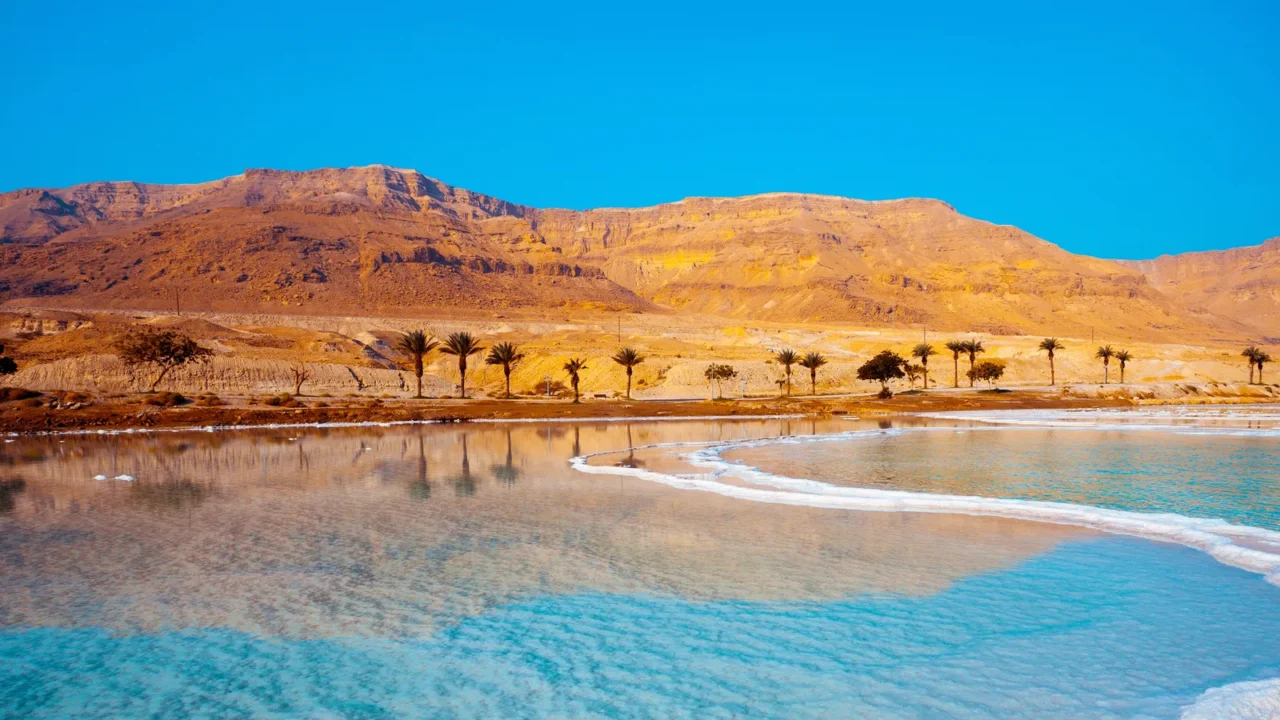
Jordan
Jordan’s Bedouin heritage makes hospitality a matter of honor. In communities around Wadi Rum, offering tea to a stranger is an identity statement. Locals in villages near Petra invite travelers to eat with an ease that surprises nearly everyone.
Refusing a guest carries cultural shame, and that tradition has survived fully. Jordan does not feel like somewhere you visit. It feels like somewhere that was already expecting you long before you arrived.
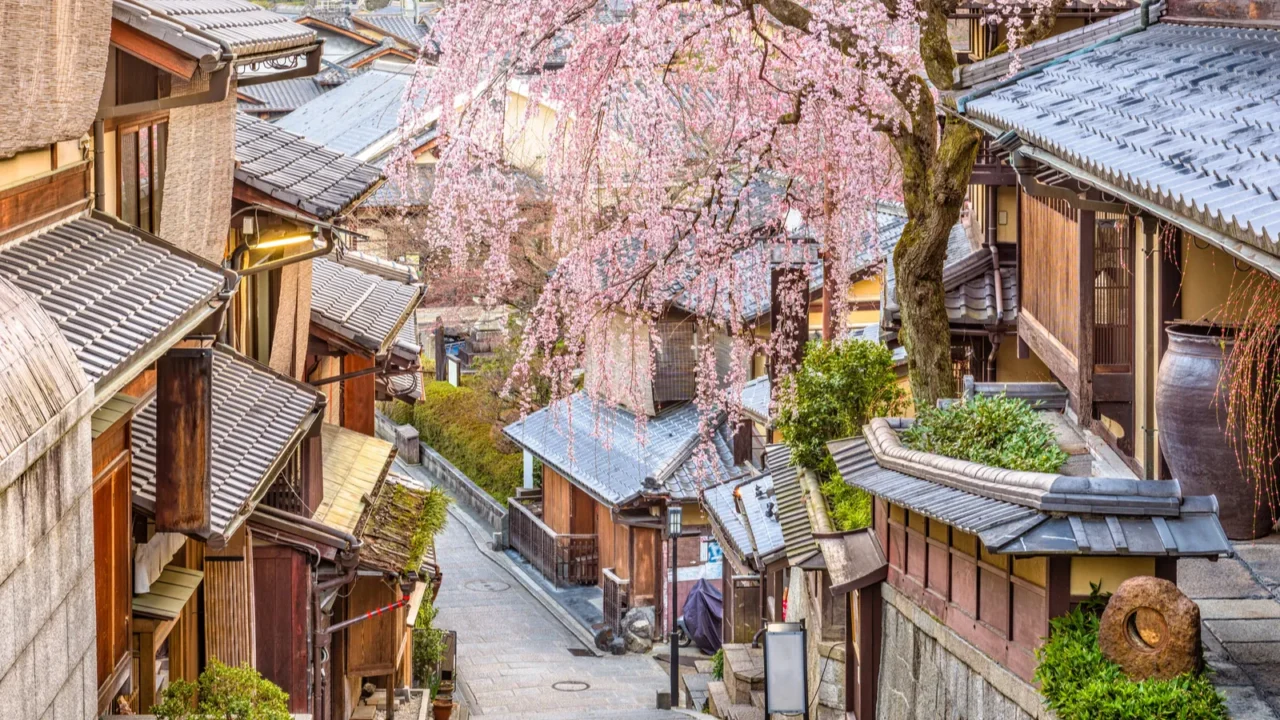
Kyoto
Kyoto operates on “omotenashi,” a hospitality philosophy that anticipates a guest’s needs before they are voiced. In a traditional ryokan, travelers are welcomed with seasonal sweets and rooms prepared as though their comfort was the only task that mattered all day.
Fun Fact: Omotenashi was so central to Japan’s identity that it anchored the country’s entire 2020 Olympic bid.
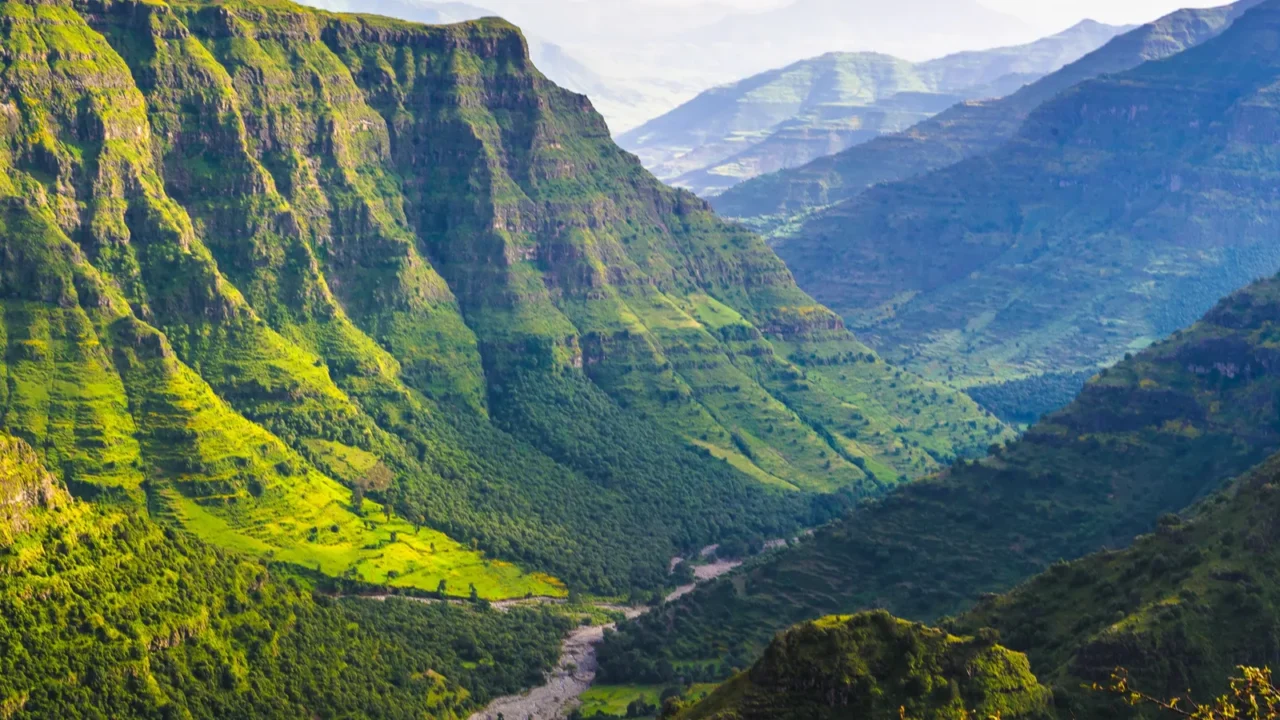
Ethiopia
Ethiopia’s coffee ceremony makes generosity tangible. Families invite strangers into a three-round ritual lasting nearly two hours. Leaving before the final cup is considered disrespectful, and that expectation alone changes the dynamic entirely.
In Harar and Addis Ababa, travelers receive genuine invitations, not pitches. Ethiopia’s centuries of cross-cultural exchange are alive in its people, and that history shows in how openly they share their world with anyone passing through.
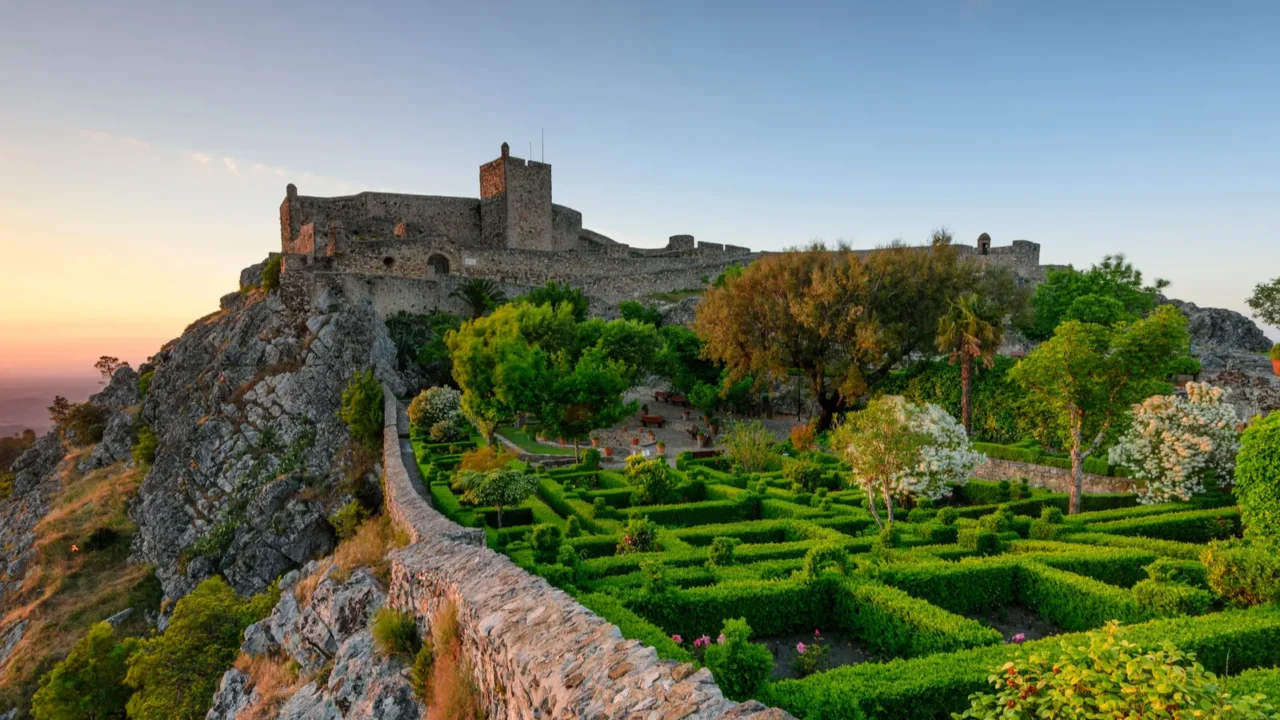
Alentejo
The Alentejo, Portugal’s vast interior plain, is unhurried and unguarded. Walk into a local tasca for lunch, and the owner often pulls up a chair before the food arrives. There are no scripts and no upsells, just conversation.
Fun Fact: Portugal produces over 50% of the world’s cork supply, and most of it grows right here in Alentejo.
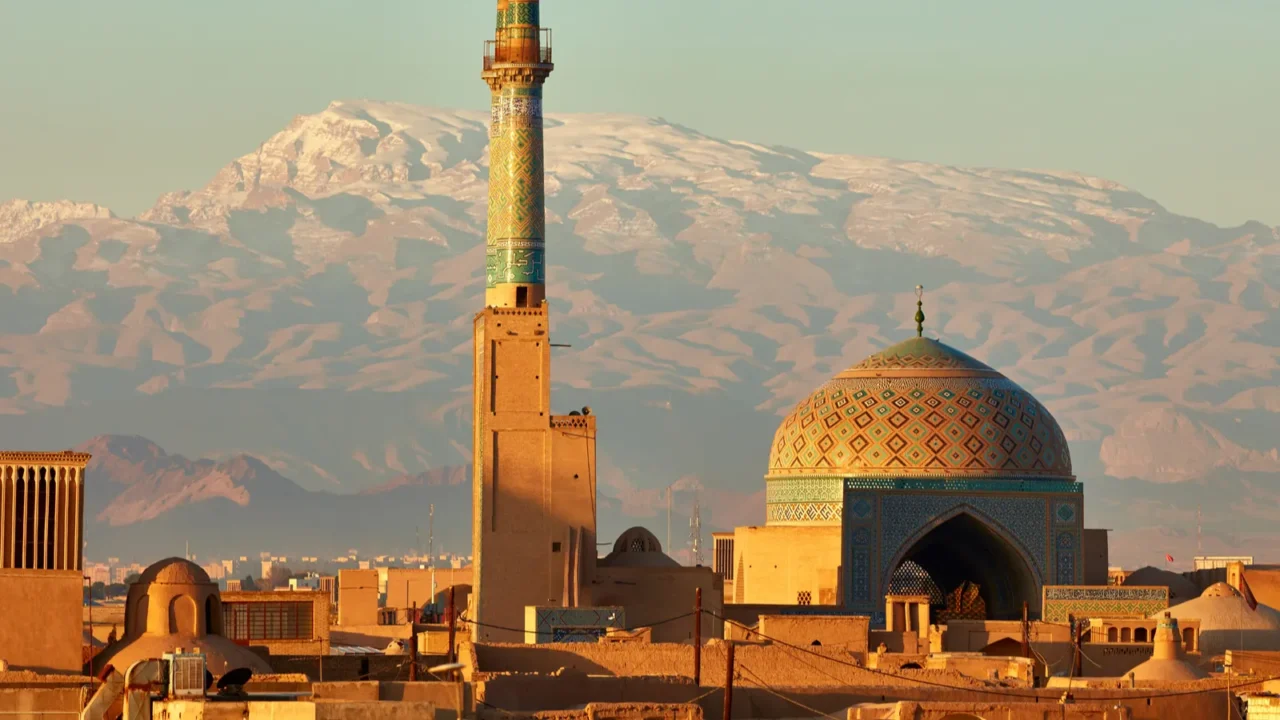
Iran
Few countries carry a wider gap between perception and reality than Iran. Travelers in Isfahan and Shiraz describe locals approaching them to offer directions, dinner invitations, and tea paid for before a refusal is even possible.
Iran’s social code of “tarof” makes offering reflexive and abundant. A local insists not from pressure but from a genuine desire to give. The country’s ancient role as a trade crossroads built a deep and lasting affection for the stranger into its people.
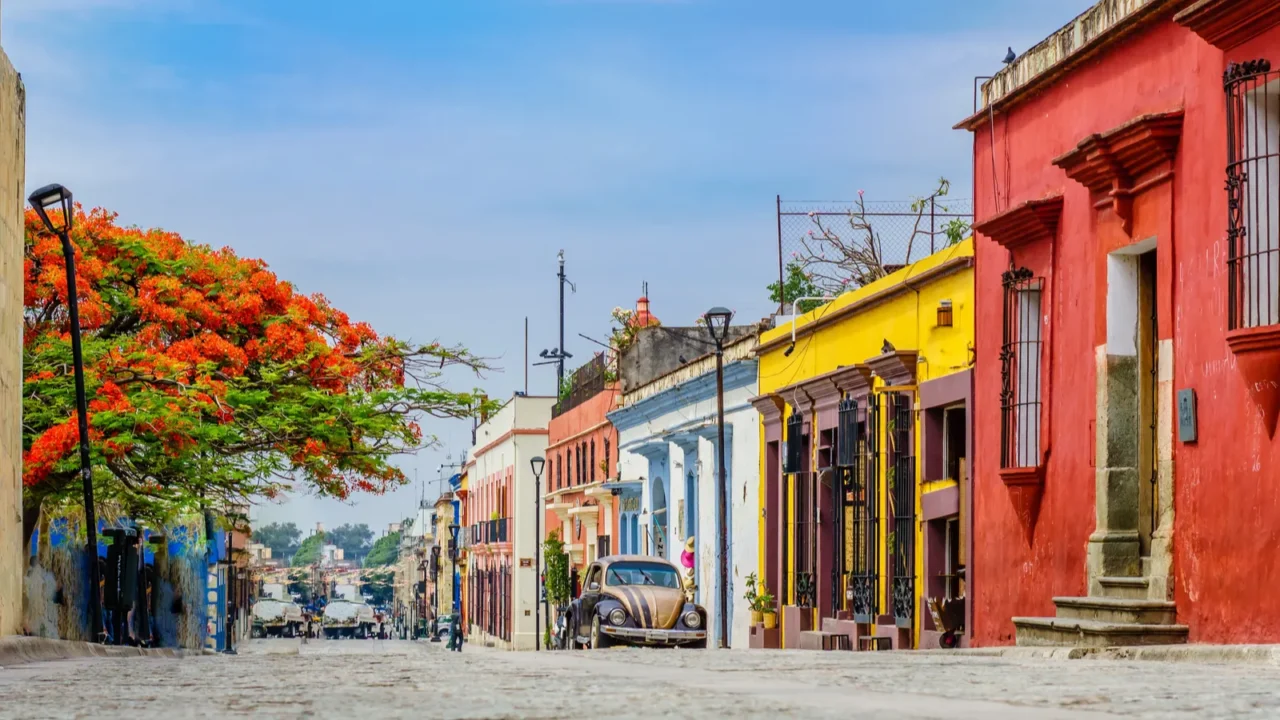
Oaxaca
Oaxaca built its identity around communal life, and that does not change for visitors. The Tlacolula market, held every Sunday, runs on conversation as much as commerce. Vendors offer samples out of pride, not strategy.
Local families open their homes for cooking experiences that feel nothing like classes. They are simply meals where strangers happen to learn alongside the cook. Indigenous Zapotec and Mixtec traditions of reciprocity here predate the colonial period and have survived with remarkable living integrity.
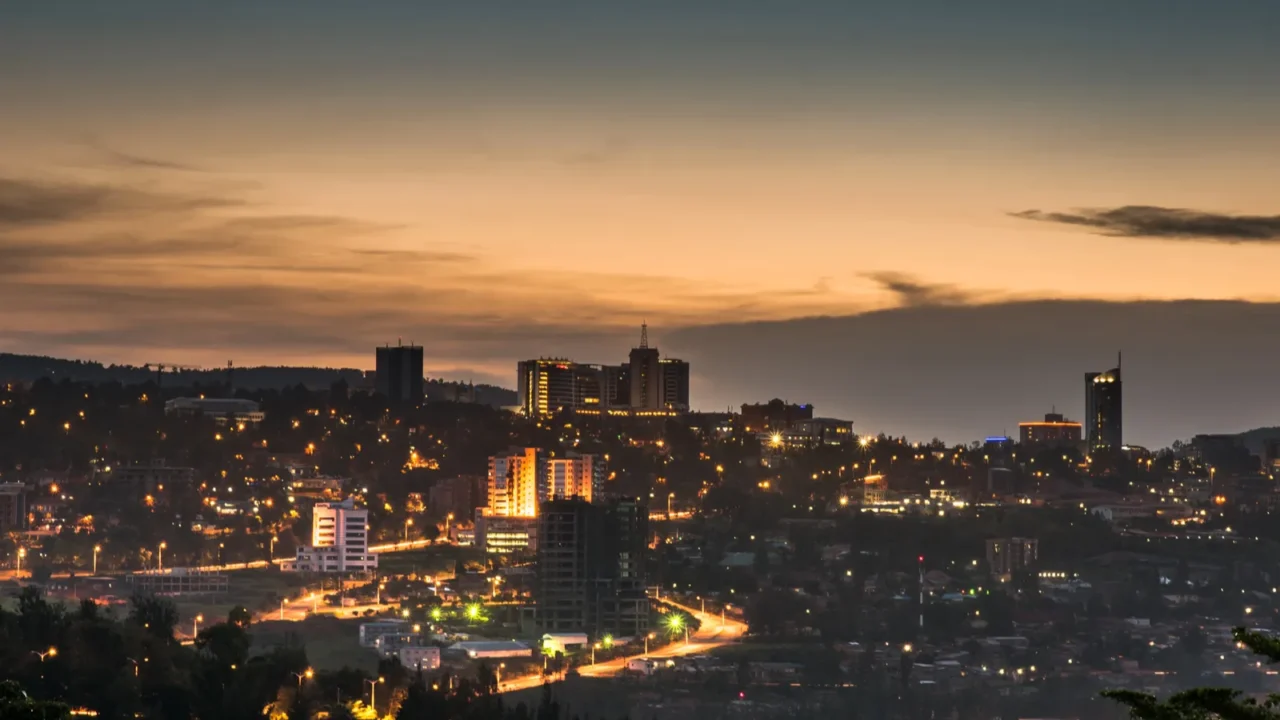
Rwanda
Rwanda’s transformation is one of modern history’s most remarkable stories, and its approach to tourism reflects that depth. Community-based programs near Volcanoes National Park place travelers inside daily village life in ways no guided tour can replicate.
Kigali ranks consistently among Africa’s cleanest cities, and its residents carry a civic pride that extends naturally to visitors. Rwanda does not just let you in. It introduces you to itself, openly and without reservation, every single time.
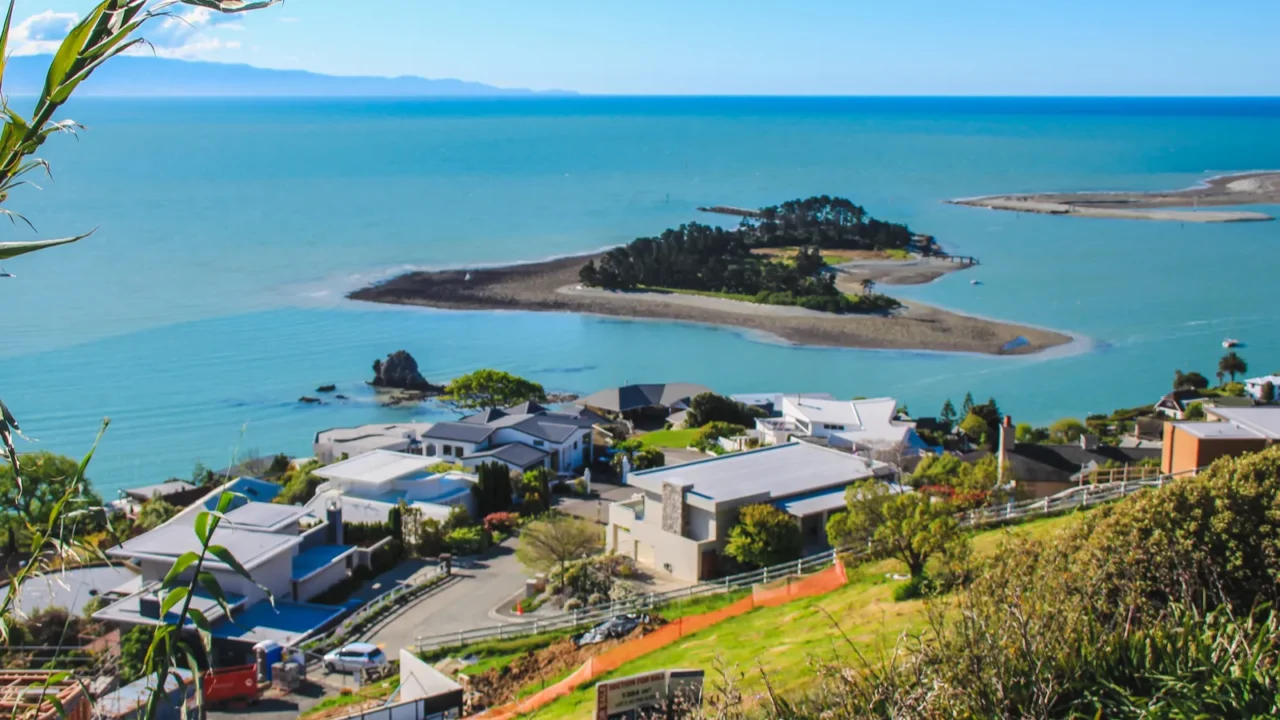
New Zealand, South Island
Small South Island towns like Hokitika and Oamaru feel as though they have something personal to share with every visitor. That generosity feels tied directly to the landscape. When the land is extraordinary, sharing it comes naturally.
Māori culture carries “manaakitanga,” the practice of showing genuine care for others, woven into community-led tourism across the region. Travelers describe leaving with something closer to a relationship than a memory, which is exactly the point.
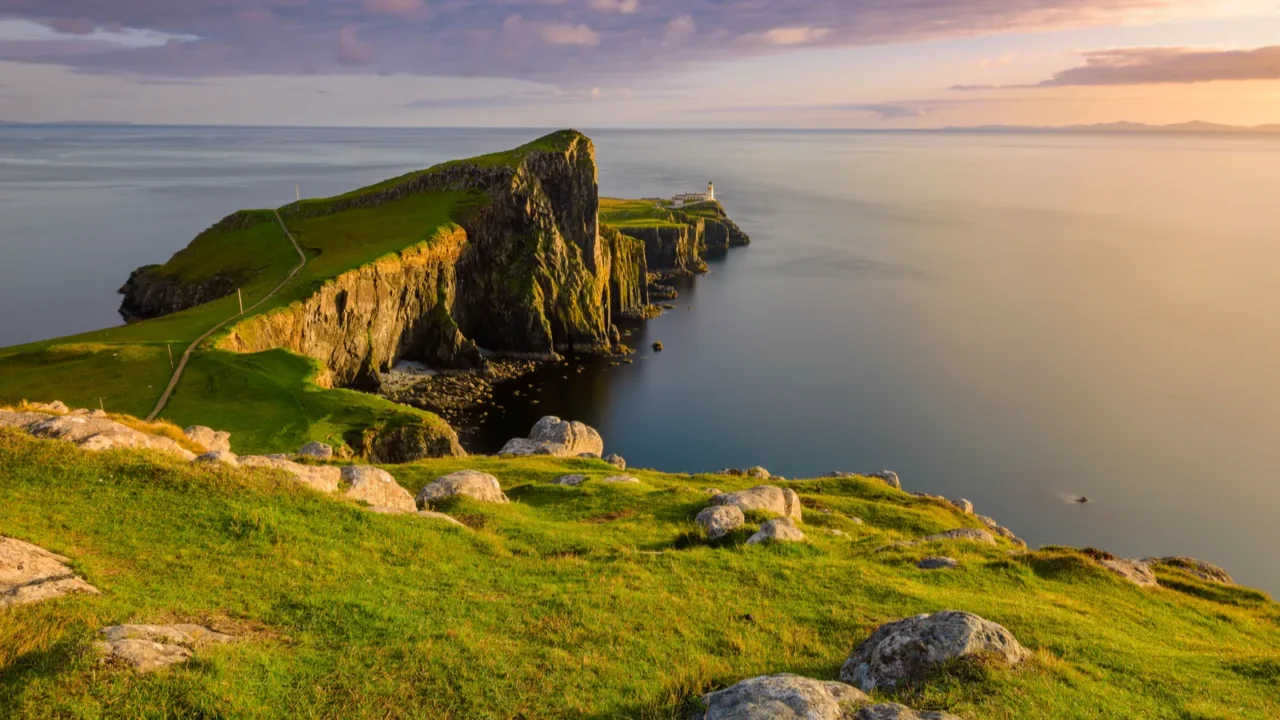
Hebrides
The Outer Hebrides operate by a social code that feels like a different era. Doors stay unlocked. Neighbors bring food when someone is unwell. Travelers arriving on islands like Lewis and Harris get folded into that fabric almost immediately.
The Gaelic tradition of the cèilidh, a communal gathering of music and storytelling, has welcomed outsiders for generations. Visitors are not seated as observers. They are pulled onto the floor. No one here has ever felt alone. If remote places like this call to you, explore more through tourism options that take you off the beaten path entirely.
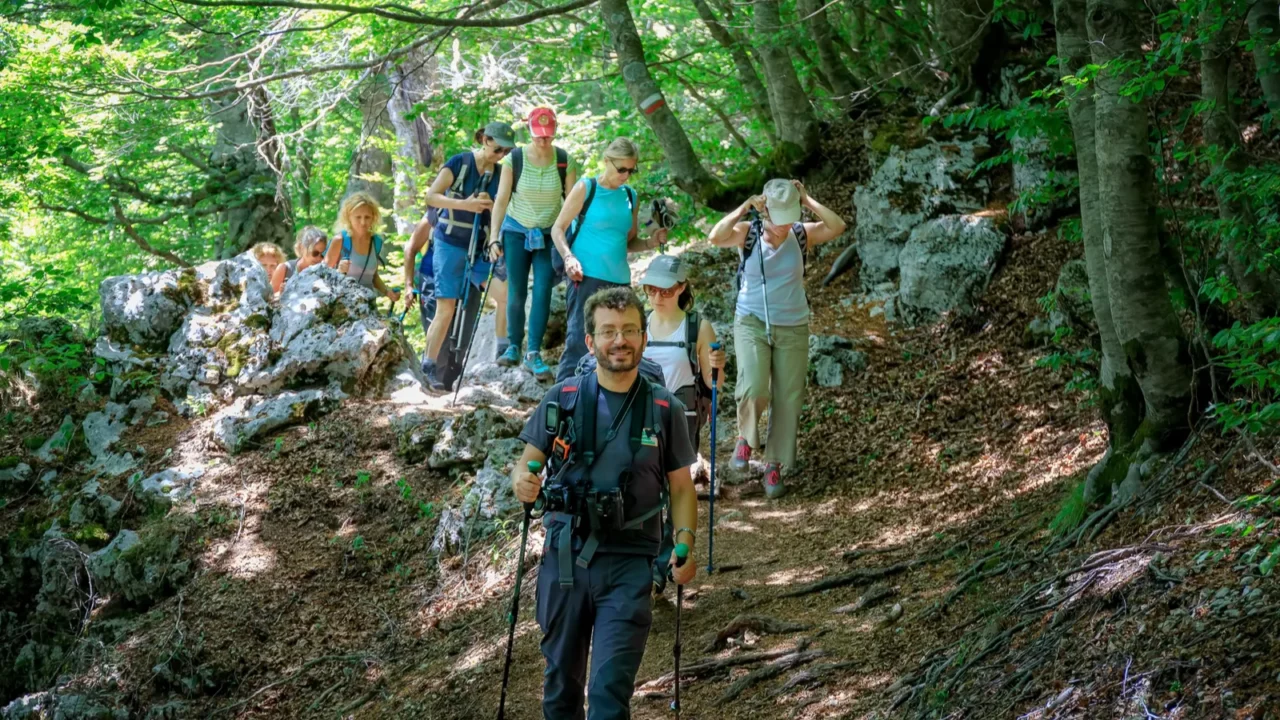
The world still sets a place at the table
These destinations share something no algorithm predicted: they treat a stranger’s arrival as worth caring about. A Bedouin tent in Jordan, a ryokan room in Kyoto, a Sunday market in Oaxaca, each one offers the same rare thing.
The world is not short on destinations. It is short on the kind of attention these places give freely. If travel has felt transactional lately, the places on this list are a reminder that it was never supposed to feel that way. Start with tourism in the remote places most people scroll right past.
Which of these remote places made you stop scrolling, and why has no one told you about it sooner?
This slideshow was made with AI assistance and human editing.
Don’t forget to follow us for more exclusive content right here on MSN.
Read More From This Brand:
