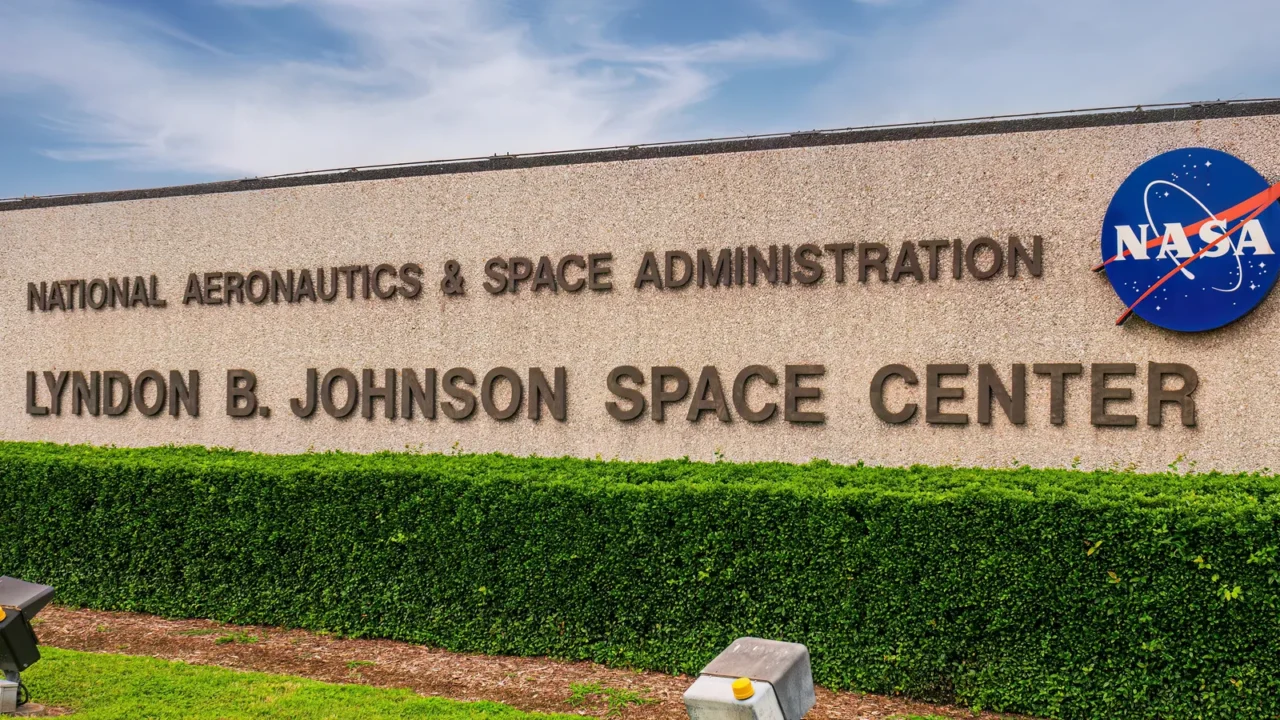
NASA James Webb discoveries
NASA’s James Webb Space Telescope has revealed new details about distant galaxies and planetary systems, adding significantly to current astronomy research and public interest in space science. Researchers continue to publish new observations that expand understanding of the universe.
James Webb discoveries have helped keep astronomy in the public spotlight, which aligns with broader interest in observatories, dark-sky destinations, and stargazing experiences. Locations known for clear skies are seeing increased attention from travelers and astronomy enthusiasts. Stargazing tourism is becoming a growing niche within global travel trends.

Webb telescope global impact
The James Webb Space Telescope continues to deliver detailed infrared images that highlight early galaxy formation and exoplanet atmospheres. These findings are frequently shared by NASA and international research institutions. The telescope remains one of the most advanced space observatories ever launched.
Astronomy-driven travel has increased as interest in space discoveries grows among global audiences. Observatories in regions with minimal light pollution are attracting more visitors. Travelers are combining science interests with unique outdoor experiences.
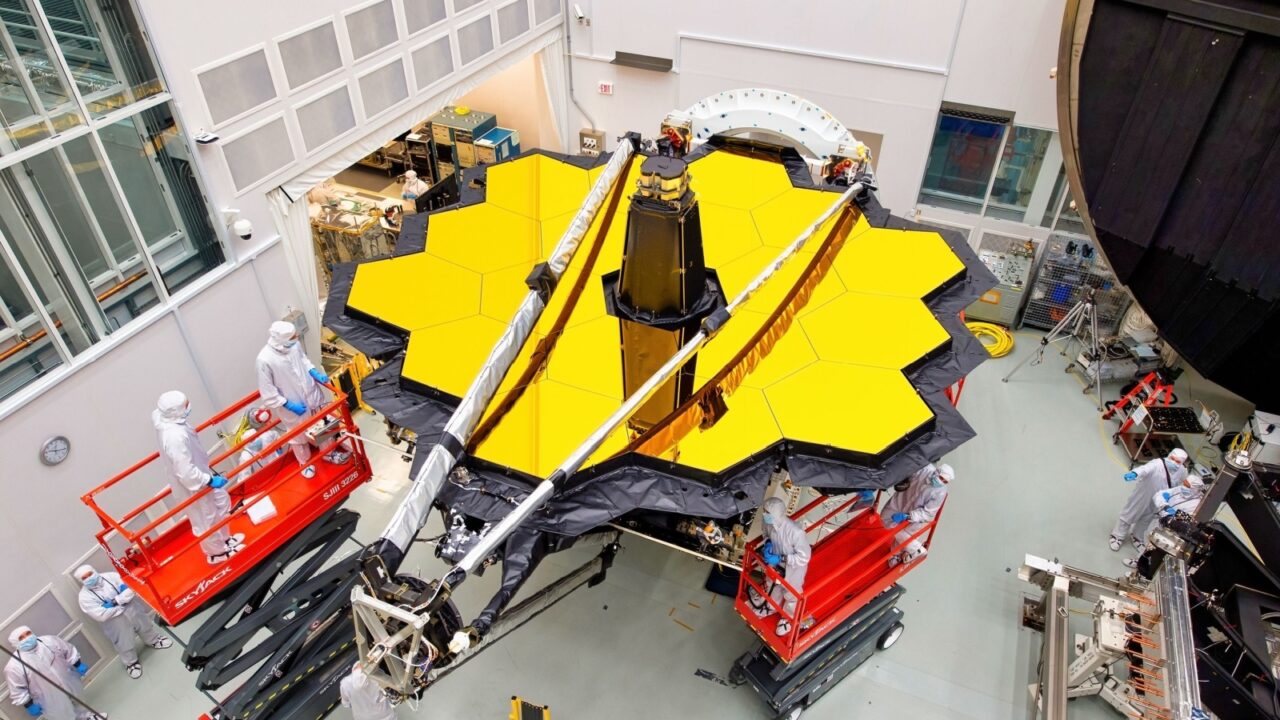
Deep space observation trends
The James Webb Space Telescope has contributed to a surge in public interest in deep space observation and astrophysics research. Scientific institutions continue to release new findings related to star formation and cosmic evolution. These updates are often covered by organizations like NASA and the European Space Agency.
Travel destinations connected to astronomy are gaining attention as part of experiential tourism. Locations such as Chile’s Atacama Desert and Hawaii’s Mauna Kea offer world-class stargazing conditions. These sites are frequently included in astronomy travel guides.
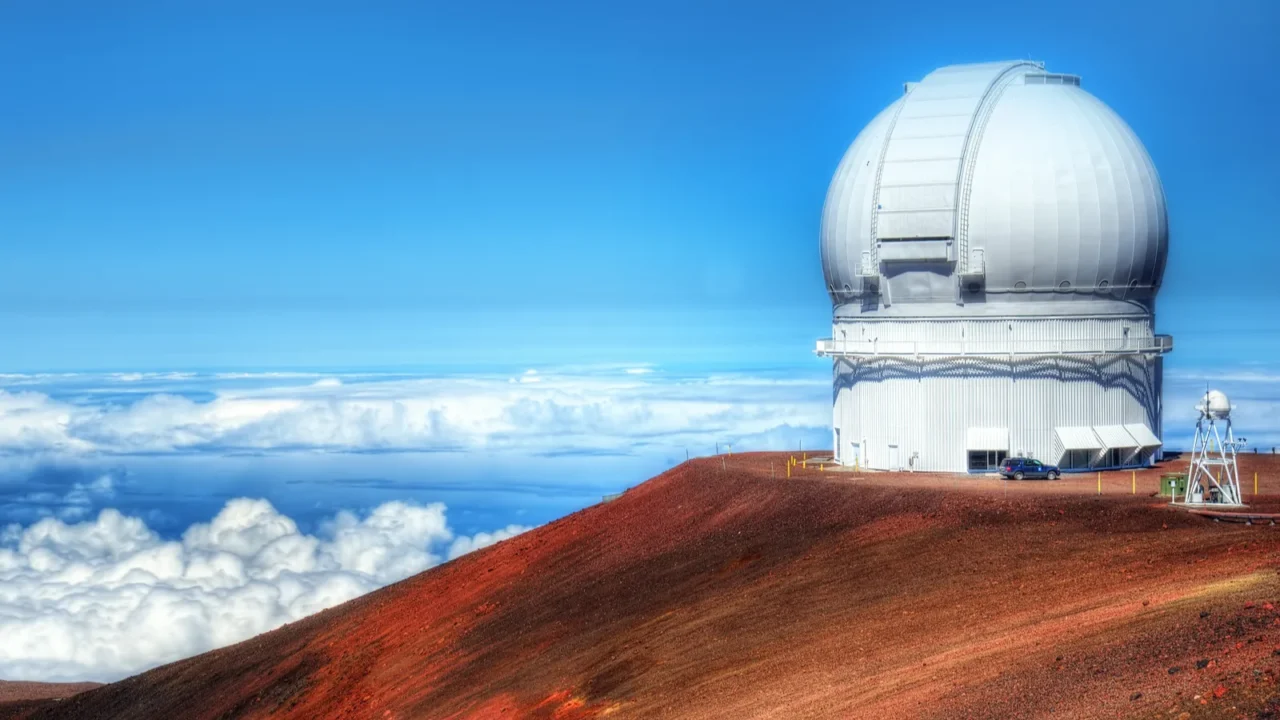
Observatory travel destinations rise
Observatories around the world are seeing renewed visitor interest as astronomical discoveries gain media visibility. Facilities such as Mauna Kea Observatories and Paranal Observatory are known for high altitude viewing conditions and advanced research capabilities. These destinations combine science with tourism appeal.
Travelers often visit these observatories to experience guided stargazing and educational programs. Clear skies and low atmospheric interference make these locations ideal for night sky observation. Tourism boards promote these destinations as part of science-based travel experiences.
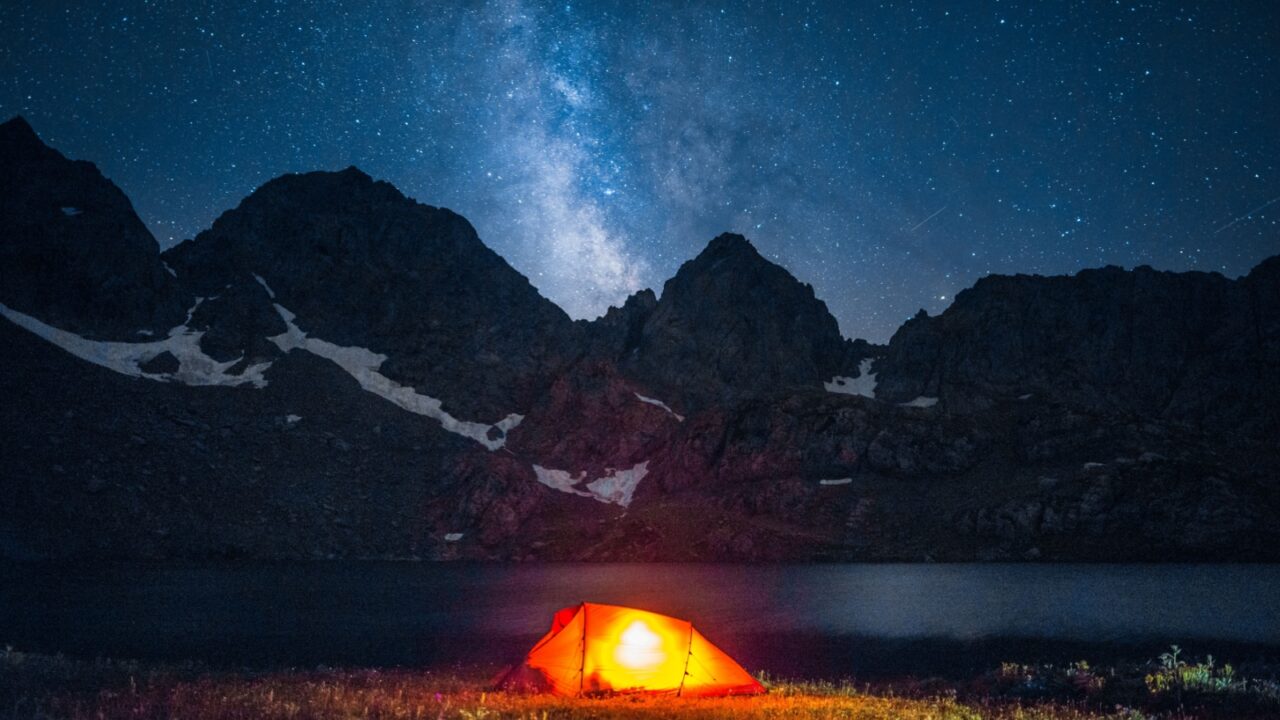
Dark sky tourism growth
Dark sky tourism has expanded as travelers seek destinations with minimal artificial light and optimal viewing conditions. Organizations like DarkSky certify locations that meet defined standards for protecting night skies and limiting light pollution. These areas provide ideal environments for observing stars and celestial events.
National parks and remote regions are increasingly recognized for their stargazing potential. Destinations such as Utah’s Bryce Canyon National Park attract visitors interested in astronomy experiences. Tourism campaigns highlight these natural night sky assets.
Space facts inspire travel
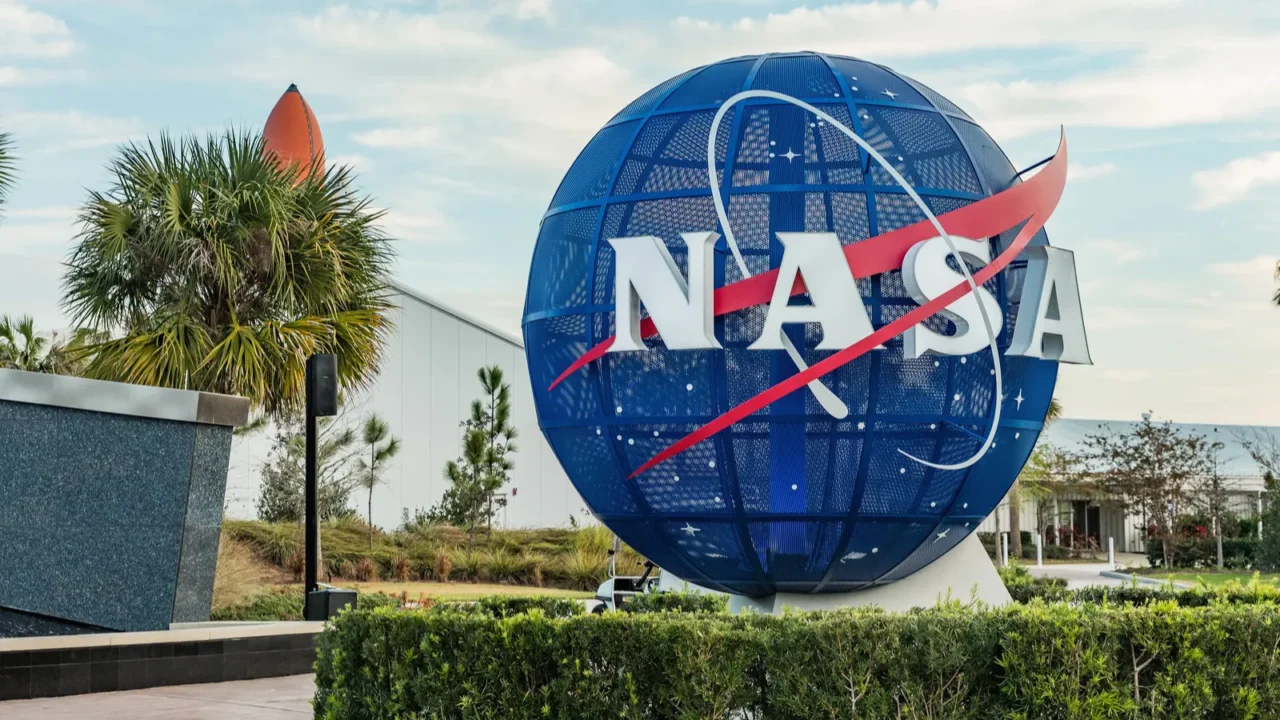
Astronomical discoveries highlighted by NASA and global research agencies continue to inspire interest in space science. These findings include detailed observations of exoplanets and distant galaxies. Public fascination with space exploration remains strong.
Fact: NASA reports that the James Webb Space Telescope can observe galaxies formed over 13 billion years ago, offering insight into the early universe. This level of discovery inspires travelers to visit observatories and dark sky parks for real-world stargazing experiences. Locations with minimal light pollution benefit from this growing curiosity.
Global astronomy engagement rises
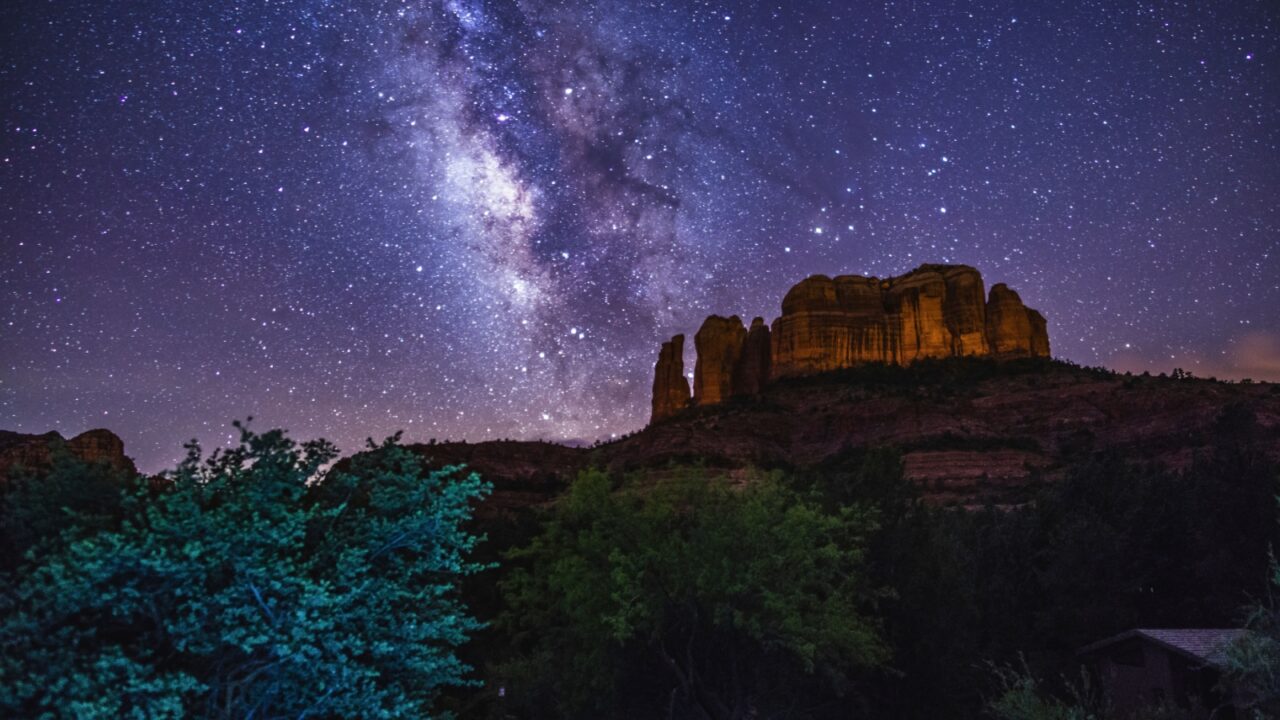
Astronomy organizations continue expanding public outreach programs tied to major discoveries. Observatories and science centers host events that allow visitors to engage with real-time sky observations. These initiatives increase awareness of space science globally.
Fact: DarkSky says there are now 250 certified International Dark Sky Places worldwide, showing the continued global expansion of protected night-sky destinations across multiple continents.
Chile stargazing destination appeal
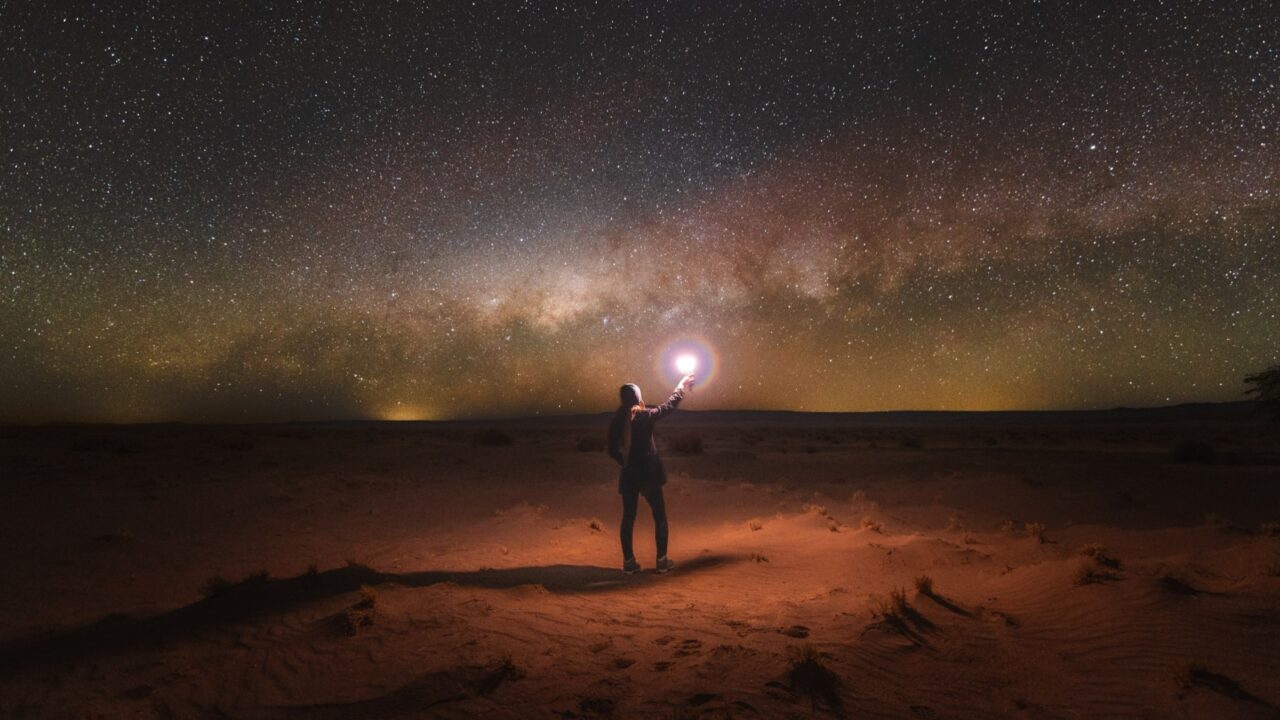
Chile’s Atacama Desert remains one of the most important astronomy locations due to its dry climate and clear skies. Observatories such as the ALMA Observatory play a key role in global research efforts. The region is widely recognized for its exceptional viewing conditions.
Travelers visit the Atacama region for guided stargazing tours and observatory visits. Tourism operators offer packages that combine desert exploration with astronomy experiences. The destination continues to attract science-focused travelers.
Hawaii observatory tourism interest
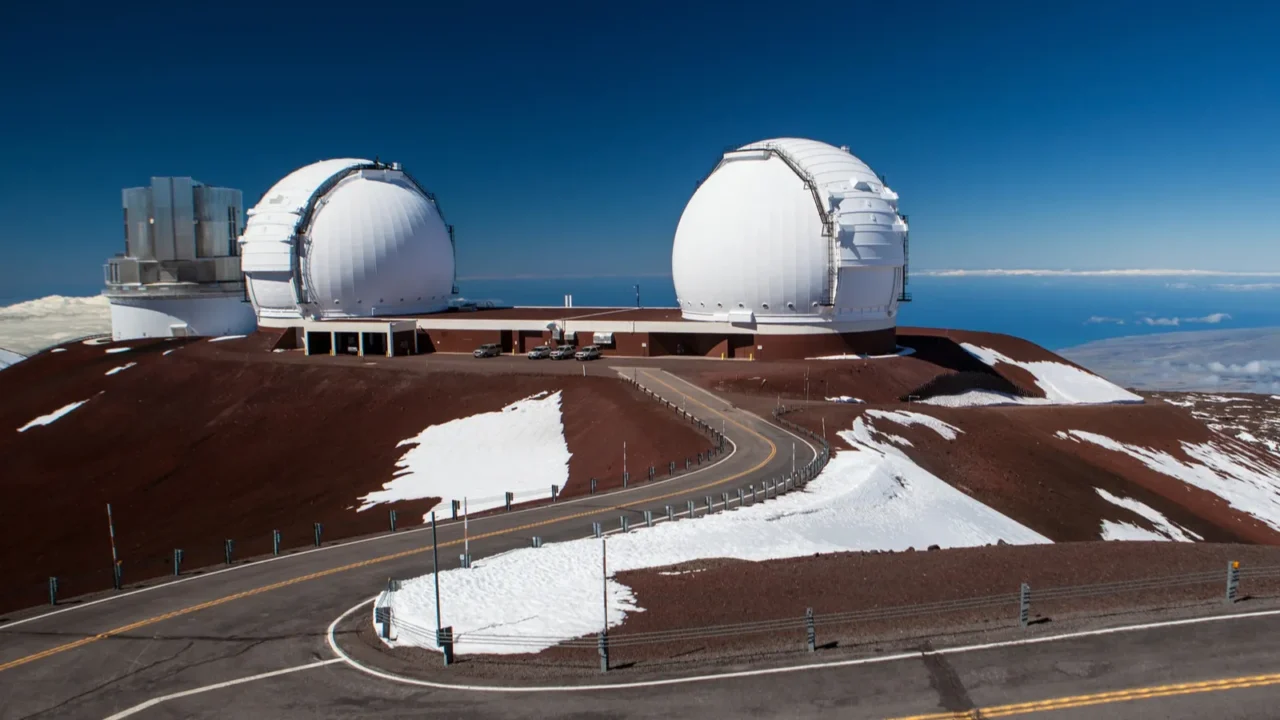
Hawaii is home to some of the most advanced observatories in the world, including facilities on Mauna Kea. These observatories contribute to significant astronomical research and global discoveries. The location offers high elevation and minimal atmospheric distortion.
Tourism in Hawaii includes educational stargazing experiences and observatory tours. Visitors often explore both natural landscapes and scientific sites. The combination of science and scenery enhances travel appeal.
National park night skies
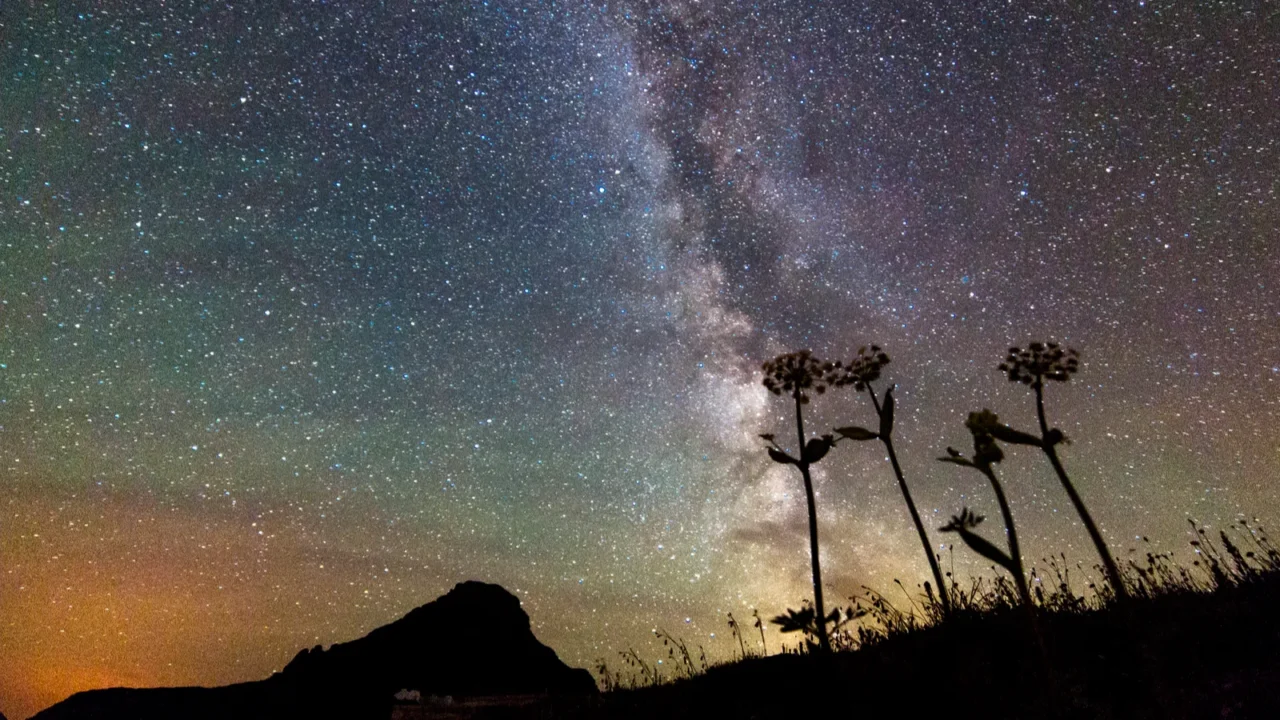
US national parks are increasingly recognized for their dark sky conditions and stargazing opportunities. Parks such as Bryce Canyon National Park offer ranger-led astronomy programs. These programs attract both domestic and international visitors.
Travelers often include night sky viewing as part of outdoor itineraries. Park services promote astronomy events during peak travel seasons. These experiences support growing interest in nature-based travel.
Europe observatory experiences grow
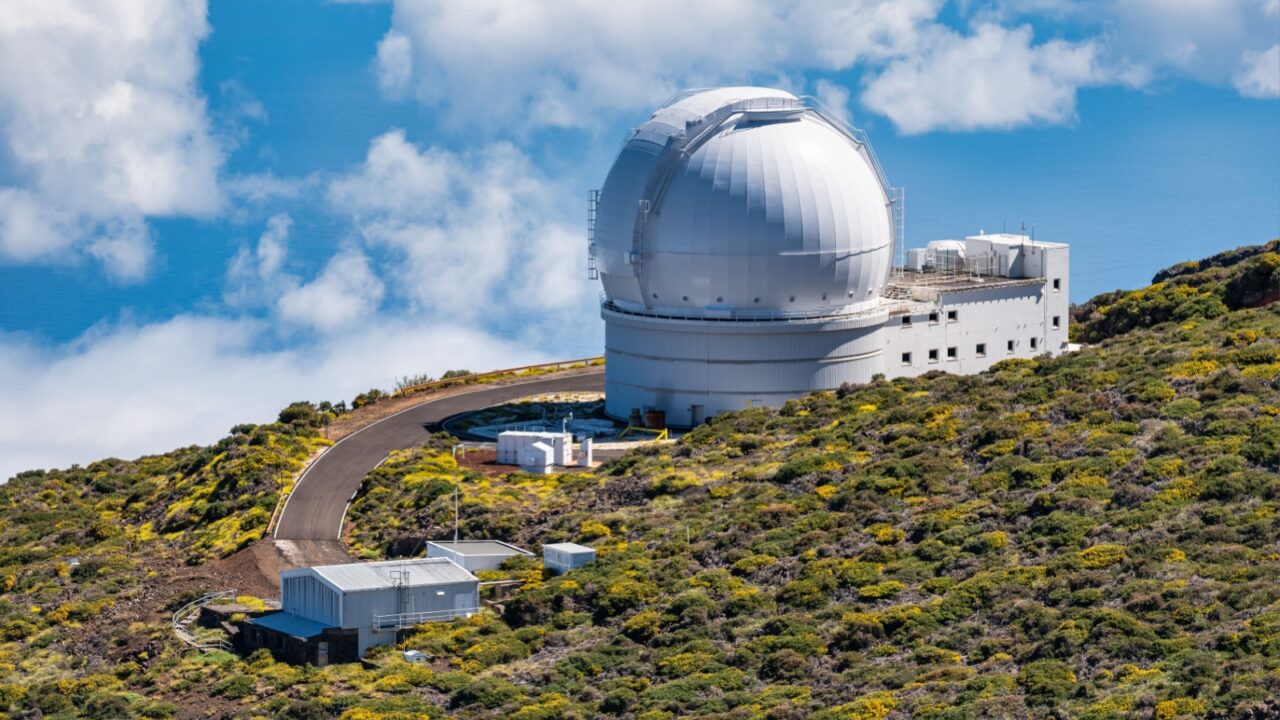
European observatories are also gaining attention as travel destinations for astronomy enthusiasts. Facilities like La Palma Observatory provide public access and guided tours. These sites combine scientific research with visitor engagement.
Travelers visiting Europe often include observatories in broader cultural itineraries. Locations in Spain and Portugal offer accessible stargazing experiences, while desert observatories are turning stargazing into a luxury experience. These destinations continue to expand tourism offerings.
Stargazing travel future outlook
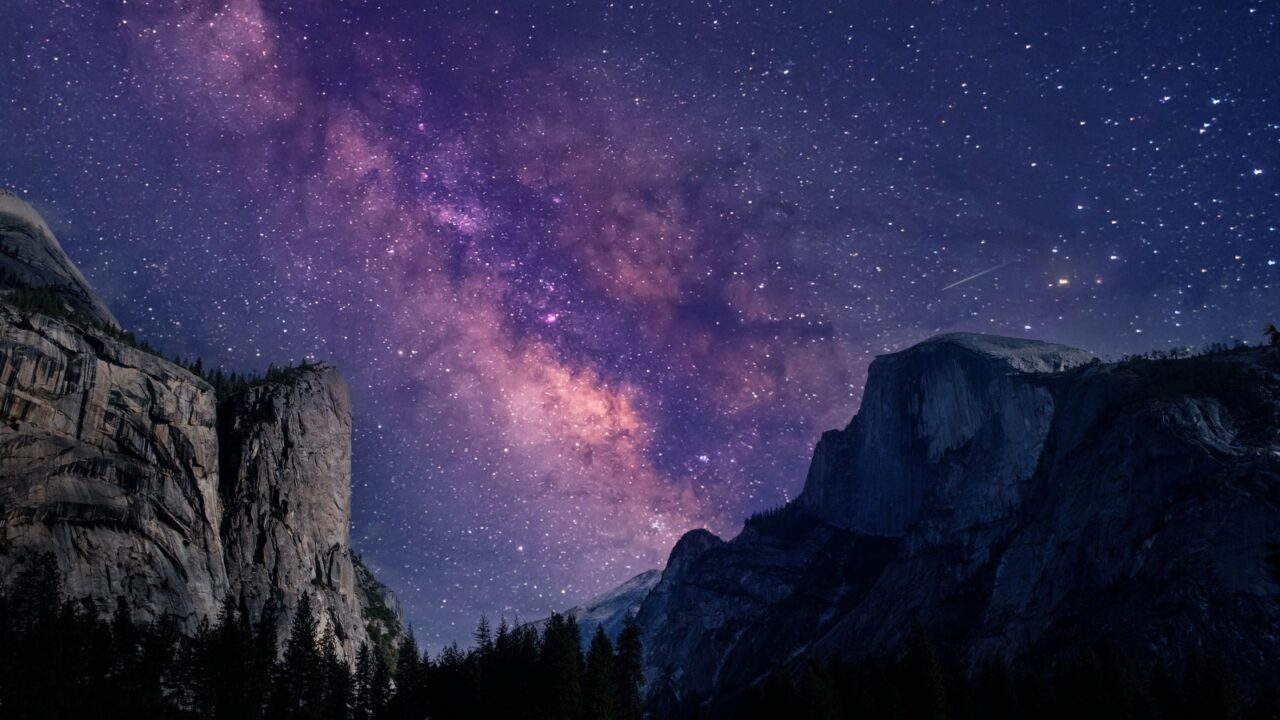
Astronomical discoveries continue to influence travel trends as interest in space exploration grows worldwide. Observatories and dark sky destinations are becoming more prominent in tourism planning. Travelers are increasingly seeking meaningful and educational experiences.
Destinations offering clear skies and scientific engagement remain in high demand. Tourism organizations continue expanding astronomy-focused offerings.
Which stargazing destination feels like the perfect escape for travelers right now? Share your thoughts below.
This slideshow was made with AI assistance and human editing.
Don’t forget to follow us for more exclusive content right here on MSN.
Read More From This Brand:
