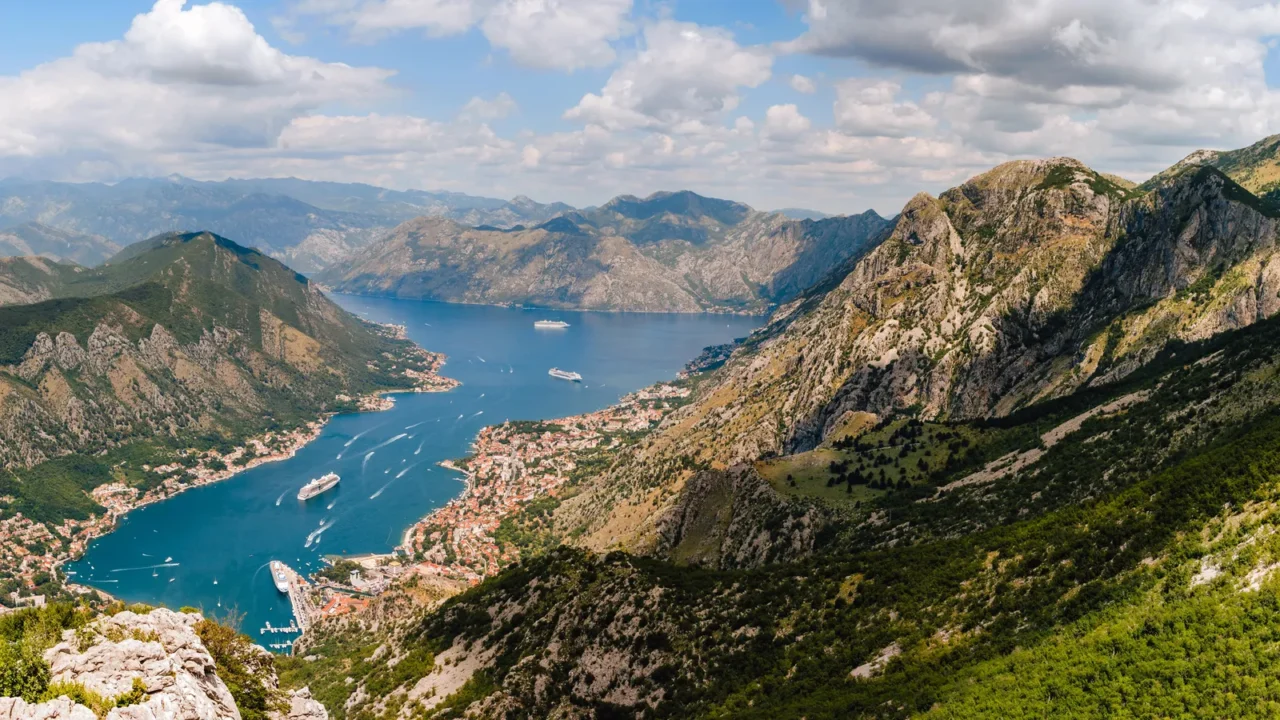
Peaceful towns go quiet
Many scenic towns are imagining new ways to protect their calm atmosphere. Drone-free zones are becoming part of that vision. Travelers are curious how these zones might change the experience of visiting.
These quiet areas let people focus on the surroundings without distractions. The concept balances modern technology with peaceful enjoyment. Let’s dive in and see what these towns could offer.
Why towns need quiet
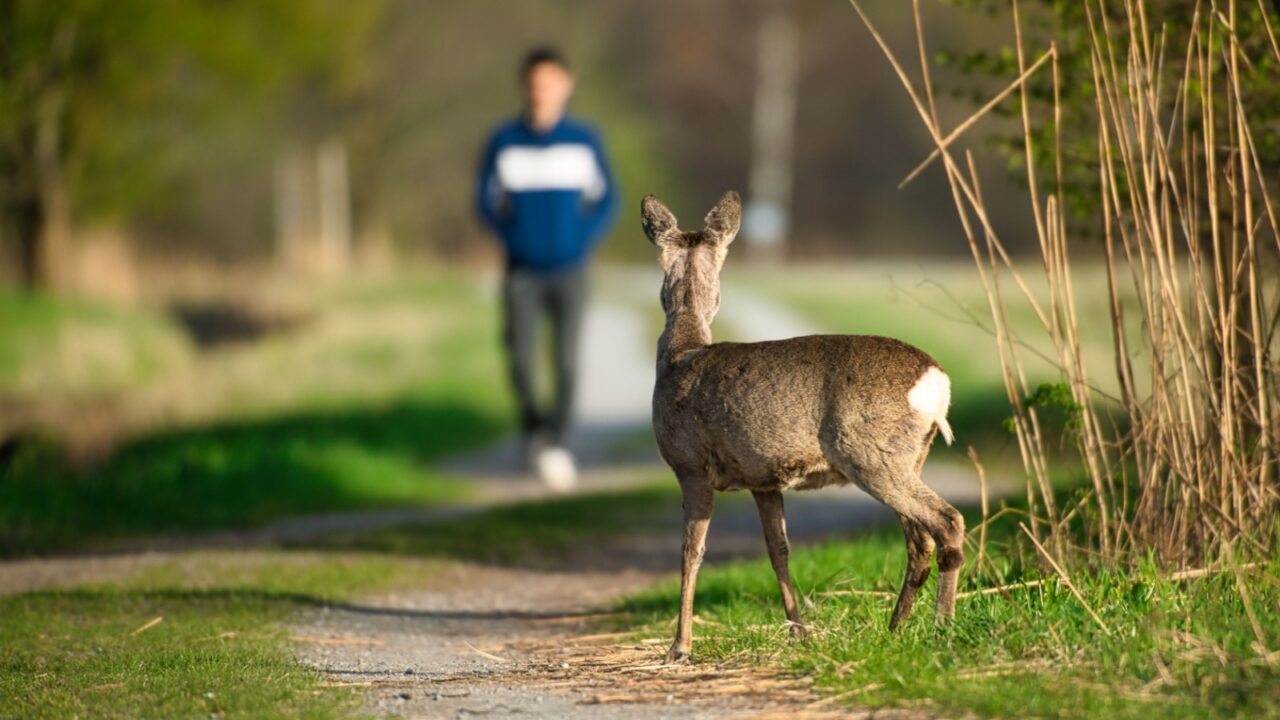
Urban and tourist noise often disturbs local life and wildlife. Implementing drone restrictions helps towns preserve their natural calm. The idea encourages mindfulness and respect for the environment.
Travelers can walk streets or parks without sudden buzzing or whirring sounds from drones. Quiet spaces promote reflection, conversation, and relaxation. Town planners hope this concept inspires more serene travel experiences.
Protecting natural beauty
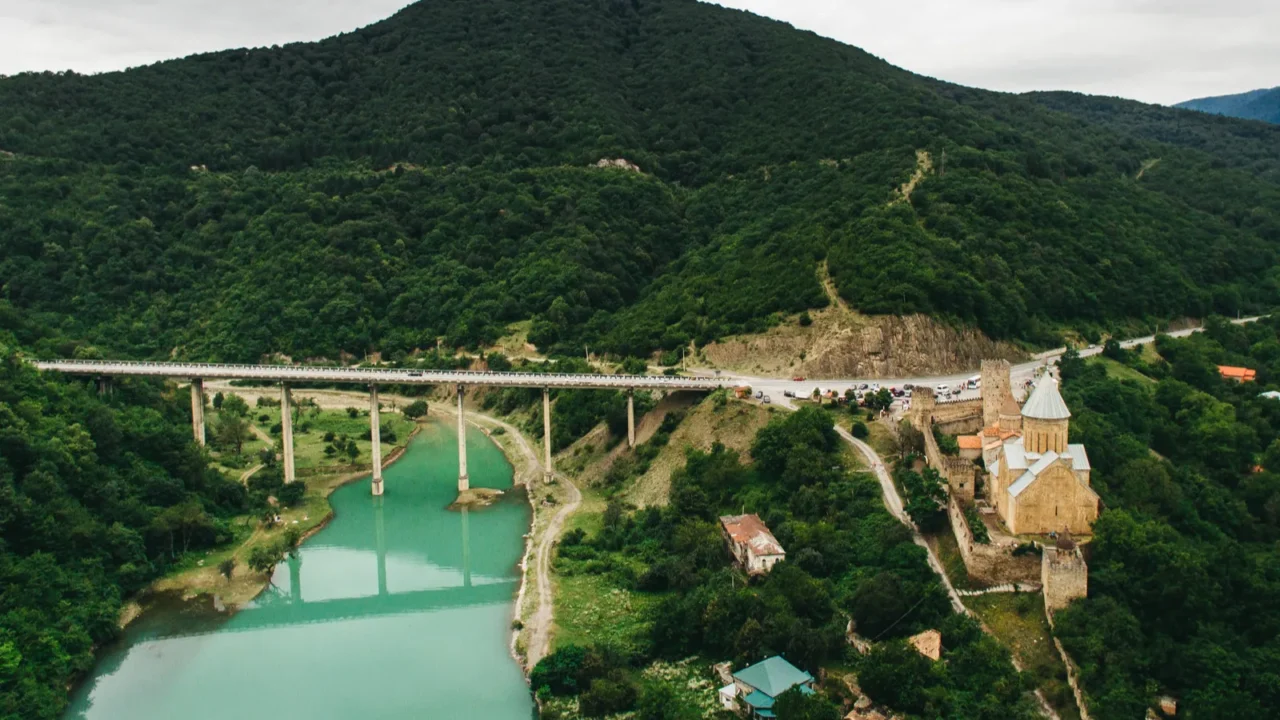
Drone-free zones allow visitors to enjoy natural landscapes undisturbed. Waterways, hills, and forests appear more immersive without overhead filming. Observing wildlife also becomes safer and less stressful.
This approach helps maintain local ecosystems while providing authentic experiences. Travelers might notice details they otherwise miss. The scenery feels richer and more present.
Encouraging mindfulness
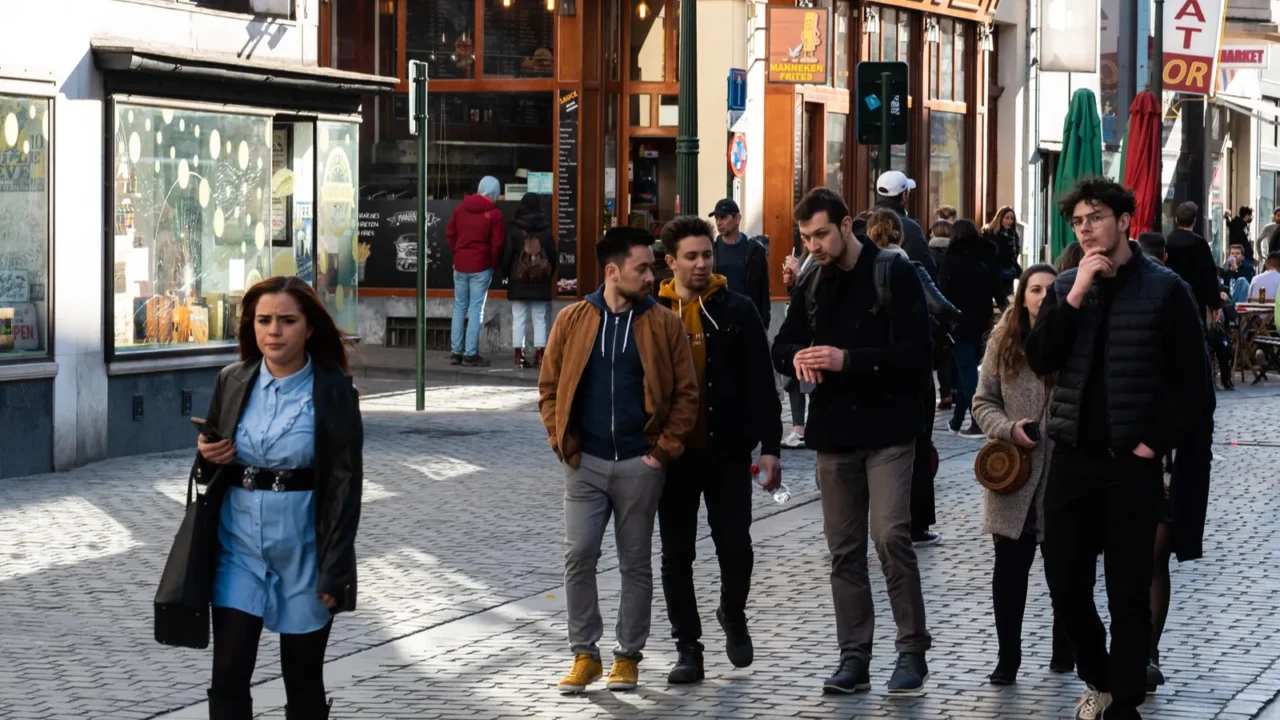
Visitors are encouraged to engage fully with each moment. Walking, sketching, or photographing from ground level becomes part of the experience. Drone restrictions give people the chance to slow down intentionally.
Mindfulness activities often thrive in these quiet towns. People explore streets, gardens, and riversides more attentively. This could transform simple visits into restorative journeys.
Community support matters
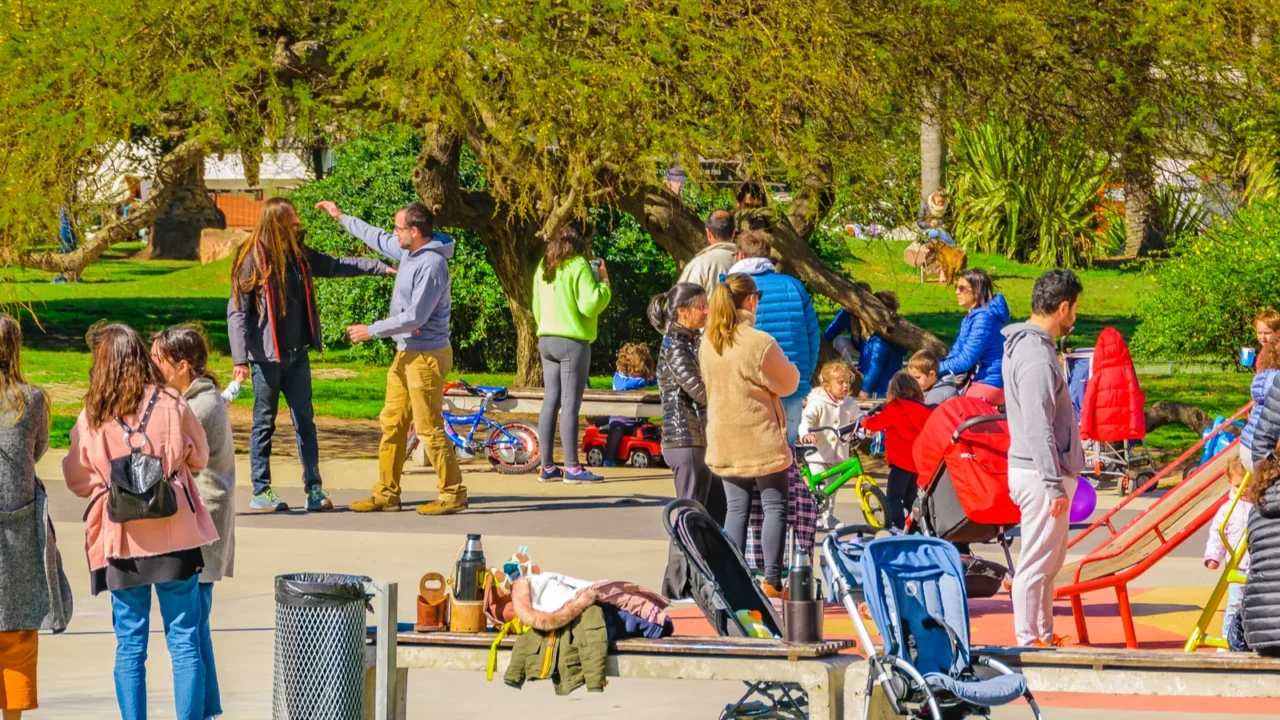
Residents appreciate spaces that limit drone noise. Designating zones free from aerial noise strengthens community ties and encourages shared outdoor enjoyment. Everyone can enjoy the outdoors in peace.
Planners hope to design areas for local events, performances, and markets. Reducing aerial filming preserves the quality of shared experiences. Travelers get a more authentic sense of town life.
Focusing on experiences
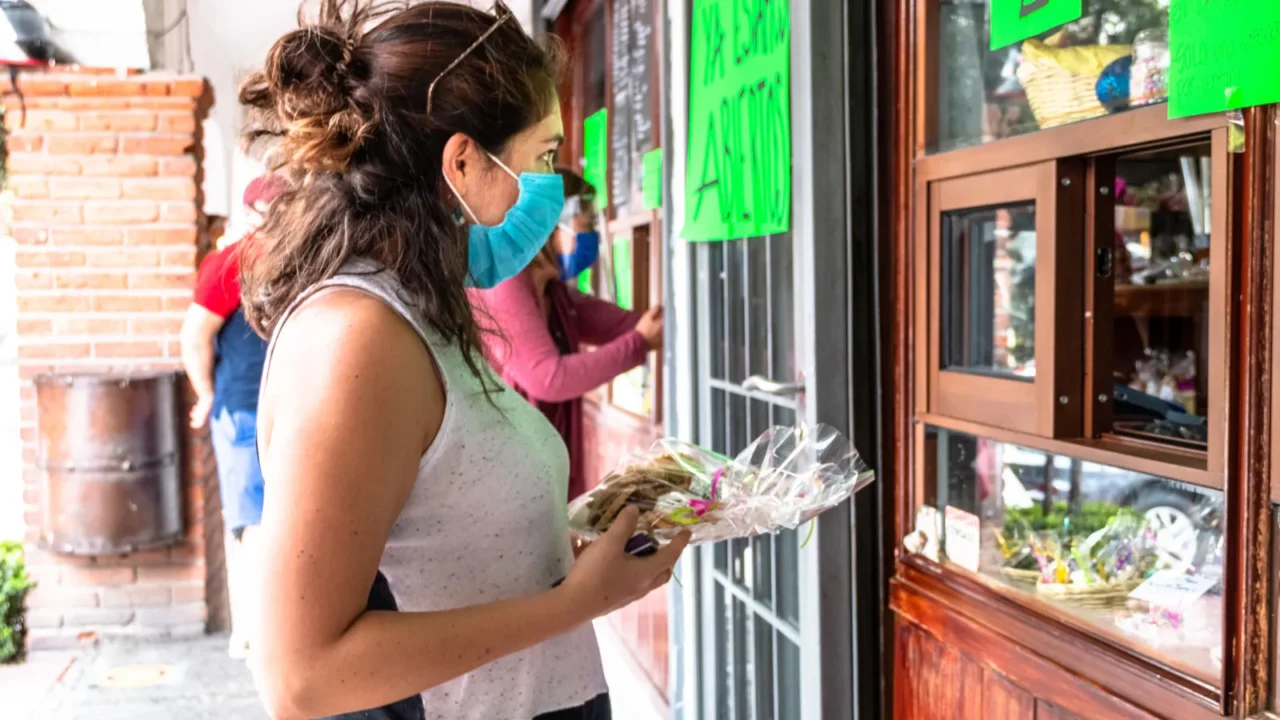
Drone-free areas shift attention to human-scale experiences. Small cafes, galleries, and art installations feel more intimate and accessible. Travelers notice textures, colors, and sounds they might otherwise miss.
Communities aim to highlight craft, culture, and personal connection. The absence of drones creates calm moments for conversation and reflection. It emphasizes interaction over spectacle.

Wildlife and nature thrive
Local wildlife benefits from fewer overhead drones. Birds, small mammals, and aquatic life experience less stress. Habitats remain calmer, supporting biodiversity.
Visitors can watch nature unfold naturally. Photography and observation feel more peaceful and ethical. Wildlife encounters become more meaningful and memorable.

Technology with balance
Drone-free zones do not ban technology completely. They encourage thoughtful use in designated areas. This helps maintain safety and enjoyment without creating noise or distraction.
Smart signage and app-based guidance can inform travelers about allowed zones. Communities blend modern tools with respect for surroundings. The balance strengthens both tourism and local life.
Tourism reimagined
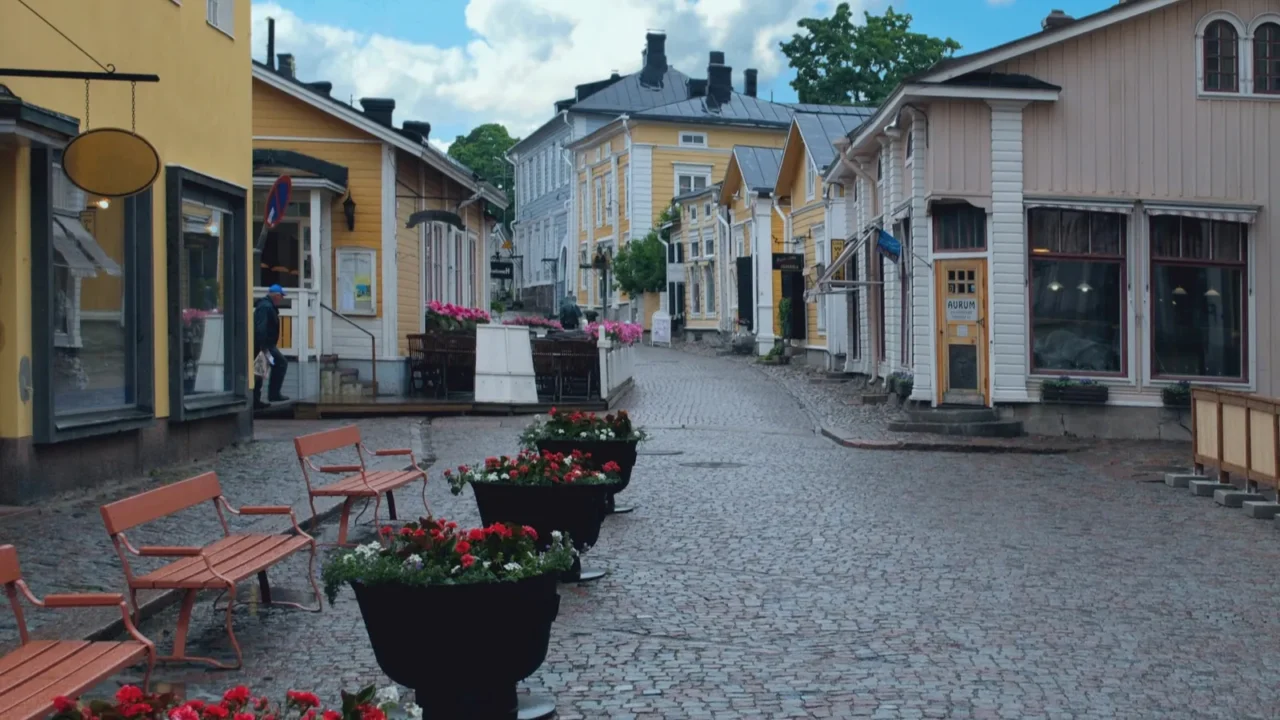
Drone-free zones are already attracting travelers seeking tranquility in areas focused on sustainable tourism. Quiet streets and open spaces feel refreshing compared to crowded, noisy destinations. The concept could redefine sustainable and mindful tourism.
Travelers gain unique stories and intimate memories. They can explore towns more deeply and personally. This approach emphasizes quality over quantity of experiences.
Local culture highlighted
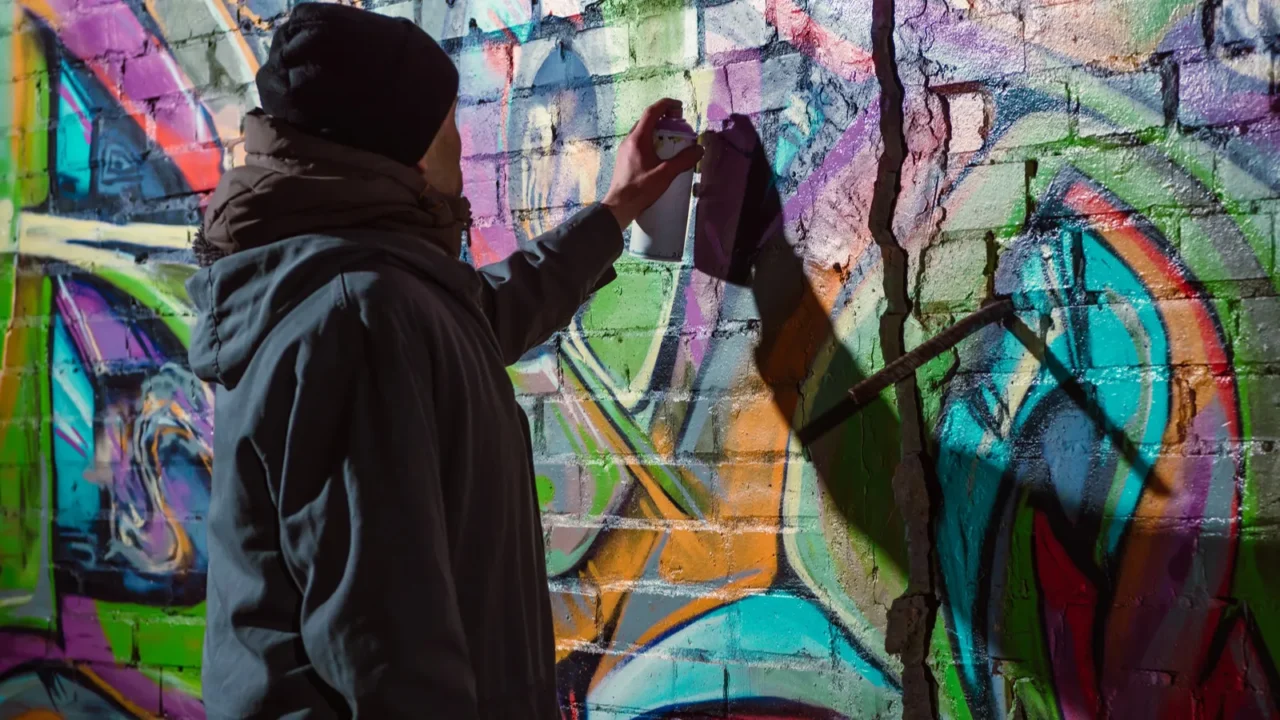
Without drones capturing everything from above, the focus returns to cultural details. Architecture, street art, and public spaces gain prominence. Travelers connect with heritage and creativity more directly.
This also encourages support for small businesses and crafts. Residents enjoy authentic engagement with visitors. Culture and commerce can coexist peacefully.
Planning for success
Imagining drone-free zones involves thoughtful urban design. Signs, maps, and pathways guide visitors clearly. Community feedback ensures balance between tourism and tranquility.
Future towns might experiment with partial zones or timed restrictions. This lets people experience freedom while respecting peaceful priorities. Adaptive planning ensures both residents and travelers benefit.

A new travel trend
Drone-free zones create a concept for mindful tourism. They show how towns can prioritize calm and nature. Visitors might feel refreshed in ways traditional sightseeing does not offer.
The idea is gaining momentum in creative travel discussions, especially as colorful old towns are trending for photography-focused travel, drawing attention to places that balance visual charm with peaceful experiences. Imagining such quiet, aesthetically rich spaces offers inspiration for other sustainable tourism projects and may shape the future of small-town travel.
Imagine visiting these towns
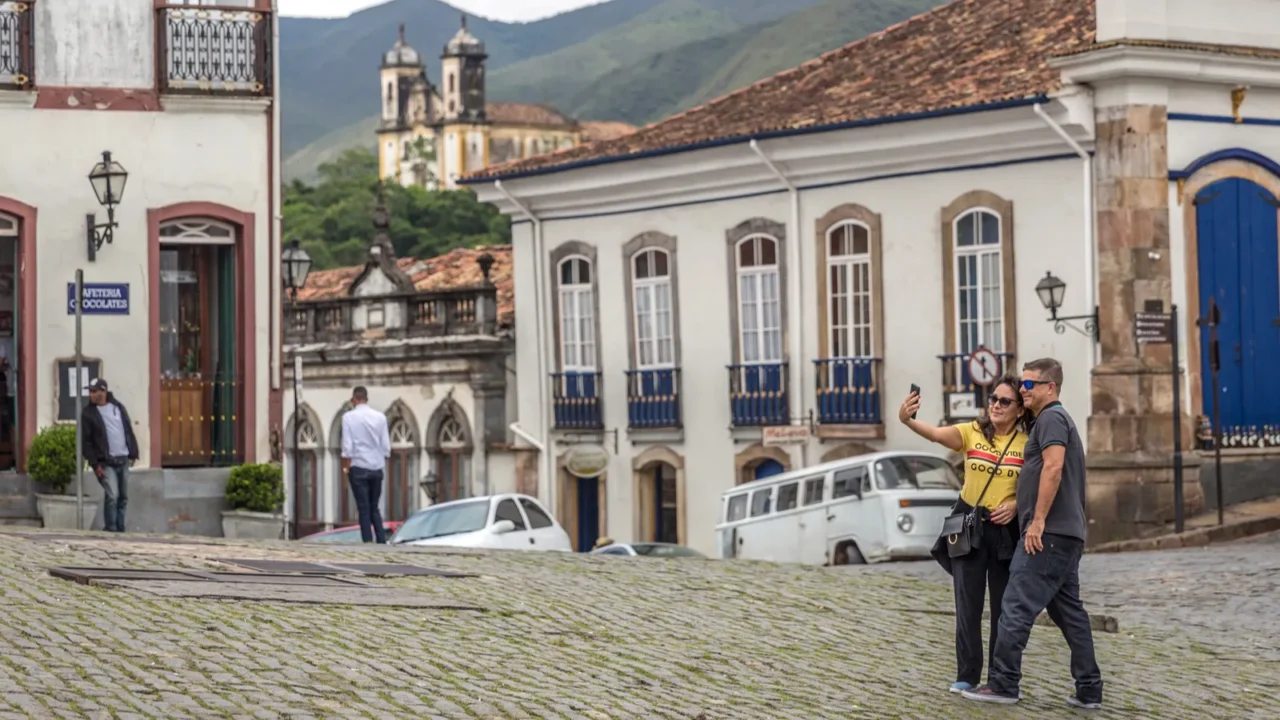
Picture walking cobbled streets, hearing water and birds, with no buzzing drones overhead. Travelers enjoy cafes, art, and quiet reflection at their own pace. The atmosphere feels calm, restorative, and deeply memorable.
What do you think? Do any of these towns sound like the perfect place to relax and explore? Drop your thoughts in the comments below and share what peace in travel means to you.
This slideshow was made with AI assistance and human editing.
Don’t forget to follow us for more exclusive content right here on MSN.
Read More From This Brand:
