
Seeing cities differently
Many travelers often explore a city from one hotel, which can make each neighborhood feel distant and unfamiliar. There is a more exciting way to experience a destination that lets visitors feel the personality of every area. Hotel hopping gives travelers a chance to live inside different communities and truly understand how the city moves.
Each neighborhood has its own rhythm that changes from morning to night, and staying in one place can make travelers miss that shift. Moving between hotels lets visitors notice small details that reveal what makes each area unique. This approach brings deeper storytelling to any trip because the city feels fresh each time the stay changes, so let’s dive in.

Why hotel hopping works
Travel experts like those at Condé Nast Traveler note that travelers who switch neighborhoods gain a more complete sense of local culture. This happens because each stay becomes a window into a different way of living, which feels more immersive. The experience shows how food, music, markets, and people vary across short distances.
Travelers also get a stronger sense of movement since every check-in resets the perspective of the trip. The journey starts to feel less like a single vacation spot and more like a series of mini experiences. This keeps the excitement alive because each neighborhood introduces a new energy.

Picking the right areas
Publications like Lonely Planet suggest choosing neighborhoods that offer a mix of history, food, nightlife, and local markets. Selecting areas with strong character helps travelers understand how diverse one city can be across only a few blocks. This allows each stay to feel memorable rather than repetitive.
Travelers often enjoy mixing a quieter neighborhood with a busier one to experience different sides of the city. This contrast reveals how locals live their daily routines in places that are not overrun by attractions. It also gives the trip a balanced pace that feels more natural.

Staying near historic centers
Many historic districts around the world are filled with narrow streets, landmarks, and architecture that reflect centuries of life, which travelers rarely see in one stay. Staying in these old quarters helps visitors appreciate the city’s beginnings. Walking outside the hotel often feels like stepping into a living museum.
Spending a night in an area shaped by past generations gives travelers an emotional connection to the city. The surroundings feel more meaningful when they are experienced slowly and not rushed through on a tour. This type of neighborhood can be a strong first stop during a hotel-hopping journey.
Experiencing creative districts
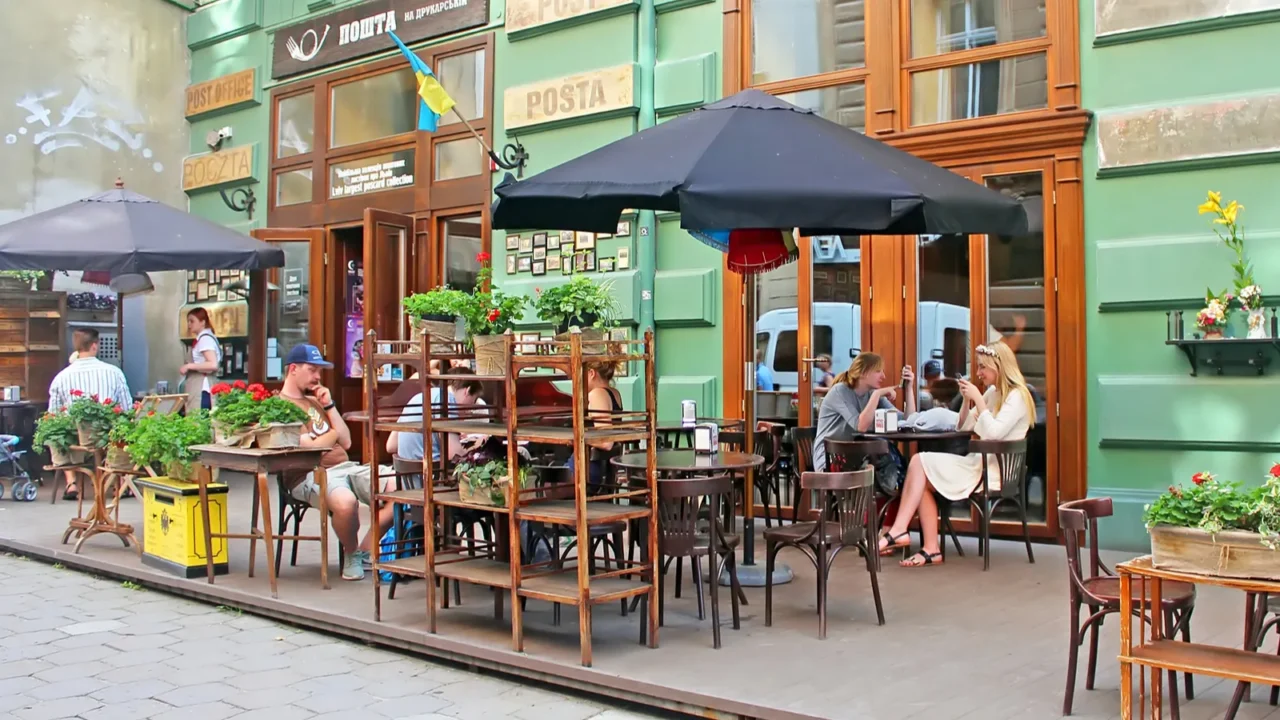
Cities with creative zones often host artists, designers, and independent shops that add a youthful energy to the area. Staying in these neighborhoods helps travelers see how modern culture blends with older traditions. Every corner feels like a work in progress that reflects a community reinventing itself.
Visitors who stay in these districts often discover new cafes, local art galleries, and workshops by simply walking around. The surroundings change quickly, which keeps the stay interesting from one day to the next. This helps travelers feel connected to the everyday life of people who create the city’s modern identity.

Hotels near waterfronts
Waterfront neighborhoods often feel peaceful and energizing because the scenery offers a natural break from crowded streets. Many cities build cultural spaces and walking paths near water, which makes these areas ideal for slow exploration. Staying here gives travelers a calm pace that balances busier neighborhoods.
Visitors often wake up to views that change with tides, boat traffic, or warm evening lights on the shoreline. This shift in landscape adds variety to a multi-hotel stay. It also creates memorable mornings and nights that help travelers enjoy a different kind of city rhythm.
Modern business districts
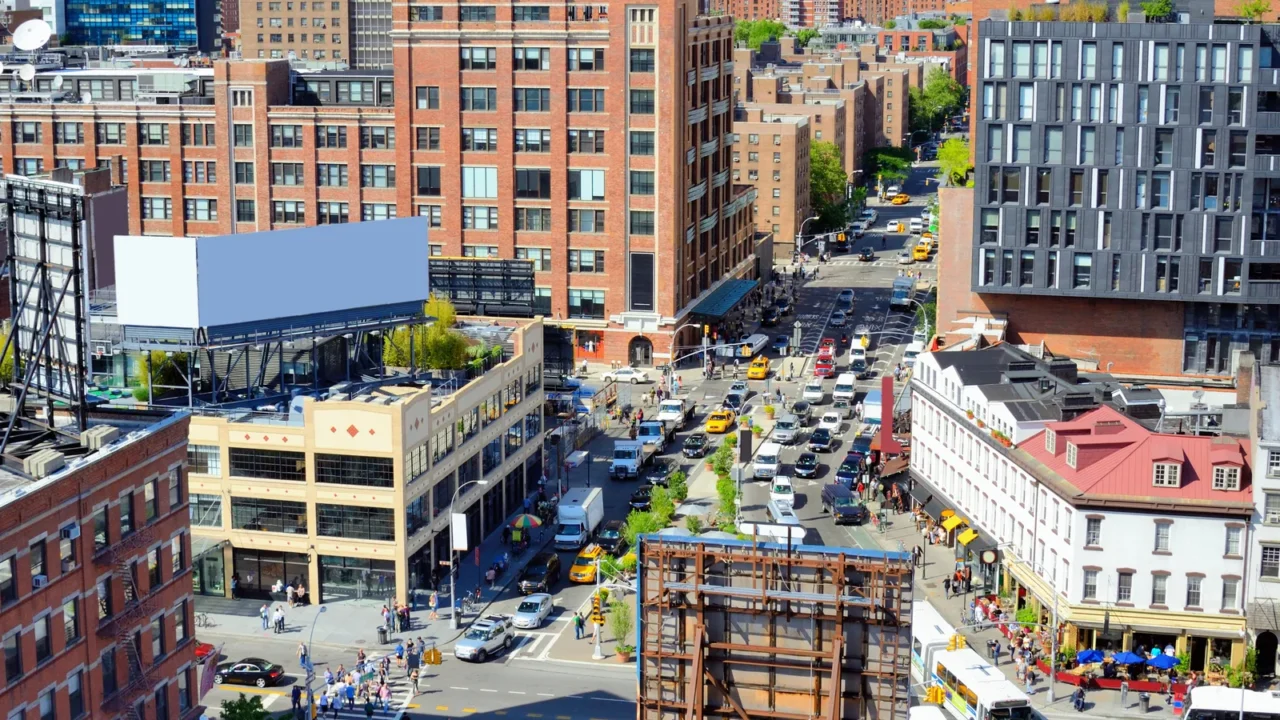
Business districts may seem quiet after office hours, but they often reveal a sleek and organized side of the city. Many modern hotels in these areas offer excellent comfort and easy access to transportation. Staying here gives travelers a sense of how locals work and move daily.
These neighborhoods often have restaurants and cafes that serve working professionals, which feel different from tourist-focused areas. Travelers experience a more structured environment that contrasts with creative or historic districts. This variety keeps the hotel hopping journey flexible and dynamic.

How long to stay
Travel experts at Lonely Planet suggest spending two to three nights in each neighborhood to absorb its character without feeling rushed. This amount of time helps travelers absorb the area’s rhythm across different times of day. It also creates a rhythm that keeps the trip exciting.
Shorter stays can feel too quick, while longer stays can reduce the sense of discovery. A balanced schedule helps visitors appreciate each shift in neighborhood energy. This method keeps the journey fresh while still offering enough time to explore.

Packing smart for moves
Publications like Travel and Leisure recommend travelers pack with quick transitions in mind to make hotel hopping smoother. Keeping items organized in packing cubes or small bags helps visitors check out and settle in faster. This makes each move feel less tiring and more enjoyable.
Staying light allows travelers to focus on the new neighborhood instead of worrying about logistics. Moving between hotels becomes a simple part of the adventure rather than a chore. This keeps the spirit of exploration alive throughout the trip.

Eating like a local
Neighborhood hotels often sit closer to small restaurants and local markets rather than major tourist areas. Exploring these smaller food spots gives travelers a better sense of authentic flavors and regional traditions. Every neighborhood has its own specialties that tell a story about the people who live there.
Trying local dishes in each area builds a layered food experience that matches the neighborhoods’ personalities. Visitors can compare flavors, styles, and techniques as they move across the city. This makes dining an essential part of hotel hopping.

Meeting the community
Staying in different neighborhoods makes it easier for travelers to meet locals who shape the atmosphere of each area. Communities often share their stories with visitors who show genuine curiosity. These conversations reveal things no guidebook can fully capture.
Travelers also learn how residents spend their evenings, weekends, and market days, which brings the city to life. Observing people in their natural spaces reveals cultural patterns that might otherwise be overlooked. This experience deepens the connection between the traveler and the city.

Planning the route
Most travel advisers recommend mapping neighborhoods in a way that reduces travel time between hotels. This creates a smoother flow that helps visitors maximize their time in each area. Planning makes the trip feel more organized and enjoyable.
Choosing neighborhoods that move from quiet to lively or historic to modern can create a comfortable rhythm. This allows travelers to experience a natural progression that makes sense for the city. A thoughtful route adds structure to the hotel-hopping adventure.

A city through stays
Hotel hopping turns a simple trip into a series of mini adventures that reveal how one city can feel like many different places. Each neighborhood adds new layers of culture, food, and community that travelers would not see from one hotel. This approach helps visitors appreciate the true range of stories that shape a city.
Travelers often finish this type of journey with a stronger connection to the destination because each stay teaches something meaningful. The entire city becomes a patchwork of memories that feel richer together than they would alone. Which kind of neighborhood stay seems the most exciting for travelers looking to explore cities freshly?
This slideshow was made with AI assistance and human editing.
Don’t forget to follow us for more exclusive content right here on MSN.
Read More From This Brand:
