Smaller airlines, bigger world
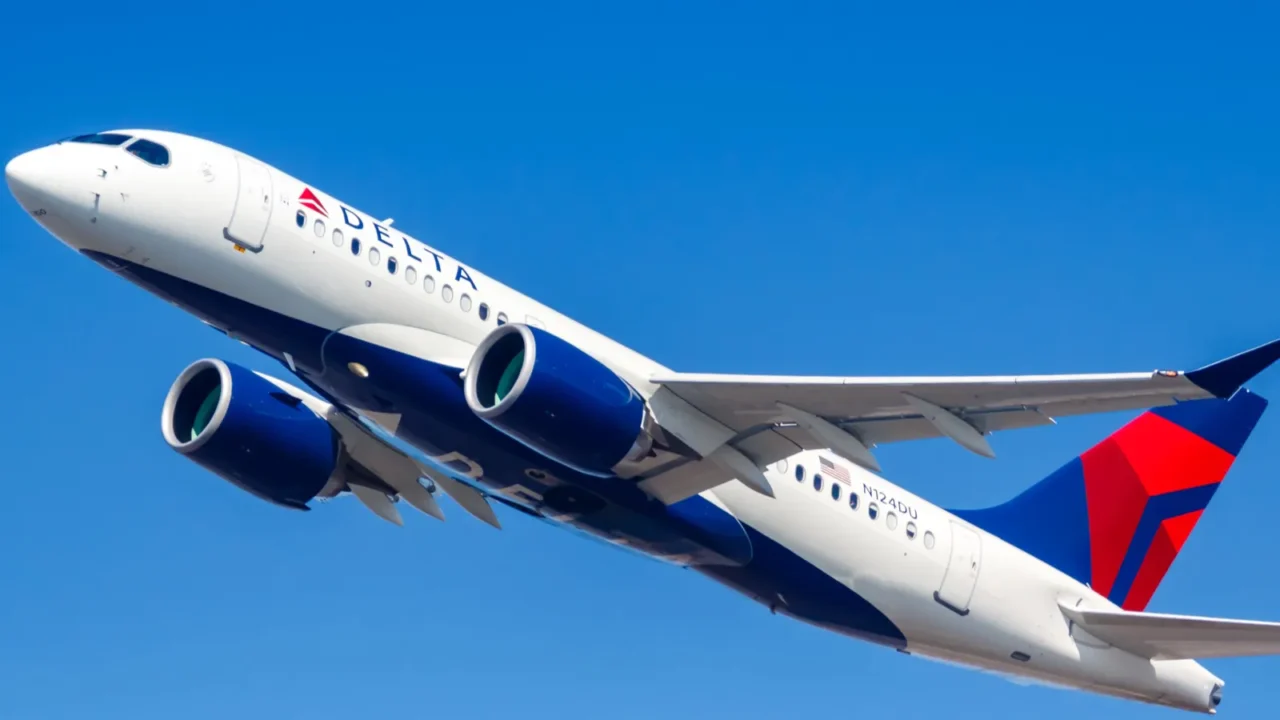
Smaller airlines are quietly reshaping international air travel by launching routes that major carriers have long overlooked. Across North America, Europe, and the Pacific, regional and low-cost operators are connecting cities that travelers once considered unreachable without multiple layovers.
This shift is not accidental. A new generation of fuel-efficient narrowbodies has made many ‘thin’ long-haul and hub-bypass routes economically viable; smaller types such as the Airbus A220 also help open short-to-medium thin markets. Passengers are taking notice, and the map of affordable international travel is changing faster than most people realize.

Reykjavik just got a lot closer
Iceland’s Icelandair has long dominated transatlantic routes, but a handful of smaller European operators are now poking through that dominance. Play, an Icelandic ultra-low-cost carrier, launched new routes connecting Reykjavik with underserved European cities, making Iceland accessible to travelers who previously faced steep fares.
Reykjavik, the world’s northernmost capital, now sits within reach of budget travelers for the first time in years. The city’s geothermal pools, volcanic landscapes, and midnight sun no longer require emptying a savings account to experience.

Breeze is betting on Savannah
Breeze Airways, founded by aviation entrepreneur David Neeleman, has been quietly building a network of routes connecting mid-sized American cities. Its expansion into Savannah, Georgia, stands out as particularly bold, offering nonstop service to destinations that previously required connections through Atlanta or Charlotte.
Savannah is one of America’s most atmospheric cities, with moss-draped squares, antebellum architecture, and a food scene that rivals any coastal metro. Breeze’s bet on this market signals that passenger demand in secondary cities is stronger than legacy carriers have assumed.

Sun Country’s quiet Caribbean push
Minnesota-based Sun Country Airlines has spent the past two years quietly expanding its Caribbean footprint, adding routes to islands that larger carriers have either abandoned or never served. Destinations like Punta Cana in the Dominican Republic and Montego Bay in Jamaica are now accessible nonstop from Minneapolis-Saint Paul.
For Midwesterners tired of multi-leg journeys to the tropics, Sun Country’s move is significant. The airline’s lean cost structure allows it to operate routes that would be unprofitable for American Airlines or Delta Air Lines, and travelers are rewarding it with consistently strong load factors.

The Azores, finally on the radar
Azores Airlines, known as SATA International, has steadily expanded its network from the mid-Atlantic archipelago to North America, adding routes from Boston and Toronto that make the Azores a practical destination rather than a dream. The volcanic islands of São Miguel and Faial offer hiking, whale watching, and hot springs unlike anywhere else on Earth.
Fun fact: The Azores sit almost exactly halfway between Lisbon and New York, which is why the islands became a legendary transatlantic refueling hub during the early era of aviation, serving flights that shaped the entire modern air travel industry.

Marrakech through Air Arabia
Air Arabia, the Middle East’s first low-cost carrier, has been quietly stitching together new routes connecting Morocco’s Marrakech with European cities that previously had no direct access. Travelers from cities like Krakow and Riga can now reach the ochre-walled medina and souk-lined streets of Marrakech without a single layover.
Fun fact: Marrakech’s Jemaa el-Fna square is inscribed on UNESCO’s Representative List of the Intangible Cultural Heritage of Humanity, recognizing the square’s living traditions (storytellers, musicians, and other performers) as cultural practices worth safeguarding.

Contour discovers Asheville, North Carolina
Contour Airlines, a small regional carrier operating under Essential Air Service agreements, has expanded service to Asheville, North Carolina, a mountain city that has quietly become one of America’s most desirable destinations. Travelers can now fly directly into the Blue Ridge Mountains from cities like Chicago and Houston.
Asheville’s appeal lies in its collision of worlds: a thriving craft brewery scene, a world-class art deco architectural legacy, and immediate access to hiking trails that wind through the Appalachian highlands. Contour’s addition of these routes has meaningfully cut travel times for the entire region.

Arajet is rewriting the Caribbean
Santo Domingo-based Arajet has emerged as the Caribbean’s most ambitious low-cost upstart, launching an aggressive network of routes across Latin America and into North America. Cities like Bogota, Lima, and Mexico City are now connected to the Dominican Republic through a carrier that prices aggressively and operates modern Boeing 737 MAX aircraft.
For travelers seeking a hub into the broader Caribbean and Latin American region, Arajet’s base at Las Americas International Airport in Santo Domingo offers a compelling alternative to routing through Miami or Fort Lauderdale, and the savings are genuinely significant.

Saudia Arabia’s Flynas opens Asia
Saudi Arabia’s Flynas, one of the region’s fastest-growing low-cost carriers, has launched new routes connecting Riyadh and Jeddah with Southeast Asian cities, including Kuala Lumpur and Bangkok. These connections matter because Saudi Arabia’s Vision 2030 tourism initiative is actively courting international visitors for the first time in the country’s modern history.
For travelers curious about AlUla’s ancient Nabataean ruins, Diriyah’s restored mud-brick heritage district, or Red Sea diving off Neom’s coastlines, Flynas is providing access at price points that were unimaginable just five years ago.

Flair is unlocking Canadian getaways
Canada-based Flair Airlines has emerged as a disruptive force in the country’s long-dominated aviation market, launching international routes from Canadian cities to sun destinations in Mexico and the Caribbean. Canadians who once paid premium prices to Air Canada and WestJet for these routes now have a genuinely competitive alternative.
Flair’s expansion into transborder markets also includes new routes connecting Canadian cities with American counterparts, giving travelers from places like Kelowna, British Columbia, and London, Ontario, direct connections to the United States at prices that finally make sense.

Small planes, seismic shifts
The rise of smaller carriers on international routes is not a minor industry footnote. It represents a structural change in how people access the world. When a low-cost airline opens a nonstop route to a previously inaccessible destination, it does not just move passengers. It moves economies, accelerating tourism, business travel, and cultural exchange across communities that major carriers have long ignored.
For the traveler, this moment is genuinely exciting. Cities and countries that required three-connection itineraries five years ago are now a single boarding pass away, and the barriers that kept the world’s hidden gems hidden are quietly coming down.

How to find these deals first
Booking routes on smaller carriers requires a slightly different approach than searching on major platforms. Google Flights and Kayak do not always surface fares from airlines like Arajet, Flair, or Contour. Going directly to the airline’s website or using tools like Kiwi.com and Skyscanner often reveals lower prices and routes that aggregators miss entirely.
Setting fare alerts for your preferred destination pairs is essential. Smaller carriers tend to release promotional fares on short notice, and travelers who are ready to book within 24 to 48 hours of a sale announcement consistently land the best prices available. And once you have locked in that seat, check out our guide on meal options on economy flights so you know exactly what to expect onboard.
The World is smaller than you think
Reykjavik, Marrakech, Savannah, the Azores, and Saudi Arabia’s ancient deserts are no longer the exclusive territory of travelers with unlimited budgets or unlimited patience for layovers. Smaller airlines are doing the quiet, unglamorous work of connecting these places to the rest of the world.
The next route that changes your life may already be on sale. The only thing left is to find it, book it, and go. Before you do, read up on the best times to book flights so that the fare you spotted does not slip through your fingers.
Smaller airlines are quietly drawing a new map of the world, and most travelers have no idea it is happening. Which one of these routes would you board tomorrow if the price were right?
This slideshow was made with AI assistance and human editing.
Don’t forget to follow us for more exclusive content right here on MSN.
Read More From This Brand:
