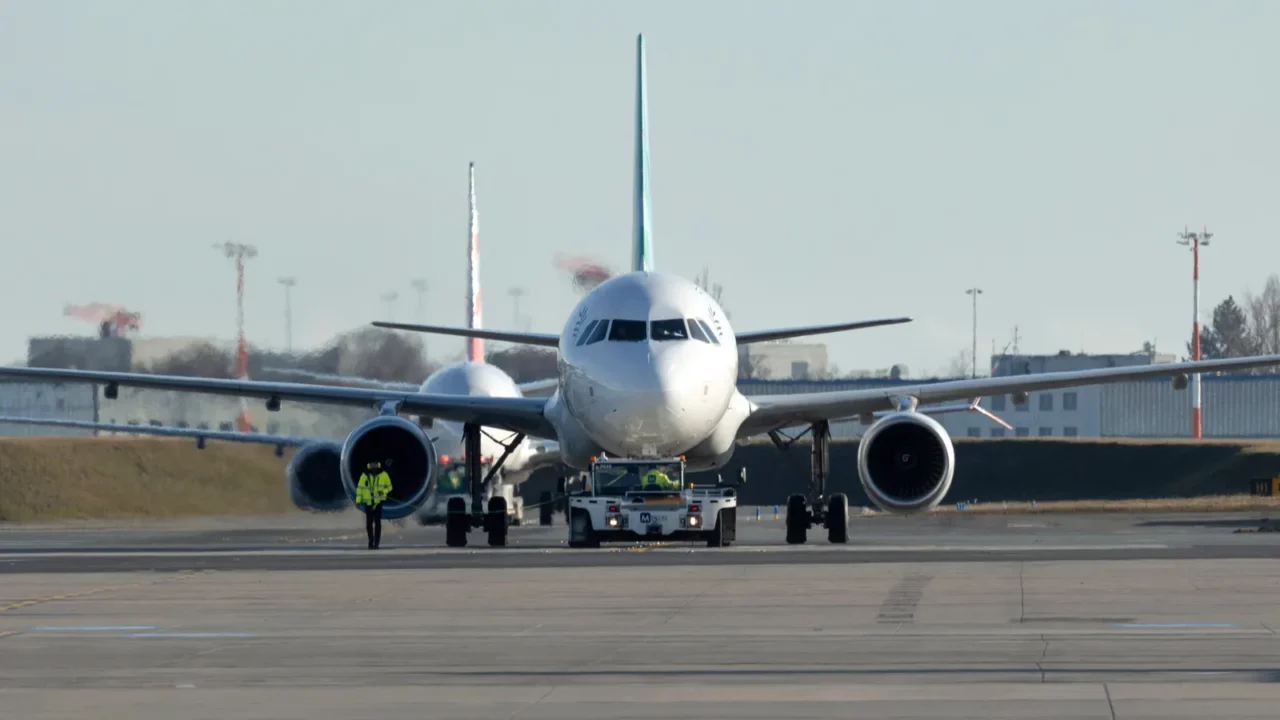
A growing fleet problem
Many airlines are dealing with older planes that are staying in service longer than planned. These aging jets raise new worries about cost and efficiency across the industry. It is a challenge that is shaping the future of travel in a real way.
Travel demand keeps rising while new planes remain slow to arrive. That imbalance puts steady pressure on carriers across regions. Let’s dive in!
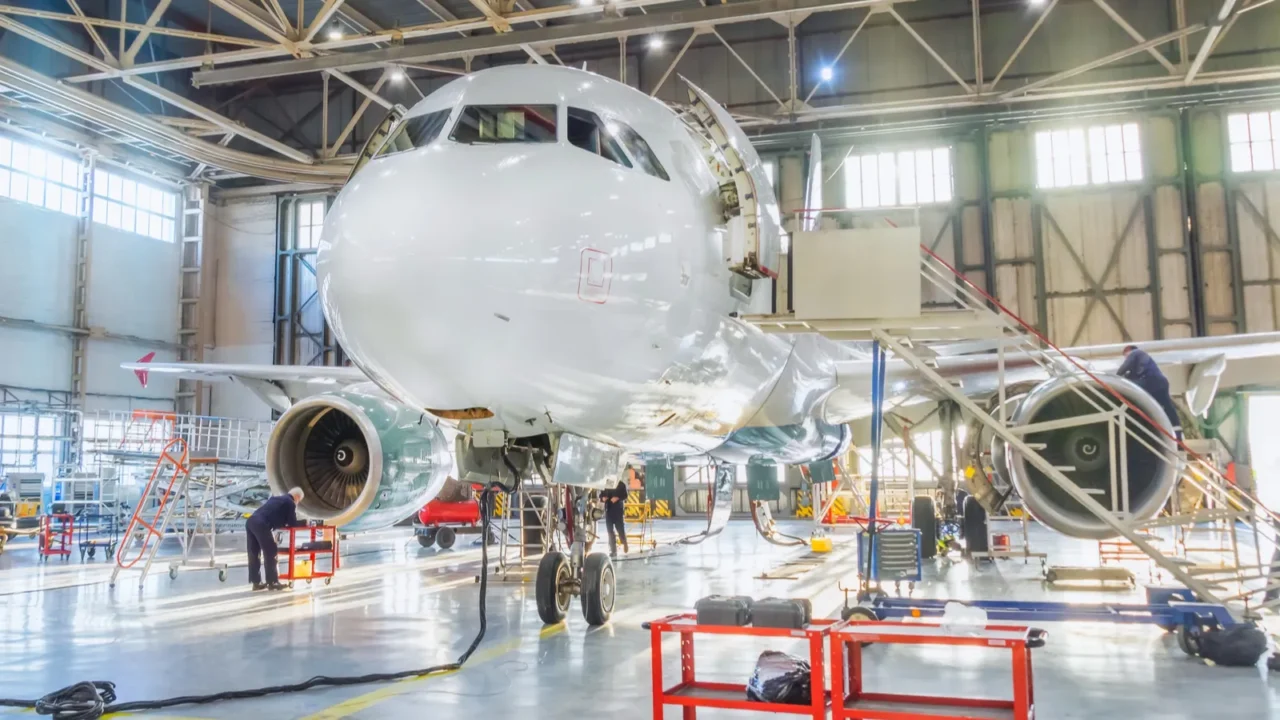
New aircraft delays rise
Major manufacturers continue to face production issues that slow down deliveries. These delays push airlines to stretch the life of older planes. This creates more operational stress than before.
Industry reports show that supply chain problems are still limiting output. That means the wait for new models keeps getting longer. Travelers may feel the effects over time.
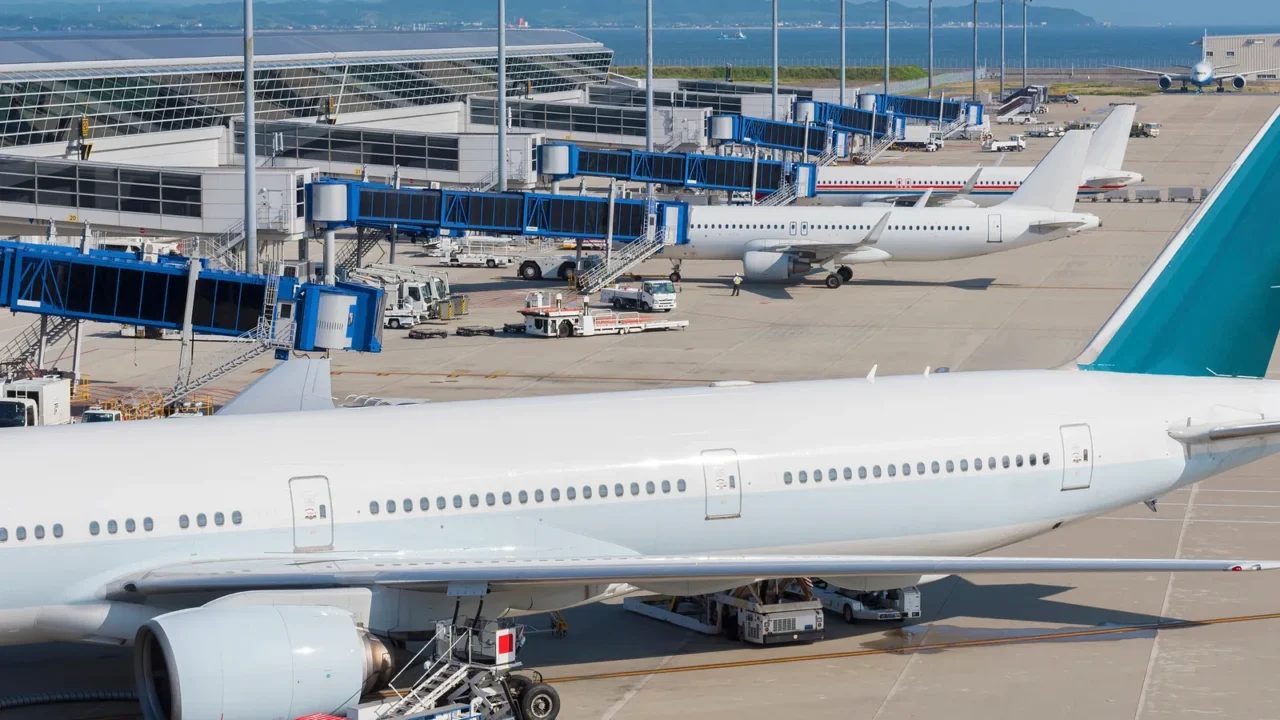
Backlog hits record levels
Global aircraft backlogs have reached the highest numbers ever recorded. Clearing these orders could take more than a decade at current production speeds. This long wait makes it hard for airlines to modernize quickly.
Many carriers hoped for relief by now. Instead, they are facing tougher planning challenges. These delays slow down the shift to cleaner fleets.
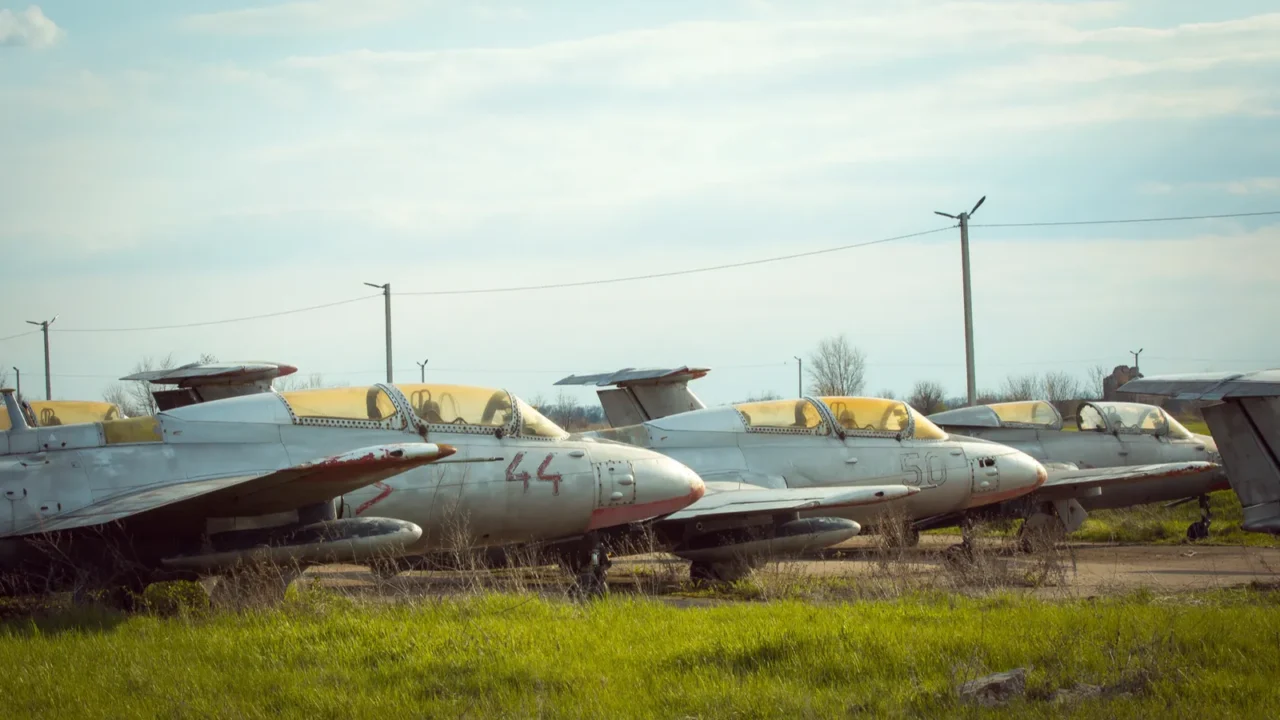
Fleet age keeps climbing
The average age of airline fleets continues to rise each year. Older planes stay in rotation because new ones are not arriving fast enough. That leaves airlines with fewer modern options.
Aging jets need more upkeep and more fuel. That adds weight to an already tight budget environment. It also slows progress toward sustainability goals.
Higher fuel use grows
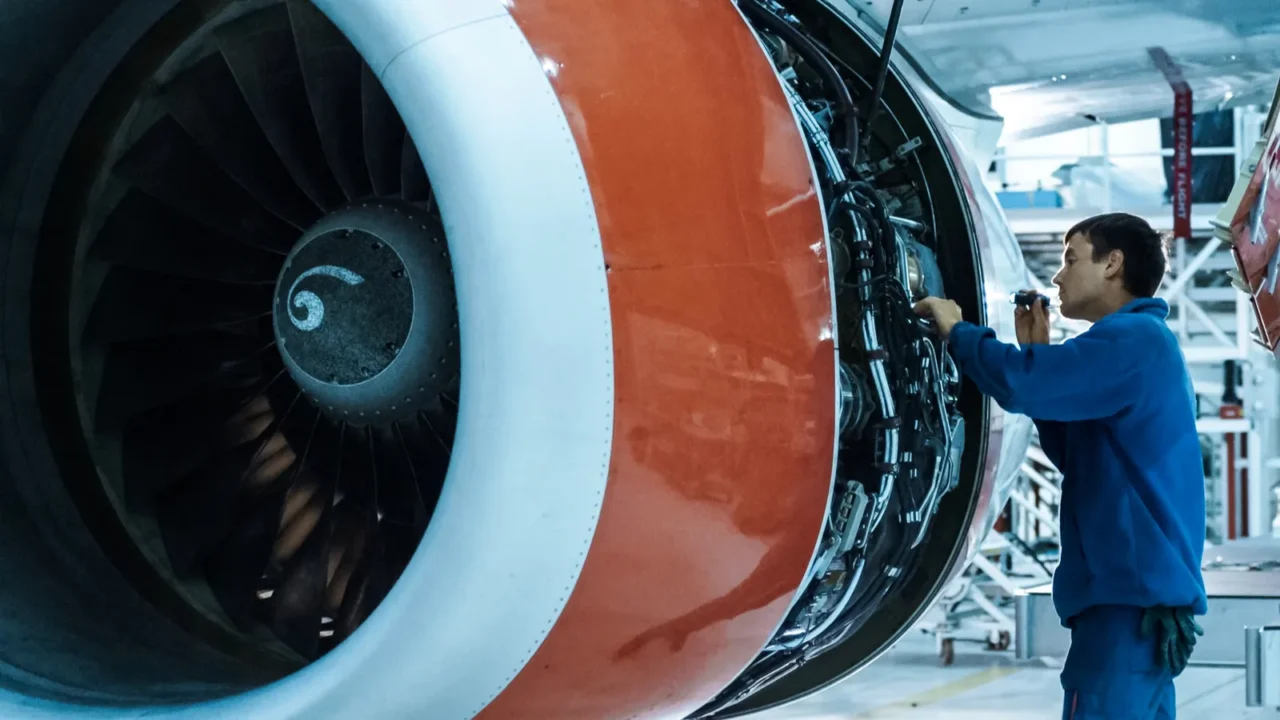
Older aircraft burn more fuel than the new generation models. This raises costs and makes routes harder to sustain. It also pushes emissions upward at a time when airlines want them lower.
These planes also require more frequent repairs. That means more time in maintenance and more pressure on schedules. Travelers feel those ripple effects during busy seasons.
Green targets get tougher
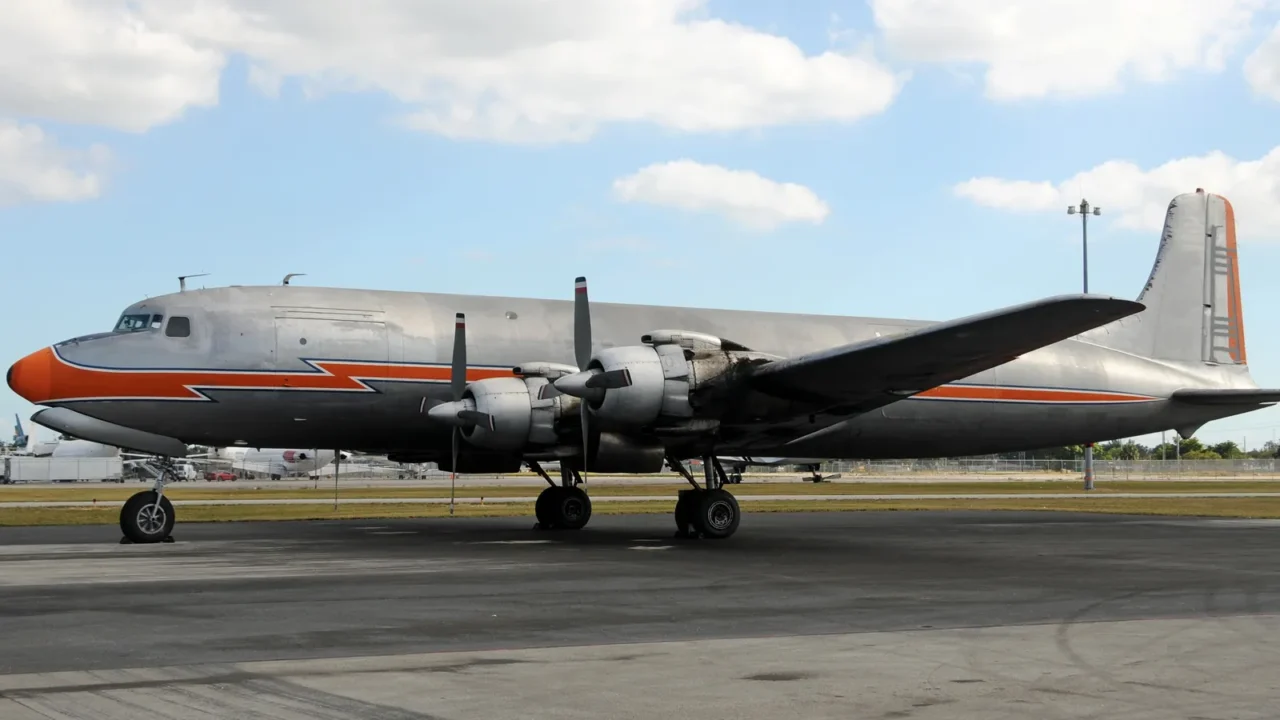
Many airlines have pledged cleaner and more efficient operations. Aging fleets make those promises harder to keep. The tools needed for those goals are simply not arriving fast enough.
Environmental progress slows when carriers cannot upgrade. That delay makes future planning more uncertain. It leaves sustainability plans in a difficult spot.
Operational strain increases
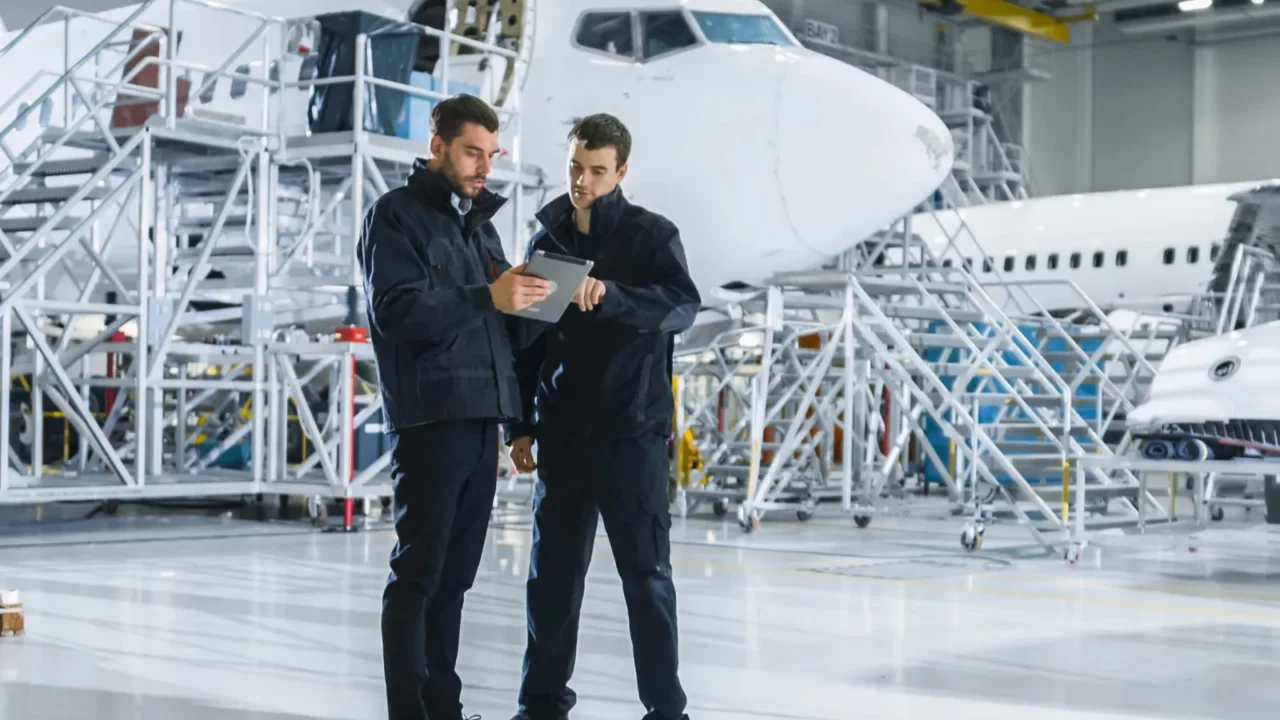
Airlines are flying older planes more often to keep up with demand. This puts heavy stress on maintenance teams and schedules. Breakdowns become more common under these conditions.
It also means more last-minute changes in operations. Those changes can cause delays and cancellations. Travelers notice the impact during busy travel periods.
Route expansion slows down
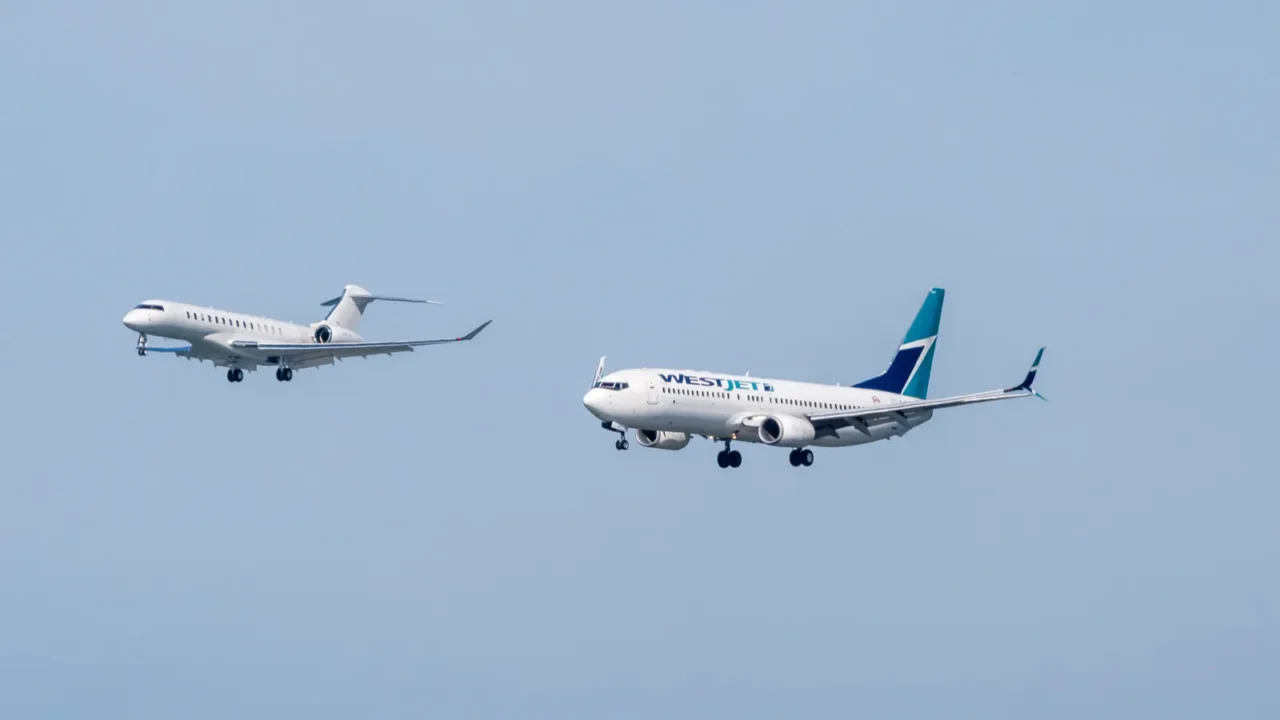
Many carriers have had to pause or limit new route plans. They simply do not have the modern planes needed for expansion. This affects regional and long-haul strategies.
Some cities may see fewer new connections for now. Other routes may operate with reduced frequency. These changes shape how people move between major destinations.
Used aircraft market tightens
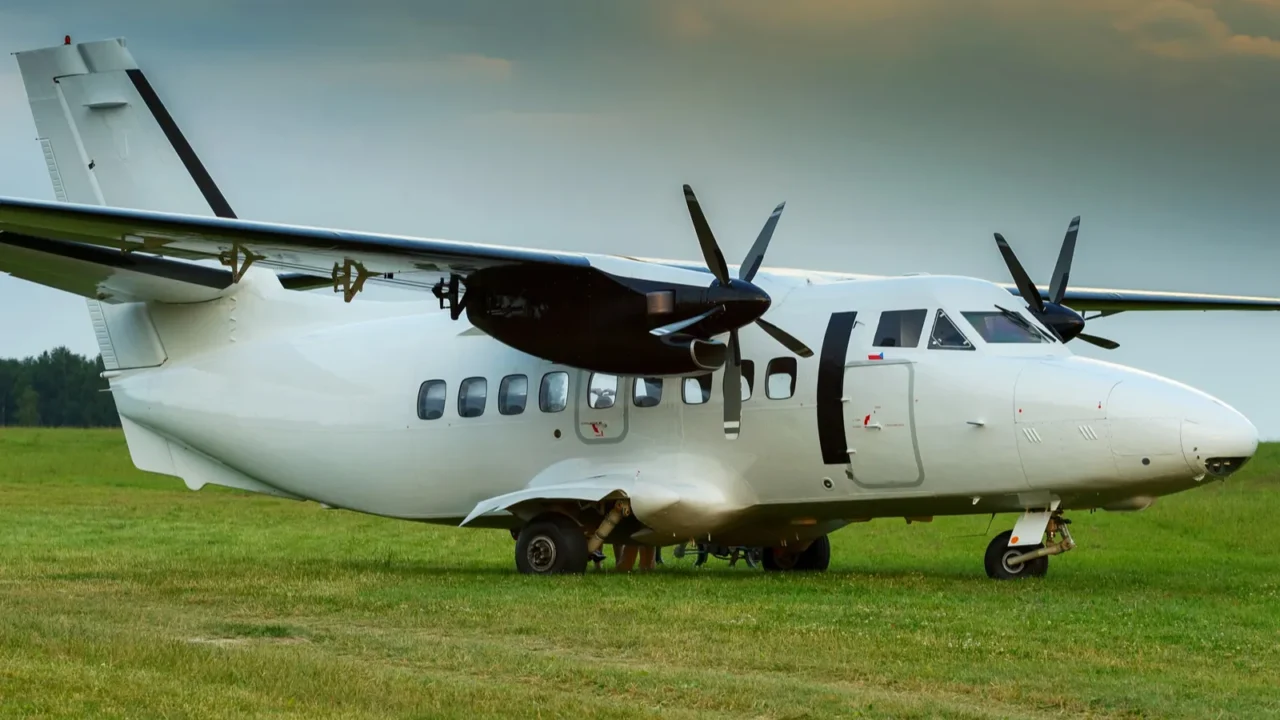
Airlines are turning to used jets to fill gaps. This shift has made the secondary market tighter and more expensive. Smaller airlines feel this strain the most.
The limited supply creates tough competition for available aircraft. Leasing rates rise as demand grows. This makes fleet planning even more difficult.

Travelers may feel effects
Rising costs could lead to higher ticket prices over time. Travelers may also see more delays as older planes need more attention. Fewer route choices may appear as well.
These issues create a less predictable travel experience. Holidaymakers and business passengers start feeling that stress. It shapes how people view flying in the near future.
Modern jets offer hope
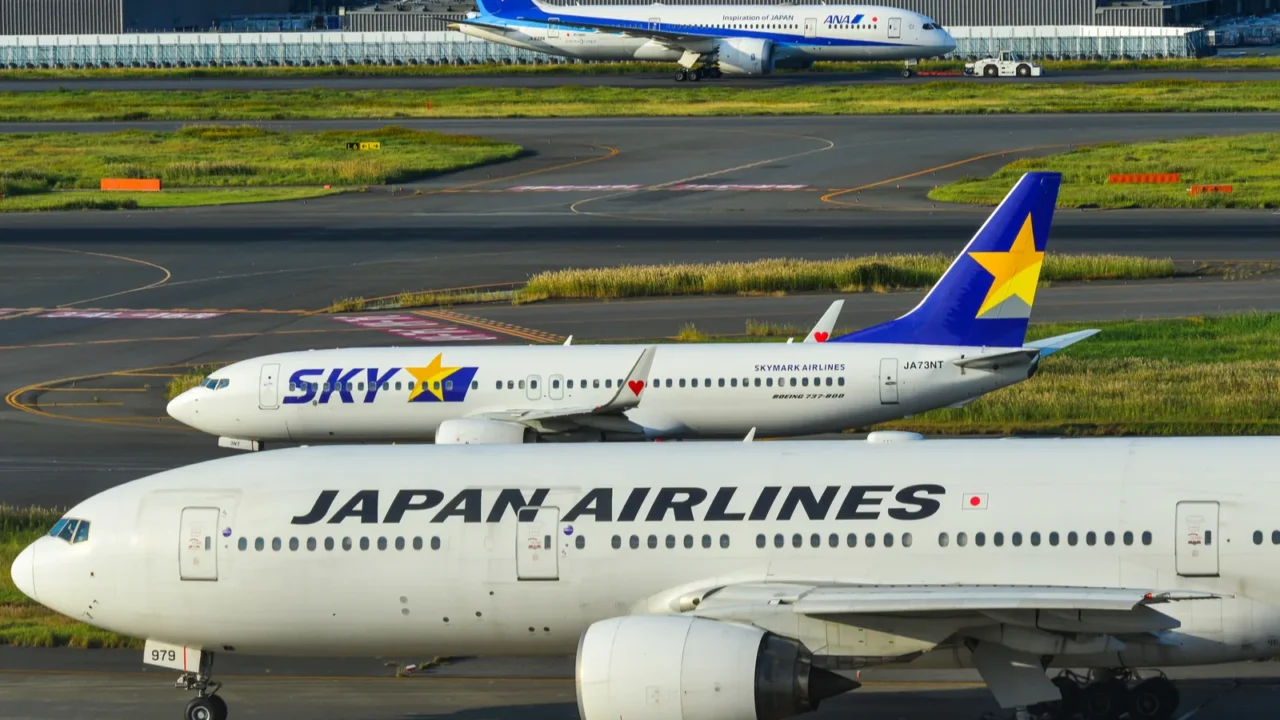
Newer models bring better fuel use and smoother performance. They help airlines cut costs and improve reliability. They also support cleaner and greener operations.
Once deliveries improve, the benefits will reach travelers. Comfort and efficiency rise with each upgrade. The entire industry stands to gain from that transition.
Recovery will take time
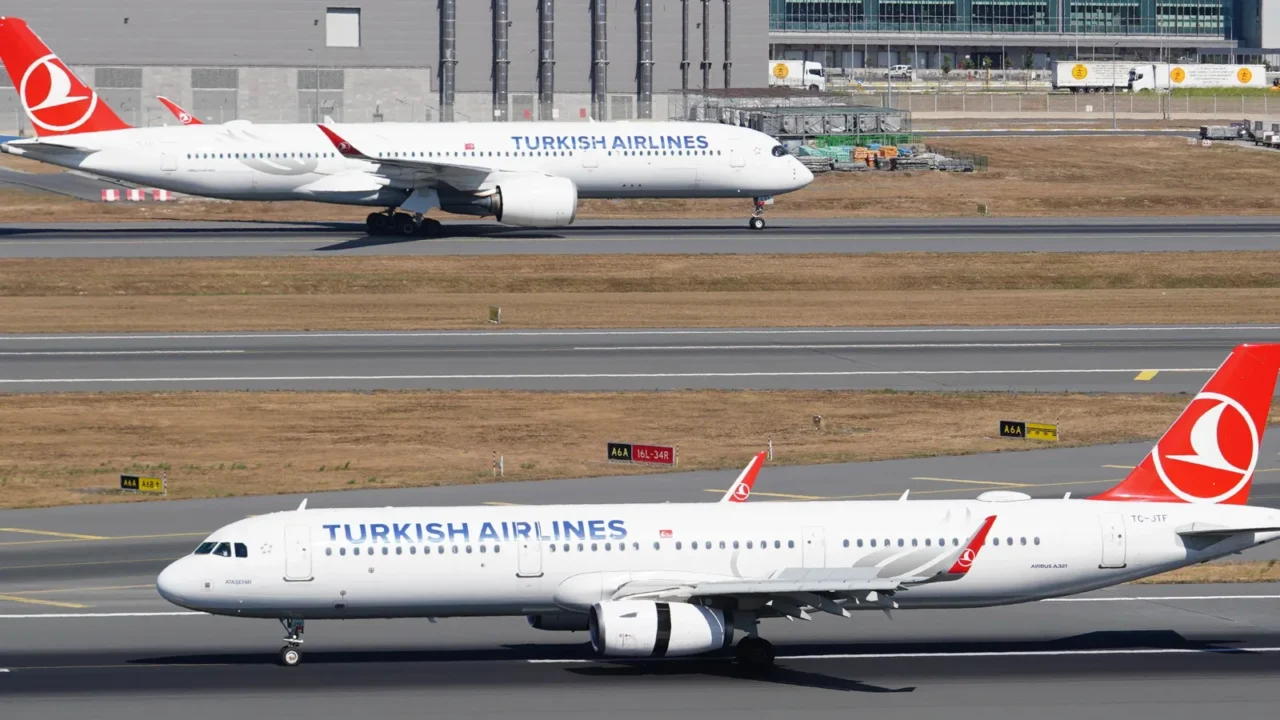
Returning to modern fleets is not a fast process. Production has to stabilize before airlines catch up. Carriers must balance growth with cost control during this period.
Progress may move slowly, but it is happening. Each improvement brings airlines closer to long-term sustainability. Recent moves like Delta making a big change for all travelers and flights show how shifts can still push the industry forward.
What comes next for flying
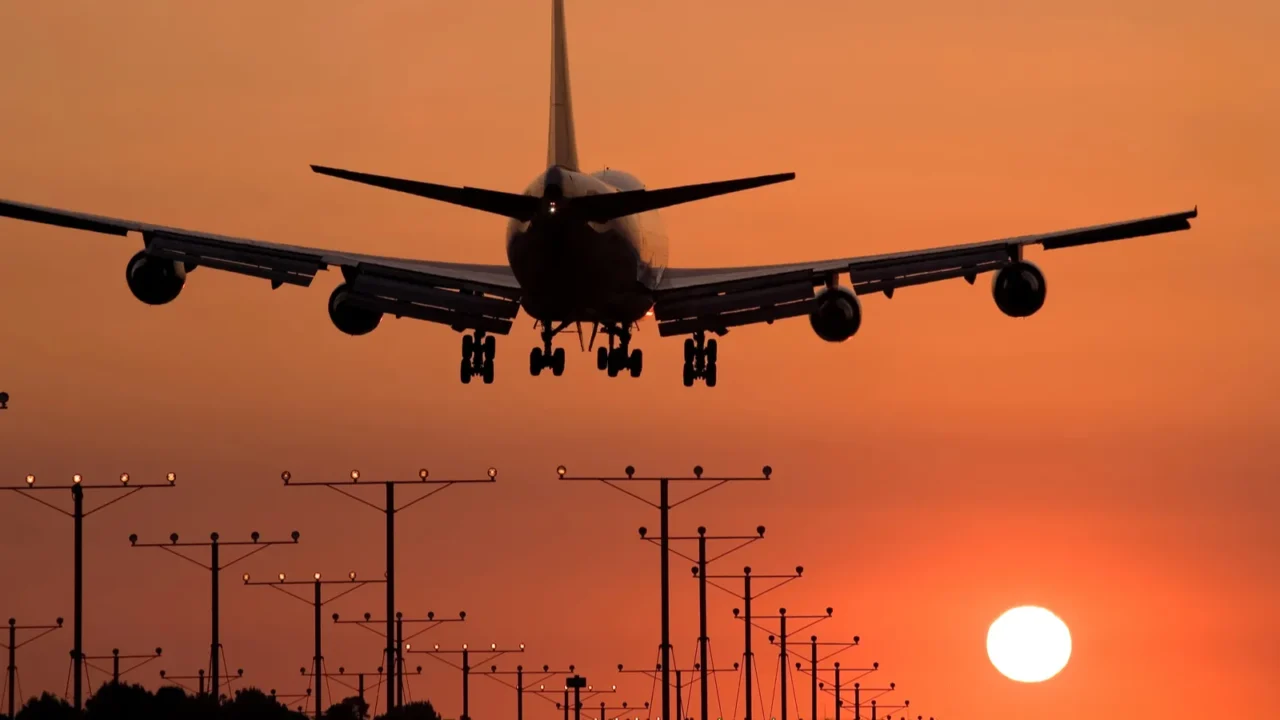
The path ahead depends on how quickly new planes arrive and how well airlines manage their aging fleets. These choices will shape the travel experience in the coming years. Many travelers are already watching these changes closely.
The industry is working toward a cleaner and more dependable future. Modern aircraft will play a major role when they finally enter service.
What part of airline sustainability matters most to travelers today? Share those thoughts below!
Read More From This Brand:
- The most beautiful monuments in France to visit at least once in your life
- 12 European countries where work-life balance beats the U.S.
- The best places to live in the US with affordable homes, strong job markets, and great lifestyles
Don’t forget to follow us for more exclusive content right here on MSN.
This slideshow was made with AI assistance and human editing.
