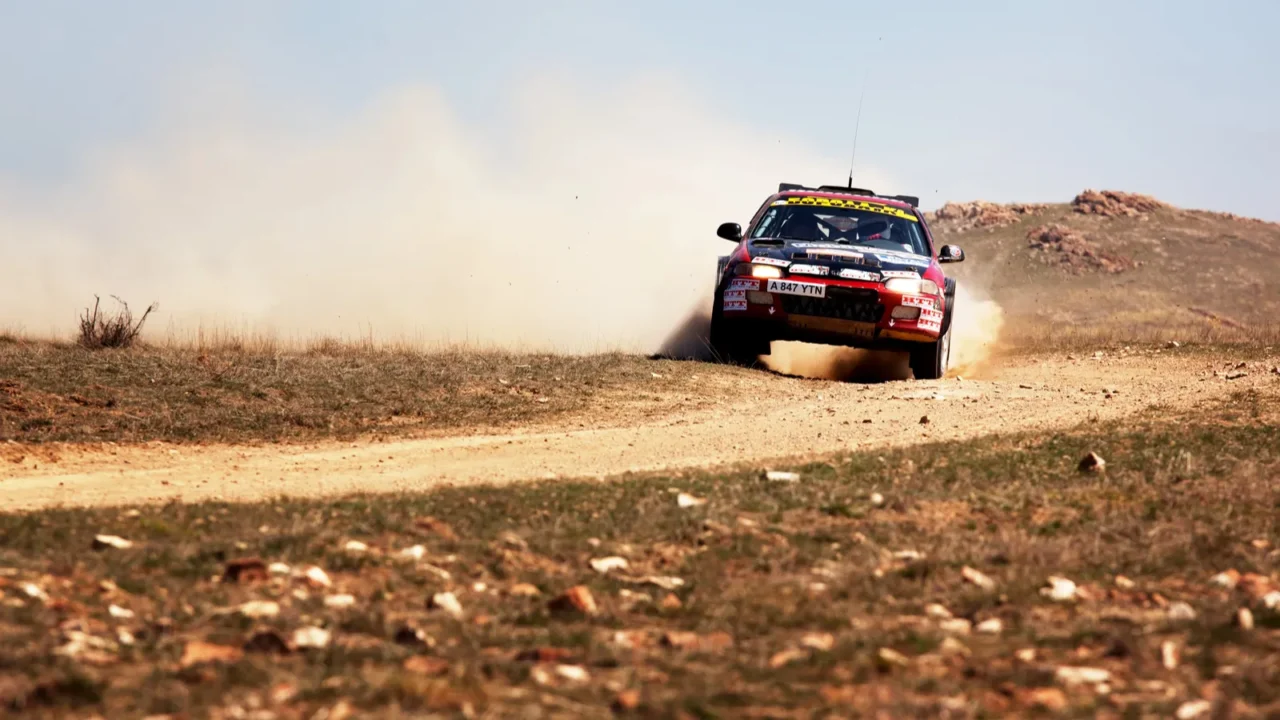
Long desert drives are getting riskier
If you’ve driven from Phoenix toward Utah, you know how quickly the landscape empties out. On stretches of US-93 and I-15, drivers can go 30 to 60 miles without services or lighting. That isolation increases fatigue and reaction time problems.
According to federal crash data, rural highways account for over half of U.S. traffic deaths, despite carrying less traffic. At CES 2026, safety tech focused on preventing those exact failures. The goal is to step in before attention slips, not after a mistake happens.
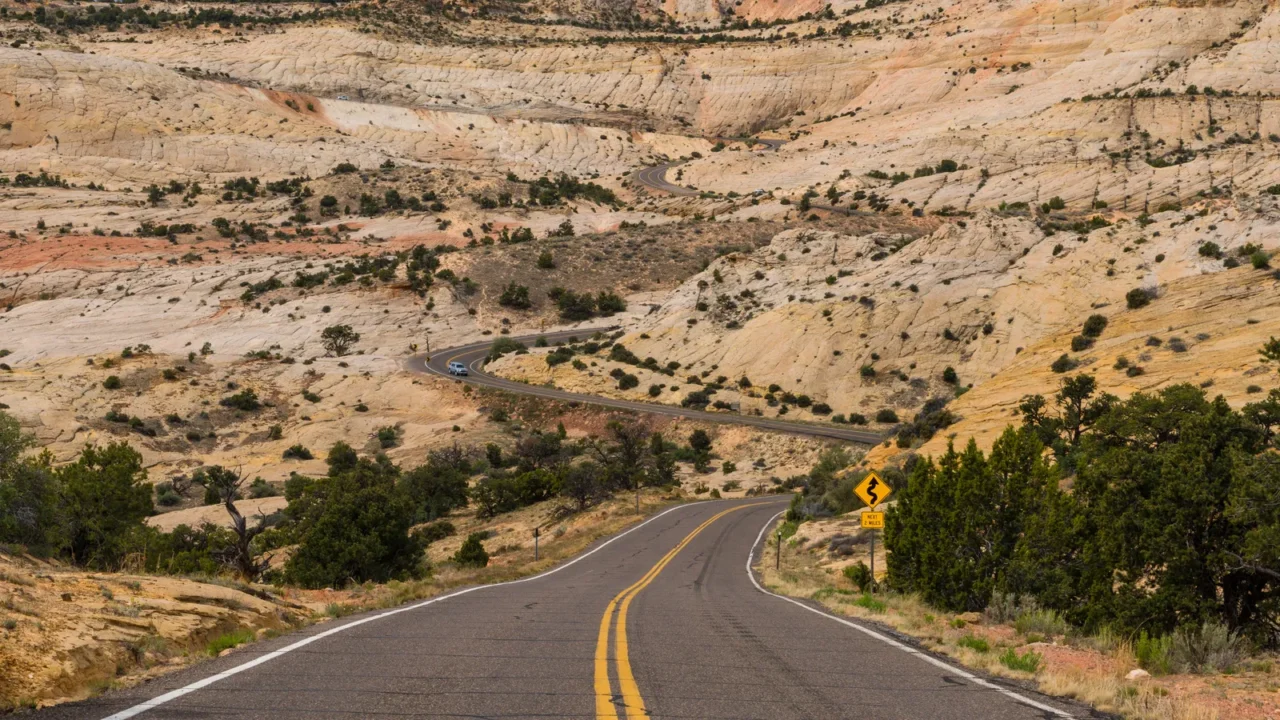
Arizona-Utah routes test driver endurance
The Phoenix-to-Moab drive can exceed 400 miles, much of it on straight, high-speed roads. Long monotony is one of the biggest contributors to drowsy driving. Wildlife crossings and elevation changes add to the risk.
CES 2026 tech addresses endurance, not just collisions. New systems monitor how drivers behave over time, not just single moments. That makes a difference on trips where alertness fades slowly, not suddenly.
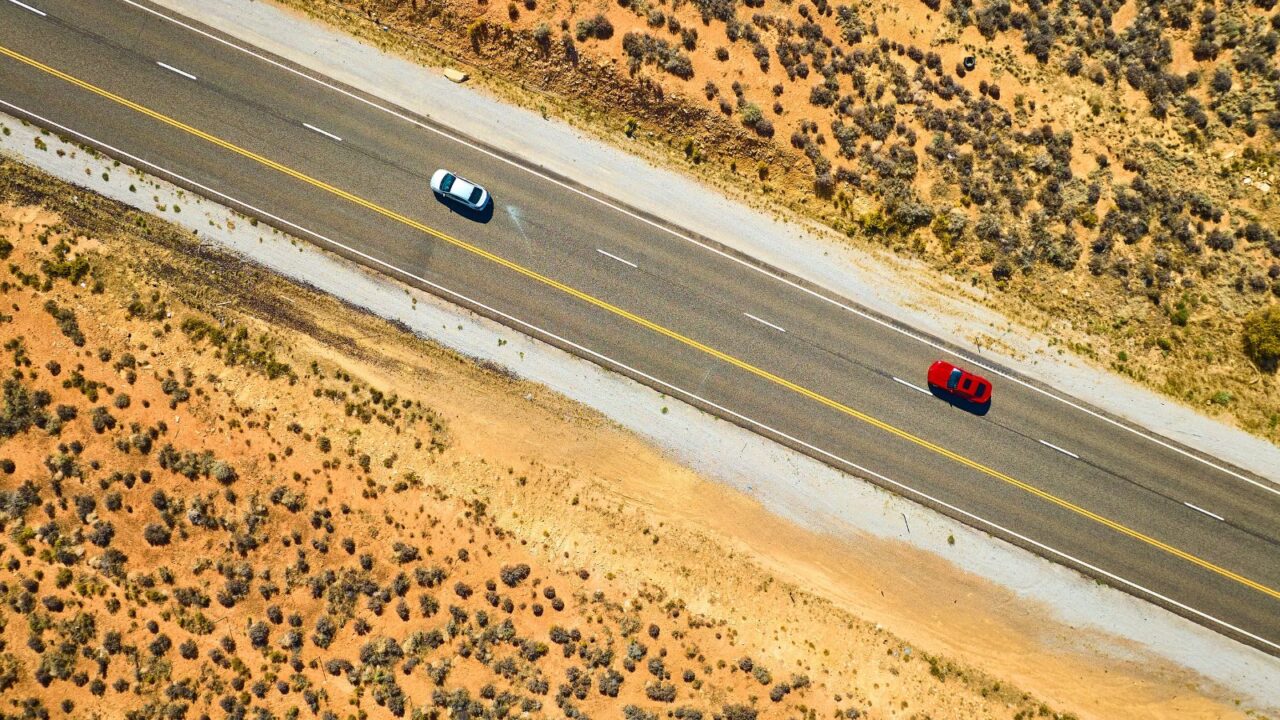
Cars are learning to watch drivers
Driver monitoring used to rely on simple steering corrections. That misses the early signs of fatigue. Studies show reaction time can drop 20–30% before drivers feel tired.
CES 2026 systems use inward-facing cameras to track blink rate, gaze drift, and posture. If your eyes stay off-road too long, the system responds. On long Arizona highways, those early cues matter more than lane alarms.
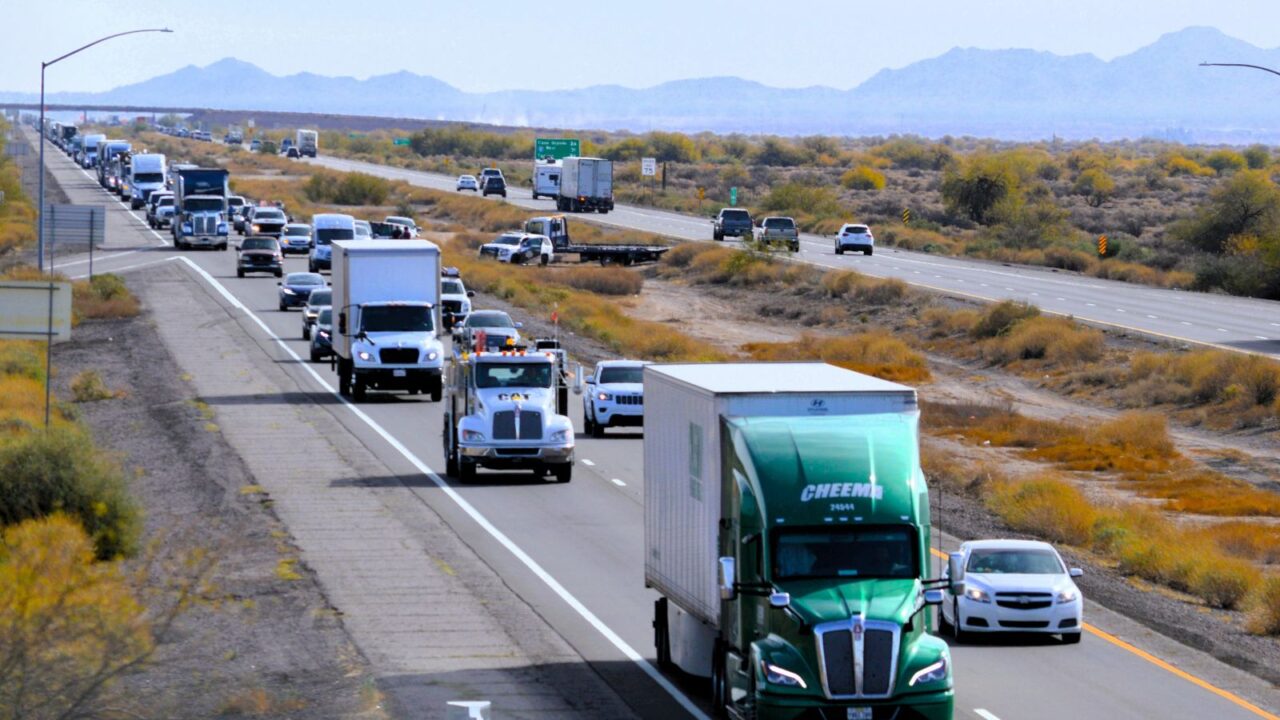
Fatigue builds faster than drivers expect
Most drivers assume fatigue only hits late at night, but that is not what crash data shows. Drowsy driving spikes in the early afternoon, especially after long morning starts. Straight highways make it worse because the brain disengages faster when scenery barely changes. This is common on long desert routes.
New AI systems look for subtle changes in steering smoothness, braking delay, and head movement. These shifts often appear 30 to 45 minutes before drivers feel tired. Early alerts give people time to stop safely. That matters more than loud alarms after a mistake.
Virtual roads train real-world safety
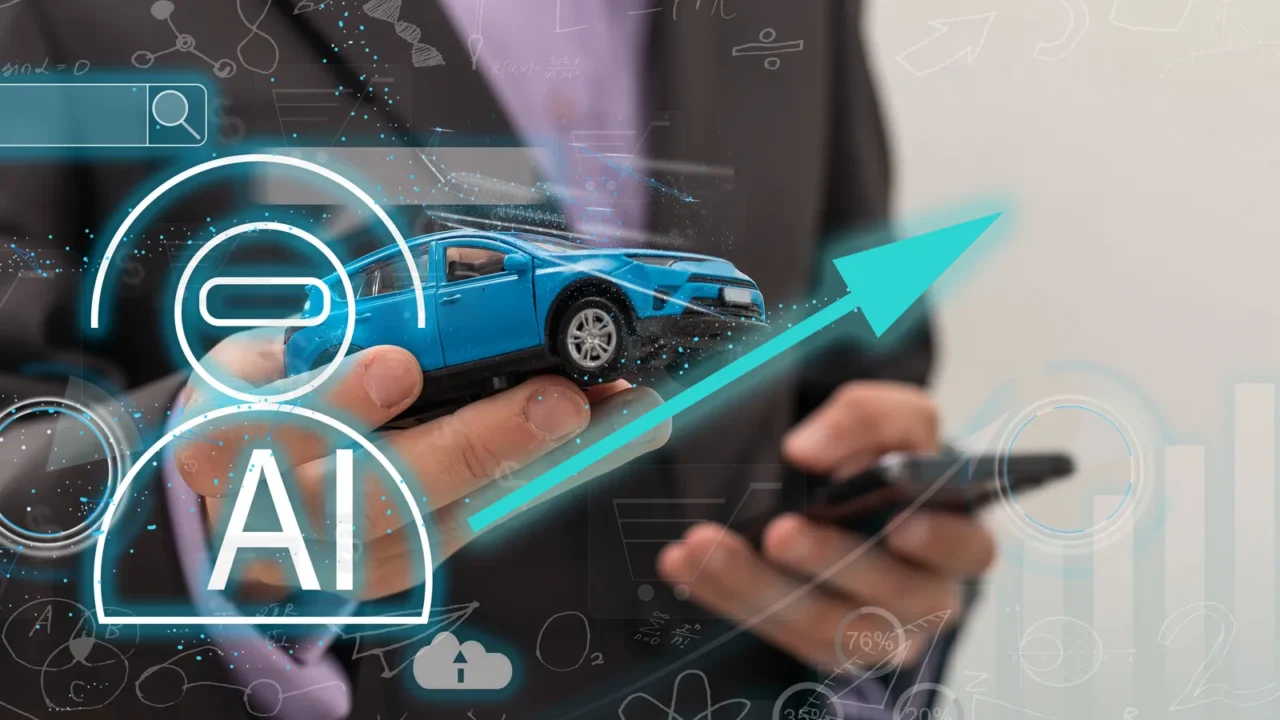
Some of the most dangerous road events are also the rarest. Sudden animal crossings, dust storms, or debris appear with little warning. Most drivers never practice reacting to these moments. That lack of experience shows up in crash reports.
At CES 2026, AI systems trained on millions of simulated scenarios were a major focus. Vehicles learn how to respond before humans would even recognize danger. This preparation matters on highways like US-93, where reaction windows are short. Training fills the experience gap.

Hands-free driving reduces physical strain
Long highway driving creates constant low-level tension in the arms and shoulders. Over several hours, that physical strain affects alertness. Drivers may not notice it until reactions slow. This is common on trips longer than four hours.
Hands-free systems manage speed and lane position on approved highways. Drivers still supervise, but their bodies relax slightly. Less strain helps preserve attention. On long desert legs, that difference becomes noticeable.

Battery safety matters in desert heat
Extreme heat is one of the toughest challenges for electric vehicles. Arizona road temperatures can exceed 140°F in summer. Heat increases battery stress and reduces efficiency. That worries drivers planning long desert trips.
Solid-state batteries shown at CES are more heat-stable and less flammable. They store energy more densely and tolerate extreme conditions better. This improves safety and reliability. For long-distance EV travel, consistency matters as much as range.
Vehicles warn each other in real time
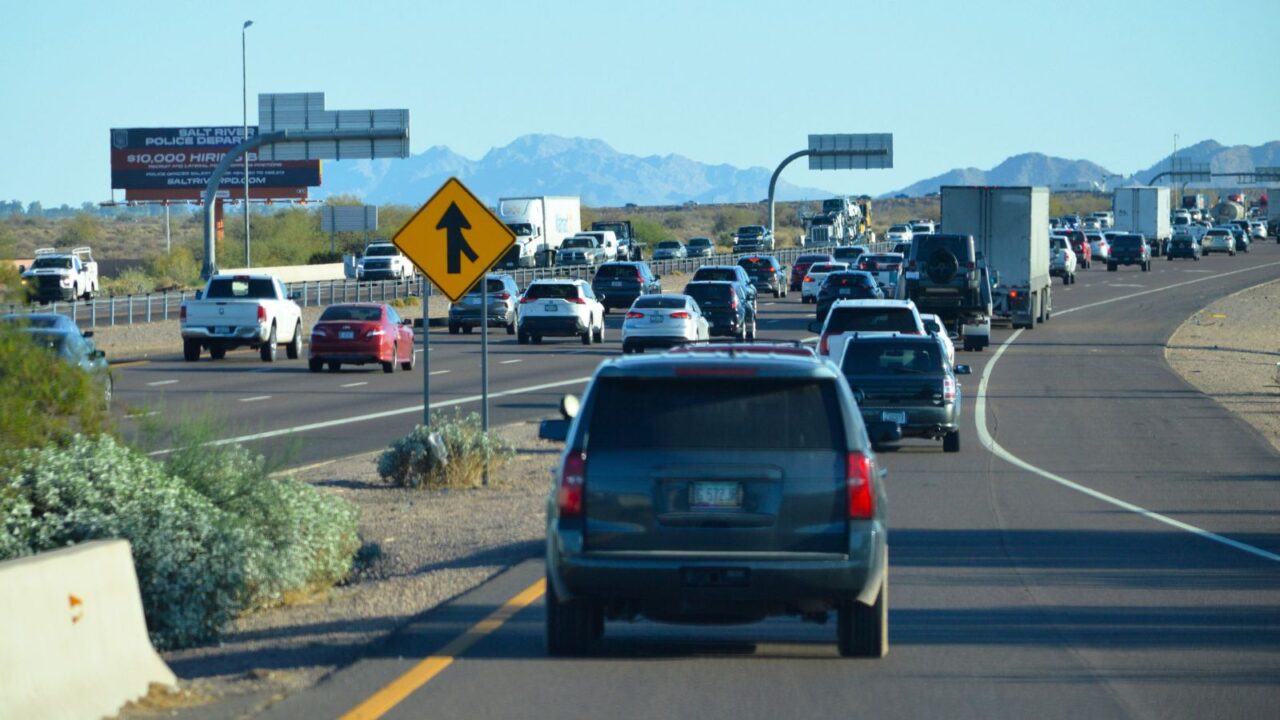
Many multi-car crashes start with one sudden hazard. A driver brakes hard. The next driver reacts too late. On fast highways, seconds matter.
Vehicle-to-vehicle communication allows cars ahead to send warnings instantly. Alerts travel faster than human perception. On isolated highways, this shared awareness reduces chain reactions. It turns individual risk into collective safety.
Night driving finally gets help
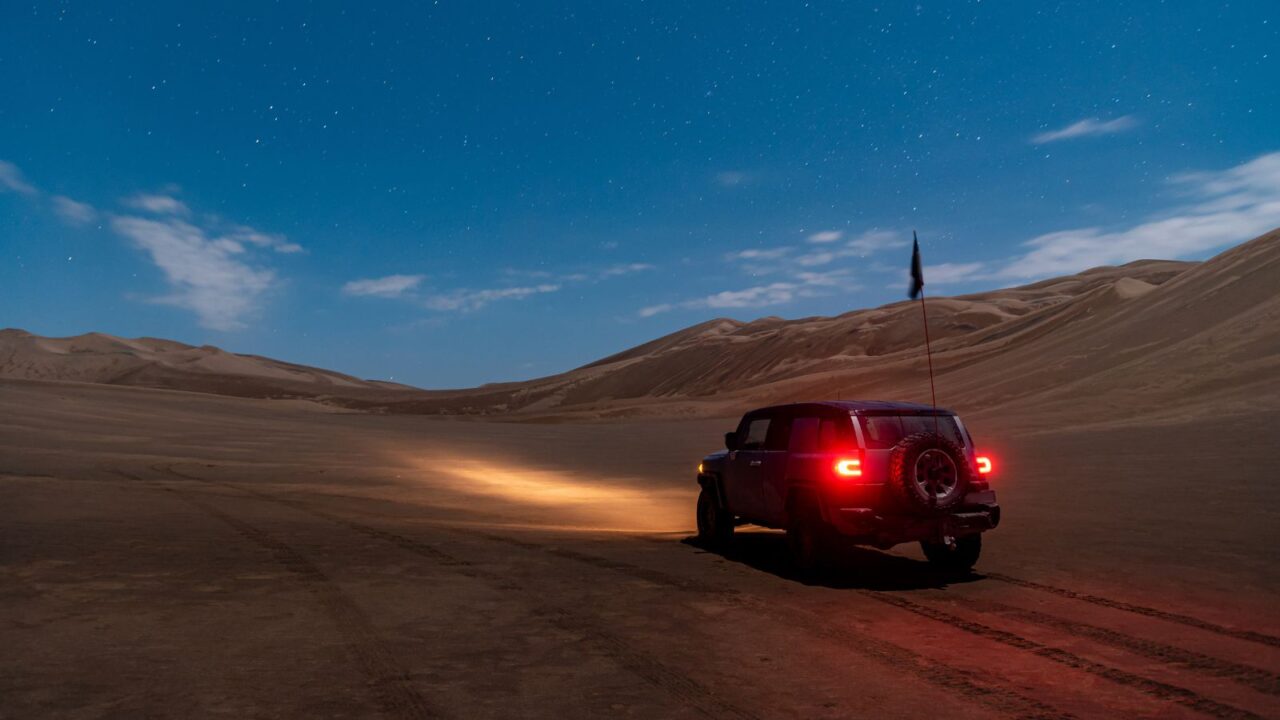
Rural night driving is statistically more dangerous than daytime travel. Wildlife collisions increase after sunset, especially in Utah canyon regions. Headlights often do not provide enough warning time. Drivers react late.
Infrared and radar systems detect movement beyond visible light. Animals and pedestrians appear earlier on displays. Extra seconds allow controlled braking instead of panic. On dark highways, that margin saves lives.
Dashcams evolve into safety logs
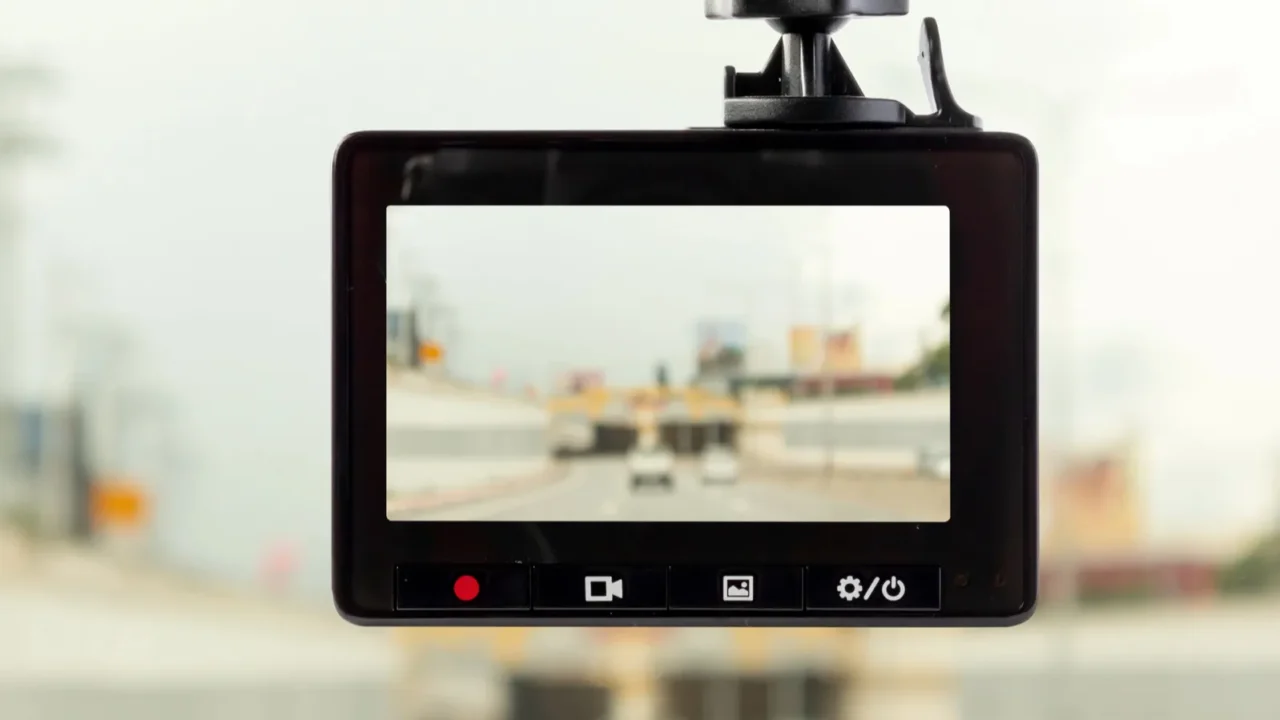
Dashcams once mattered only after crashes. Today, they monitor surroundings continuously. Multi-channel systems record front, rear, and interior views. AI flags unusual movement or impact.
For road trippers parking overnight in remote areas, this adds protection. It also documents incidents where witnesses are rare. Recorded data supports insurance and safety reviews. Dashcams become part of trip security.
Navigation shifts from fastest to safest
Most navigation apps still prioritize speed. That often routes drivers onto dark rural roads late at night. Faster is not always safer. Fatigue and visibility matter more on long trips.
AI-powered routing considers accident history, weather, and lighting. Routes adjust dynamically as conditions change. A slightly longer path may reduce risk significantly. Smart routing supports better judgment.
Sensors help cars see through chaos
Visibility is a serious issue on Southwest highways. Dust, glare, and sudden storms reduce reaction time. CES 2026 placed heavy emphasis on sensing systems that work when cameras struggle.
These tools are designed for real-world chaos, not perfect conditions. For road trips across Arizona and Utah, that difference matters.
Teradar’s Summit THz sensor uses long-range detection that works through dust and poor weather. This improves object recognition far ahead of the vehicle.
Explore this amazing CES 2026 travel trend next, no one talks about. The ‘edge AI’ that works offline is about to change how we travel.
CES tech expands beyond the driver’s seat
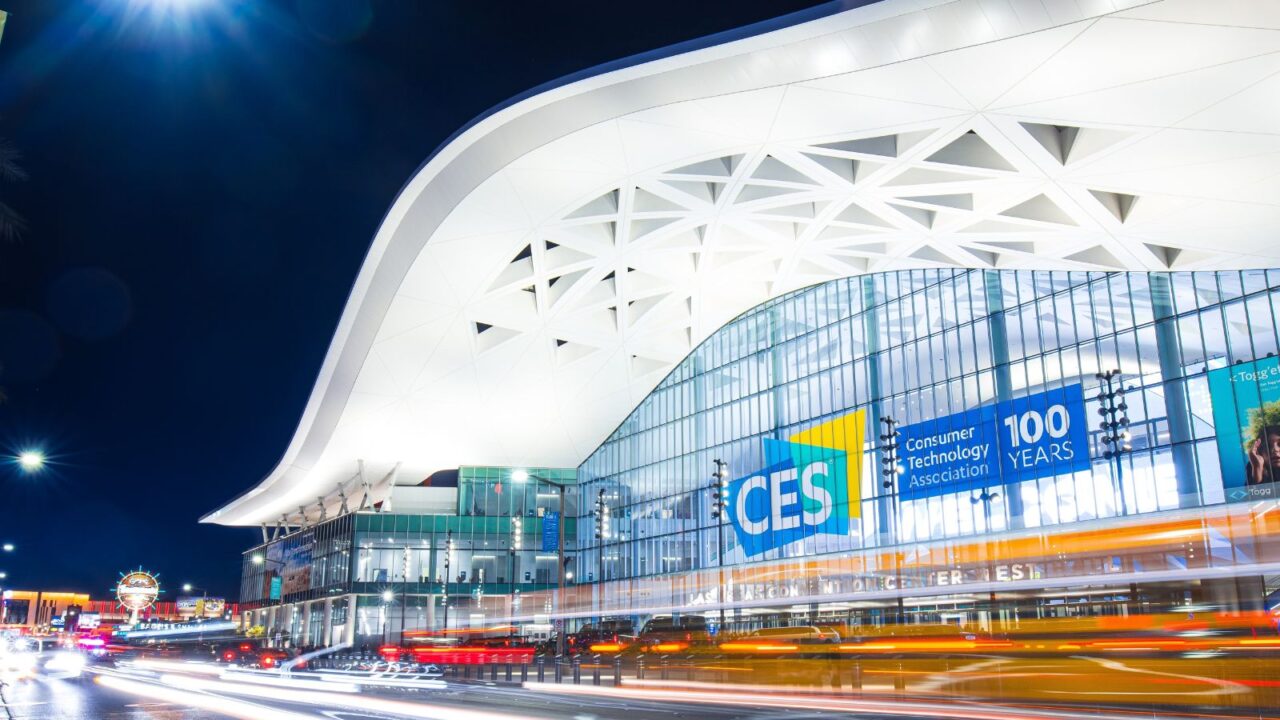
CES 2026 made it clear that travel tech is no longer limited to cars alone. While vehicle safety dominated headlines, the show also highlighted tools for mobility, navigation, and trip planning beyond the wheel. These ideas connect directly to how Americans travel today, especially road trips tied to hiking, national parks, and remote destinations.
Beyond cars, CES 2026 featured robotaxis from companies like Uber, Lucid, and Nuro, aimed at city-to-park travel. Wearables such as Meta Ray-Ban smart glasses emphasize offline navigation for trails and canyons.
Would tech like this make you feel safer on long road trips? Share your thoughts or driving experience in the comments.
This slideshow was made with AI assistance and human editing.
Don’t forget to follow us for more exclusive content right here on MSN.
Read More From This Brand:
