Seat size debate
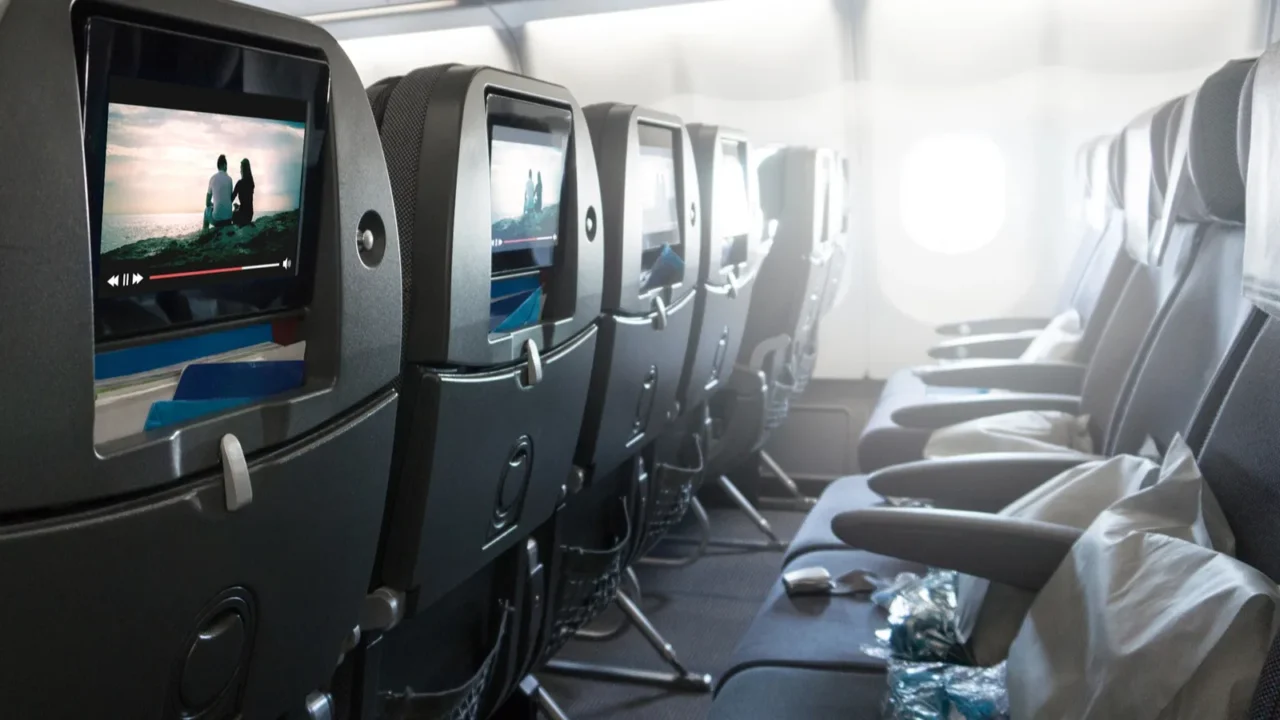
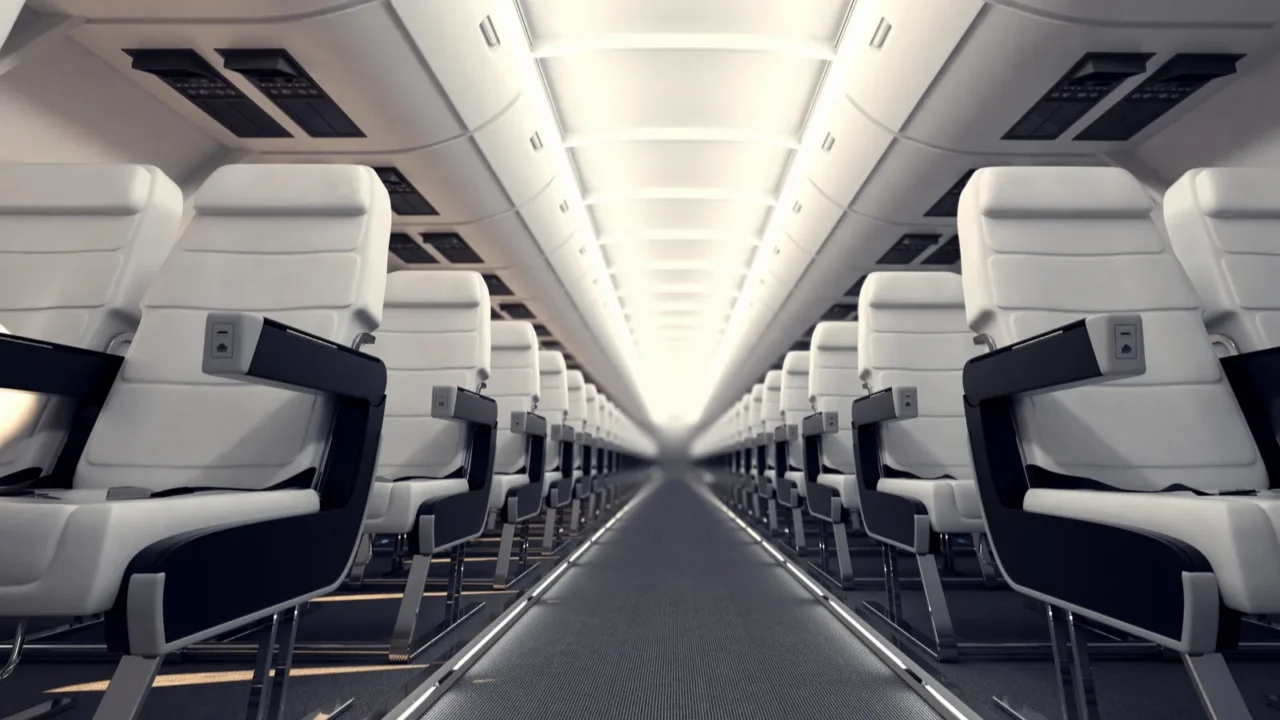
Seat size has become one of the most talked-about issues in modern flying. Travelers are paying more attention to comfort and safety as seats continue to shrink. Lawmakers in the U.S. and EU have already initiated action, with ongoing pressure to finalize seat size standards.
The debate feels louder than ever as regulators study what the minimum standards should be. Airlines say tighter layouts help keep fares low while consumer groups argue comfort is being compromised. It is a growing conversation that is not slowing down. Here’s what’s unfolding.

Why this matters
Seats on many aircraft have narrowed over the past two decades. Legroom has also decreased, which makes long flights feel more tiring for many travelers. These changes sparked concern as more people spoke up about discomfort in the air.
Advocates believe minimum standards could help protect basic comfort rights. They argue that shrinking seats may affect safety during evacuations. This tension is what pushed lawmakers to begin reviewing the issue.

The U.S. situation
The Federal Aviation Administration has been studying seat dimensions after years of public complaints. The agency collected thousands of comments from travelers who described cramped flying experiences. Lawmakers asked the agency to determine whether seat size affects safety.
The FAA says evacuation testing is part of its review. Some experts say more testing is needed to understand real-world passenger reactions during emergencies. The public continues to push for clearer answers.
Airlines push back
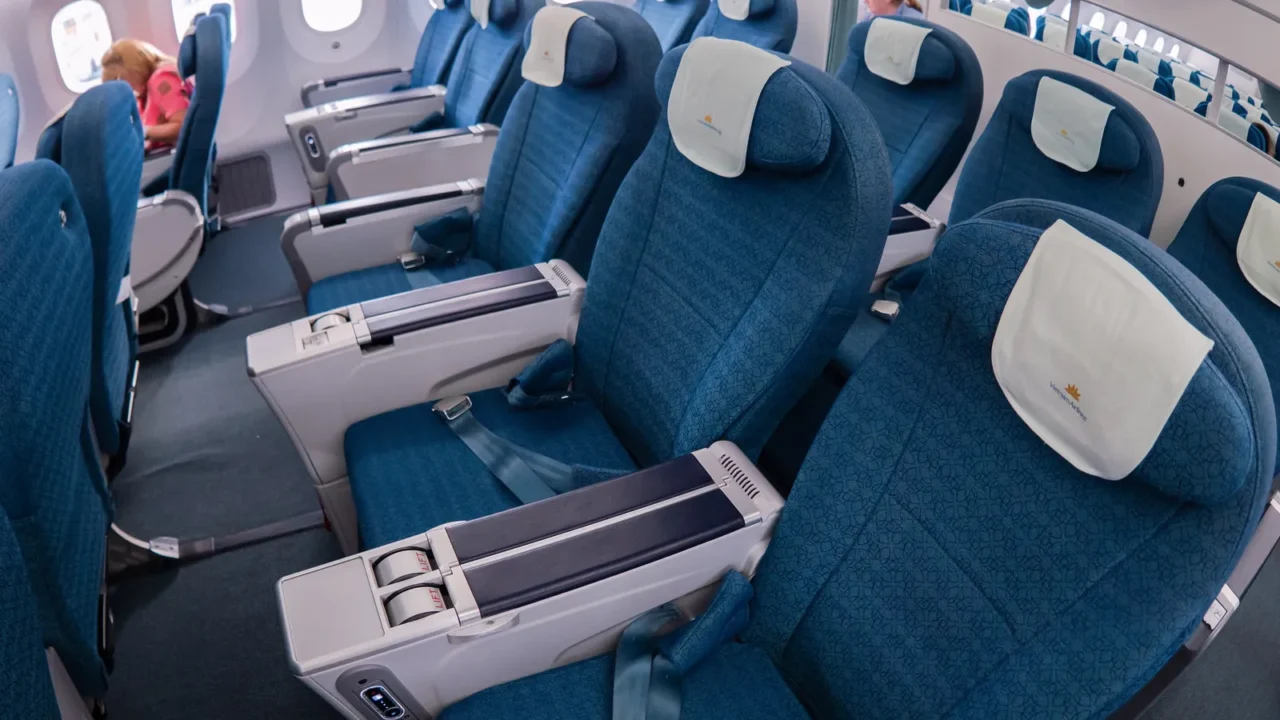
Airlines say reducing seat numbers would raise ticket prices. They argue that tight layouts help keep routes affordable for holidaymakers and business travelers. Carriers also claim that evacuation standards remain safe.
Industry groups say regulations should not be rushed. They warn that rigid rules may limit flexibility for aircraft upgrades. This difference in opinion keeps the debate alive.
Consumer advocates rise
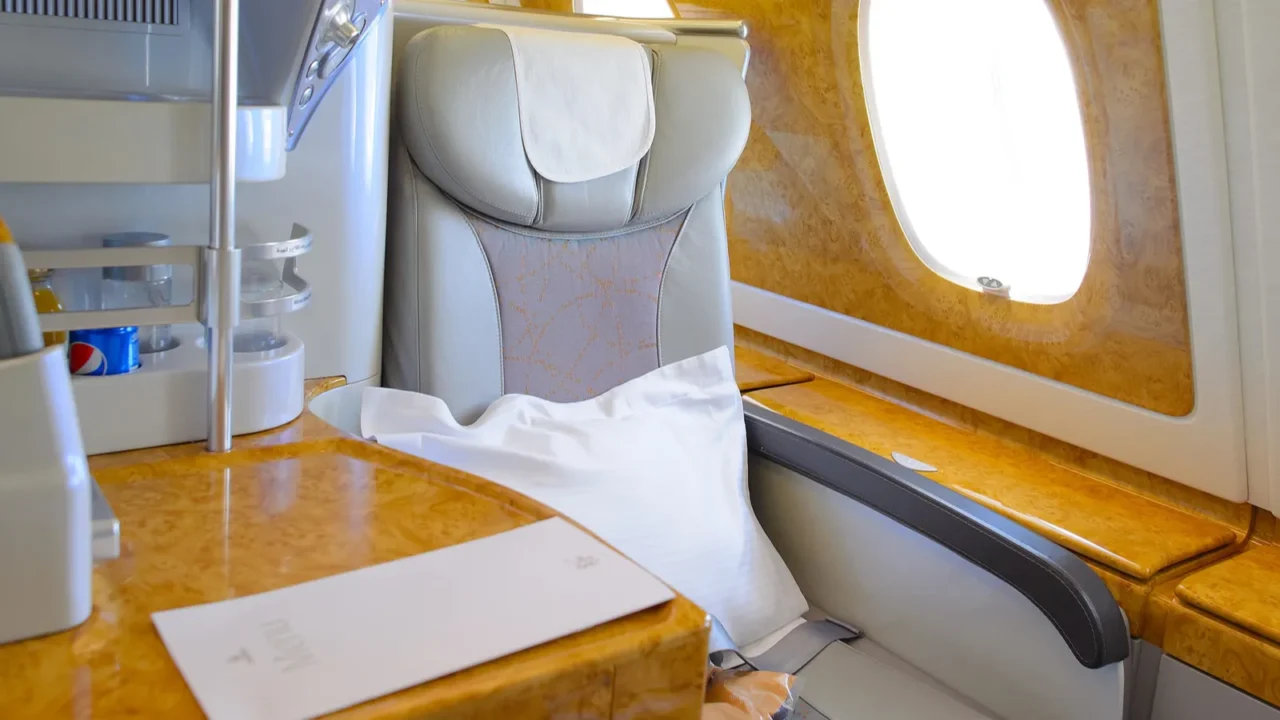
Travelers have rallied around groups fighting for clearer rules. Many believe minimum seat sizes would help protect comfort on long international flights. These groups say the current layouts can feel restrictive.
Advocates highlight concerns about older travelers and those with mobility challenges. They point to studies showing increased discomfort across narrow layouts. Their arguments continue to influence public opinion.

EU efforts grow
The European Union is reviewing cabin comfort standards as part of broader aviation reforms. Some lawmakers say airlines have pushed limits by tightening seating over time. They want new rules that reflect modern travel needs.
EU officials are also studying evacuation data. They want to understand how crowded cabins may affect passenger movement. Discussions continue as both sides share research and concerns.
Safety concerns raised
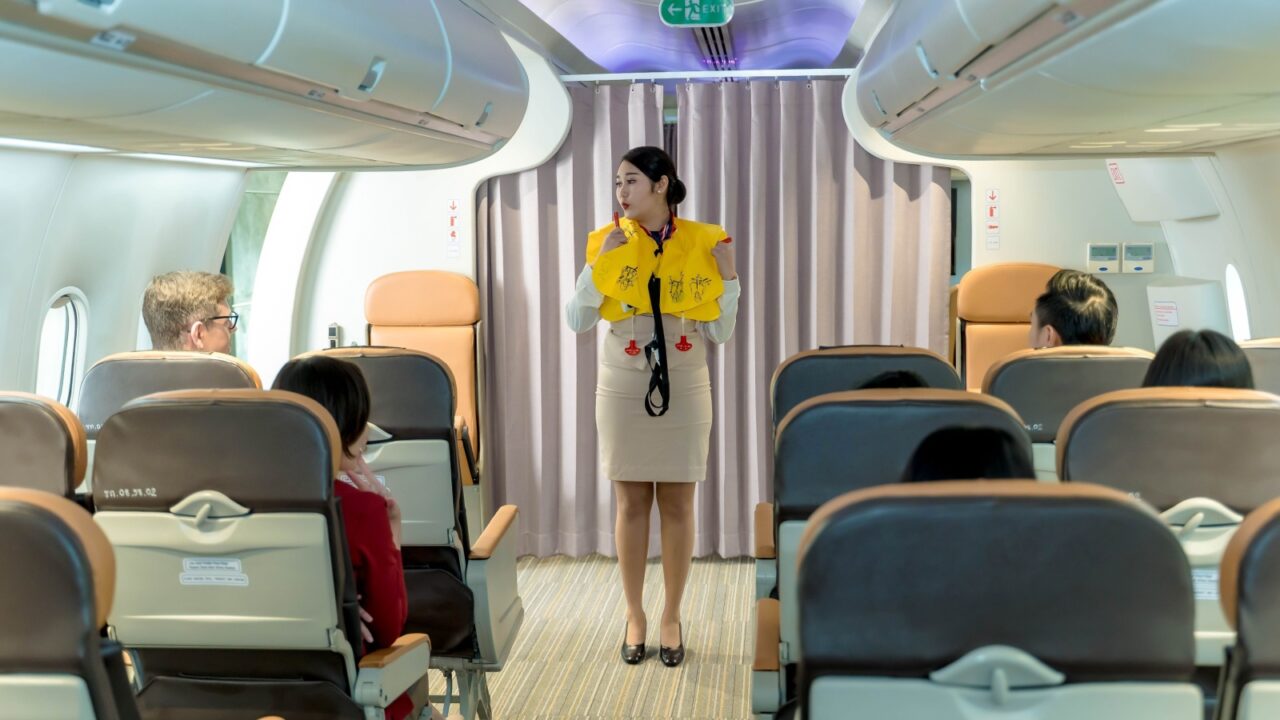
Safety experts say evacuation timing is the core issue. Tests must show travelers can leave an aircraft quickly under realistic pressure. This is why some officials ask for updated studies with diverse passenger groups.
Critics say current simulations do not reflect real conditions. They argue that more inclusive testing would offer better insights. These concerns shape the overall conversation in both regions.
Comfort expectations shift
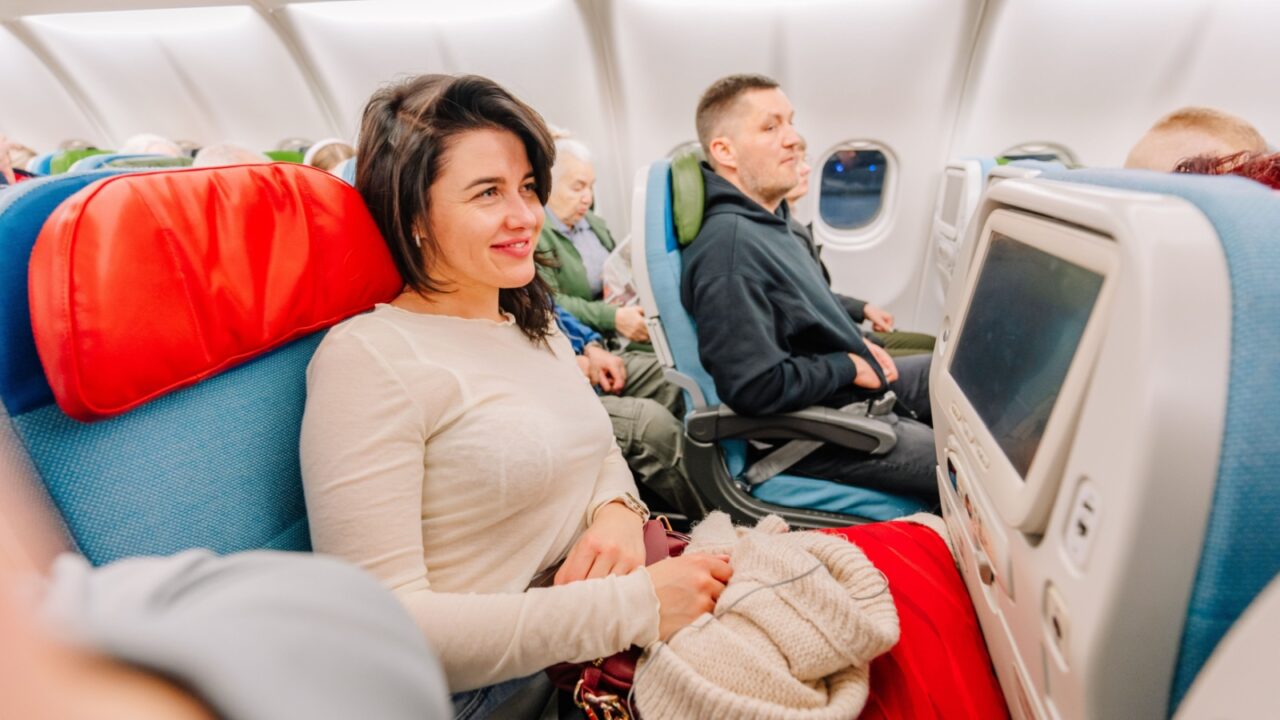
Travelers now expect better comfort even on shorter flights. Many compare older cabin layouts to what exists today. This shift creates pressure on airlines to rethink their approach.
Some carriers added premium economy to address rising discomfort. Others offer adjustable seating for international routes. Expectations continue to change as travelers speak up more often.
Industry cost pressures
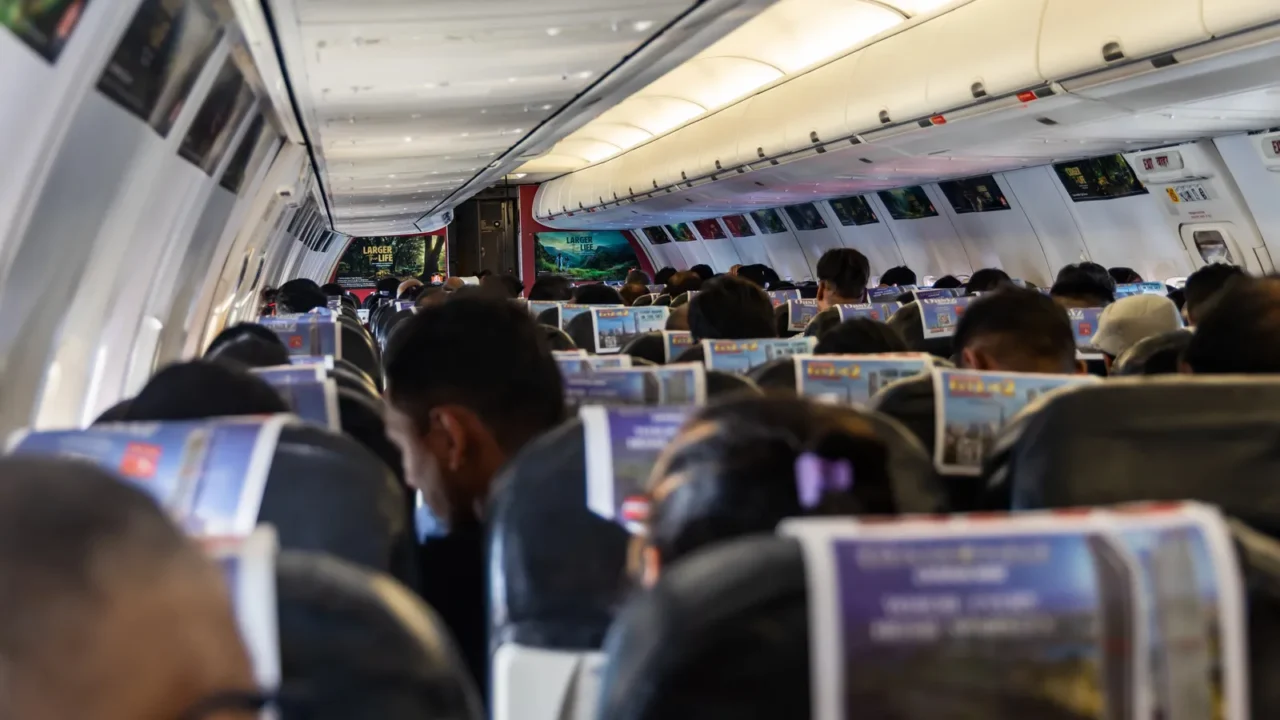
Airlines operate with narrow profit margins, which makes cabin layout changes expensive. Removing seats can affect revenue across entire fleets. This makes new regulations complicated for carriers to accept.
Executives say fleet redesigns require long timelines. Many want regulators to consider these operational realities. The discussion highlights the balance between comfort and cost.
Traveler demand grows
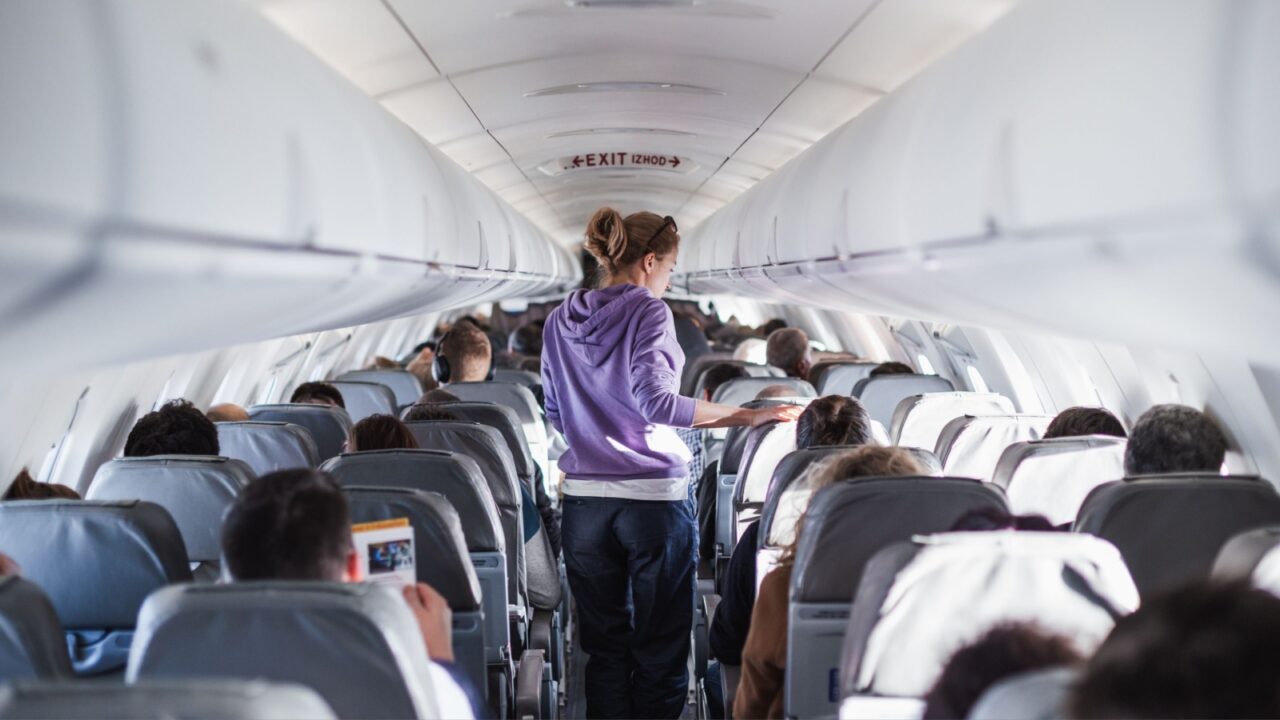
More travelers say they are willing to pay a little more for comfortable seating. This trend becomes stronger for long-haul flights. Surveys show many prefer layouts with more legroom and less crowding.
Airlines monitor these trends even while defending current seat sizes. The demand helps shape which cabins receive upgrades. It also influences future aircraft design plans.

What happens next
Lawmakers in the U.S. and EU will continue reviewing research throughout the year. Public pressure ensures the topic stays active in major travel conversations. Airlines and regulators remain far from a final agreement.
The next phase will include new studies and policy proposals. Both regions want to balance safety, comfort, and cost. This means the debate may evolve, but is unlikely to end soon.
Technology plays a role
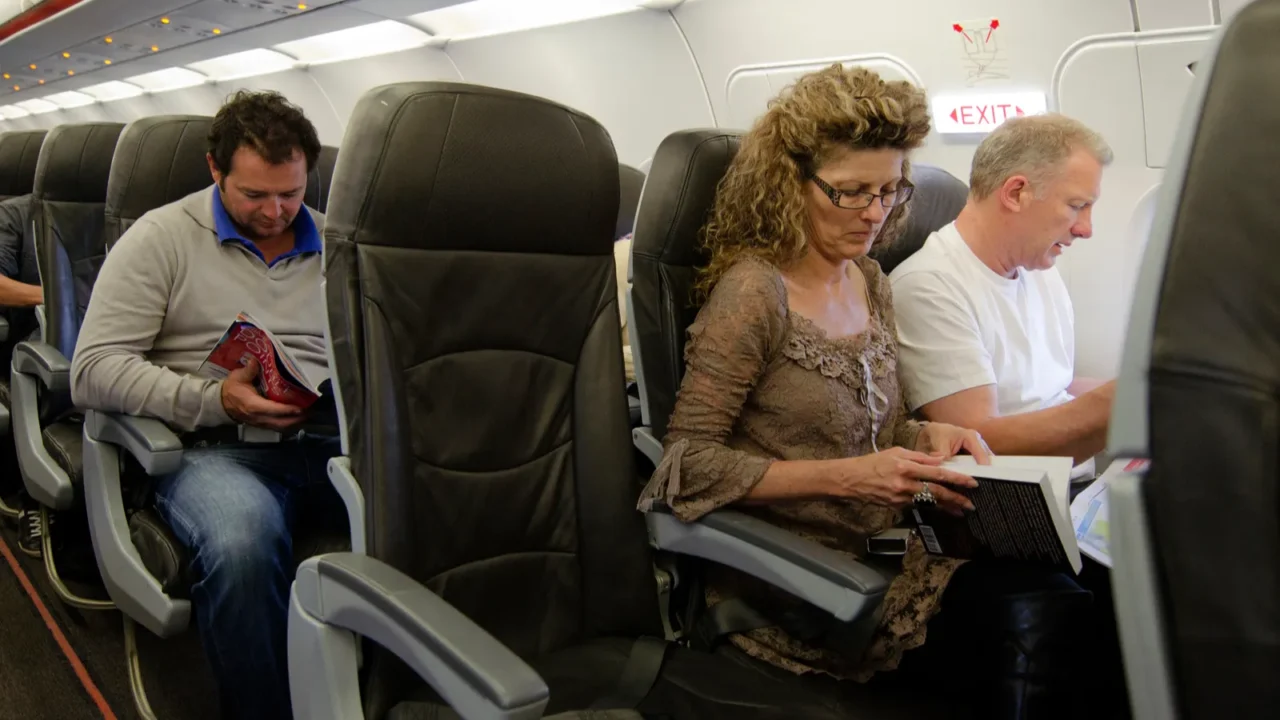
Seat makers are developing slimmer frames that add space without increasing cabin size. These designs aim to improve comfort through smarter support materials. Some airlines have started testing them on select routes.
The goal is to enhance comfort without reducing seat count, making this new technology a practical middle ground for carriers. Travelers may gradually notice these upgrades as they roll out across fleets. Why global air travel disruption is surging and what AirHelp’s 2025 data reveals adds further context to how passenger expectations and industry pressures are shaping these innovations.
The future of comfort
Seat size legislation may reshape how travelers experience flying in the years ahead. The choices made now will influence comfort on both domestic and international routes. Many travelers hope for changes that feel fair and realistic.
The conversation shows how travel expectations keep evolving with time. Comfort is becoming a bigger part of the flying experience.
What seat size changes should lawmakers consider next? Share thoughts below!
Read More From This Brand:
- How Priyanka Chopra’s tropical birthday retreat is boosting resort bookings
- The Fall Guy phenomenon is making Australian filming sites trend on TikTok
- How whisper retreats became the ultimate celebrity silence getaway
Don’t forget to follow us for more exclusive content right here on MSN.
This slideshow was made with AI assistance and human editing.
