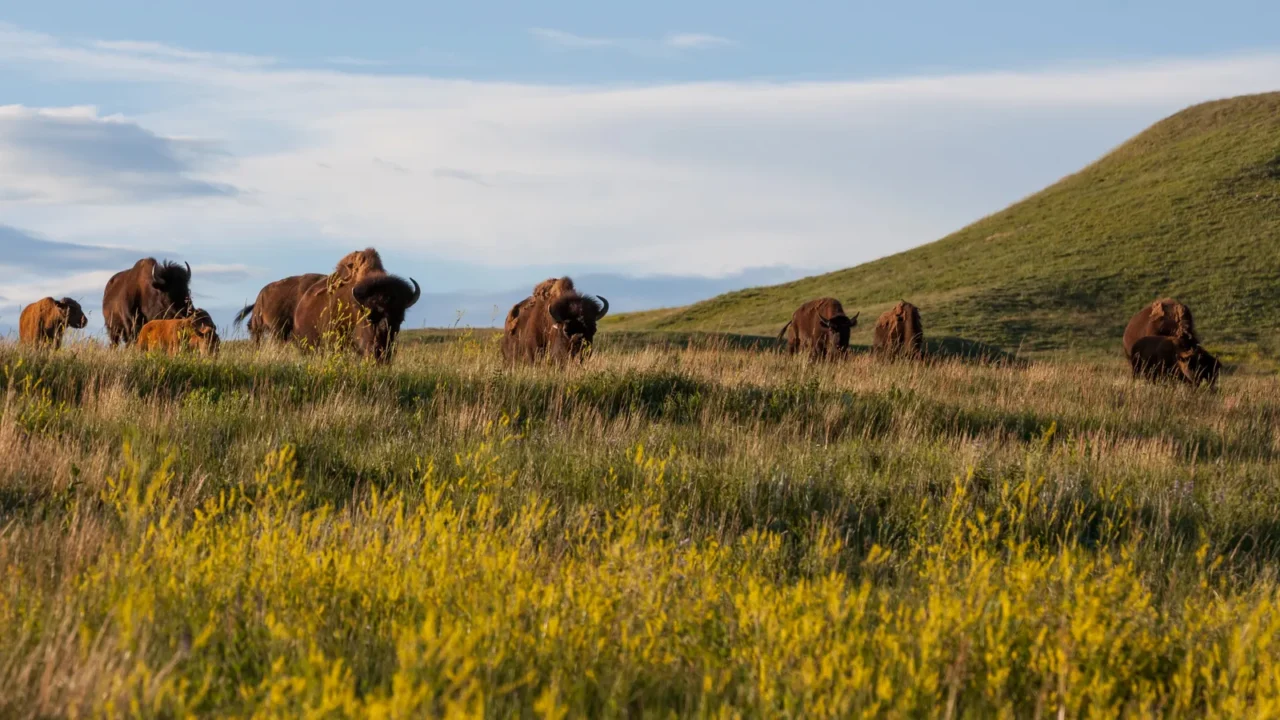
Detours becoming destinations
South Dakota’s lesser-known national monuments are reshaping classic road trip routes. Travelers are adjusting plans to include quieter sites beyond Mount Rushmore. These places offer space, scenery, and fewer interruptions.
Instead of quick stops, visitors linger longer at overlooked landmarks. The experience feels more personal and less rushed. That shift is changing how road trips across the state unfold.
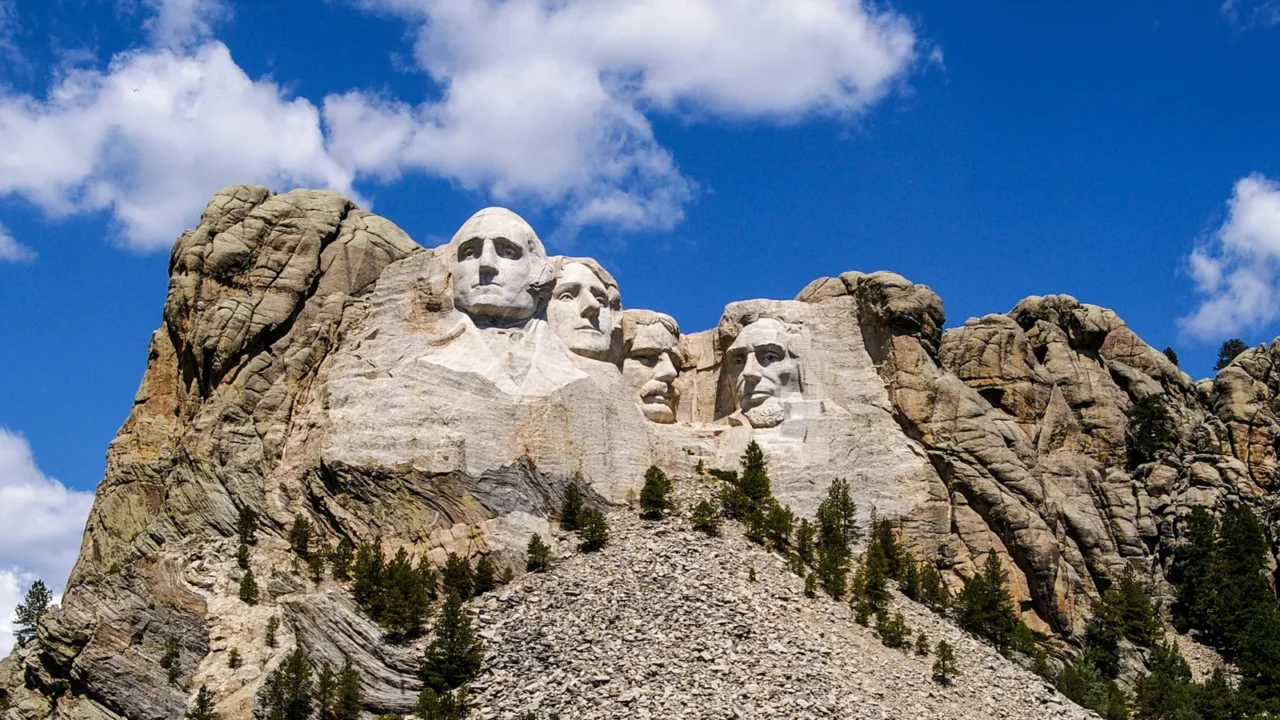
Beyond Mount Rushmore
Mount Rushmore still draws attention, but nearby sites are gaining momentum. Jewel Cave National Monument surprises travelers with depth and scale underground. Wind Cave National Park offers a different kind of geological wonder.
These monuments sit close enough to reroute drives easily. Visitors realize there’s surprising variety within short distances. That discovery encourages exploring more than one stop.
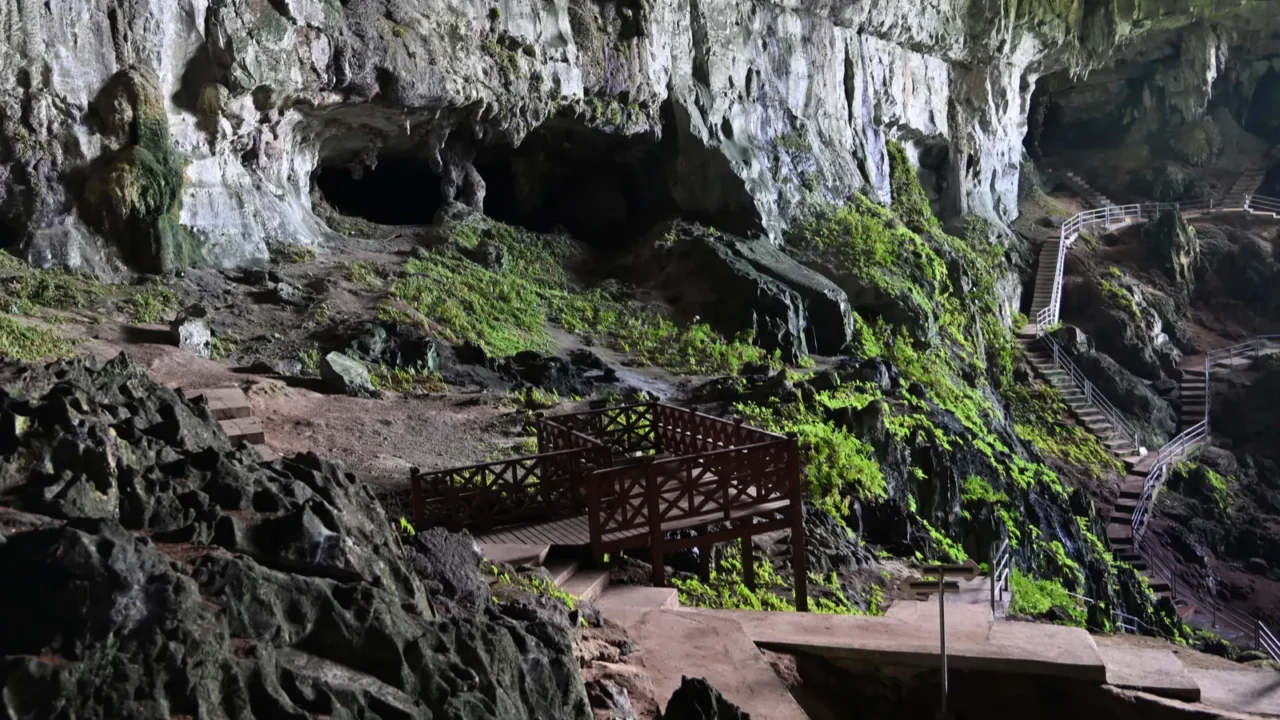
Wind Cave’s quiet pull
Wind Cave National Park stands out for its calm presence. The cave system is one of the longest in the world, yet remains uncrowded. Above ground, rolling prairie and bison herds add to the appeal.
Travelers enjoy how balanced the experience feels. Time moves more slowly both inside and outside the cave. That contrast makes it a worthwhile detour.
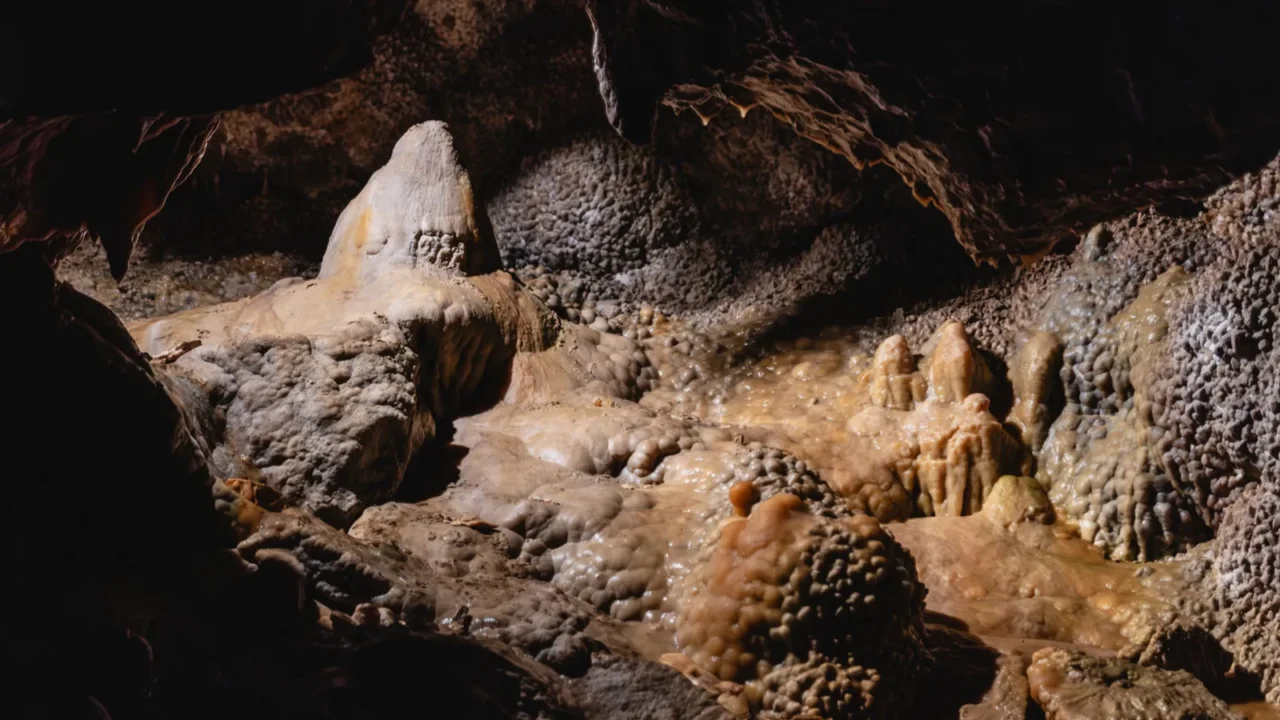
Jewel Cave’s hidden scale
Jewel Cave National Monument challenges expectations immediately. Its twisting passages extend farther than most visitors imagine. Tours reveal shimmering calcite formations deep below the Black Hills.
Aboveground, forested trails offer peaceful breaks. The monument rewards curiosity rather than speed. That sense of discovery pulls road trippers off main highways.
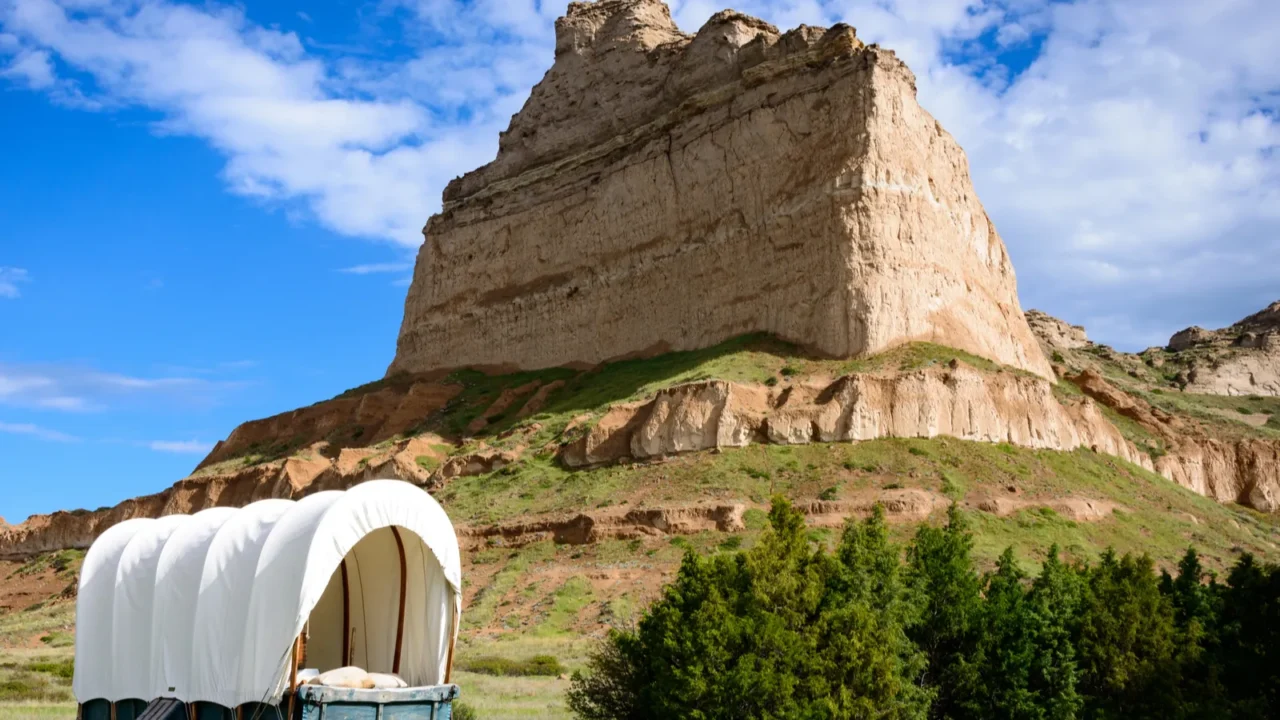
Scotts Bluff nearby influence
While just over the border, Scotts Bluff National Monument affects South Dakota routes. Travelers passing through the southern edge often adjust paths to include it. The monument adds historic depth tied to westward expansion.
That nearby presence encourages regional exploration. Road trips feel less linear and more flexible. Detours begin to feel intentional rather than accidental.
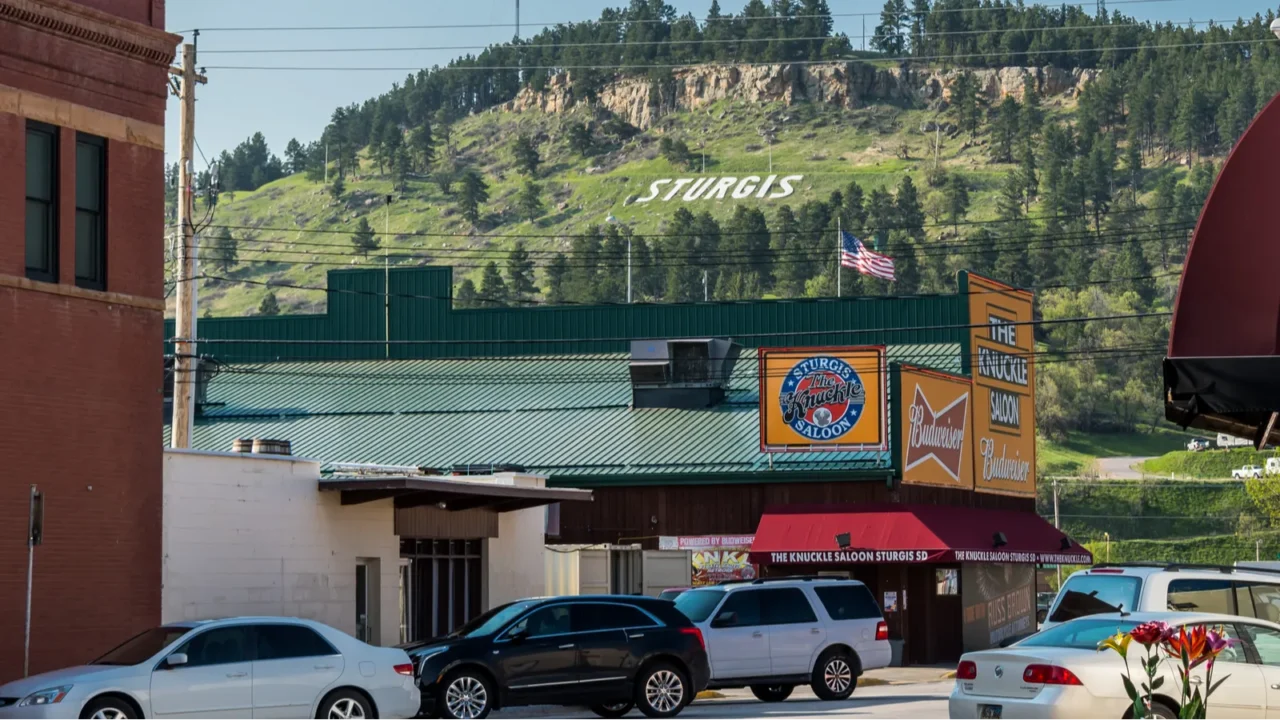
Fewer crowds, better pacing
Lesser-known monuments offer relief from peak-season congestion. Parking feels manageable, and trails remain open. Visitors spend more time exploring instead of waiting.
That smoother pacing improves the entire trip. Stress drops noticeably during these stops. Road trips regain their sense of freedom.
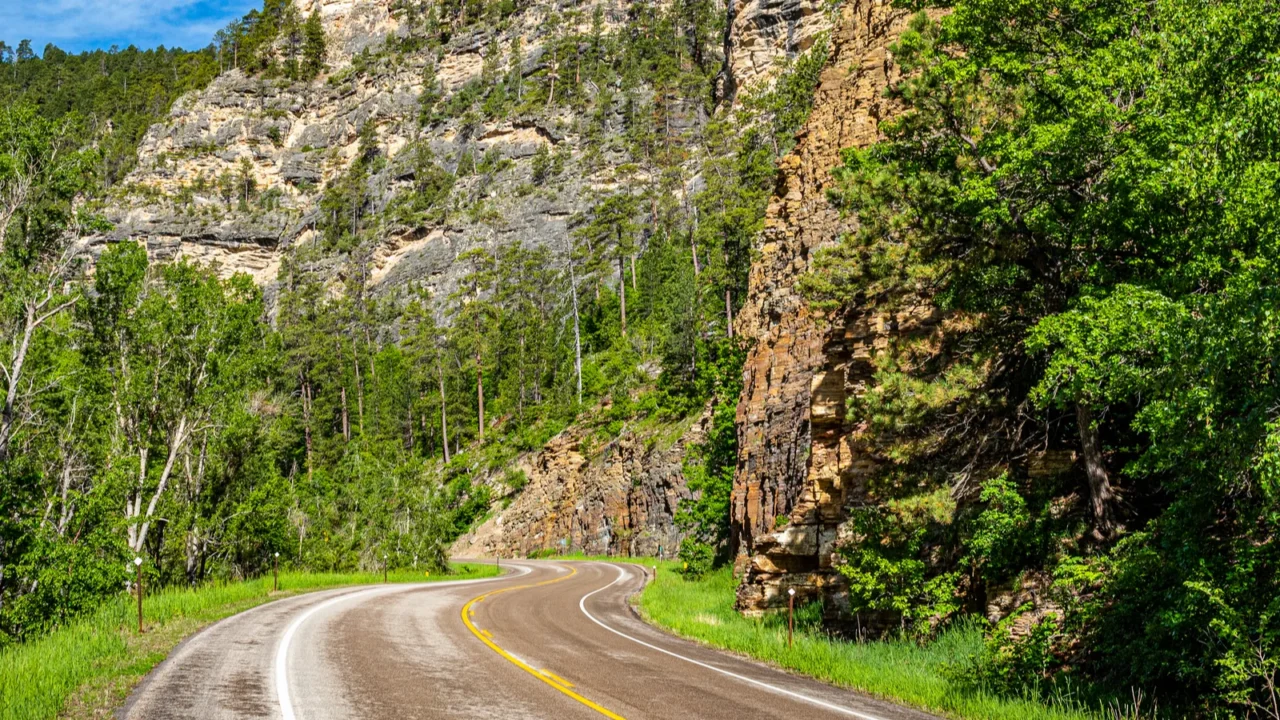
Scenic roads connect sites
South Dakota’s scenic byways make rerouting enjoyable. Drives between Custer State Park, Wind Cave, and Jewel Cave stay visually engaging. Rolling hills and open grasslands fill the views.
The road itself becomes part of the experience. Stops feel natural rather than forced. That ease encourages adding extra destinations.
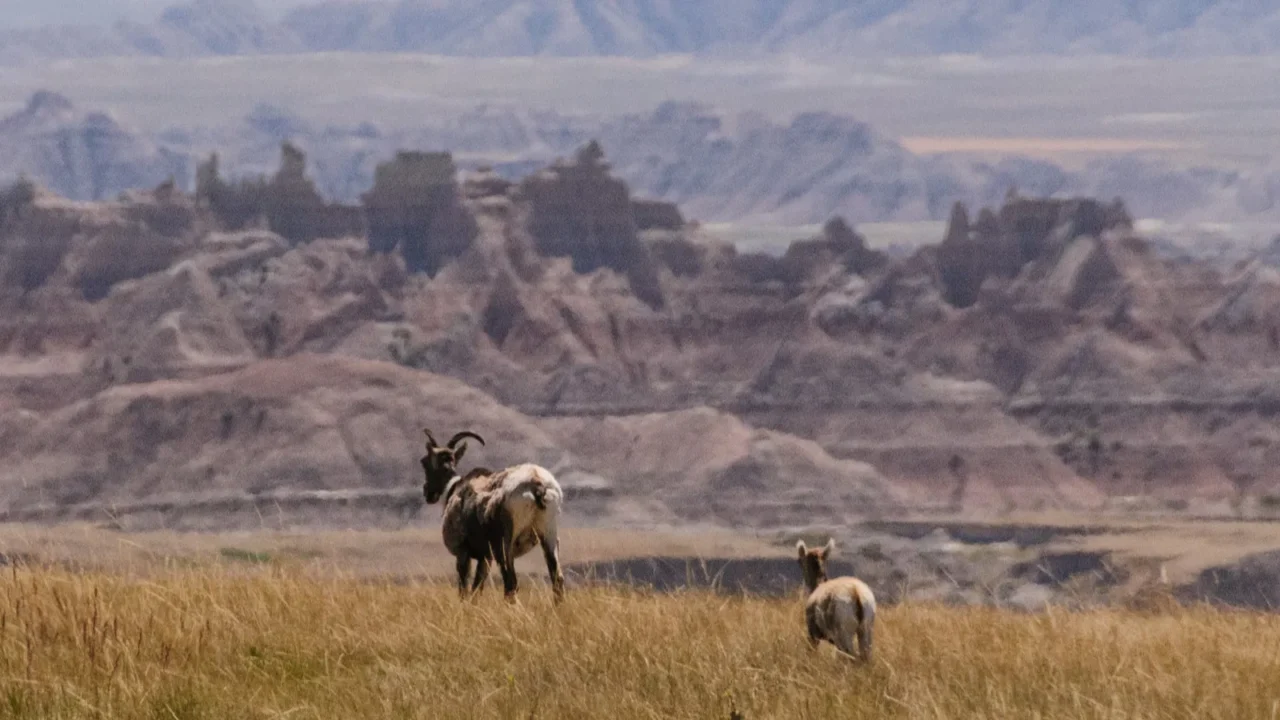
Wildlife shapes the journey
Wildlife sightings often happen near these monuments. Bison, pronghorn, and prairie dogs appear along roadsides. Wind Cave’s grasslands feel especially alive.
Travelers slow down naturally to observe. These moments create unexpected highlights. Wildlife presence reinforces the value of detouring.
History without crowds
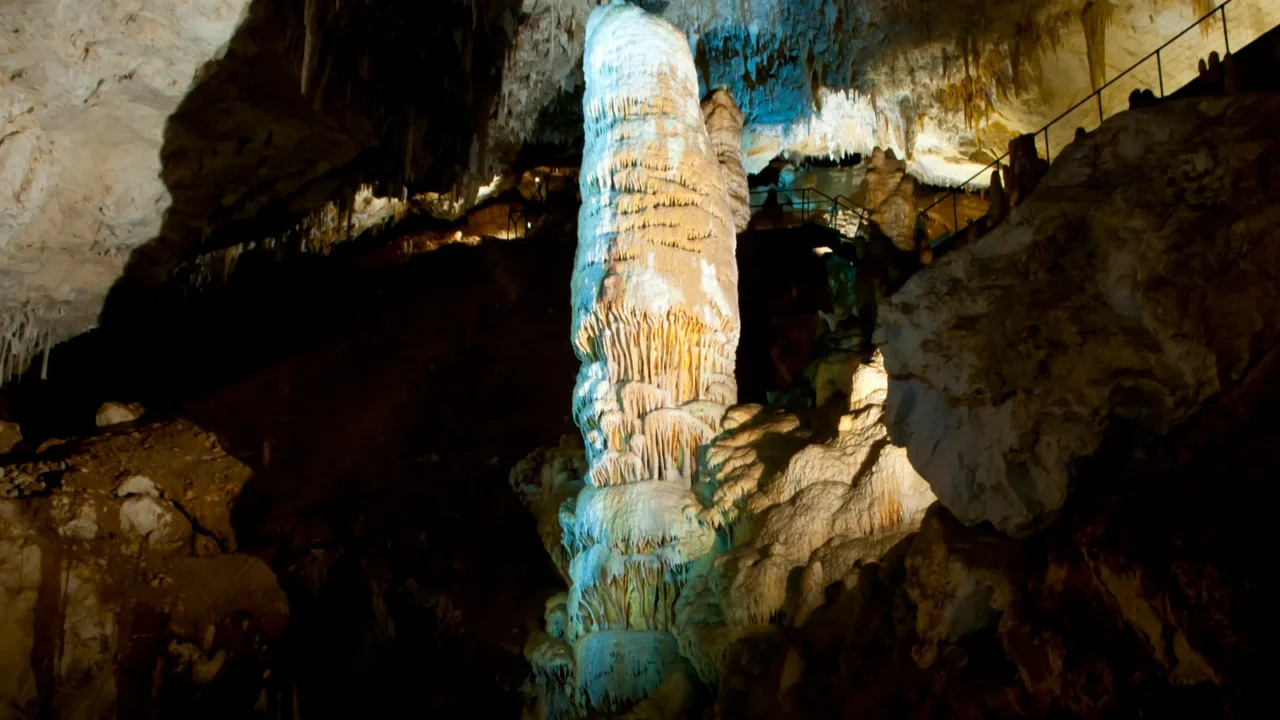
Many monuments carry historical importance without heavy foot traffic. Wind Cave holds cultural significance for Indigenous communities. Jewel Cave reflects early exploration and conservation efforts.
Learning feels calmer without packed visitor centers. Travelers absorb stories at their own pace. History feels more accessible and grounded.

Ideal for flexible itineraries
These monuments fit easily into open-ended road trips. Short hikes and guided tours allow for adaptable schedules. Visitors choose how long to stay without pressure.
That flexibility appeals to modern travelers. Plans adjust based on mood and weather. Reroutes feel natural and rewarding.
Small towns benefit nearby
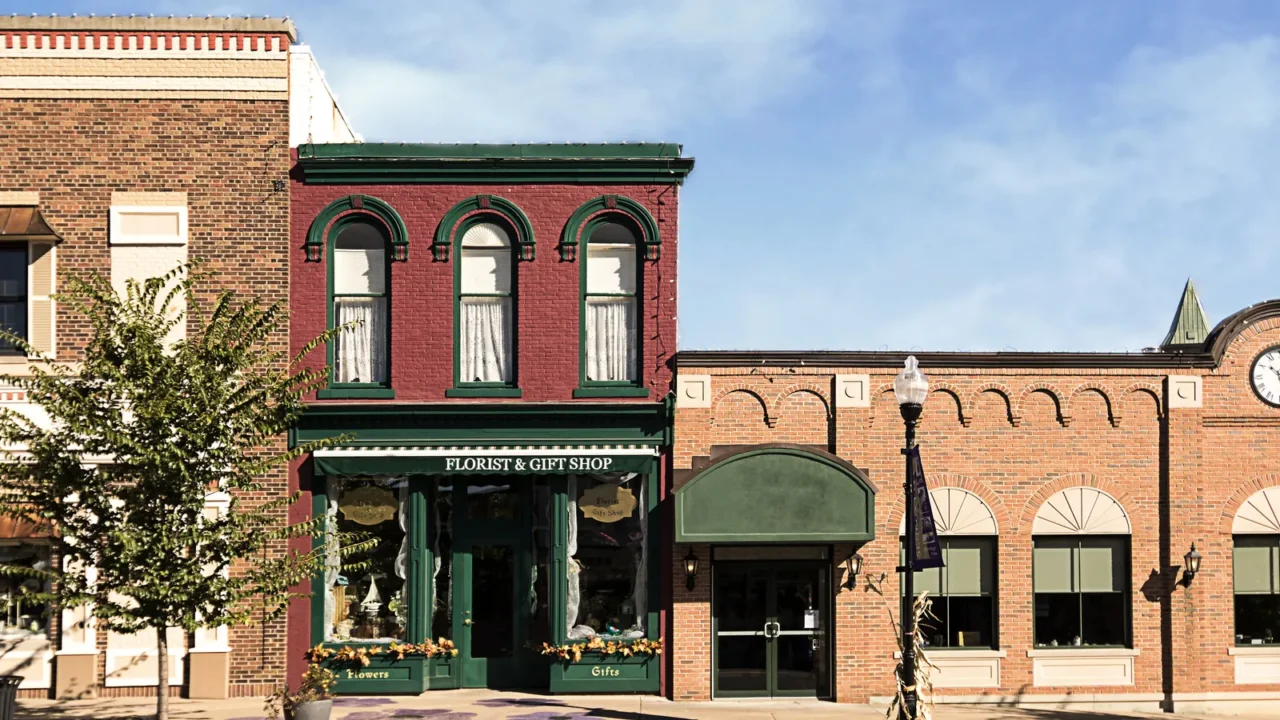
Nearby towns feel the impact of these reroutes. Places like Hot Springs gain visitors exploring Wind Cave. Cafes, motels, and shops see steadier traffic.
Travelers enjoy stopping where things feel local. Meals and stays become part of the journey. The road trip experience feels more connected.
Nature feels uninterrupted
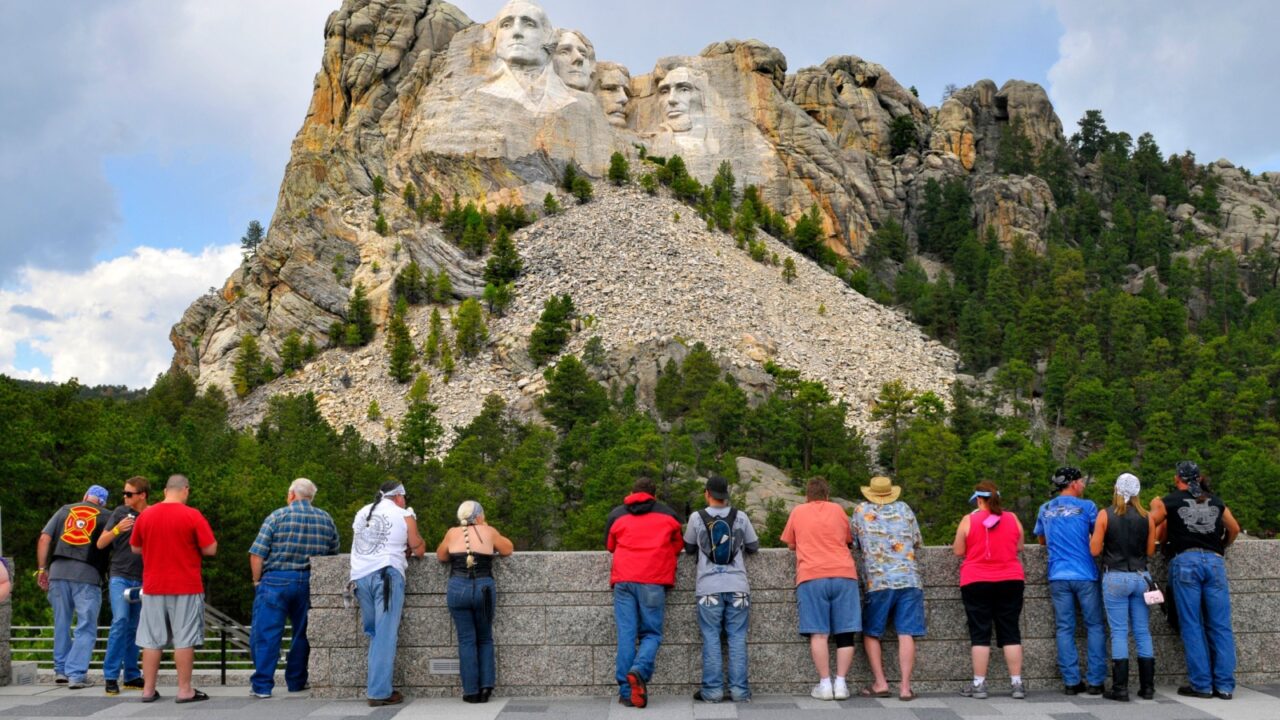
Lesser-known monuments preserve a sense of openness, where views remain wide and uninterrupted by heavy crowds. Silence and wind replace the constant background noise often found at busier landmarks, creating a calmer atmosphere. This contrast highlights why discussions around the most beautiful monuments in France to visit at least once in your life increasingly include quieter, less-visited sites.
That atmosphere feels rare and refreshing. Travelers notice how present they feel. These moments justify changing routes.
Rethinking road trip priorities
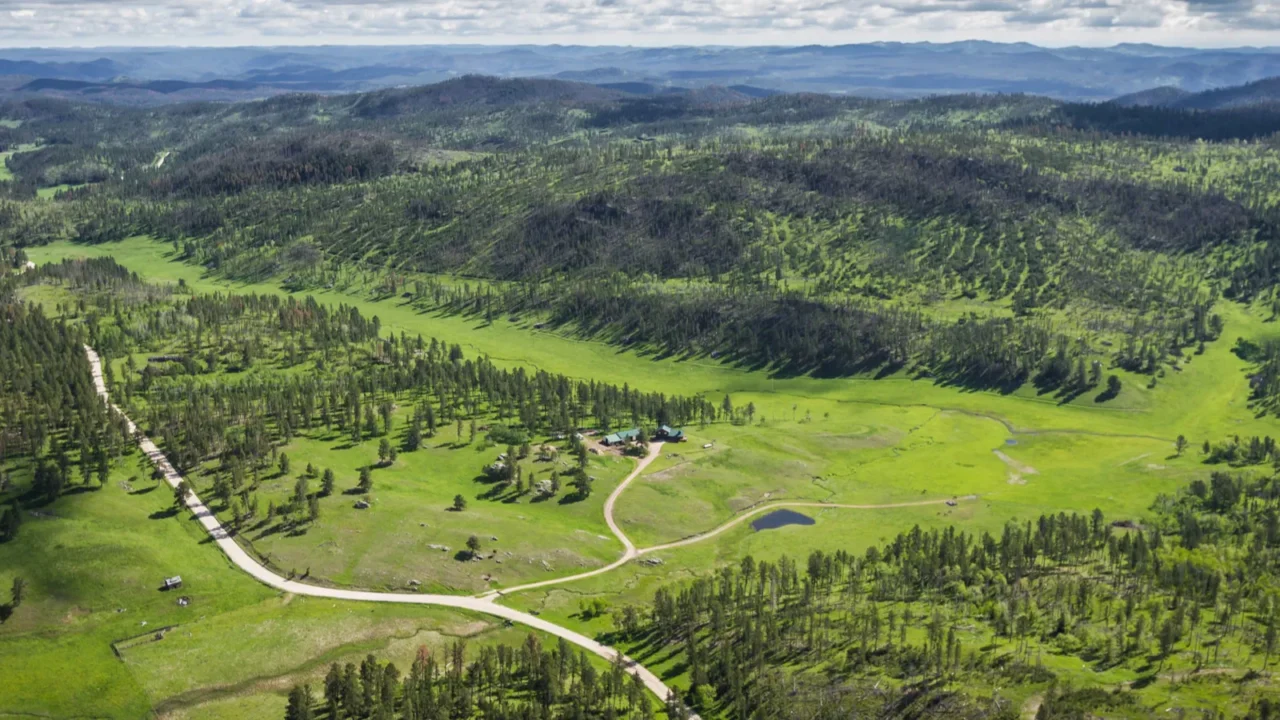
South Dakota’s quieter monuments are reshaping travel decisions. Road trips now prioritize depth over famous checklists. Wind Cave and Jewel Cave prove that smaller names can deliver bigger experiences.
Reroutes bring balance back to the journey. Travelers leave feeling more satisfied and curious. That mindset is driving roads in new directions.
If you found this interesting, give us a like and share your thoughts in the comments.
This slideshow was made with AI assistance and human editing.
Don’t forget to follow us for more exclusive content right here on MSN.
Read More From This Brand:
