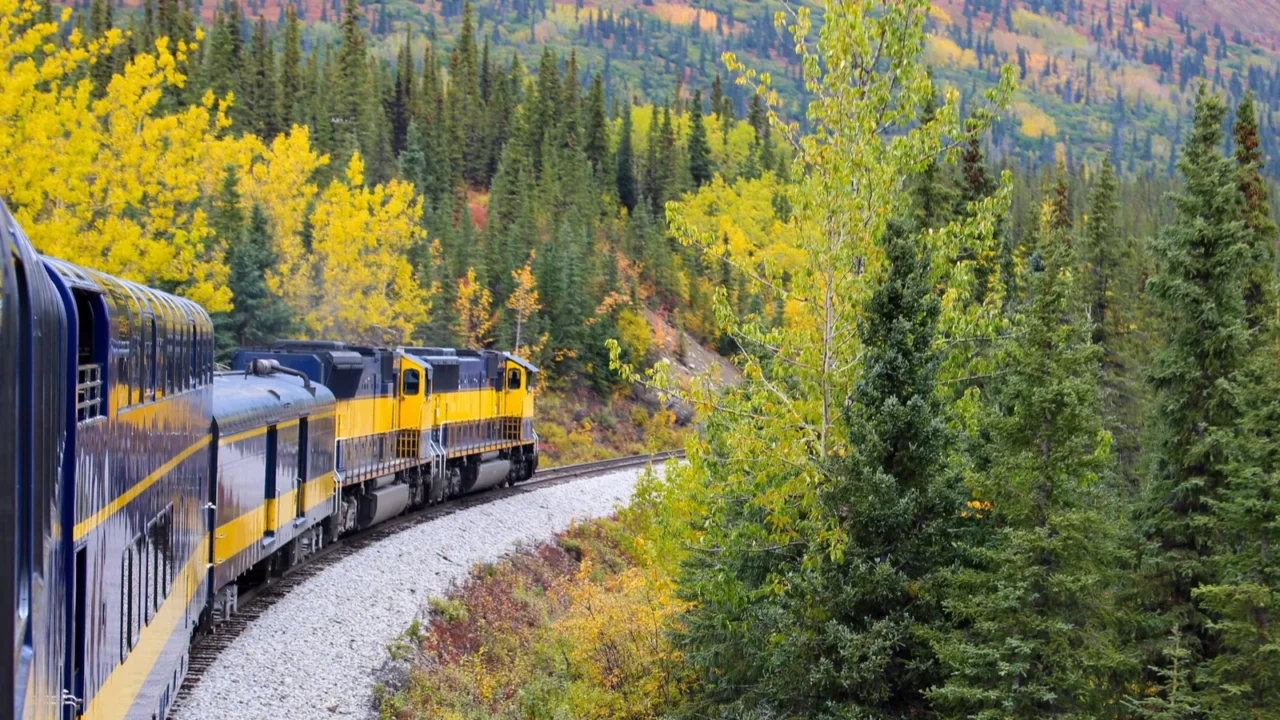
Expansive American landscapes
Long-distance trains in the United States, such as the Empire Builder, California Zephyr, and Texas Eagle, cover vast regions connecting cities and small towns. Travelers can see mountains, plains, rivers, and deserts continuously, observing geographic and climate transitions in a single trip.
These routes also provide insights into human settlement patterns. Viewing farmland, rural communities, and natural landscapes from a moving train offers a unique perspective on the scale and diversity of the country.
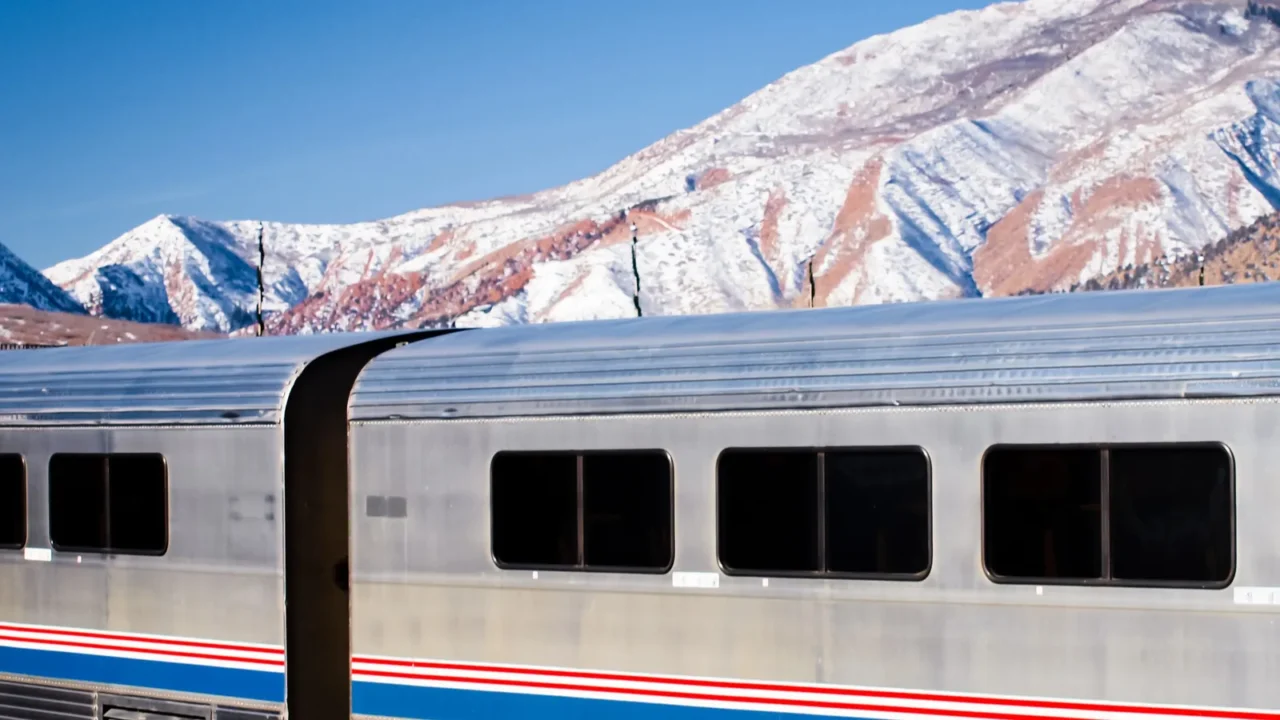
Northern mountain passes
Routes like the Empire Builder travel through northern mountains and forests, including Glacier National Park. Passengers experience sustained wilderness views, river valleys, and small northern towns.
These sections show engineering solutions to steep terrain while providing uninterrupted observation of protected ecosystems, offering both scenic and educational value.
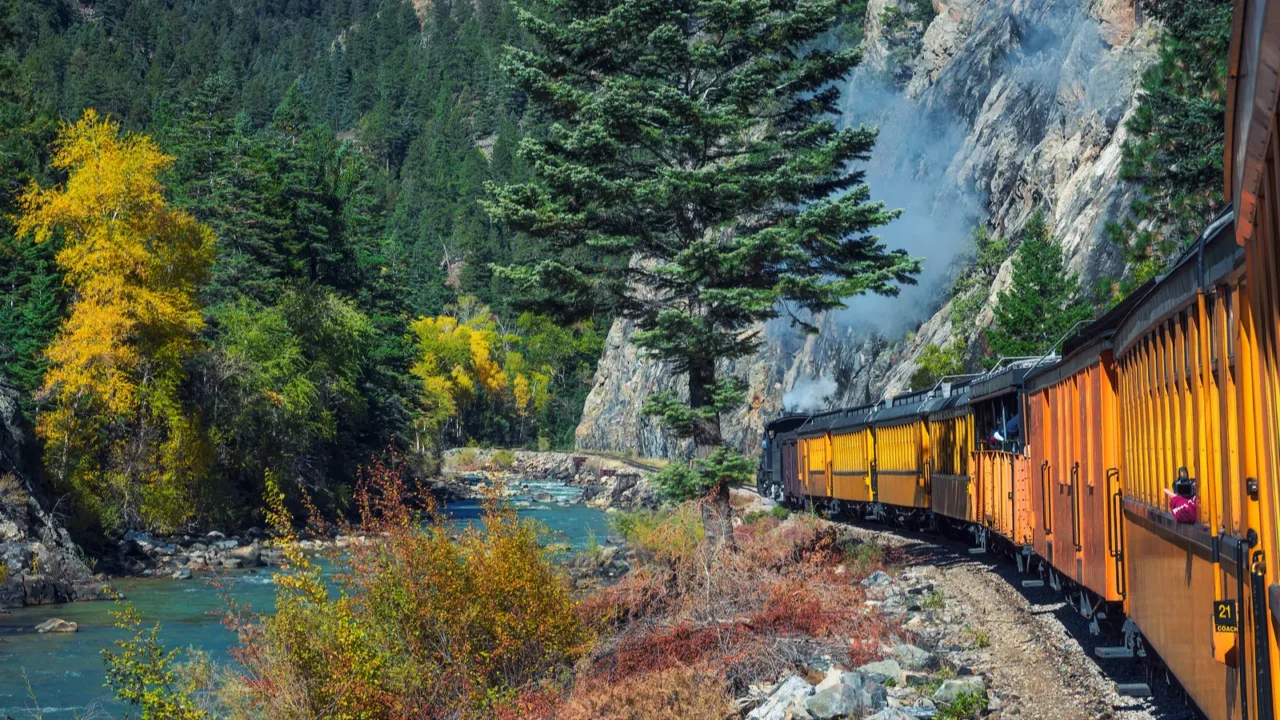
Majestic rocky peaks
The California Zephyr passes through the Rocky Mountains and Glenwood Canyon, with dramatic peaks, river canyons, and alpine forests. The continuous elevation changes provide a cinematic travel experience.
Observation cars maximize viewing opportunities, and the route highlights how rail infrastructure adapts to high-altitude conditions while preserving the surrounding environment.
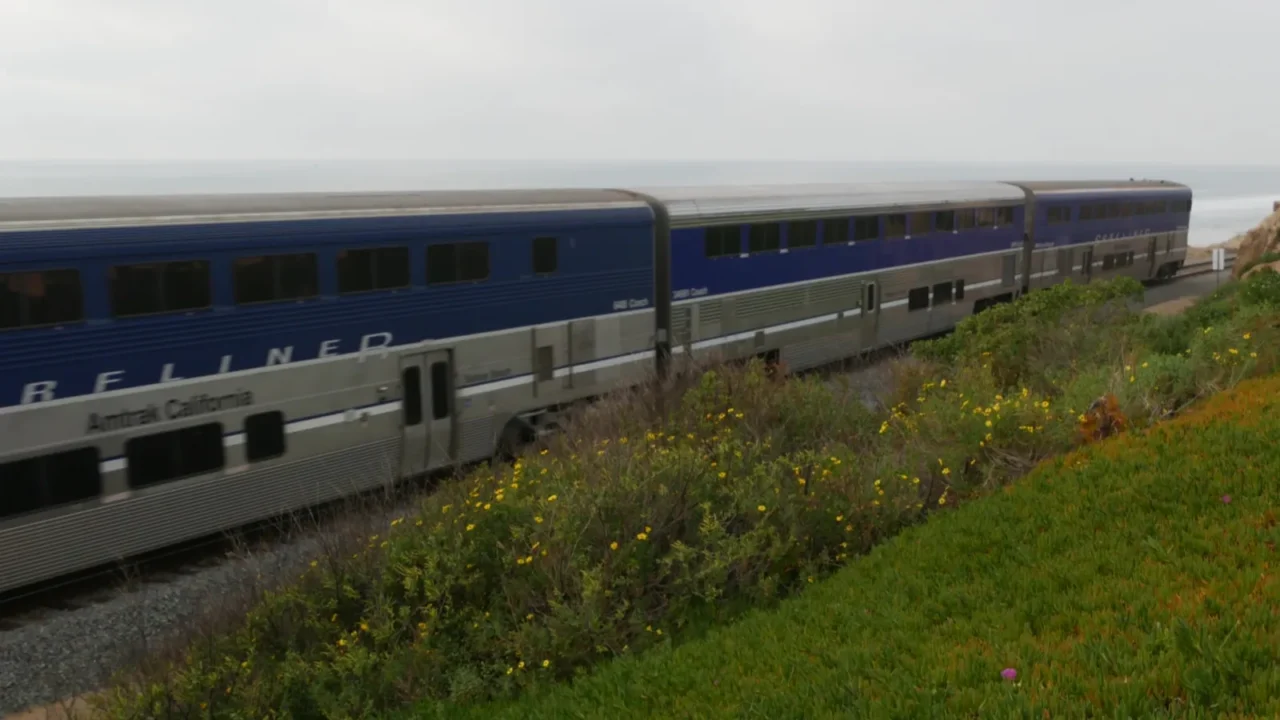
Coastal cliff views
Pacific coastal routes provide views of cliffs, beaches, and shoreline forests. The Coast Starlight traverses these areas, offering uninterrupted scenery where the ocean meets mountains.
Passengers observe diverse ecosystems and human settlements while traveling through protected areas, making the experience both visually rich and environmentally significant.
Open plains and valleys
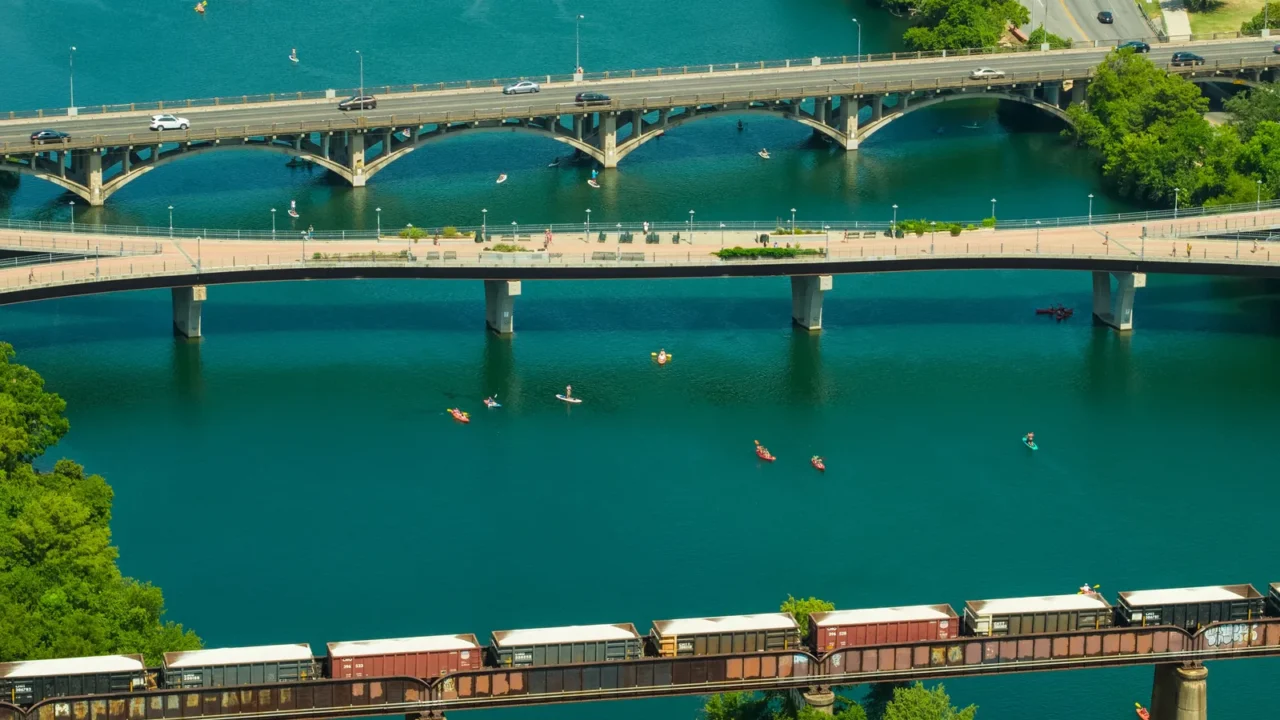
The Texas Eagle covers vast plains, agricultural regions, and river valleys. Passengers can observe open landscapes and small towns over long distances, giving insight into rural America.
The route demonstrates how transportation infrastructure integrates with agricultural land while providing continuous observation of human and natural geography.
Desert horizons
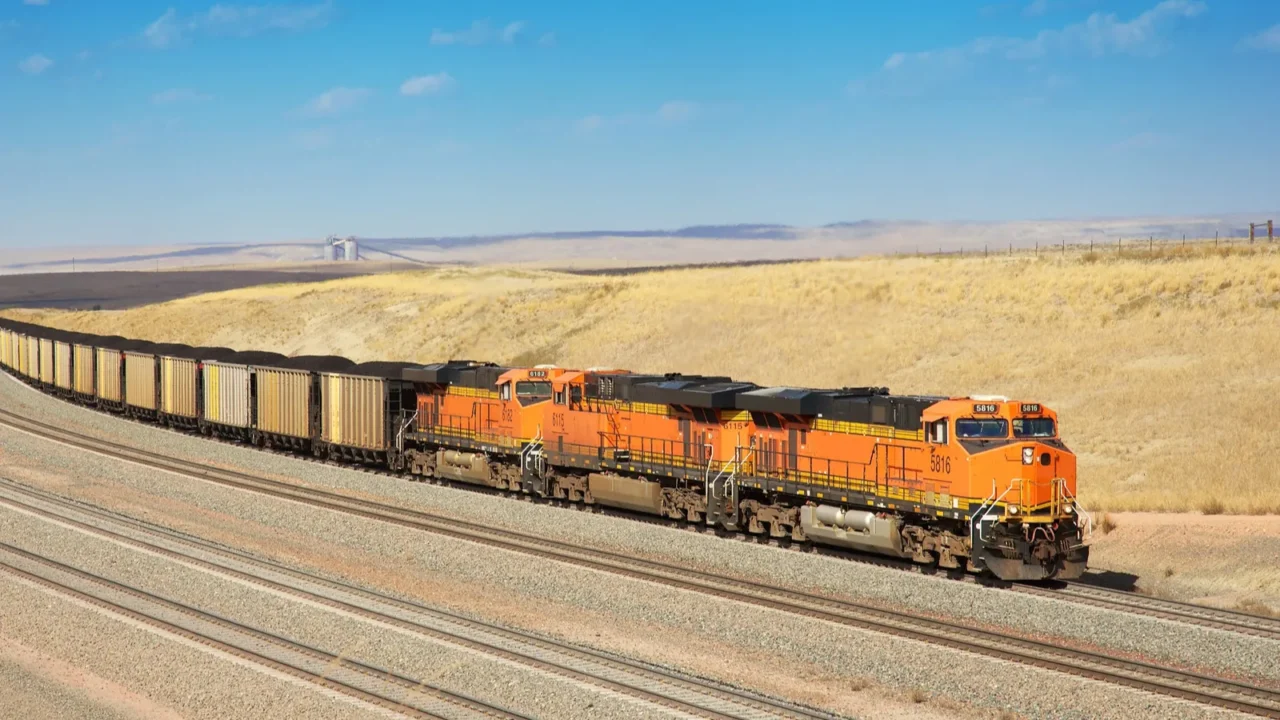
Routes through New Mexico and Arizona, such as the Southwest Chief, cross deserts, mesas, and plateaus. Travelers experience vast open space, geological formations, and colorful desert skies.
These segments highlight climate adaptation and sparsely populated areas, showing how infrastructure and natural landscapes coexist in extreme environments.
River valley views
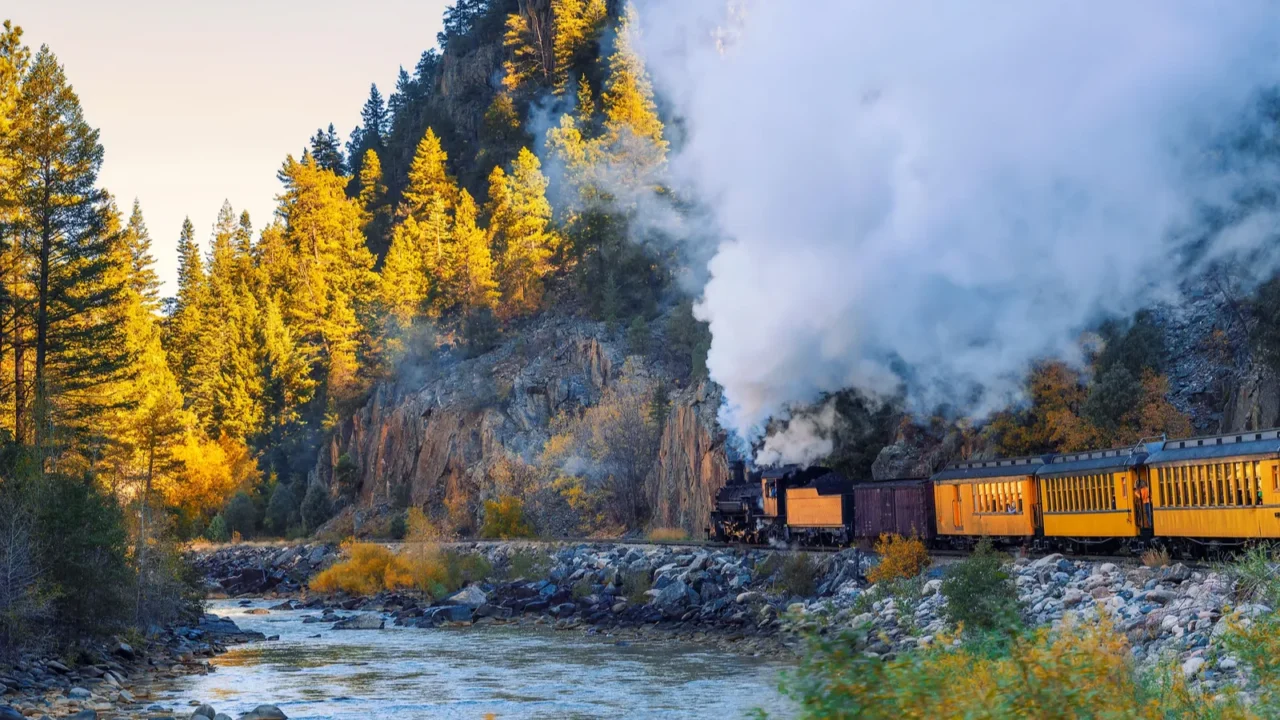
Routes like the Adirondack follow rivers such as the Hudson, revealing waterway floodplains, forests, and nearby towns. These corridors provide continuous scenic and geographic observation.
Travelers also witness patterns of human settlement, agriculture, and ecosystem interaction, making the journey both visually and educationally valuable.
Historic mountain lines
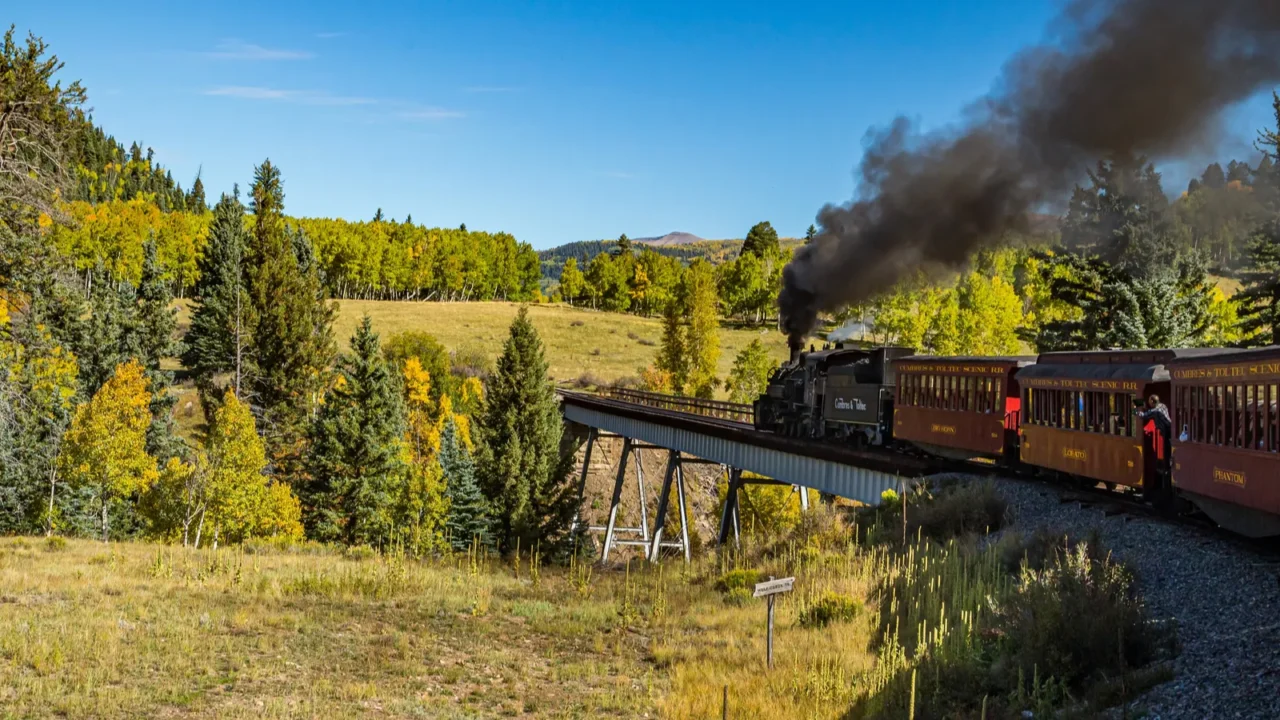
The Cumbres & Toltec Scenic Railroad traverses high-altitude passes and mountain gorges. It demonstrates historic engineering while allowing observation of alpine forests and geological formations.
Passengers experience heritage rail travel and scenic landscapes simultaneously, blending cultural history with geographic observation.
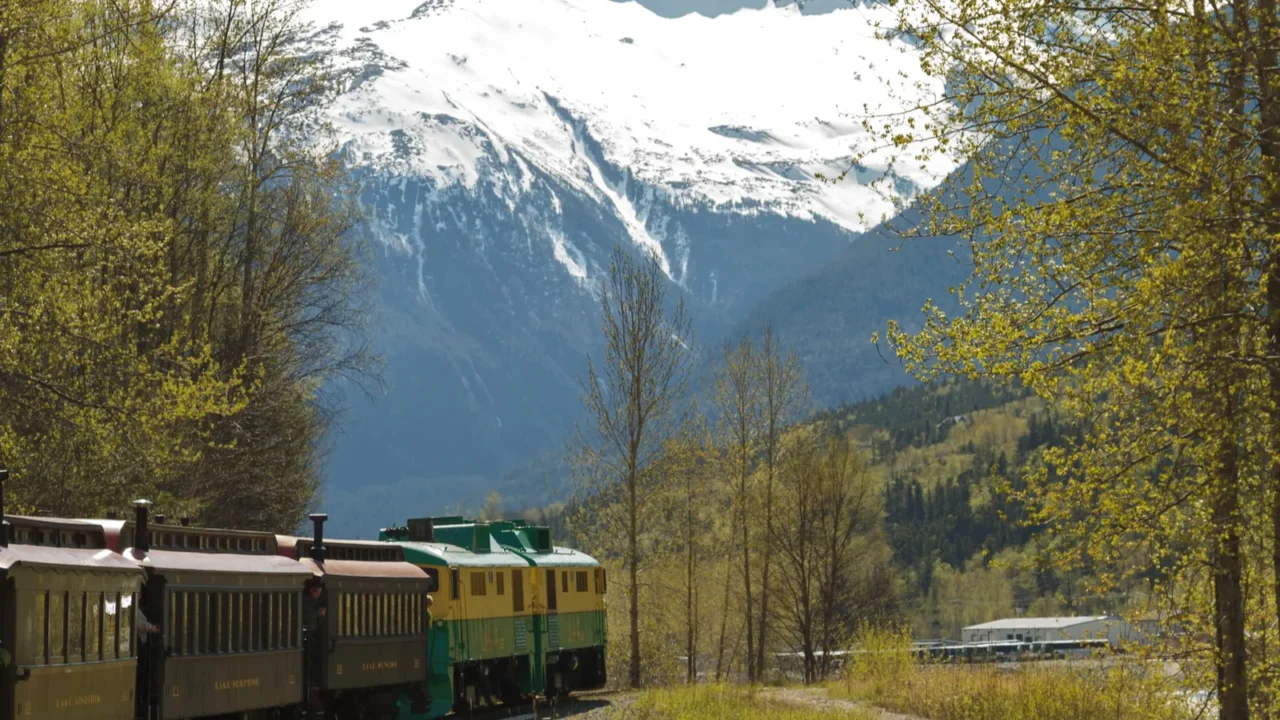
Snow-capped wilderness
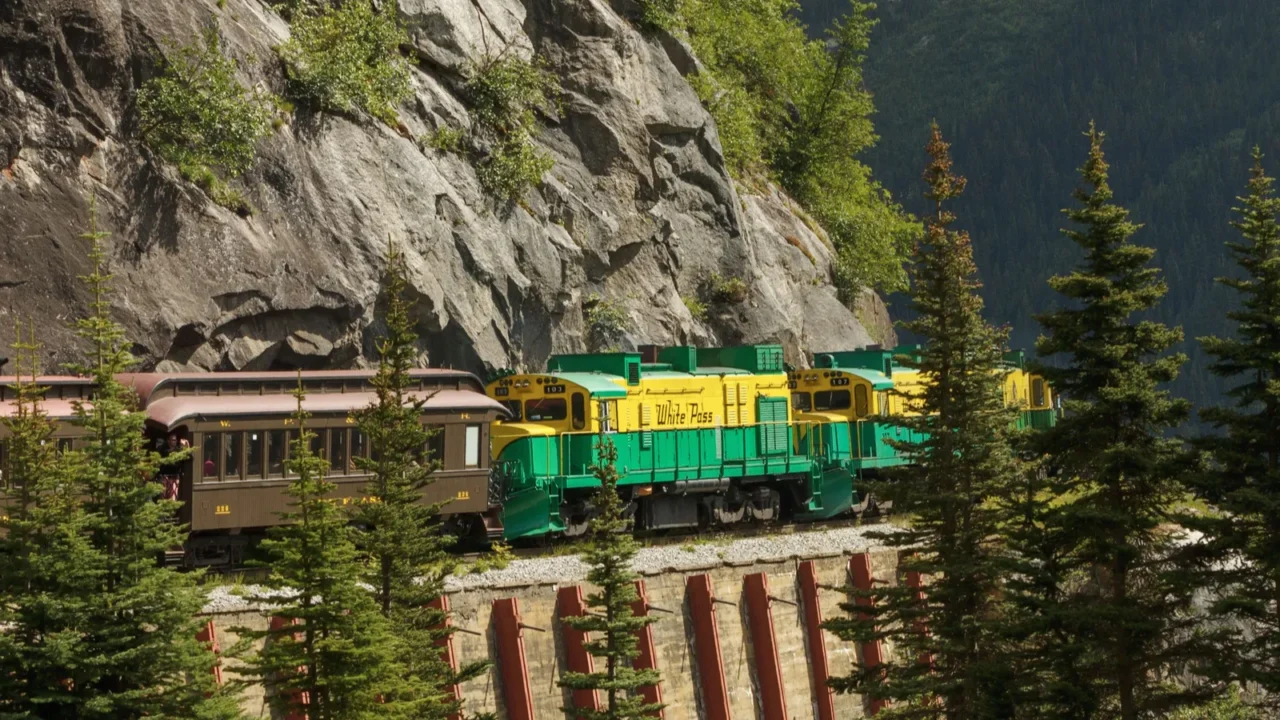
The White Pass & Yukon Route passes snowy peaks, glaciers, and rugged valleys. Travelers gain perspective on extreme terrain and natural formations inaccessible by road.
These regions provide insight into alpine ecosystems, glacial geography, and how infrastructure navigates challenging climates.
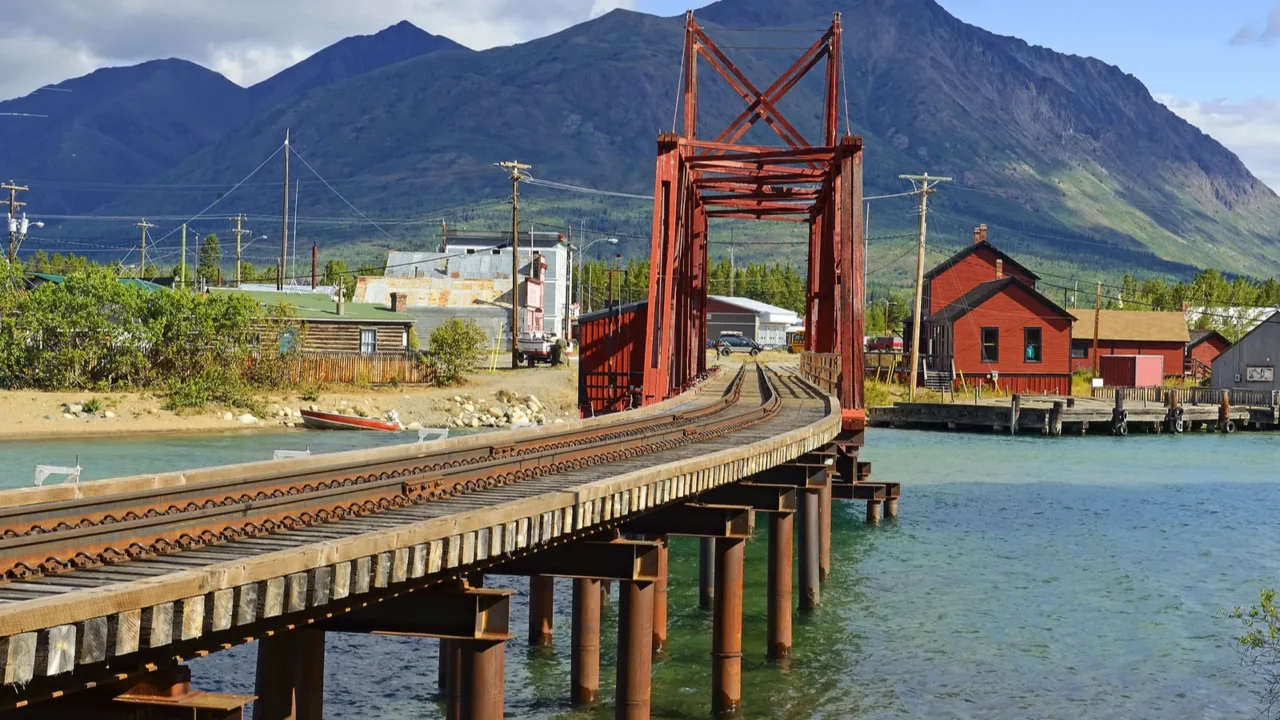
Coastal mountain vistas
Alaska Railroad’s Coastal Classic runs along inlets and mountain ranges, showcasing glaciers, forests, and coastal cliffs. Passengers observe ecosystem transitions from sea level to alpine terrain.
This journey demonstrates how scenic rail can provide comprehensive exposure to both marine and mountainous landscapes.
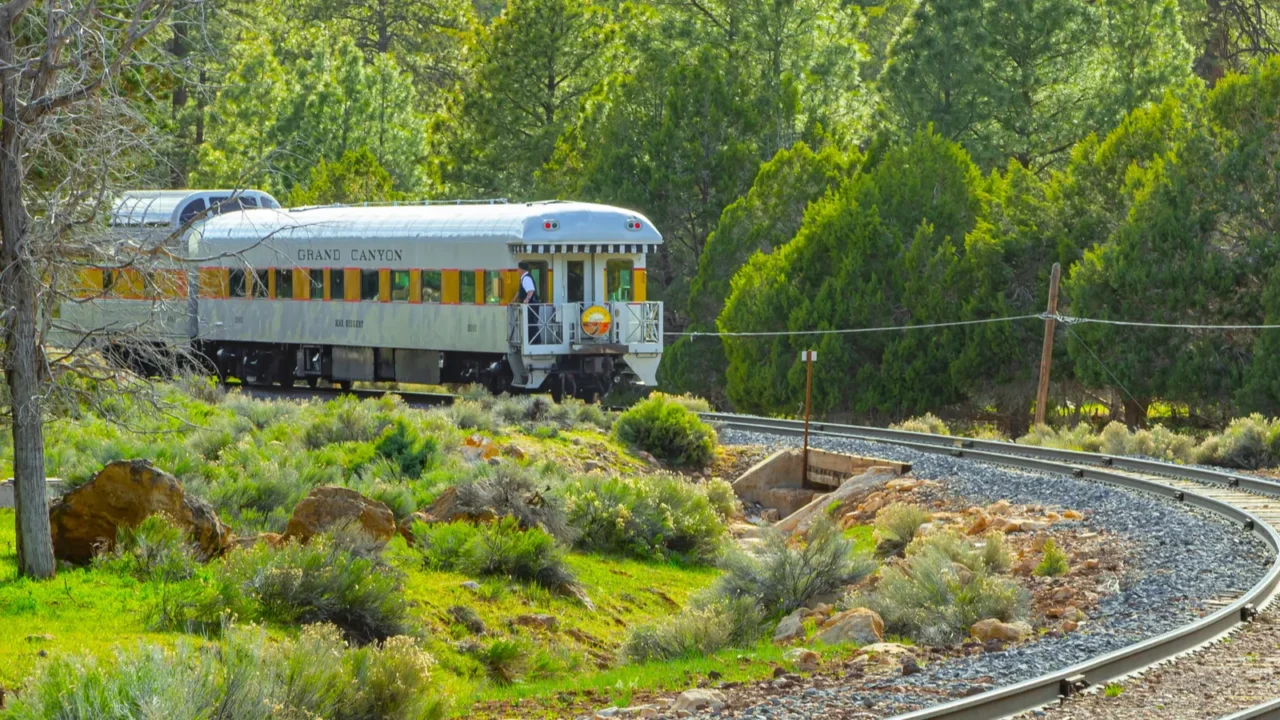
Canyon approaches
The Grand Canyon Railway passes desert plateaus, forests, and canyon edges, allowing travelers to witness geologic layers and river valleys.
It demonstrates how infrastructure integrates with extreme landscapes while providing visual access to areas otherwise difficult to reach.
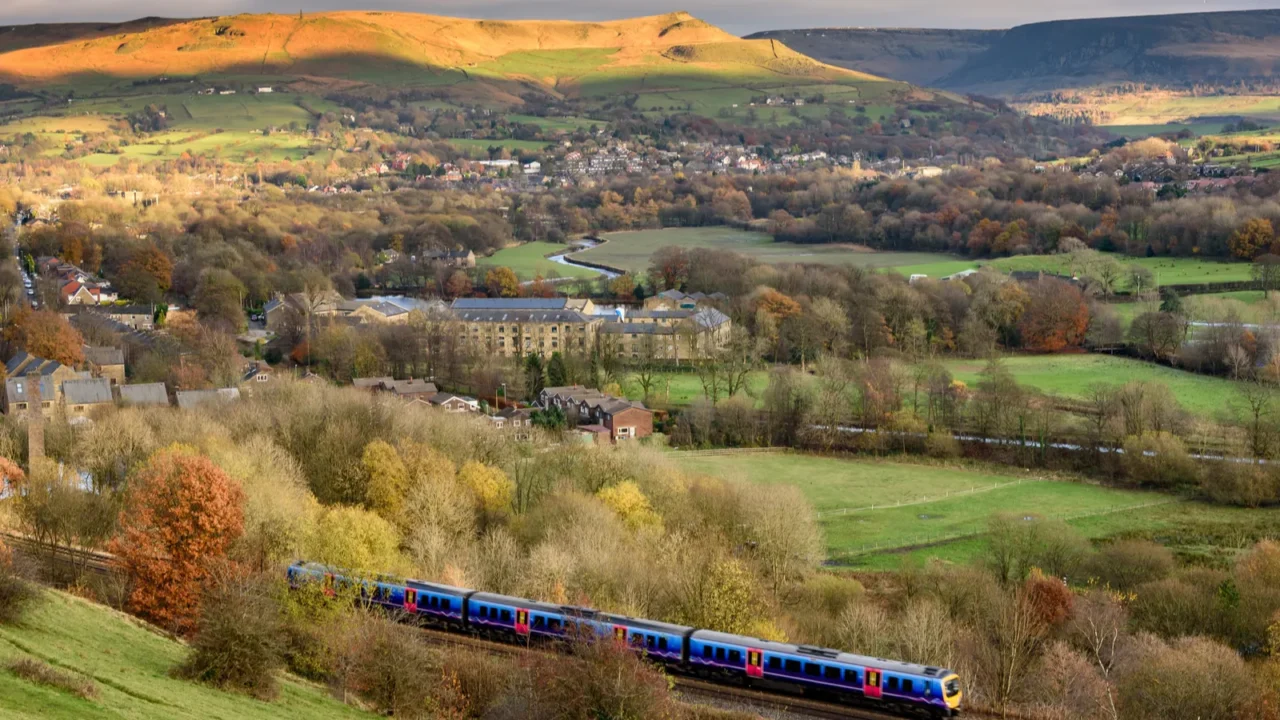
Rural settlement patterns
Trains crossing rural America provide views of farmland, small towns, and regional infrastructure. Travelers can see settlement distribution, agricultural practices, and local architecture. These long-distance rail routes reveal how trains connect isolated communities, showcasing rural architecture, agriculture, and geographic diversity across multiple states.
These routes allow passengers to observe how rail connects isolated communities and preserves access to America’s rural landscapes. Long-distance rail travel highlights patterns that are impossible to fully experience by road. Experience it firsthand and uncover hidden gems along the way with train journeys.
Panoramic landscape views
Observation from a train window allows passengers to view a wide variety of terrains—mountains, deserts, plains, rivers, and coasts—in one journey. This perspective highlights human-nature interaction, seasonal change, and regional geography, making long-distance rail a unique way to experience the United States.
Panoramic views from trains provide a moving lens on the country’s diverse environments, revealing connections between urban areas, rural lands, and untouched wilderness. The experience combines efficiency, comfort, and unmatched scenery. Plan your adventure and see the landscapes for yourself along stunning Amtrak train routes.
Which scenic rail journey would you take first? Let us know your pick and why!
This slideshow was made with AI assistance and human editing.
Don’t forget to follow us for more exclusive content right here on MSN.
Read More From This Brand:
